Here’s Why Your Carrots Grow Short And Stumpy In Oregon Soil
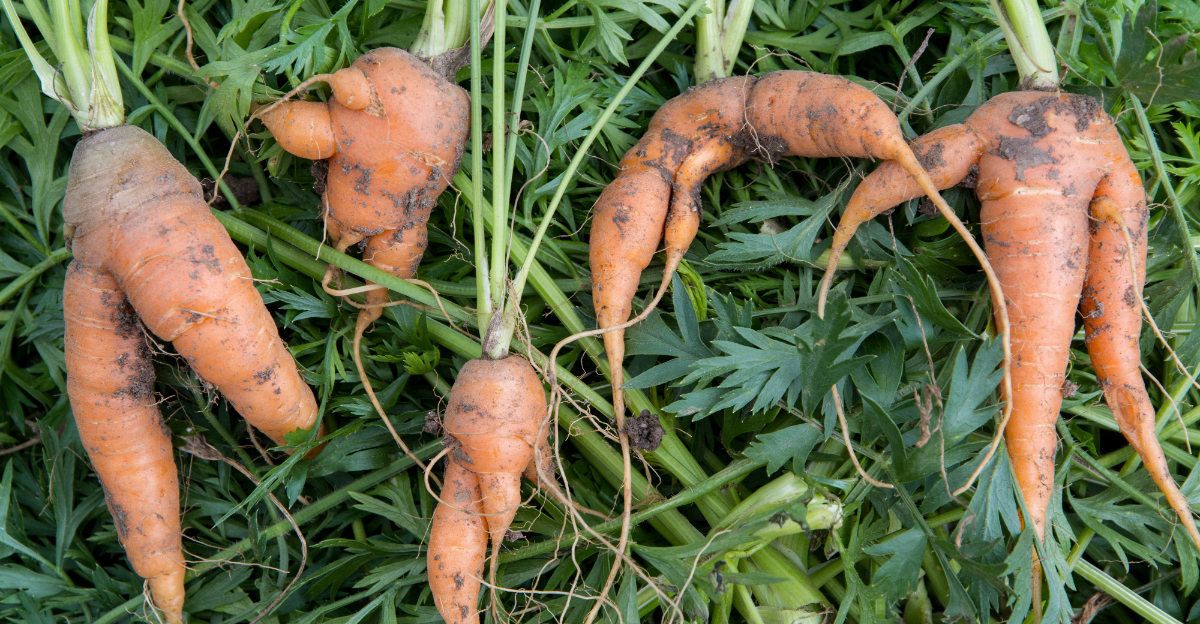
You plant your carrots, keep them watered, and wait for that satisfying pull, only to end up with short, stubby roots that look nothing like the long, straight ones you pictured. It’s one of the most common frustrations for Oregon gardeners, and it has a lot to do with what’s happening below the surface.
Oregon soil can be a mixed bag. In some areas it’s heavy and compacted, in others it’s full of rocks or stays too wet for too long.
Carrots need loose, deep soil to grow properly, and when they hit resistance, they stop stretching and start bulking up in all the wrong ways.
The good news is this problem is easy to fix once you know the cause. A few simple changes to your soil and setup can completely transform your carrot harvest into the long, smooth roots you were hoping for.
1. Heavy Clay Soil Compaction
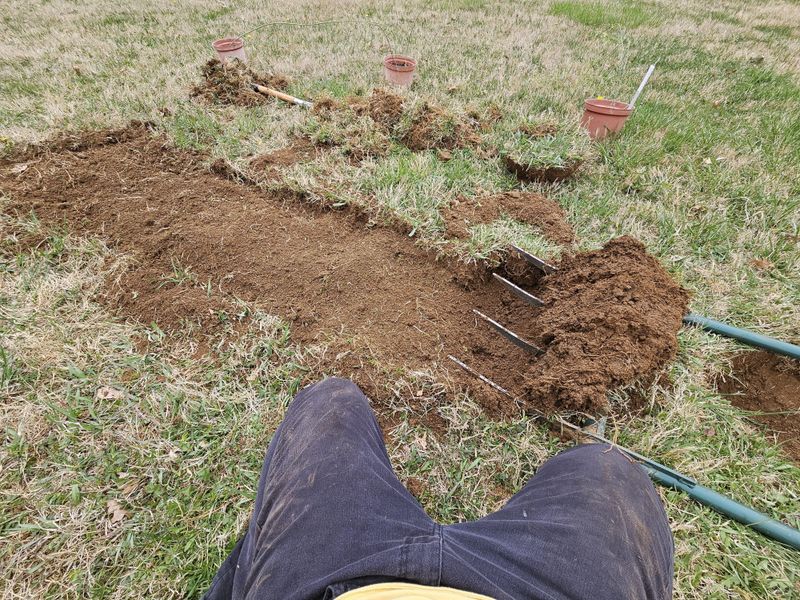
Pull a short, stubby carrot out of Oregon clay soil, and the soil itself tells the whole story. Clay soil is made up of tiny, tightly packed particles that leave very little room for air or water to move through.
When carrot roots try to push downward, they hit a wall of resistance and start growing sideways or stop growing altogether.
Oregon’s Willamette Valley is well known for its heavy clay soil. Gardeners there often struggle with compaction, especially after rainy winters that pack the ground down even further.
Carrots need loose, fluffy soil to grow long and straight. Without it, they simply cannot develop properly.
The good news is that you can fix compacted soil over time. Mix in plenty of compost or aged manure to loosen things up.
Raised beds are a popular solution for Oregon gardeners because you can fill them with a custom mix of loose, well-draining soil. Avoid walking on your garden beds, which presses the soil down again.
Loosening your soil at least 12 inches deep before planting gives carrot roots the space they need to grow long and strong instead of short and stumpy.
2. Rocks Blocking Root Growth
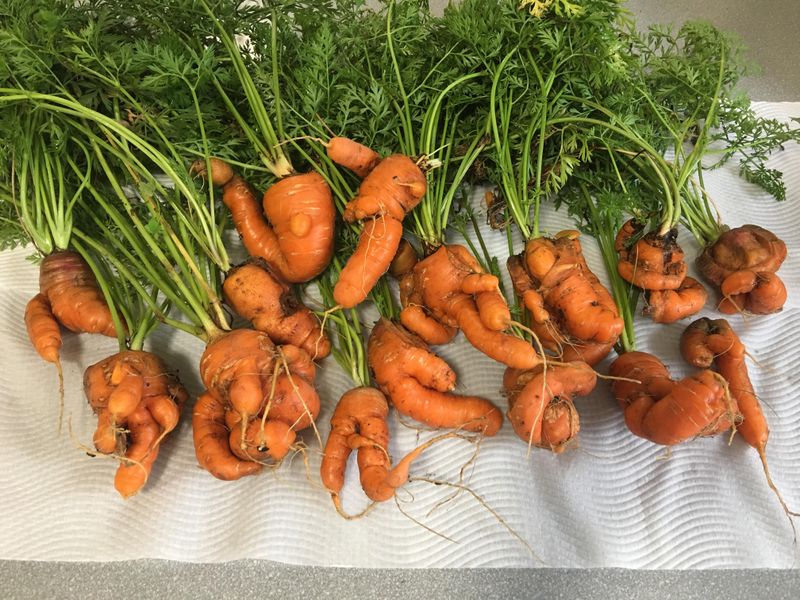
Rocks are one of the sneakiest reasons carrots end up short and twisted. When a growing carrot root hits a rock underground, it cannot push through.
Instead, it bends around it, splits into two or more forks, or simply stops growing deeper. The result is a short, misshapen carrot that looks nothing like what you see in the grocery store.
Many parts of Oregon, especially eastern Oregon and areas near the foothills, have naturally rocky soil. Even in backyard gardens across the state, old rocks and debris can work their way up through the soil over the years.
You might not even know they are there until your harvest disappoints you.
Before planting carrots, take time to dig through your garden bed and remove as many rocks as possible. Go down at least 10 to 12 inches since that is how deep a full-sized carrot needs to grow.
After clearing rocks, loosen the soil well and add compost to improve the texture. Some Oregon gardeners build raised beds specifically to avoid dealing with rocky native soil.
Your Oregon Garden Changes Every Week. Your Plan Should Too.
Gardening in Oregon changes quickly throughout the season. Every Friday you’ll receive a simple weekly plan showing exactly what to plant, prune, fertilize, harvest, and protect so you never miss the right timing.
Choosing shorter carrot varieties like Chantenay can also help if your soil still has some stones hiding in it. A little prep work before planting saves a lot of frustration at harvest time.
3. Overcrowded Seedlings
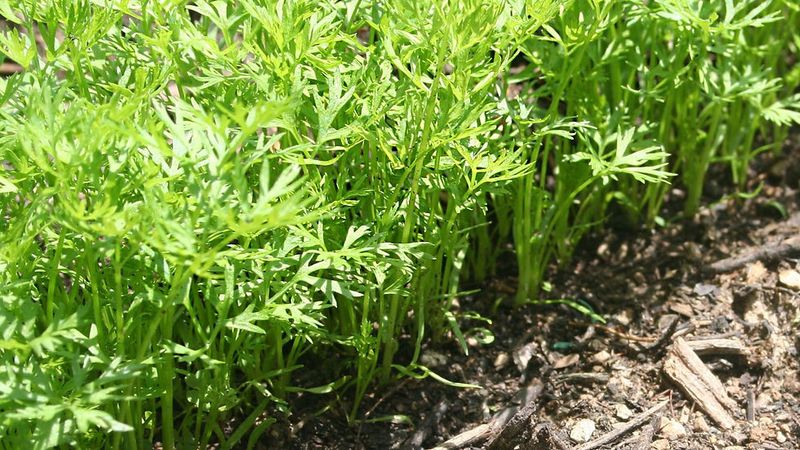
Carrot seeds are tiny, and it is way too easy to sprinkle too many into a row without realizing it. Once those seeds sprout, you end up with a jungle of seedlings all fighting for the same space, water, and nutrients.
Crowded carrots cannot develop properly because their roots bump into each other underground, forcing them to stay small and stunted.
Thinning seedlings is one of the most important steps in growing good carrots, yet many Oregon gardeners skip it because it feels wasteful. But leaving too many plants in the ground actually hurts your whole crop.
Each carrot plant needs at least 2 to 3 inches of space on all sides to grow a decent root. Without that space, you get a bunch of tiny, underdeveloped carrots instead of a handful of great ones.
Once your carrot seedlings are about 2 inches tall, go through the row and thin them out. Use small scissors to snip the extra seedlings at soil level rather than pulling them, which can disturb nearby roots.
In Oregon’s mild spring climate, carrot seeds germinate quickly, so stay on top of thinning early. It might feel like you are removing perfectly good plants, but the carrots you leave behind will reward you with much better growth and a far more satisfying harvest in the end.
4. Inconsistent Watering
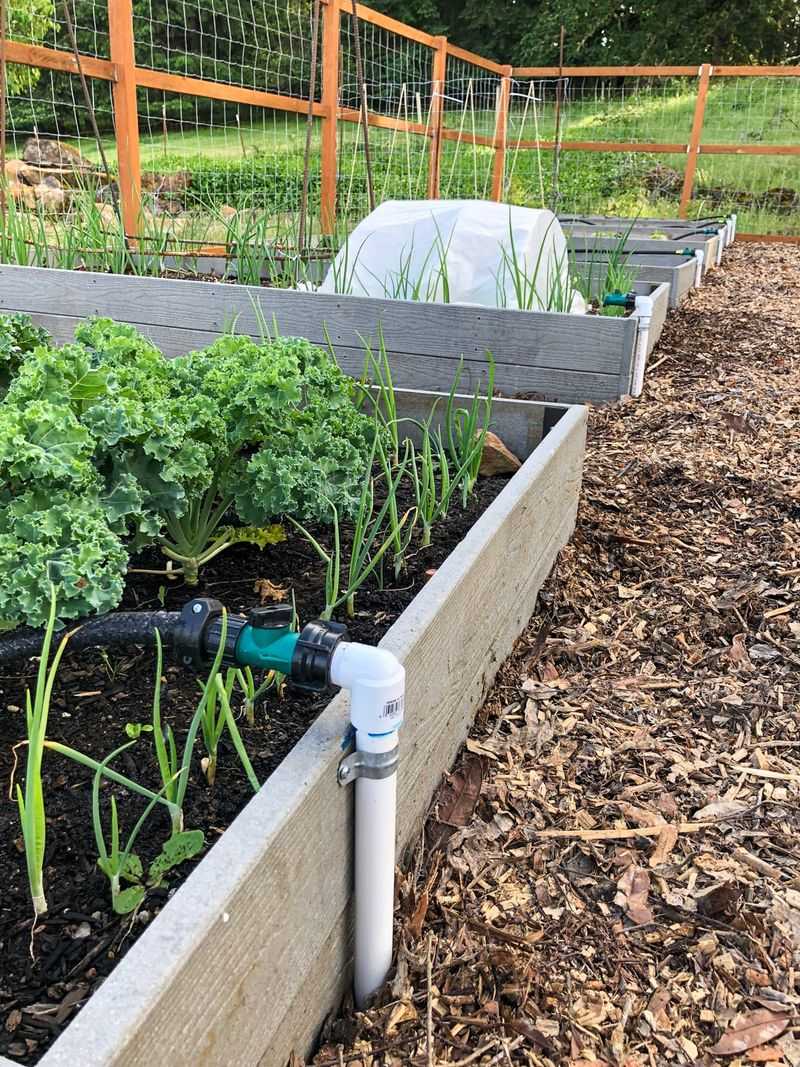
Water might seem simple, but the way you water your carrots makes a huge difference in how they grow. Carrots need steady, consistent moisture from the moment they sprout until the day you harvest them.
When the soil swings between bone dry and soaking wet, the roots react by growing unevenly, cracking, or splitting. That inconsistency is a major reason so many Oregon gardeners end up with short, deformed carrots.
Oregon’s weather does not always make consistent watering easy. Wet winters and springs can trick gardeners into thinking the soil stays moist on its own, but dry summer stretches can stress carrot plants fast.
During hot spells in the Willamette Valley or central Oregon, soil can dry out much faster than expected, especially in raised beds or sandy soil mixes.
Aim to keep your carrot bed evenly moist, not soggy and not dry. Water deeply a few times a week rather than giving shallow sprinkles every day.
Drip irrigation works really well for carrots because it delivers water slowly and directly to the root zone. Mulching around your carrot plants with straw or shredded leaves also helps Oregon gardens hold moisture between watering sessions.
Steady watering encourages roots to grow straight and deep instead of reacting to stress by staying short and misshapen.
5. Too Much Nitrogen
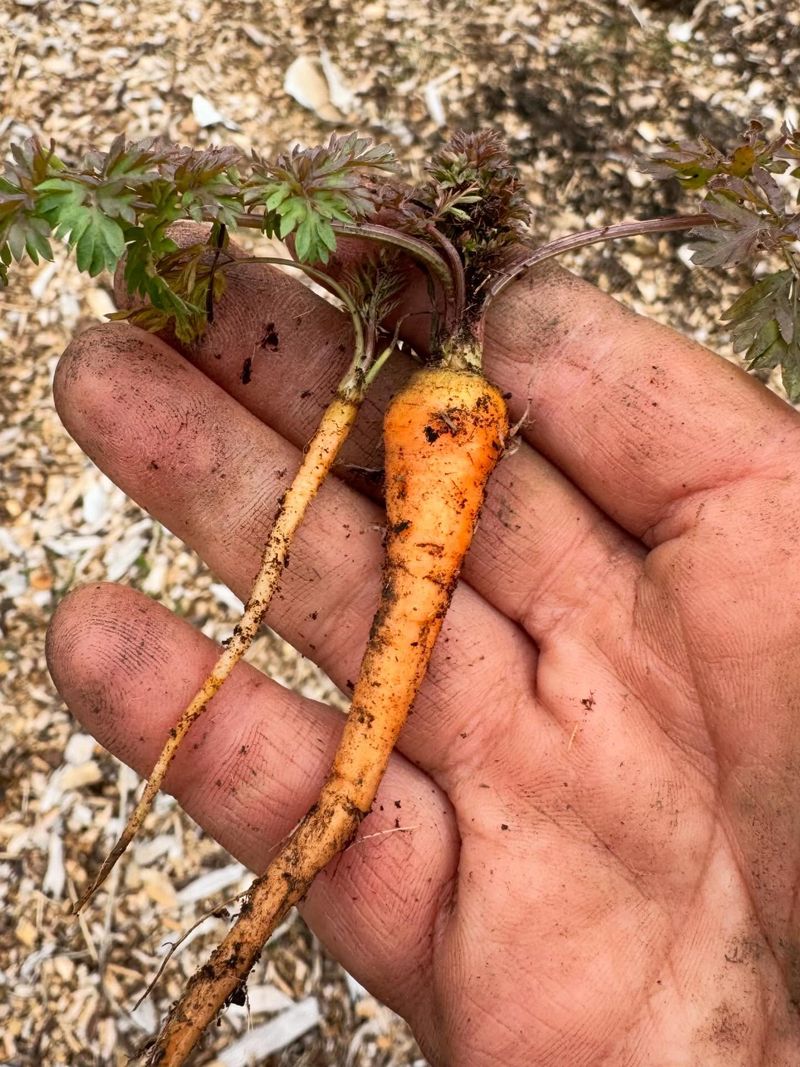
Walk through an Oregon garden where someone got a little too generous with fertilizer, and you will often see the same thing: gorgeous, dark green, bushy carrot tops with tiny little roots underneath. Too much nitrogen sends a clear message to the plant to focus all its energy on growing leaves instead of building a big, healthy root.
The result looks impressive above ground but is a real letdown below it.
Nitrogen is one of the three main nutrients in most fertilizers, and it is fantastic for leafy greens like lettuce and spinach. But carrots are a root crop.
They need phosphorus more than nitrogen to develop strong, deep roots. When nitrogen levels in the soil are too high, whether from over-fertilizing or from fresh manure added too recently, carrots respond by pumping out foliage and neglecting their roots.
Before planting carrots in Oregon, get a simple soil test to check your nutrient levels. Many Oregon State University Extension offices offer affordable soil testing services.
If nitrogen is already high, skip the fertilizer and just add compost instead. Never add fresh manure right before planting carrots.
If you do fertilize, choose a low-nitrogen option with higher phosphorus content. Feeding your soil smartly rather than heavily is the key to growing long, full carrots rather than leafy green disappointments.
6. Wrong Carrot Varieties

Not all carrots are created equal, and choosing the wrong variety for Oregon soil is a mistake that surprises a lot of first-time gardeners. Long, slender Imperator-type carrots look stunning in seed catalogs, but they need deep, loose, almost sandy soil to reach their full length.
Plant them in Oregon’s heavier soils and they will hit resistance fast, staying short no matter how well you care for them.
Oregon has a wide range of growing conditions depending on where you live. Gardeners in the Willamette Valley deal with clay-heavy soil, while those in central or eastern Oregon face drier, sometimes rockier ground.
The good news is that there are carrot varieties specifically bred to handle these tougher conditions. Chantenay and Danvers types are shorter and broader by nature, and they push through heavier soil much more successfully than long varieties.
For Oregon gardeners working with dense or rocky soil, Chantenay carrots are a smart pick. They top out around 5 to 7 inches and have a thick, blocky shape that actually suits heavier soil perfectly.
Danvers varieties are also reliable performers in Oregon gardens. Round varieties like Parisian or Thumbelina work great in containers or very rocky spots.
Matching your carrot variety to your specific soil type is one of the easiest changes you can make for a dramatically better harvest this season.
7. Harvesting Too Early
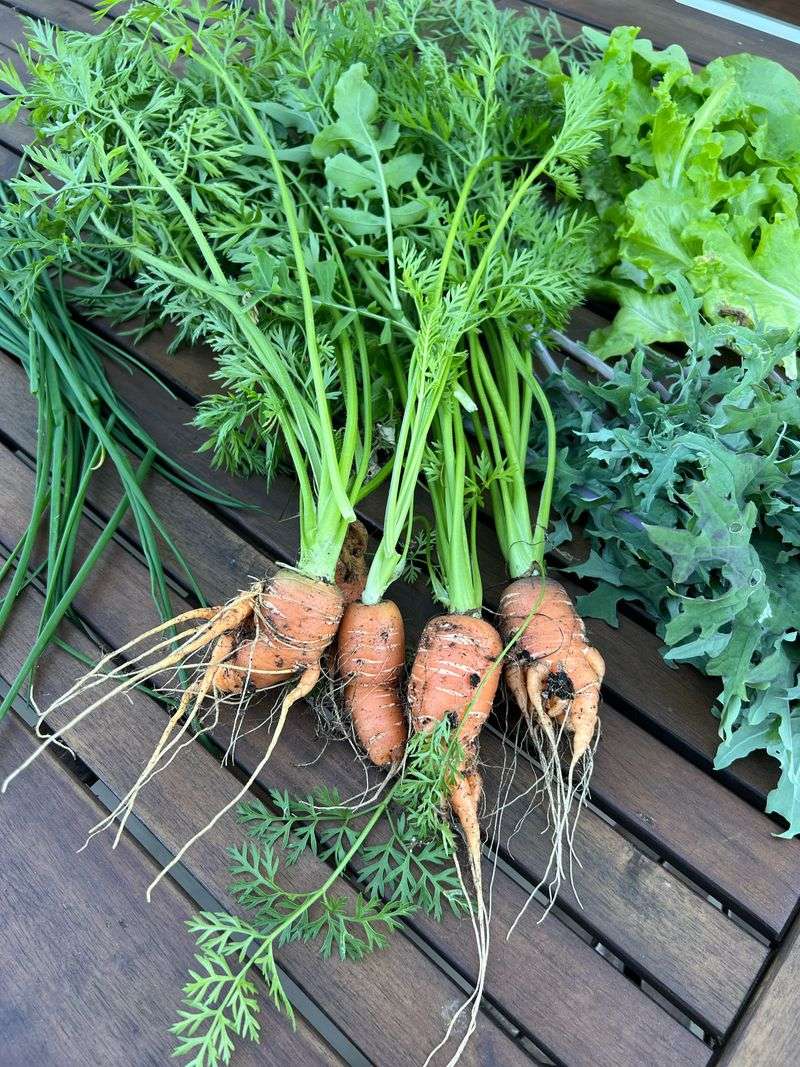
Patience is genuinely one of the hardest parts of growing carrots. After weeks of watering, weeding, and waiting, it is tempting to pull a few carrots early just to see how they are doing.
But harvesting too soon is one of the most common reasons Oregon gardeners end up with short, skinny, underdeveloped carrots. Those roots simply need more time underground to bulk up and reach their full size.
Most carrot varieties take between 70 and 80 days from planting to reach full maturity. In Oregon’s cooler spring and fall seasons, that timeline can stretch even longer because cooler soil slows root development.
Pulling carrots even two weeks too early can mean the difference between a plump, sweet root and a thin little stub that barely fills your hand.
A good trick is to check the seed packet for the days-to-maturity number and mark your calendar from the planting date. You can also gently brush away a little soil near the top of a carrot to peek at the shoulder width.
A mature carrot should be at least half an inch wide at the top. Oregon’s cool fall temperatures actually make carrots taste sweeter because the cold converts starch into sugar.
So waiting a little longer, especially into October, often rewards you with the best-tasting carrots of the entire growing season.