Why Some Michigan Plants Look Far Gone In April But Can Still Recover
April in Michigan can leave gardens looking uneven, with some plants showing strong new growth while others appear far behind.
Brown stems, soft patches, or a lack of visible change can make it seem like certain plants did not make it through winter. It is easy to assume the worst, especially when nearby plants are already coming back to life.
But early spring can be misleading. Many plants respond slowly to warming soil and shifting temperatures, even when they are still healthy below the surface.
In a state where weather can change quickly, some plants take extra time to show signs of recovery. What looks like serious damage may actually be a temporary setback.
Once you understand how plants respond to these conditions, it becomes easier to tell the difference between real problems and normal spring delay, giving you a better chance to help them bounce back.
1. Roots Are Still Alive Even If Top Growth Looks Damaged
Picture this: your garden shrub looks completely brown and crispy in April, and you are ready to yank it out.
Before you do anything, know that cold temperatures in Michigan almost always hit above-ground growth far harder than what is happening underground.
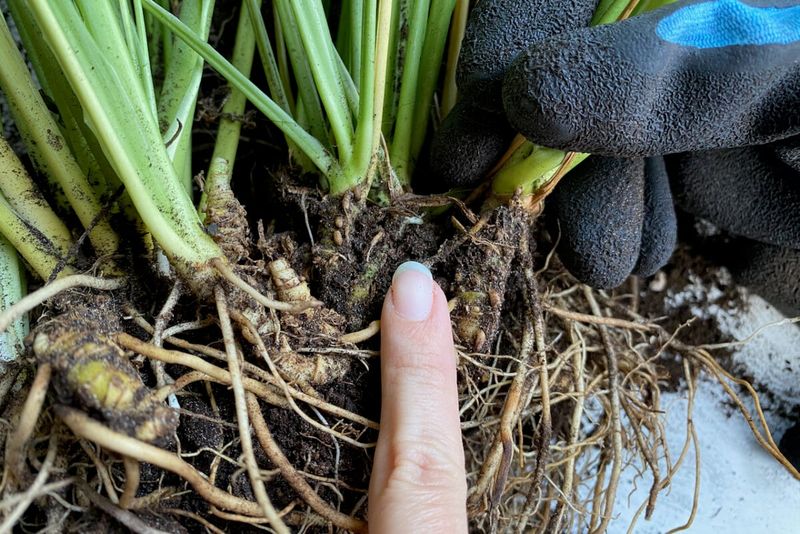
Roots sit protected beneath layers of soil, which acts like a natural blanket through the entire winter season.
Even when stems look rough and stressed after a hard Michigan winter, the roots below can stay surprisingly healthy and full of stored energy.
That energy is exactly what the plant needs to push out fresh new growth once the soil warms up.
Healthy roots are the engine, and the engine may still be running just fine. A quick and easy way to check is to gently scratch the base of the stem with your fingernail.
If you spot green or white moist tissue underneath the outer layer, that plant is still very much alive and working.
Michigan gardeners who skip this simple step often remove plants that would have bounced back beautifully within just a few warm weeks.
Give your plants a fair chance by checking the roots before making any big decisions about removal.
2. Late Leaf-Out Is Perfectly Normal For Many Species
Some plants just like to take their sweet time waking up in spring, and there is absolutely nothing wrong with that.
In Michigan, cooler soil temperatures in early April slow down the process for many species, especially in the Upper Peninsula where the ground stays cold much longer than in the Lower Peninsula.
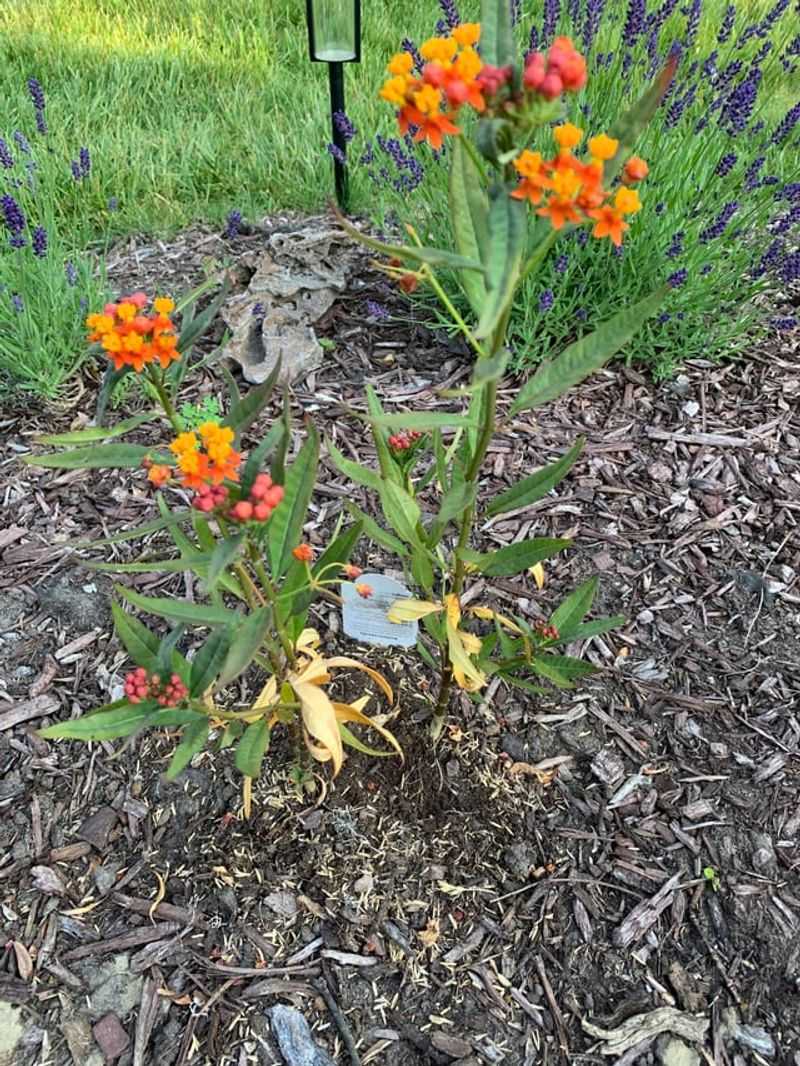
What looks completely inactive might simply be a plant waiting for the right conditions. Hardy hibiscus and butterfly weed are two great examples of plants that famously emerge late every single year.
Gardeners who do not know this often remove them in April, thinking they are gone, only to find out they pulled a perfectly healthy plant.
These species can sometimes wait until late May or even early June before showing any visible signs of life above ground. Patience is one of the most powerful tools a Michigan gardener can have in spring.
Your Michigan Garden Changes Every Week. Your Plan Should Too.
Gardening in Michigan changes quickly throughout the season. Every Friday you’ll receive a simple weekly plan showing exactly what to plant, prune, fertilize, harvest, and protect so you never miss the right timing.
Instead of reacting quickly to bare stems, try marking late-emerging plants with a small garden stake so you remember where they are.
Keep a simple journal noting which plants in your yard broke dormancy late in previous years. That information becomes incredibly valuable each April when everything looks questionable.
Knowing your plants and their natural timelines makes all the difference between a thriving garden and an accidentally empty one.
3. Freeze-Thaw Cycles Cause Temporary But Misleading Tissue Damage
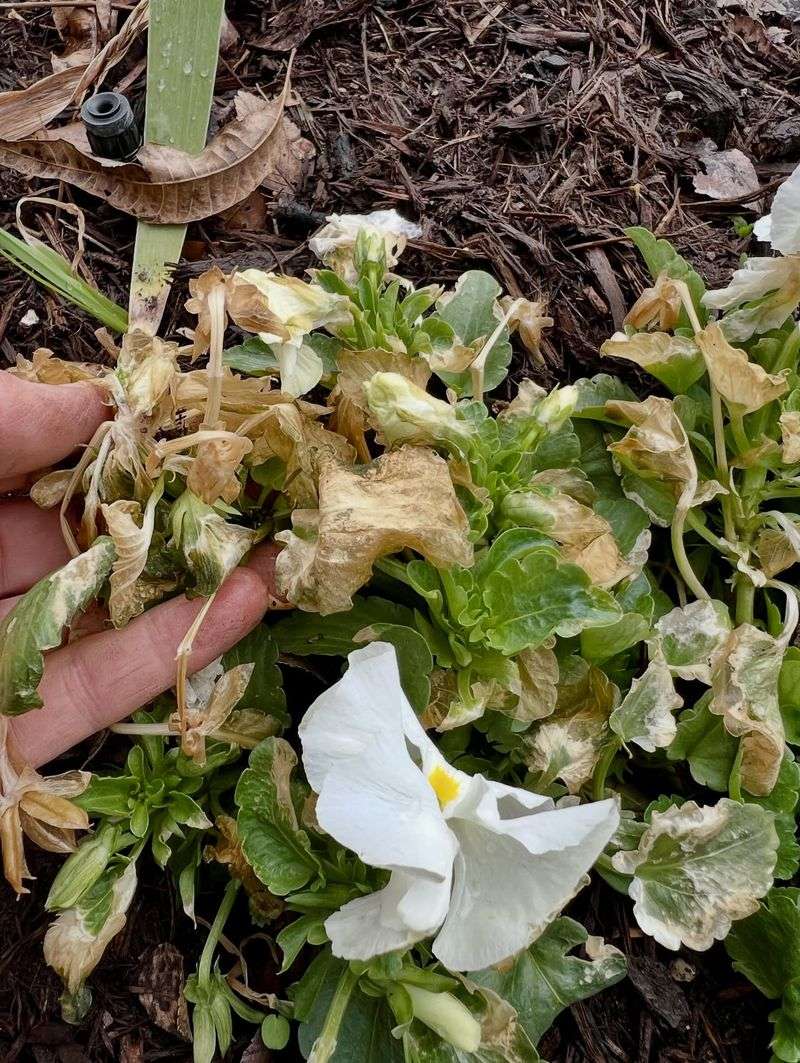
Michigan springs are famous for being unpredictable, and those wild temperature swings from warm afternoons to freezing nights do real visible damage to plant stems.
When water inside plant tissue freezes and then thaws repeatedly, it can cause the outer layer to look dark, shriveled, or even black.
That kind of appearance sends most gardeners straight into panic mode. Here is the good news though: this type of damage is very often only superficial.
The outer layers of a stem can look completely wrecked while the inner tissue stays green and healthy.
Once Michigan settles into consistent warmer temperatures, usually by mid to late May, those same stems can push out fresh buds and new growth that surprises even experienced gardeners.
The freeze-thaw pattern is especially common across central and northern Michigan, where late-season cold snaps are just part of the spring routine.
Rather than assuming the worst, do a quick bend test on suspect branches. If the branch bends without snapping, there is still moisture and life inside. A dry, brittle branch that snaps cleanly is a different story.
Learning to read these small signs gives you real confidence when assessing your garden each April, and it keeps you from removing plants that are simply waiting for a stretch of steady warmth to bounce back strong.
4. Snow Cover Actually Protects Lower Plant Growth All Winter
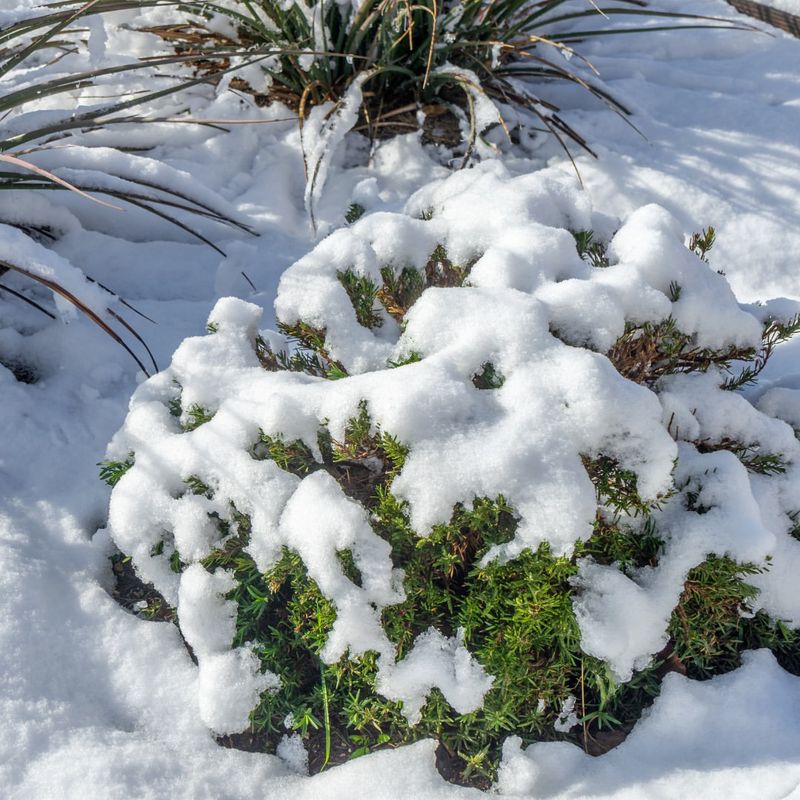
Snow gets a bad reputation in Michigan, but for garden plants it often acts as one of nature’s best protective tools.
A thick layer of snow covering the base of a shrub or perennial bed works like insulation, keeping the ground temperature far more stable than the freezing air above.
Plants tucked under that snow layer frequently come through winter in much better shape than their exposed tops suggest.
What you end up with in April is a plant that looks uneven and confusing. The upper stems that sat above the snowline may look rough, discolored, or stressed, while the lower portions near the soil line stayed cozy and protected all winter long.
This uneven appearance is completely normal and actually tells a pretty hopeful story about what is waiting to grow.
In parts of Michigan that receive heavy snowfall, especially the Upper Peninsula and northern Lower Peninsula, this snow insulation effect is even more pronounced.
Gardeners in those regions often notice their plants recover from the base up rather than from the tips down.
Trimming away only the clearly damaged upper portions while leaving the healthy lower growth intact is a smart approach.
Rushing to cut everything back at once risks removing the very tissue that will fuel the plant through its spring recovery.
Let the plant show you where the life is before you start cutting anything away.
5. Dormant Buds Can Survive Even When Branches Look Rough
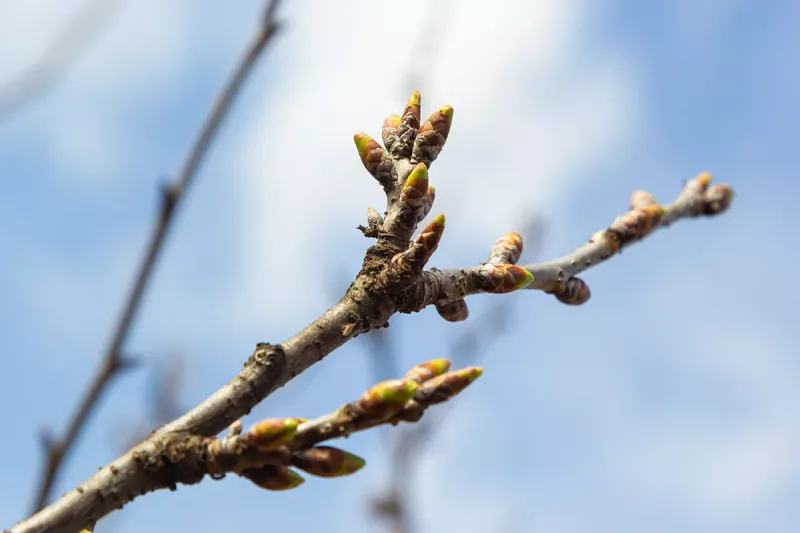
Buds are tougher than they look. Even when the outer bark of a branch looks weathered, gray, or stressed after a Michigan winter, the dormant buds sitting along that branch may still be perfectly viable and ready to grow.
Those small, protected bumps along the stem hold the blueprint for new leaves and flowers, and cold weather alone does not always compromise them.
Cold-hardy shrubs like forsythia, viburnum, and native spirea are especially good at holding onto their buds through tough Michigan winters.
You might look at a forsythia in early April and think it has no hope, but within two or three weeks of consistent warmth, those buds can burst open with bright yellow flowers and fresh green leaves.
The plant was never in trouble to begin with. A helpful trick is to clip a small section of a suspect branch and bring it inside.
Place it in a jar of water on a sunny windowsill and watch what happens over the following week or two.
If buds begin to swell and open, that is a clear signal the outdoor plant is still very much capable of recovery.
Michigan gardeners who use this simple forcing technique avoid a lot of unnecessary worry every April.
It is a low-effort, high-reward way to get real answers about your plants without waiting weeks outside in the unpredictable spring weather.
6. Michigan’s Fluctuating Spring Temperatures Slow Down Recovery Speed
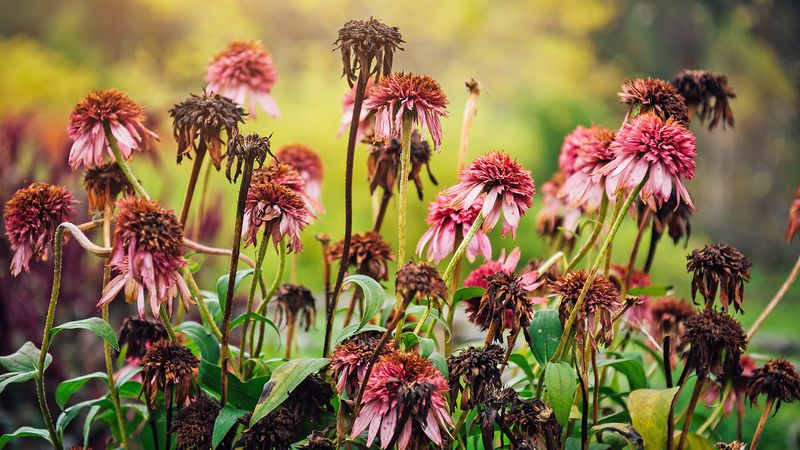
One warm week in Michigan does not mean spring has fully arrived. The state is well known for wild temperature swings in April, where a string of 65-degree days can be followed almost immediately by a hard frost that catches everyone off guard.
Plants respond to consistent warmth, not just occasional bursts of it, so their recovery timeline can look frustratingly slow from a gardener’s perspective.
When temperatures drop back down after a warm spell, many plants essentially hit pause on their growth.
New shoots that started emerging may stall or pull back slightly, and the whole plant can look like it gave up.
What is actually happening is a smart survival response built into the plant over thousands of years of evolution in climates exactly like Michigan’s.
Watching a daily forecast and tracking soil temperature is far more useful than just watching air temperature.
Most plants in Michigan begin active root and shoot growth when soil temperatures consistently reach around 50 degrees Fahrenheit.
A simple soil thermometer costs very little and gives you real information about what your plants are actually experiencing underground.
Once you understand that recovery speed is tied to soil warmth and temperature consistency rather than just the calendar date, April in your Michigan garden starts making a whole lot more sense.
Stop watching the calendar and start watching the soil.
7. Pruning Too Early Removes Growth That Could Have Recovered
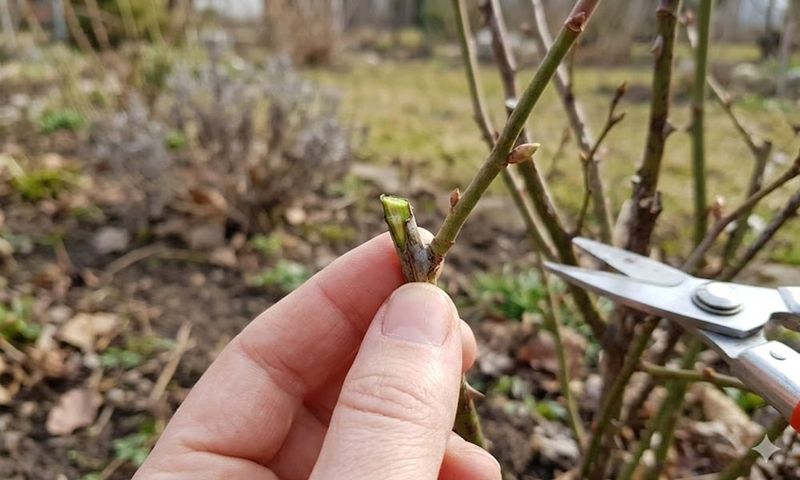
Grab those pruning shears too early in Michigan spring and you might end up regretting it by June.
Cutting back plants before they have had a real chance to show where new growth is emerging can accidentally remove tissue that was completely recoverable.
What looks like a dead branch on April 5th might be covered in fresh green buds by April 25th if you just wait a little longer.
The temptation to tidy up the garden early is completely understandable. After a long Michigan winter, everyone wants to get outside and make things look clean and organized.
But experienced gardeners know that patience in early spring almost always pays off better than eagerness.
Waiting until you can clearly see where growth is and is not happening gives you much better information to work with before you start cutting.
A smart approach is to do a light cleanup first, removing only material that is obviously and completely gone, while leaving anything questionable alone for a few more weeks.
Mark stems you are unsure about with a small piece of colored tape so you can track them easily.
By mid-May in most parts of Michigan, the picture becomes much clearer and you can prune with real confidence.
Timing your pruning correctly is one of the simplest and most impactful habits you can build as a Michigan gardener, and it costs you nothing except a little patience.