What Michigan Gardeners Should Check Before Pruning Winter Damaged Shrubs In April
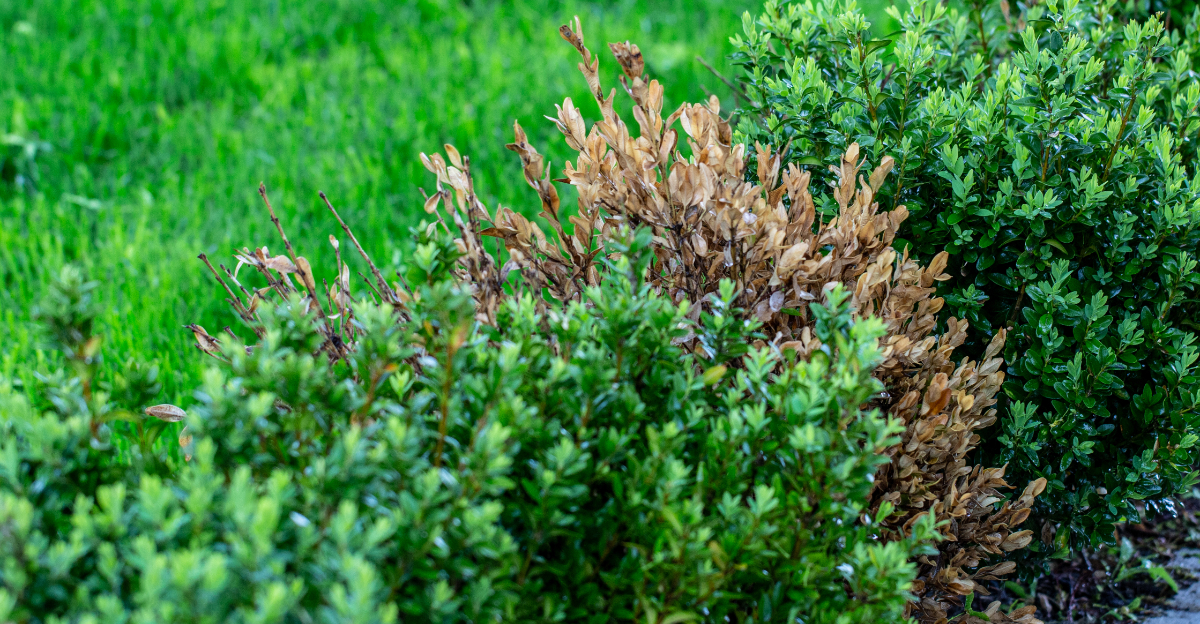
April is when many Michigan gardeners start thinking about cleaning up winter damage, especially on shrubs that look rough after months of cold weather. Broken tips, discolored stems, and uneven growth can make it tempting to start cutting right away.
But before you reach for your pruners, it is worth taking a closer look. What you see on the surface does not always tell the full story.
Some shrubs may look damaged but are still alive and ready to recover once temperatures settle and new growth begins. In Michigan, where spring conditions can shift quickly, pruning too soon can sometimes do more harm than good.
Checking a few key signs first can help you decide what really needs to be trimmed and what should be left alone for now. Once you know what to look for, you can prune with more confidence and give your shrubs the best chance to grow back strong.
1. Check For Green Tissue Under The Bark
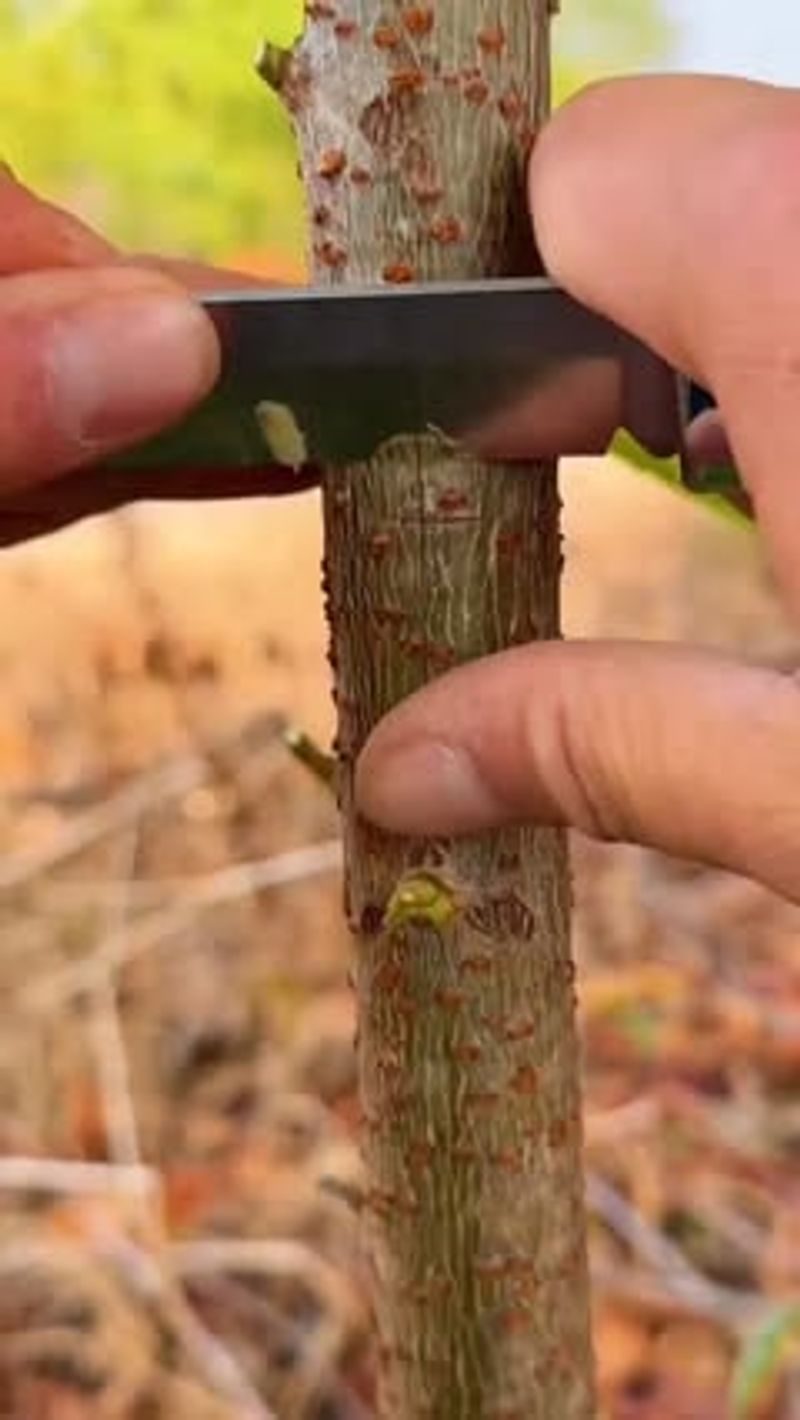
Grab your thumbnail or a small knife and gently scratch the surface of a stem. That tiny scratch tells you a huge amount about what is going on inside.
Green or pale creamy tissue underneath means the branch still has life in it and is worth keeping around.
Brown or dry tissue beneath the bark is a sign that the branch took a serious hit from winter. Michigan winters are no joke, with temperatures that swing hard and freeze-thaw cycles that stress plants deeply.
The outer bark on many shrubs can look beat up and rough while the inner tissue is still perfectly healthy and ready to grow.
Work your way from the branch tips inward when doing this test. The tips are usually where damage shows up first, while the lower portions of the stem are often still viable.
Check several spots on each branch before making any decisions, because one brown patch does not always mean the whole stem is gone.
Doing this simple test across your shrubs before pruning saves you from cutting away healthy wood by mistake. Michigan gardeners who skip this step often end up removing more than they need to.
Take five extra minutes per shrub and your plants will reward you with stronger, faster growth all season long.
2. Identify Where New Buds Are Forming
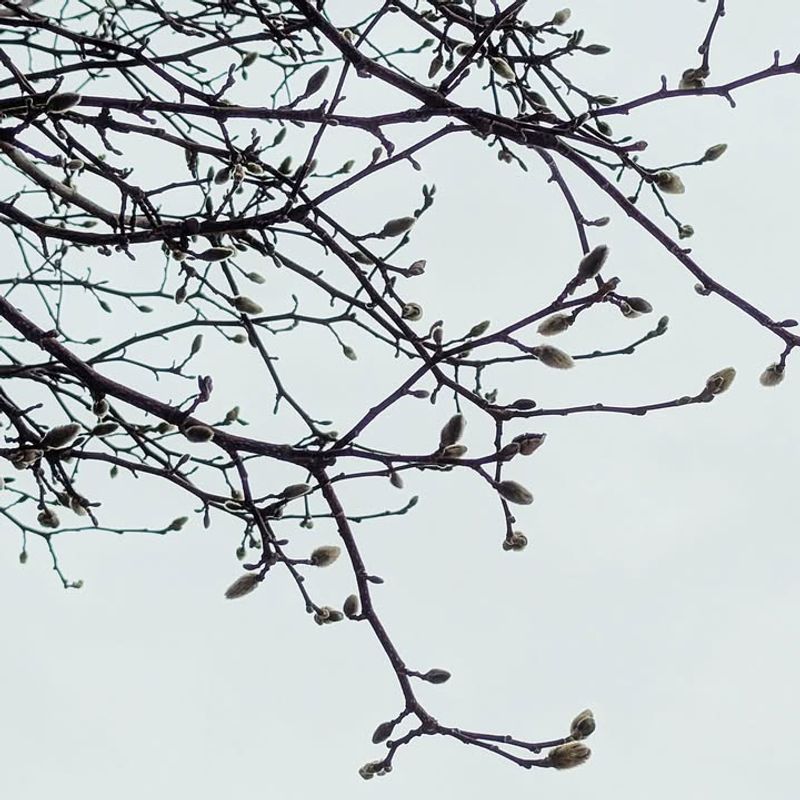
Tiny swelling buds along a stem are one of the most exciting things to spot in an April garden. They signal exactly where new growth is about to push through, and they tell you which parts of the plant are still actively working.
Spotting them before you prune is absolutely critical. Some Michigan shrubs are slow to leaf out, especially after a cold winter. Just because a stem looks bare and dry in early April does not mean it has given up.
Buds can be small and tight at this stage, barely visible unless you look closely, but they are there and they matter.
Run your fingers lightly along each stem and look for any slight swelling or change in texture near the nodes. Those little bumps are your green light to leave that branch alone.
Your Michigan Garden Changes Every Week. Your Plan Should Too.
Gardening in Michigan changes quickly throughout the season. Every Friday you’ll receive a simple weekly plan showing exactly what to plant, prune, fertilize, harvest, and protect so you never miss the right timing.
Cutting above a healthy bud rather than below it is the move that keeps your shrub on track for a full season of growth.
Michigan’s unpredictable spring weather means that bud development can lag behind warmer states by several weeks. Patience really pays off here.
Give your shrubs until mid to late April before making final pruning calls, and you will have a much clearer picture of which stems are truly coming back strong and which ones actually need to go.
3. Know If Your Shrub Blooms On Old Or New Wood
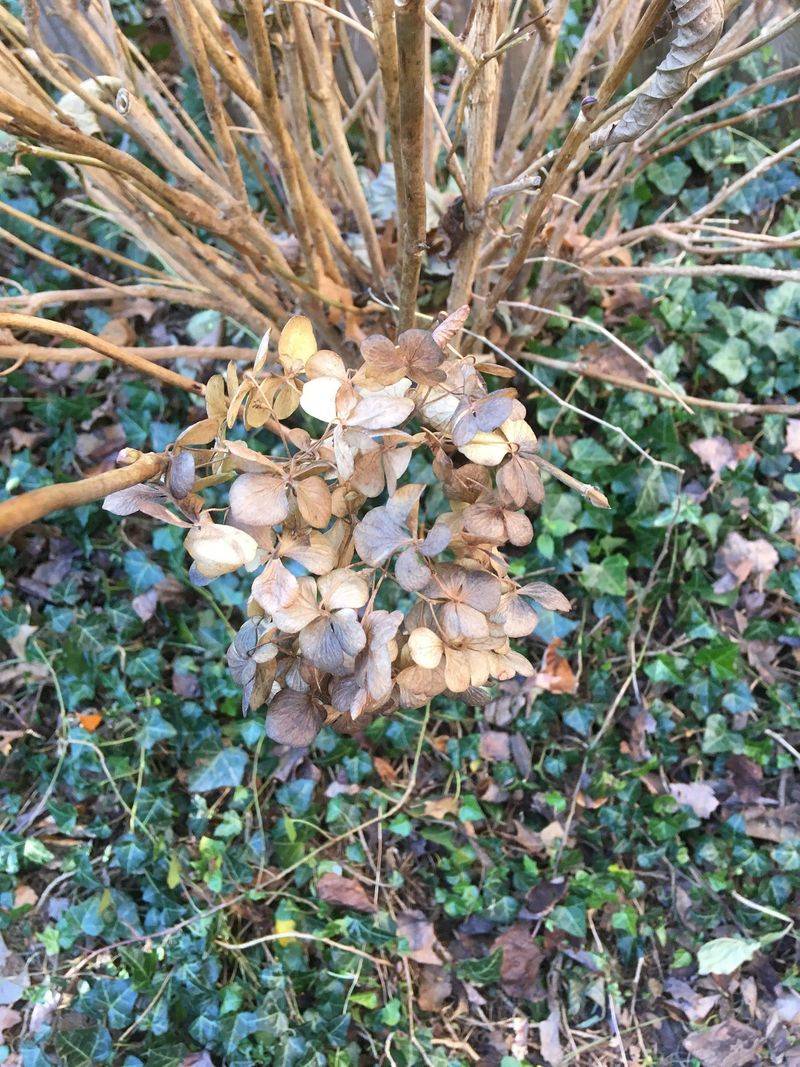
Not all shrubs play by the same rules, and this is one of the most important things Michigan gardeners need to understand before picking up their pruners.
Some shrubs set their flower buds on last year’s wood, which is called old wood, while others bloom on fresh growth that comes up each spring, called new wood.
Hydrangea macrophylla, the classic big-leaf hydrangea, is a perfect example of an old wood bloomer. If you cut it back hard in April, you are removing the very buds that would have given you flowers this summer.
Michigan winters already put those buds through serious stress, so pruning at the wrong time makes things even harder for the plant.
On the other side, Hydrangea paniculata and smooth hydrangeas bloom on new wood, so pruning them in early spring actually encourages bigger, more impressive blooms. Rose-of-Sharon and butterfly bush also fall into this category and respond well to spring cuts.
Knowing which type you have completely changes your pruning strategy. A quick look at a plant tag, a garden app, or even a basic online search will tell you what type of wood your shrub blooms on.
Michigan gardeners who take this one extra step before pruning protect their blooms and keep their shrubs performing at their best every single season without guessing.
4. Look For Withering Versus Full Stem Survival
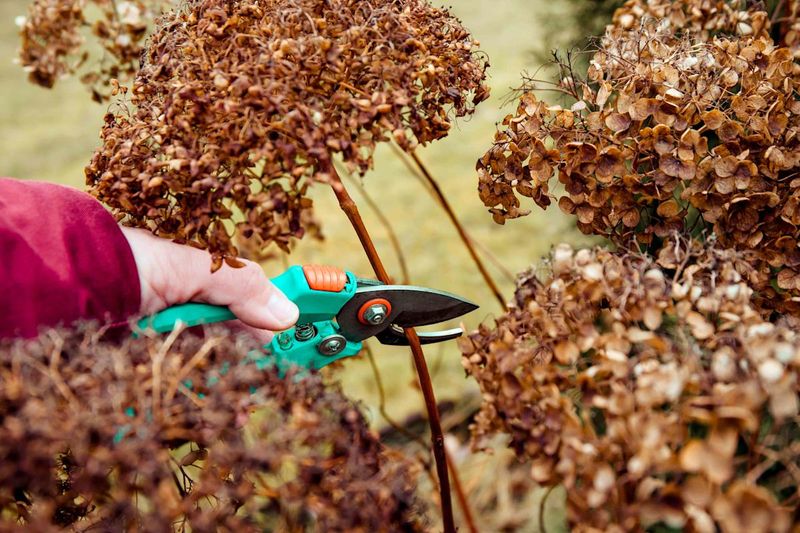
Winter damage in Michigan rarely takes out an entire shrub all at once. More often, the cold hits the tips of the branches hardest while the lower portions of the stems stay completely healthy.
Recognizing this difference before you prune saves you from making cuts that are far more drastic than they actually need to be. Branch tip browning looks like dry, brittle ends on branches that are otherwise firm and healthy lower down.
This is super common after Michigan winters, especially on shrubs that are borderline hardy for the region. The good news is that in most cases, you only need to cut back to the nearest point of healthy wood, not remove the whole stem.
To find that transition point, use the scratch test method combined with a visual check. Work slowly from the tip downward until you hit tissue that looks green or feels firm and flexible.
That is your cut point, and making a clean cut just above a healthy bud or node there gives the plant the best shot at bouncing back fast. Removing entire stems when only the tips are affected wastes the plant’s stored energy and delays its recovery.
Michigan shrubs that experience branch tip browning can still produce a full canopy and even bloom normally if you prune with precision. Careful observation before cutting always leads to better results than cutting first and asking questions later.
5. Check The Base Of The Plant For New Growth
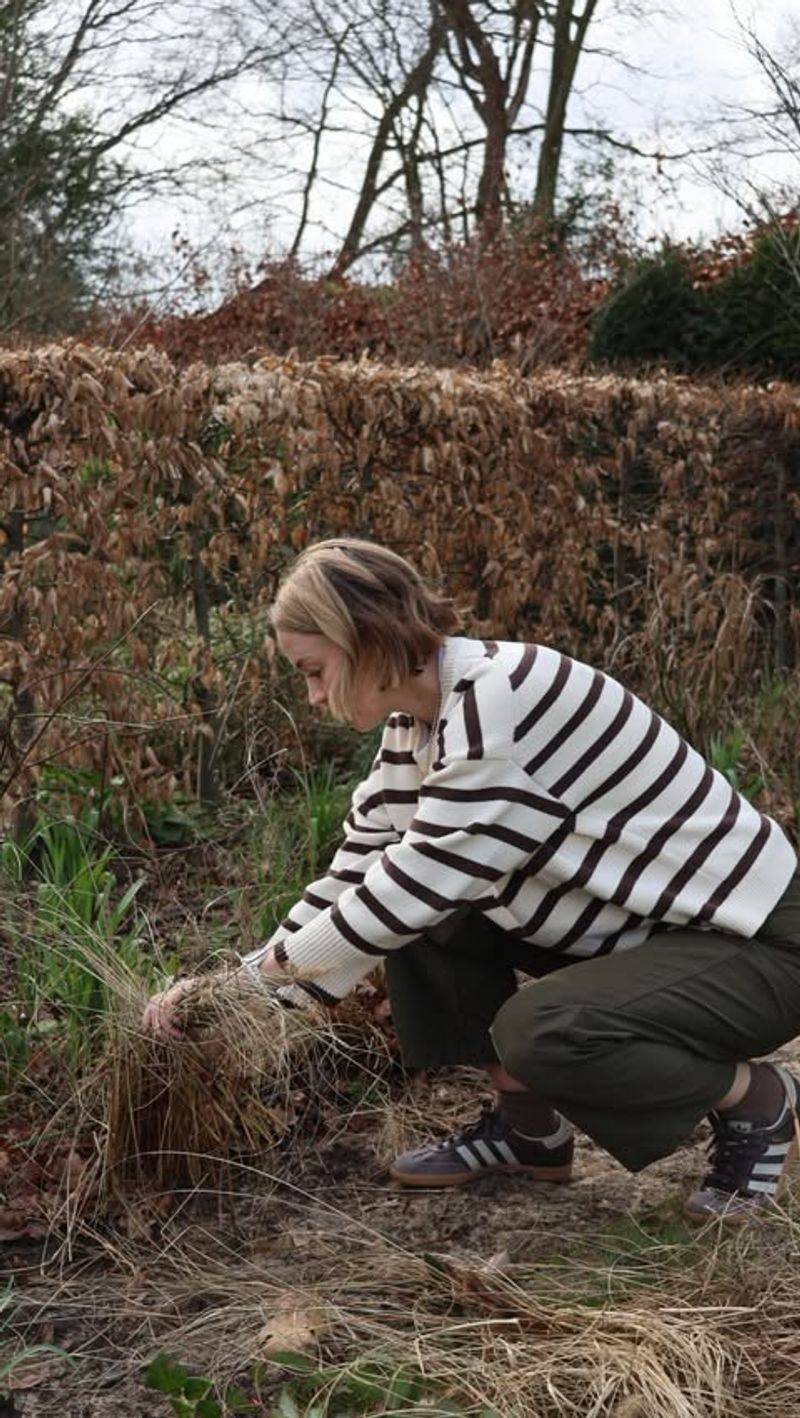
Sometimes the most encouraging sign in the spring garden is hiding right at ground level. Fresh green shoots pushing up from the base of a shrub are a clear signal that the plant is recovering and has plenty of energy stored in its root system.
This is especially common in Michigan after particularly harsh winters. Shrubs like butterfly bush, beautyberry, and some spirea varieties are known for sending up strong basal shoots even when the upper branches look completely rough.
Spotting those new shoots before you start cutting helps you understand that the plant is doing just fine and may not need aggressive pruning at all.
Checking the base also helps you make smarter decisions about how far back to cut the older stems. If basal growth is strong and plentiful, you can cut older woody stems back harder without worrying about harming the plant.
The new shoots will fill in quickly and give the shrub a fresh, rejuvenated shape for the season. Michigan gardeners sometimes panic when they see brown upper growth and assume the worst, not realizing that the base is already buzzing with new activity.
Always crouch down and look carefully at the soil line and just above it before making any major cuts. That low-down growth is a real reason to feel good about your garden heading into spring.
6. Wait Until Growth Clearly Starts Before Major Cuts
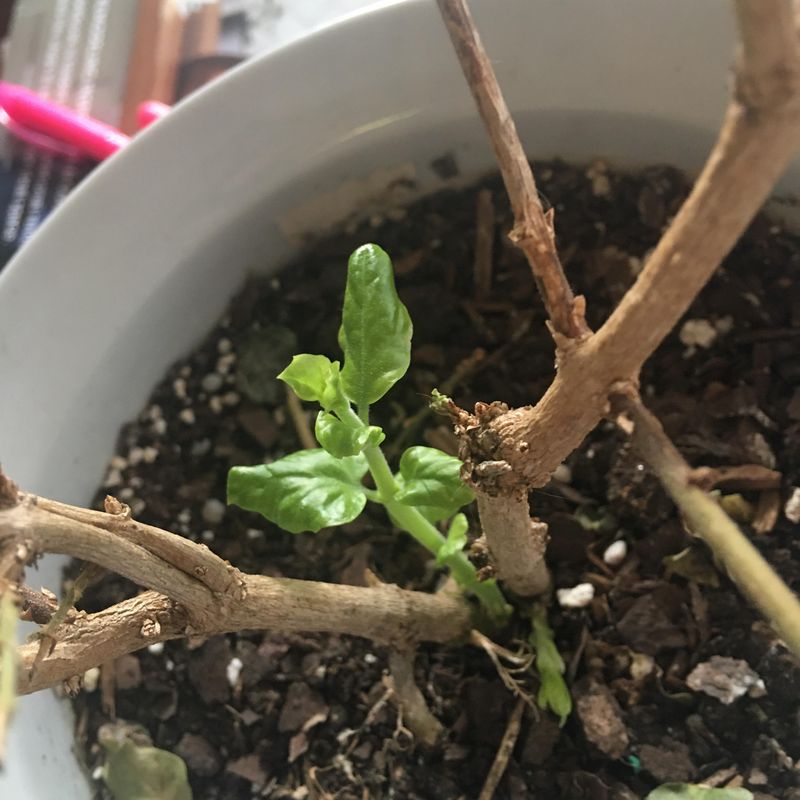
Holding off on heavy pruning until you can actually see active growth is one of the smartest moves a Michigan gardener can make.
When new leaves or buds are visibly pushing out, you get a clear, accurate map of which stems are truly viable and which ones are not coming back. Guessing in early April often leads to unnecessary cuts.
Michigan’s spring weather is notoriously unpredictable. A warm stretch in early April can make it feel like full spring has arrived, only for a cold snap to roll back through and slow everything down again.
Waiting until growth is clearly underway removes the guesswork and protects you from pruning based on misleading conditions.
Late April or even early May can actually be the ideal time for final pruning decisions on many Michigan shrubs, depending on how the season is unfolding.
Watching your plants closely during this window gives you far more information than any calendar date ever could. Plants are honest communicators when you pay attention to them.
Some gardeners worry that waiting too long means missing the best pruning window, but that concern is mostly overstated for most common landscape shrubs.
A few extra weeks of observation will not hurt the plant, and it gives you the confidence to make precise, well-informed cuts.
Patience in spring almost always pays off with stronger, healthier shrubs by summer in Michigan gardens.
7. Consider Recent Frost Events Before Pruning

Michigan springs have a habit of throwing a late frost right when everything seems to be waking up beautifully.
A frost event just before you planned to prune can complicate things significantly, because tissue that looks damaged right after a freeze may actually recover within a few days if given the chance.
Pruning immediately after a frost can remove stems and buds that were only temporarily stressed by the cold. Waiting just three to five days after a frost event gives the plant time to show you what actually survived and what did not.
That short wait can save you from cutting away growth that would have bounced right back on its own.
Michigan’s variable spring climate means frost events in April are genuinely common, especially in the northern parts of the state. Keeping an eye on the forecast before scheduling a pruning session is a simple habit that pays big dividends.
If cold temperatures are expected within a week, holding off a little longer is almost always the right call.
Freshly pruned cuts are also more vulnerable to frost damage than intact stems, so timing your pruning around upcoming weather protects the plant on both ends.
Check a reliable local forecast, wait for a stable window of above-freezing temperatures, and then proceed with your pruning.
Michigan gardeners who sync their pruning schedule with the weather consistently see better outcomes than those who stick to a rigid date on the calendar.