9 Common Spring Weeds Georgia Gardeners Should Pull Before They Establish
One warm week in Georgia is all it takes for weeds to seem like they appeared overnight. As soil temperatures rise and spring rains settle in, conditions quickly favor fast sprouting and steady spread.
Across Georgia, that early surge gives many weeds a head start, allowing them to root deeply or set seed before they draw much attention.
It often feels like they move faster than the rest of the garden.
Staying ahead of them early in the season can make a noticeable difference, helping you keep lawns and beds more manageable as spring shifts into summer.
1. Henbit Spreads Early Across Georgia Lawns And Beds
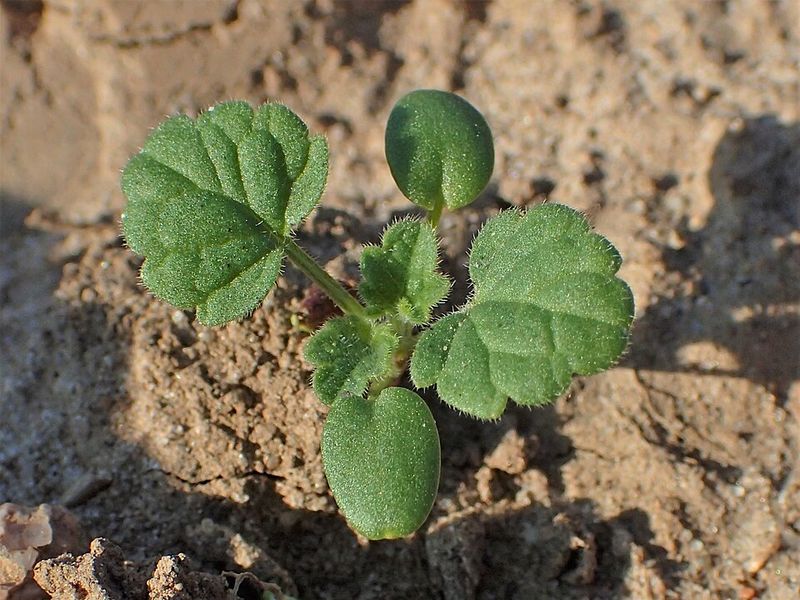
Walking across a Georgia lawn in late winter, you might notice small patches of purple tucked low among the grass blades. That is henbit, one of the earliest weeds to appear each spring in Georgia.
Belonging to the mint family, henbit has rounded, scalloped leaves that clasp directly around its stem, and it produces clusters of small pinkish-purple flowers that bloom before most gardeners have pulled on their work gloves.
Henbit grows fast in cool temperatures, which means it often gets a jump on the season well before your lawn fully wakes up. It spreads by seed, so letting it flower means setting yourself up for a much bigger problem next year.
Early removal before flowering is the most effective way to manage it.
Hand-pulling works well when the soil is moist, since the roots are shallow and come out fairly easily. In garden beds, a layer of mulch can help prevent seeds from germinating in the first place.
If henbit has already taken over a larger area, a post-emergent broadleaf herbicide labeled for use on lawns can help bring it under control without harming your turf.
2. Chickweed Forms Dense Mats In Cool Spring Weather
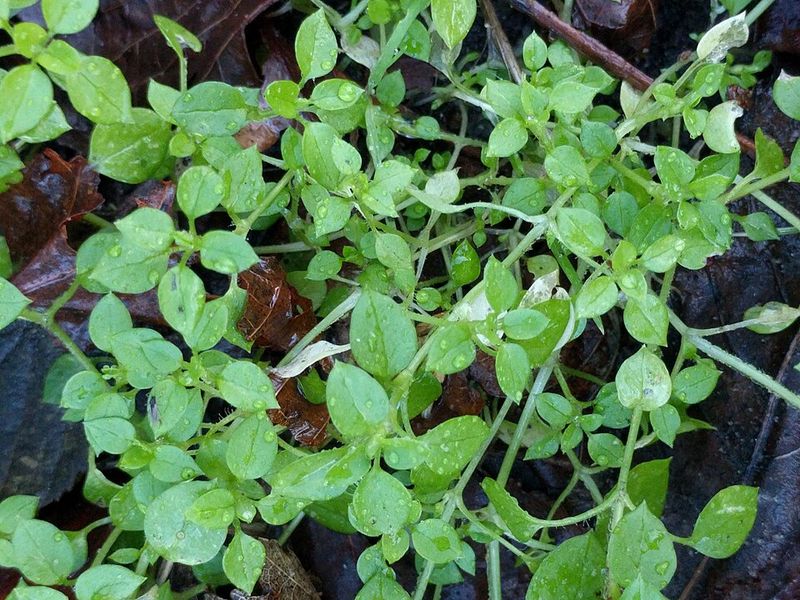
Few spring weeds can carpet a garden bed quite as quickly as chickweed. On a cool March morning in Georgia, what looked like a thin scattering of seedlings can become a thick, tangled mat within just a couple of weeks.
Chickweed thrives in moist, shaded spots and tends to favor garden beds, borders, and areas where the soil stays consistently damp during the cooler months.
The plant itself is low-growing, with small oval leaves and tiny white flowers that have five deeply notched petals, giving them the appearance of ten separate petals.
It reproduces by seed and can produce multiple generations in a single season if conditions stay cool long enough.
The good news is that chickweed has a relatively shallow root system, which makes hand-pulling fairly manageable when you catch it young.
Pulling chickweed before it flowers is key because a single plant can produce thousands of seeds.
Applying a layer of mulch two to three inches deep in garden beds is one of the more practical ways to reduce chickweed pressure season after season.
For lawn areas, maintaining thick, healthy turf through proper fertilization and mowing helps crowd out chickweed before it has room to establish.
Your Georgia Garden Changes Every Week. Your Plan Should Too.
Gardening in Georgia changes quickly throughout the season. Every Friday you’ll receive a simple weekly plan showing exactly what to plant, prune, fertilize, harvest, and protect so you never miss the right timing.
3. Annual Bluegrass Pops Up Fast In Georgia Lawns
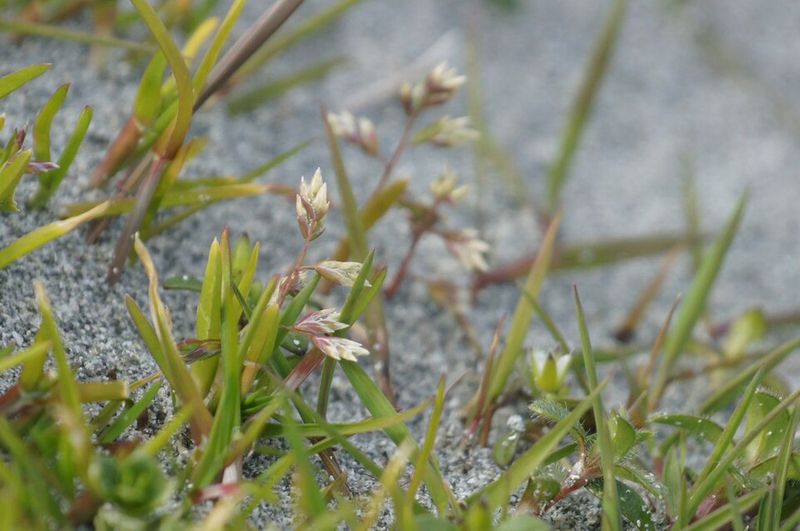
Most Georgia homeowners do not notice annual bluegrass, or Poa annua, until it has already made itself comfortable in the lawn.
It blends in fairly well at first glance, with its light green, fine-textured blades, but it tends to stick out once it starts producing its small, whitish seed heads in early spring.
Those seed heads are a signal that the plant is already preparing for next season.
Annual bluegrass germinates in fall and early winter, grows through the cooler months, and then goes to seed in spring before the heat sets in.
Because of this cycle, pre-emergent herbicides applied in late summer or early fall are often more effective than waiting until spring to treat it.
Timing is critical when managing this weed, since treating it after it has already germinated requires different products and approaches.
In lawns with compacted soil or thin turf, annual bluegrass tends to find easy footholds. Aerating in fall, overseeding bare spots, and keeping your lawn at a healthy density can reduce the open spaces this weed needs to get started.
Hand-removal of small patches before seed heads mature is also worth the effort in garden beds and borders.
4. Hairy Bittercress Shoots Seeds Before You Notice
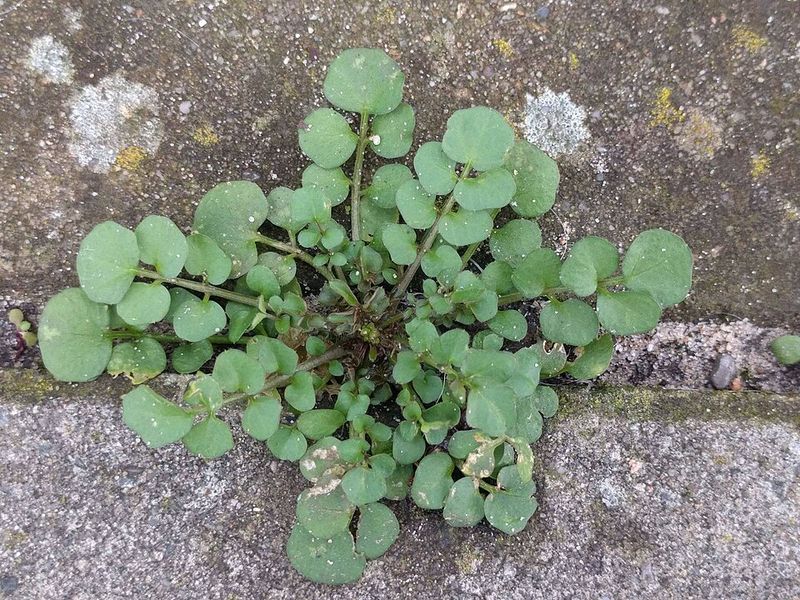
Hairy bittercress has a trick that catches many Georgia gardeners completely off guard. When its thin, elongated seed pods are ripe and you brush against the plant, they burst open and fling seeds several feet away from the parent plant.
This explosive dispersal mechanism means that by the time you reach down to pull it, you may have already spread the next generation across your garden bed.
The plant itself is small and low-growing, forming a rosette of rounded leaflets with tiny white flowers sitting on delicate stems above the foliage.
It tends to show up in garden beds, container pots, pathways, and any spot where soil is exposed.
Hairy bittercress is a winter annual in Georgia, meaning it germinates in fall, overwinters as a small rosette, and then bolts and sets seed rapidly once spring temperatures arrive.
The most important thing you can do is pull it before those seed pods form. Even small plants left in place can mature quickly during a warm spell.
Wearing gloves and placing pulled plants directly into a bag rather than tossing them aside helps avoid accidental seed spread.
A two to three inch mulch layer over bare soil does a solid job of reducing germination rates throughout the season.
5. Wild Onion Stands Out With Its Strong Scent
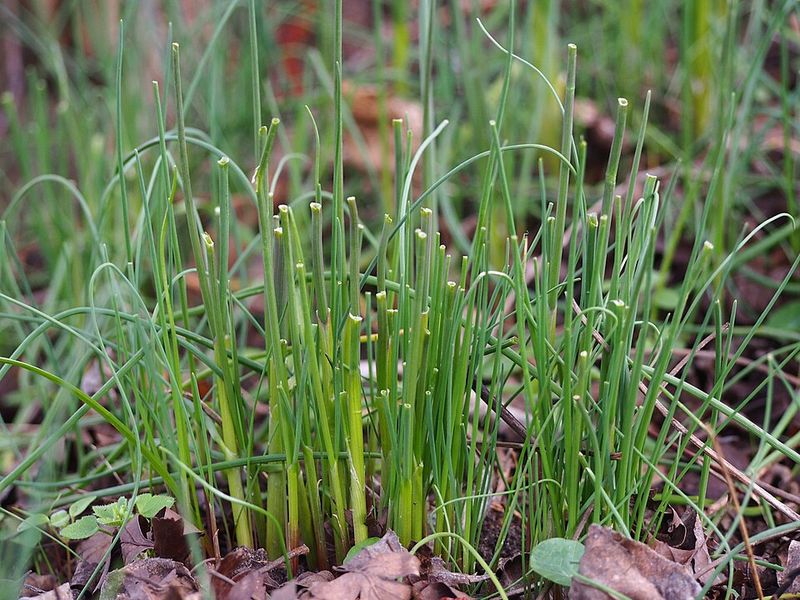
There is really no mistaking wild onion once you have mowed over it. The sharp, unmistakable onion smell that rises from the lawn is one of the clearest signs that this weed has moved in.
Wild onion is common across Georgia and tends to show up in lawns, garden beds, and along fence lines, often popping up in clusters where bulbs have multiplied underground over several seasons.
The plant grows from small underground bulbs and produces narrow, hollow, upright leaves that stay green through much of the winter and into spring.
Some plants also develop small clusters of white or purplish flowers on tall stems as the season progresses.
Because it reproduces both by seed and by underground bulblets, pulling wild onion by hand can be frustrating without removing the entire bulb structure.
A hand weeder or narrow trowel is useful for getting under the bulb cluster and lifting the whole root system out of the ground. Leaving bulblets behind means the plant will simply regrow.
For heavy infestations, a post-emergent herbicide labeled for wild onion and wild garlic may be needed, and multiple applications are sometimes necessary.
Treating wild onion in fall when it is actively growing can also improve control results the following spring.
6. Dandelion Sends Deep Roots Into Georgia Soil
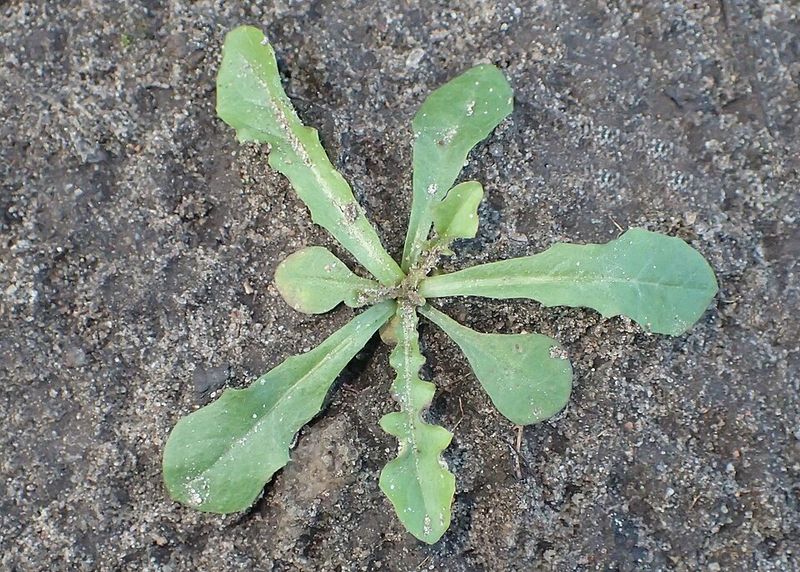
Bright yellow dandelion flowers might look cheerful scattered across a lawn, but beneath that friendly appearance lies one of the most persistent root systems in the weed world.
Dandelions develop a long, fleshy taproot that can extend several inches into Georgia’s soil, and if you break that root off during removal, the plant has a good chance of growing back from whatever fragment remains underground.
Dandelions are broadleaf perennials that can bloom from early spring through fall in Georgia.
Their seeds are carried by wind on those familiar white puffball heads, each capable of traveling considerable distances before landing and germinating in a new spot.
A single plant left to go to seed can quickly contribute to a much wider spread across your yard or into neighboring beds.
The most reliable removal method is using a dandelion fork or long-handled weeder to loosen the soil and extract as much of the taproot as possible.
Working after a rain when soil is soft makes this considerably easier.
For lawns with widespread dandelion pressure, a broadleaf post-emergent herbicide applied in fall tends to be especially effective, since the plant is actively moving energy into its roots during that time.
Keeping turf thick and well-maintained also helps limit open spots where dandelion seeds can take hold.
7. Clover Creeps In And Fills Open Spaces Quickly
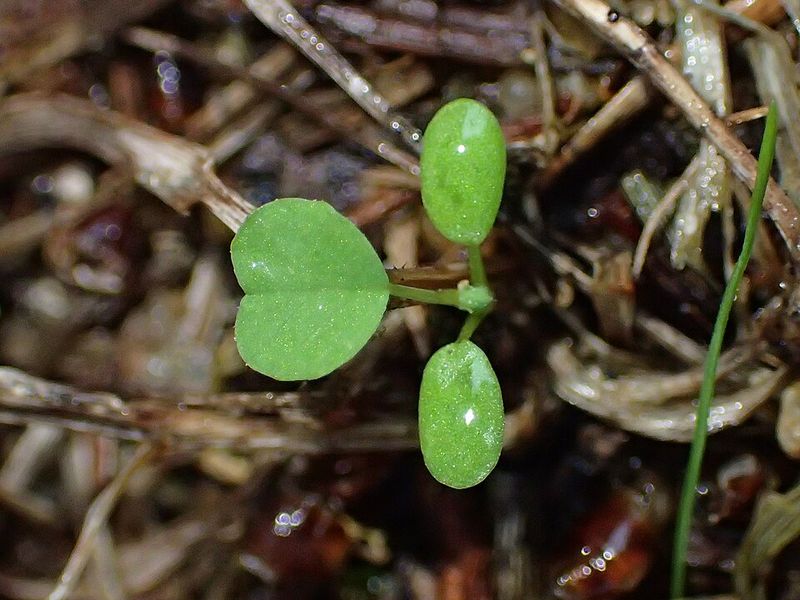
Open patches in a Georgia lawn are practically an open invitation for clover to move in.
White clover, the most common species found in Georgia yards, spreads through a combination of seed and creeping stems called stolons that root at the nodes as they travel across the soil surface.
It can fill in bare spots surprisingly fast once spring warmth arrives and moisture is available.
Clover is a perennial legume, which means it fixes nitrogen from the air into the soil. Some gardeners actually appreciate this quality, but in a lawn setting, clover tends to create uneven texture and can become difficult to manage once it has established a network of spreading stems.
The small white flower heads also attract bees, which can be a concern in areas where children or pets spend time.
Hand-pulling clover is manageable when patches are small, though pulling up the spreading stems and as much of the root system as possible helps prevent quick regrowth.
Improving lawn density through regular fertilization, proper mowing height, and overseeding thin spots reduces the open ground clover relies on to establish.
For more persistent patches, a broadleaf herbicide registered for clover control can be applied carefully to affected areas during active growth in spring or early fall.
8. Spotted Spurge Thrives In Warm, Dry Spots
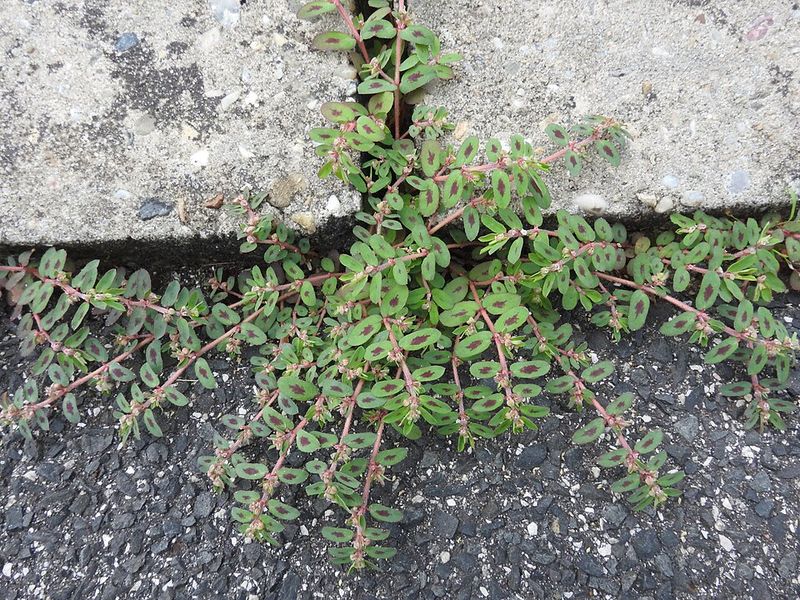
Once Georgia temperatures start climbing in late spring, spotted spurge wastes no time finding its footing.
This low-growing summer annual tends to show up in the hottest, driest spots in the yard, including cracks in sidewalks, driveways, gravel paths, and thin areas of lawn where the turf is struggling.
It spreads flat along the ground, forming dense mats that can choke out nearby plants.
Spotted spurge is easy to identify up close. Its small oval leaves often carry a distinctive reddish-purple blotch near the center, and the stems release a milky white sap when broken.
That sap can irritate skin, so wearing gloves when handling this weed is a reasonable precaution.
The plant produces seeds prolifically throughout the growing season, meaning a single plant left unchecked can contribute significantly to next year’s seed bank in your soil.
Pulling spotted spurge by hand while plants are young is effective, especially when the soil is slightly moist. Removing it before seed set is the priority, since mature plants can scatter seeds even after being pulled from the ground.
Mulching garden beds and maintaining dense, healthy turf are both solid preventive strategies.
Pre-emergent herbicides applied in mid-spring before soil temperatures consistently reach around 60 degrees Fahrenheit can also help reduce germination in problem areas.
9. Crabgrass Moves In As Georgia Soil Warms Up
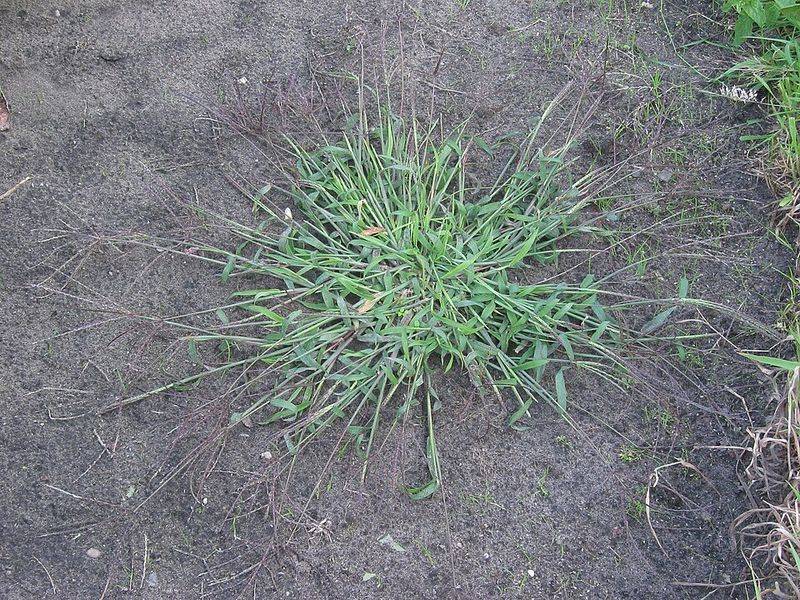
As Georgia soil temperatures creep toward 55 to 60 degrees Fahrenheit in the spring, crabgrass seeds in the soil start to germinate.
It is one of the most recognizable warm-season weeds in Georgia lawns, with its coarse, light green blades spreading outward in a low, finger-like pattern that is noticeably different from surrounding turf grass.
Once it gets going, it can take over thin or stressed areas of a lawn with remarkable speed.
Crabgrass is a summer annual that thrives in heat and does especially well in compacted soil, bare patches, and lawns mowed too short.
It produces thousands of seeds per plant before the first cool spell of fall, and those seeds remain viable in the soil for years, ready to germinate when conditions are right again.
This is why crabgrass can feel like a recurring battle for many Georgia homeowners.
Applying a pre-emergent herbicide in early spring, before soil temperatures consistently hit the germination threshold, is the most practical way to reduce crabgrass pressure.
Many Georgia gardeners use forsythia bloom as a rough timing guide for pre-emergent applications.
Mowing at the recommended height for your turf type and addressing compaction through fall aeration also help create conditions where crabgrass struggles to compete with a healthy, dense lawn.