The 10 Best Plants For California Fairy Gardens In 2026
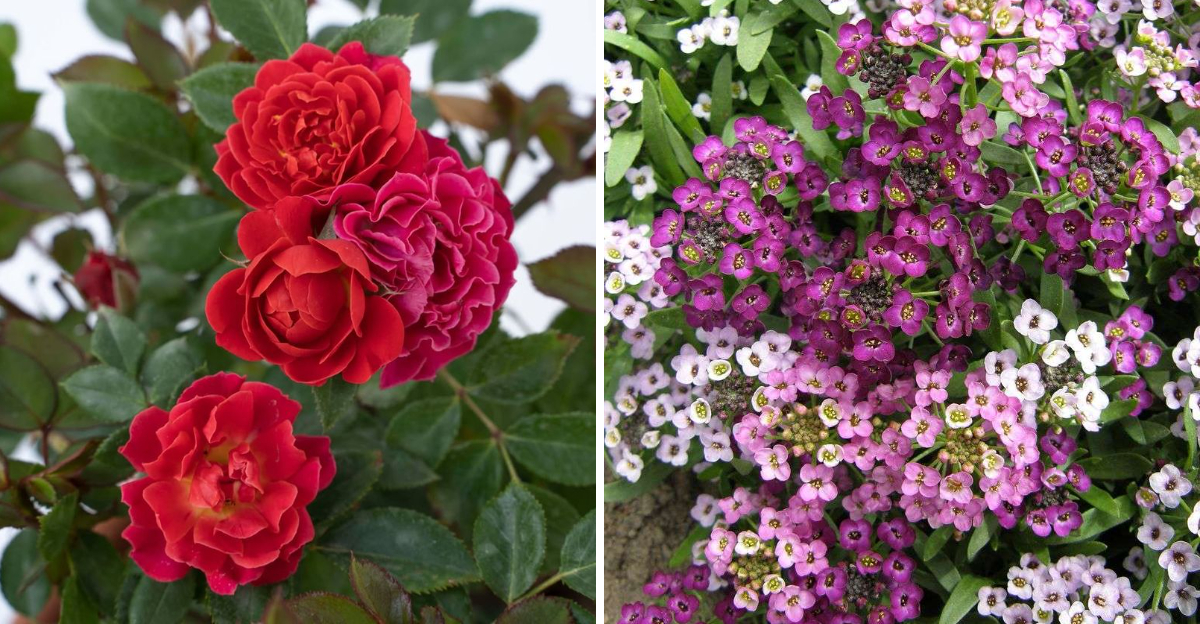
Fairy gardens have a way of turning even the smallest corner of a California yard into something playful and full of personality. With all that sunshine and long growing seasons, it’s the perfect place to build a miniature world that actually thrives, not just survives.
The secret comes down to plant choice.
You want plants that stay naturally small, handle heat without constant watering, and bring interesting texture to the space. Think tiny “trees,” soft groundcovers, and trailing plants that spill over edges like they belong in a storybook.
The right mix makes everything feel more detailed and alive.
Pick smart, and your fairy garden becomes low effort but high impact. It keeps its shape, color, and charm through the seasons, giving you a little escape right outside your door.
1. Baby Tears
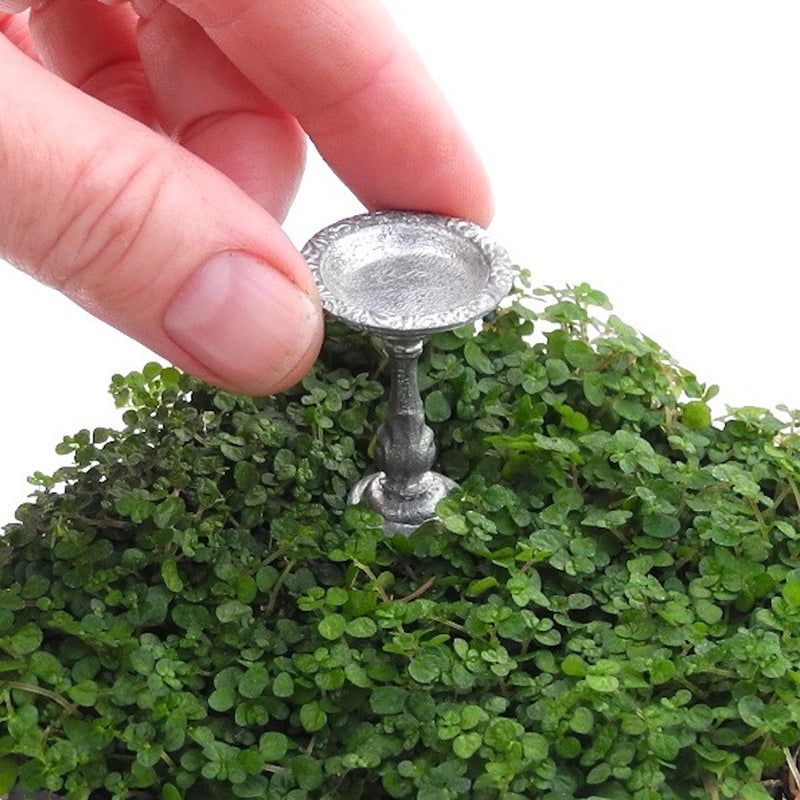
Tiny leaves, big impact. Baby Tears is one of those plants that looks like it was made specifically for fairy gardens.
The minuscule, round leaves grow so close together that they form a soft, velvety carpet of green. It is truly one of the most charming ground covers you can use in a miniature landscape.
In California, Baby Tears grows best in shaded or partially shaded spots. It loves moisture and does not do well in intense afternoon sun, especially in hotter inland areas.
If you live near the coast, the cooler and more humid air makes it even easier to grow. Keep the soil consistently moist but not waterlogged for the best results.
This plant spreads slowly and stays low, making it ideal for filling in gaps between fairy garden accessories like tiny benches or little stone pathways. It works beautifully in containers, raised beds, or tucked into shaded corners of a garden.
Pinch back any overgrowth to keep it tidy and compact. Baby Tears pairs wonderfully with Irish Moss and ferns for a layered, lush look that feels straight out of a storybook.
2. Irish Moss
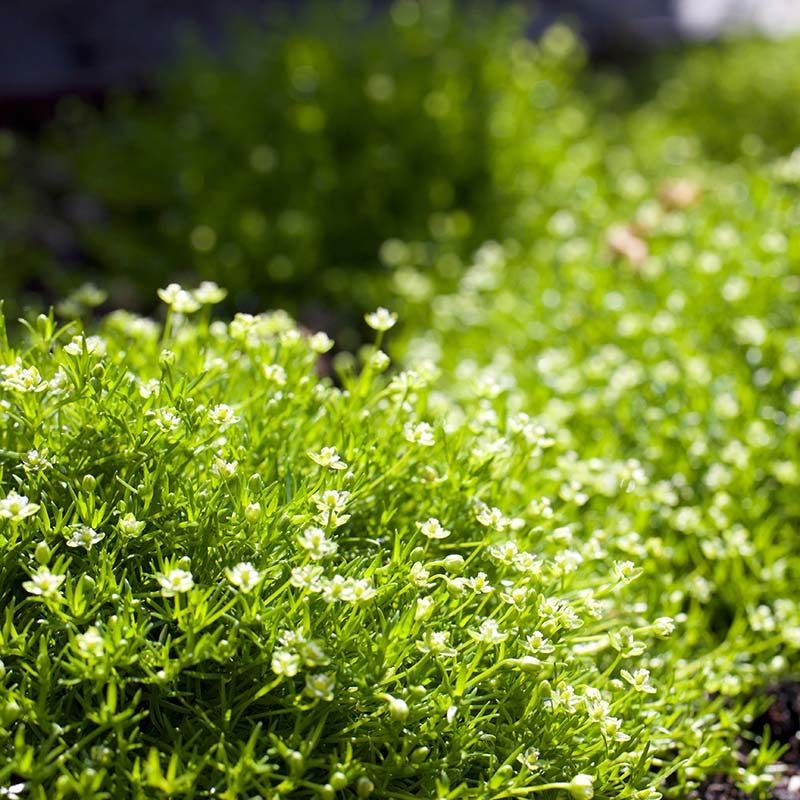
If you want your fairy garden to look like a rolling green meadow in miniature, Irish Moss is your answer. It forms tight, cushion-like mounds of bright emerald green that look incredibly lush and soft.
In spring, it even produces tiny white flowers that add a delicate, whimsical touch to the whole display.
Irish Moss is a great choice for California gardeners because it handles both sun and partial shade reasonably well. It prefers cooler temperatures, so coastal areas and higher elevations in California are ideal.
In hot inland valleys, give it some afternoon shade to prevent it from drying out too quickly. Regular watering keeps it looking its best.
One of the best things about Irish Moss is how well it fills in spaces. Plant it between stepping stones or around fairy garden miniatures to create a seamless green landscape.
It grows slowly and stays low, so it will not crowd out neighboring plants. Pair it with Scotch Moss for a fun two-tone ground cover effect.
In California fairy gardens, this plant is a go-to for gardeners who want that classic, magical cottage-garden feel without a lot of fuss.
Your California Garden Changes Every Week. Your Plan Should Too.
Gardening in California changes quickly throughout the season. Every Friday you’ll receive a simple weekly plan showing exactly what to plant, prune, fertilize, harvest, and protect so you never miss the right timing.
3. Scotch Moss
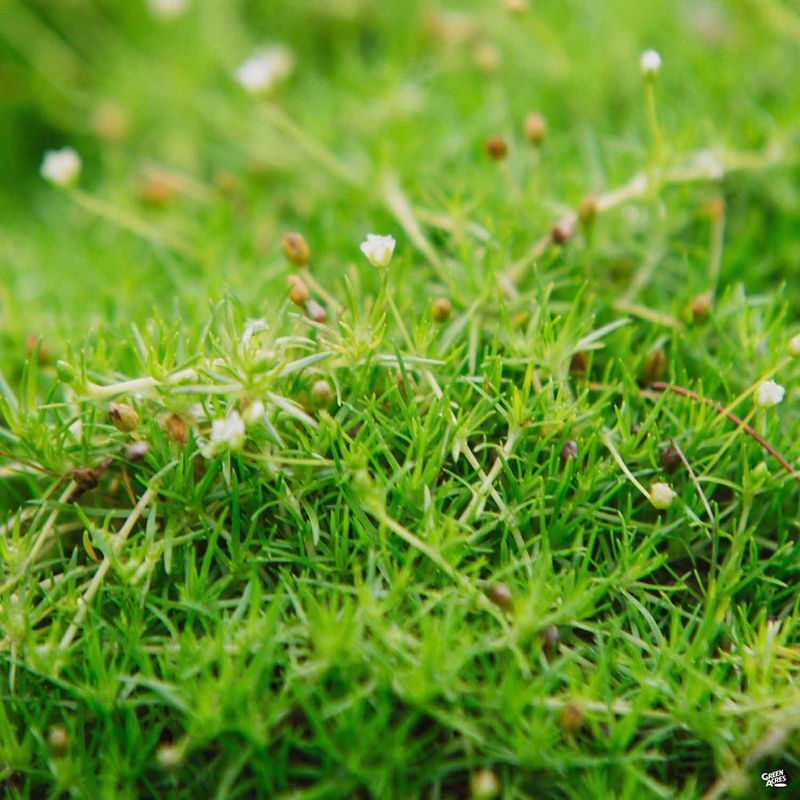
Not all moss has to be green. Scotch Moss brings a warm, golden-yellow hue to fairy gardens that makes it stand out from almost every other ground cover.
It looks like sunlight captured in plant form, and it adds incredible visual contrast when planted next to darker green plants like Irish Moss or Dwarf Mondo Grass.
In California, Scotch Moss does well in both full sun and partial shade. It is slightly more tolerant of dry conditions than Irish Moss, which makes it a practical option for gardeners in warmer parts of the state.
Still, consistent moisture helps it stay vibrant and full. Avoid letting it sit in standing water, as soggy roots can cause problems.
Scotch Moss is a low-maintenance plant that spreads gradually to fill in open areas of your fairy garden. It also produces tiny white flowers in spring, adding a soft, cheerful detail to your miniature landscape.
Use it to line pathways, surround fairy doors, or create a bright meadow effect in your garden design. Because it stays compact and does not grow tall, it is perfectly suited for small-scale planting projects throughout California.
4. Creeping Thyme
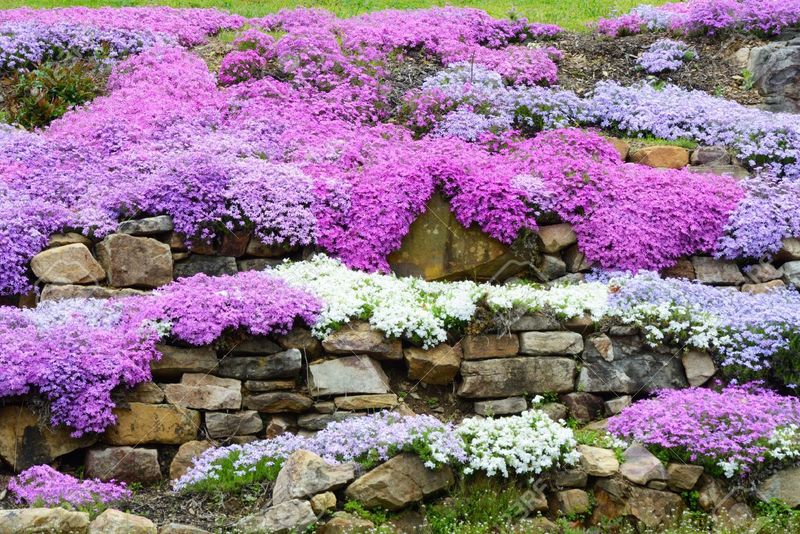
Walk past a patch of Creeping Thyme on a warm California afternoon and you will catch a faint herbal scent that feels both earthy and refreshing. This low-growing herb forms a thick mat of tiny leaves and bursts into small purple or pink flowers in late spring.
It is one of the most rewarding plants you can add to a fairy garden.
Creeping Thyme is drought-tolerant once established, which is a huge advantage for California gardeners. It thrives in full sun and well-drained soil, making it a smart pick for garden beds, containers, or rock gardens.
It handles foot traffic better than most ground covers, so you can use it along miniature pathways without worrying about damage.
Bees and pollinators love Creeping Thyme, which means your fairy garden will become a lively little ecosystem during blooming season. It spreads steadily without becoming invasive, so it stays manageable over time.
Trim it lightly after flowering to encourage fresh growth and keep it looking neat. Whether you live in Southern California or up in the Bay Area, Creeping Thyme is a reliable, attractive, and fragrant addition to any fairy garden setup in 2026.
5. Dwarf Mondo Grass
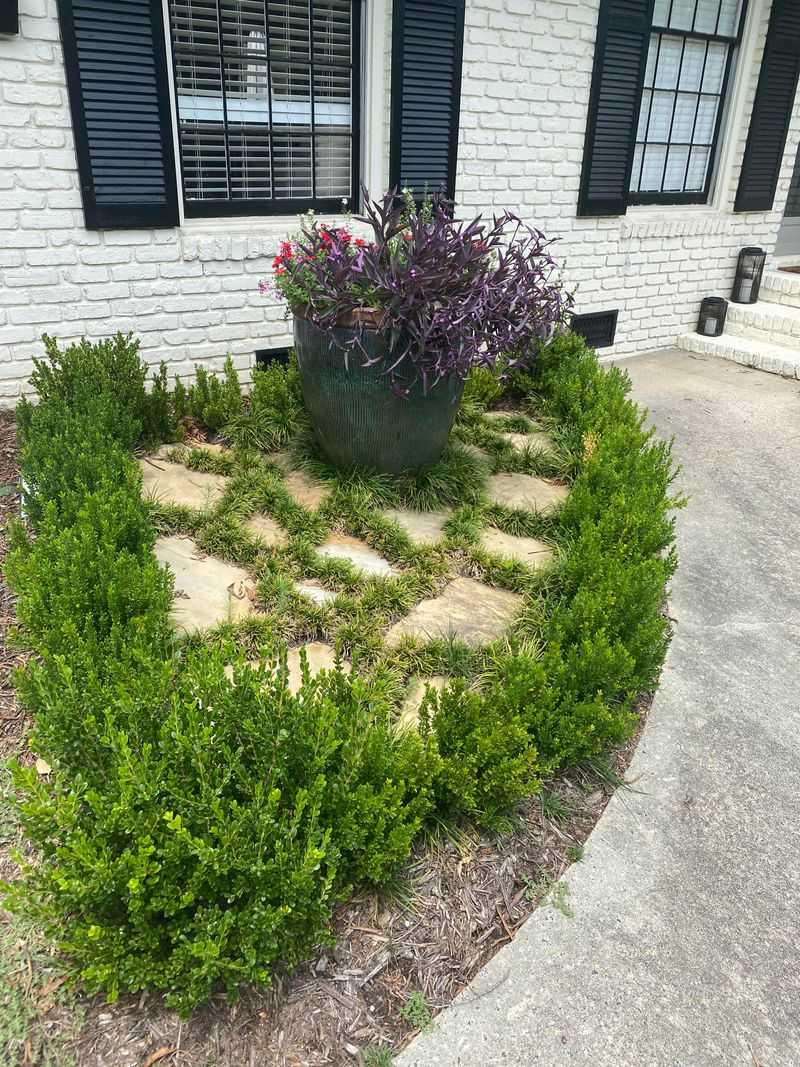
Dwarf Mondo Grass looks like a tiny, perfectly scaled version of a real grass meadow, which is exactly what makes it so appealing for fairy garden designs. The deep green, narrow blades grow in dense tufts that stay short and tidy without much effort.
It is the kind of plant that immediately makes a miniature landscape look complete and realistic.
This plant is well-suited to California gardens because it tolerates both shade and partial sun. It prefers moist, well-drained soil and does particularly well in coastal and mild inland areas of the state.
In very hot or dry regions, give it some afternoon shade and water it regularly to keep it looking lush and full.
Dwarf Mondo Grass grows slowly, which means it will not take over your fairy garden. You can plant it in clusters to simulate a grassy lawn or use it as a border around miniature garden features like tiny fences or fairy houses.
It also pairs beautifully with flowering plants like Lobelia or Alyssum for a layered, textured look. Low maintenance and visually striking, this plant earns its place in California fairy gardens year after year.
6. Miniature Roses
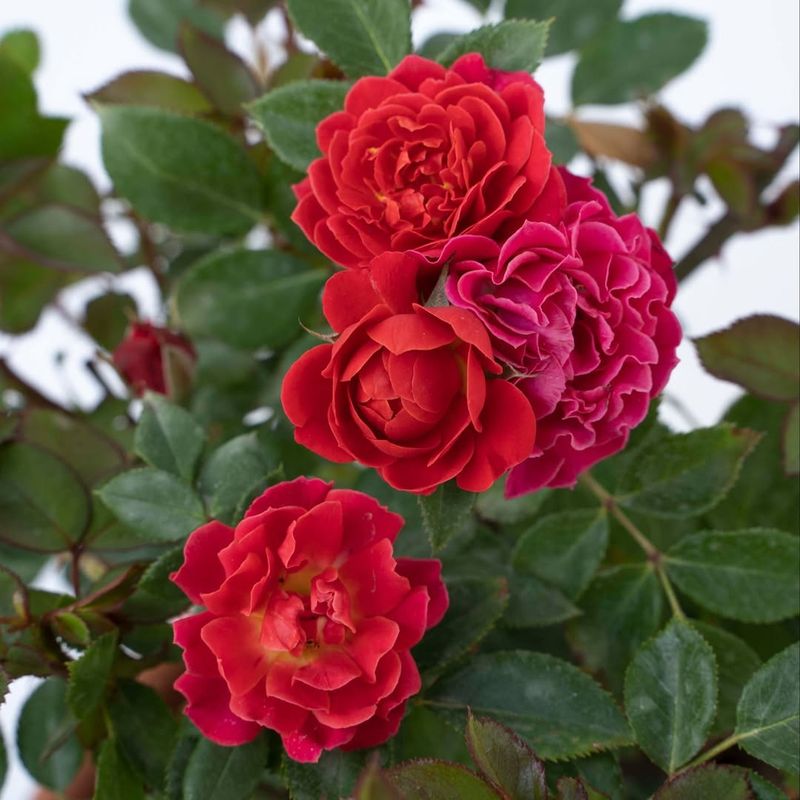
Few things say enchanting quite like a rosebush scaled down to fairy-garden size. Miniature Roses pack all the beauty of full-sized roses into a compact, manageable plant that fits perfectly into small garden spaces.
They bloom in a wide range of colors including pink, red, yellow, and white, so you can easily match them to your fairy garden theme.
California’s climate is genuinely ideal for growing Miniature Roses. They love full sun and thrive with at least six hours of direct sunlight each day.
Plant them in well-drained soil and water at the base to prevent leaf problems. In Southern California especially, the long warm season means you may get blooms from spring all the way through fall with proper care.
Miniature Roses do require a bit more attention than some other fairy garden plants. Regular deadheading, occasional feeding, and watching for common pests like aphids will keep them looking their best.
Despite that extra effort, the payoff is absolutely worth it. A blooming Miniature Rose in a fairy garden looks like something straight out of a fantasy illustration.
Plant them near the center of your design to make them a true focal point that draws the eye immediately.
7. Alyssum
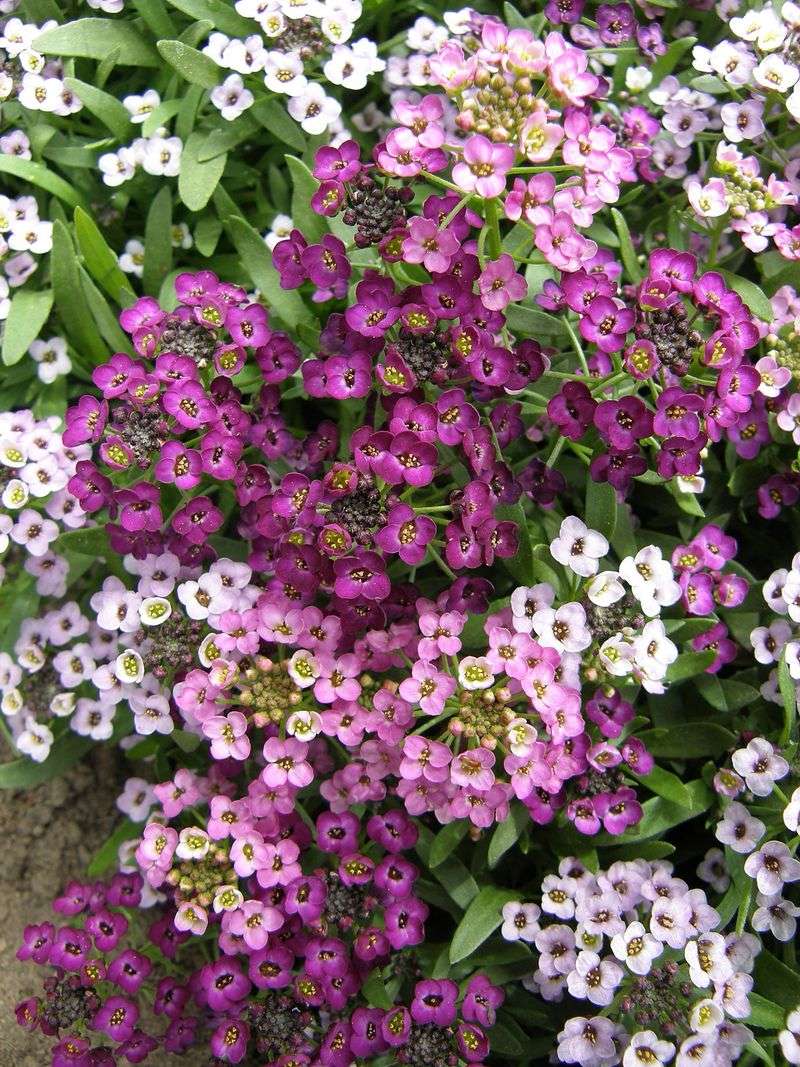
Alyssum might just be the most underrated plant in the fairy garden world. It produces masses of tiny flowers in white, lavender, or pink that cluster together in soft, cloud-like mounds.
On top of that, it has a sweet, honey-like fragrance that drifts through the air on warm days, making your fairy garden smell as magical as it looks.
Growing Alyssum in California is easy and rewarding. It prefers full sun to partial shade and grows well in most soil types as long as drainage is decent.
It is a cool-season bloomer, which means it performs beautifully in California’s mild winters and springs. In coastal areas, it can bloom nearly year-round with minimal care.
Alyssum is a fast grower that fills in empty spaces quickly, making it great for creating a lush, overflowing look in containers or garden beds. It also attracts beneficial insects, which helps the overall health of your garden.
Trim it back after heavy blooming to encourage a fresh flush of flowers. Alyssum works especially well cascading over the edges of raised fairy garden containers, giving the whole setup a soft, romantic, cottage-garden feel that is hard to beat.
8. Sedum (Low-Growing Varieties)
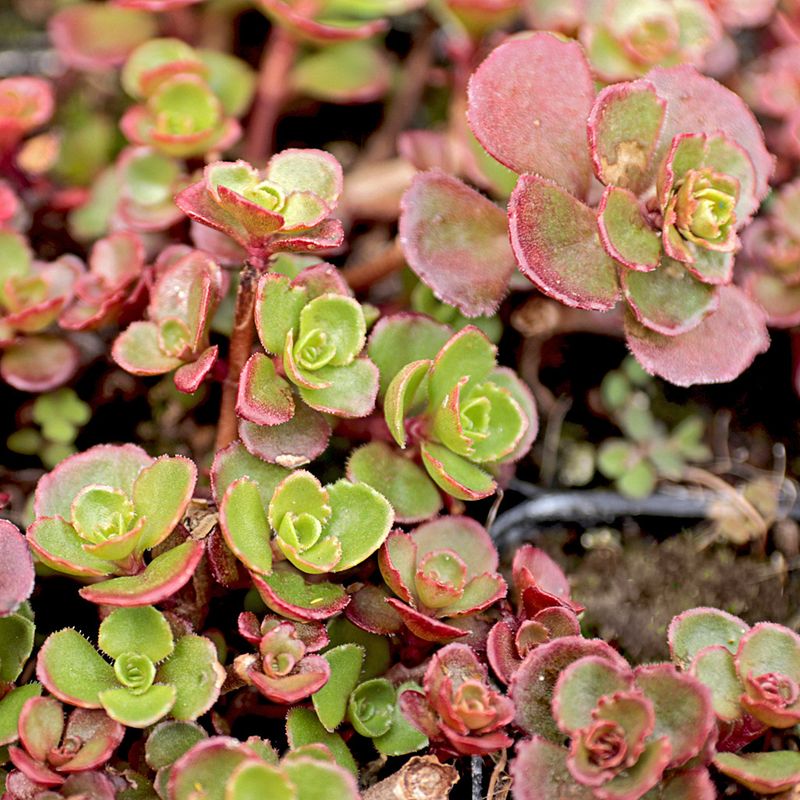
Succulents and California go together like sunshine and the Pacific coast. Low-growing Sedum varieties are some of the most practical and visually interesting plants you can add to a fairy garden in the state.
Their fleshy, rosette-shaped leaves come in shades of green, red, bronze, and even purple, giving your miniature landscape a rich, colorful palette to work with.
Sedum is drought-tolerant and thrives in full sun with well-drained soil, which makes it an excellent choice for California’s drier regions. It stores water in its thick leaves, so it can handle periods of low rainfall without struggling.
This also makes it one of the easiest plants on this list to care for, perfect for beginner fairy gardeners or anyone with a busy schedule.
Low-growing Sedum varieties spread slowly and stay compact, so they will not overpower the rest of your fairy garden design. They look especially striking when planted among rocks or alongside other succulents.
In late summer, many varieties produce small star-shaped flowers that add an extra layer of charm. Use them to create a miniature desert landscape or mix them with other textures for a more eclectic, layered look throughout your California fairy garden.
9. Lobelia
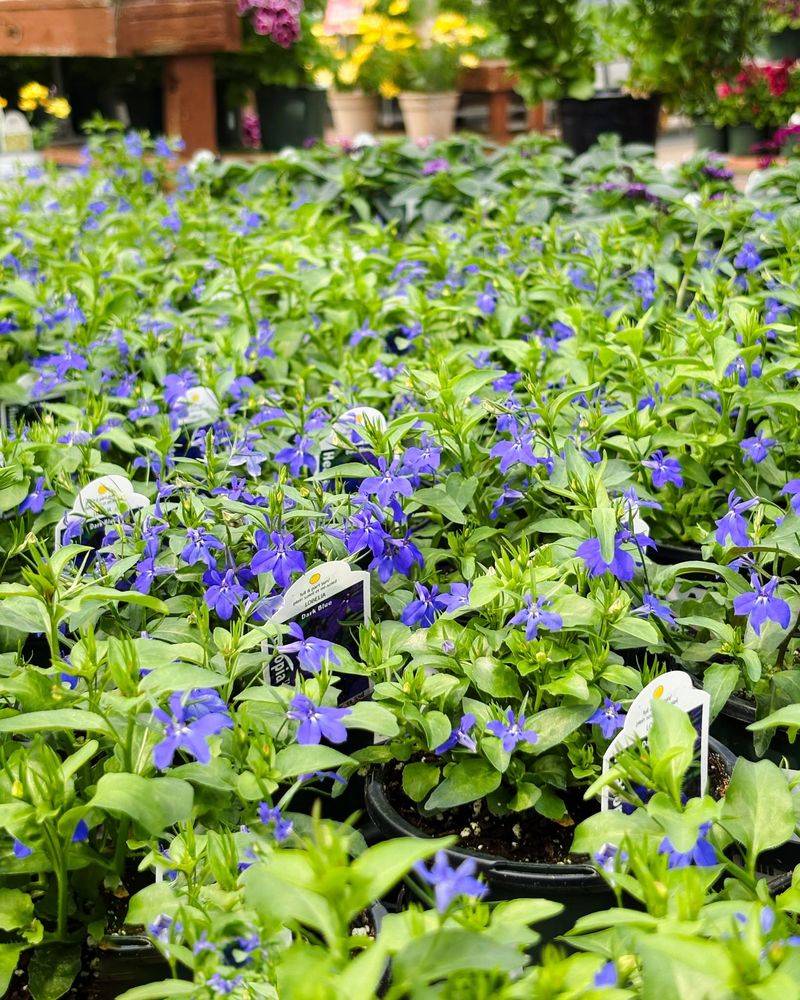
Bright, bold, and totally eye-catching, Lobelia brings a pop of vivid color to fairy gardens that few other small plants can match. The tiny flowers come in brilliant shades of blue, violet, and white, and they bloom in such abundance that the plant almost disappears under all that color.
It is a showstopper in any miniature garden setup.
Lobelia grows well in California during the cooler months of the year. It prefers full sun to partial shade and likes consistently moist soil.
In the warmer inland parts of California, a bit of afternoon shade helps it stay strong and blooming longer. Coastal gardeners often enjoy Lobelia as a near year-round bloomer thanks to the mild temperatures near the ocean.
One of Lobelia’s best qualities is how beautifully it trails over the edges of containers. Plant it near the rim of a raised fairy garden planter and let it spill downward for a cascading effect that looks lush and full.
It pairs wonderfully with white Alyssum or pink Miniature Roses for a colorful, layered composition. Regular watering and light feeding during the growing season will keep Lobelia producing flowers steadily, making it a reliable and rewarding choice for California fairy gardeners in 2026.
10. Dwarf Lavender
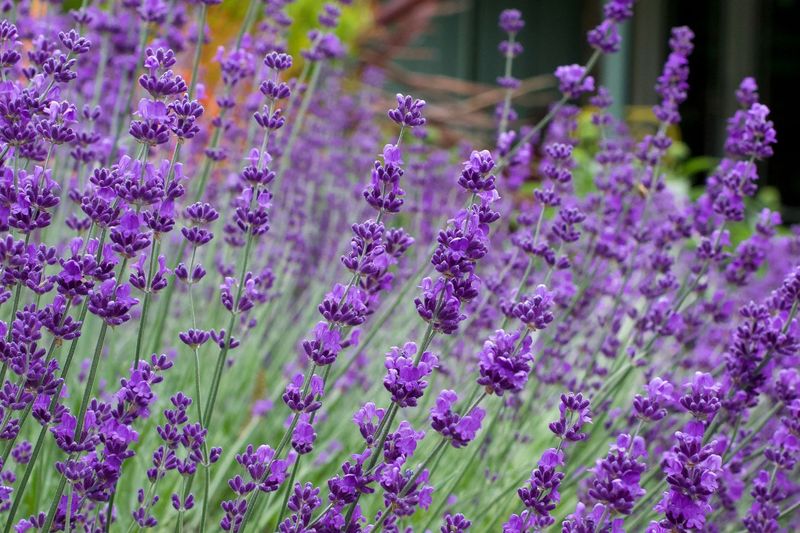
There is something instantly calming about lavender, and the dwarf varieties bring all of that charm into a perfectly sized package for fairy gardens. Dwarf Lavender grows into a compact, rounded shrub with silvery-green foliage and upright spikes of fragrant purple flowers.
It smells incredible and looks even better when it is in full bloom on a sunny California afternoon.
California is genuinely one of the best places in the country to grow lavender. Dwarf varieties like Hidcote or Munstead love full sun, well-drained soil, and warm dry conditions, all of which California delivers in abundance.
They are drought-tolerant once established, making them a smart, water-wise choice for gardeners across the state, from San Diego to Sacramento.
Dwarf Lavender works beautifully as a centerpiece or backdrop plant in a fairy garden. Its height adds dimension and structure to an otherwise flat design.
Trim it lightly after blooming to keep it shapely and encourage new growth the following season. Bees and butterflies are drawn to the flowers, so your fairy garden will feel alive with activity during summer.
Plant Dwarf Lavender where it will get plenty of sunshine and good air circulation for the healthiest, most fragrant results possible.