8 Ohio Plants That Help With Drainage Problems in Heavy Soil
After a steady spring rain in Ohio, some yards drain quickly while others hold onto water for days. If puddles linger and soil feels dense underfoot, heavy clay is likely the reason.
This type of soil slows water movement, leaving plant roots in consistently wet conditions that can make it harder for many plants to establish.
It is a common challenge across Ohio landscapes, especially in low or compacted areas.
The encouraging part is that certain plants are well suited to these conditions and can help improve how the soil behaves over time, turning soggy spots into healthier, more usable parts of your garden.
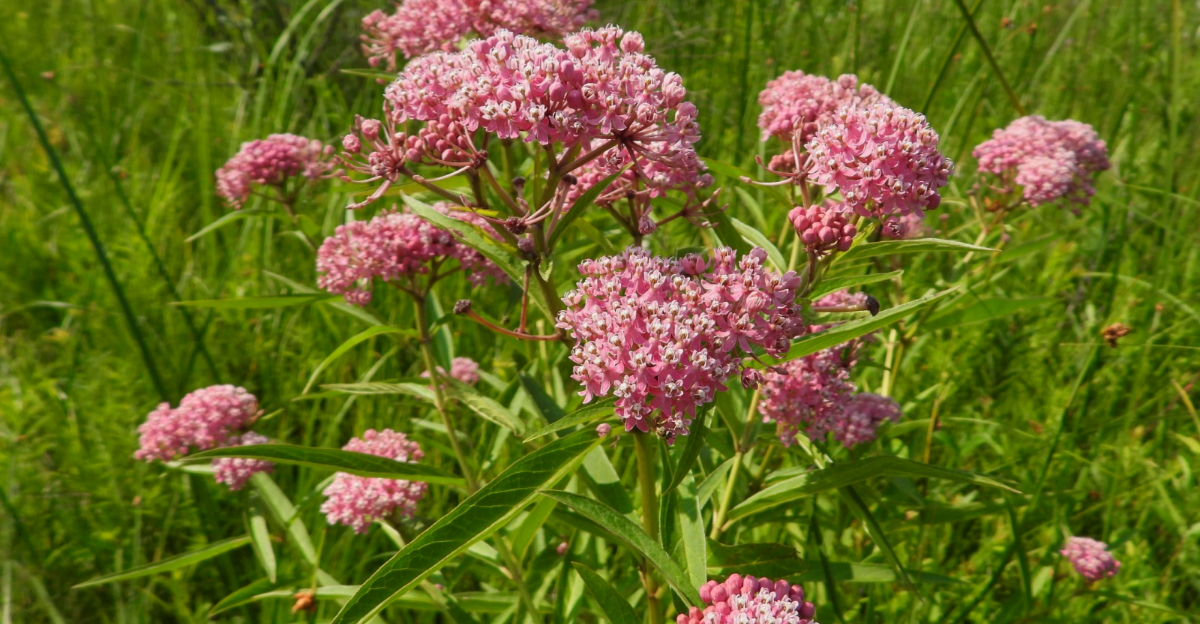
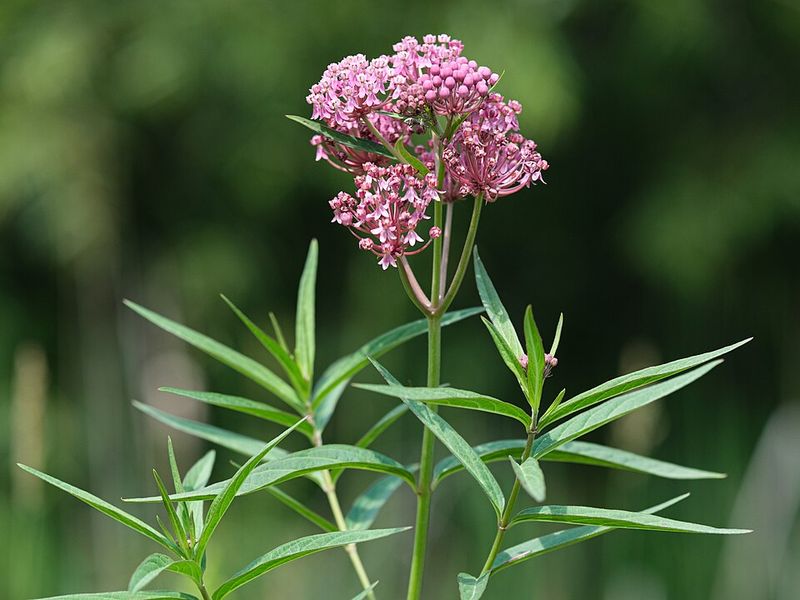
1. Swamp Milkweed Thrives In Moist And Heavy Soil
Walk through any low-lying Ohio yard after a heavy rain, and you will likely spot areas where water just refuses to move. Swamp milkweed is one of the most reliable native plants for exactly those kinds of spots.
It naturally grows along stream banks and wet meadows across Ohio, which means heavy, moisture-laden soil does not slow it down at all.
What makes this plant especially useful is its deep, fibrous root system. Those roots push down through dense clay layers over time, creating small channels that allow water and air to work their way through the soil.
It is a slow but meaningful process that adds up season after season.
Swamp milkweed typically grows between three and five feet tall, making it a bold, vertical presence in a wet corner of the yard.
The pink flower clusters bloom in midsummer and attract monarch butterflies, adding visual interest while the plant quietly does its drainage work underground.
Plant it in full sun to partial shade, and avoid amending the soil too heavily before planting. It actually performs better when it has to adapt to challenging clay conditions.
Ohio gardeners often find that once established, swamp milkweed spreads gradually through rhizomes, slowly building a denser root network that continues improving the surrounding soil structure with each passing year.
2. Blue Flag Iris Handles Soggy Garden Conditions With Ease
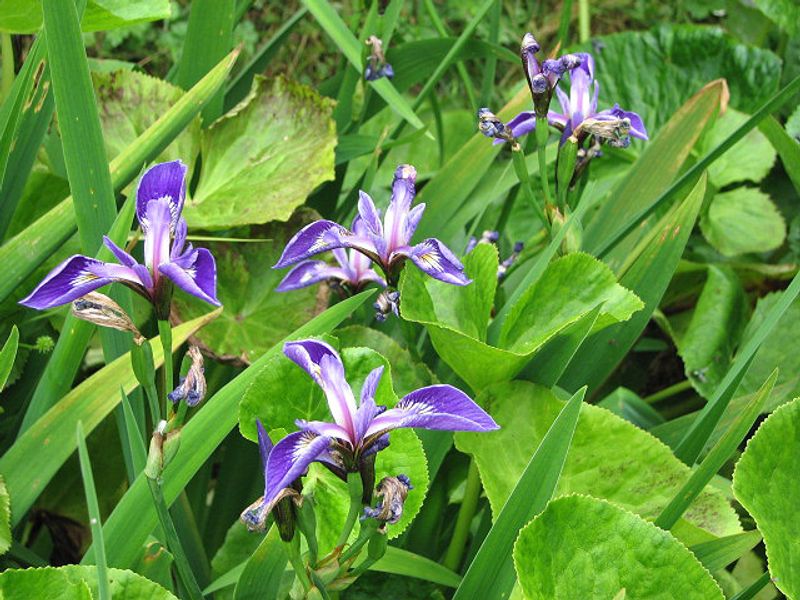
Few sights in an Ohio garden are as striking as blue flag iris in full bloom, especially when it is planted right where most other plants have given up. This native iris thrives in the kinds of wet, poorly drained spots that leave gardeners scratching their heads each spring.
Rather than struggling in soggy ground, it leans right into those conditions.
Blue flag iris produces thick, fleshy rhizomes that spread horizontally through heavy soil. Over time, this spreading root mass helps break apart compacted clay layers near the surface, gradually improving the soil’s ability to absorb and release water.
It works best when planted in clusters rather than as individual specimens, since a denser planting creates a more effective root network.
The plant does well in full sun and tolerates partial shade, which gives Ohio homeowners flexibility when choosing placement.
It works especially well along rain garden edges, near downspout outlets, or in low spots that collect runoff from rooftops or driveways.
Your Ohio Garden Changes Every Week. Your Plan Should Too.
Gardening in Ohio changes quickly throughout the season. Every Friday you’ll receive a simple weekly plan showing exactly what to plant, prune, fertilize, harvest, and protect so you never miss the right timing.
Bloom time runs from late spring into early summer, producing tall, elegant violet-blue flowers that attract native bees.
One thing worth knowing is that blue flag iris prefers consistently moist to wet soil rather than soil that alternates between flooding and drying out.
In Ohio’s clay-heavy landscapes, that steady moisture retention actually works in its favor, making it a smart and practical choice for challenging wet spots.
3. Buttonbush Grows Well In Low And Wet Areas
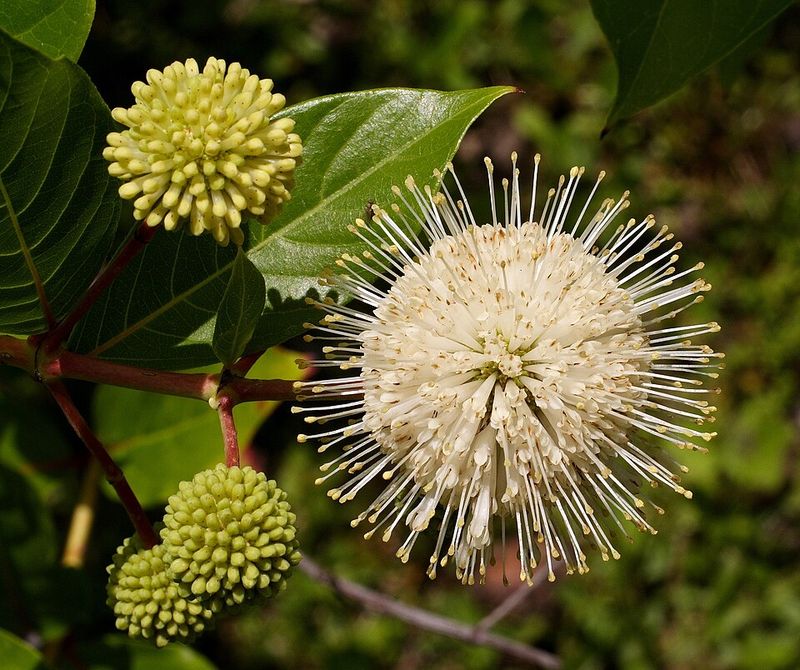
Some shrubs tolerate wet feet. Buttonbush practically thrives on them.
This native Ohio shrub is one of the most water-tolerant woody plants you can find, capable of growing in areas that stay flooded for extended periods during spring and early summer.
If you have a low corner of your yard where water sits for weeks after rain, buttonbush is worth a serious look.
It grows naturally along Ohio riverbanks, pond edges, and floodplain forests, so it brings built-in adaptability to heavy, saturated soils.
The root system is dense and wide-spreading, gradually working through compacted clay and helping stabilize soil in areas prone to erosion or slumping after heavy rainfall.
Over several seasons, that root expansion starts to open up the surrounding soil structure.
Buttonbush typically reaches six to twelve feet in height when left unpruned, though it responds well to cutting back if you want to keep it more compact.
The round, white flower clusters appear in summer and are a favorite food source for bees, butterflies, and hummingbirds.
Waterfowl and songbirds often feed on the seeds in fall and winter.
For Ohio homeowners dealing with chronically wet spots near property lines, drainage channels, or rain gardens, buttonbush fills space where other plants fail.
It does not need rich soil to perform well, and it grows steadily even in the kind of heavy, compacted ground that discourages most ornamental shrubs from getting established.
4. Red Osier Dogwood Stabilizes Soil In Problem Spots
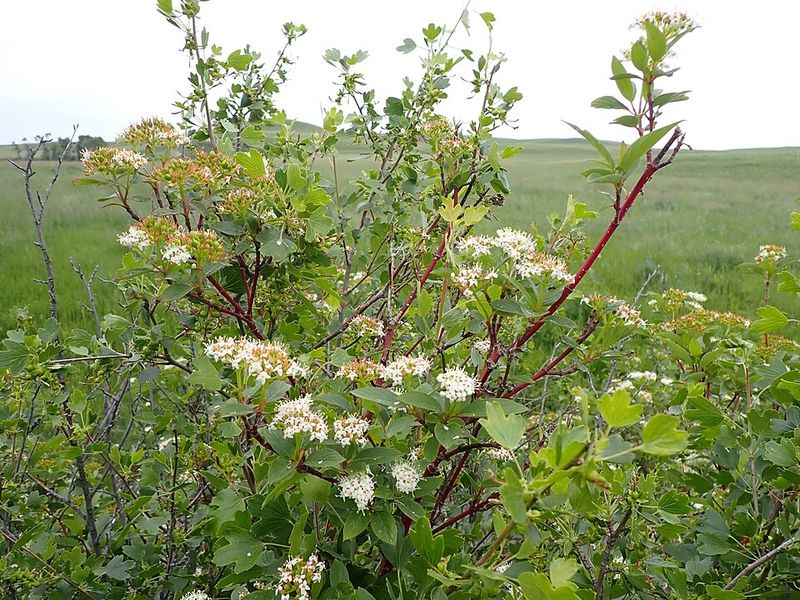
Bright red stems cutting through a gray Ohio winter are hard to miss, and that visual appeal is just one reason red osier dogwood earns a place in challenging landscapes.
Beyond its looks, this shrub is a genuinely tough performer in heavy, poorly drained soils where water tends to linger long after the rain stops.
Red osier dogwood spreads through a network of suckering stems and fibrous roots that knit together over time, creating a stabilizing mat below the soil surface. In Ohio yards with slopes, eroded edges near drainage swales, or low spots prone to washout, that spreading root system helps hold soil in place while also slowly loosening compacted clay layers.
It is a two-for-one benefit that takes a few seasons to fully develop but becomes noticeable as the planting matures.
This shrub handles both full sun and partial shade, which makes it flexible for different yard conditions.
It tends to grow four to eight feet tall and wide, so it works well as a buffer planting along fence lines, near rain gardens, or in areas where you need a larger mass of vegetation to manage runoff.
White flower clusters appear in late spring, followed by white berries that birds feed on through the fall.
Ohio gardeners appreciate that red osier dogwood requires very little fuss once established. It tolerates Ohio’s fluctuating spring moisture without complaint and keeps performing season after season in the spots most other shrubs quietly decline.
5. Switchgrass Builds Strong Roots In Dense Clay
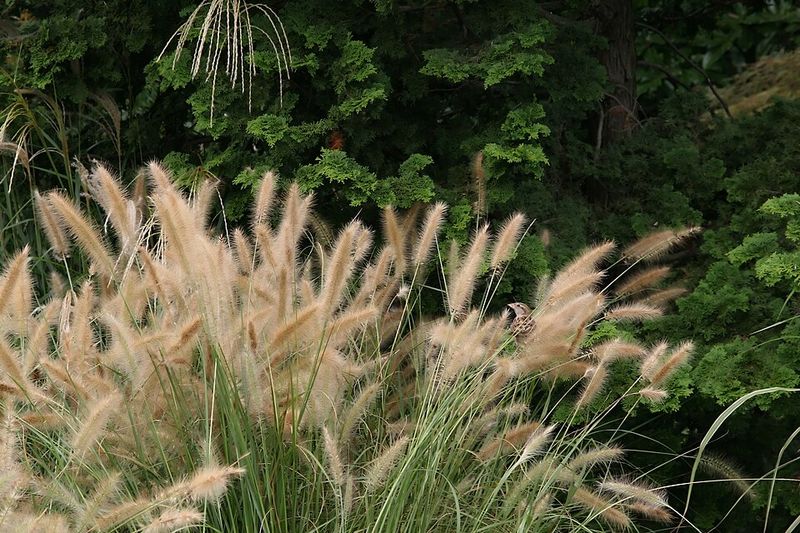
Dense clay soil tends to resist roots, but switchgrass pushes back harder.
This native warm-season grass is one of the most deep-rooted plants available to Ohio gardeners, with fibrous roots that can reach five to eight feet below the surface under the right conditions.
That kind of root depth is genuinely rare and makes switchgrass a standout choice for improving compacted soil over time.
As those roots push down through clay, they create tiny channels that improve water movement and allow air to reach deeper soil layers. Organic matter from decaying roots adds structure to the surrounding clay, gradually making it more workable.
It is a slow transformation, but it is a real one that builds on itself with each growing season.
Switchgrass grows three to six feet tall depending on the variety, and it handles full sun with ease. Ohio homeowners often use it in rain gardens, along drainage swales, or in open areas where other plants have struggled to establish.
The feathery seed heads add texture and movement to the landscape in late summer and fall, and many bird species feed on the seeds through winter.
One practical advantage is that switchgrass tolerates both wet and dry conditions once it is established, which suits Ohio’s unpredictable weather patterns. Spring rains do not overwhelm it, and summer dry spells do not knock it back.
That resilience makes it a dependable anchor plant in problem drainage areas across the state.
6. Joe Pye Weed Handles Moist Soil While Attracting Pollinators
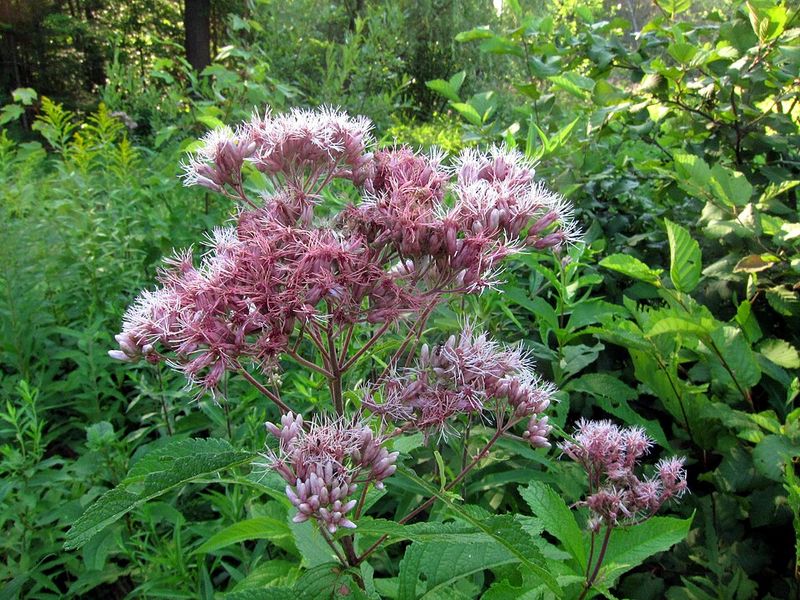
Towering above most perennials in a late-summer Ohio garden, Joe Pye weed is hard to overlook.
It can reach six to nine feet tall in moist, rich soil, and it puts on a show from midsummer through early fall with large clusters of dusty rose flowers that pull in butterflies, bees, and other pollinators by the dozens.
But its value goes well beyond the blooms.
Joe Pye weed naturally grows in moist woodlands, stream edges, and low meadows across Ohio, giving it a built-in comfort with heavy, wet soil conditions.
Its root system digs deep into dense clay, physically fracturing compacted layers and gradually improving drainage in areas where water tends to pool.
Over multiple seasons, the organic matter from its roots and stems enriches the surrounding soil.
It performs best in full sun to partial shade and does not need much intervention once it settles in. Ohio gardeners dealing with chronically damp spots near downspouts, rain gardens, or low-lying beds will find it adapts without complaint.
The tall structure also makes it useful as a visual screen or back-of-border planting while it works on improving the soil underneath.
Cutting the stems back to the ground each fall is straightforward, and the plant returns reliably each spring.
For anyone trying to balance a drainage problem with a need for late-season color and wildlife habitat, Joe Pye weed covers all three goals at once without demanding much in return from the gardener.
7. River Birch Adapts To Heavy And Compacted Soil
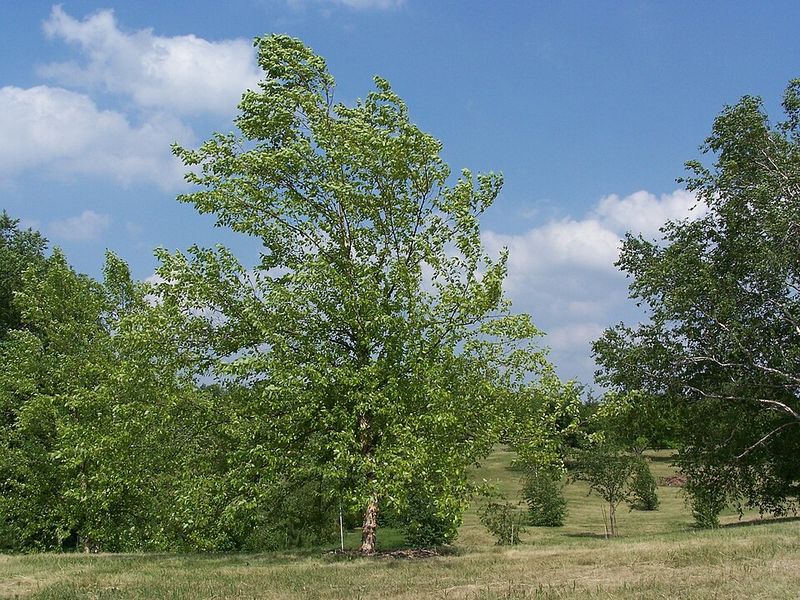
Peeling bark in shades of salmon, cream, and cinnamon makes river birch one of the most visually interesting trees you can plant in an Ohio yard, but its good looks are backed up by serious toughness in wet, heavy ground.
Unlike many ornamental trees that struggle and decline when their roots sit in saturated clay, river birch was built for exactly those conditions.
Native to Ohio’s river corridors and floodplain forests, river birch has an aggressive, wide-spreading root system that works through compacted soil in search of moisture and nutrients.
That root activity gradually loosens surrounding clay, improving drainage in the area around the tree over several years.
Planting it near chronically wet spots, drainage channels, or low corners of the yard helps put those roots to work where they are most needed.
River birch grows quickly compared to many native trees, often adding two to three feet of height per year under good conditions.
It reaches thirty to forty feet at maturity, so it is best suited for larger yards or areas where a substantial canopy is welcome.
The dappled shade it creates can also help reduce surface evaporation and slow down runoff across the yard.
Ohio homeowners dealing with heavy spring rains and standing water near the house will find river birch a reliable long-term investment.
It handles Ohio’s wet springs without issue and becomes more established and effective at managing soil conditions with each passing season.
8. Sweetspire Performs Well In Moist And Clay Rich Ground
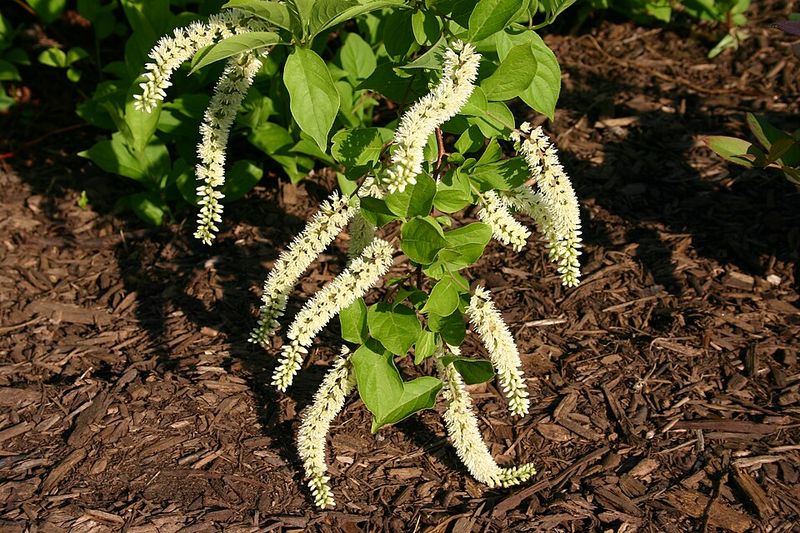
Not every plant that handles wet clay soil looks like it is just surviving.
Virginia sweetspire actually thrives in those conditions and rewards the gardener with fragrant white flower spikes in early summer followed by some of the most vivid red and orange fall color you will see from a native Ohio shrub.
It earns its place on both practical and aesthetic grounds.
Sweetspire grows naturally in moist, low-lying woodlands and stream margins, which means Ohio’s heavy clay soils feel familiar rather than challenging.
Its root system spreads gradually through suckering, building a layered network that helps hold soil moisture evenly while slowly improving the structure of surrounding clay.
That spreading habit also makes it useful for stabilizing slopes or low spots prone to erosion after heavy rain.
It typically grows three to five feet tall and wide, making it a manageable size for most Ohio yards. It tolerates both full sun and partial shade, which gives homeowners flexibility in placement.
Rain gardens, shaded borders near the house, or low areas along a fence line are all solid options where sweetspire can settle in and perform well.
One thing that surprises many gardeners is how little maintenance sweetspire requires once it is established. It does not need rich soil or frequent fertilizing, and it handles Ohio’s wet spring conditions without showing any stress.
For homeowners who want a low-effort native shrub that genuinely improves problem areas over time, sweetspire is a smart and rewarding choice.