8 Georgia Shrubs That Benefit From Fertilizing In April
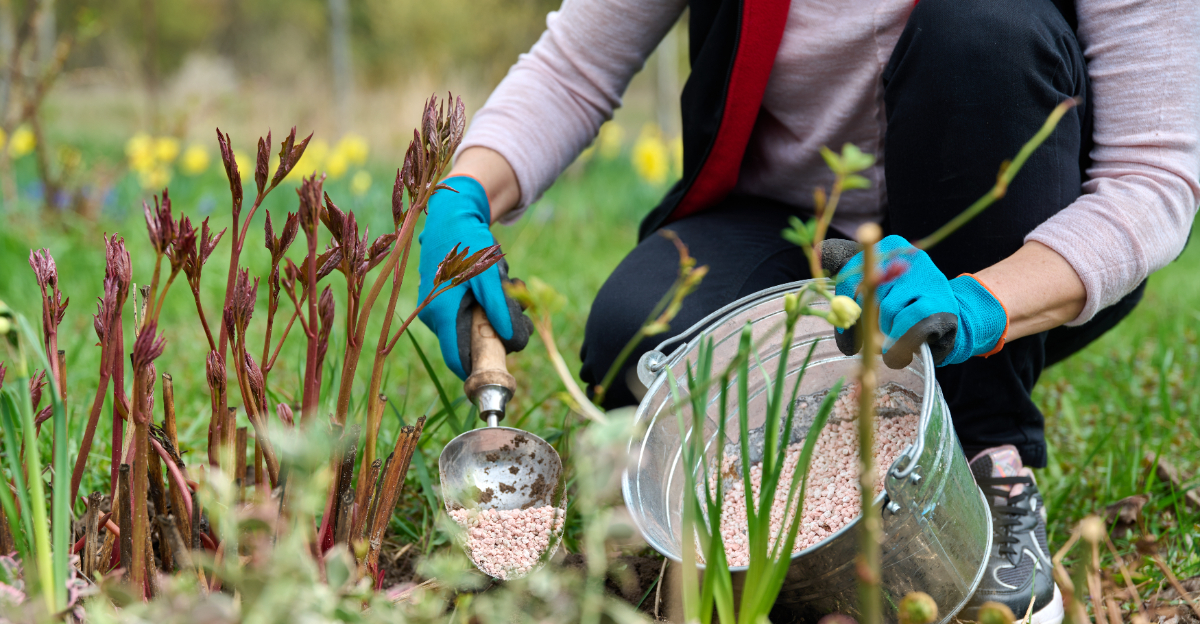
April marks a key point for shrubs in Georgia landscapes. New growth begins to appear, and nutrient demand increases as plants move out of dormancy.
This stage directly affects how well shrubs develop through late spring and into summer. When support is given at the right time, growth tends to stay more even and structured.
Not every shrub responds the same way, and applying the same approach across all plant types often leads to uneven results. Some shrubs show clear improvement when nutrients are available during this period, while others do not require it at all.
Knowing which shrubs benefit in April helps avoid unnecessary work and supports more consistent development.
This timing plays an important role before higher temperatures place additional pressure on plant growth.
1. Azaleas Benefit From Light Feeding As Blooms Fade
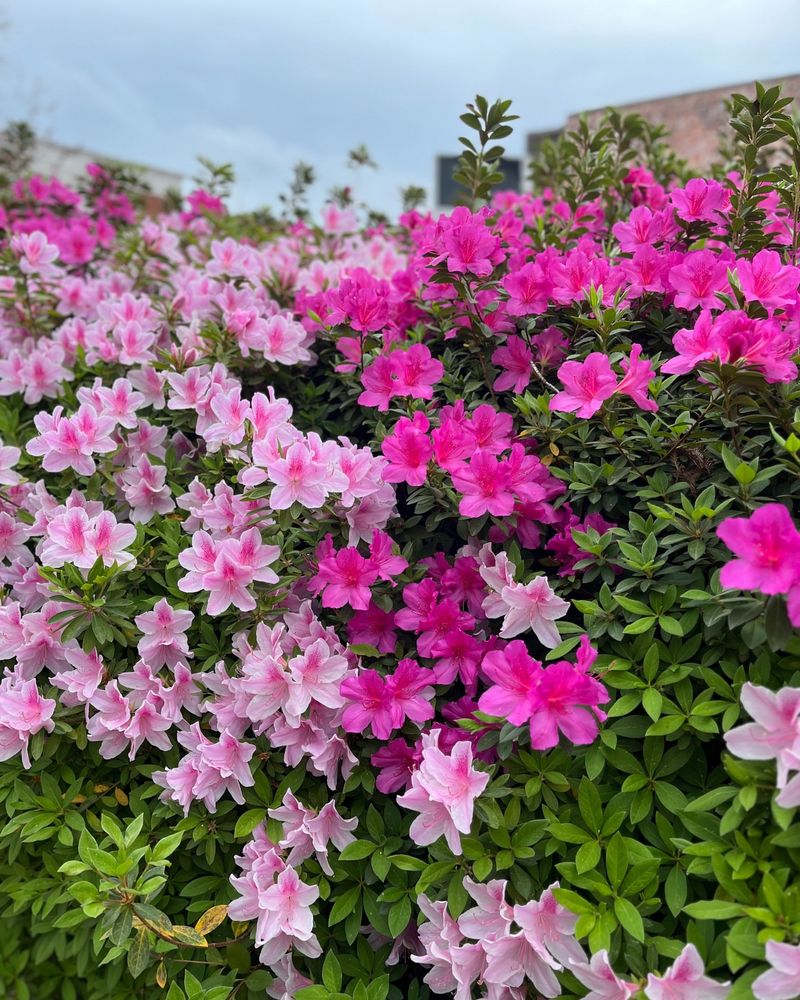
Right as your azaleas finish their spring show, that’s exactly when to reach for the fertilizer. Feeding them while blooms are still fading — or just after — gives roots a nutrient boost at the moment new leaf growth is already starting to push out.
Stick with an acid-forming fertilizer labeled for azaleas or camellias. Georgia soils vary quite a bit, and azaleas prefer a lower pH, so using the right product matters more than just grabbing whatever’s on the shelf.
Scatter it evenly around the drip line and water it in well.
Don’t pile fertilizer against the base of the plant. Spreading it out where the feeder roots actually are — which extends well beyond the trunk — helps the shrub absorb nutrients more efficiently.
A light hand works better than a heavy dose here.
One application in April is usually enough to carry most azaleas through the season. If your soil has been tested and shows specific deficiencies, you can adjust from there, but for most Georgia yards, a single spring feeding does the job without overdoing it.
Avoid fertilizing late in summer, as that can push soft new growth right before cooler weather arrives.
That steady approach helps azaleas stay balanced instead of pushing uneven growth. It also keeps flowering more consistent going into the next season.
2. Hydrangeas Respond Well During Early Leaf Growth
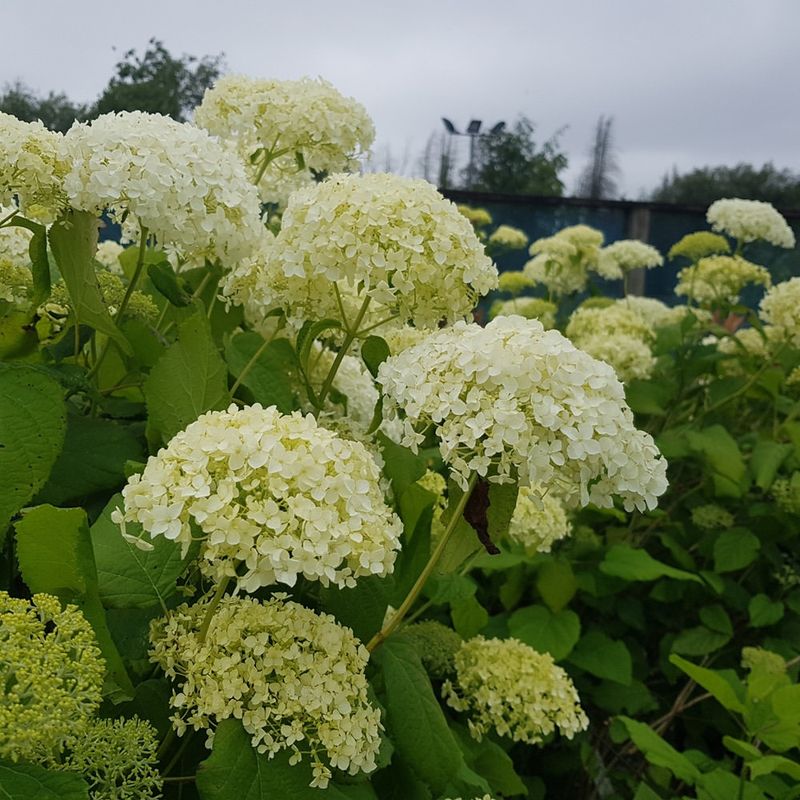
Watching a hydrangea push out fresh leaves in early April is a reliable sign that the shrub is ready for nutrients.
Feeding at this stage — before flower buds fully develop — can support both foliage and bloom size, though results will vary depending on soil conditions and the specific variety you’re growing.
A balanced slow-release granular fertilizer works well for most hydrangeas in Georgia. Avoid products that are very high in nitrogen alone, since that tends to push leafy growth at the expense of flowers.
Something with a more even nutrient ratio gives the plant what it needs without throwing things off balance.
Apply the fertilizer around the base of the shrub, spreading it out to the edge of the leaf canopy. Water it in afterward, especially if rain isn’t expected within a day or two.
Dry fertilizer sitting on the soil without moisture doesn’t do much.
Your Georgia Garden Changes Every Week. Your Plan Should Too.
Gardening in Georgia changes quickly throughout the season. Every Friday you’ll receive a simple weekly plan showing exactly what to plant, prune, fertilize, harvest, and protect so you never miss the right timing.
Bigleaf hydrangeas, which are common in Georgia landscapes, can be a little sensitive to fertilizer timing. Feeding too late in the season may affect next year’s blooms on old-wood varieties, so keeping April as your main feeding window is a smart habit.
A second lighter feeding in early summer is optional but not always necessary.
Keeping April as the main feeding window helps avoid issues with future blooms. It also supports more reliable growth without overcomplicating care.
3. Gardenias Need Nutrients For Bud And Leaf Development
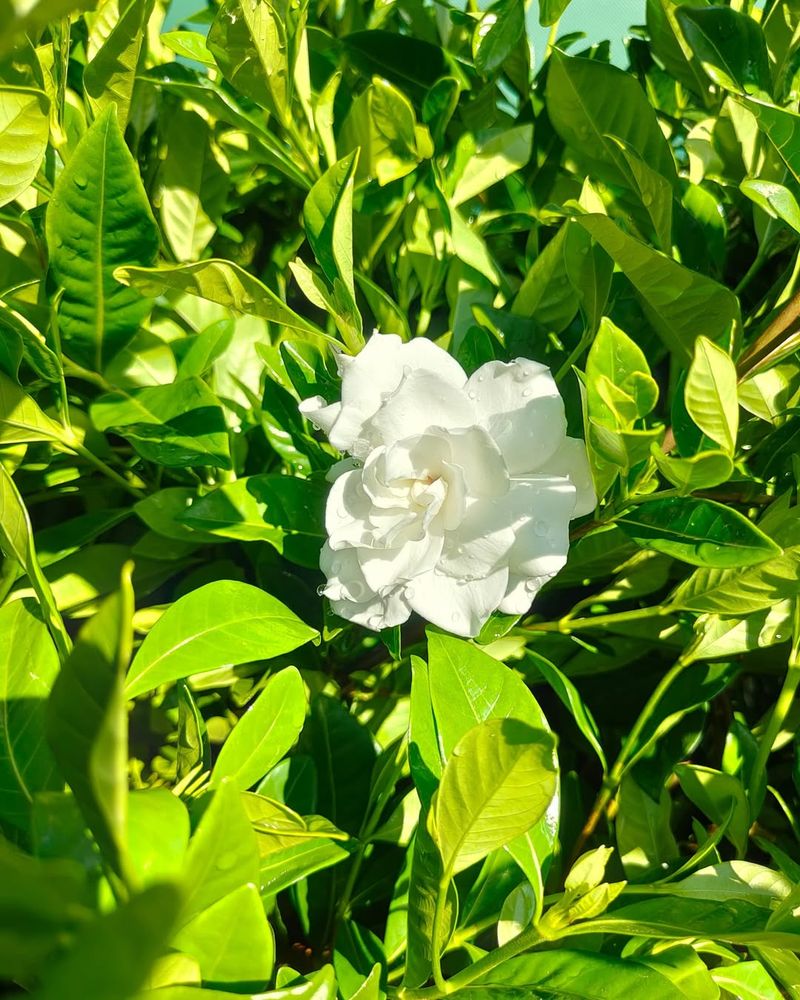
Gardenias can be a little demanding, and April is when they start showing you what they need. By the time spring truly settles in across Georgia, these shrubs are building both new leaves and early flower buds at the same time — which takes real energy from the soil.
An acid-forming fertilizer is the right choice here. Gardenias are fussy about soil pH and won’t absorb nutrients well if the pH is too high.
If your gardenias have been showing yellowing leaves, that’s often a sign of iron or magnesium deficiency tied to pH issues rather than a lack of fertilizer alone.
Fertilize after the last frost risk has passed — in most parts of Georgia, that lines up with late March to early April. Apply according to the package directions and water it in well.
Gardenias growing in containers need a bit more frequent feeding than those planted in the ground, since nutrients flush out faster.
Don’t skip the mulch layer around your gardenia. Keeping moisture consistent helps the shrub use those nutrients more effectively.
Gardenias stressed by drought or waterlogged soil won’t respond well to feeding regardless of what product you use, so soil conditions matter just as much as the fertilizer itself.
Healthy soil conditions make feeding actually work instead of going to waste. When moisture stays stable, gardenias respond much more predictably.
4. Camellias Can Be Fertilized After Bloom
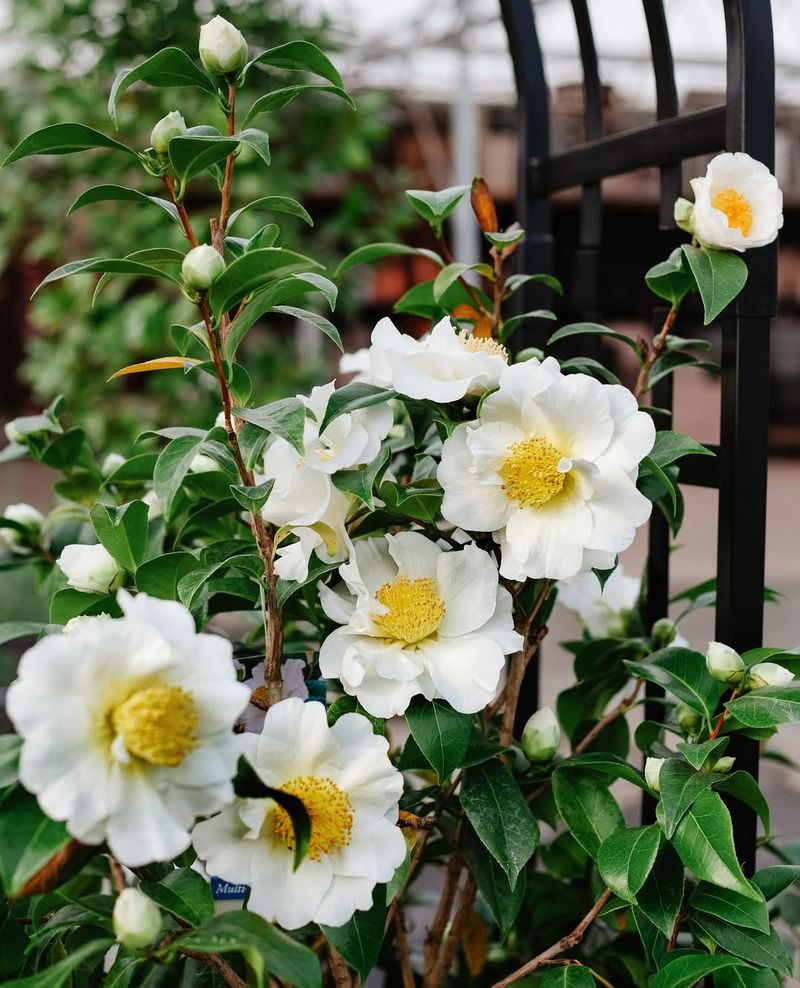
Camellias put a lot of effort into blooming, and once they’re done, feeding them helps the plant recover and set up strong growth for the rest of the year.
April timing works well for most Georgia camellias because spring blooming varieties have typically finished by then, and the shrub is ready to shift energy toward new shoots and leaves.
Use a fertilizer formulated for acid-loving plants. Camellias share similar soil preferences with azaleas, so the same camellia-azalea fertilizer works fine for both.
Spread it around the drip line of the shrub rather than directly against the trunk, and always water it in after applying.
Avoid feeding camellias while they’re still actively blooming. Fertilizing too early can sometimes cause buds to drop before they fully open, which is frustrating after waiting all season for the flowers.
Patience pays off — wait until the last blooms have fallen.
One spring feeding is usually sufficient for established camellias growing in typical Georgia soil. If you want to feed again, a light midsummer application is an option, but skip anything after August.
Late feeding pushes tender growth that may struggle when temperatures eventually drop in the fall. Keeping the timing conservative gives you more predictable, steady results year to year.
Sticking to careful timing prevents unnecessary stress on the plant. That consistency leads to stronger growth year after year.
5. Boxwood Benefits From Feeding As Growth Starts
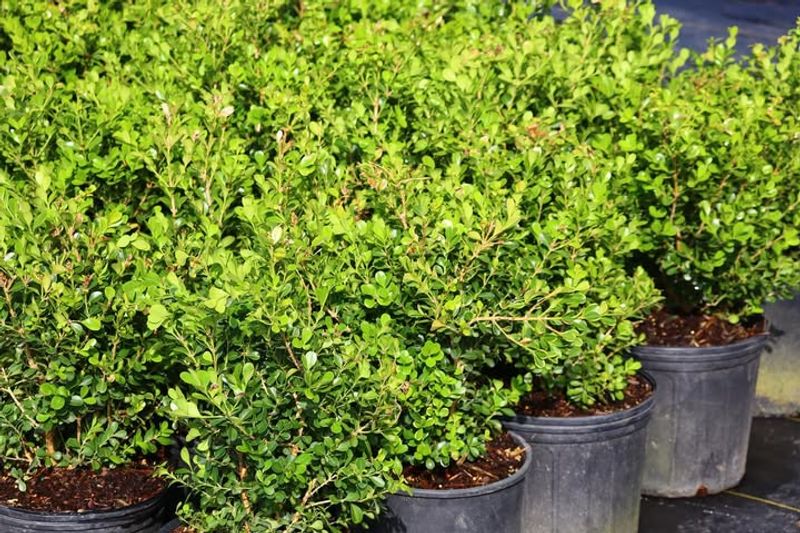
Boxwood might not get as much attention as flowering shrubs, but it’s a workhorse in Georgia landscapes and April feeding makes a noticeable difference in how full and green it looks through the summer.
When you spot that first flush of light green new growth, that’s the signal to fertilize.
A balanced granular fertilizer — something like a 10-10-10 or a slow-release blend — works well for boxwood.
It doesn’t need an acid-specific product the way azaleas or gardenias do, but it does benefit from consistent nutrition, especially if it’s been several years since the soil was amended or tested.
Spread the fertilizer evenly under the canopy and a bit beyond it. Boxwood roots tend to spread wider than the visible plant, so covering that full area helps ensure the nutrients actually reach the feeder roots.
Water thoroughly after applying.
Avoid over-fertilizing boxwood in Georgia. Too much nitrogen can push very soft, rapid growth that’s more vulnerable to pests and disease — both of which are real concerns for boxwood in the Southeast.
A moderate, measured application once in spring, and possibly a lighter one in early fall, is a more practical approach than heavy repeated feeding. Consistent care over time matters more than any single application.
A moderate approach keeps boxwood dense without encouraging weak growth. Over time, that steady care makes a visible difference in structure.
6. Loropetalum Responds Well As New Growth Appears
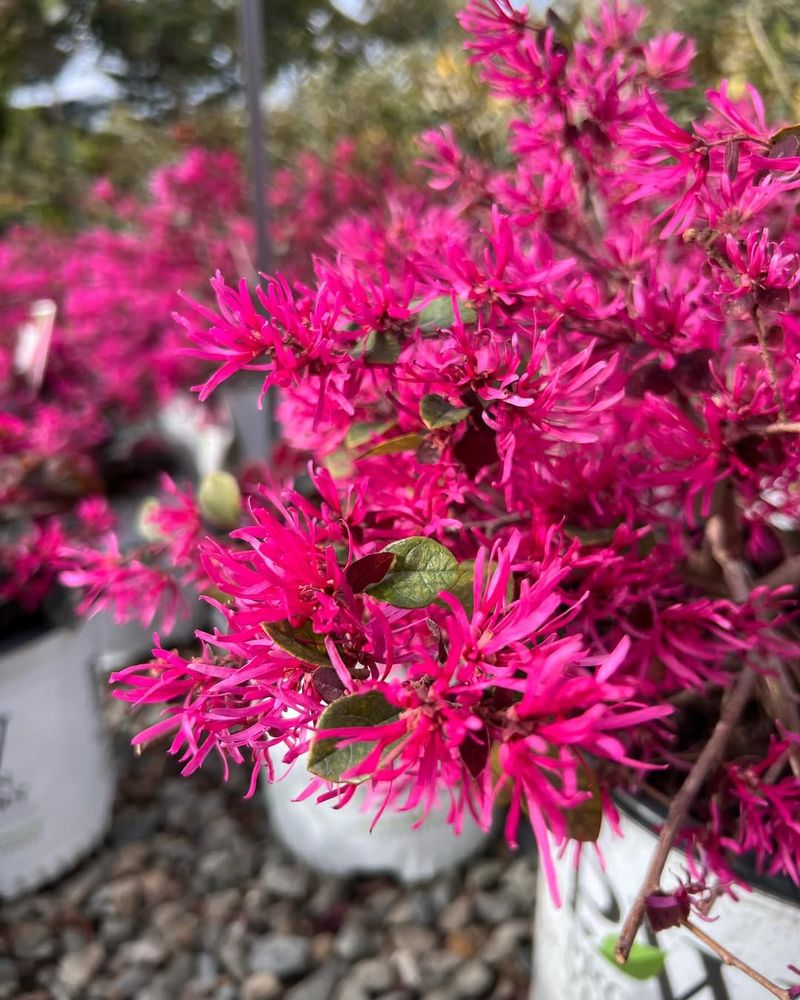
Few shrubs are as reliable in Georgia as loropetalum, and when that new burgundy or purple foliage starts pushing out in April, it’s a good time to give it a nutrient boost.
Feeding as new growth appears helps the plant develop stronger stems and deeper leaf color through the warmer months ahead.
Loropetalum does well with a balanced slow-release fertilizer or an acid-forming blend. It prefers slightly acidic soil, which aligns with the typical conditions found in many Georgia yards.
If your soil tends to be alkaline, pairing fertilizer with a soil acidifier can help the plant absorb nutrients more effectively.
Apply the fertilizer around the base of the shrub and out to the drip line. Water it in well after application.
If you’re growing loropetalum in a container, plan on feeding more frequently since nutrients in potting mix deplete faster than in garden soil.
Loropetalum is a fast grower, and that’s one reason it benefits from spring feeding — it has the energy to actually use those nutrients quickly. Just be careful not to overdo it.
Heavy fertilizing can lead to excessive, leggy growth that requires more pruning to keep the shape you want. A single moderate spring feeding is a reasonable starting point for most plants in Georgia landscapes.
Controlled feeding helps maintain shape without constant pruning. It also supports richer foliage color through the season.
7. Indian Hawthorn Benefits Before Warmer Weather Sets In
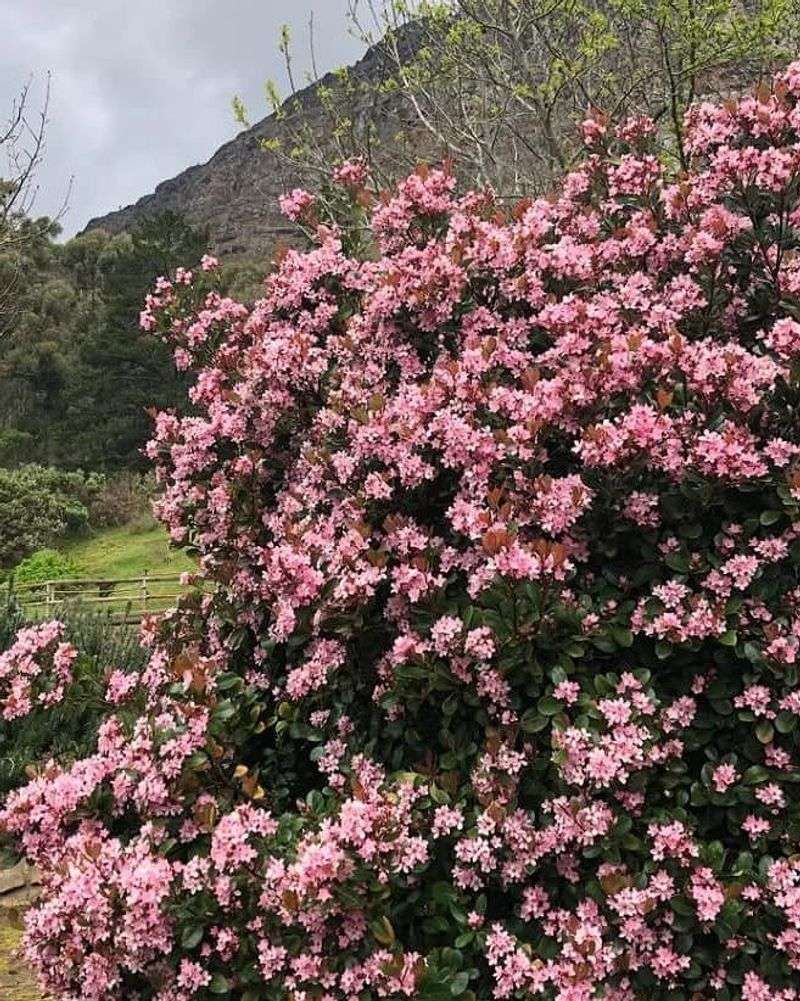
Indian hawthorn is a tough, compact shrub that shows up in Georgia landscapes everywhere from residential front beds to commercial properties.
April feeding, before summer heat fully sets in, helps it build the leaf density and root strength it needs to handle the long, hot Georgia summers ahead.
A balanced slow-release granular fertilizer applied in early April works well. Indian hawthorn isn’t as particular about soil pH as some other shrubs, but it still benefits from decent organic matter and consistent moisture after fertilizing.
If your soil is compacted or very sandy, improving the soil structure over time will help fertilizer work better.
Scatter the fertilizer around the base of the plant and water it in. Avoid getting granules on the foliage, especially if the leaves are wet, as that can cause minor burning.
It’s a small thing, but worth paying attention to when you’re working around these plants.
Indian hawthorn can be prone to Entomosporium leaf spot, a fungal disease that’s fairly common in Georgia. Over-fertilizing with high nitrogen can sometimes encourage lush, dense growth that stays wet longer and increases disease pressure.
Keeping your feeding moderate and ensuring good air circulation around the shrub goes a long way toward keeping it healthy through the season.
Keeping growth balanced reduces the chance of disease problems later. Good spacing and airflow work together with proper feeding.
8. Abelia Grows Stronger With Early Spring Feeding
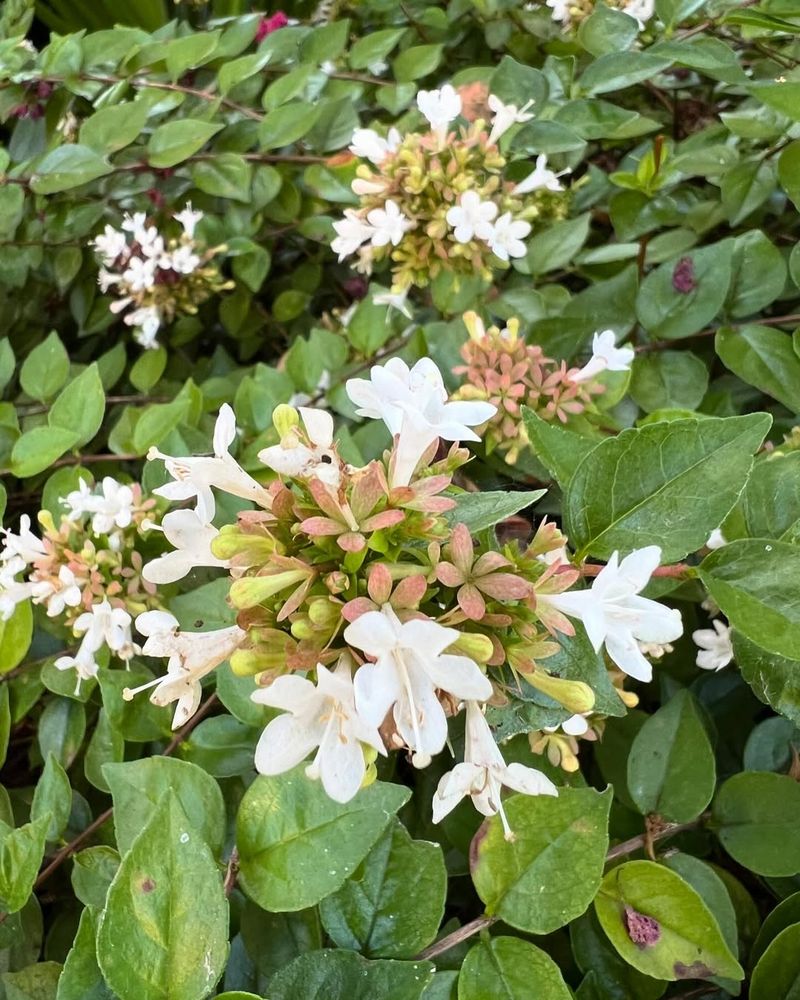
Abelia is one of those shrubs that earns its place in a Georgia yard by performing steadily season after season without a lot of fuss. An April feeding gives it a push right when it needs it most — as new shoots are emerging and the plant is ramping up for a long growing season.
A balanced slow-release fertilizer works well here. Abelia isn’t overly demanding when it comes to soil type, but like most shrubs, it responds noticeably to consistent nutrition.
If you haven’t fertilized in a year or two, April is a good time to reset that habit.
Apply the fertilizer around the base and out to the canopy edge, then water it in. Abelia roots spread fairly wide, so covering the full root zone rather than just the immediate base helps the plant take up nutrients more efficiently.
One thing worth knowing about abelia in Georgia is that it blooms on new growth, which means what you encourage in spring directly affects how many flowers you see later in the season.
Supporting that new growth with adequate nutrition in April can result in more flowering stems by summer and into fall.
Results will depend on your specific soil and how the season plays out, but feeding consistently tends to produce more reliable performance than skipping it entirely.
Consistent feeding supports stronger flowering without extra effort. That simple habit leads to more reliable performance each season.