These Georgia Weeds Should Be Controlled Before New Sod Goes Down In April
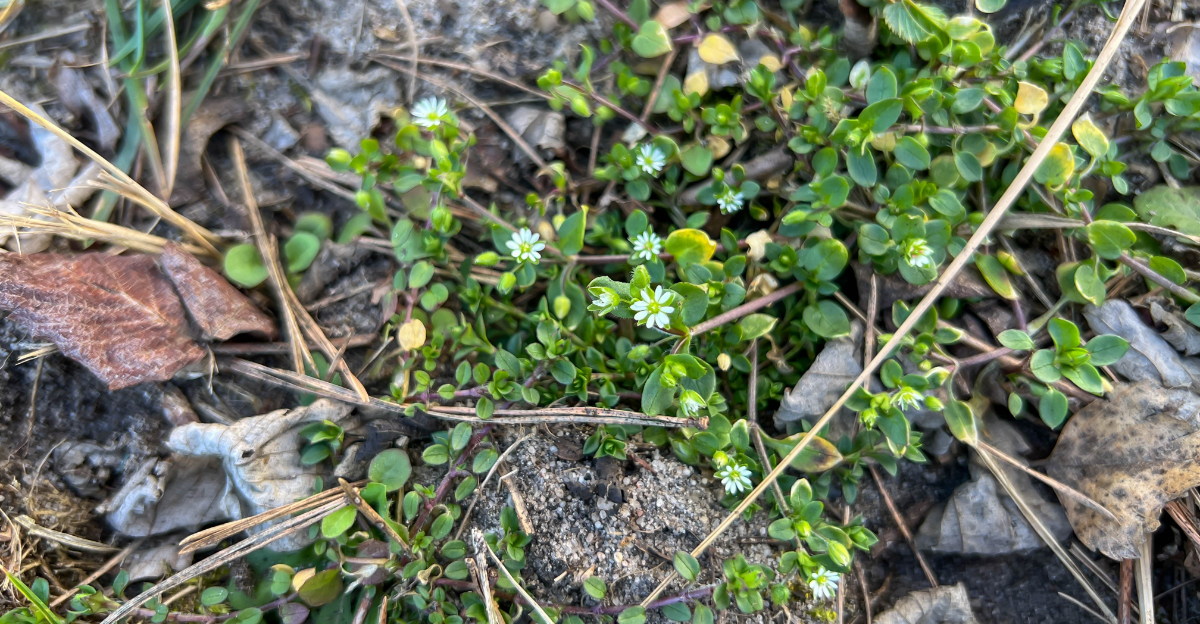
A new lawn in Georgia can look like a fresh start, but what sits in the soil before sod goes down often decides how well that turf holds up. Weeds already in place do not stay quiet once new grass is installed.
They compete for space, nutrients, and moisture, and some push right through if they are not handled early.
Many of these weeds spread fast in prepared soil and take advantage of open areas before sod has a chance to settle. Others return from roots below the surface even when the top layer looks clear.
That is why early control plays such an important role at this stage. What gets addressed now helps create a smoother, more even lawn instead of one that struggles from the start.
1. Crabgrass Spreads Fast In Bare Soil During Spring Lawn Prep
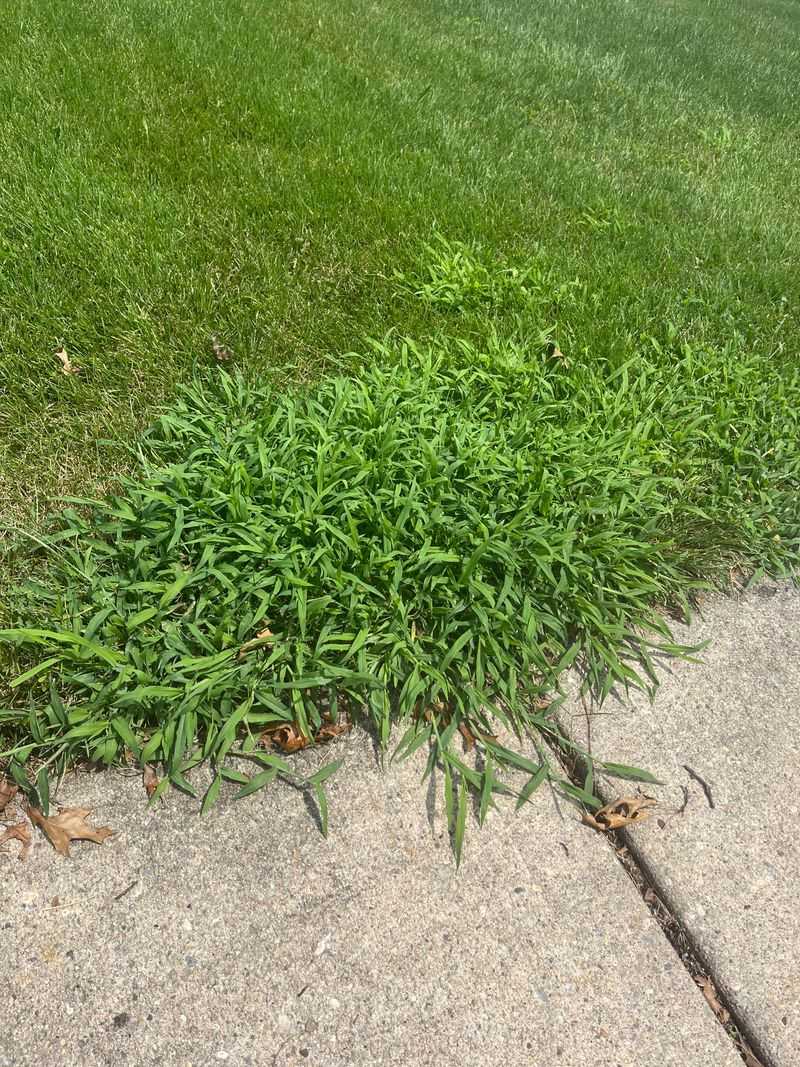
Bare soil is basically an open invitation for crabgrass, and Georgia yards in early spring have plenty of it.
Crabgrass germinates when soil temperatures hit around 55 degrees Fahrenheit, which happens fast in Georgia — often weeks before homeowners even start thinking about sod.
By the time you notice it, it has already dropped seeds and spread sideways across the ground.
Spraying with a non-selective herbicide like glyphosate at least two weeks before laying sod is the standard approach most Georgia lawn professionals recommend. That window gives the product time to move through the plant and affect the root system fully.
Skipping this step means crabgrass roots will sit right under your new sod and work their way back up within a few weeks.
After the herbicide takes effect, rake out the remaining plant material before tilling. Leaving clumps of treated crabgrass on the surface can create uneven spots under the sod.
Crabgrass is a summer annual, so hitting it hard before April installation prevents a full season of competition with your new grass. Georgia heat amplifies how fast it spreads, so timing your spray correctly makes a real difference in how your sod looks by summer.
Catching it early gives your sod a clean start without constant competition. That one step can make establishment faster and far more even across the lawn.
2. Dallisgrass Forms Thick Clumps That Make Surface Prep Harder
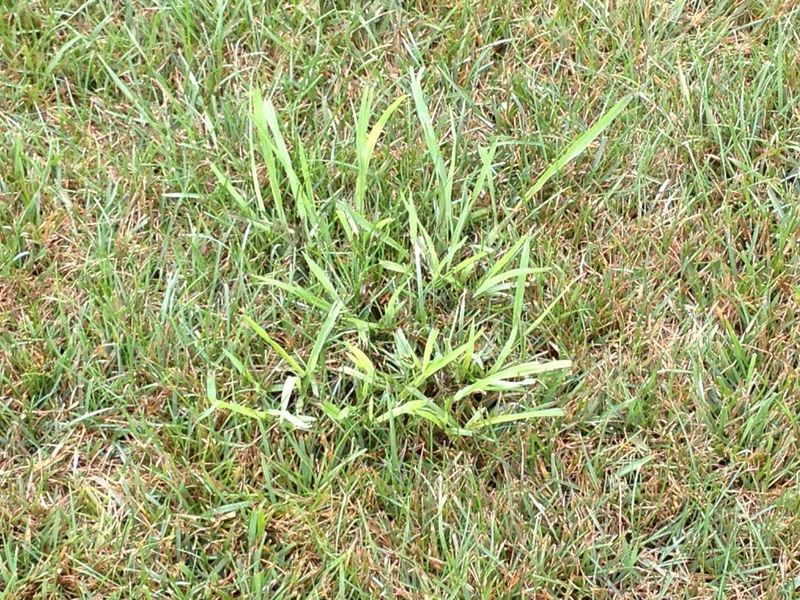
Dallisgrass is one of the tougher weeds you will deal with in Georgia, and it does not respond to a single herbicide application the way most annual weeds do. It grows in dense, circular clumps with deep roots that can reach several inches into the soil.
Those clumps create uneven bumps across your yard that make grading and leveling the surface before sod installation genuinely difficult.
Repeated glyphosate applications spaced about two weeks apart tend to work better on dallisgrass than a single spray. Some Georgia homeowners find that spot-treating established clumps multiple times before a planned sod project gives them better results.
Patience matters here — rushing to sod over partially treated dallisgrass usually means dealing with regrowth within the first season.
Once the plant material has been treated and begins to break down, physically removing the clump crowns before tilling helps prevent any remaining viable root tissue from recovering.
Your Georgia Garden Changes Every Week. Your Plan Should Too.
Gardening in Georgia changes quickly throughout the season. Every Friday you’ll receive a simple weekly plan showing exactly what to plant, prune, fertilize, harvest, and protect so you never miss the right timing.
Dallisgrass thrives in Georgia’s warm, moist conditions, especially in low spots where water collects after rain.
If your yard has drainage issues, addressing those before installation reduces the chance of dallisgrass returning in the same spots. Getting this weed fully under control before April sod work begins saves significant headaches later in the growing season.
Taking the time to fully remove it creates a smoother base for sod to root evenly. It also helps prevent those same problem spots from showing up again later in the season.
3. Yellow Nutsedge Breaks Through Turf And Comes Back Fast
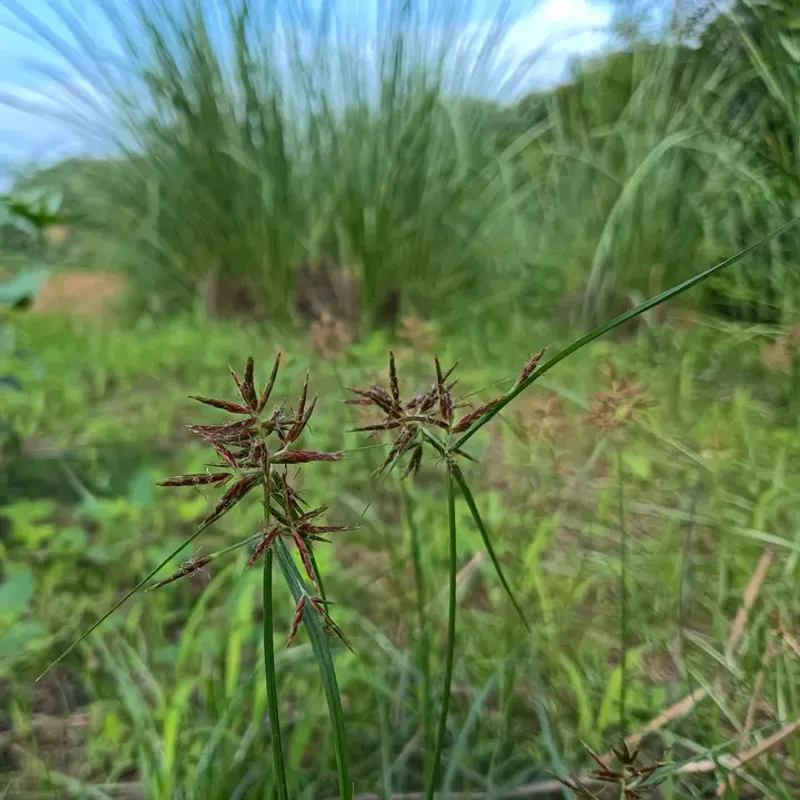
Yellow nutsedge does not behave like most weeds, and that is exactly what makes it so frustrating for Georgia homeowners preparing for new sod.
Standard glyphosate applications slow it down but rarely eliminate it completely because the plant reproduces through underground nutlets that can survive even after the top growth is gone.
One plant can produce dozens of nutlets in a single season.
For better control before sod installation, products containing halosulfuron or sulfentrazone are more effective against nutsedge than glyphosate alone.
Applying these at least three weeks before your April installation date gives the herbicide time to work down toward the nutlets.
Combining a targeted nutsedge herbicide with a follow-up glyphosate application is a common approach used across Georgia for full site prep.
Nutsedge thrives in wet, compacted soil, so improving drainage and tilling to loosen the ground before laying sod reduces favorable conditions for regrowth. It is a warm-season sedge, meaning Georgia’s spring and summer temperatures create nearly ideal conditions for it.
Even with thorough treatment, some regrowth is possible the first season after sod installation — that is just the reality with nutsedge. Managing soil moisture and following up with post-emergent treatments after establishment helps keep it from taking over your new lawn.
Improving soil conditions makes long-term control much easier to manage. Staying consistent with follow-up treatments keeps it from spreading back through the lawn.
4. White Clover Spreads Quickly In Thin And Open Lawn Areas
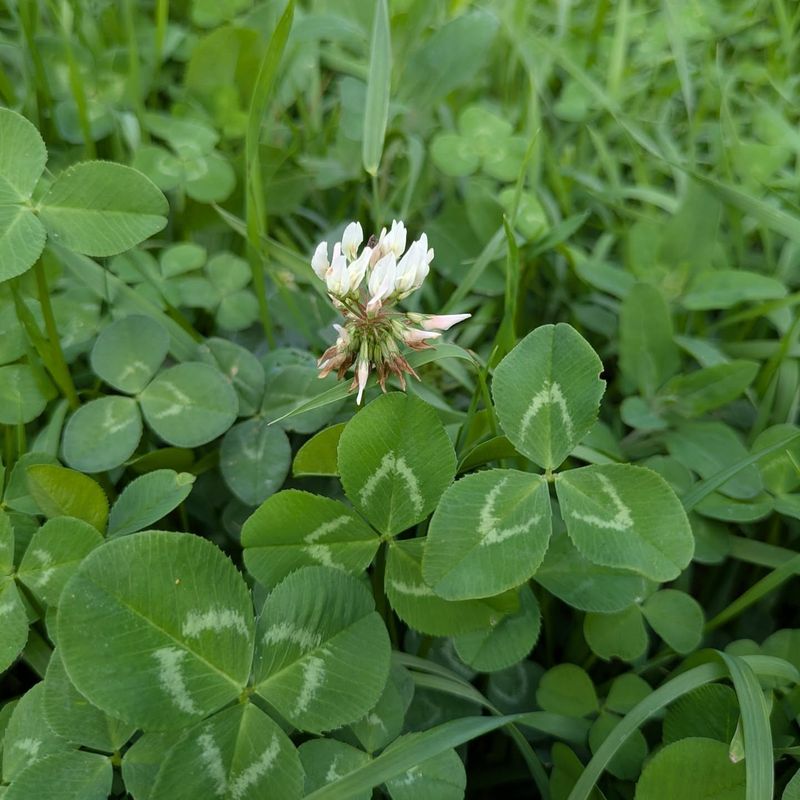
White clover moves fast across open ground, and Georgia yards being prepped for sod often have exactly the kind of thin, bare areas where it loves to spread. It creeps along the surface using horizontal stems called stolons, rooting at each node as it goes.
Left untreated before sod installation, clover can re-establish itself through any gaps in the new turf before the grass even begins to knit together.
Glyphosate handles white clover reasonably well when applied to actively growing plants before the area is disturbed. Spraying at least two weeks before your planned sod date gives the herbicide time to fully translocate through the plant.
Clover has a relatively shallow root system compared to perennial grassy weeds, so a well-timed application followed by thorough raking tends to clear it out effectively.
One thing worth knowing about white clover in Georgia is that it fixes nitrogen in the soil through root nodules. While that sounds helpful, it can create uneven nutrient distribution across your prepped area.
Taking a soil sample before installation lets you see what you are actually working with and adjust amendments accordingly.
Clover also tends to return in lawns with low nitrogen levels, so establishing a solid fertilization routine after your sod roots in will help prevent it from creeping back into your Georgia yard over time.
5. Chickweed Covers Bare Ground During Early Spring Prep
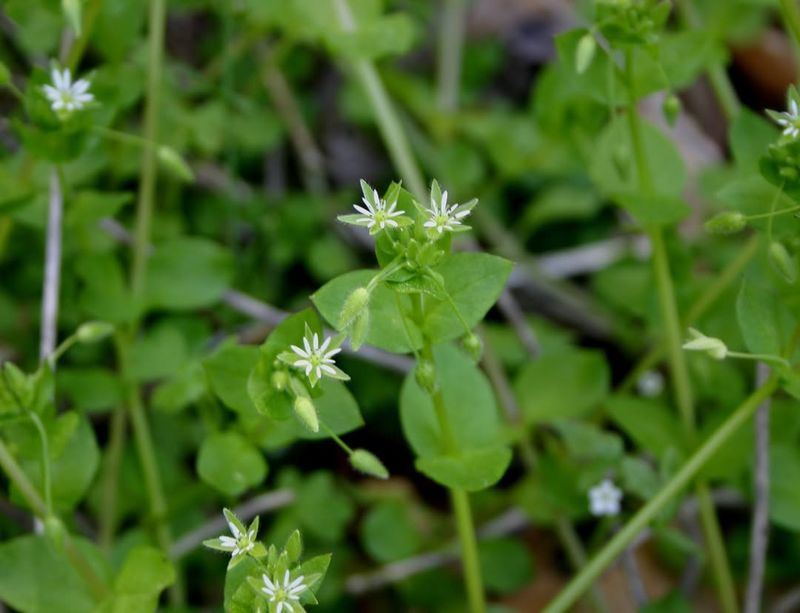
Chickweed is a cool-season annual that takes full advantage of open soil during Georgia’s late winter and early spring months. By the time most homeowners start planning April sod installation, chickweed has often already formed a dense mat across bare areas of the yard.
It grows low to the ground and spreads quickly, covering surprisingly large patches in a short amount of time.
The good news is that chickweed responds well to glyphosate when it is actively growing and the application is timed right. Spraying it two to three weeks before your sod prep work begins allows the herbicide to work through the plant before you start tilling.
Chickweed stems are soft and break apart easily when the plant is alive, so waiting until it is fully treated before raking makes cleanup much cleaner.
Chickweed is not as aggressive as some perennial weeds in Georgia, but it creates a thick layer of organic matter on the soil surface if left in place. That layer can interfere with how the new sod contacts the soil below it, which affects rooting.
Raking out chickweed residue and lightly tilling the top few inches of soil before laying sod improves surface contact.
Georgia’s soil can compact easily, so loosening it after weed removal sets up better conditions for the new grass to establish.
6. Henbit Crowds Weak Spots And Fills Open Areas Fast
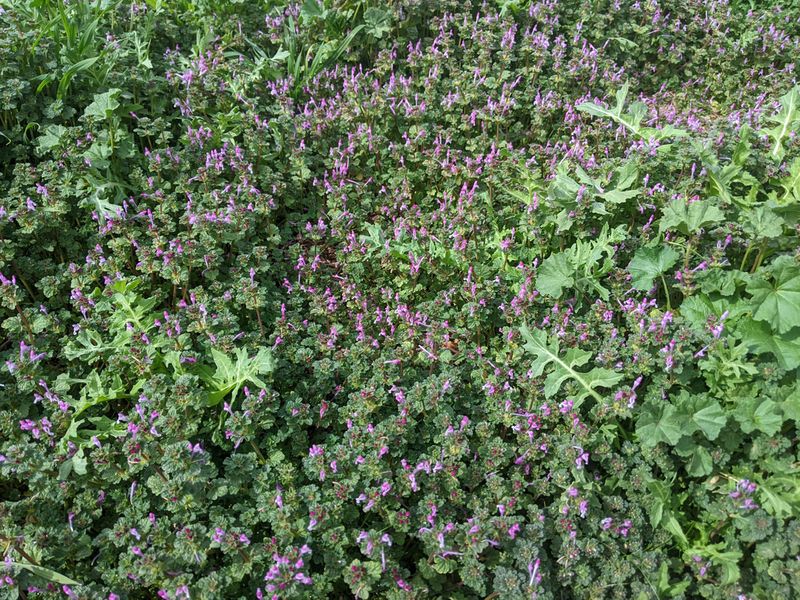
Henbit shows up early in Georgia, often while temperatures are still cool enough that warm-season grasses have not broken dormancy yet.
It fills in open and weak areas of a lawn fast, sometimes forming thick purple-flowering patches across entire sections of the yard.
Seeing it bloom is actually a sign that spring prep needs to start soon — henbit that has already flowered is setting seed, which complicates cleanup.
Glyphosate applied before henbit reaches the flowering stage gives better results than spraying after it has already gone to seed. A two-week waiting period after application before tilling is a reasonable minimum for Georgia conditions.
Henbit is a winter annual, so it will naturally decline as temperatures rise, but waiting for that to happen on its own is not a practical strategy when you have a sod installation date in April.
After treatment, the affected plant material breaks down fairly quickly in Georgia’s warm soil.
Light raking followed by tilling to about four to six inches removes most of the surface debris and loosens the seedbed. Henbit seeds can persist in the soil for a period of time, so a pre-emergent applied after sod establishment is worth considering for the following fall.
Staying ahead of it early in the season is much easier than managing it after it has spread across a freshly sodded Georgia lawn.
7. Wild Garlic Is Easier To Control Before Installation Begins
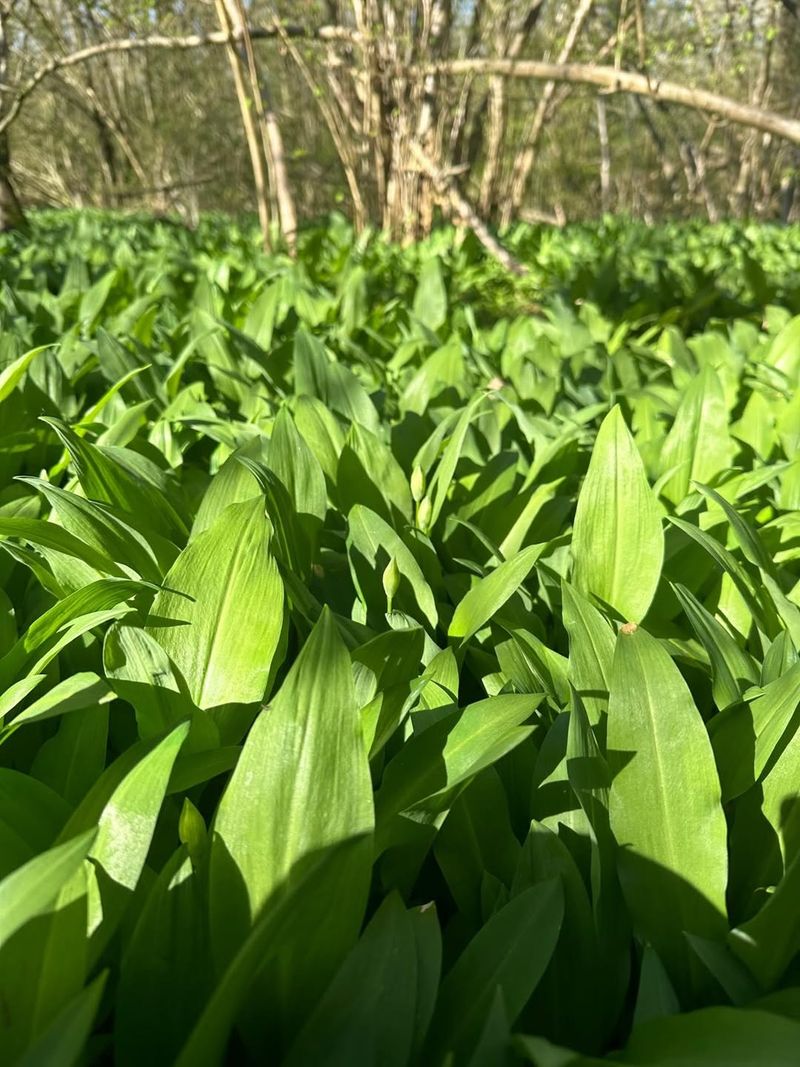
Wild garlic has a way of making itself known in Georgia lawns — you can often smell it before you see it. It pushes up hollow, round shoots in late winter and early spring, growing in clumps that can pop up across a yard that looked clean just weeks earlier.
The underground bulbs are the real problem, and they are what make this weed harder to clear out than most.
Glyphosate alone tends to produce inconsistent results on wild garlic because the waxy surface of the shoots can reduce herbicide absorption. Mixing in a surfactant — a product that helps herbicide stick and penetrate — improves uptake significantly.
Some Georgia lawn professionals recommend scoring or bruising the shoots slightly before spraying to help the herbicide move in more effectively, though this adds a step to the process.
Timing matters more with wild garlic than with most other weeds on this list. Spraying when the shoots are actively growing in early to mid-spring, at least three weeks before planned sod installation, gives the product a better chance of reaching the bulbs.
Even with a solid application, some bulbs may remain viable in the soil. Physically removing clumps after treatment and before tilling reduces what gets left behind.
Wild garlic regrowth is less likely when the soil is thoroughly tilled and the area is covered quickly with well-rooted sod.
8. Annual Bluegrass Competes In Areas Being Prepared For Sod
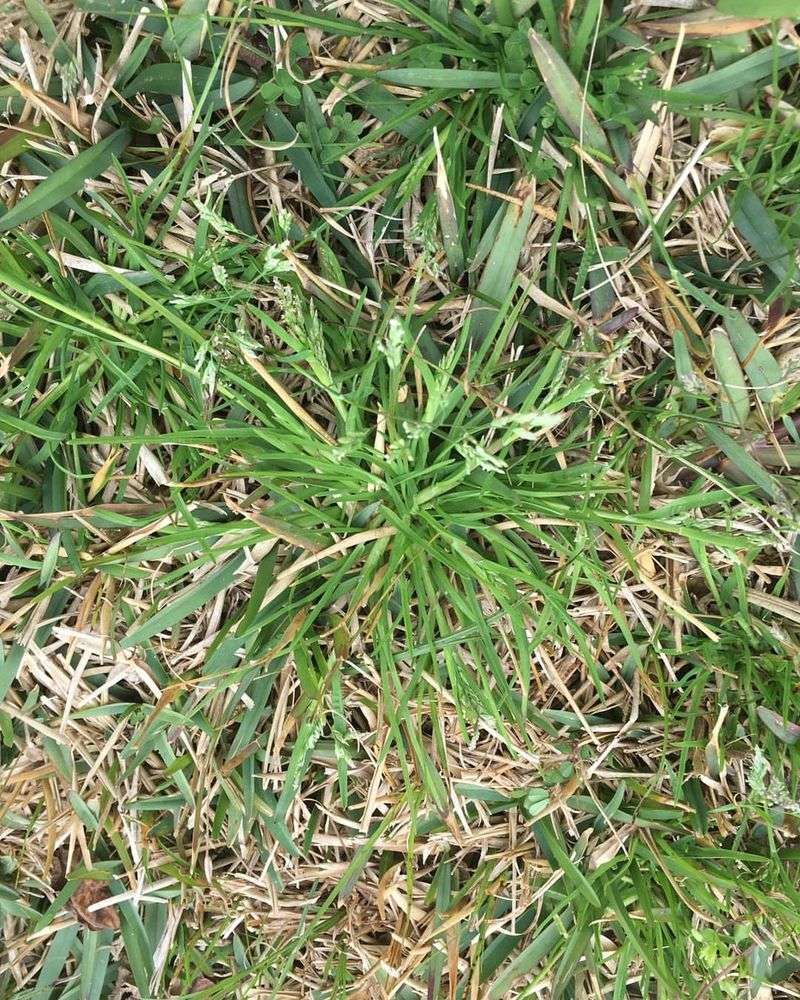
Annual bluegrass, often called Poa annua, blends in with regular turf better than most weeds, which makes it easy to overlook during spring lawn prep. It forms light green, fine-bladed patches that look almost like desirable grass at first glance.
By the time Georgia homeowners realize it is there, it has often spread across a significant portion of the area being prepped for sod.
Glyphosate is effective on annual bluegrass when applied while it is actively growing and before it sets seed. Applying it two to three weeks before your April sod installation date is a reasonable timeline for Georgia conditions.
Annual bluegrass tends to be at its most visible in late winter and early spring, which actually makes this a good time to catch and treat it before site prep begins.
Because annual bluegrass produces a large number of seeds before it completes its cycle, any plants that have already headed out can leave viable seed in the soil.
Tilling after herbicide treatment helps bury surface seeds deeper than they can germinate from, reducing the chance of a new flush of seedlings after sod installation.
Keeping new sod well-watered and promoting dense establishment quickly is one of the more practical ways to reduce annual bluegrass pressure in a Georgia lawn over the long term. A dense, healthy turf canopy leaves less open space for it to exploit.