Should You Fertilize Fescue In April In Georgia Or Skip It
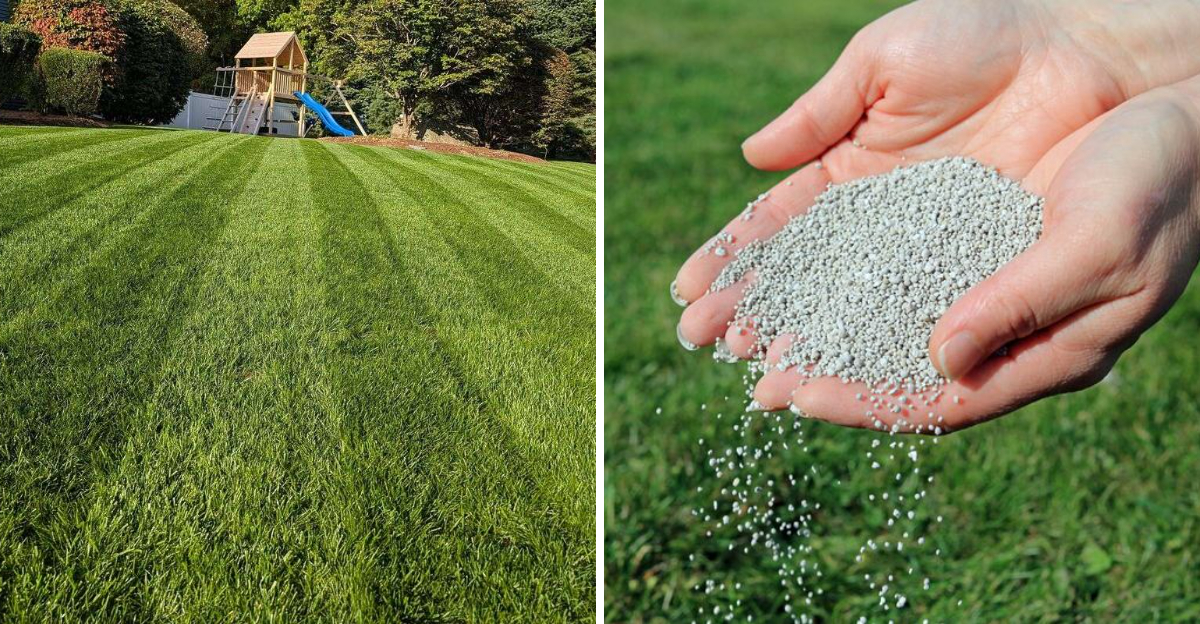
Fescue lawns in Georgia can look strong in early spring, but what happens next often depends on how they are handled during this period.
It is easy to assume more nutrients will help, especially when growth starts to pick up and color begins to improve.
At the same time, the wrong approach can create problems that do not show until temperatures rise.
Spring is a transition point, and timing matters more than most people expect. What seems like a simple decision can affect root strength, stress tolerance, and how well the lawn holds up later in the season.
This is where many lawns either stay steady or start to decline, depending on the choice made during this window.
1. Spring Feeding Can Support Recovery After Winter Stress
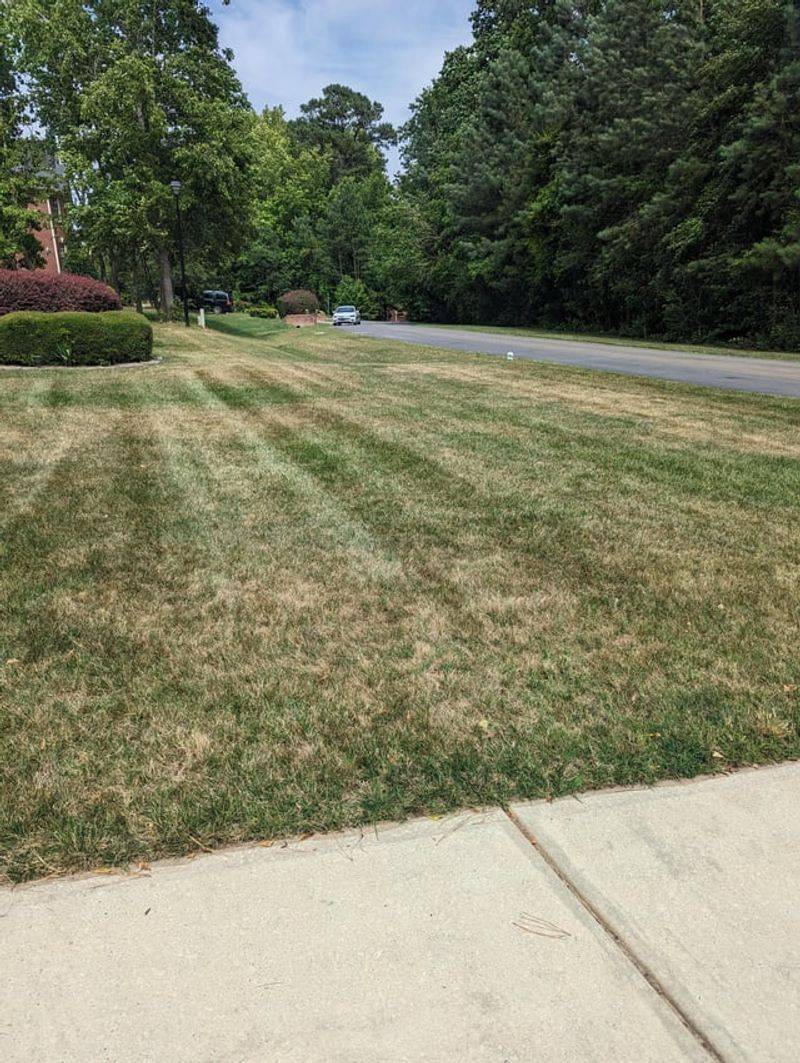
After a tough Georgia winter, fescue lawns can look worn out, patchy, and pale. The cold months can slow root activity and leave grass blades looking thin and tired.
Spring feeding, when timed right, gives the lawn a chance to bounce back before summer heat arrives.
Late February and early March are the sweet spots for fertilizing fescue in Georgia. At that point, soil temperatures hover near 50 degrees Fahrenheit, which is ideal for root activity.
Applying fertilizer during this window supports root development rather than just pushing fast top growth.
If you missed the February or early March window, April feeding becomes risky in Georgia. Warmer April temperatures can push fescue into rapid blade growth while roots stay weak underneath.
A lawn with shallow roots struggles badly once Georgia’s brutal summer heat kicks in.
Focus on recovery feeding only if your lawn shows clear signs of stress, like thinning or yellowing. A light, balanced fertilizer works best for recovery without overloading the grass.
Always check soil temperature before applying anything, because timing truly matters more than the product you choose.
2. Too Much Fertilizer In Spring Can Weaken Heat Tolerance Later
Here is something many Georgia homeowners do not realize: over-fertilizing fescue in spring actually sets the lawn up for failure later in the year. When you push too much nitrogen into the grass during April, you encourage a surge of lush, soft top growth.
That soft growth looks beautiful at first but becomes a liability when summer temperatures climb.
Fescue is a cool-season grass, which means it naturally slows down as Georgia summers heat up. Grass that grew fast and soft in spring does not have the tough, deep root structure it needs to survive July and August.
Think of it like building a house on a weak foundation: everything looks fine until pressure hits.
Nitrogen-heavy spring applications also use up the plant’s energy reserves quickly. Once those reserves run low and heat stress begins, the lawn has very little left to work with.
Skipping or reducing April fertilizer helps fescue stay tougher and more resilient heading into the hottest months.
Georgia lawn care experts consistently recommend holding back on heavy spring feeding. Less fertilizer in April often means a greener, healthier lawn in September when conditions cool down again.
Your Georgia Garden Changes Every Week. Your Plan Should Too.
Gardening in Georgia changes quickly throughout the season. Every Friday you’ll receive a simple weekly plan showing exactly what to plant, prune, fertilize, harvest, and protect so you never miss the right timing.
Patience in spring pays off big in fall.
3. Soil Testing Helps Avoid Feeding When Nutrients Are Already Sufficient
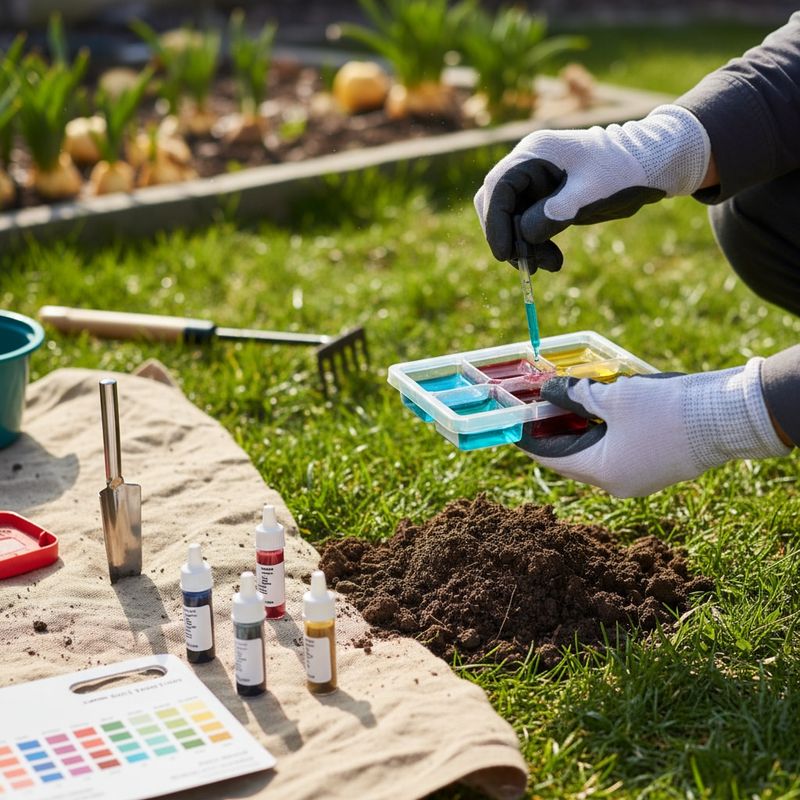
Before reaching for any fertilizer bag, the smartest move any Georgia homeowner can make is a simple soil test. Soil tests tell you exactly what nutrients are already present in your lawn, which means you will not waste money adding what is already there.
Many Georgia lawns have more nutrients than owners realize, especially if fertilizer was applied the previous fall.
Fescue lawns in Georgia that received a solid fall feeding often carry enough nutrients into spring to get through April just fine. Adding more fertilizer on top of already sufficient nutrient levels does more harm than good.
Excess phosphorus and nitrogen can throw off the soil’s natural balance and invite unwanted problems like thatch buildup.
Georgia’s University of Georgia Extension Service offers affordable soil testing for homeowners. Results usually come back with specific recommendations tailored to your exact lawn conditions.
Following those recommendations takes the guesswork out of spring lawn care completely.
A soil test costs just a few dollars but saves you from spending much more on fertilizer you do not need. It also protects your fescue from the damage that comes with over-application.
Knowing your soil is the foundation of every smart lawn care decision you will make all year long.
4. Slow Release Fertilizer Supports Steady Growth Without Surges
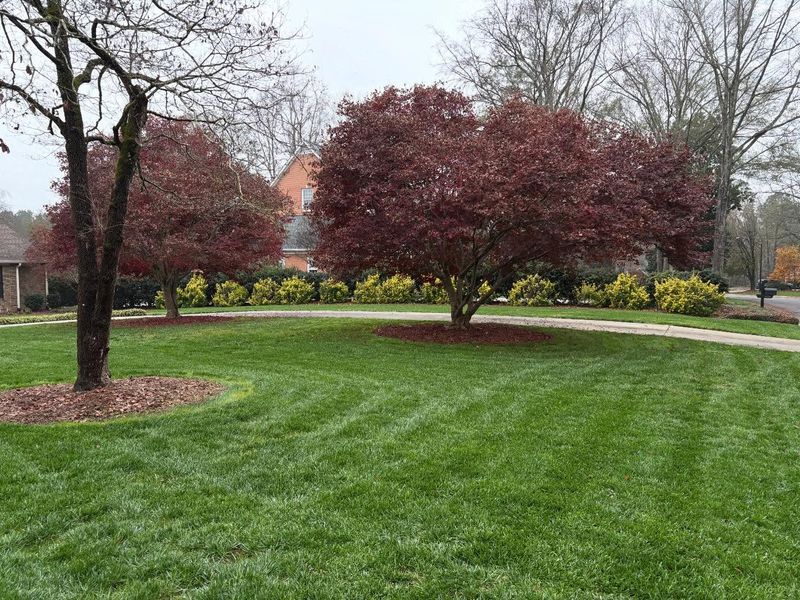
Not all fertilizers work the same way, and for fescue in Georgia, the type you choose matters just as much as the timing. Slow-release fertilizers break down gradually over several weeks, feeding the grass at a pace it can actually use.
Fast-release products dump nutrients all at once, which often leads to the kind of rapid, weak growth that hurts fescue in warm weather.
If you decide that your Georgia fescue lawn does need some spring feeding, a slow-release option is always the safer bet. Look for products labeled with terms like “controlled release” or “sulfur-coated urea” on the packaging.
These formulas give the grass a steady supply of nutrients without triggering a sudden growth surge that stresses the roots.
Slow-release fertilizers also reduce the risk of fertilizer burn, which can happen when fast-acting products are applied during warm spring days in Georgia. Burn shows up as brown or yellow streaks across the lawn and can set back your grass significantly.
Avoiding that kind of setback is easy when you choose the right product from the start.
Applying slow-release fertilizer in late February or early March is the ideal approach for Georgia fescue.
If April has arrived and you are still thinking about feeding, keep the rate light and choose slow-release without hesitation.
5. Early Spring Growth Does Not Always Mean Fertilizer Is Needed
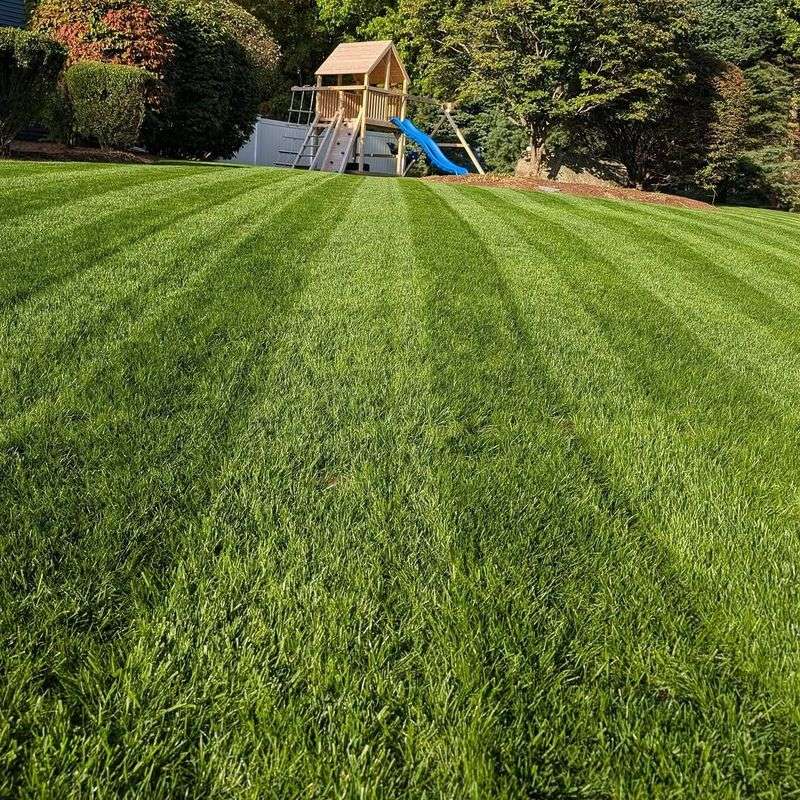
When fescue starts greening up and growing vigorously in early spring, it is easy to assume the lawn is hungry and needs feeding. Actually, that early burst of green growth is often powered by nutrients stored in the soil from fall applications.
Georgia fescue lawns that were properly fertilized in September or October come into spring with a full tank, so to speak.
Seeing thick, green blades pushing up in March and April is a good sign, not a call to action. Adding fertilizer to a lawn that is already growing well can push it beyond what it can handle.
The grass ends up spending energy on top growth instead of building the root system it needs for summer survival in Georgia’s heat.
A healthy-looking lawn in spring is actually your signal to hold off and observe rather than act. Monitor for thinning areas, color changes, or slow growth before deciding that fertilizer is necessary.
Most of the time, what looks like a hungry lawn is just a lawn doing exactly what it is supposed to do.
Trust the process and resist the urge to fertilize just because spring feels like the right time.
In Georgia, letting fescue grow naturally through April often leads to better outcomes than any feeding schedule could offer.
6. Skipping Heavy Feeding Helps Prevent Disease And Excess Growth
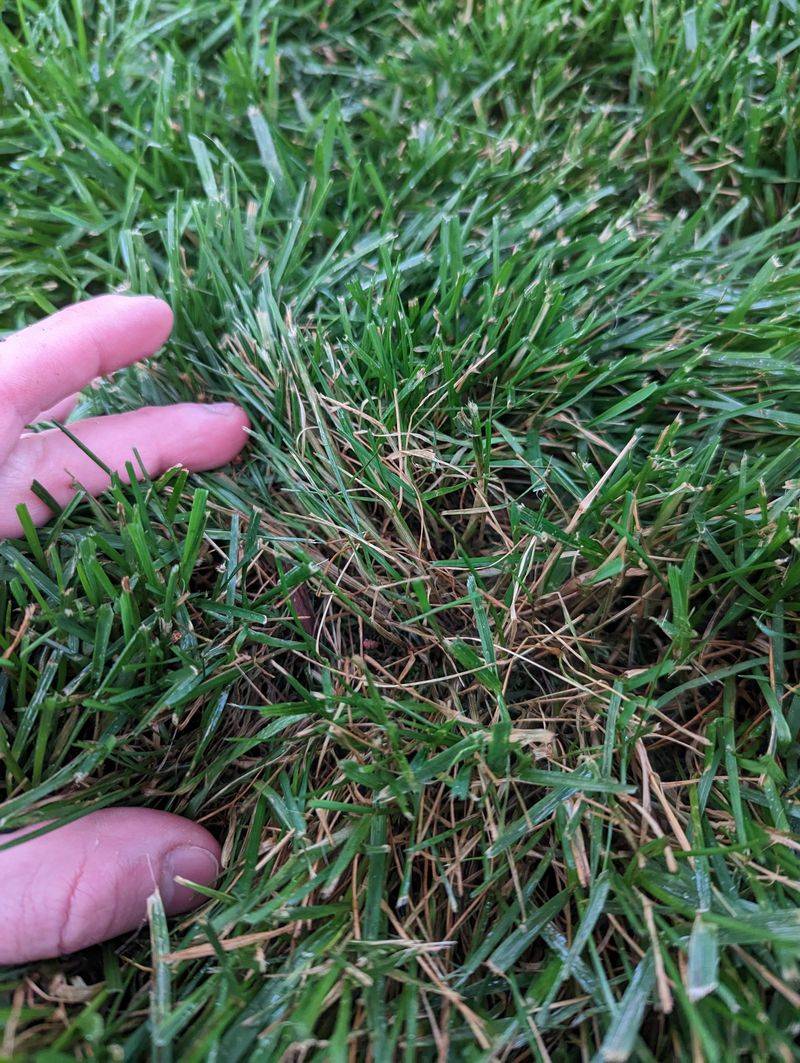
Georgia is no stranger to lawn diseases, and fescue is particularly vulnerable to fungal problems when conditions are warm and wet.
Brown patch is one of the most common diseases that attacks fescue in the Southeast, and it loves lawns that have been over-fertilized.
Heavy nitrogen applications in spring create exactly the kind of lush, dense growth where fungal spores thrive.
Skipping heavy fertilizer in April is one of the easiest ways to reduce disease pressure on your Georgia lawn. When grass grows at a natural, moderate pace, air circulates better through the blades and moisture dries out faster.
That drier environment makes it much harder for fungal diseases to take hold and spread.
Excess growth also means more frequent mowing, which puts physical stress on fescue during a period when it should be conserving energy. Over-mowing weakens the grass and creates entry points for disease organisms to move in.
Keeping growth manageable by skipping unnecessary fertilizer reduces the workload for both you and your lawn.
Georgia’s spring weather is unpredictable, with warm, humid stretches that can arrive suddenly in April. Going light on fertilizer during this period keeps your fescue in a stable, controlled growth pattern.
A steady, disease-free lawn heading into summer is far more valuable than a fast flush of spring green.
7. Light Feeding Works Better Than High Nitrogen Applications In Spring
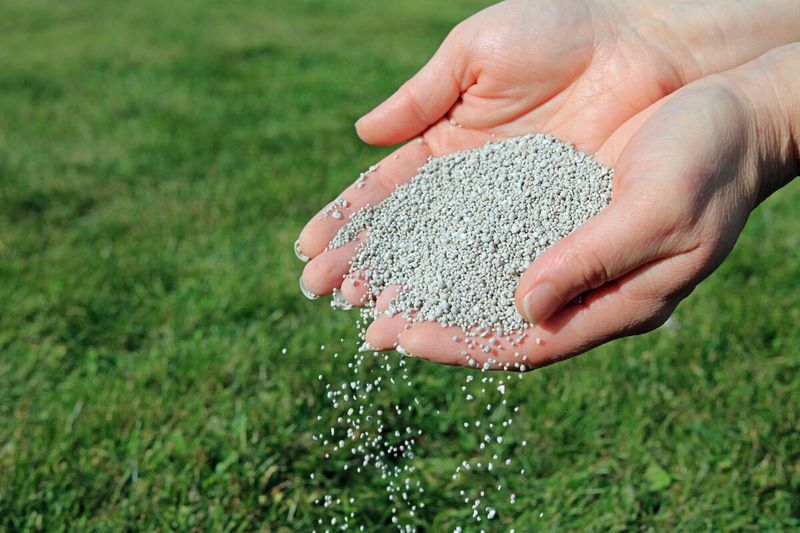
Sometimes fescue in Georgia genuinely does need a little help in spring, especially if the lawn went into winter already thin or stressed. In those cases, a light feeding can make a real difference without causing the problems that come with heavy applications.
The key word is light, and that means using a lower nitrogen rate than you might apply in fall.
Lawn care professionals in Georgia often suggest applying no more than half a pound of actual nitrogen per thousand square feet in spring. That modest amount provides a gentle nudge without triggering the rapid, weak growth that makes fescue vulnerable to summer heat.
Staying within that range keeps the lawn healthy without overloading it.
Pairing a light nitrogen application with potassium can be especially helpful for Georgia fescue in spring. Potassium strengthens cell walls and improves the grass’s ability to handle temperature swings, drought, and disease pressure.
A fertilizer with a lower first number and a higher third number on the bag is a good choice for spring use.
Reading the fertilizer label carefully before applying is always worth the extra few minutes.
Applying the right rate at the right time, even if it feels like a small amount, can make a noticeable difference in how your Georgia fescue lawn performs all the way through to fall.