9 Arizona Flowers That Grow New Roots From Simple Cuttings
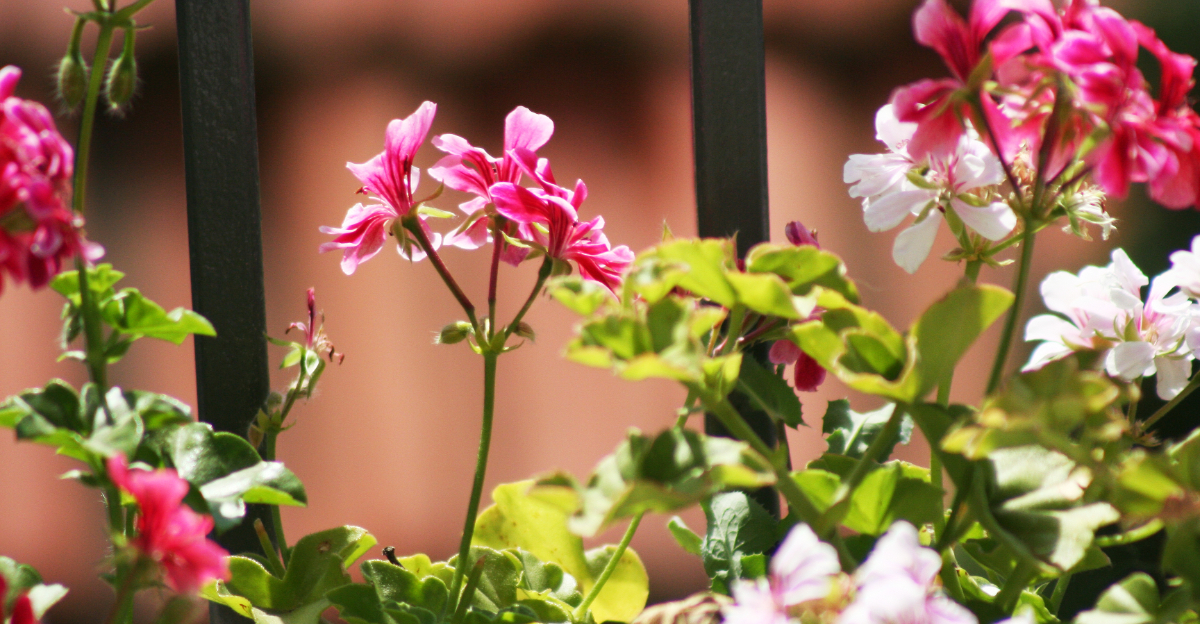
Some flowers in Arizona have a simple way to multiply without seeds or complicated steps. A small piece of the plant can turn into a new one, which makes it easier to expand what is already in place.
This method works especially well in warm conditions where plants respond quickly once they settle.
Not every flower handles this the same way, and that is where results can vary. Some form roots with very little effort, while others take more time or do not respond at all.
Knowing which ones work best can save time and lead to more consistent success. With the right choice, a single plant can turn into several healthy ones without much extra work.
1. Geranium Stems Root Fast When Placed In Light Moist Soil
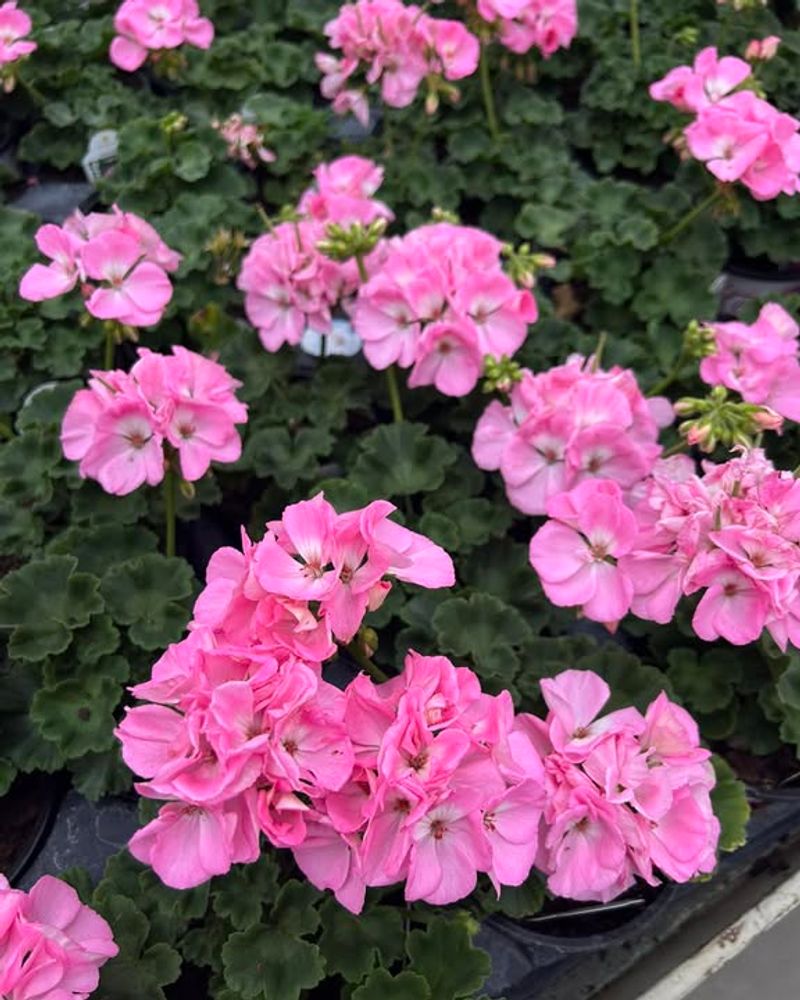
Geraniums are one of the easiest flowers to multiply through cuttings in Arizona gardens. You can snip a four to six inch piece from a healthy stem, strip off the bottom leaves, and stick it directly into damp potting soil.
Within two to three weeks, roots start forming if you keep the soil consistently moist but not soggy.
The best time to take geranium cuttings in Arizona is during spring or early fall when temperatures stay between seventy and eighty degrees. Summer heat can stress new cuttings too much, though they might still work if you provide afternoon shade.
Choose stems that look green and flexible rather than brown and woody.
Before planting your cutting, let the cut end sit out for an hour or two so it forms a slight callus. This helps prevent rot when you plant it.
Use a light potting mix that drains well, and poke a hole with a pencil before inserting the stem to avoid damaging it.
Keep your cuttings in bright indirect light rather than full sun while they develop roots. Covering them loosely with a clear plastic bag creates humidity that helps rooting, but remove it once daily to prevent mold.
Once you see new leaf growth appearing at the top, you know roots have formed below.
2. Lantana Forms New Roots From Cut Pieces During Warm Weather
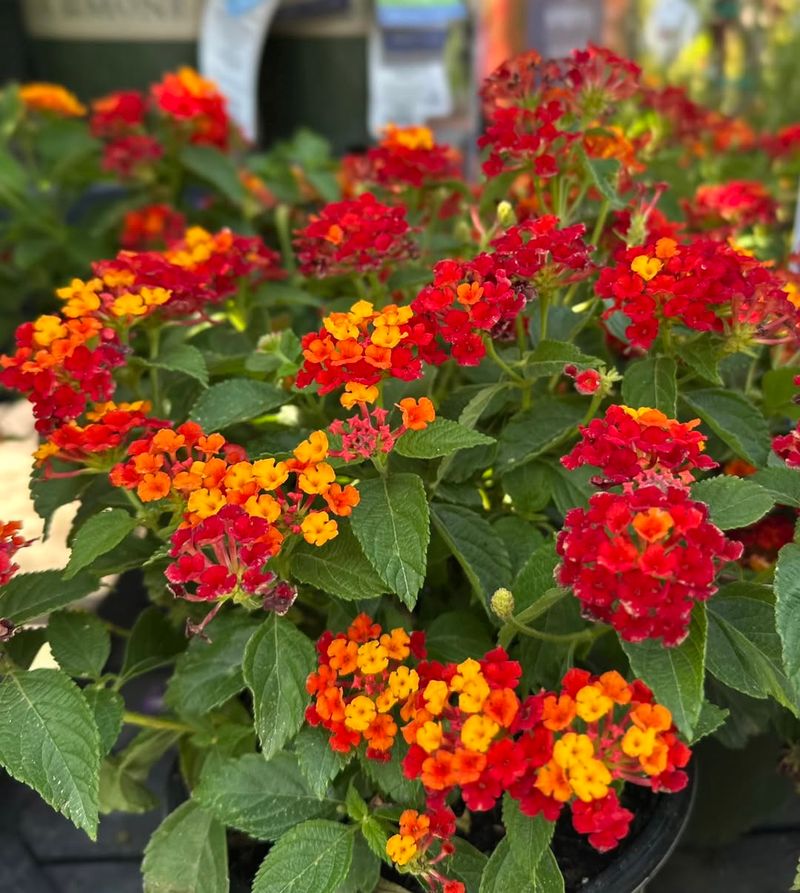
Lantana cuttings root incredibly fast when Arizona temperatures climb above eighty degrees. This tough desert-adapted flower practically wants to grow, making it perfect for beginners who worry about failing.
Take cuttings about five inches long from tips that have fresh green growth, not older woody sections.
Strip leaves from the bottom two inches of your cutting, leaving just a few at the top. Dip the cut end in rooting hormone if you have it, though lantana often roots without it.
Push the cutting into moist potting soil or even directly into a garden bed if you water it regularly.
Arizona’s intense summer sun can be too harsh for new lantana cuttings, so place them where they get morning light but afternoon shade. Water every day or two, checking that the soil stays damp.
Roots typically form within ten to fourteen days during warm weather.
You can also root lantana in plain water sitting on a windowsill. Change the water every few days to keep it fresh.
Your Arizona Garden Changes Every Week. Your Plan Should Too.
Gardening in Arizona changes quickly throughout the season. Every Friday you’ll receive a simple weekly plan showing exactly what to plant, prune, fertilize, harvest, and protect so you never miss the right timing.
Once roots reach about an inch long, transfer the cutting to soil. Lantana spreads naturally in Arizona gardens, so taking cuttings helps you control where new plants grow rather than letting them pop up randomly.
3. Bougainvillea Propagates Best From Firmer Semi Hardwood Sections
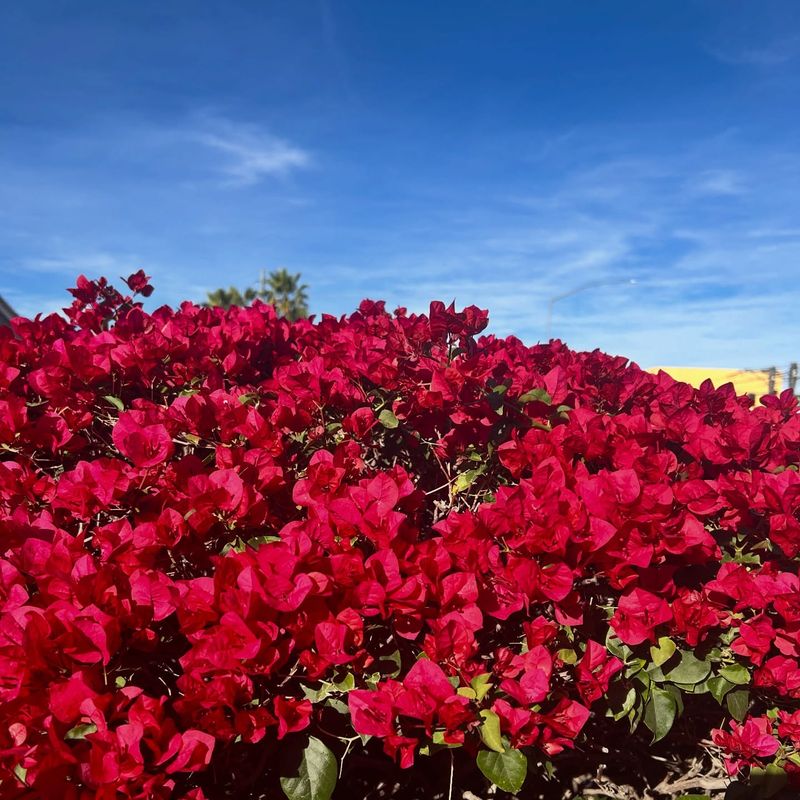
Bougainvillea needs a slightly different approach than softer flowers. Look for stems that bend without snapping but feel firm rather than completely flexible.
These semi-hardwood sections, usually from growth that is a few months old, root more reliably than brand new tips or very old woody branches.
Cut pieces about six to eight inches long, making your cut just below a leaf node where the stem naturally swells slightly. Remove all leaves except two or three at the very top.
Bougainvillea cuttings benefit strongly from rooting hormone, which you can find at any Arizona garden center.
Plant your cuttings in a mix of half potting soil and half perlite or sand for excellent drainage. Bougainvillea hates sitting in wet soil, so err on the side of slightly dry rather than too moist.
Place containers in bright shade, not direct Arizona sun.
Rooting takes longer with bougainvillea than many other flowers, often four to eight weeks before you see new growth. Resist the urge to tug on cuttings to check for roots, as this can damage developing root hairs.
Instead, watch for fresh leaves emerging at the top as your signal that roots have formed below.
4. Chrysanthemum Starts Easily From Fresh Non Woody Growth
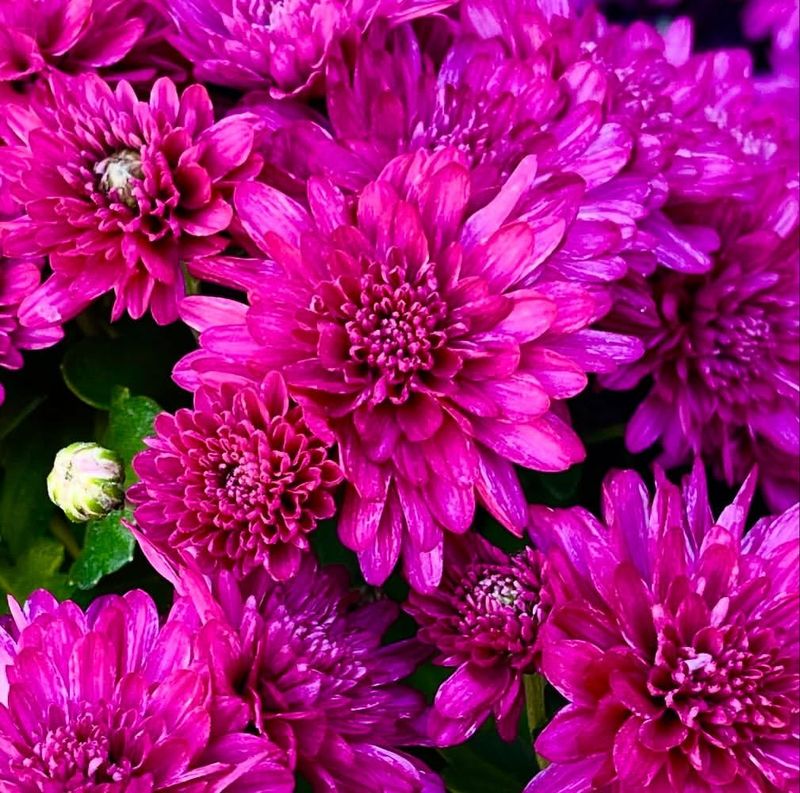
Chrysanthemums give you the best results when you take cuttings from young shoots that feel tender and green. Wait until spring when new growth emerges from the base of your plants, then snip off pieces three to four inches long.
Avoid any stems that have started to turn brown or feel stiff.
Remove the bottom set of leaves and any flower buds that might be forming. Chrysanthemums put energy into making roots faster when they are not trying to bloom at the same time.
Stick cuttings into moist potting soil, planting them deep enough that at least one leaf node sits below the surface.
Arizona gardeners should root chrysanthemum cuttings during March through May for fall blooms. Keep soil consistently damp and provide bright filtered light rather than harsh direct sun.
A spot on an east-facing patio works well, giving morning sun but avoiding afternoon heat.
Roots develop within two to three weeks if conditions stay right. You can tell cuttings have rooted when you gently tug and feel resistance, or when you notice new leaves starting to grow.
Chrysanthemums rooted from spring cuttings bloom heavily by October and November, giving you colorful flowers during Arizona’s pleasant fall weather.
5. Verbena Establishes From Cuttings With Steady Moisture Levels
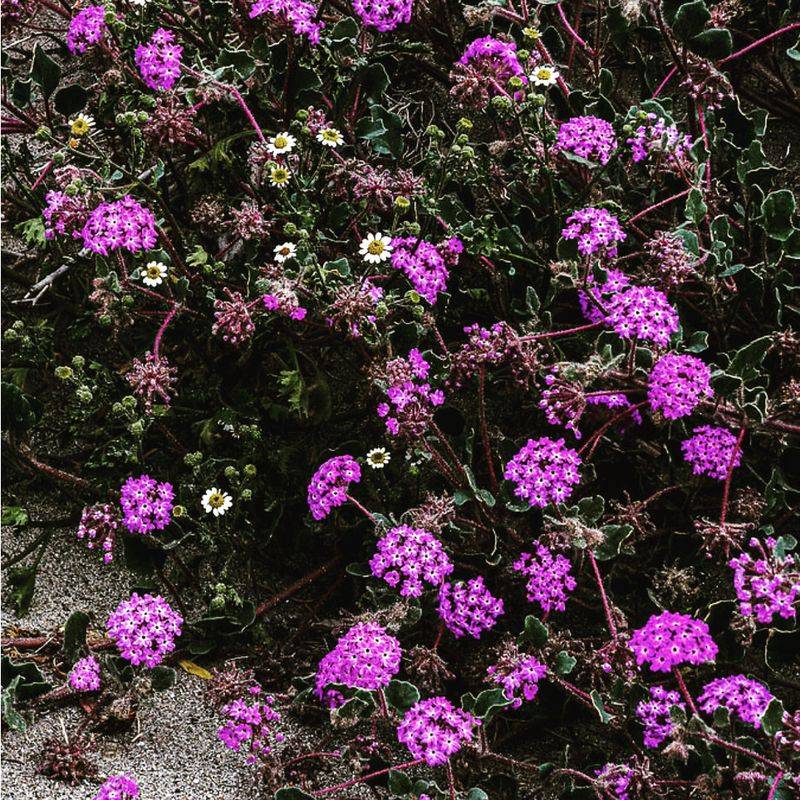
Verbena roots readily from cuttings if you keep moisture levels just right throughout the process. Too dry and cuttings shrivel quickly in Arizona heat.
Too wet and they rot before roots form. Take four-inch cuttings from healthy stems that have several sets of leaves.
Pinch off the bottom leaves and any flowers, leaving just two or three leaf sets at the top. Make your cut just below a leaf node using clean sharp scissors.
Plant cuttings in small pots filled with regular potting soil, pushing them in about an inch deep.
Water thoroughly after planting, then check daily to keep soil feeling like a wrung-out sponge. Verbena cuttings need consistent moisture but not soggy conditions.
Place pots in bright shade, perhaps under a patio table or near a north-facing wall.
Arizona’s dry air makes it harder to maintain the humidity verbena cuttings prefer. You can set pots on a tray filled with pebbles and water, keeping the water level just below the pot bottoms.
This creates a more humid microclimate without waterlogging the soil. Roots typically form within two weeks, and you can plant your new verbenas in the garden once you see fresh growth appearing.
6. Gazania Can Regrow When Sections Are Set In Sandy Mix
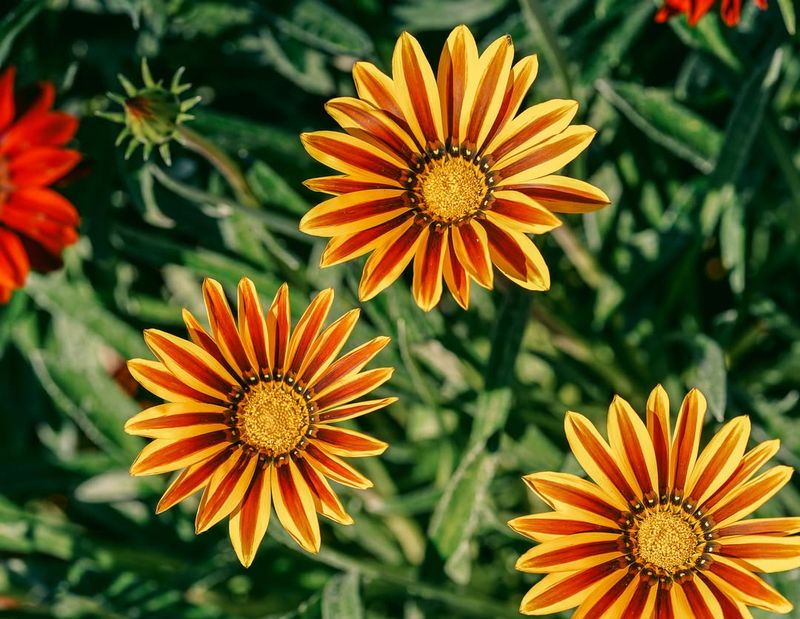
Gazanias handle Arizona’s heat better than most flowers, and they root easily in the same sandy conditions they prefer for growing. Rather than traditional cuttings, gazanias work best when you take sections that include both stems and a bit of the basal growth from where stems emerge.
Dig around the edge of an established gazania clump and separate off small sections that have three or four stems attached. Shake off excess soil and trim any damaged roots.
Plant these divisions into a mix of half potting soil and half coarse sand.
Water your newly planted sections thoroughly, then let the soil dry slightly between waterings. Gazanias are drought-adapted and actually root better when not kept constantly moist.
Place them in full sun right away since they tolerate Arizona’s intense light even while establishing roots.
You can also try rooting individual stem cuttings, though success rates are lower. Take four-inch pieces, remove lower leaves, and plant in the same sandy mix.
Roots form within three to four weeks during warm weather. Gazanias spread naturally in Arizona gardens, so propagating them helps you fill in bare spots or start new areas without buying more plants.
7. Coleus Pushes Roots Quickly Even In Plain Water
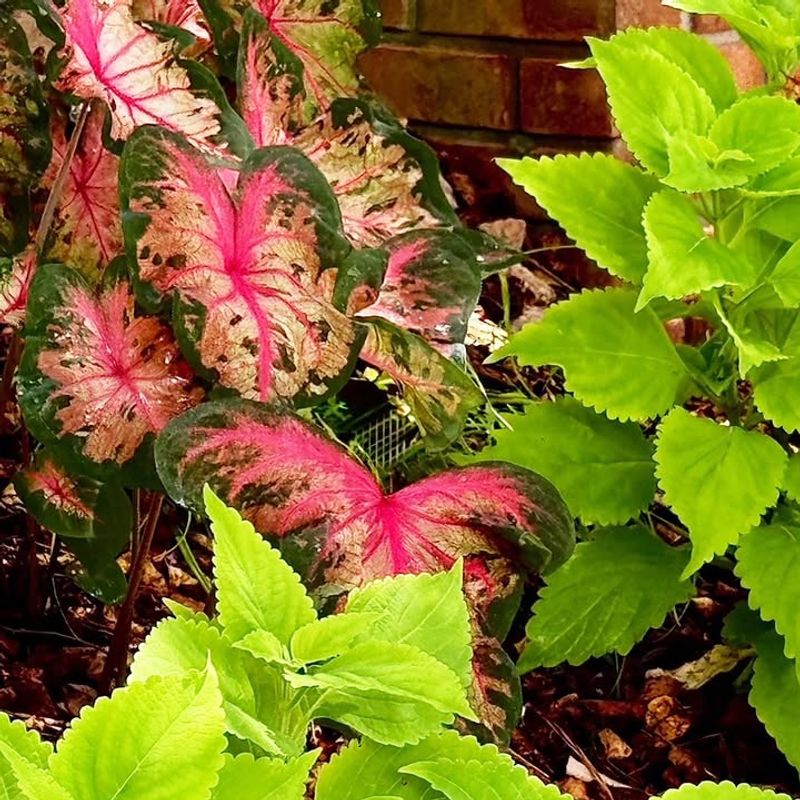
Coleus might be the most foolproof plant for learning propagation since it roots in plain water sitting on your kitchen counter. Snip off stems four to six inches long from anywhere on the plant, making your cut just below a leaf node.
Strip off all leaves except the top two or three sets.
Place cuttings in a glass of water, making sure no leaves sit below the water line since they will rot. Set the glass in a bright spot but not direct sun streaming through a window.
Change the water every three to four days to keep it fresh and prevent algae growth.
Within five to seven days, you will see tiny white roots emerging from the stem nodes underwater. Let roots grow to about an inch long before planting cuttings in soil.
Coleus adapts easily to Arizona gardens if you provide afternoon shade and regular water.
You can also root coleus directly in moist potting soil if you prefer skipping the water step. Success rates are nearly identical either way.
Coleus grows as an annual in most Arizona gardens but survives year-round in protected spots. Taking cuttings in fall lets you keep favorite colors going through winter indoors, then move them back outside in spring.
8. Portulaca Reestablishes From Broken Pieces In Heat
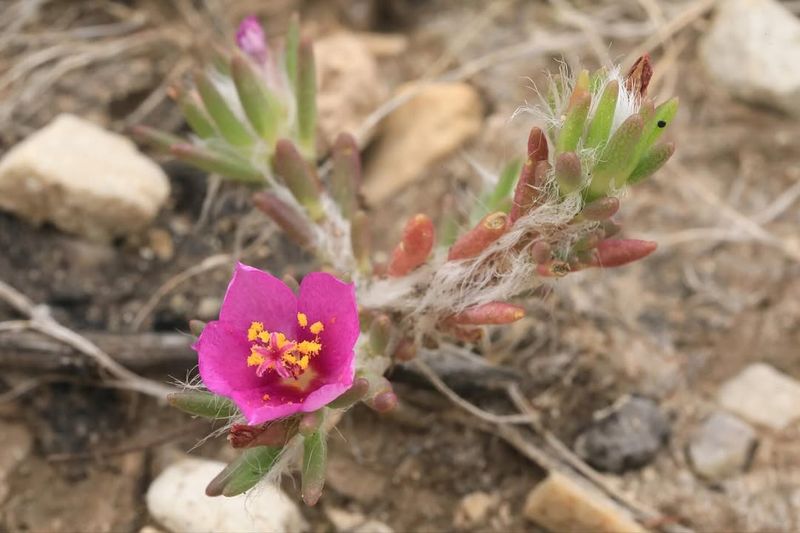
Portulaca practically propagates itself in Arizona gardens. This succulent flower drops pieces when you brush against it, and those pieces often root right where they land if soil stays slightly moist.
You can intentionally break off three-inch sections to start new plants wherever you want them.
Unlike most cuttings, portulaca pieces need to callus for several hours before planting. Lay broken sections in shade for half a day, letting the cut ends dry slightly.
Then push them into sandy well-draining soil, burying about an inch of stem.
Portulaca thrives in Arizona’s summer heat that would stress many other flowers. Full sun and temperatures above ninety degrees actually help cuttings root faster.
Water lightly every few days rather than keeping soil constantly moist, since portulaca stores water in its thick leaves and stems.
Roots form within one to two weeks during hot weather. You will know cuttings have rooted when they start growing new leaves and stems.
Portulaca spreads quickly once established, creating a colorful mat of flowers that handles reflected heat from pavement and walls. Taking cuttings lets you expand patches or share this tough plant with neighbors who need something that survives Arizona summers.
9. Pentas Develops Roots From Soft Tips Under Bright Conditions
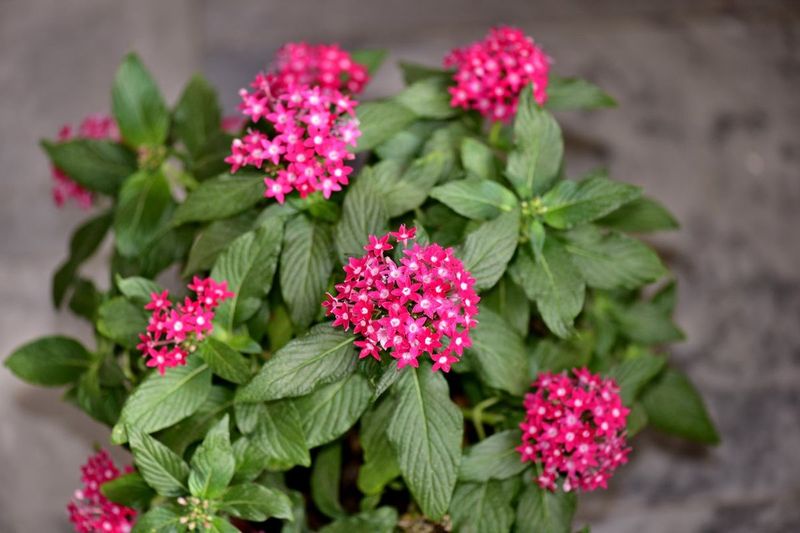
Pentas produces clusters of star-shaped flowers that attract butterflies and hummingbirds to Arizona gardens. The soft growing tips at the ends of branches root easily when cut and planted during warm months.
Take cuttings four to five inches long from stems that still feel flexible.
Remove leaves from the bottom half of each cutting, leaving several sets at the top. Pentas leaves are fairly large, so trimming the remaining leaves in half reduces water loss while roots form.
Dip cut ends in rooting hormone, then plant in moist potting soil.
Place cuttings in bright light but not harsh direct sun while they root. An east-facing patio or a spot that gets filtered light through a tree canopy works well.
Keep soil consistently moist, checking daily since Arizona’s dry air causes pots to dry out quickly.
Roots typically develop within two to three weeks during spring or summer. Pentas cuttings root faster in warm conditions, so avoid trying this during Arizona’s cooler winter months.
Once rooted, pentas bloom almost continuously if you deadhead spent flowers regularly. Taking cuttings in spring gives you multiple plants that flower heavily through summer and fall, providing nectar for pollinators when they need it most.