If You Notice Sticky Residue On Plants In North Carolina Check For This Pest First
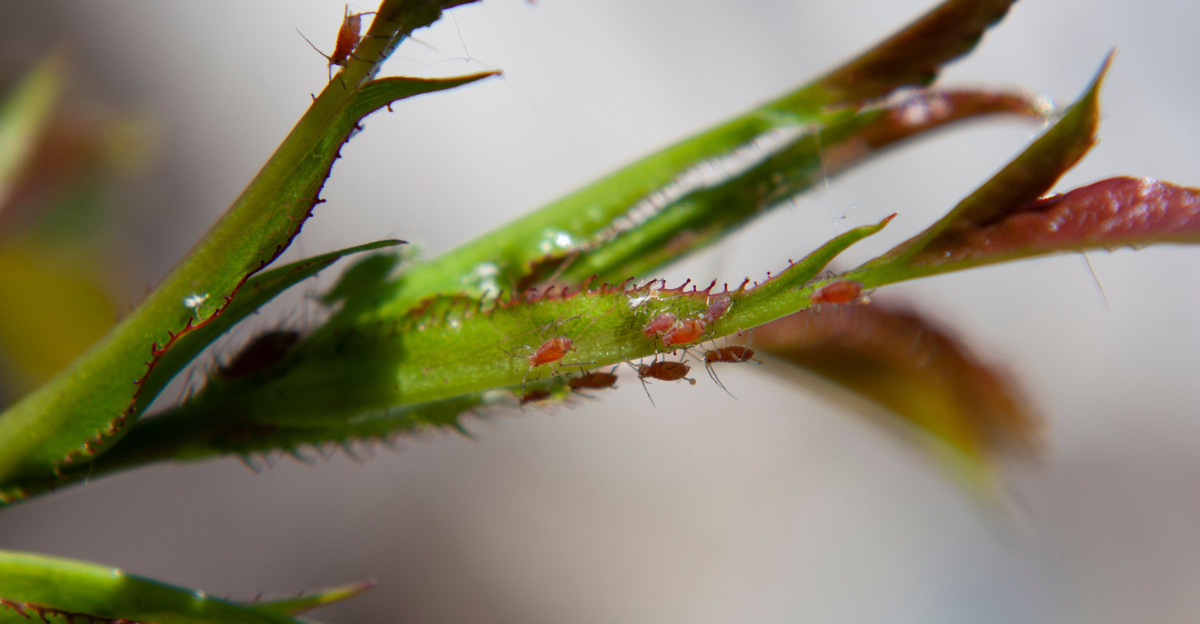
Sticky residue on plant leaves might not seem like a big deal at first, but it can be one of the earliest signs that a pest problem is starting to take hold.
If you spot that shiny, tacky coating on plants around your North Carolina yard or garden, it is smart to take a closer look before the issue spreads.
In many cases, aphids are the first pest you should check for. These tiny sap sucking insects gather on stems, buds, and the undersides of leaves, where they feed on plants and leave behind a sugary substance known as honeydew.
That sticky residue does more than make leaves look messy. It can attract ants, encourage dark sooty mold to grow, and leave plants looking weak and unhealthy over time.
With North Carolina’s long growing season and mild stretches of weather, aphids can show up on everything from flowers and shrubs to vegetables and fruit trees.
Knowing what that residue means is the first step toward catching the problem early, which makes it much easier to protect your plants before more serious damage sets in.
1. Aphids Are The Most Common Early Spring Cause
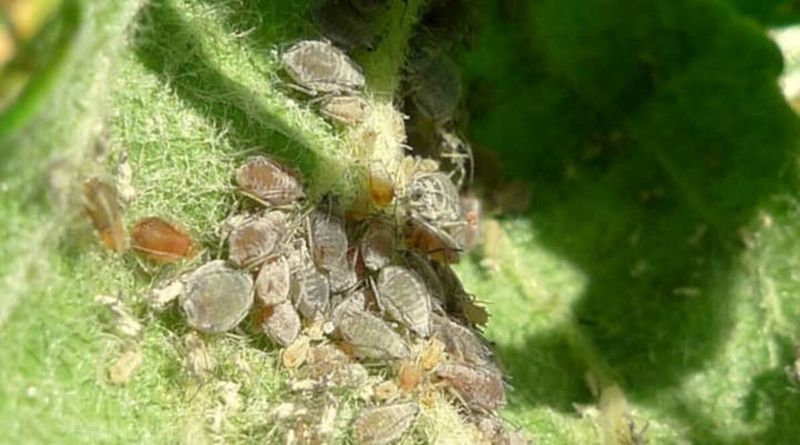
Spotting tiny, pear-shaped bugs crowded on fresh plant shoots is a sure sign aphids have arrived.
These small insects are usually the very first sap-sucking pest to show up in North Carolina gardens each spring, often appearing before gardeners even realize the season has shifted.
They move fast, reproduce faster, and can turn a healthy plant into a stressed one within just a few weeks.
Aphids feed by piercing soft plant tissue and drawing out the sugary sap inside. As they feed, they push out excess sugar as a sticky liquid called honeydew.
You will often find them clustered tightly on the undersides of leaves or along the newest, most tender growth on stems and buds.
In the Piedmont region of North Carolina, mild spring temperatures create ideal breeding conditions for aphids. A single female can produce dozens of offspring without mating, which means populations can explode surprisingly fast.
Colors vary widely, from pale green to yellow, black, or even pinkish tones, so they can be tricky to spot at first glance.
Spraying plants with a strong stream of water knocks aphids off effectively. Insecticidal soap also works well when applied directly to affected areas.
Checking new growth every few days during early spring gives you the best chance of catching an aphid problem before it spreads across your entire garden.
2. Honeydew Is A Direct Result Of Sap Feeding
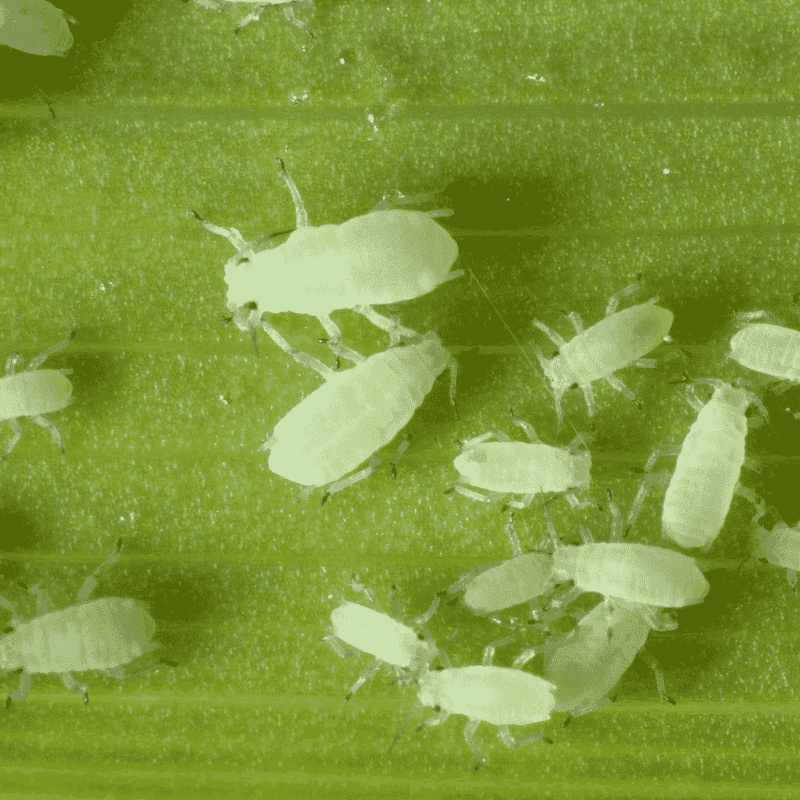
Ever touched a plant leaf and felt like it had been lightly coated in syrup? That sticky feeling is honeydew, and it is not something the plant produces on its own.
Honeydew is the waste product that sap-sucking insects release after processing the sugary fluid they pull from plant tissue. Wherever you find this residue, an active infestation is almost certainly nearby.
Sap contains far more sugar than these insects need for energy, so the excess passes straight through their bodies and drips onto leaves, stems, and even the soil below.
Your North Carolina Garden Changes Every Week. Your Plan Should Too.
Gardening in North Carolina changes quickly throughout the season. Every Friday you’ll receive a simple weekly plan showing exactly what to plant, prune, fertilize, harvest, and protect so you never miss the right timing.
In North Carolina, where spring humidity is already high, this sticky coating builds up quickly and creates a damp, sugary environment that attracts all kinds of secondary problems.
One of the most telling signs is when nearby surfaces, like patio furniture, outdoor tables, or garden pathways, also feel sticky. This happens when honeydew drips down from heavily infested plants overhead.
Gardeners in the Coastal Plain area of North Carolina often notice this happening under large shrubs or ornamental trees.
Wiping leaves with a damp cloth removes surface honeydew temporarily, but treating the insects causing it is the real solution. Neem oil spray applied to both sides of leaves disrupts the feeding cycle and reduces honeydew production significantly.
Staying consistent with treatments every seven to ten days gives your plants a real chance to recover and stay clean.
3. Sooty Mold Often Follows Sticky Residue
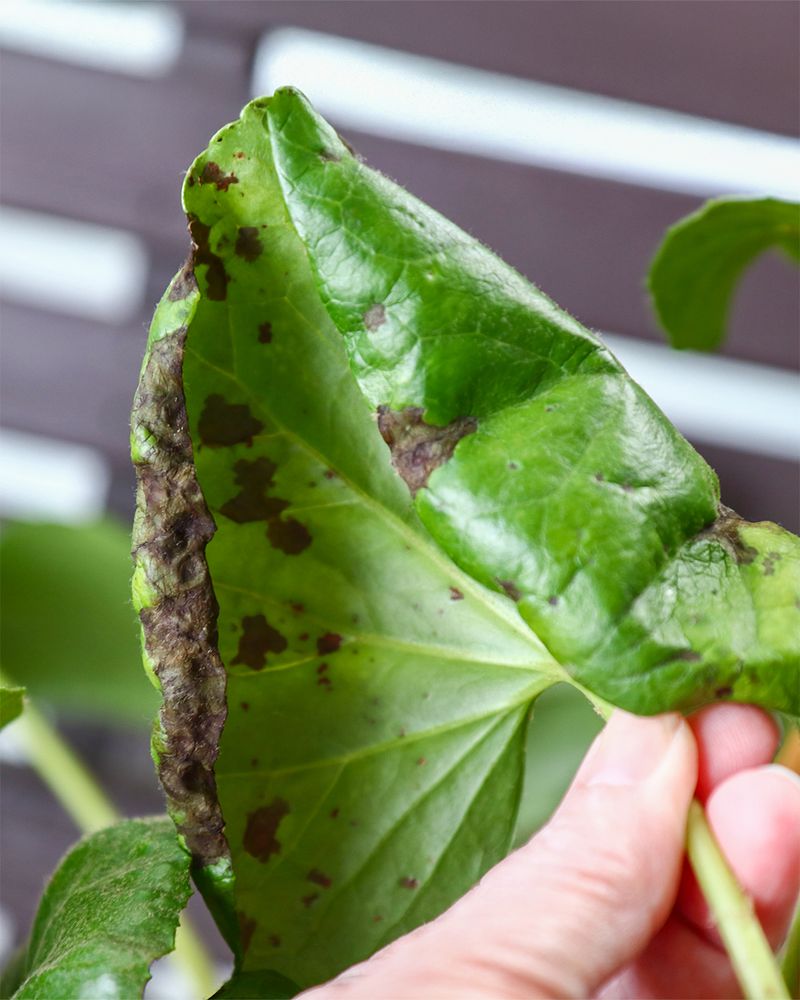
Black, powdery patches spreading across your plant leaves are not a good sight, and they almost always trace back to one source. Sooty mold is a fungal growth that feeds on honeydew left behind by sap-sucking insects.
It does not infect the plant tissue directly, but the damage it causes is still very real and can seriously slow down a plant’s ability to grow.
Sunlight is everything for a plant’s health, and sooty mold works like a thick curtain blocking that light from reaching the leaf surface. When photosynthesis slows down, the whole plant feels it.
Leaves may start to look dull, growth slows noticeably, and plants that were thriving just weeks before can start looking worn and stressed.
North Carolina’s warm, humid climate makes sooty mold spread particularly fast once honeydew is present. The Piedmont and Coastal Plain regions are especially prone to this issue during late spring and early summer.
Gardeners who notice the black coating often do not realize the real problem started with an insect infestation weeks earlier.
Removing sooty mold starts with addressing the insects producing the honeydew. Once the pest population drops, new honeydew stops forming and the mold gradually fades.
Wiping leaves gently with a diluted neem oil solution speeds up the cleaning process. Improving air circulation around plants also helps prevent mold from taking hold again after treatment.
4. Scale Insects Can Be Hidden On Stems
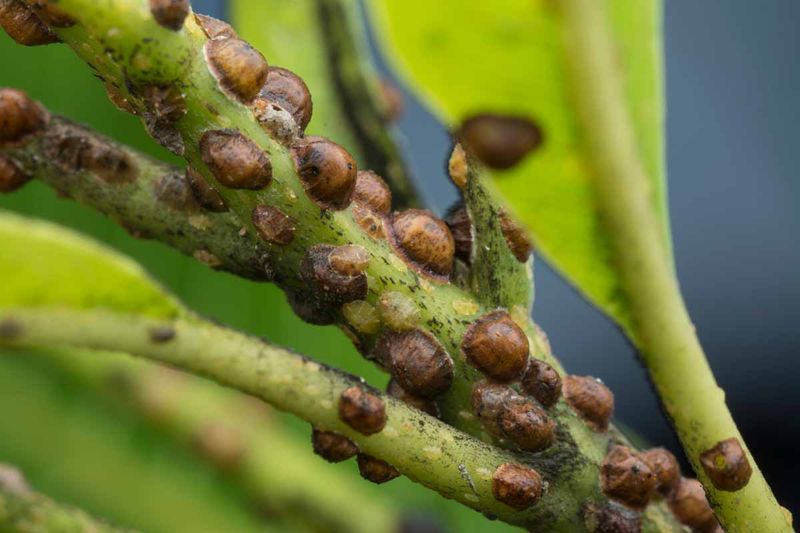
Some pests announce themselves loudly, but scale insects are the quiet ones you almost always miss on the first inspection.
These tiny bugs attach themselves firmly to stems, branches, and even leaf surfaces, where they blend in so well with the bark that most gardeners mistake them for natural texture or old plant damage.
By the time the sticky honeydew appears, scale insects have often been feeding for weeks. Scale insects come in two main types: soft scale and armored scale. Soft scale produces more honeydew and is more commonly linked to sticky residue problems.
Armored scale tends to be harder to spot and more resistant to treatments. Both types are found regularly on ornamental shrubs, fruit trees, and landscape plants across North Carolina.
Running a fingernail along a stem and feeling small raised bumps is one of the easiest ways to check for scale. The bumps may be tan, brown, or grayish and can range from the size of a pinhead to a small button.
In some cases, you might notice yellowing leaves or weak branch growth long before the honeydew appears.
Horticultural oil sprays are one of the most effective treatments for scale, especially when applied during the crawler stage when young insects are actively moving. In North Carolina, this window typically falls in mid to late spring.
Repeating treatments every two weeks improves results significantly and helps prevent new generations from settling in.
5. Whiteflies Are Common In Warmer Areas
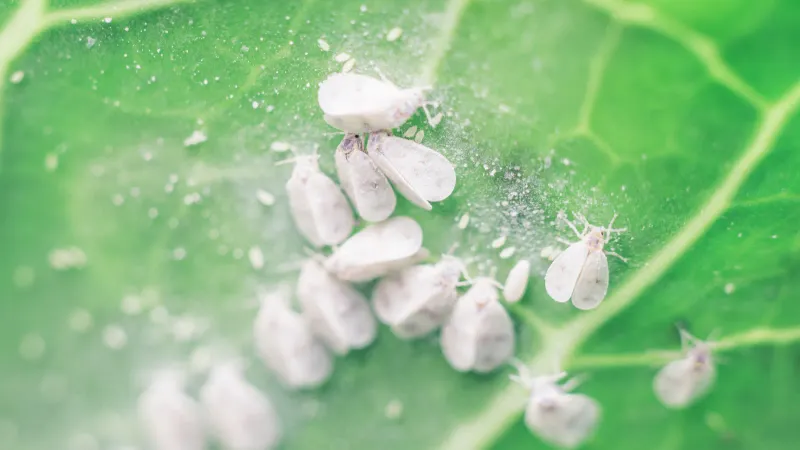
Brush your hand across an infested plant and a cloud of tiny white insects bursts into the air. That dramatic flutter is the signature move of whiteflies, one of the most frustrating sap-sucking pests in warmer parts of North Carolina.
They are especially active in the Coastal Plain region, where temperatures stay mild longer and the growing season stretches well into fall.
Whiteflies gather on the undersides of leaves, where they feed steadily and produce honeydew just like aphids and scale. The residue they leave behind coats lower leaves and any surfaces beneath the plant.
Because they stay hidden under foliage, many gardeners do not notice them until the sticky mess or sooty mold becomes hard to ignore.
These insects also reproduce quickly. A female whitefly can lay up to 400 eggs in her lifetime, and in North Carolina’s warm, humid conditions, multiple generations can develop within a single growing season.
That rapid reproduction rate makes early detection and consistent treatment absolutely essential for keeping populations manageable.
Yellow sticky traps placed near affected plants help monitor whitefly activity and reduce adult populations over time. Insecticidal soap sprays applied directly to leaf undersides target nymphs and adults effectively.
Neem oil is another strong option that disrupts their life cycle. Repeating treatments every five to seven days during active infestations gives the best results across North Carolina gardens.
6. Ants Often Indicate Sap-Sucking Insects Nearby
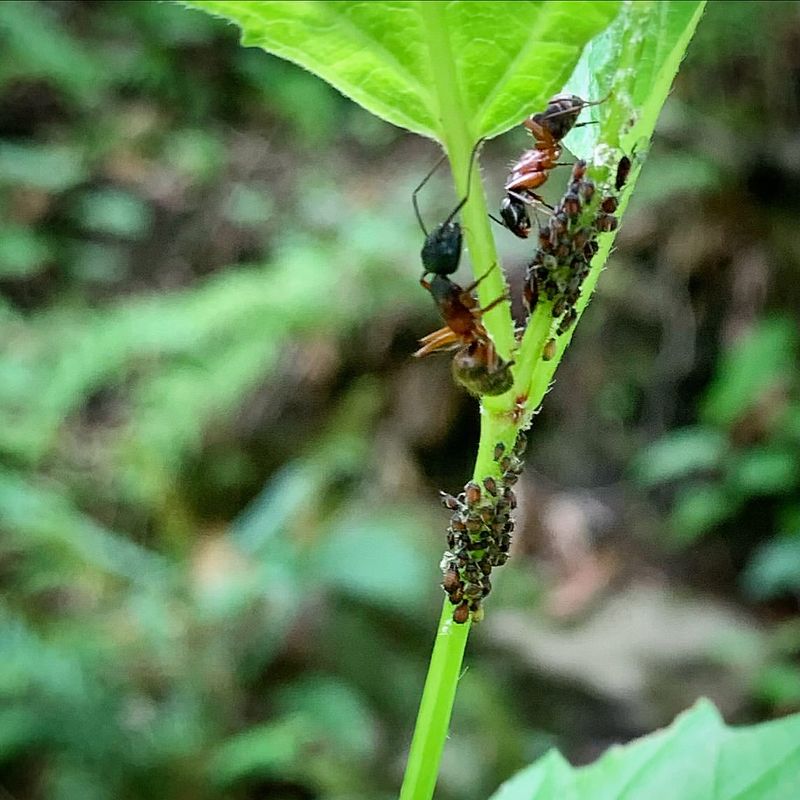
Watching a trail of ants march steadily up a plant stem is more than just an interesting sight. Ants are incredibly strategic insects, and when they climb plants with purpose, they are almost always heading toward a honeydew source.
Sap-sucking insects like aphids and soft scale produce this sugary liquid, and ants treat it like a reliable food supply they will protect at almost any cost.
The relationship between ants and sap-sucking insects is surprisingly well organized. Ants actively guard aphid colonies from natural predators like ladybugs and parasitic wasps.
In return, the aphids keep producing honeydew for the ants to harvest. This protection allows pest populations to grow much larger than they would on their own, turning a small problem into a serious infestation.
Across North Carolina, fire ants and pavement ants are among the most common species observed tending to aphid and scale colonies in garden settings.
Gardeners in the Piedmont region often report noticing ant trails on roses, crape myrtles, and vegetable plants before they spot the actual insects responsible for the sticky residue.
Wrapping plant stems with sticky tape barriers or applying a sticky substance like Tanglefoot around the base of trunks stops ants from climbing up and protecting pest colonies.
Once ants lose access, natural predators can move in and reduce the sap-sucking insect population on their own. Combining ant control with direct pest treatment speeds up recovery noticeably.
7. New Growth Is The Most Vulnerable Target
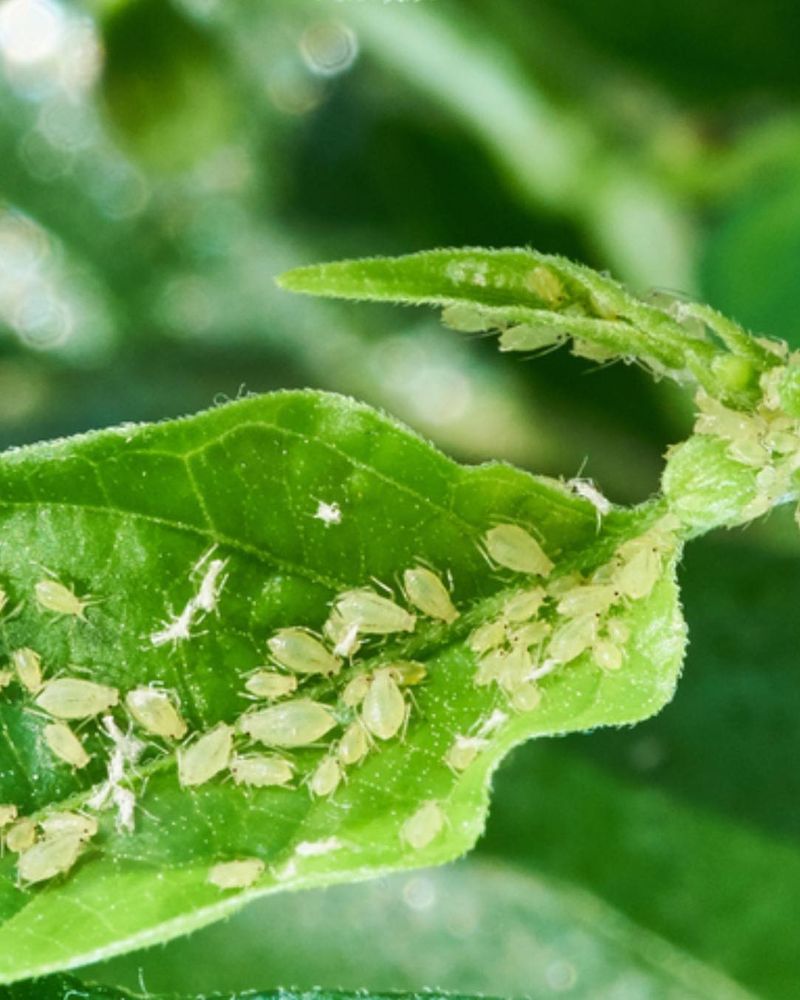
There is something about new growth that sap-sucking insects simply cannot resist. Fresh, tender shoots and young leaves have thinner cell walls and higher concentrations of sugary sap, making them far easier to pierce and feed on than mature, toughened growth.
In North Carolina gardens, spring triggers a flush of new growth across nearly every plant, and pest populations take full advantage of that timing.
Aphids, whiteflies, and soft scale insects all show a strong preference for the newest parts of a plant. You will almost always find the heaviest infestations on growing tips, unfolding leaves, and flower buds.
This targeted feeding can cause noticeable distortion, curling, and discoloration on new growth before it even has a chance to fully develop.
The Piedmont region of North Carolina sees particularly rapid spring growth on plants like roses, gardenias, and vegetable seedlings. That burst of soft tissue creates a concentrated feeding opportunity that pests move toward quickly.
Gardeners who fertilize heavily in early spring may actually attract more pests by pushing out extra-soft, nitrogen-rich growth that insects find irresistible.
Checking new growth every two to three days during spring gives you the earliest possible warning. Look at the very tips of stems and flip young leaves over to check the undersides.
Catching a small cluster of aphids early means a quick spray of water or insecticidal soap solves the problem before it spreads to the rest of the plant.
8. Early Detection Prevents Much Larger Problems
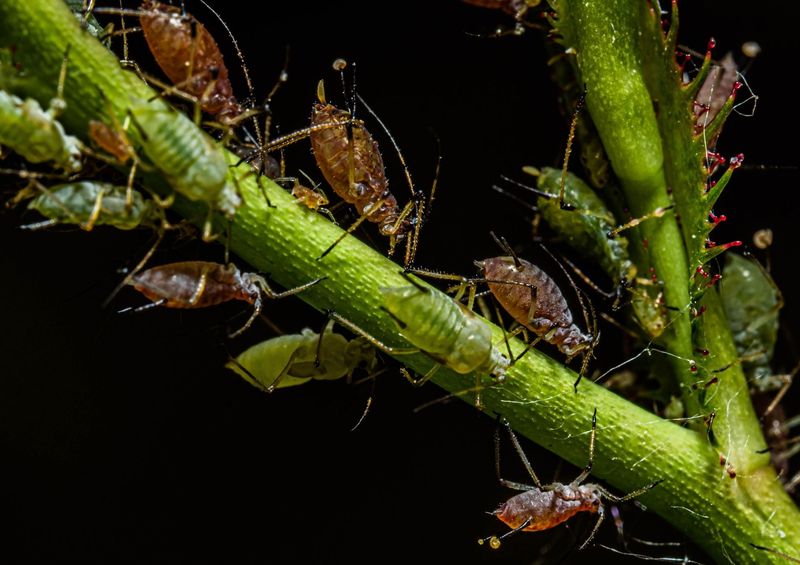
Catching a pest problem early is genuinely one of the most powerful things a gardener can do. When sap-sucking insect populations are small, a simple water spray or a single application of insecticidal soap is often all it takes to bring things back under control.
Wait too long, and the same problem can require multiple treatments, attract sooty mold, and pull in ants that make the situation even harder to manage.
North Carolina’s warm, humid climate means pest populations can increase at a surprisingly fast rate once spring temperatures rise. What starts as a handful of aphids on a rose bush can become a full colony within two weeks.
Scale insects that go unnoticed through winter can begin producing crawlers in early spring, spreading to nearby plants before any visible symptoms appear.
Building a simple weekly inspection habit into your gardening routine makes a real difference.
Walk through your garden every seven days, check the undersides of leaves, run fingers along stems to feel for bumps, and look for any sticky or shiny coating on foliage.
Paying extra attention to plants that had pest problems in previous seasons is especially smart.
Insecticidal soap, neem oil, and horticultural oil are all effective, widely available options that work well across North Carolina gardens.
Starting treatment at the first sign of sticky residue or insect activity gives your plants the strongest possible advantage going into the warmer months ahead. Consistency and timing are everything when managing sap-sucking insects.