Shrubs North Carolina Gardeners Should Prune After Blooming Instead Of Before
It is easy to assume that all shrubs should be pruned at the same time, especially when you are trying to tidy up your yard in early spring.
But for many flowering shrubs in North Carolina, cutting them back too soon can mean missing out on a full season of blooms.
Some of the most popular varieties actually set their flower buds months in advance, so pruning at the wrong time can quietly remove the very blooms you have been waiting for. That is why timing matters more than most gardeners realize.
Instead of reaching for the pruners before growth starts, certain shrubs are much better off being trimmed right after they finish blooming.
Knowing which ones follow this pattern can help you keep your landscape looking full, colorful, and well shaped without sacrificing flowers.
Once you understand how these shrubs grow, it becomes much easier to prune with confidence and get the best results each year.
1. Bigleaf Hydrangea (Hydrangea macrophylla)
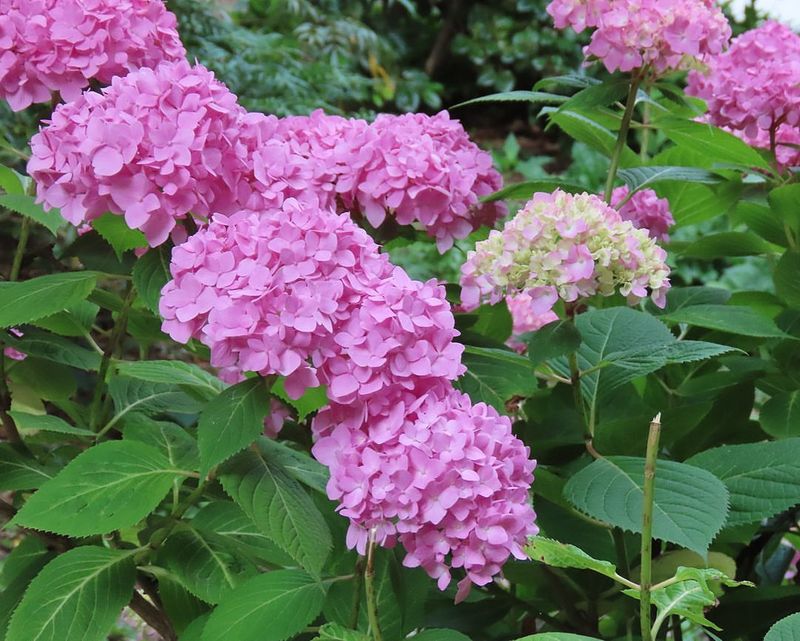
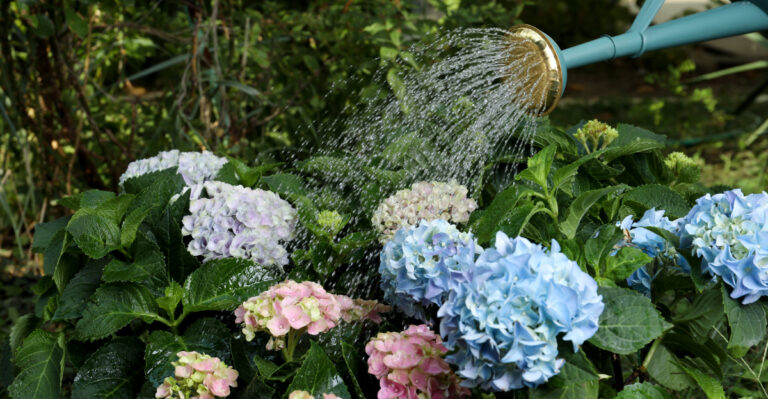
Few sights in a North Carolina garden stop people in their tracks quite like bigleaf hydrangea in full bloom.
Those massive, colorful flower clusters come in shades of pink, purple, and blue depending on your soil’s pH, and they are truly unforgettable.
The catch is that these gorgeous blooms grow on old wood, meaning the flower buds form during the previous season.
If you prune bigleaf hydrangea in late winter or early spring, you are cutting off buds that have already been sitting there since last year, quietly waiting for their moment. By late winter in North Carolina, those buds are already present and ready to go.
Pruning before bloom means no flowers that season, which is a frustrating surprise for any gardener expecting a colorful display.
The right move is to wait until the flowers have fully finished blooming, then do any shaping or trimming you need.
Even then, keep pruning light and focused on removing spent blooms and crossing branches.
North Carolina summers give bigleaf hydrangea plenty of time to recover and set new buds before fall.
You will be rewarded the following spring with a full, breathtaking flush of color that makes all that patience completely worth it.
2. Oakleaf Hydrangea (Hydrangea quercifolia)
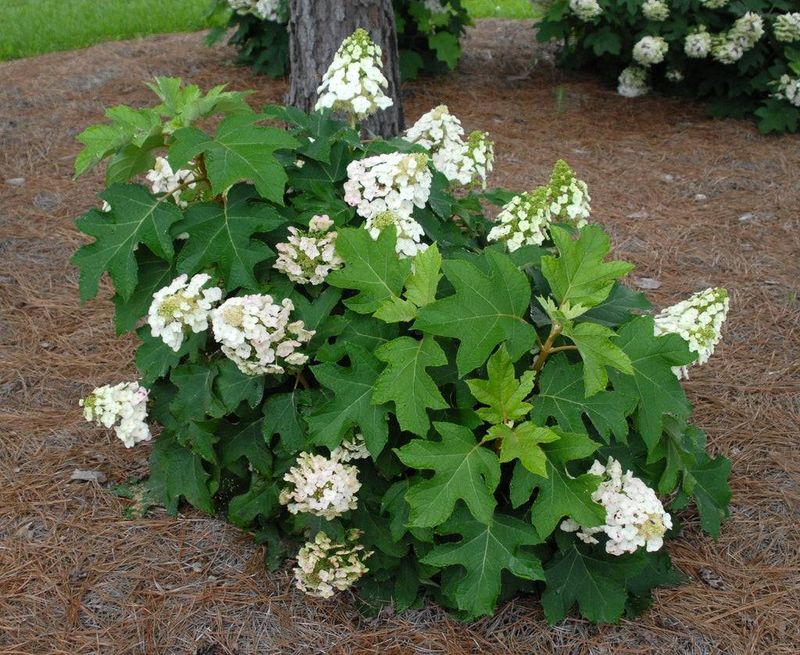
Oakleaf hydrangea is one of the true stars of North Carolina gardening, and it deserves every bit of the attention it gets.
Native to the Southeast, this shrub brings white cone-shaped blooms, stunning fall foliage, and attractive peeling bark to the garden all in one package.
It is a four-season performer that thrives across much of the state with very little fuss. Just like its bigleaf cousin, oakleaf hydrangea blooms on old wood.
That means the flower buds you will see next summer are already forming on the current year’s growth right after blooming ends.
Pruning too early in the season before those blooms appear removes exactly the wood that carries next year’s flowers, leaving you with a beautifully shaped but completely flowerless shrub come summer.
Waiting until after the flowers fade is the smartest approach, and light pruning works best for this shrub.
Your North Carolina Garden Changes Every Week. Your Plan Should Too.
Gardening in North Carolina changes quickly throughout the season. Every Friday you’ll receive a simple weekly plan showing exactly what to plant, prune, fertilize, harvest, and protect so you never miss the right timing.
Remove spent flower heads and any awkward branches to keep the shape tidy without going overboard.
North Carolina gardeners who treat oakleaf hydrangea with this kind of patience are always rewarded with thick, cone-shaped blooms the following year.
This shrub responds beautifully to respectful pruning and will reward you with years of incredible, reliable seasonal color.
3. Azalea (Rhododendron spp.)
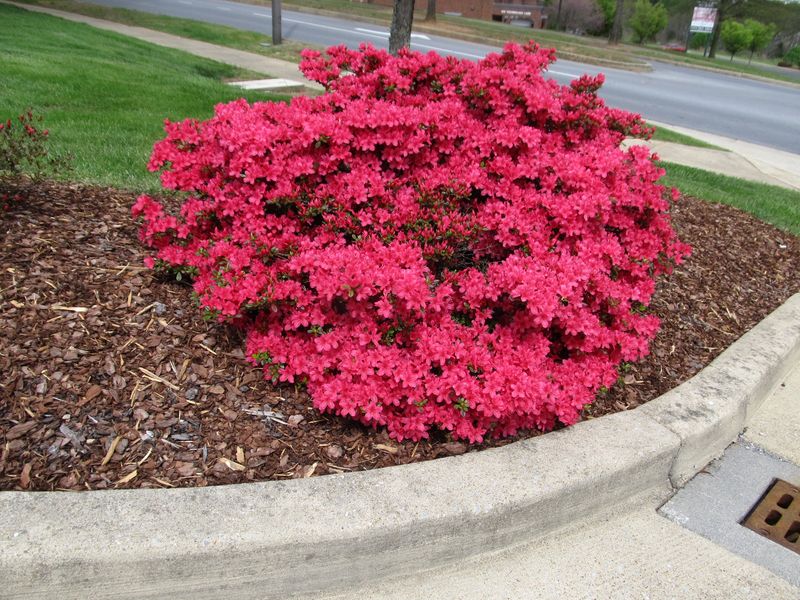
Walk through almost any North Carolina neighborhood in spring and you will see azaleas putting on a show that is hard to match. These shrubs are practically synonymous with Southern gardening, and for good reason.
They come in nearly every color imaginable, from soft white to electric magenta, and they bloom with a generosity that feels almost over the top in the best possible way.
Azaleas set their buds for next year’s bloom cycle on older growth shortly after flowering ends.
Prune them before they bloom and you are essentially erasing months of bud development in one afternoon.
Many North Carolina gardeners make this mistake in late winter when the urge to tidy up the yard is strong, not realizing the flower buds are already sitting right there on those branches.
The golden rule with azaleas is simple: wait until the flowers drop, then shape. You have a relatively short window after blooming ends before new buds start forming again, so act within a few weeks of the last flower fading.
Keep cuts clean, remove any crossing or crowded branches, and avoid cutting back more than necessary.
Azaleas in North Carolina respond beautifully to this kind of careful timing, rewarding you with a full and vibrant spring display year after year.
4. Rhododendron (Rhododendron spp.)
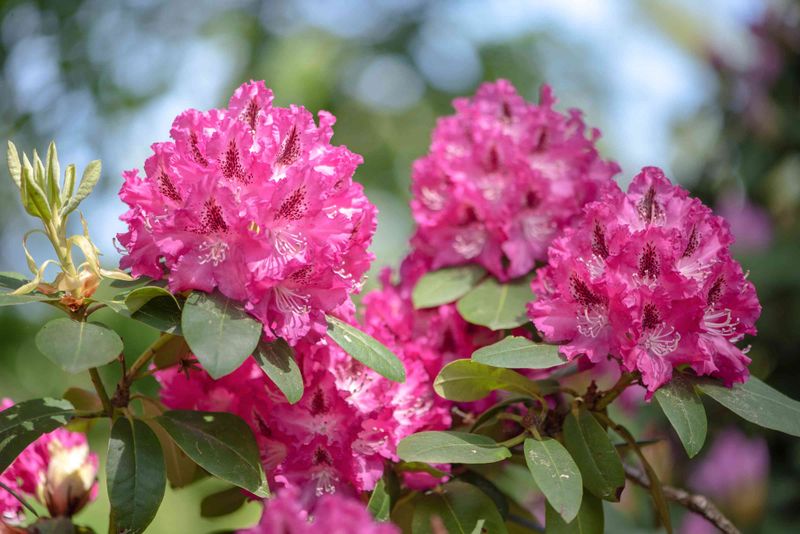
Rhododendrons bring a dramatic, almost theatrical quality to the landscapes where they grow, especially in the cooler mountain regions of North Carolina.
Their large, leathery leaves stay green year-round, and their flower clusters in shades of pink, purple, red, and white are simply stunning when they open in spring.
In places like Asheville or along the Blue Ridge Parkway, rhododendrons are practically part of the scenery.
These shrubs carry their flower buds on old wood, setting them up in the season following each bloom. Pruning before the flowers appear removes the very buds you have been waiting all year to see.
It is a timing mistake that costs an entire season of blooms, and in North Carolina’s mountain and piedmont gardens, that loss is genuinely hard to overlook. Right after the flowers fade is the ideal time to reach for your pruning shears.
Focus on removing spent flower clusters and any leggy or crowded growth to keep the plant healthy and well-shaped. Rhododendrons do not need heavy pruning every year, so a light touch goes a long way.
Consistent post-bloom trimming in North Carolina keeps these spectacular shrubs looking full and structured while making sure next year’s flower buds have every chance to develop without interruption. Patience with rhododendrons always pays off beautifully.
5. Gardenia (Gardenia jasminoides)
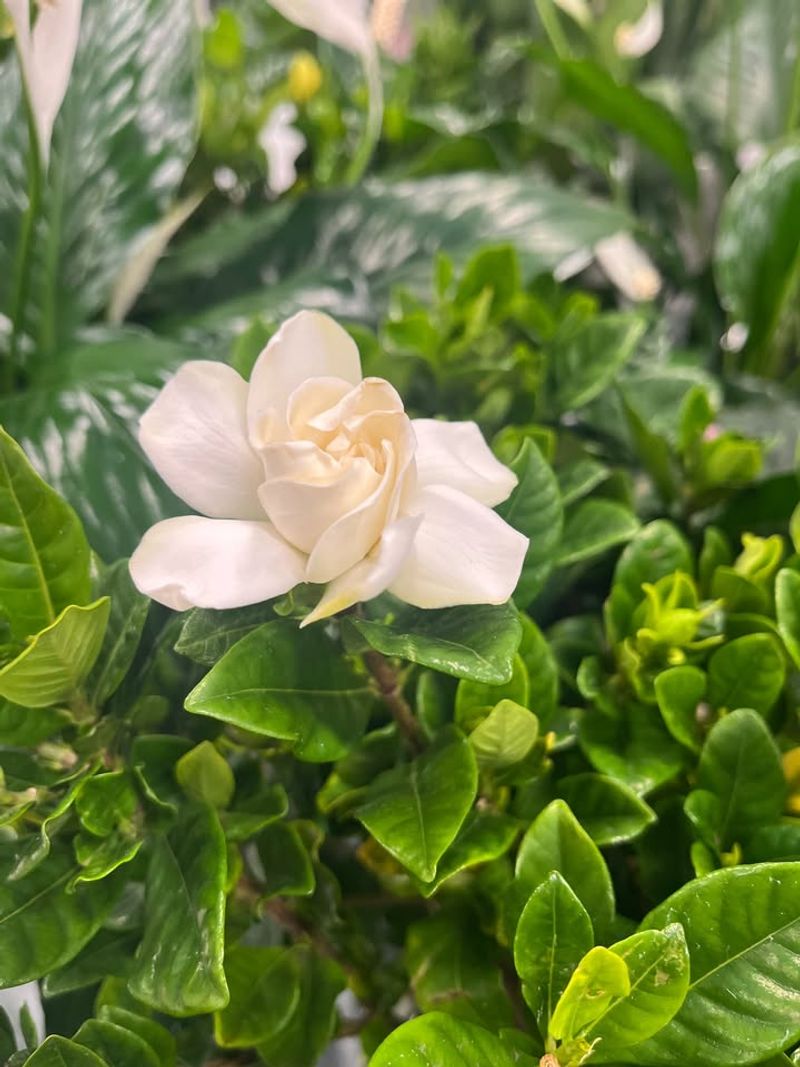
Few flowers have a scent as unforgettable as gardenia. That rich, sweet fragrance drifting through a warm North Carolina evening is one of summer’s most treasured experiences for any gardener lucky enough to have one of these beauties in the yard.
Gardenias are a little particular about their care, but when you treat them right, they reward you with blooms that are nothing short of spectacular.
Pruning timing matters a lot with gardenias because their flower buds for the next season form after blooming ends.
Cutting into the plant too early, especially before spring bloom, can remove developing buds and significantly reduce the number of flowers you see that season.
In North Carolina’s warm and humid climate, gardenias can be especially sensitive to mistimed pruning that disrupts their natural bud development cycle.
Post-bloom pruning is the safest and most reliable approach. Once the flowers have finished and the fragrance has faded for the season, trim lightly to shape the shrub and remove any dead or crossing wood.
Avoid aggressive cutting, as gardenias prefer gentle shaping over dramatic trimming. Keeping the plant tidy without overdoing it helps maintain the glossy, compact look that makes gardenias so attractive in North Carolina landscapes.
A little restraint with the shears goes a very long way with this fragrant and rewarding shrub.
6. Forsythia (Forsythia x intermedia)
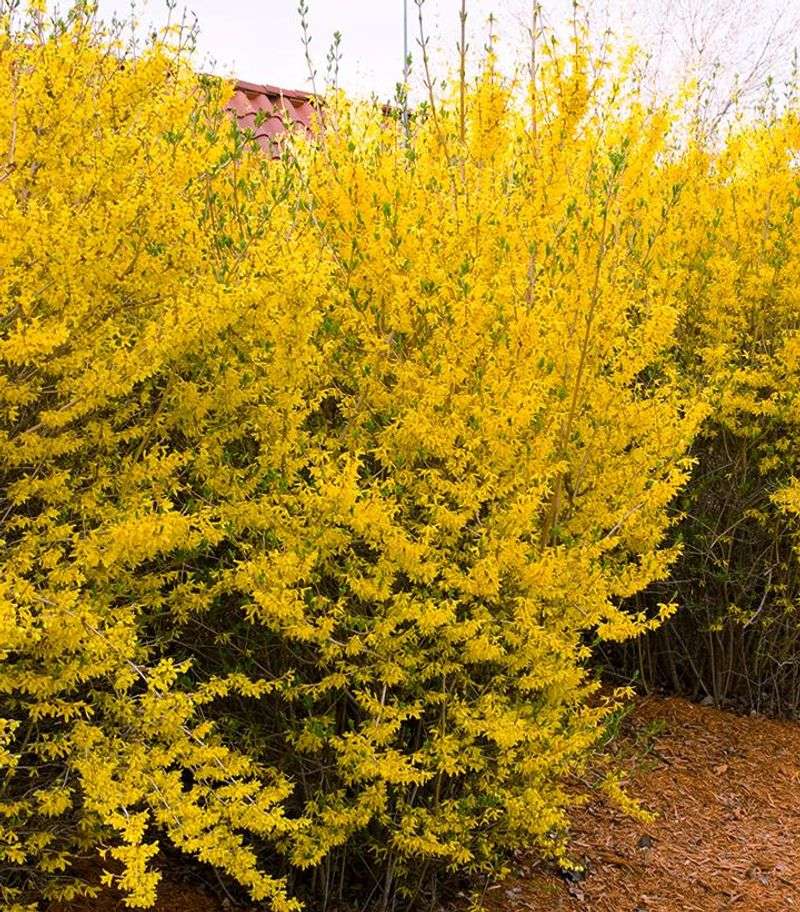
Forsythia is basically spring’s announcement that winter is finally over. Those brilliant yellow flowers burst open on bare branches before any leaves appear, lighting up North Carolina yards like a small explosion of sunshine in late February or March.
It is one of the most reliable and cheerful early bloomers you can plant, and neighborhoods across the state seem to compete for who has the brightest display.
Forsythia blooms on old wood, which means the branches that flowered this spring are the same branches that formed their buds last summer.
Prune before bloom and you are cutting away an entire season’s worth of flower development.
Many gardeners make this mistake in late winter while cleaning up the yard, not realizing that those seemingly bare branches are already loaded with buds ready to open.
The best time to prune forsythia is immediately after the flowers fade, while the plant still has plenty of growing season ahead of it.
This gives the shrub time to grow new flowering wood before summer ends, setting up a strong bloom the following spring.
In North Carolina, forsythia responds well to renewal pruning where older stems are removed at the base to encourage fresh, vigorous growth.
Keep it manageable, give it that post-bloom trim, and forsythia will reward you with a golden spring display every single year without fail.
7. Weigela (Weigela florida)
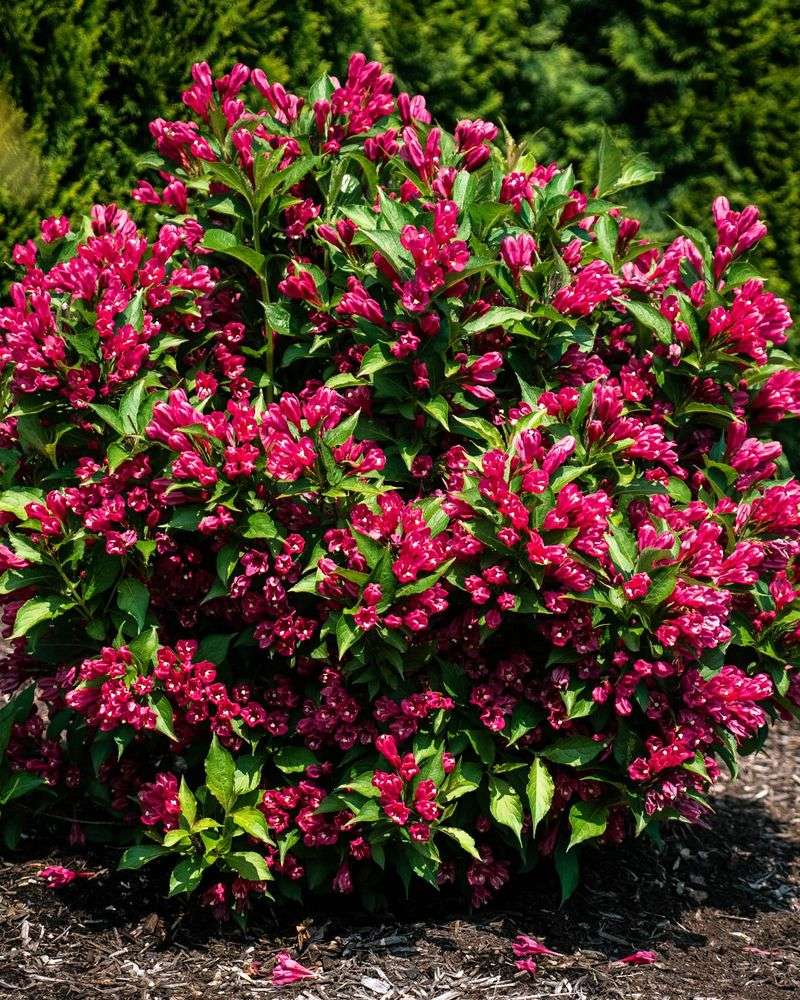
Weigela has a relaxed, arching style that feels both elegant and effortless in a garden setting.
Its tubular flowers in shades of pink, red, and white attract hummingbirds and pollinators like a magnet, making it as functional as it is beautiful.
North Carolina gardeners who want a shrub that pulls double duty as a landscape anchor and wildlife habitat absolutely love weigela for good reason.
Blooming on old wood means weigela carries its flower buds through the winter on the previous season’s branches.
Prune those branches away in late winter or early spring and you have removed next year’s blooms before they ever had a chance to open.
It is a surprisingly common mistake, especially for gardeners who are eager to shape things up as soon as the weather warms up a little.
Waiting until after weigela finishes its main bloom in late spring or early summer is the smart play for North Carolina gardeners.
Once flowering winds down, prune back about one-third of the oldest stems to encourage fresh new growth that will carry next year’s flowers.
This renewal approach keeps the plant vigorous, well-shaped, and loaded with blooms season after season.
Weigela is forgiving and tough, but giving it the right pruning window makes a noticeable difference in how well it performs and how full and lush it looks throughout the growing season.
8. Bridal Wreath Spirea (Spiraea prunifolia)
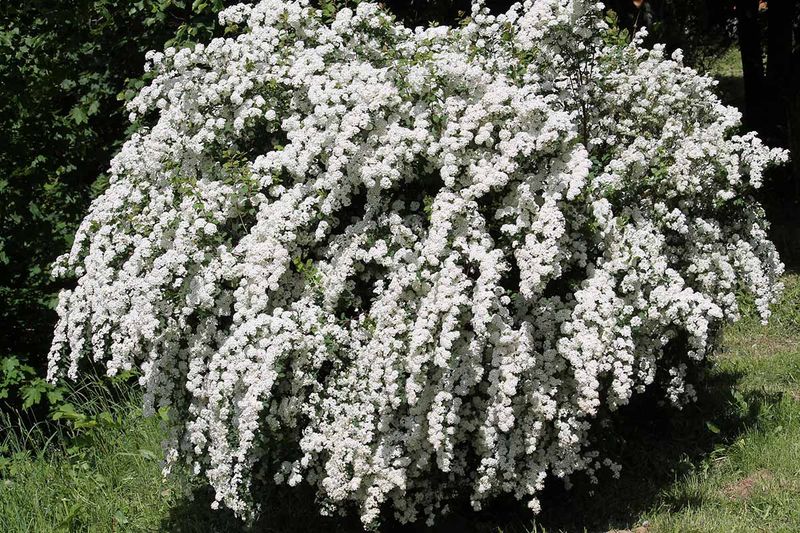
There is something almost magical about bridal wreath spirea when it blooms in spring. The long, gracefully arching branches become completely covered in tiny, white double flowers that cascade like a waterfall of blossoms.
It is one of those shrubs that genuinely looks like it belongs in a fairy tale, and it has been a beloved feature in Southern gardens, including across North Carolina, for generations.
Bridal wreath spirea is a spring bloomer that flowers on old wood, following the same pruning logic as forsythia and weigela.
Cutting it back before bloom removes the flower-bearing wood and leaves you with a freshly trimmed but completely flowerless shrub in spring.
For a plant whose entire appeal is that spectacular white bloom display, missing the show due to early pruning is a real disappointment. After the flowers fade in spring, that is your window to prune.
Remove older, thicker stems at the base to encourage fresh growth, and lightly shape the outer branches to keep the plant from getting too wide or unruly.
Bridal wreath spirea can get quite large over time, so annual post-bloom pruning keeps it manageable and full of energy.
North Carolina’s warm growing season gives it plenty of time to push out new flowering wood before fall arrives, ensuring another breathtaking floral performance the following spring without any guesswork involved.
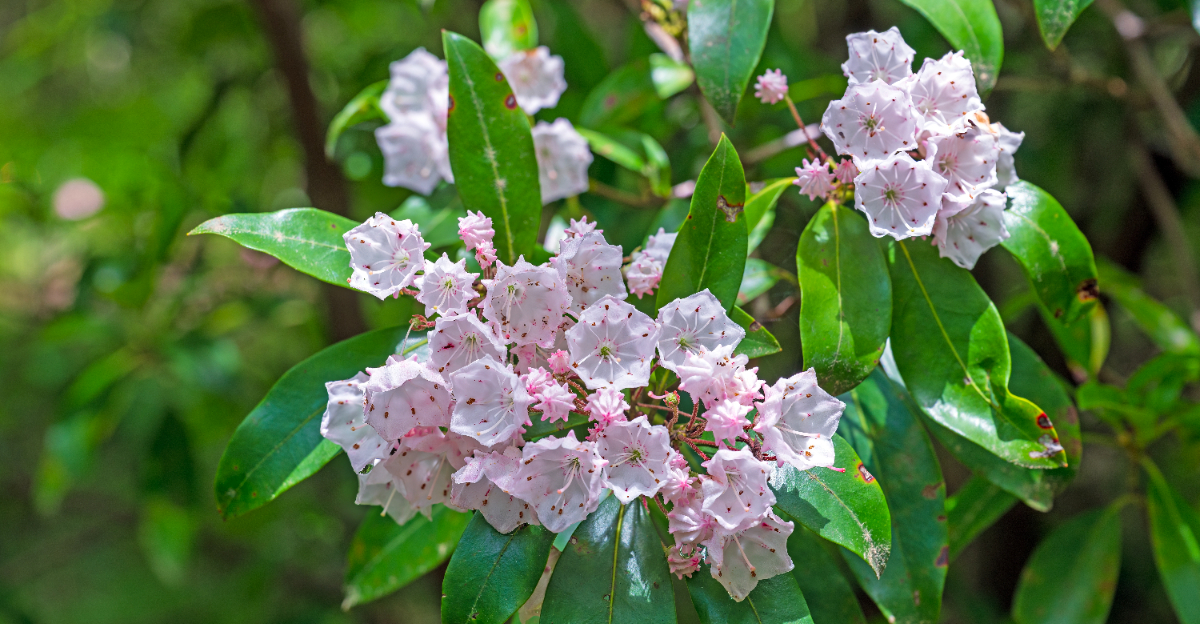
9. Mountain Laurel (Kalmia latifolia)
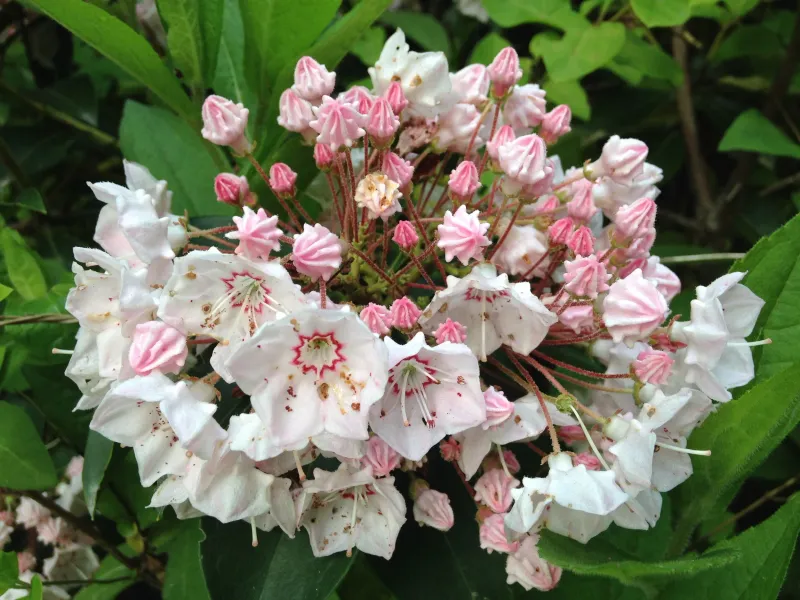
Mountain laurel holds a special place in North Carolina’s gardening story because it is actually native to the state.
You can find it growing wild along mountain slopes and in shaded woodland areas, and it brings that same wild, natural beauty into cultivated gardens with incredible ease.
The intricate, cup-shaped flowers in shades of pink, white, and deep rose are among the most detailed and delicate-looking blooms you will find on any shrub.
Like many spring-blooming shrubs, mountain laurel forms its flower buds ahead of the blooming season on the previous year’s growth.
Pruning before those flowers open removes the buds that have been developing since the prior season and results in a shrub that looks tidy but offers no flowers that year.
In North Carolina’s mountain and upper piedmont regions where mountain laurel thrives, that kind of missed bloom is genuinely hard to accept.
Shaping mountain laurel after flowering gives the plant the best chance to set new buds for next season without interruption.
Focus on removing spent flower clusters and any overly long or crossing branches rather than cutting back hard. Mountain laurel grows relatively slowly, so it does not need aggressive pruning very often.
A light, thoughtful trim right after bloom keeps it looking beautiful and natural while protecting the bud development cycle that makes this stunning North Carolina native so consistently rewarding year after year.