Fruit Plants Michigan Gardeners Can Plant In April For A Strong Start
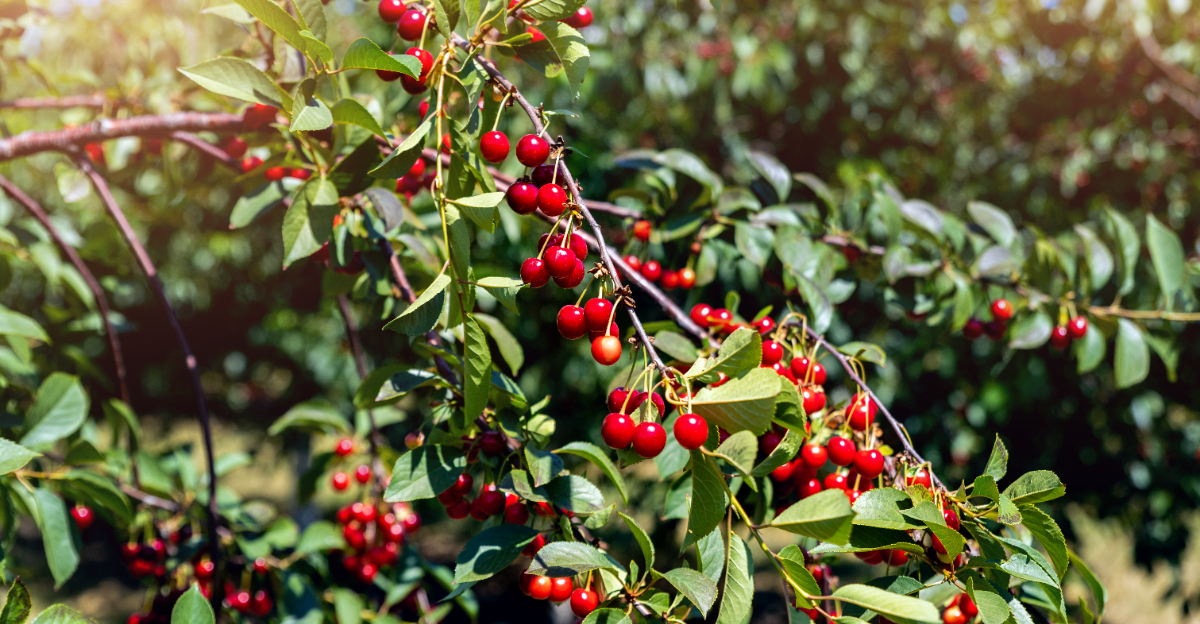
April is when things finally start to shift in the garden, and for many Michigan gardeners, it feels like the real beginning of the growing season.
The soil is starting to warm, the risk of deep freezes is fading, and it is a great time to think beyond vegetables and focus on fruit plants that can get established early.
While some crops need more heat to thrive, many fruit varieties actually do better when they are planted in cooler spring conditions.
Getting them in the ground now gives roots time to settle in before summer arrives, which can lead to stronger growth and better yields later on.
In Michigan, timing plays a big role in how well fruit plants perform, especially with the shorter growing season to consider.
Choosing the right plants to start in April can set you up for a more productive and rewarding harvest as the months go on.
1. Strawberries (Fragaria x ananassa)
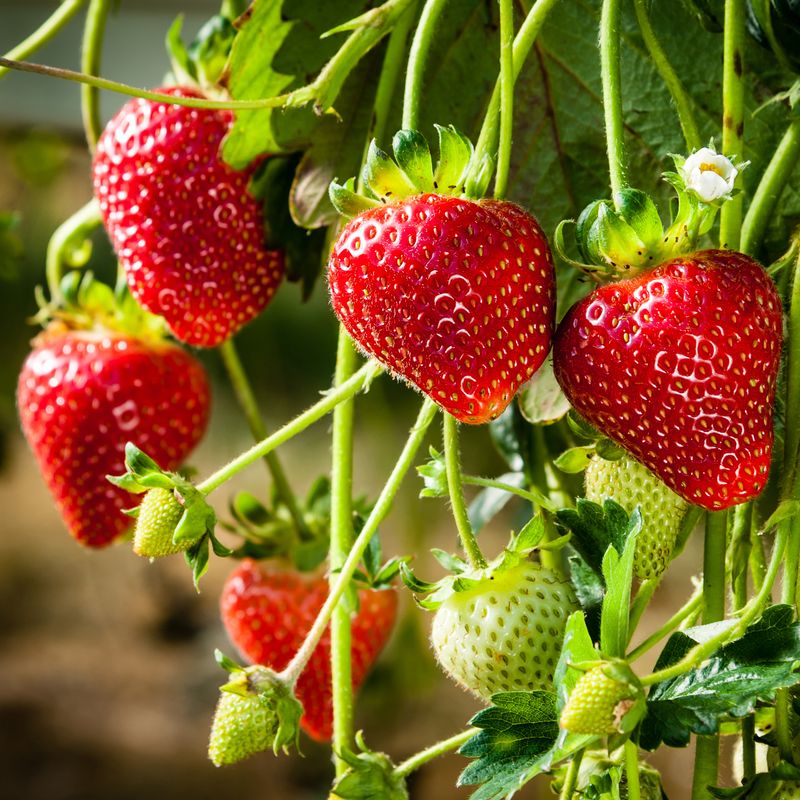
Few things beat the feeling of picking your first homegrown strawberry straight from the garden.
In Michigan, April is the perfect window to plant dormant strawberry crowns, giving them plenty of cool weeks to settle in before summer heat arrives.
Starting early means the plants focus all their energy on building a strong root system first, which leads to bigger and better fruit later in the season.
Plant your crowns in full sun with well-drained soil, and make sure the crown itself sits right at the soil surface, not buried and not sticking too far above ground.
This small detail makes a huge difference in how well your plants perform. Raised beds work especially well in Michigan because they warm up faster in spring and drain more efficiently after heavy rain.
Everbearing varieties like Ozark Beauty are a great choice for Michigan gardeners because they produce fruit twice a season.
June-bearing types like Honeoye are also popular and deliver a big harvest all at once, which is perfect for making jams and freezing extras.
Water consistently after planting, and add a light layer of straw mulch to help hold moisture and keep weeds down.
With just a little attention in April, your strawberry patch will reward you generously by early summer.
2. Raspberries (Rubus idaeus)
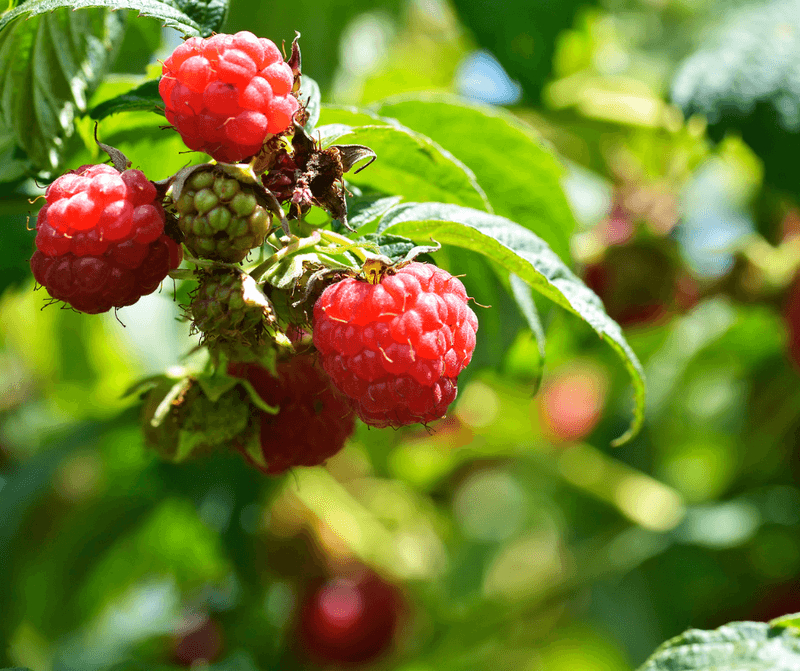
Raspberries are one of those plants that practically beg to be grown in Michigan, and April is exactly when bare-root canes should go into the ground. As soon as the soil is workable and no longer frozen solid, get those canes planted.
The cool spring temperatures in Michigan give raspberries exactly the kind of slow, steady start they need to build a strong framework before the growing season really kicks off.
Choose a spot with full sun and good airflow, since raspberries can develop fungal problems when air circulation is poor.
Well-drained soil is a must because waterlogged roots will cause serious problems fast. If your yard has heavy clay soil, mix in compost before planting to loosen things up and improve drainage.
Install a simple trellis or support system at planting time so the canes have something to lean on as they grow taller through the season.
Your Michigan Garden Changes Every Week. Your Plan Should Too.
Gardening in Michigan changes quickly throughout the season. Every Friday you’ll receive a simple weekly plan showing exactly what to plant, prune, fertilize, harvest, and protect so you never miss the right timing.
Heritage and Boyne are two raspberry varieties that perform reliably well in Michigan’s climate.
Heritage is a fall-bearing type that produces a big crop in late summer, while Boyne handles cold winters like a champ and produces sweet red berries in early summer.
Cut canes back to about six to eight inches after planting to encourage fresh, vigorous new growth.
With early April planting, Michigan gardeners can expect healthy canes and a satisfying harvest by midsummer.
3. Blackberries (Rubus fruticosus)
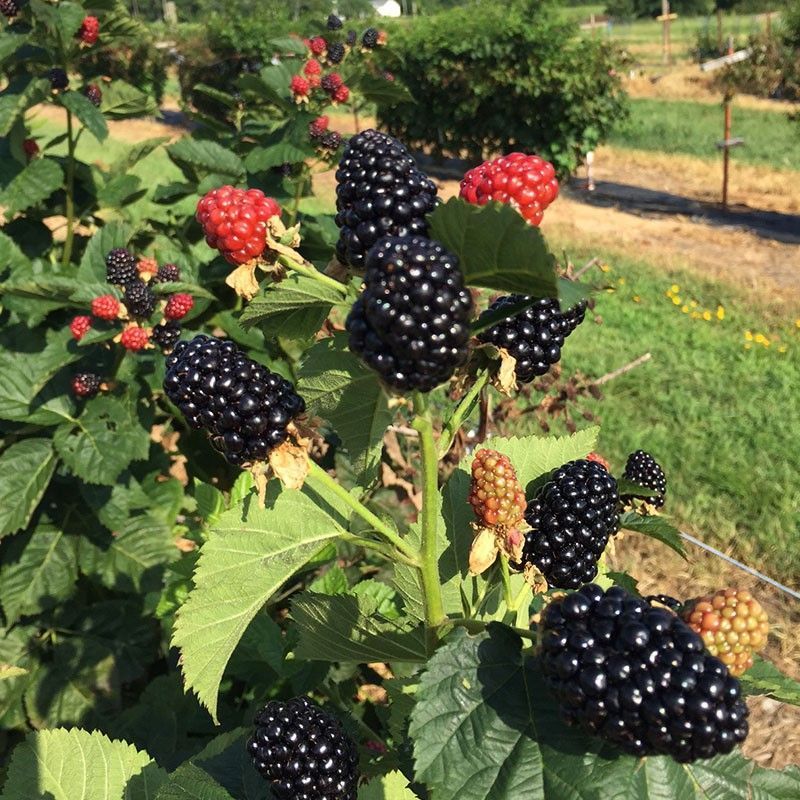
Blackberries have a reputation for being tough, and that toughness is exactly why they thrive when planted in April across Michigan.
Cold-hardy varieties establish quickly in cool spring soil, sending out roots before the heat of summer pushes the plant into rapid above-ground growth.
Getting ahead of that growth curve is the key to a productive blackberry patch that keeps producing year after year.
Pick a location with full sun and well-drained soil, and plan ahead for support because blackberry canes get tall and heavy with fruit. A sturdy trellis or fence line works perfectly.
Triple Crown and Chester are two thornless blackberry varieties worth considering for Michigan gardens, especially if you want easier harvesting without scratching your arms every time you reach for berries.
Thornless types are also easier to manage when it comes to pruning and training.
One thing Michigan gardeners should know is that blackberries spread through underground runners, so planting them in a defined bed or along a fence line helps keep things organized.
Amend your soil with compost before planting, and water deeply right after the canes go in. A layer of wood chip mulch around the base helps retain moisture and keeps competing weeds from taking over early in the season.
April planting gives blackberries time to adapt before Michigan summers bring heat and higher humidity levels.
4. Blueberries (Vaccinium corymbosum)
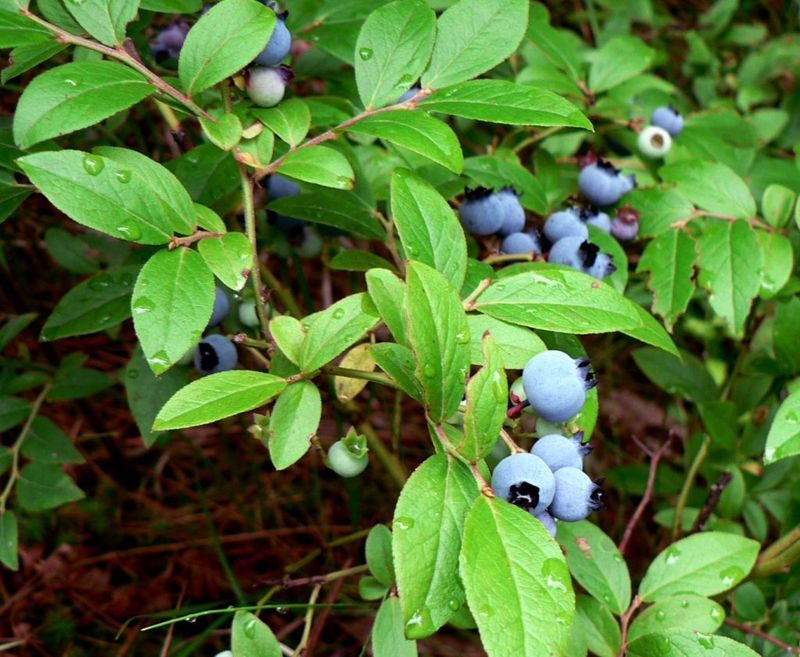
Blueberries are one of the most rewarding fruit plants you can grow in Michigan, and the state actually has ideal conditions for them in many areas.
April is the sweet spot for planting blueberries while they are still dormant or just beginning to break bud.
Planting at this stage reduces stress on the plant and gives the root system weeks of cool, moist weather to settle in before summer arrives. The most important factor for blueberry success is soil pH.
Blueberries need acidic soil in the range of 4.5 to 5.5, and Michigan soils often require some adjustment to hit that target. Mix in peat moss or pine bark to lower the pH and improve drainage at the same time.
Testing your soil before planting is a smart move and takes the guesswork out of the process entirely. Your local Michigan State University Extension office can help with soil testing resources.
Always plant at least two different blueberry varieties near each other for cross-pollination, which leads to much larger and more flavorful berries.
Bluecrop and Patriot are both excellent highbush varieties that perform well in Michigan. Mulch heavily with wood chips or pine needles to maintain soil moisture and keep the pH stable over time.
Water regularly during the first growing season, and resist the urge to pick berries in year one so the plant can focus on building a strong root system.
5. Grapevines (Vitis labrusca And Hybrids)
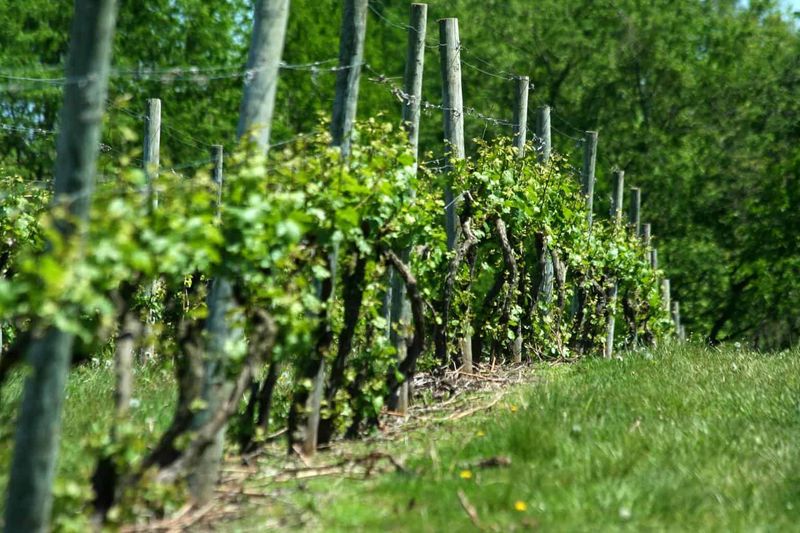
There is something deeply satisfying about growing your own grapevines, and Michigan is actually one of the best states in the country for it.
The western side of the state near Lake Michigan has a microclimate that has supported commercial vineyards for decades, but home gardeners across all of Michigan can grow grapes successfully with the right variety and planting timing.
April is when dormant grapevines should go into the ground so roots can establish before vine growth explodes in late spring.
Full sun is non-negotiable for grapes, so pick the sunniest spot in your yard. Good drainage is equally important because grapevines sitting in wet soil are far more likely to develop root rot and other fungal diseases.
Build or install your trellis system before planting so you are not disturbing the root zone later.
A simple two-wire trellis attached to wooden posts works great for home gardens and keeps the vines organized as they grow.
Concord is the most popular variety for Michigan home gardeners and produces those classic deep purple grapes perfect for juice and jelly.
Niagara is a white variety that also does well in Michigan’s climate. When planting, bury the roots at the same depth they were grown at the nursery, and cut the top back to just two or three buds.
This encourages strong root development in the first season rather than putting all energy into vine growth above ground.
6. Apple Trees (Malus domestica)
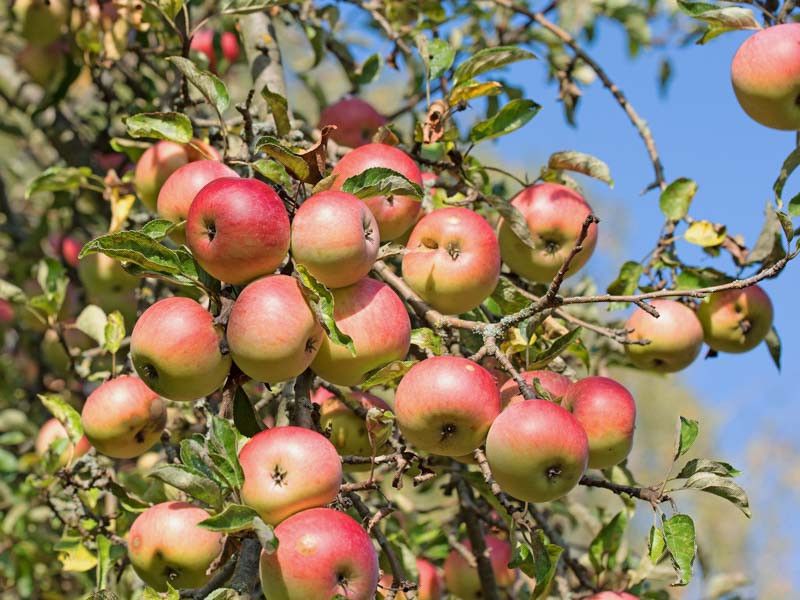
Planting an apple tree in April is one of the best long-term investments a Michigan gardener can make.
Bare-root apple trees are widely available at nurseries in early spring, and planting them while they are still dormant dramatically reduces transplant stress.
The cool April temperatures give the roots weeks to grow into the surrounding soil before the tree needs to support any leaf or flower growth above ground.
Michigan has a long tradition of apple growing, and the state produces more apples than almost any other in the country.
Cold-hardy varieties like Honeycrisp, Cortland, and Northern Spy were practically made for Michigan’s climate.
When choosing a variety, also consider whether you need a self-pollinating type or a pollinator partner nearby.
Most apple trees produce far better fruit with a second variety planted within 50 feet for cross-pollination purposes.
Dig your planting hole wide rather than deep, spreading the roots out naturally without bending or cramping them.
The graft union, which looks like a slight bend or bump near the base of the trunk, should sit two to three inches above the soil surface.
Stake the tree loosely for the first season to protect it from wind while the roots establish. Water deeply once a week during dry spells, and apply a ring of compost mulch around the base to conserve moisture and feed the soil through the season.
7. Pear Trees (Pyrus communis)
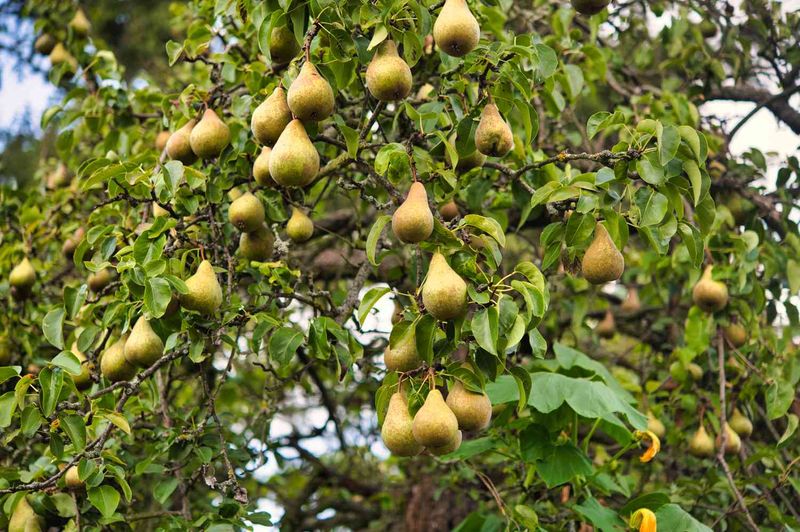
Pear trees bring a quiet elegance to any Michigan yard, and they are surprisingly easy to grow when planted at the right time.
April is ideal for getting bare-root pear stock into the ground while the tree is still dormant and before it starts pushing new buds and leaves.
This timing works in Michigan because cool spring soil encourages root growth without the added pressure of supporting new top growth at the same time.
One thing that makes pear trees especially appealing for Michigan gardeners is their cold hardiness.
Varieties like Bartlett, Bosc, and Harrow Sweet handle Michigan winters reliably and still produce sweet, juicy fruit each fall. Like apples, most pear trees benefit from having a second variety nearby for pollination.
Planting two different varieties about 20 to 35 feet apart gives both trees the cross-pollination they need to set a good crop of fruit.
Pears prefer full sun and well-drained soil, and they are somewhat more tolerant of wet conditions than apples, which is handy in areas of Michigan that tend to stay moist in spring.
Dig a wide, shallow planting hole and set the tree so the graft union stays above the soil line. Firm the soil gently around the roots to remove air pockets, then water thoroughly.
Mulch the base with a few inches of wood chips, keeping mulch away from the trunk itself to avoid moisture buildup against the bark.
8. Tart Cherry Trees (Prunus cerasus)
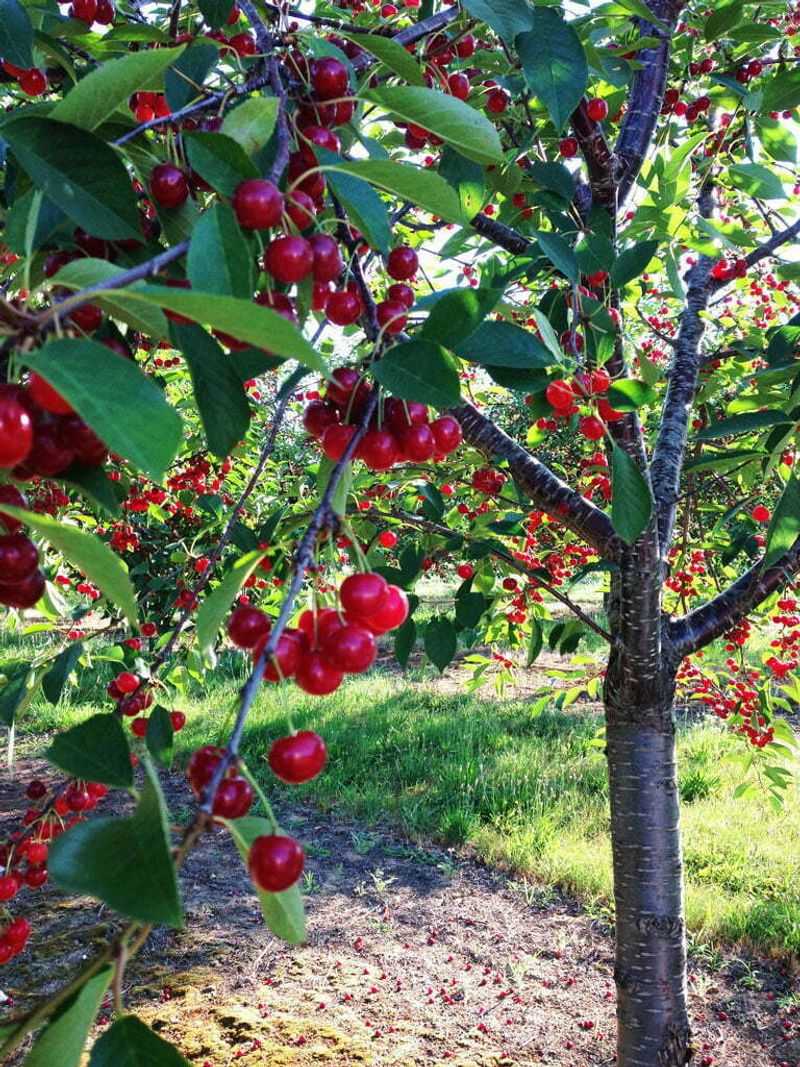
Michigan grows more tart cherries than any other state in the country, and that fact alone tells you how well-suited these trees are to this region’s climate.
April is the ideal time to plant bare-root tart cherry trees because they are highly cold-hardy and align perfectly with Michigan’s spring conditions.
Getting them in the ground while still dormant gives the roots the best possible start before the tree breaks bud and begins its first season of active growth.
Montmorency is by far the most popular tart cherry variety in Michigan and for good reason. It is reliable, cold-hardy, and produces large crops of bright red cherries that are perfect for pies, jams, and preserves.
Unlike sweet cherries, Montmorency is self-pollinating, which means you only need one tree to get a full crop of fruit.
That makes it a great option for smaller Michigan yards where space is limited but the desire for homegrown fruit is strong.
Plant your tart cherry tree in full sun with excellent drainage, since standing water around the roots is one of the fastest ways to weaken the tree over time.
Space the tree at least 20 feet from other large plants or structures so it has room to spread and receive full sunlight on all sides.
Water deeply after planting and apply a generous layer of mulch around the base. With a strong April start, your tart cherry tree will reward Michigan gardeners with beautiful spring blossoms and buckets of fruit within just a few years.