Pennsylvania Fruit Bushes That Can Produce In Their First Growing Season
What if you didn’t have to wait years to enjoy fruit from your own backyard? Many Pennsylvania gardeners assume fruit growing takes patience above all else, but a few well-chosen plants can surprise you with an early harvest.
With cold winters and a shorter growing season, picking the right varieties makes a big difference across Pennsylvania.
Some fruit bushes and berry plants can produce a light crop in their very first year when planted early and given proper care.
That means your first taste of homegrown fruit might come sooner than you expect, even in a Pennsylvania garden.
1. Everbearing Strawberries Produce Fruit Quickly In Spring
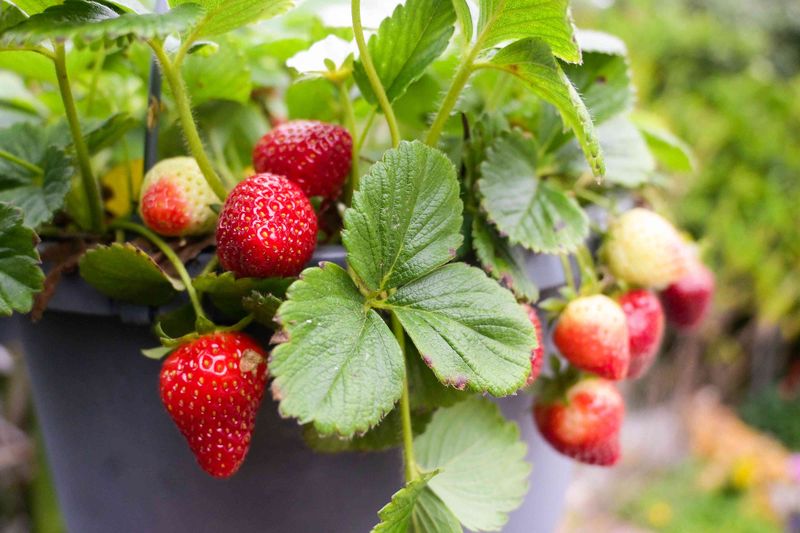
Few things beat the excitement of spotting your first ripe berry just weeks after planting, and everbearing strawberries make that moment possible for Pennsylvania gardeners.
Unlike June-bearing varieties that deliver one large flush of fruit in early summer, everbearing types spread their harvests across multiple flushes throughout the season.
Planted in early spring, they can produce a small but satisfying crop by late summer or early fall of their first year.
Everbearing strawberries do best in full sun with at least six to eight hours of direct light daily. Well-drained, slightly acidic soil with a pH around 6.0 to 6.5 gives them a strong start.
Space plants about twelve inches apart in raised beds or traditional rows, and work compost into the soil before planting to give roots a nutrient boost.
One helpful tip for first-year production is to pinch off early blooms that appear in spring. This encourages stronger root development and often leads to a more productive harvest later in the season.
Pennsylvania gardeners in USDA hardiness zones 5 and 6 will find everbearing varieties like Quinault or Seascape reliable performers.
Mulching around plants with straw helps retain moisture during dry summer stretches and keeps berries clean.
With consistent watering and a little patience early on, everbearing strawberries can reward you with fresh fruit in their very first Pennsylvania growing season.
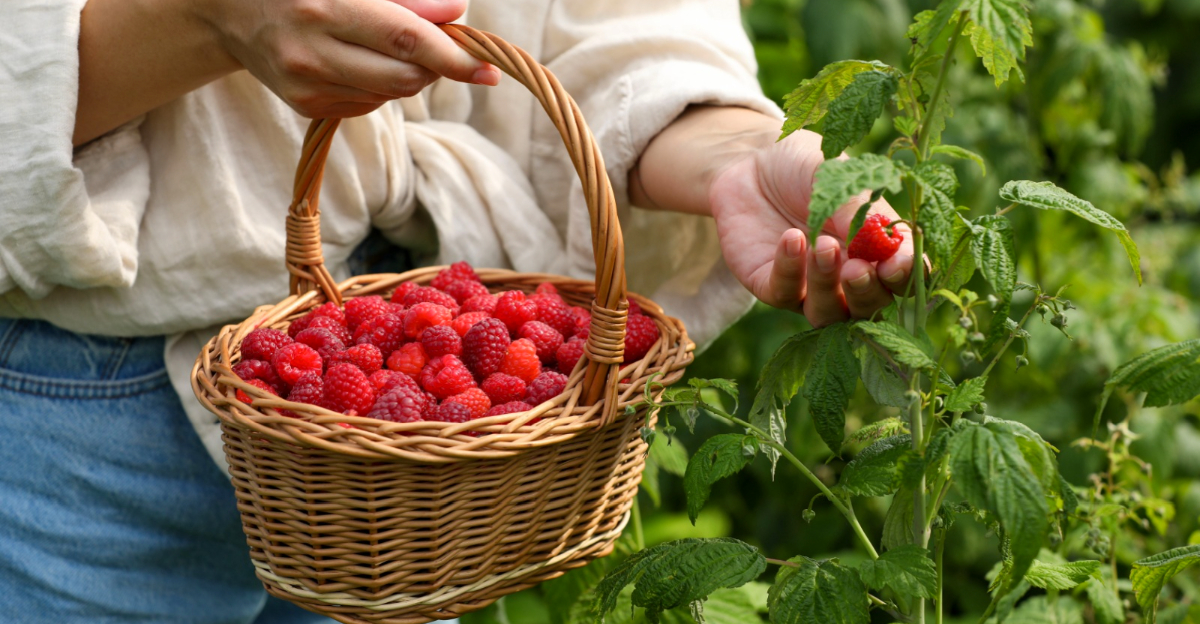
2. Primocane Raspberries Can Yield In Their First Season
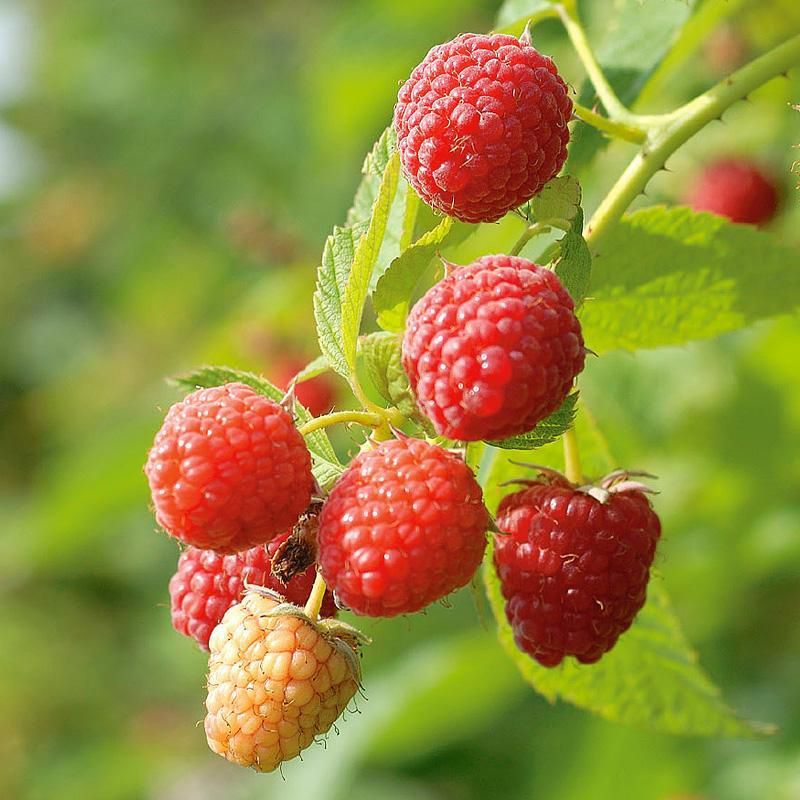
Most raspberry varieties ask you to wait until their second year before offering any real harvest, but primocane raspberries play by different rules.
These special varieties produce fruit on first-year canes, called primocanes, which means you can plant them in spring and realistically expect a crop by late summer or early fall.
For Pennsylvania gardeners who want results without a long wait, this is a genuinely exciting option.
Varieties like Heritage, Autumn Britten, and Caroline are popular primocane types that perform well across Pennsylvania’s hardiness zones. They prefer full sun and well-drained soil with a slightly acidic pH between 5.5 and 6.5.
Plant bare-root canes in early spring as soon as the soil can be worked, spacing them about eighteen to twenty-four inches apart in rows.
One thing to keep in mind is that first-year yields will likely be light compared to mature plants. That said, even a modest harvest of fresh raspberries from your own backyard feels like a major win.
Tying canes to a simple trellis or support system helps keep plants upright and improves air circulation, which reduces the risk of fungal issues during Pennsylvania’s humid summers.
Your Pennsylvania Garden Changes Every Week. Your Plan Should Too.
Gardening in Pennsylvania changes quickly throughout the season. Every Friday you’ll receive a simple weekly plan showing exactly what to plant, prune, fertilize, harvest, and protect so you never miss the right timing.
Cut all canes to the ground in late fall or early spring for the simplest management approach.
Consistent moisture throughout the growing season is key to supporting fruit development on new growth.
3. Primocane Blackberries Offer Early Fruit On New Growth
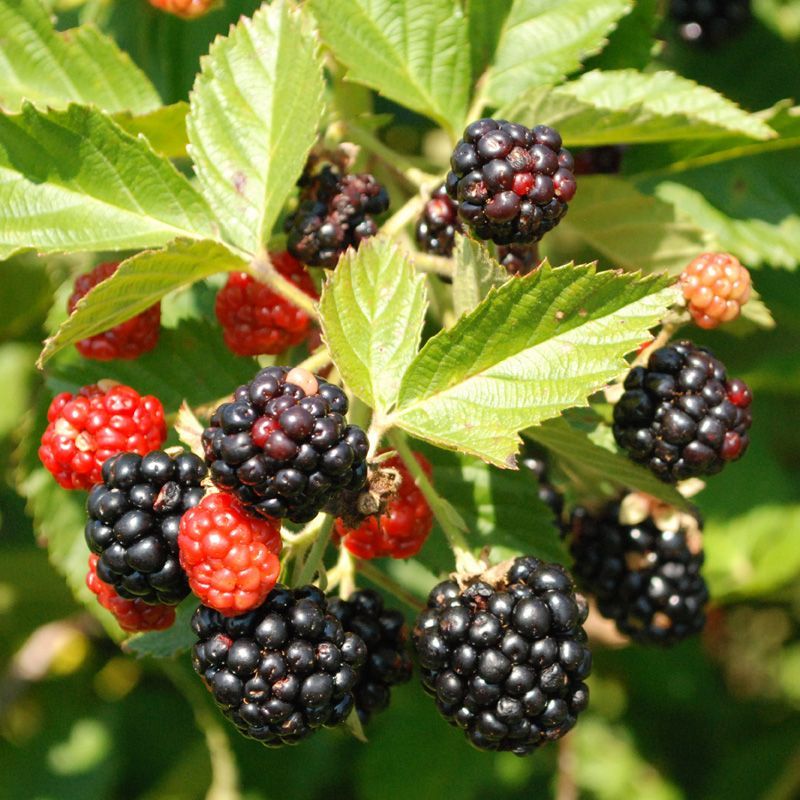
Waiting two full years for blackberries can test even the most patient gardener, which is exactly why primocane blackberry varieties have become increasingly popular in Pennsylvania.
Like their raspberry cousins, primocane blackberries fruit on new canes grown in the current season, making a first-year harvest genuinely possible.
Plant them in early spring and you could be picking plump, dark berries by late August or September.
Prime-Ark Freedom and Prime-Ark Traveler are two widely available primocane blackberry varieties that have shown good adaptability in Mid-Atlantic growing conditions.
Both prefer a sunny location with at least six hours of direct sunlight and well-drained, loamy soil.
Spacing plants about three to four feet apart gives them room to develop without competing too heavily for nutrients and moisture.
Thornless varieties are worth considering for Pennsylvania home gardens, especially in areas where space is limited and easy picking matters.
First-year plants will likely produce a lighter crop than established ones, but that initial harvest is still a meaningful reward for your effort.
Supporting canes with a trellis or fence helps manage growth and makes harvesting much easier. Pennsylvania’s warm late summers provide enough heat to ripen primocane blackberries before frost arrives in most regions of the state.
Adding a layer of mulch around the base of plants retains soil moisture and keeps roots cool during the hottest stretches of the summer season.
4. Gooseberries Can Produce Lightly In Their First Year
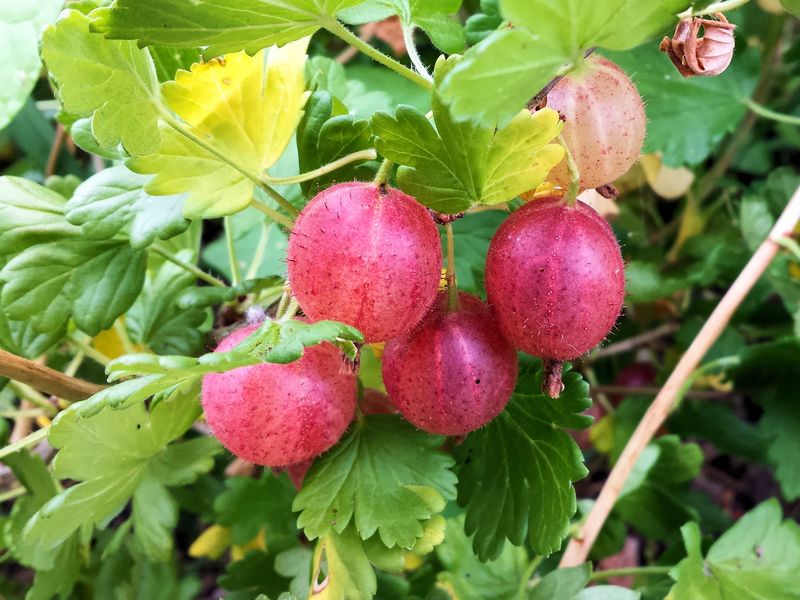
Gooseberries have a long history in American and European kitchen gardens, and they deserve far more attention in Pennsylvania backyards than they currently get.
Hardy enough to handle cold Pennsylvania winters without much fuss, gooseberry bushes can sometimes offer a light crop in their first growing season when planted early and given good conditions.
While a full harvest typically develops over two to three years, that early taste is a promising sign of what is to come.
Gooseberries prefer a site with full sun to partial shade and appreciate cool, moist soil conditions. In Pennsylvania, morning sun with some afternoon shade can actually work well, especially during hot summers.
Plant bare-root or container-grown bushes in early spring, spacing them around four to five feet apart to allow for mature spread. Amending soil with compost before planting gives roots a healthy environment to establish quickly.
Varieties like Invicta, Poorman, and Pixwell are known to perform well in the northeastern United States and adapt reasonably well to Pennsylvania’s climate.
Gooseberries are relatively low-maintenance once established, needing mainly annual pruning to encourage new productive wood and improve air circulation.
A light application of balanced fertilizer in early spring supports healthy growth without pushing excessive leafy growth at the expense of fruit.
First-year plants may only offer a handful of berries, but those early fruits are tart, flavorful, and genuinely satisfying for the adventurous Pennsylvania gardener.
5. Currants May Reward You With An Early Harvest
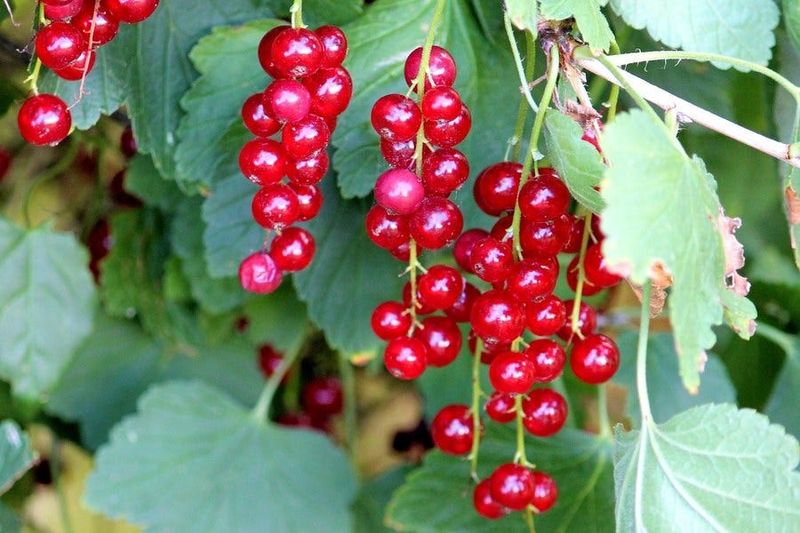
There is something almost magical about watching small clusters of jewel-like berries develop on a currant bush you planted just months earlier.
Currants, including both red and black varieties, are among the more forgiving fruit bushes for Pennsylvania gardeners, and some plants do produce a light crop in their first year, particularly when started from well-established nursery stock.
Patience still plays a role, but currants tend to settle in and fruit earlier than many people expect.
Red currants like Rovada and Jonkheer van Tets have earned strong reputations in northeastern gardens, while black currant varieties such as Consort and Titania perform reliably across Pennsylvania’s hardiness zones.
Currants tolerate partial shade better than most fruit bushes, making them a practical option for gardens where full sun is limited.
Plant in early spring in well-drained, fertile soil with a slightly acidic to neutral pH, spacing bushes about four to five feet apart.
One of the underappreciated strengths of currants is their cold hardiness. They handle Pennsylvania winters well and break dormancy early in spring, giving them a long growing window.
Pruning out older wood each year encourages fresh, productive growth. Consistent moisture during the growing season, especially during berry development, helps prevent fruit from dropping prematurely.
First-year harvests are typically modest, but currants can become some of the most productive and dependable fruit bushes in a mature Pennsylvania garden over time.
6. Elderberry Can Produce Early With Established Plants
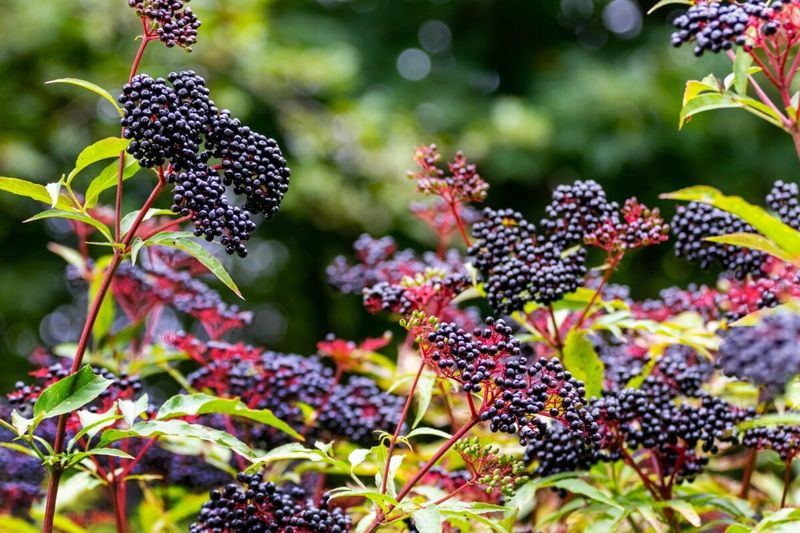
Elderberry holds a special place in Pennsylvania’s natural landscape, growing wild along roadsides, stream banks, and woodland edges across the state.
When you bring a well-established container-grown or bare-root elderberry plant into your garden, you are essentially giving it a head start, and some plants can produce a small crop in their very first season under favorable conditions.
That said, first-year fruiting is more likely with larger nursery-grown plants than with small seedlings.
American elderberry varieties like Bob Gordon, Adams, and Nova are popular choices for Pennsylvania gardeners and tend to establish quickly in the right conditions.
Elderberries are adaptable to a wide range of soil types but thrive best in moist, fertile ground with full sun to light shade.
Plant in early spring, spacing shrubs about five to six feet apart, and water consistently during the first growing season to support root establishment.
Elderberries are fast growers, often putting on several feet of new growth in their first year. Planting two different varieties nearby improves cross-pollination and generally leads to heavier fruit clusters.
The dark purple-black berries ripen in late summer through early fall, which lines up well with Pennsylvania’s harvest season.
Berries should be cooked before eating and are popular for making syrups, jellies, and elderberry wine.
A little annual pruning to remove old wood keeps plants productive and manageable in the home garden setting.
7. Honeyberries Ripen Early And May Fruit In Year One
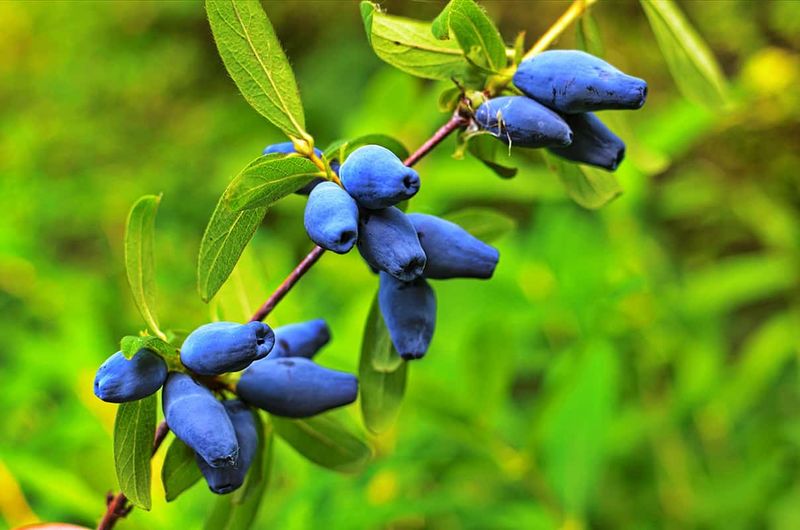
If you have never heard of honeyberries, you are in for a pleasant surprise.
Sometimes called haskap berries, honeyberries are cold-hardy shrubs that produce small, elongated blue fruits with a flavor that blends hints of blueberry, raspberry, and black currant.
One of their most appealing qualities for Pennsylvania gardeners is that they bloom and ripen earlier than almost any other fruit bush, sometimes yielding ripe berries as early as May or June.
Honeyberries are remarkably cold-tolerant, with some varieties handling temperatures well below zero, making them a strong fit for Pennsylvania’s variable winters.
Varieties like Aurora, Boreal Beast, and Tundra have performed well in northeastern growing regions.
For the best fruit set, plant at least two compatible varieties nearby, as cross-pollination significantly improves yields. Space plants about four to five feet apart in a sunny location with well-drained, slightly acidic soil.
First-year fruiting on honeyberries is genuinely possible, especially with container-grown nursery stock that already has a well-developed root system.
Yields in year one will likely be modest, but even a small early harvest is exciting for gardeners used to waiting years for fruit.
Honeyberries require very little maintenance once established, mainly annual light pruning to encourage new growth.
Their early ripening window also means they mature before many common garden pests become active, which is a quiet but meaningful advantage for organic and low-spray Pennsylvania gardeners.
8. Figs Can Produce Early In Warmer Pennsylvania Gardens
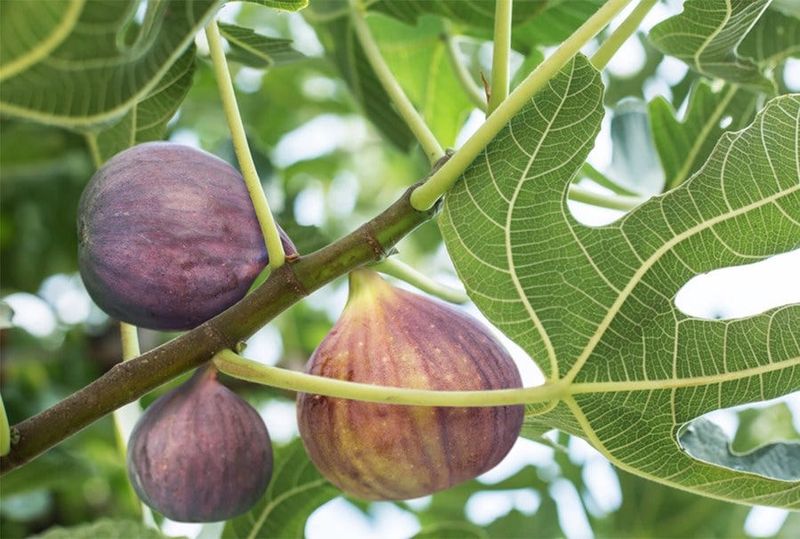
Figs might not be the first plant that comes to mind when thinking about Pennsylvania fruit growing, but in the warmer southern regions of the state, or when grown in containers that can be moved indoors for winter, figs are surprisingly capable of producing fruit in their first or second growing season.
The key is selecting the right variety and giving plants the warmth and sunlight they need to thrive.
Brown Turkey and Chicago Hardy are among the most popular fig varieties for Mid-Atlantic gardens, with Chicago Hardy showing notable cold tolerance compared to many other cultivars.
In warmer parts of Pennsylvania, such as areas around Philadelphia and the southeastern counties, in-ground figs can sometimes survive winters with adequate mulching and root protection.
Container growing is a reliable approach across most of the state, allowing gardeners to bring plants into an unheated garage or basement during the coldest months.
Figs fruit on current-season wood, which means a healthy plant started in spring can potentially ripen a small crop before the first fall frost. Full sun is non-negotiable for figs, and they prefer well-drained soil with moderate fertility.
Overwatering or overfertilizing with nitrogen tends to push leafy growth at the expense of fruit development.
For Pennsylvania gardeners willing to put in a little extra winter care, figs offer a genuinely exotic and rewarding harvest that feels unlike anything else you can grow in the Mid-Atlantic region.