Why Earwigs Show Up In Oregon Gardens After Rain
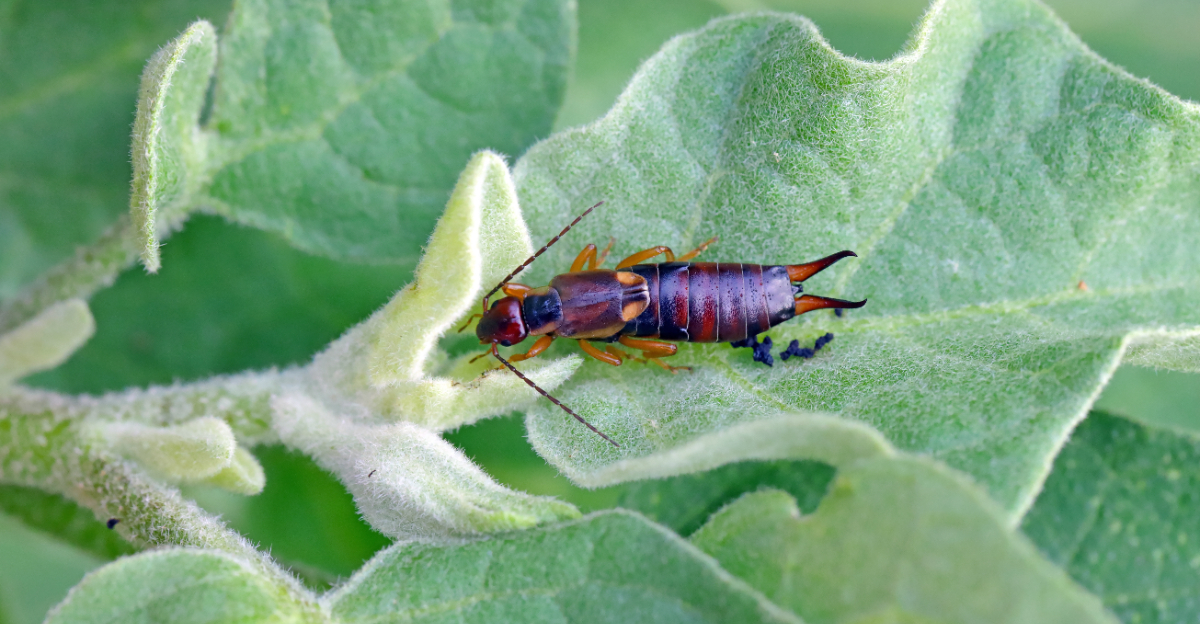
After a good Oregon rain, it doesn’t take long before earwigs start showing up like they were waiting for an invitation. You’ll spot them under pots, along garden edges, or tucked into damp soil, and suddenly it feels like they’re everywhere overnight.
Moisture is the big trigger. Rain softens the soil, boosts humidity, and creates the cool, sheltered conditions earwigs love.
It also brings out decaying plant matter and tender new growth, both of which they’re happy to feed on. To them, your freshly watered garden is the perfect place to settle in.
While they can look a little unsettling, their sudden appearance is usually tied to conditions, not a full-blown invasion.
Once you understand what draws them in, it becomes much easier to manage where they show up and keep your garden in balance after those rainy stretches.
1. Moist Soil Draws Them Out
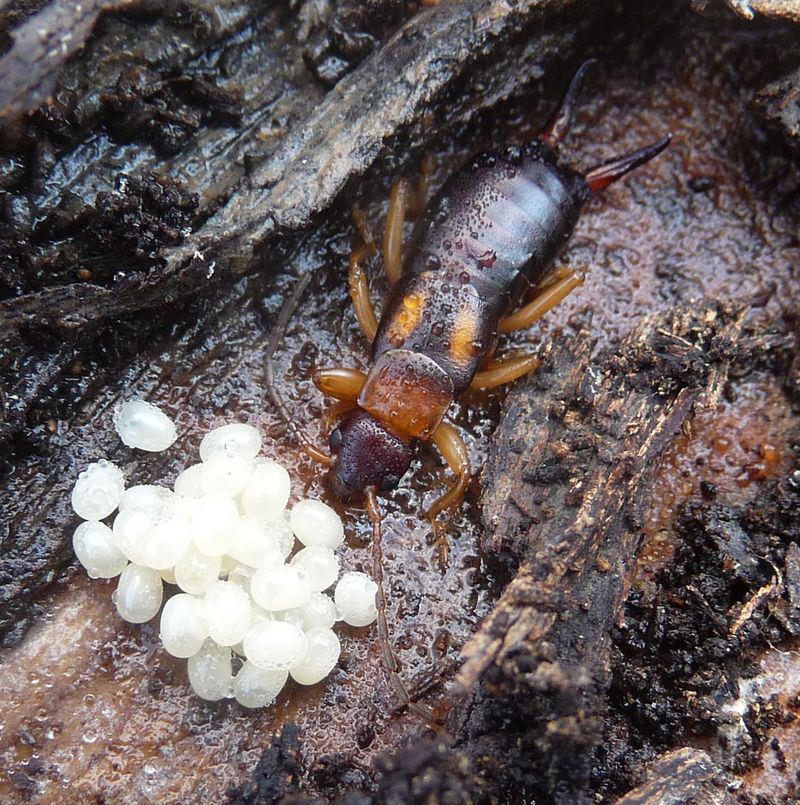
After a rainstorm rolls through Oregon, the soil soaks up water fast. Earwigs absolutely love this.
These insects are strongly attracted to damp environments, and wet soil acts almost like a magnet for them. When the ground becomes saturated, earwigs that were buried deeper in the earth start moving upward toward the surface.
Earwigs breathe through tiny openings in their bodies called spiracles. Too much water underground can block airflow, so they crawl upward to find a comfortable balance of moisture and air.
You will often spot them near the edges of garden beds, walkways, or anywhere water collects and drains slowly.
Oregon gets a lot of rainfall, especially in spring and fall, which means earwig activity spikes during those seasons. Gardeners in the Willamette Valley and along the coast see this pattern every year.
Reducing standing water and improving soil drainage can help lower the number of earwigs coming to the surface. Try aerating your garden beds and avoiding overwatering between rain events to make the soil less inviting to these persistent insects.
2. Hiding Spots Get Flooded
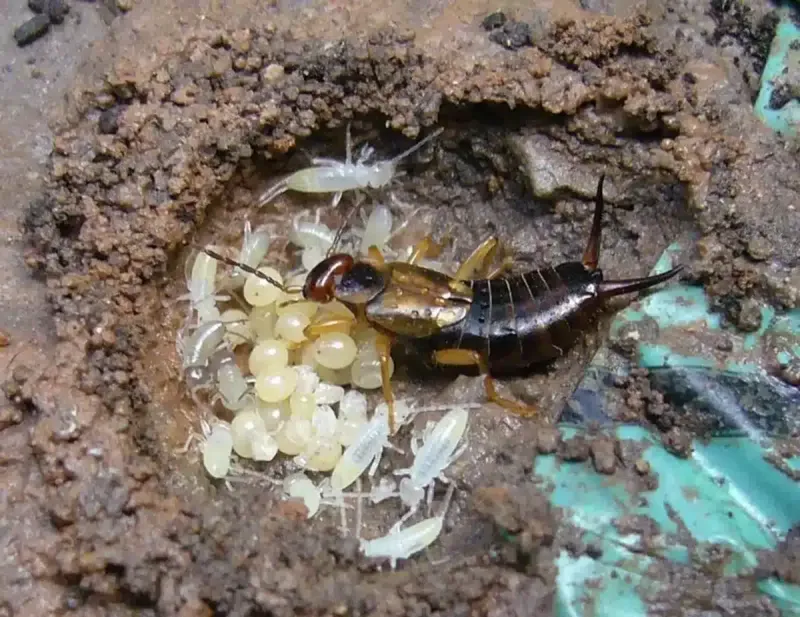
Earwigs spend most of their daylight hours tucked into tight, dark spaces. They love hiding under rocks, logs, boards, and thick leaf piles.
These spots stay cool and sheltered, which is exactly what earwigs need to feel safe. But when heavy rain hits an Oregon garden, those cozy hiding spots can flood or become too wet even for earwigs.
When their shelters fill with water, earwigs have no choice but to move. They scatter across the garden looking for new, drier spots to settle into.
This is one of the main reasons you see so many of them crawling around after a big storm. They are not attacking your garden on purpose; they are just looking for a new home.
Knowing this can actually help you manage them. Since earwigs are on the move after rain, it is a great time to set traps.
Roll up some damp newspaper or cardboard and leave it near garden beds overnight. Earwigs will crawl inside looking for shelter.
In the morning, you can remove the traps and relocate the insects far from your Oregon garden. It is simple, effective, and requires no chemicals at all.
Your Oregon Garden Changes Every Week. Your Plan Should Too.
Gardening in Oregon changes quickly throughout the season. Every Friday you’ll receive a simple weekly plan showing exactly what to plant, prune, fertilize, harvest, and protect so you never miss the right timing.
3. Decaying Matter Becomes Food
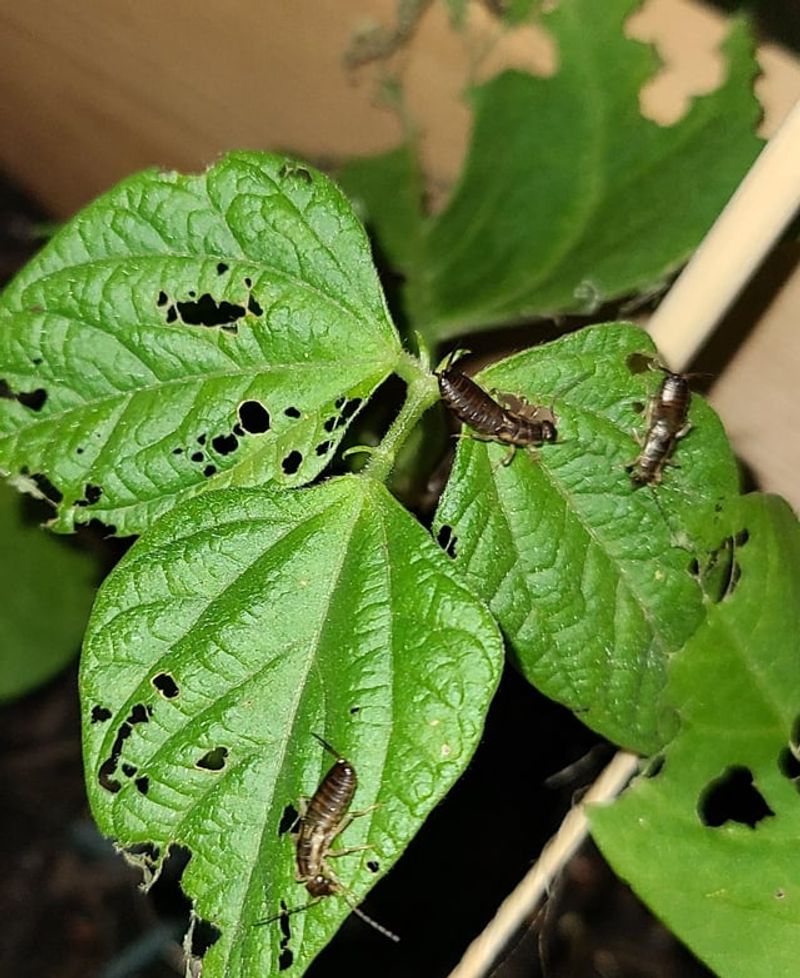
Rain speeds up the breakdown of organic material in the garden. Fallen leaves, old mulch, and plant trimmings start decomposing faster when they get soaked.
For earwigs, this is basically a buffet opening up right in your backyard. They are omnivores, meaning they eat both plant material and other small insects or decaying organic matter.
Wet, rotting leaves are especially appealing to earwigs. The soft texture makes them easy to chew, and the moisture content keeps the insects hydrated while they feed.
Oregon gardens tend to have plenty of this material, particularly in autumn when leaves fall and rain picks up. Compost piles and garden corners where debris collects are hotspots for earwig feeding activity.
Keeping your garden tidy can reduce this food source significantly. Rake up fallen leaves regularly, especially after storms.
Remove old plant material from garden beds and avoid letting debris pile up against fences or walls. Composting is great for your garden, but keep compost bins away from planting areas if earwigs are a problem.
Turning your compost pile frequently also disrupts earwig activity and makes it less attractive as a feeding ground throughout the rainy Oregon season.
4. Cool Damp Conditions Favor Them
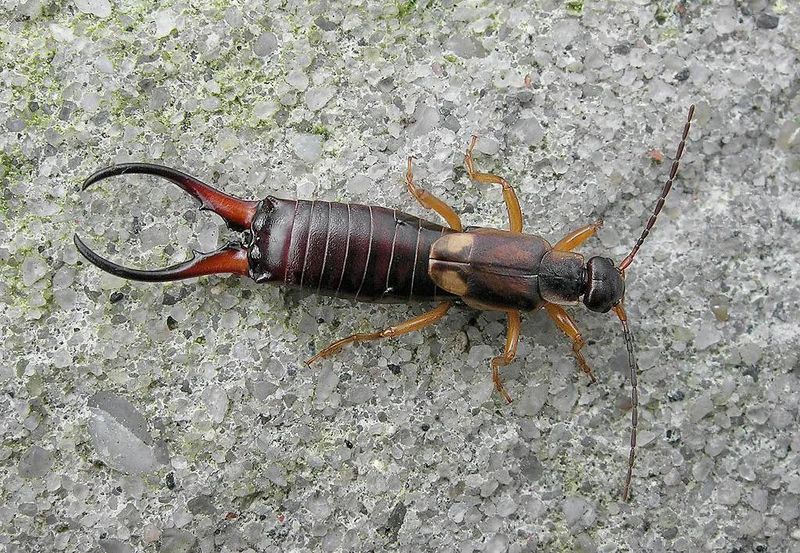
Oregon is famous for its cool, overcast, and rainy climate, especially west of the Cascades. As it turns out, that kind of weather is practically perfect for earwigs.
These insects thrive in temperatures between 65 and 75 degrees Fahrenheit, and they cannot tolerate dry heat very well. After rain cools things down, earwigs become significantly more active.
Unlike many insects that slow down in cold or wet weather, earwigs actually perk up when conditions are cool and damp. Their bodies are built to handle moisture.
They move faster, feed more aggressively, and reproduce more successfully when the air is humid and the temperatures stay mild. Oregon’s spring and fall weather checks every one of those boxes.
Gardeners in cities like Portland, Eugene, and Corvallis often notice earwig activity picking up right after the first fall rains arrive. The combination of cooler temperatures and increased moisture creates an environment where earwig populations can grow quickly.
Managing your garden during these windows is key. Keep an eye on vulnerable plants like lettuce, marigolds, and soft fruits.
Adding row covers or physical barriers can protect tender plants during the weeks when cool, damp conditions are at their peak in Oregon.
5. Night Activity Increases
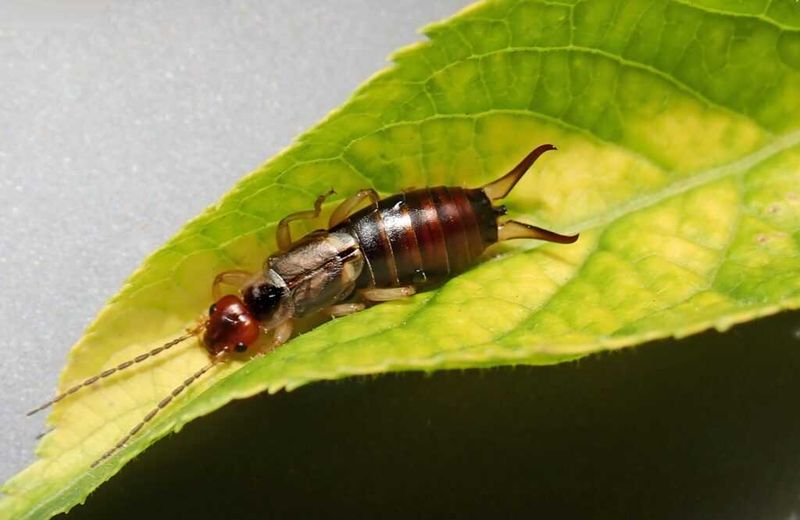
Earwigs are nocturnal insects, which means they do most of their moving and feeding after dark. During the day, they stay hidden in moist, sheltered spots.
Once night falls, they come out to explore, eat, and find new hiding places. After rain, this nighttime activity becomes even more intense because conditions are ideal for them to move around safely.
Wet surfaces make it easier for earwigs to travel. They glide across damp leaves and soil with less friction, covering more ground in a single night.
If you have ever gone out to check your garden after dark following a rainstorm, you may have been surprised by just how many earwigs are crawling around. They can be on plant stems, under leaves, inside flower blossoms, and even on vegetable fruits.
One smart trick Oregon gardeners use is nighttime scouting. Grab a flashlight and walk through your garden about an hour after sunset following a rain event.
You can spot earwigs easily and manually remove them from your plants. Drop them into a bucket of soapy water to keep them from returning.
Doing this a few nights in a row after heavy rain can noticeably reduce the earwig presence in your garden beds without using any harsh products.
6. Mulch And Debris Attract Them
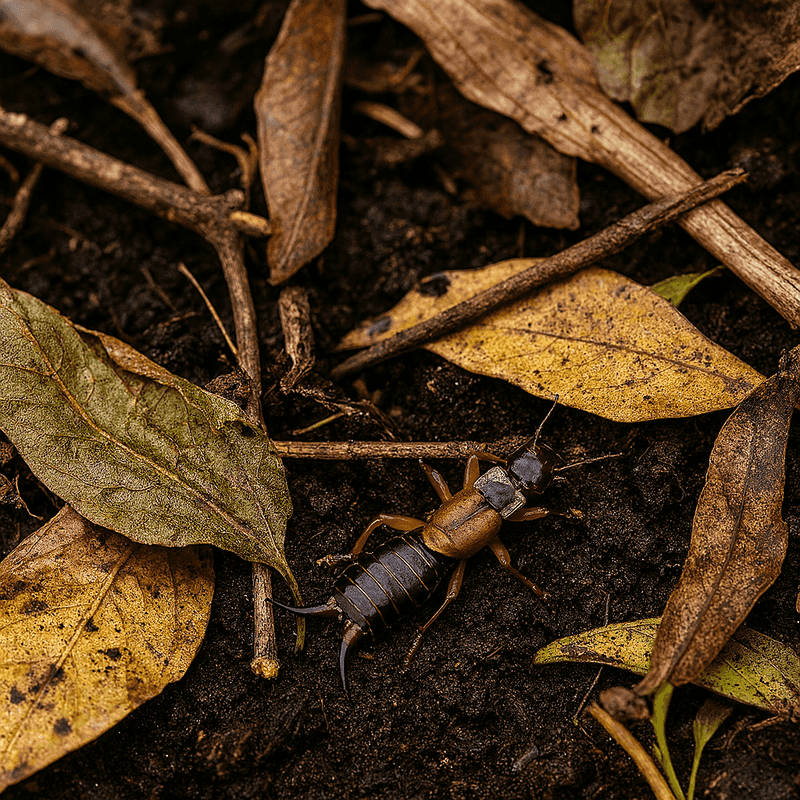
Mulch is one of the best things you can add to a garden. It holds moisture, regulates soil temperature, and blocks weeds.
But there is a tradeoff: mulch is also one of earwigs’ favorite places to hang out. After rain soaks the mulch layer, it becomes dark, cool, and perfectly humid, which is exactly the kind of environment earwigs seek out.
Wood chips, straw, and shredded bark all hold moisture well, and earwigs tunnel right into them. Piles of garden debris like dead stems, old flower heads, and fallen branches create the same effect.
Oregon gardeners who use heavy mulching often notice higher earwig populations, especially during the wet months from October through April.
You do not have to stop mulching entirely, but a few simple changes can help. Keep mulch layers thin, no more than two to three inches deep.
Pull mulch a few inches away from the base of plants so earwigs cannot use it as a launchpad onto stems and leaves. After heavy rain, fluff and turn your mulch to let it dry out faster.
Reducing the amount of debris left in garden beds also removes shelter options that earwigs depend on throughout the rainy Oregon gardening season.
7. They Seek Shelter Near Plants
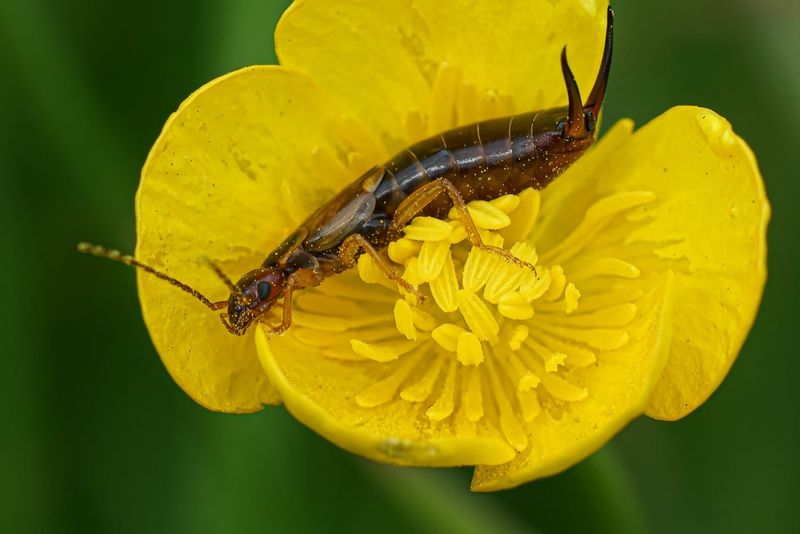
Plants themselves offer earwigs a surprising amount of shelter. Dense foliage, thick stems, and low-growing leaves create a canopy that traps moisture close to the ground.
After rain, this sheltered microclimate near plants stays damp long after the rest of the garden dries out. Earwigs zero in on these spots quickly.
Leafy vegetables like lettuce, spinach, and kale are particularly attractive to earwigs in Oregon gardens. So are flowers like dahlias, marigolds, and zinnias.
Earwigs crawl into the tight spaces between leaves and stems, where they stay hidden during the day and feed at night. You might notice ragged edges on leaves or petals with small, irregular holes, which are telltale signs of earwig feeding.
Spacing plants a bit further apart can help reduce the shelter they provide. Good air circulation between plants helps the soil and foliage dry out faster after rain, making the area less appealing to earwigs.
You can also try placing a thin layer of diatomaceous earth around the base of vulnerable plants. This powdery substance irritates earwigs and discourages them from crossing it.
Reapply it after every rain event in your Oregon garden, since moisture breaks it down and reduces its effectiveness quickly.