These 8 Ohio Yard Habits Are Driving Fireflies Away
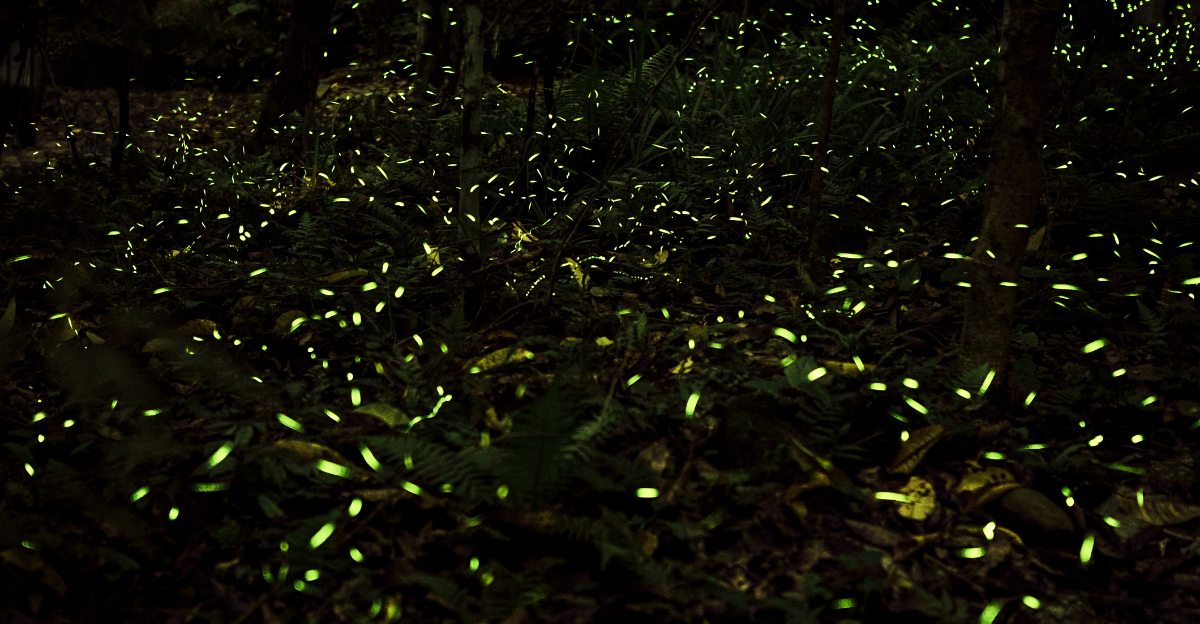
There was a time when summer nights in Ohio came with their own kind of quiet magic. You would step outside after dinner, hear the crickets start up, and watch tiny flashes of light drift across the yard like clockwork.
Lately, though, a lot of people are noticing those glowing moments are harder to find.
It is not just about changing weather or bigger environmental shifts. What happens right in your own yard can make a surprising difference.
From how often the grass gets cut to the way outdoor lights are used, everyday habits add up faster than most homeowners expect. Some of these changes seem harmless, even helpful, until you realize what they are quietly pushing away.
A closer look at those familiar routines reveals where things may be going off track.
1. Using Excessive Outdoor Lighting At Night

Fireflies are nature’s own light show, but they have a serious problem with competition. When Ohio yards are brightly lit at night, these insects struggle to carry out behaviors needed for reproduction and long-term survival.
Fireflies communicate by flashing their bioluminescent signals to attract mates, and bright artificial lights drown out those signals completely, making it nearly impossible for them to find each other.
Think of it like trying to whisper in the middle of a rock concert. The message gets lost.
Research has shown that even moderate levels of outdoor lighting can reduce firefly activity significantly. Porch floodlights, motion-sensor lights, decorative string lights, and landscape spotlights all contribute to what scientists call light pollution, and fireflies are among the insects most sensitive to it.
In Ohio neighborhoods where outdoor lighting has increased over the past few decades, residents have reported dramatic drops in firefly numbers. The fix does not have to be drastic.
Switching to motion-activated lights that only turn on when needed, using warm-toned bulbs instead of cool blue-white LEDs, and simply turning off unnecessary lights after 10 p.m. can help restore the natural darkness fireflies need. Even pointing lights downward instead of outward reduces sky glow.
Small lighting adjustments in your Ohio yard can genuinely bring those summer flickers back to your evenings.
2. Spraying Chemical Pesticides And Insecticides

Most people grab a can of bug spray without thinking twice about which bugs they are actually targeting. The problem is that chemical pesticides and insecticides are not selective.
When you spray your Ohio yard to get rid of mosquitoes or ants, you are also exposing firefly larvae and adults to toxic chemicals that can significantly reduce local populations over a single season.
Firefly larvae spend up to two full years living in the soil and leaf litter before they ever light up the night sky. During that time, they are especially vulnerable to pesticide exposure.
Common chemicals like pyrethroids, organophosphates, and even many general-purpose yard sprays can harm or eliminate these larvae before they ever get a chance to emerge. Broad-spectrum insecticides applied to lawns also reduce the populations of snails, slugs, and other small invertebrates that firefly larvae feed on, cutting off their food supply entirely.
Your Ohio Garden Changes Every Week. Your Plan Should Too.
Gardening in Ohio changes quickly throughout the season. Every Friday you’ll receive a simple weekly plan showing exactly what to plant, prune, fertilize, harvest, and protect so you never miss the right timing.
Ohio gardeners who want to protect fireflies should consider switching to targeted pest control methods. Introducing beneficial insects, using neem oil sparingly for specific problems, or simply tolerating minor pest activity can go a long way.
If mosquito control is a priority, look into biological options like Bti dunks for standing water rather than blanket spraying your entire yard. Protecting fireflies means being more thoughtful about what goes into Ohio soil and air, and the reward is those beautiful glowing displays returning to your backyard summer nights.
3. Removing Leaf Litter And Natural Ground Cover

Every fall, millions of Ohio homeowners rake their yards clean and haul every last leaf to the curb. It looks tidy and neat, but for fireflies, that cleanup is devastating.
Leaf litter is not just dead debris. It is a critical habitat where firefly larvae hatch, develop, and spend their early lives feeding on small soil creatures in the warm, moist darkness beneath the leaves.
Firefly larvae rely on moist environments with decomposing organic matter to support their development. The soft, damp environment created by layers of leaves and natural ground cover gives them shelter from temperature extremes and a steady supply of food.
When Ohio yards are stripped bare every autumn, that habitat disappears entirely. Without it, firefly populations have nowhere to develop, and fewer adults emerge the following summer.
You do not have to let your whole yard go wild to help. Designating a back corner of your Ohio property as a natural leaf zone costs nothing and takes almost no effort.
Leaving leaves under trees, along fence lines, or in garden beds creates pockets of habitat that fireflies and many other beneficial insects can use through the winter and into spring. Shredding leaves with a mower and leaving them on the lawn as mulch is another easy option that feeds the soil while providing some ground-level cover.
Nature has a system, and sometimes the most helpful thing Ohio homeowners can do is simply step back and let it work.
4. Over-Mowing Lawns And Eliminating Tall Grass

There is something deeply satisfying about a freshly mowed lawn, but fireflies would strongly disagree. Adult fireflies spend their daytime hours resting in tall grasses, weeds, and low-growing vegetation.
When Ohio lawns are mowed short every few days, that resting habitat vanishes, and fireflies have no safe place to wait out the daylight hours before their nighttime displays begin.
Mowing also disrupts the mating process itself. Firefly males fly low over vegetation and flash their lights to signal females, who perch in the grass below and flash back.
When grass is cut too short or too frequently, females have nowhere to perch, and the whole communication system breaks down. Some studies suggest that lawns mowed more than once a week can reduce firefly activity by more than half compared to yards with taller, less-manicured vegetation patches.
Ohio homeowners who want to help do not need to stop mowing entirely. Creating unmowed zones along fence lines, at the edges of the yard, or beneath trees gives fireflies the habitat they need without sacrificing the whole lawn aesthetic.
Letting grass in certain areas grow to four or five inches before mowing, and mowing less frequently overall, can dramatically improve conditions for fireflies. Native wildflower patches mixed into the yard are even better, providing both resting spots and nectar sources.
A slightly wilder Ohio yard is a much more welcoming place for these beloved summer insects.
5. Draining Or Drying Out Moist Areas In The Yard
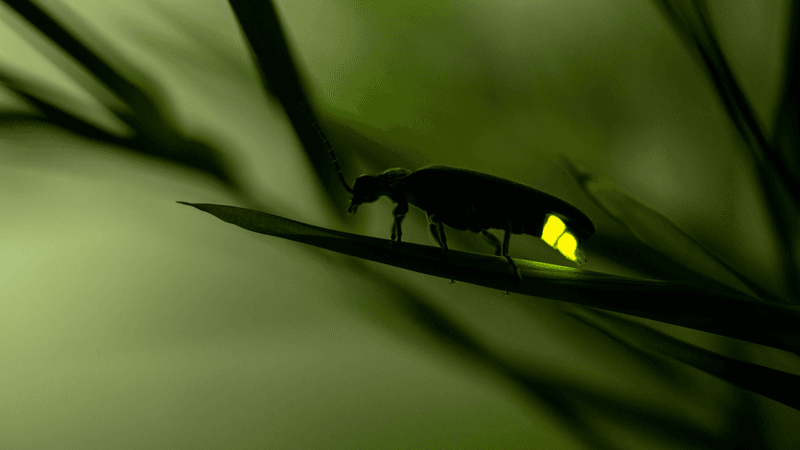
Fireflies and moisture go together like Ohio summers and humidity. These insects are deeply tied to wet environments throughout their entire life cycle.
Females lay their eggs in moist soil, larvae develop in damp leaf litter near water, and adult fireflies are most commonly found near ponds, streams, marshes, and other wet areas. Yards that drain quickly or that have been modified to eliminate moisture are much less suitable for fireflies.
Many Ohio homeowners install French drains, grade their yards for better runoff, or fill in low-lying areas to prevent standing water. While these changes make practical sense for avoiding muddy patches, they also remove the moist microhabitats that fireflies depend on.
Even small wet depressions or areas that stay damp after rain can support significant firefly populations if left alone.
Adding a small water feature to your Ohio yard is one of the most effective things you can do to attract fireflies back. A simple garden pond, a shallow birdbath kept consistently filled, or even a rain garden planted with native moisture-loving plants can create the kind of environment fireflies love.
Allowing a low corner of the yard to stay naturally wet rather than draining it away gives larvae and adults the conditions they need to thrive. Fireflies are not asking for a swamp.
They just need enough moisture to complete their life cycle, and even modest efforts to retain water in an Ohio yard can produce noticeable results within a season or two.
6. Replacing Natural Habitat With Concrete Or Hardscaping

Patios, driveways, decorative stone pathways, and concrete retaining walls have become incredibly popular in Ohio backyards over the past decade. They look polished, require minimal upkeep, and create useful outdoor living spaces.
But from a firefly’s perspective, all that hardscaping is just a wasteland with nothing to offer. Every square foot of concrete or pavers is a square foot of lost habitat.
Fireflies need soil to lay eggs, vegetation to rest in, and organic material to feed on during their larval stage. Hardscaped yards eliminate all of those things at once.
When a natural lawn or garden bed gets replaced with stone or concrete, the insects that once lived there have nowhere to go. Over time, neighborhoods that shift toward heavy hardscaping often see their local firefly populations decline and become less noticeable.
Ohio homeowners can strike a balance by leaving meaningful pockets of natural ground within their outdoor spaces. Planting native ground covers between pavers, keeping garden beds rich with organic mulch, and maintaining at least some unpaved lawn area gives fireflies and other beneficial insects the foothold they need.
Container gardens filled with native plants placed near the edges of patios can also help bridge the gap between hardscaped areas and natural habitat. Fireflies do not need an untouched forest, but they do need somewhere to live.
Thoughtful yard design that honors Ohio’s natural environment alongside human comfort is the key to keeping lightning bugs in the picture.
7. Using Chemical Fertilizers That Harm Soil Life

A lush, perfectly green Ohio lawn might seem like a great environment for wildlife, but the chemicals used to achieve that look can quietly make the soil beneath it hostile to fireflies. Synthetic fertilizers are designed to push rapid grass growth, and in some cases they can alter soil conditions in ways that disrupt microscopic life underground.
Earthworms, fungi, and beneficial bacteria that create healthy soil structure get disrupted, and that disruption ripples up the food chain directly to firefly larvae.
Firefly larvae feed on small invertebrates in the soil and leaf litter. When chemical fertilizers change soil pH, reduce organic matter, or create an environment where natural prey becomes scarce, larvae struggle to find enough food to complete their development.
High-nitrogen synthetic fertilizers can also promote such aggressive grass growth that the lawn becomes too dense and too managed to support the natural messiness fireflies need.
Switching to organic or slow-release natural fertilizers is a straightforward change that can improve soil health dramatically over one to two growing seasons. Compost is one of the best things Ohio homeowners can add to their yards.
It feeds the soil ecosystem, improves moisture retention, and creates the kind of rich, biologically active ground that firefly larvae love. Topdressing your Ohio lawn with finished compost each fall instead of reaching for a bag of synthetic fertilizer is a small shift with lasting benefits for fireflies and the whole backyard ecosystem.
8. Disrupting Natural Night Conditions With Constant Activity And Light
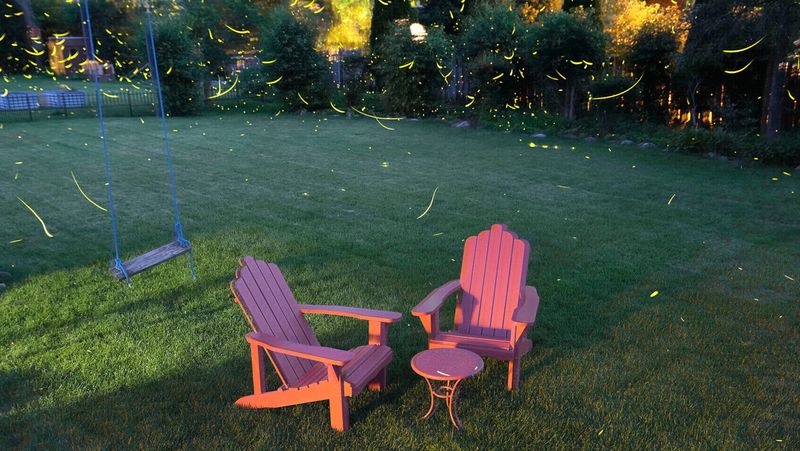
Summer evenings in Ohio are made for backyard gatherings, and nobody wants to give those up. But frequent late-night activity in the yard, especially activity paired with bright lights, music, and constant movement, creates conditions that make fireflies want to stay far away.
Fireflies are creatures of habit and quiet. They emerge after dusk, follow very specific light-based mating rituals, and are easily disturbed by the kind of noise and chaos that comes with regular outdoor entertaining.
The combination of artificial light and physical disturbance is particularly harmful. Fireflies that are startled by movement or disoriented by sudden bright lights may abandon a yard entirely and seek calmer territory nearby.
Over a full summer of frequent disruption, a backyard that once hosted many fireflies can see a noticeable decline in activity. Ohio suburban areas where nighttime activity has increased, from more outdoor lighting to more frequent gatherings, have seen corresponding drops in local firefly sightings.
The solution is not to stop enjoying your Ohio backyard at night. It is about being more intentional.
Designating certain nights or certain corners of the yard as low-light, low-activity zones gives fireflies the undisturbed space they need to do their thing. Using candles or very dim, warm-toned lights for outdoor gatherings instead of floodlights preserves some of the natural darkness.
Even sitting quietly and watching for fireflies instead of running around can help. Sometimes the best way to enjoy these glowing summer visitors is simply to give them a little peace and let them put on their show.