What Late April Frost Really Does To Redbud Trees In Pennsylvania
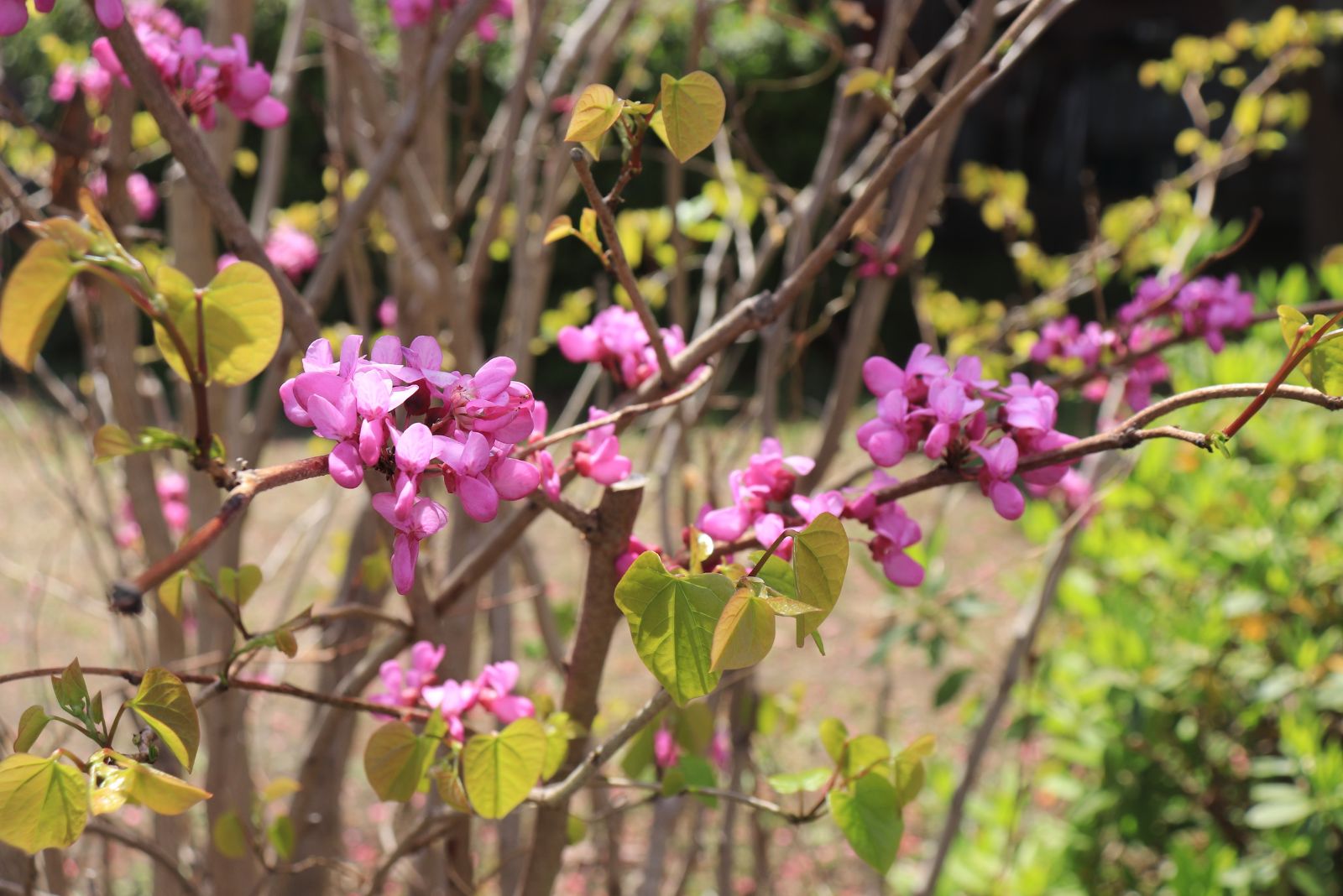
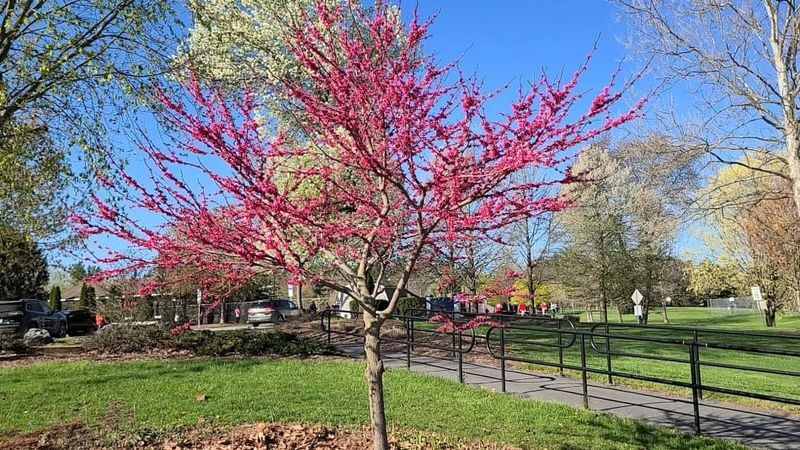
A redbud tree in full bloom is one of the prettiest signs that spring has finally settled into Pennsylvania. Then a late April frost shows up, and suddenly those soft pink-purple flowers do not look quite so confident.
It is the kind of weather twist that can leave gardeners staring at the tree, wondering if the whole season just got ruined overnight. Redbuds may bloom beautifully, but they also open early, which means they can be vulnerable when spring temperatures start playing games.
That is what makes a late frost so frustrating. The damage is not always dramatic at first, but it can affect flowers, fresh leaves, and the overall look of the tree right when it should be at its best.
Even so, a frosty setback does not always mean lasting harm. In many cases, the tree itself is tougher than it looks.
For Pennsylvania gardeners, understanding what a late April frost actually does to redbuds can take some of the panic out of the moment and make it easier to know what, if anything, needs to be done next.
1. Damages Or Destroys Early Blooms
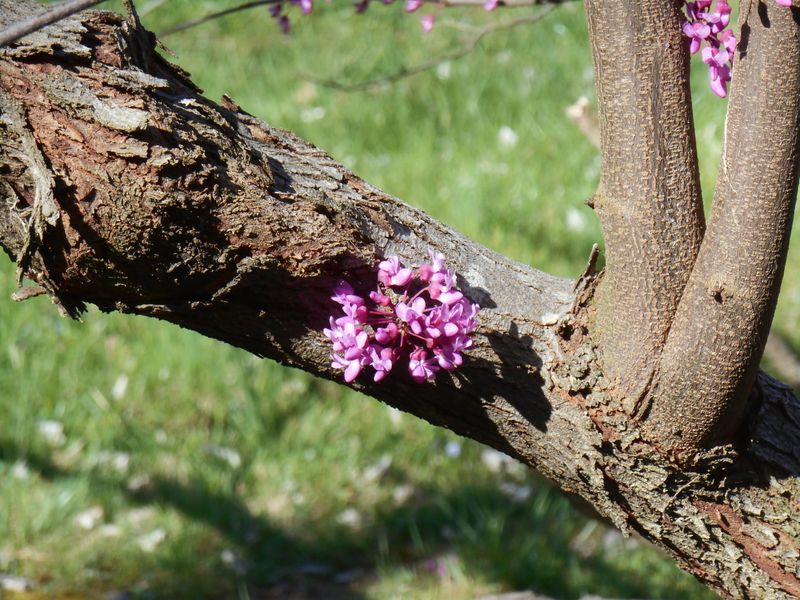
Picture walking outside on a crisp late April morning in Pennsylvania and finding your redbud tree covered in brown, drooping flowers instead of the vibrant pink blossoms you expected. That overnight frost did not spare those delicate blooms.
Eastern redbuds flower early in the season, often from late March through early May, and their blossoms are among the first real signs of spring in the state. The problem is timing. Redbud flowers are incredibly fragile when they are fully open.
Freezing temperatures cause the water inside the flower cells to expand, which breaks down the cell walls. Once that happens, the flowers wilt, turn brown, and fall off the tree much sooner than they should.
In Pennsylvania, late April frosts are not rare. The state can see cold snaps well into the final weeks of April, especially in higher elevation areas or in open rural spots where cold air settles overnight.
This makes redbuds particularly vulnerable because they are already in full bloom by then. Frost damage to flowers also affects seed production. Fewer healthy flowers mean fewer seeds, which impacts the tree’s ability to spread naturally in your yard or garden.
For homeowners who enjoy watching seedlings pop up nearby, a hard frost season can mean a quieter year for natural regeneration.
You can protect younger redbud trees by draping breathable frost cloth over the branches before a cold night. Make sure the cloth does not trap moisture against the bark.
Established trees in Pennsylvania usually bounce back on their own, but protecting blooms during a predicted frost can help preserve the spring display you look forward to all year.
2. Reduces That Year’s Visual Impact
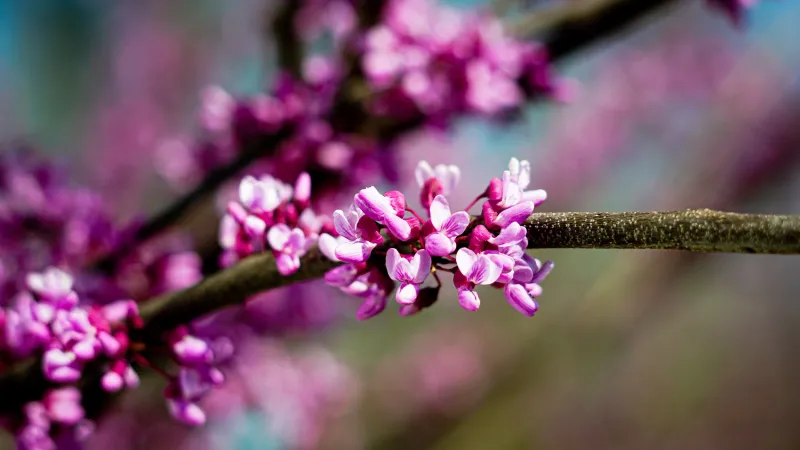
One of the biggest reasons people plant redbud trees in Pennsylvania is the show they put on each spring. That burst of magenta-pink color is truly hard to beat.
Your Pennsylvania Garden Changes Every Week. Your Plan Should Too.
Gardening in Pennsylvania changes quickly throughout the season. Every Friday you’ll receive a simple weekly plan showing exactly what to plant, prune, fertilize, harvest, and protect so you never miss the right timing.
So when a late April frost sweeps through and damages the blooms, the visual payoff for the whole year takes a serious hit. You might end up with a tree that looks more bare than beautiful during what should be its finest weeks.
Frost-damaged flowers do not recover. Once they turn brown and drop, they are gone for the season.
Redbuds only bloom once a year, so there is no second chance at that color display until the following spring. For homeowners in Pennsylvania who planted their redbud specifically for curb appeal or garden beauty, this can be genuinely disappointing.
The good news is that the loss is only temporary. Your redbud tree is not permanently changed by a rough frost season.
Next year, if spring temperatures cooperate, you will get the full bloom you missed. Many Pennsylvania gardeners find it helpful to keep a journal of bloom dates and frost events so they can better predict what to expect each year.
You can also reduce the visual disappointment by planting your redbud in a spot that offers some natural frost protection, like near a south-facing wall or under a taller canopy tree.
These spots tend to stay slightly warmer on cold nights, which can make a real difference when temperatures hover right around freezing.
Pairing your redbud with other spring bloomers that flower a bit later, like dogwoods or lilacs, can also help fill in the visual gap left by a frost-damaged redbud season.
3. Injures Tender New Leaves
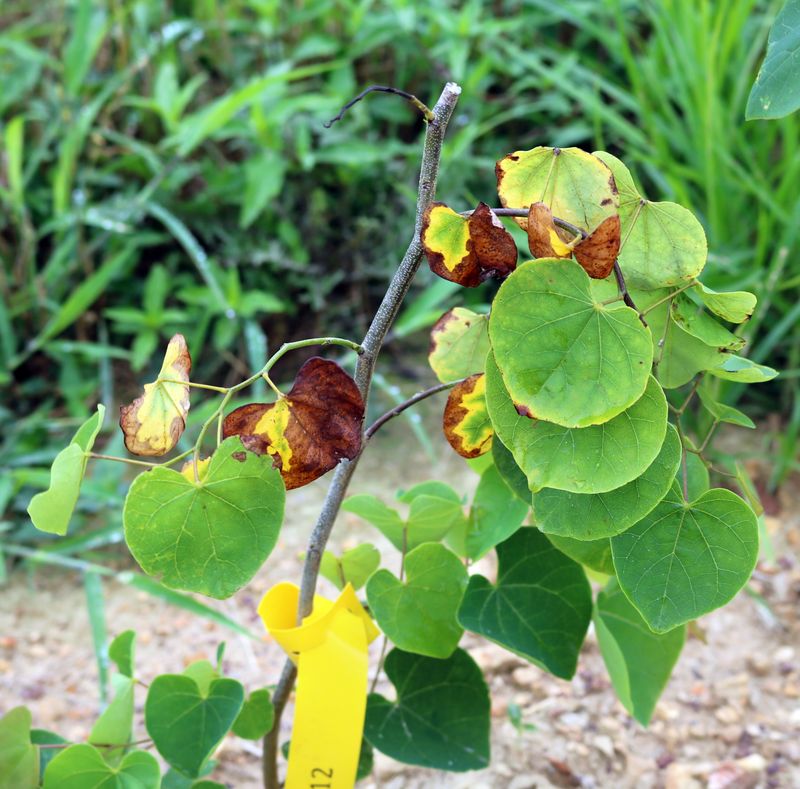
Most people focus on the flowers when they think about frost damage on redbud trees, but the leaves are just as vulnerable.
Right after blooming, Eastern redbuds push out their signature heart-shaped leaves, and these young leaves are incredibly soft and sensitive to cold. A late April frost in Pennsylvania can catch them at the worst possible moment.
When frost hits newly emerging leaves, the damage shows up fast. You might notice the edges turning black or brown within a day or two of a cold night.
Some leaves curl inward, almost like they are trying to protect themselves. Others come out looking twisted or misshapen, which can be alarming if you have never seen it before.
Here is something reassuring though: leaf damage from frost looks much worse than it actually is. The tree is not in serious trouble just because the new leaves look rough.
Redbuds are resilient, and in most cases, the tree will push out a second flush of leaves after the damaged ones fall or dry up. This recovery process takes a few weeks, so patience is key.
Young redbud trees planted recently in Pennsylvania yards are more at risk than older, established ones. Younger trees have not yet built up the root strength and stored energy that helps bigger trees recover quickly.
If you have a newly planted redbud, consider using a frost cloth on cold nights in late April to give those fragile new leaves a fighting chance.
Watering your redbud well before a predicted frost can also help. Hydrated plant tissue handles cold stress better than dry tissue, so a deep watering the day before a cold night is a smart, simple move.
4. Causes Temporary Growth Setback
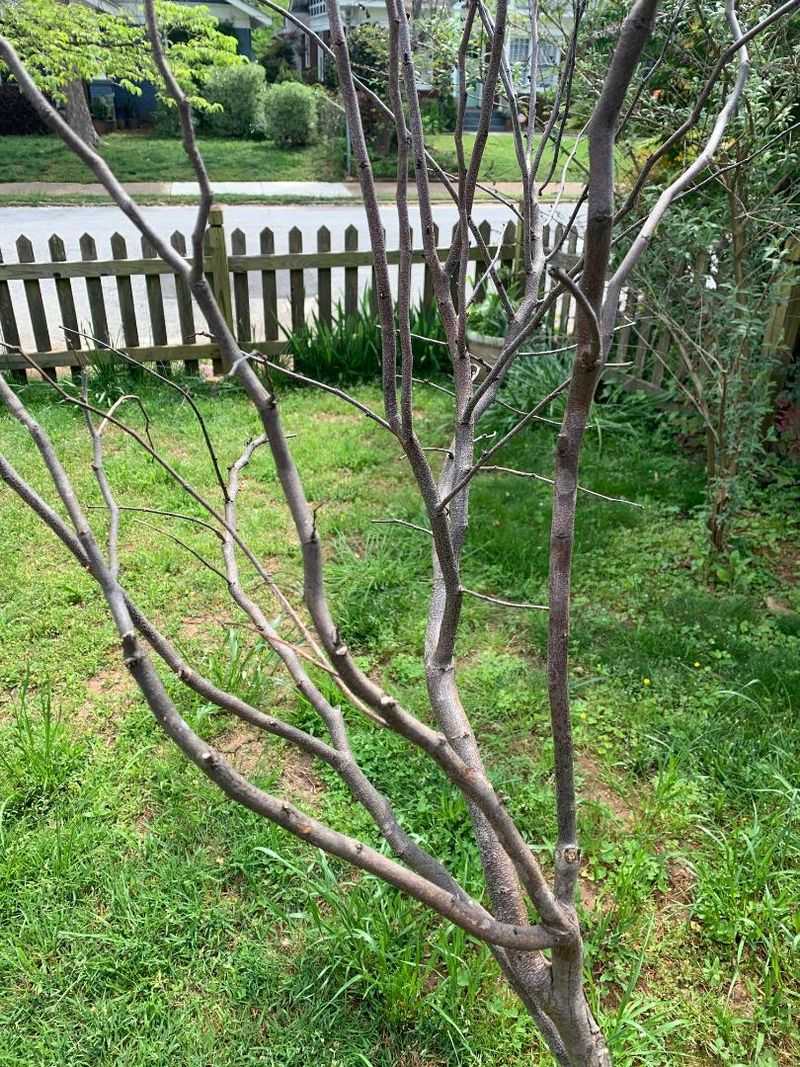
After a late April frost rolls through Pennsylvania, you might look at your redbud tree and wonder why it seems stuck in slow motion. Other trees in the yard are leafing out and growing fast, but your redbud looks like it is lagging behind.
That slowdown is real, and it has a straightforward explanation rooted in how trees use energy.
When frost damages early leaves and flowers, the tree has to spend extra energy regrowing what it lost. Think of it like a setback at the starting line of a race.
The tree was already putting its stored energy into new growth, and now it has to start part of that process over again. This pulls resources away from other early-season growth, which slows things down noticeably.
The good news is that this setback is almost always temporary. Healthy, well-established redbud trees in Pennsylvania typically catch up within a few weeks once warmer weather settles in.
The tree knows what it is doing, and given enough time and the right conditions, it will get back on track without any help from you.
You can support a faster recovery by making sure your redbud is not dealing with other stressors at the same time. Avoid heavy pruning right after a frost event.
Hold off on fertilizing until you can clearly see new, healthy growth emerging. And keep the soil around the base of the tree moist but not waterlogged during the recovery period.
Pennsylvania gardeners sometimes mistake this temporary growth slowdown for a more serious problem and panic too early. Give your redbud a few weeks before drawing any conclusions about its health after a frost.
5. Leads To Patchy Or Uneven Canopy
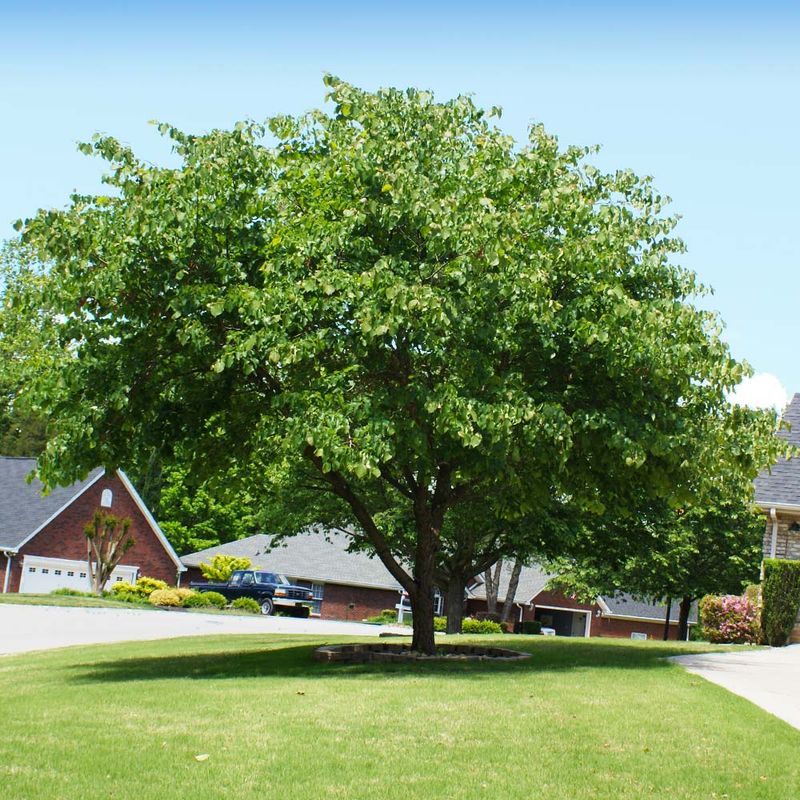
Walk around a redbud tree after a late April frost in Pennsylvania and you might notice something strange. One side of the tree looks full and green, while the other side still has bare branches or brown, shriveled leaves.
That uneven look is called a patchy canopy, and it is a pretty common result of uneven frost exposure across the tree.
Not every branch on a redbud tree experiences the same temperature during a cold night. Branches on the north side of the tree, or those more exposed to open sky, tend to get colder than branches sheltered by a fence, a building, or other trees.
When the frost hits harder in some spots than others, the damage follows the same pattern. The more exposed parts suffer more, while the sheltered parts come through just fine.
This uneven leafing out can look a bit odd for a few weeks, but it is not a sign that your tree is in serious trouble. The slower sections are simply taking more time to push out new growth after losing their first round of leaves or buds to the cold.
Most redbuds in Pennsylvania will even out their canopy by late May or early June as temperatures warm up and growth picks up speed.
If the patchiness bothers you visually, there is not much you need to do except wait. Avoid the temptation to prune off the bare or damaged branches too soon.
Give them time to respond. New buds often appear on branches that looked completely bare just a few weeks earlier, surprising even experienced Pennsylvania gardeners who thought those sections were done for the season.
6. Rarely Causes Long-Term Harm To Established Trees
Here is the part of the story that every Pennsylvania redbud owner will be relieved to hear. Despite everything a late April frost can throw at your tree, mature and established Eastern redbuds are remarkably tough.
They have deep root systems, stored energy reserves, and years of experience handling whatever Pennsylvania weather sends their way.
Frost damage to flowers and young leaves is frustrating to look at, but it almost never causes permanent harm to a healthy, established redbud. The tree is not weakened at its core by one rough spring.
It simply redirects its energy, regrows what it lost, and continues on. By midsummer, most frost-affected redbuds in Pennsylvania look completely normal and show no signs of what happened in April.
Trees that are more vulnerable to lasting damage are usually young transplants, recently planted specimens, or trees that were already dealing with other stressors like drought, poor soil, or root damage.
If your redbud falls into one of those categories, it makes sense to give it a little extra attention after a frost event.
Mulching around the base, keeping the soil evenly moist, and avoiding unnecessary pruning all help a younger tree recover more smoothly.
Pennsylvania gardeners who have grown redbuds for many years often say that their trees have bounced back beautifully after multiple frost seasons without any special treatment at all. That resilience is one of the best things about this native tree species.
So while a late April frost is never welcome news, there is no need to panic over your redbud. Give it time, keep it healthy through the season, and it will reward you with a stunning bloom display again next spring.