Flowers For Oregon Gardens That Bloom All Spring And Summer
Spring in Oregon has a way of pulling you outside before you even realize it. One week the yard looks quiet, and the next, everything starts waking up at once.
Still, keeping that color going past early blooms can feel like a challenge, especially with shifting weather and long stretches of gray skies.
Many gardeners plant for spring, then watch things fade sooner than expected.
The good news is some flowers are built for Oregon’s rhythm, handling cool starts, mild summers, and everything in between. They do not rush through their show. They keep going.
When you choose the right mix, your garden can stay lively for months instead of weeks, and a few standout options make that difference easy to spot right away.
1. Petunia Delivers Nonstop Color In Sunny Beds
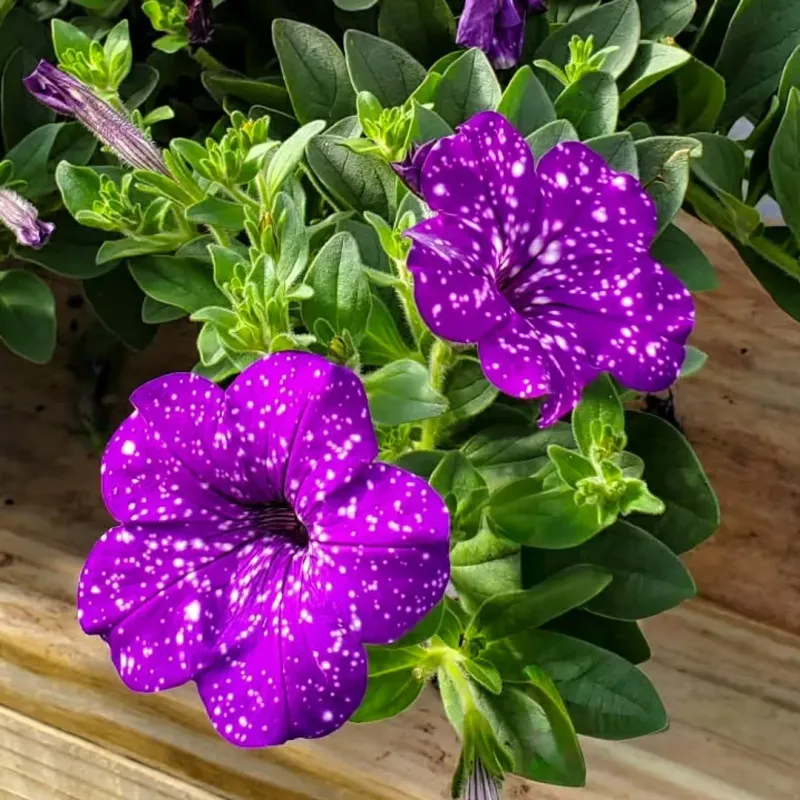
Few flowers put on a show quite like petunias. Walk through any Oregon neighborhood in summer, and you will spot these cheerful, trumpet-shaped blooms spilling out of window boxes, hanging baskets, and garden beds in every color imaginable.
From soft lavender to electric magenta to crisp white, petunias bring big personality to small spaces and large landscapes alike.
Petunias are warm-season annuals, which means they thrive during Oregon’s spring and summer growing season. They love full sun, so pick a spot that gets at least six hours of direct sunlight each day.
In coastal Oregon, where fog can roll in and cool things down, petunias still perform well as long as they get enough light. Plant them after the last frost, usually sometime in April depending on your location.
Watering is key with petunias. They like consistent moisture but do not do well sitting in soggy soil.
Water at the base of the plant rather than overhead to keep the foliage dry and reduce the chance of fungal issues. A layer of mulch around the roots helps hold in moisture during Oregon’s dry summer months.
One of the best things about petunias is how easy they are to keep blooming. Deadheading, which means removing spent flowers, encourages the plant to push out new buds rather than putting energy into making seeds.
If your petunias start looking leggy and tired by midsummer, give them a light trim and a dose of balanced fertilizer, and they will bounce back beautifully.
Petunias also come in spreading varieties called Wave petunias, which can cover a large area quickly and make excellent ground covers. For Oregon gardeners who want maximum color with minimal effort, Wave petunias are a fantastic pick.
Whether you grow them in containers on a Portland patio or in a sunny border in Eugene, petunias deliver season-long color that never disappoints.
2. Calibrachoa Spills Over Containers With Endless Blooms
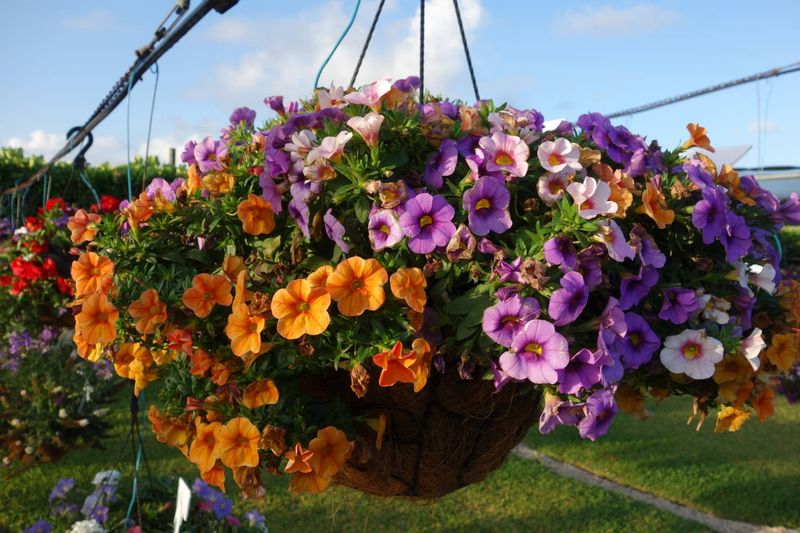
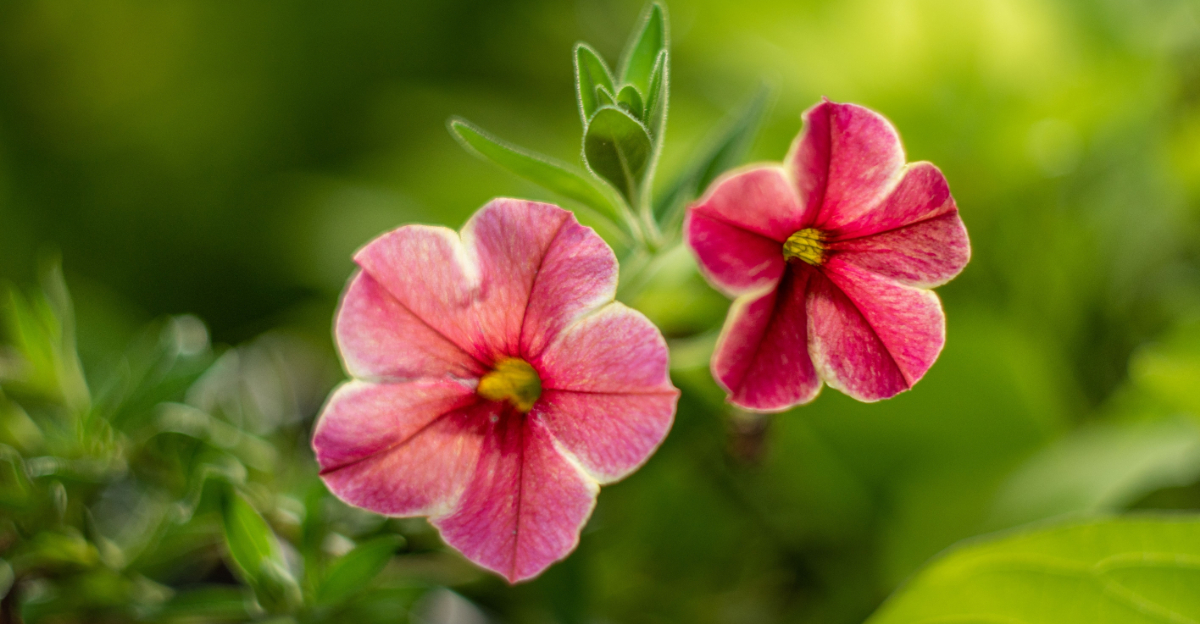
Sometimes called Million Bells, this cheerful little annual produces hundreds of tiny, bell-shaped flowers that bloom continuously from spring right through the end of summer without much fuss at all. Oregon gardeners have fallen in love with calibrachoa because it thrives in containers and hanging baskets, making it perfect for patios, decks, and porches across the state.
Your Oregon Garden Changes Every Week. Your Plan Should Too.
Gardening in Oregon changes quickly throughout the season. Every Friday you’ll receive a simple weekly plan showing exactly what to plant, prune, fertilize, harvest, and protect so you never miss the right timing.
One of the most impressive things about calibrachoa is that it does not need deadheading. Unlike some flowers that slow down or stop blooming if you do not remove old flowers, calibrachoa just keeps going on its own.
The spent blooms drop off naturally and new ones take their place almost immediately. For busy gardeners in cities like Salem or Bend, that kind of low-maintenance performance is a real bonus.
Calibrachoa loves full sun and warm temperatures. Plant it in well-draining potting mix if you are growing it in containers, which is where it truly shines.
Make sure your containers have drainage holes because calibrachoa will struggle in waterlogged soil. During Oregon’s dry summer months, containers can dry out quickly, so check the moisture level daily and water as needed.
Fertilizing calibrachoa regularly makes a big difference in how well it blooms. Use a liquid fertilizer formulated for flowering plants every one to two weeks throughout the growing season.
Because calibrachoa grows in a relatively small amount of soil when planted in containers, nutrients get used up faster than in garden beds, so consistent feeding keeps the blooms coming strong.
Calibrachoa comes in an enormous range of colors, including yellow, coral, red, purple, pink, and bicolor combinations. Mixing several varieties in a single container creates a stunning, eye-catching display.
For Oregon gardeners who want a flower that performs reliably from planting time through the growing season and often until fall frost, calibrachoa is an outstanding choice.
3. Impatiens Brighten Shade With Reliable Color
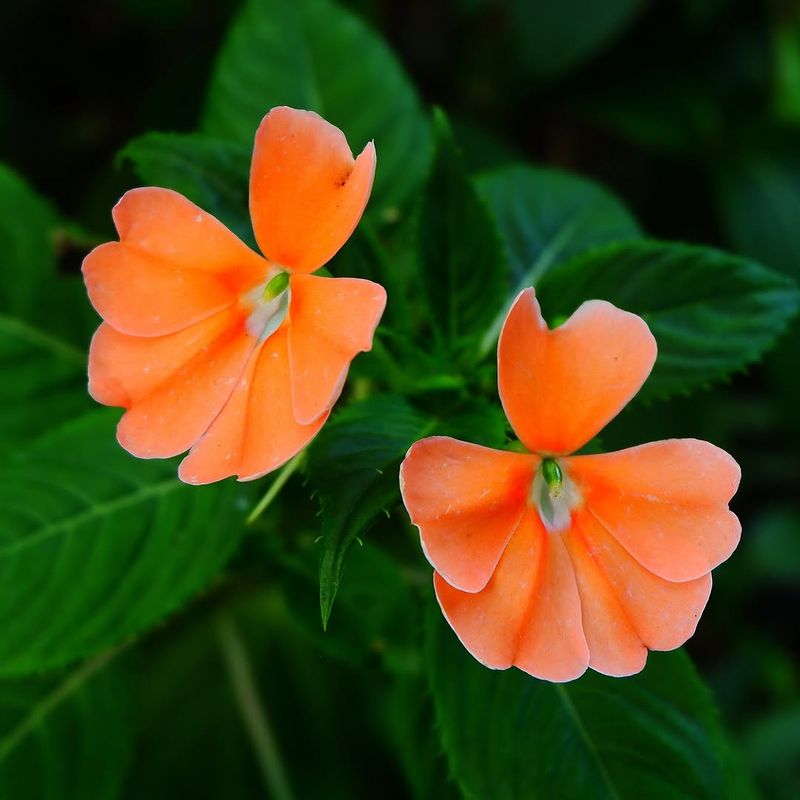
Shade gardens in Oregon can be tricky to fill with color, but impatiens have been solving that problem for generations of gardeners. These classic annuals are practically legendary for their ability to pump out cheerful, rounded blooms in deep shade where most other flowering plants simply refuse to cooperate.
From the fern-draped gardens of the Oregon Coast to the tree-shaded backyards of Portland’s older neighborhoods, impatiens bring reliable, season-long color to the spots that need it most.
Impatiens prefer partial to full shade and moist, rich soil. They are not fans of hot, dry conditions, which actually works in their favor in cooler, cloudier parts of Oregon where summers stay mild.
In warmer inland areas like the Rogue Valley, plant impatiens in spots that get morning sun and afternoon shade to keep them comfortable and blooming through the hottest months.
Consistent watering is essential for impatiens. They will let you know when they are thirsty by wilting noticeably, though they usually bounce back quickly once watered.
To keep the soil evenly moist, apply a two- to three-inch layer of mulch around the base of the plants. This also helps keep the roots cool, which impatiens appreciate during warm Oregon summers.
Impatiens are heavy feeders that respond well to regular fertilization. Apply a balanced, slow-release fertilizer at planting time and follow up with a liquid fertilizer every two weeks during the growing season.
Well-fed impatiens grow fuller, produce more flowers, and stay healthier all season long.
One fun fact about impatiens: their name actually comes from the Latin word for impatient, referring to the way their seed pods burst open and scatter seeds at the slightest touch. Available in dozens of colors including red, coral, pink, white, lavender, and bicolor forms, impatiens are one of the most versatile and beloved annuals for Oregon’s shadier garden spots.
They are a true workhorse of the summer garden.
4. New Guinea Impatiens Stand Up To Heat With Bold Flowers
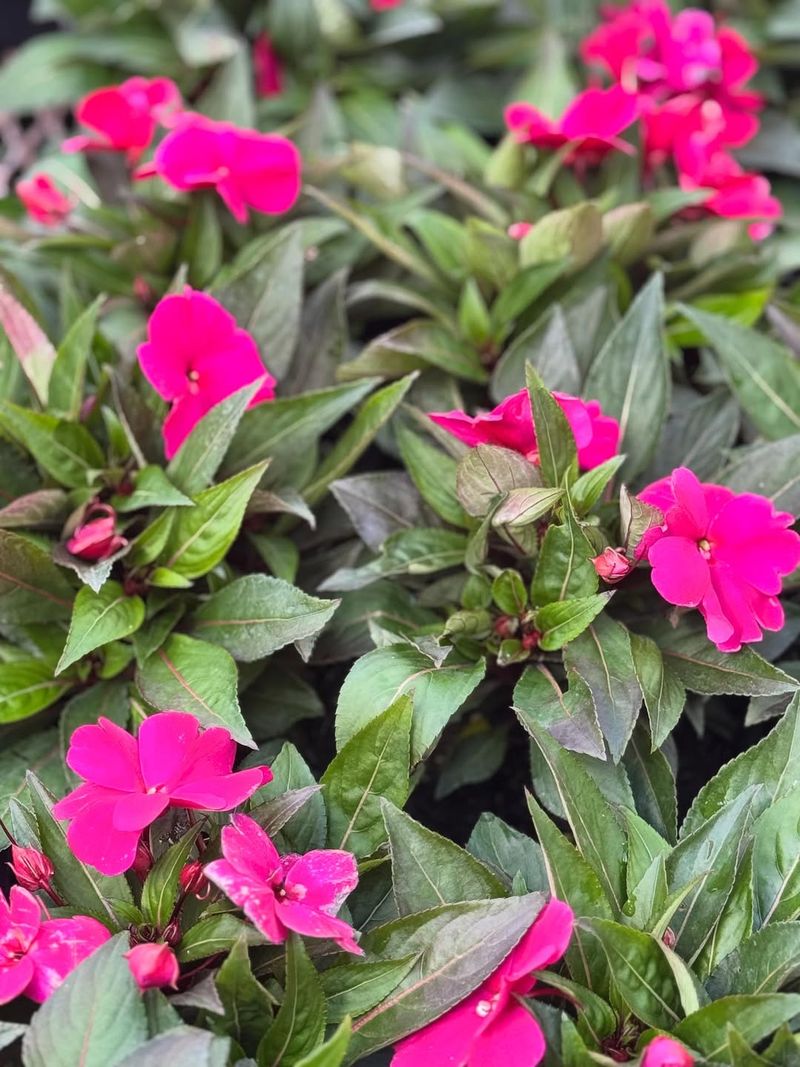
If regular impatiens are the quiet, reliable workhorses of the shade garden, New Guinea impatiens are their bold, sun-loving cousins who love being the center of attention. Developed from wild plants collected in Papua New Guinea in the 1970s, these showstopping annuals feature large, vivid flowers and glossy, attractive foliage that looks great even when the plants are not in bloom.
Oregon gardeners who want drama and color in sunnier spots will find New Guinea impatiens to be an exciting addition to the garden.
Unlike standard impatiens, New Guinea impatiens can handle more sun. They perform best in partial sun, getting around four to six hours of direct light per day.
In western Oregon, where summer days are warm but rarely scorching, they can even tolerate more sun than that. In hotter parts of the state like Medford or Klamath Falls, afternoon shade is recommended to keep the plants from getting stressed during peak heat.
New Guinea impatiens thrive in moist, well-draining soil enriched with compost. Whether you are planting them in garden beds or containers, good drainage is a must.
They are heavier drinkers than many annuals, so keep a close eye on soil moisture during dry stretches. Containers should be watered daily during warm Oregon summer weather to keep the plants at their vibrant best.
Feeding New Guinea impatiens every two weeks with a balanced liquid fertilizer can help keep them blooming steadily from late spring through the end of summer. These plants are genuinely hungry growers and will reward consistent fertilizing with an abundance of large, brilliant flowers that can measure up to two inches across.
Colors range from hot coral and fiery orange to soft lilac and deep red, often with eye-catching variegated leaves that add extra visual interest. For Oregon gardeners who want a flower that combines stunning blooms with attractive foliage in a sun-tolerant package, New Guinea impatiens deliver in a big way all season long.
5. Ageratum Adds Soft, Fluffy Blue Blooms All Season
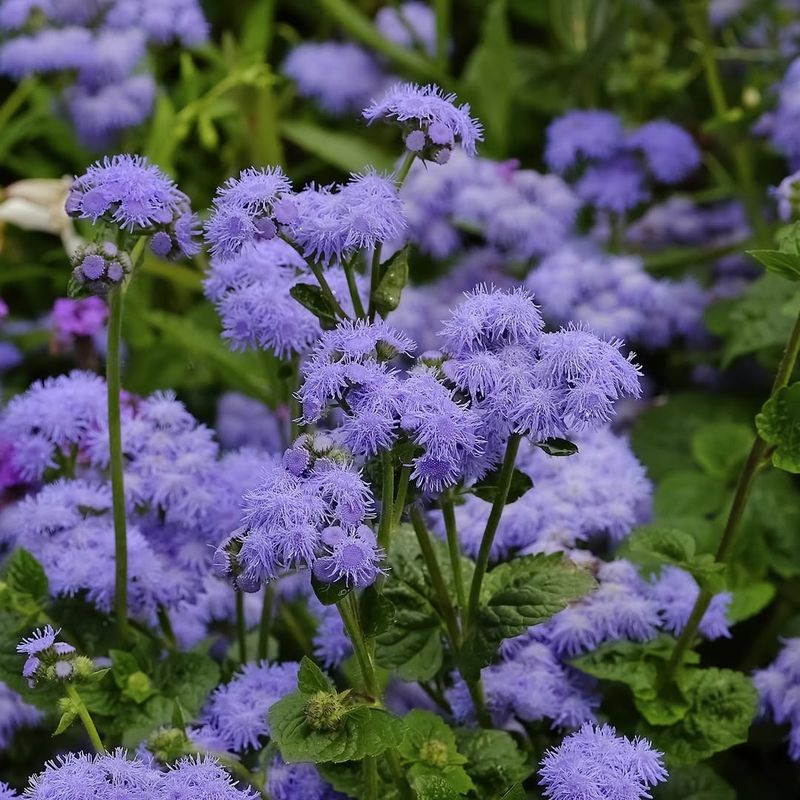
While many flowers marketed as blue turn out to be more purple or lavender, ageratum delivers genuinely blue blooms in soft, powdery clusters that look almost like tiny pom-poms. For Oregon gardeners looking to add cool, calming color to a sunny border or container planting, ageratum is an inspired choice.
Also called floss flower, ageratum is a warm-season annual that blooms reliably from late spring through summer and often into early fall. It grows best in full sun but can manage in light partial shade without losing too much of its blooming power.
Oregon’s long summer days give ageratum plenty of energy to produce its signature fuzzy flower clusters in abundance.
Ageratum prefers moist, well-drained soil and does not like to dry out completely between waterings. In the drier parts of Oregon, like the eastern high desert regions, regular watering is especially important to keep ageratum looking its best.
Applying mulch around the base of the plants helps retain soil moisture and keeps the roots cool during hot spells.
One practical tip for keeping ageratum blooming all season is to remove spent flower clusters regularly. While ageratum is not as demanding about deadheading as some flowers, tidying up the faded blooms encourages the plant to produce fresh clusters and keeps the whole planting looking neat and attractive.
A light application of balanced fertilizer every three to four weeks also helps sustain strong bloom production.
Ageratum pairs beautifully with other summer annuals, especially yellow marigolds, white alyssum, and orange zinnias. The cool blue tones of ageratum create a lovely contrast with warmer flower colors, making it a favorite for creating visually interesting combinations in Oregon garden beds and containers.
Compact varieties like Blue Horizon are especially popular for edging pathways and borders throughout the state.
6. Sweet Alyssum Fills The Air With Fragrance And Tiny Flowers
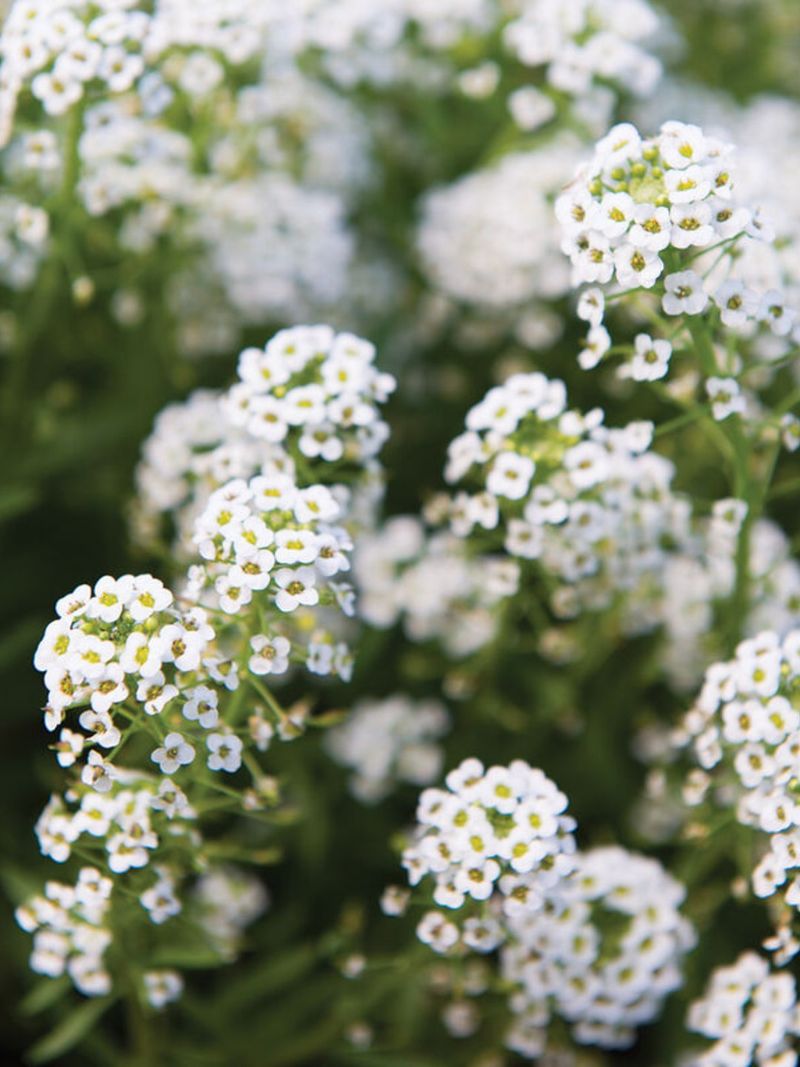
Some flowers earn their place in the garden not just through visual beauty but through something extra, and for sweet alyssum, that something extra is fragrance. Brushing against a patch of sweet alyssum in full bloom releases a soft, honey-like scent that can stop you in your tracks.
Oregon gardeners who want a flower that delights the nose as much as the eyes will find sweet alyssum to be one of the most rewarding plants they can grow.
Sweet alyssum is a cool-season annual that actually prefers the mild, moist conditions found throughout much of western Oregon in spring and early summer. It blooms freely in cool weather, producing dense mats of tiny, four-petaled flowers in white, lavender, pink, and purple.
In warmer inland areas of Oregon, sweet alyssum may slow down a bit during the hottest weeks of summer but will often rebound nicely when temperatures cool again in late summer and fall.
Growing sweet alyssum is straightforward and beginner-friendly. It can be direct-seeded into the garden as soon as the soil can be worked in early spring, or started from transplants for faster results.
Sweet alyssum grows low to the ground, usually only four to six inches tall, which makes it an excellent edging plant for borders, pathways, and the fronts of garden beds across Oregon.
Watering sweet alyssum consistently but carefully is important. It likes moisture but does not appreciate sitting in wet soil for extended periods.
Good drainage and regular but moderate watering will keep sweet alyssum looking lush and full throughout the growing season. If it starts to look tired and sparse in midsummer, shear it back by about one-third and it will refresh itself with new growth and fresh blooms.
Beyond its beauty and fragrance, sweet alyssum is a magnet for beneficial insects including hoverflies, parasitic wasps, and bees. These insects help pollinate other plants in your Oregon garden and keep pest populations in check naturally, making sweet alyssum both lovely and genuinely useful all season long.