8 Native And Desert-Adapted Plants To Start In April In Arizona Landscapes
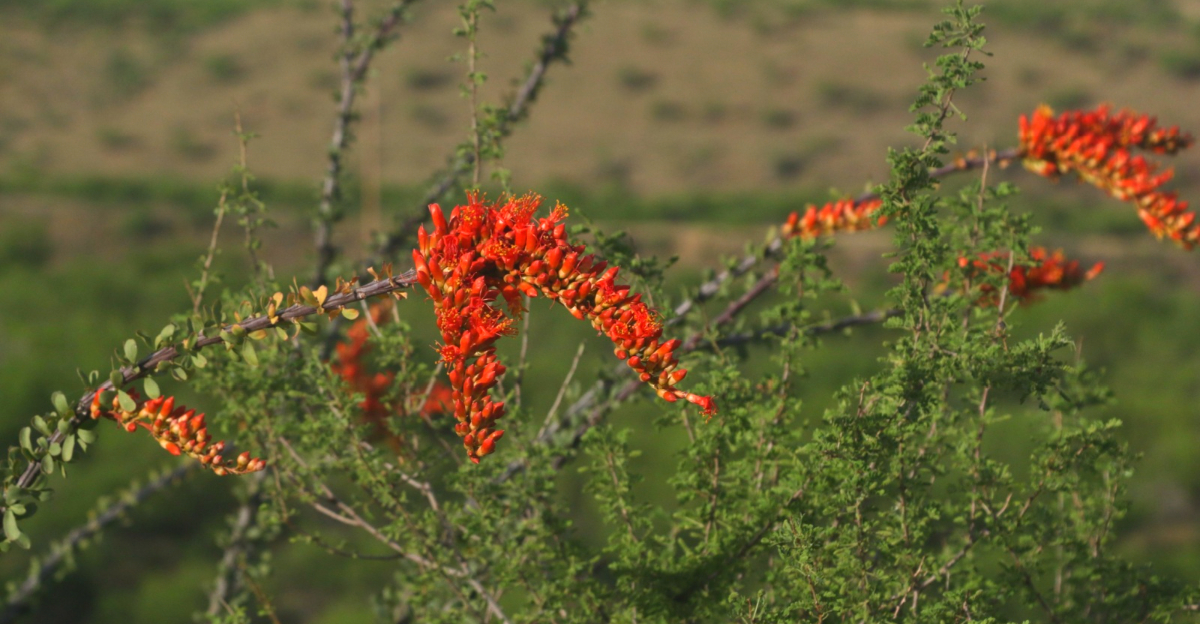
April in Arizona is the perfect time to bring new life to your garden. With warming soils, longer days, and frost largely behind us, plants planted now can get a strong start before the summer sun intensifies.
Native and desert-adapted species have weeks to send roots deep, making it easier to access water and recover quickly after monsoon showers.
From the low desert valleys of Phoenix to the cooler slopes around Prescott, April planting sets the stage for healthier growth, more vibrant blooms, and a garden buzzing with bees, butterflies, and hummingbirds throughout the season, all with minimal extra effort.
1. Desert Marigold Brings Bright Yellow Blooms And Pollinator Appeal
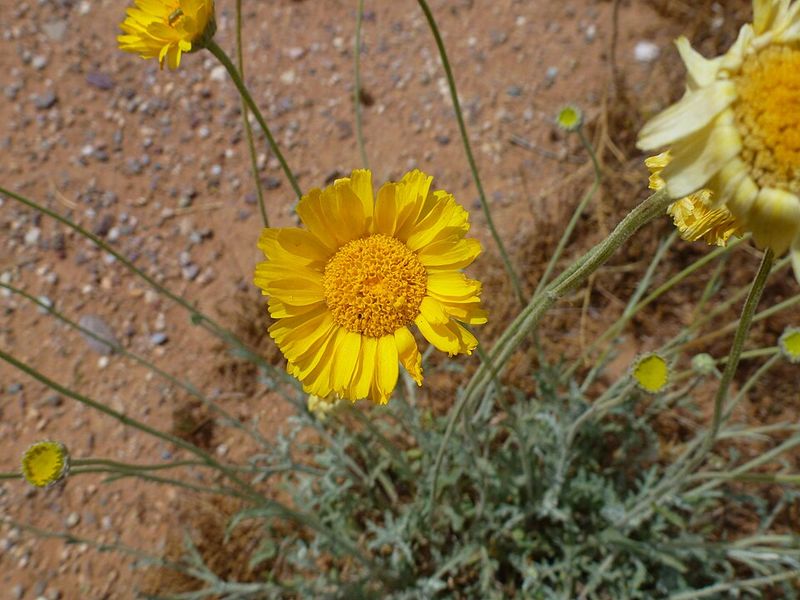
Walk through almost any sunny Arizona wash or rocky hillside in spring, and you will likely spot the cheerful yellow blooms of Desert Marigold.
Baileya multiradiata is a tough, low-growing perennial that thrives where other plants struggle, making it a standout choice for low-maintenance Arizona landscapes.
Blooms typically appear from March through November, giving you color for most of the year.
Plant Desert Marigold in full sun and well-drained, sandy or gravelly soil. It handles poor soil conditions remarkably well and rarely needs supplemental fertilizer.
In the Phoenix area, once established, it survives on natural rainfall alone during cooler months, though a deep watering every two to three weeks during summer keeps it blooming actively.
From a pollinator standpoint, this plant is a real workhorse. Native bees and butterflies, including painted ladies and sulfurs, visit the flowers regularly for nectar and pollen.
The bright yellow ray flowers also attract beneficial insects that help control garden pests naturally.
Starting transplants in April gives roots time to anchor before intense heat arrives. Space plants about 18 inches apart to allow good airflow, which helps reduce any fungal issues during the humid monsoon season.
Even in higher-elevation spots like Prescott, Desert Marigold performs reliably as long as the planting site drains well and receives full sun throughout the day.
2. Autumn Sage Produces Long-Lasting Flowers That Hummingbirds Love
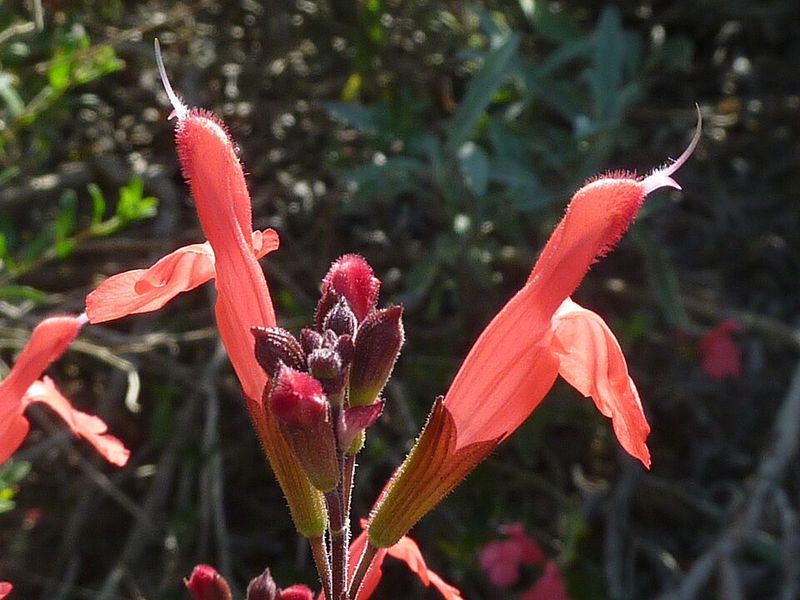
Few plants in Arizona attract hummingbirds as reliably as Autumn Sage.
Salvia greggii is a compact, woody perennial native to the Chihuahuan Desert region, and it has adapted beautifully to Arizona conditions ranging from the low desert around Phoenix to the cooler foothills near Prescott.
The tubular flowers are practically designed for hummingbird feeding, and once a plant establishes, the birds return season after season.
April is a smart time to get Autumn Sage into the ground. The warming soil encourages strong root development, and plants started now typically begin blooming by late spring.
Flower colors range from deep red and coral to pink and white, depending on the variety you select. Most bloom cycles run from spring through fall, with a brief rest during the hottest midsummer weeks.
Plant in full sun to partial shade, and choose a spot with good drainage. Autumn Sage handles clay-heavy soils poorly, so amending with decomposed granite or coarse sand can help in areas with denser soil profiles.
Your Arizona Garden Changes Every Week. Your Plan Should Too.
Gardening in Arizona changes quickly throughout the season. Every Friday you’ll receive a simple weekly plan showing exactly what to plant, prune, fertilize, harvest, and protect so you never miss the right timing.
Water deeply once or twice a week after planting, then taper off as roots establish over six to eight weeks.
Pruning lightly after each bloom cycle encourages fresh growth and more flowers.
Native bees also visit the blooms regularly alongside hummingbirds, making Autumn Sage one of the most ecologically productive shrubs you can add to an Arizona pollinator garden.
3. Hedgehog Cactus Adds Compact Color To Rock Gardens
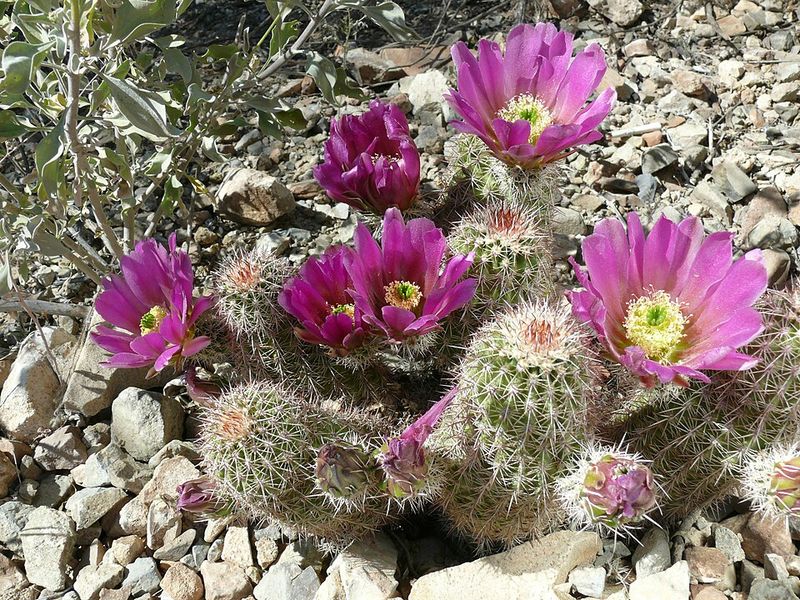
Tucked between boulders and along rocky slopes across Arizona, the Hedgehog Cactus is one of the most visually striking native plants in the state.
Echinocereus triglochidiatus and related species produce vivid magenta to deep pink flowers that can stop you in your tracks, especially when a whole cluster blooms at once in April and May.
The flowers are large relative to the plant size, which makes them even more impressive.
Hedgehog Cactus grows in tight cylindrical clusters that rarely exceed 12 to 18 inches in height, making it well-suited for smaller rock gardens, container plantings, and narrow border spaces.
It performs best in full sun with extremely well-drained, gravelly or sandy soil.
Standing water around the base is the main thing to avoid, as it can lead to root rot over time.
Planting in April works well because soil temperatures are warm enough for roots to begin establishing before summer. Use a cactus-specific potting mix if planting in containers, or amend native soil with coarse gravel if your garden area retains moisture.
Water sparingly after planting, about once every two weeks during the establishment period.
Hummingbirds are drawn to the bright blooms, and native bees visit as well.
Across both the Phoenix low desert and higher elevations near Flagstaff, Hedgehog Cactus proves itself as a long-lived, low-effort addition that rewards patient gardeners with spectacular spring color year after year.
4. Red Yucca Offers Coral Flower Spikes And Heat-Tolerant Growth
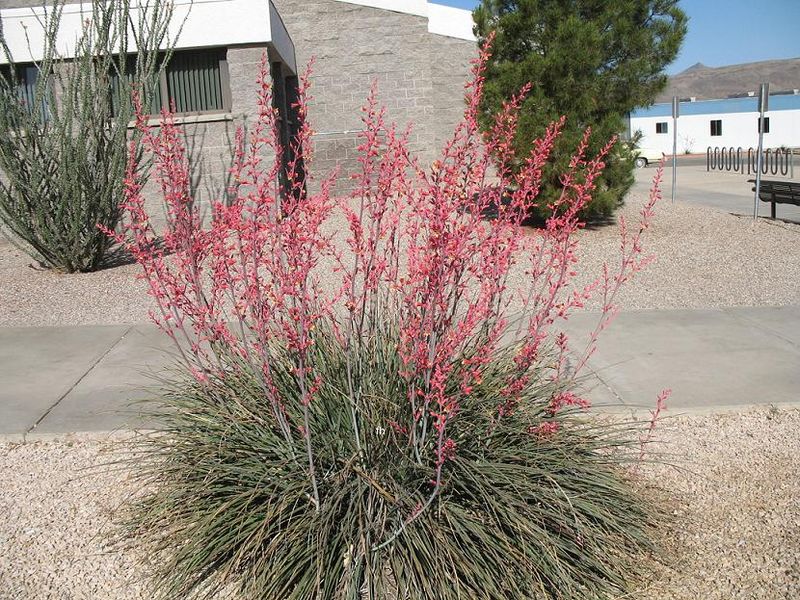
Gardeners who want bold vertical interest without the fuss of high-maintenance plants often discover Red Yucca as a game-changer.
Hesperaloe parviflora is not a true yucca, but its grass-like foliage and tall flowering spikes give it a similar architectural presence.
The coral to salmon-pink tubular flowers emerge on stems that can reach four to six feet tall, and they attract hummingbirds from the moment buds open.
Red Yucca is one of the most heat-tolerant ornamental plants available for Arizona landscapes.
It handles the brutal summer temperatures of the Phoenix low desert without much complaint, and it also performs well at higher elevations with slightly more moderate summer conditions.
The plant itself stays relatively compact, with a foliage clump spreading two to three feet wide.
April planting sets Red Yucca up for a strong first bloom season. Choose a full-sun location with well-drained soil, whether sandy, rocky, or amended with decomposed granite.
Water newly planted specimens deeply once a week for the first month, then gradually reduce frequency as roots develop. Established plants in most Arizona regions need only occasional deep watering during dry spells.
Bloom season typically runs from late spring through summer, with some plants reblooming in fall.
Hummingbirds visit the tubular flowers constantly during peak bloom, and the dried seed stalks add winter texture to the landscape.
Red Yucca also pairs visually well with boulders, agaves, and ornamental grasses in water-wise Arizona garden designs.
5. Globemallow Brightens Landscapes With Orange-Coral Blooms
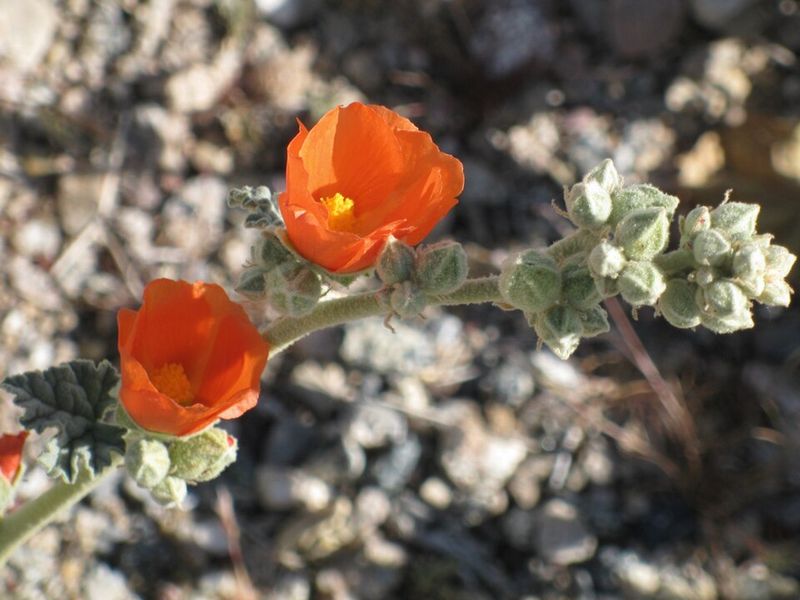
There is something wonderfully scrappy about Globemallow. Sphaeralcea ambigua grows in some of the harshest, driest spots in Arizona, yet it produces an abundance of small, cup-shaped flowers in shades of orange, coral, and occasionally lavender or white.
It is a perennial wildflower that self-seeds readily, so once you establish it in a spot it likes, it tends to spread and naturalize over time.
Blooming typically begins in early spring and can continue through early summer before heat slows things down. A second flush of blooms sometimes follows after monsoon rains arrive in July and August.
The flowers are a magnet for native bees, especially specialist bees in the family Apidae that depend on mallow pollen as a primary food source.
Plant Globemallow in April in full sun and lean, well-drained soil. It handles rocky, gravelly, or sandy ground better than rich amended soil, which can actually cause it to grow too lush and fall over.
Minimal watering after establishment is the approach most Arizona gardeners recommend, with deep irrigation every two to three weeks during dry summer stretches.
Height ranges from one to three feet depending on conditions, and plants can spread two to four feet wide.
For rock gardens, dry slopes, or naturalistic desert plantings across Arizona, Globemallow is a reliable, cheerful performer that supports local pollinators while asking very little from the gardener in return.
6. Desert Willow Creates Small Tree Structure And Spring Nectar
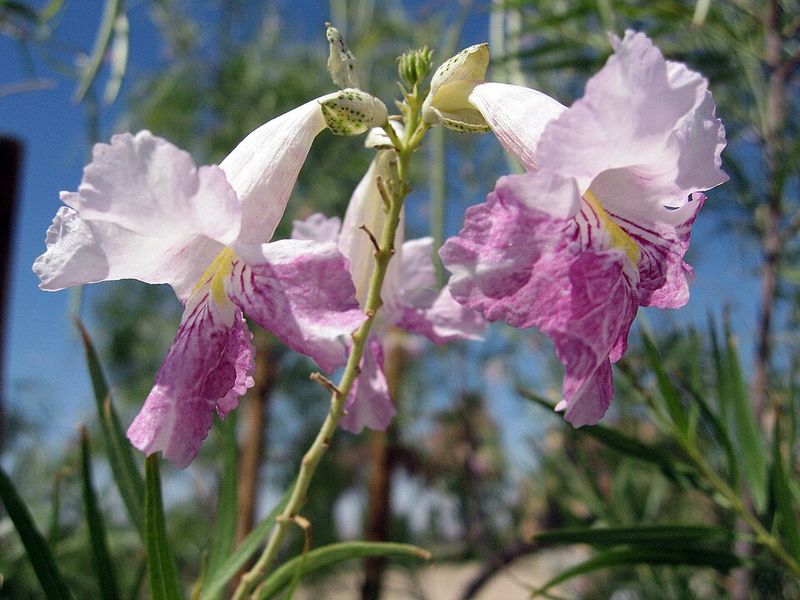
On a warm April morning in the Arizona low desert, few sights are more welcoming than a Desert Willow just beginning to push out its trumpet-shaped blooms.
Chilopsis linearis is a fast-growing native tree that bridges the gap between ornamental beauty and ecological function, offering nectar-rich flowers that hummingbirds, native bees, and orioles find irresistible throughout spring and summer.
Despite the common name, Desert Willow is not related to true willows. It is actually a member of the Bignoniaceae family, related to catalpa trees.
The flowers range from white and lavender to deep rose-purple, often with contrasting throat markings. Bloom season runs from late spring through early fall, with heavier flowering following periods of adequate moisture.
April is an excellent time to plant container-grown Desert Willow specimens. Choose a full-sun location with deep, well-drained soil, as the roots prefer to grow downward rather than spread laterally.
Water newly planted trees deeply two to three times per week for the first month, then reduce to once a week as establishment progresses. Mature trees in Phoenix-area landscapes often survive on seasonal rainfall alone.
Trees typically reach 15 to 25 feet tall and 10 to 15 feet wide, though pruning can keep them smaller and more shrub-like.
At higher Arizona elevations such as Prescott, Desert Willow may experience some cold-season leaf drop but generally returns vigorously each spring, providing reliable structure and color for decades in the right location.
7. Fairy Duster Adds Fluffy Red Flowers That Attract Birds And Bees
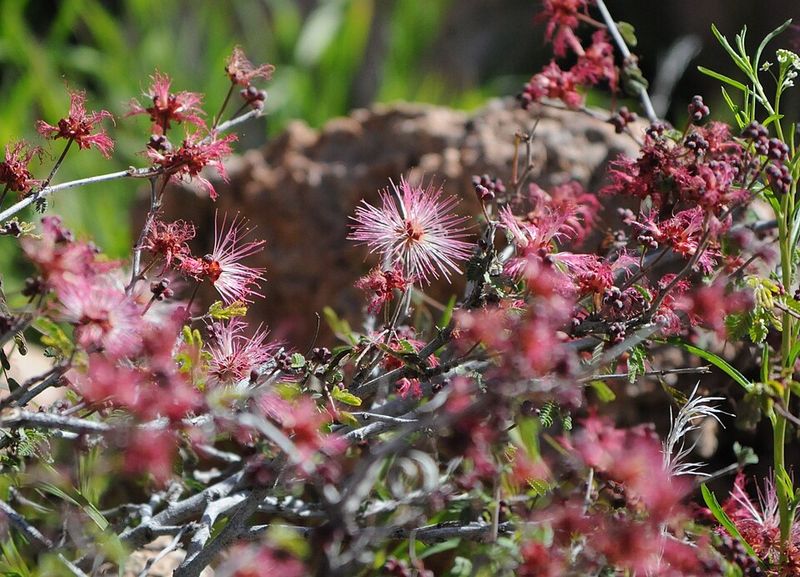
You might think a plant called Fairy Duster sounds delicate, but do not let the name fool you.
Calliandra eriophylla is a tough, drought-adapted native shrub that grows across the Sonoran and Chihuahuan Desert regions of Arizona, and it earns its whimsical name from the clusters of long, feathery stamens that give each flower a soft, fluffy appearance.
The blooms range from pink to deep red and appear in late winter through spring, often peaking just as April arrives.
Hummingbirds are frequent visitors, drawn to the nectar at the base of each flower cluster. Native bees and butterflies also work the blooms throughout the day.
Birds use the dense, thorny branching structure as nesting cover, making Fairy Duster a genuinely multi-functional plant for Arizona wildlife gardens.
Plant in full sun with well-drained, sandy or gravelly soil. Fairy Duster rarely exceeds three feet in height and spread, which makes it a versatile choice for borders, low hedges, and naturalistic plantings.
Water newly planted shrubs deeply once a week for the first four to six weeks, then taper off as roots settle in. Established plants in the Phoenix area thrive with minimal supplemental irrigation.
At higher Arizona elevations, Fairy Duster may experience occasional frost damage to new growth, but plants typically recover quickly as temperatures warm in spring.
Planting in a sheltered south-facing spot helps reduce frost exposure and encourages earlier blooms the following year.
8. Ocotillo Sends Tall Red Stems Skyward For Pollinator-Friendly Color
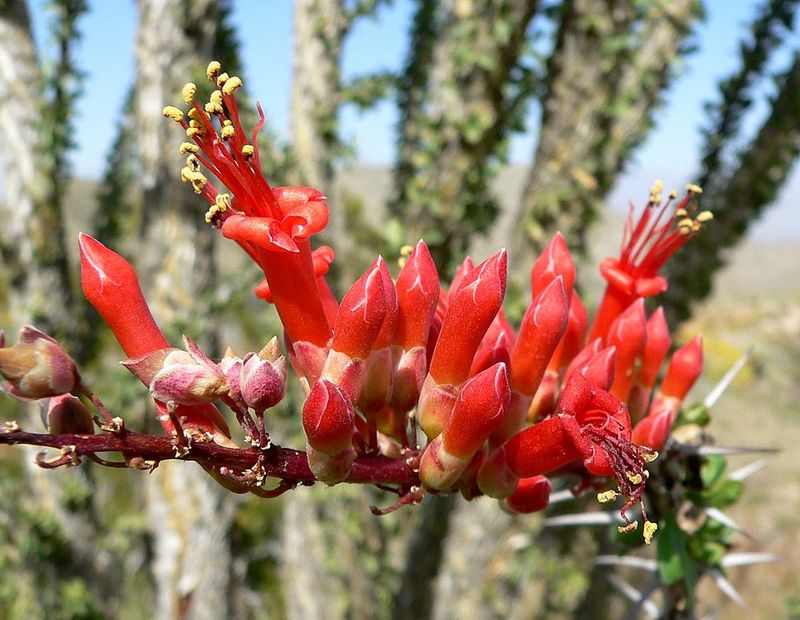
Few plants define the visual character of the Sonoran Desert quite like Ocotillo.
Fouquieria splendens rises from the desert floor on long, whip-like canes that can reach 15 to 20 feet tall, and each spring those canes are tipped with brilliant clusters of scarlet tubular flowers that hummingbirds chase enthusiastically.
Watching a migrating hummingbird work its way up an Ocotillo in April is one of the genuine pleasures of Arizona gardening.
Ocotillo is not a cactus, though it is often grouped with cacti in nurseries. It is a unique desert-adapted shrub that leafs out quickly after rainfall and drops its leaves during dry periods to conserve water.
This cycle can repeat several times in a single year depending on precipitation. The plant is essentially dormant when dry and springs back to life with remarkable speed when moisture arrives.
April planting works well for bare-root or container-grown Ocotillo specimens. Choose a full-sun location with excellent drainage, as standing water causes serious root problems over time.
Water newly planted Ocotillo every few days for the first two to three weeks to help canes hydrate and begin pushing roots. After that initial period, reduce watering significantly.
Across the Phoenix low desert, established Ocotillo rarely needs supplemental irrigation beyond the summer monsoon season. The spiny canes also serve as effective natural barriers along property edges.
In higher-elevation Arizona communities, Ocotillo can be grown successfully but may need a more protected microclimate to perform at its best through cold winters.