Indoor Plants In Pennsylvania That Thrive In Bright Indirect Light
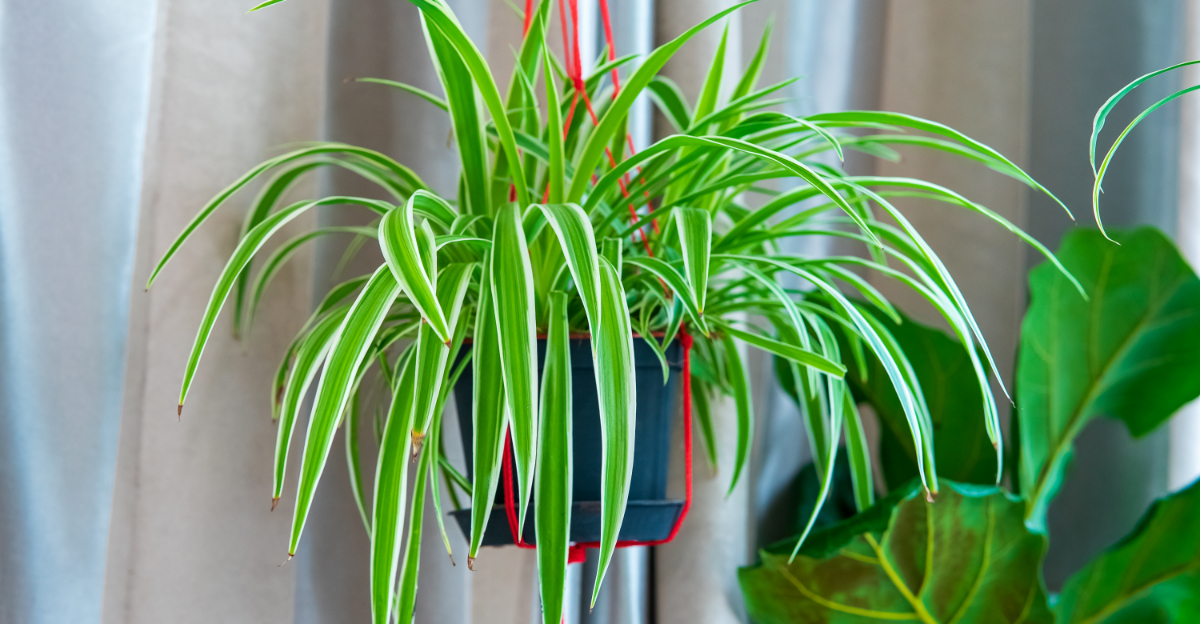
Walk into a typical Pennsylvania home and you will often find that soft, filtered light coming through the windows.
It is not harsh or direct, but it fills the room in a steady, comfortable way that feels just right for everyday living.
The challenge comes when choosing houseplants that actually appreciate those conditions. Some fade without stronger sun, while others struggle when light levels shift through the seasons.
Finding plants that naturally fit this kind of environment can make everything feel easier and more enjoyable. Instead of constant adjustments, they settle in and grow at a steady pace.
Once you see which ones respond well, it becomes much simpler to build a space that stays green and healthy without extra effort, even during shorter days and long stretches of cloudy weather.
1. Snake Plant Brings Bold Upright Structure
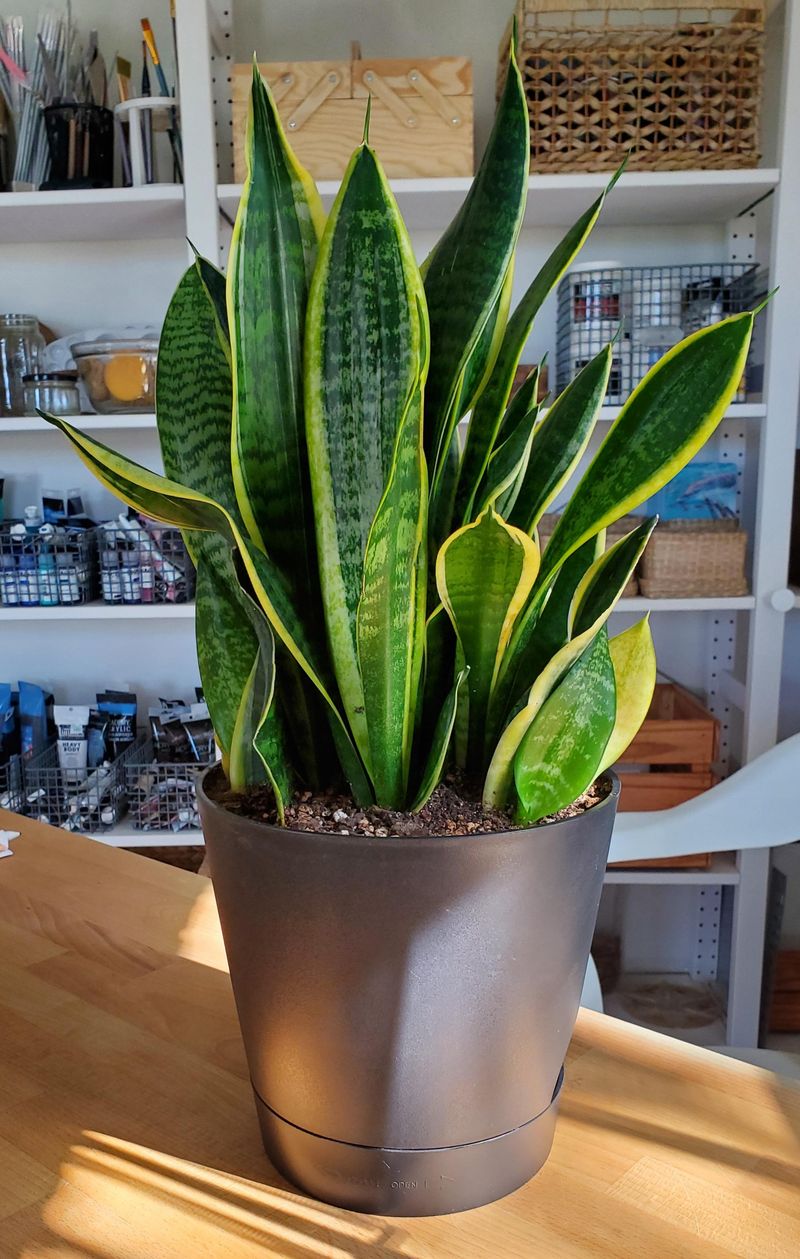
Few plants are as forgiving and stylish as the Snake Plant, also known as Sansevieria. With its tall, sword-shaped leaves edged in yellow or silver, it makes a bold statement in any room without asking much in return.
Pennsylvania homeowners love it because it fits beautifully in both modern and traditional spaces.
Snake Plants are champions at tolerating neglect. You can skip watering for a week or two, and this plant will still look sharp.
It prefers bright, indirect light but can handle lower light conditions better than most, which is great during Pennsylvania’s shorter winter days when sunlight is limited.
One fun fact worth sharing: NASA once studied the Snake Plant for its air-purifying abilities, suggesting it can help reduce certain indoor pollutants like formaldehyde under controlled conditions. Place it in a bedroom or living room near a north or east-facing window, and it will reward you with steady, upright growth.
Water it sparingly, use well-draining soil, and avoid letting it sit in soggy conditions. It is one of the easiest, most rewarding plants you can bring into any Pennsylvania home.
2. ZZ Plant Shows Off Thick Glossy Leaves
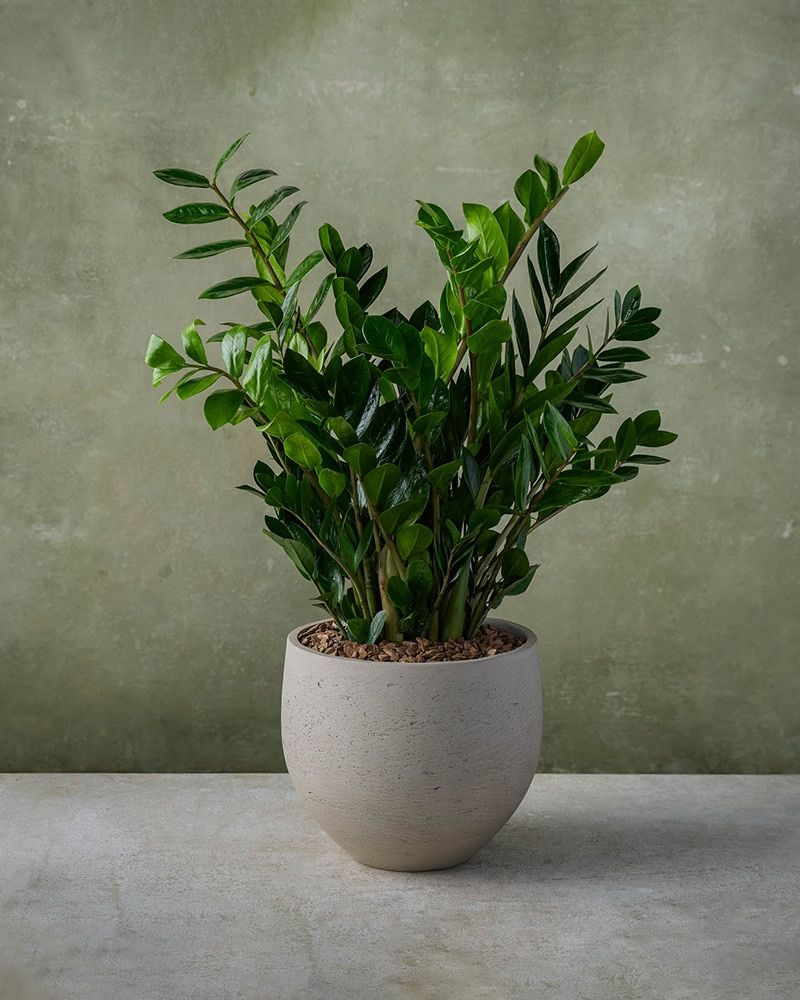
If you want a plant that looks like it belongs in a design magazine but requires almost no effort, the ZZ Plant is your answer. Its glossy, waxy leaves reflect light beautifully, giving any room in your Pennsylvania home a polished, put-together look.
The deep green color stays vibrant even when you forget to water it for a while.
ZZ Plants store water in their thick rhizomes underground, which helps them tolerate dry spells. Bright, indirect light helps them grow at a steady pace, but they will not complain if your Pennsylvania winter limits the sunlight coming through your windows.
They are slow growers, but that is part of their low-maintenance charm.
Avoid placing your ZZ Plant in direct sunlight, as the leaves can yellow or scorch. An east-facing window or a spot a few feet back from a south-facing window works perfectly.
Water only when the top inch of soil feels dry, and use a well-draining potting mix. With minimal care, this plant can thrive for years, making it an excellent long-term addition to any Pennsylvania household looking for easy indoor greenery.
Your Pennsylvania Garden Changes Every Week. Your Plan Should Too.
Gardening in Pennsylvania changes quickly throughout the season. Every Friday you’ll receive a simple weekly plan showing exactly what to plant, prune, fertilize, harvest, and protect so you never miss the right timing.
3. Pothos Cascades With Effortless Growth
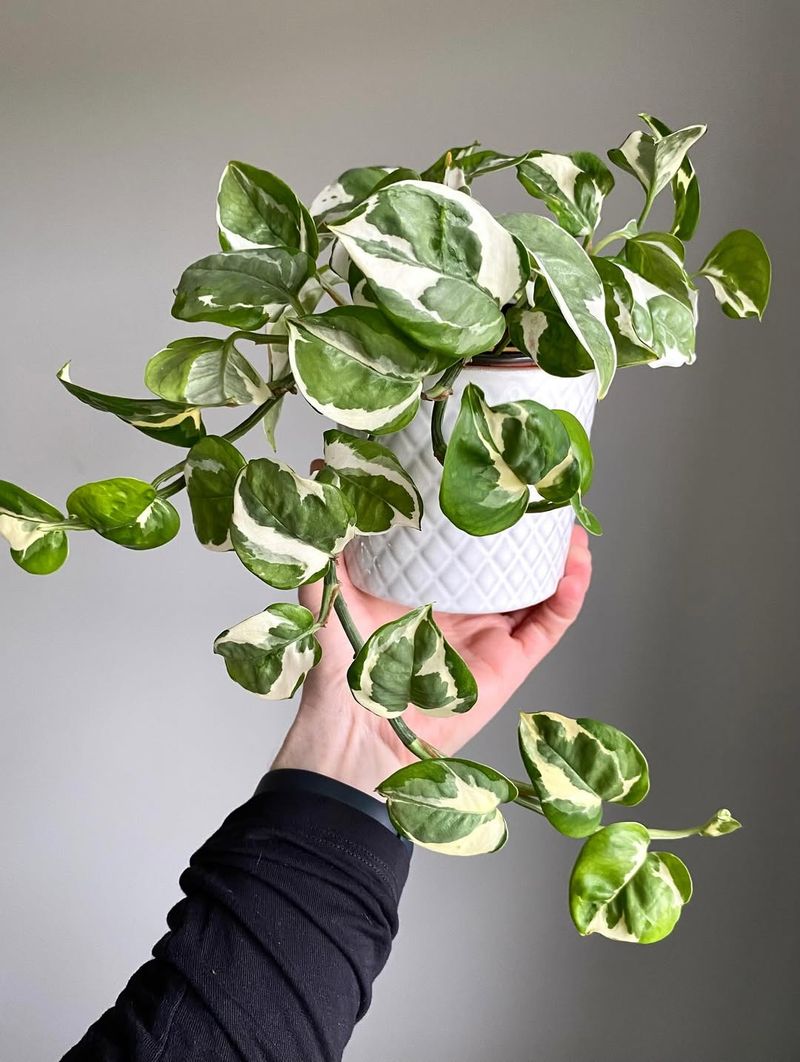
Walk into almost any plant lover’s home in Pennsylvania, and you will likely spot a Pothos hanging from a shelf or trailing across a windowsill. It is one of the most popular houseplants in the country, and for good reason.
Its heart-shaped, variegated leaves come in shades of green, yellow, and even white, adding instant charm to any corner of your home.
Pothos thrives in bright, indirect light, which brings out the best color in its leaves. However, it is also one of the few plants that can survive in lower light conditions, making it incredibly flexible for Pennsylvania homes where winter light can be unpredictable.
The more light it gets, the more vibrant and colorful its leaves will appear.
Caring for Pothos is straightforward: water when the top inch of soil dries out, and wipe the leaves occasionally to keep them clean and shiny. You can grow it in a pot, a hanging basket, or even in a jar of water on a sunny countertop.
Propagating new plants from cuttings is simple and fun, making Pothos a great choice for beginners and experienced plant parents alike throughout Pennsylvania.
4. Philodendron Fills Rooms With Lush Greenery
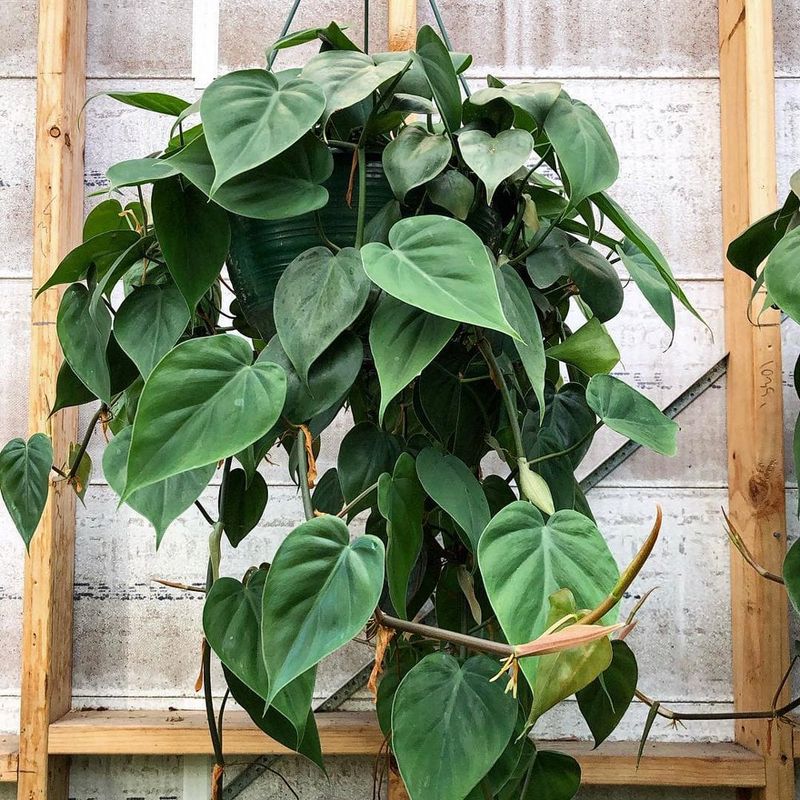
There is something wonderfully cheerful about a Philodendron. Its heart-shaped leaves seem to wave at you from across the room, and the way they trail or climb makes every space feel a little more alive.
Pennsylvania plant lovers have embraced this tropical beauty because it adapts so well to indoor living, even through the long winter months.
Bright, indirect light is where the Philodendron truly shines. Placed near an east or north-facing window, it grows quickly and produces large, lush leaves that give your home a tropical atmosphere.
Direct sunlight can cause the leaves to burn, so keep it a comfortable distance from any window that gets harsh afternoon sun, especially during Pennsylvania summers.
Watering should happen when the top inch of soil feels dry to the touch. Philodendrons appreciate a bit of humidity, so misting the leaves or placing a small humidifier nearby during dry Pennsylvania winters can really help.
They are also known to be fast growers, meaning you will have a full, trailing display in just a few months. Whether you hang it high or let it climb a moss pole, this plant brings consistent tropical energy to any room.
5. Peace Lily Adds Clean White Blooms
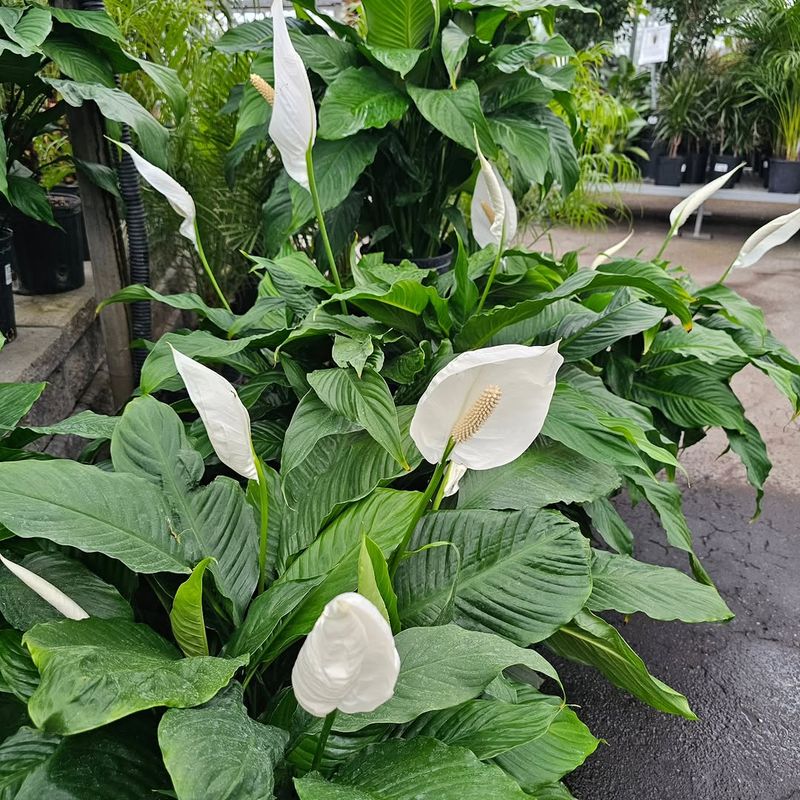
Elegant, graceful, and surprisingly tough, the Peace Lily is one of the most beloved indoor plants you can find in Pennsylvania homes. When it blooms, the white, sail-shaped flowers rise above the deep green foliage like little flags of beauty.
Even when not in bloom, the glossy leaves make it a showstopper on any table or shelf.
Peace Lilies do well in bright, indirect light, which encourages regular blooming. They can tolerate lower light, but you may see fewer flowers if the light is too dim.
Pennsylvania homes with east or west-facing windows are ideal spots for this plant to settle in and thrive through all four seasons.
One thing Peace Lilies are known for is being vocal about their water needs. When they get thirsty, the leaves droop slightly, giving you a clear signal that it is time to water.
After a good drink, they perk right back up within an hour or two. Keep the soil consistently moist but never waterlogged, and avoid cold drafts, which can stress the plant during chilly Pennsylvania winters.
With a little attention, this plant rewards you with steady beauty and a calming presence in any room.
6. Spider Plant Sends Out Playful Runners
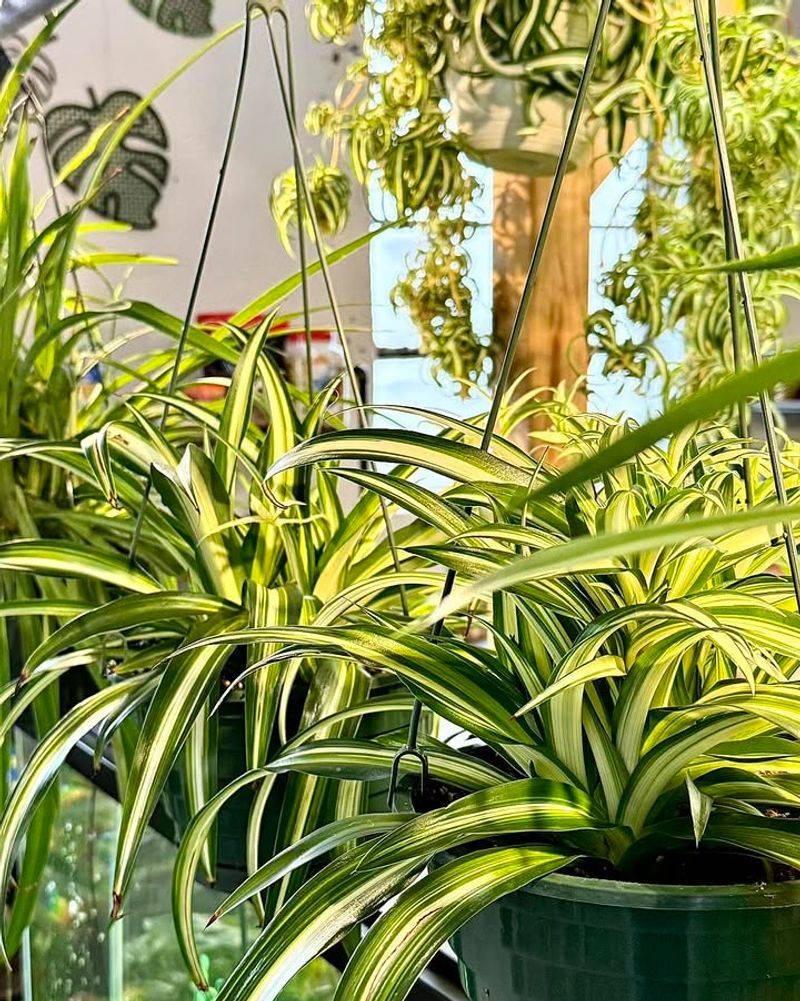
For decades, American homes have embraced this cheerful, quirky plant for its easygoing nature and effortless growth. Its long, arching leaves striped in green and white give it a playful look, and the little baby offshoots that dangle from the mother plant like tiny spiders on a web are genuinely fun to watch develop.
Pennsylvania plant enthusiasts love it for both its looks and its easy-care nature.
Bright, indirect light is the sweet spot for Spider Plants. Too much direct sun can bleach the leaves, while too little light can cause the white stripes to fade and the plant to look dull.
A spot near a north or east-facing window in your Pennsylvania home is usually just right for keeping this plant happy and growing steadily.
Watering is simple: let the soil dry out slightly between waterings and avoid overwatering, which can lead to root rot. Spider Plants also appreciate occasional misting during dry winter months in Pennsylvania.
The baby offshoots, called spiderettes, can be snipped off and rooted in water to create new plants. It is a wonderful way to share the joy of growing plants with friends, neighbors, and family across the state.
7. Chinese Evergreen Displays Patterned Foliage
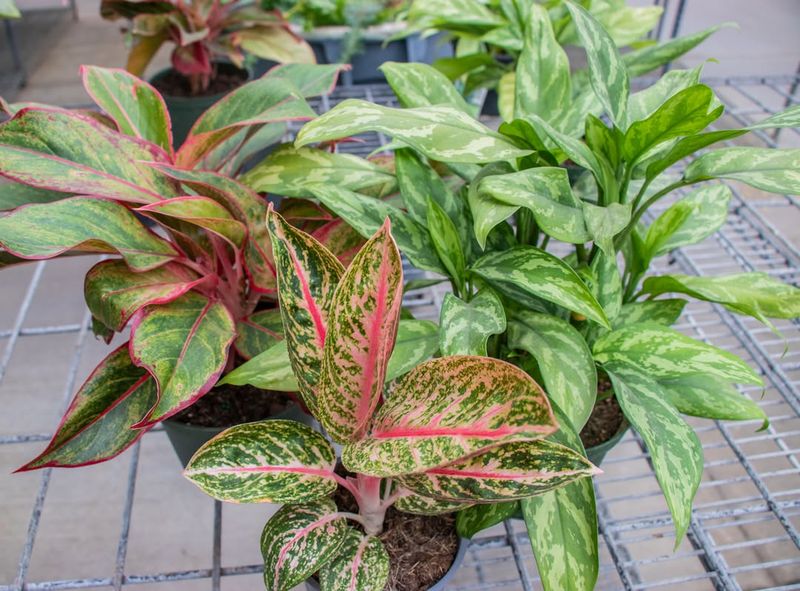
Bold patterns, rich colors, and a surprisingly easygoing attitude make the Chinese Evergreen one of the most underrated indoor plants available to Pennsylvania gardeners. Its large, oval leaves come in stunning combinations of green, silver, red, and pink, depending on the variety you choose.
It brings a tropical, artistic feel to any room without demanding constant attention.
Chinese Evergreens adapt well to a range of light conditions, and they generally perform best in bright, indirect light. The lighter-colored and more variegated varieties generally prefer more light, while the darker green types can manage in lower light.
For most Pennsylvania homes, placing one near a curtained south or west window gives it the filtered brightness it loves most.
Keep the soil slightly moist but allow the top layer to dry between waterings. Chinese Evergreens prefer warmer temperatures, so keep them away from cold drafts and exterior doors during Pennsylvania winters, as chilly air can cause the leaves to curl or yellow.
They also appreciate occasional fertilizing during the growing season, from spring through early fall. For anyone looking to add serious visual interest to their indoor plant collection in Pennsylvania, the Chinese Evergreen is a bold and rewarding choice.
8. Parlor Palm Softens Spaces With Feathery Fronds
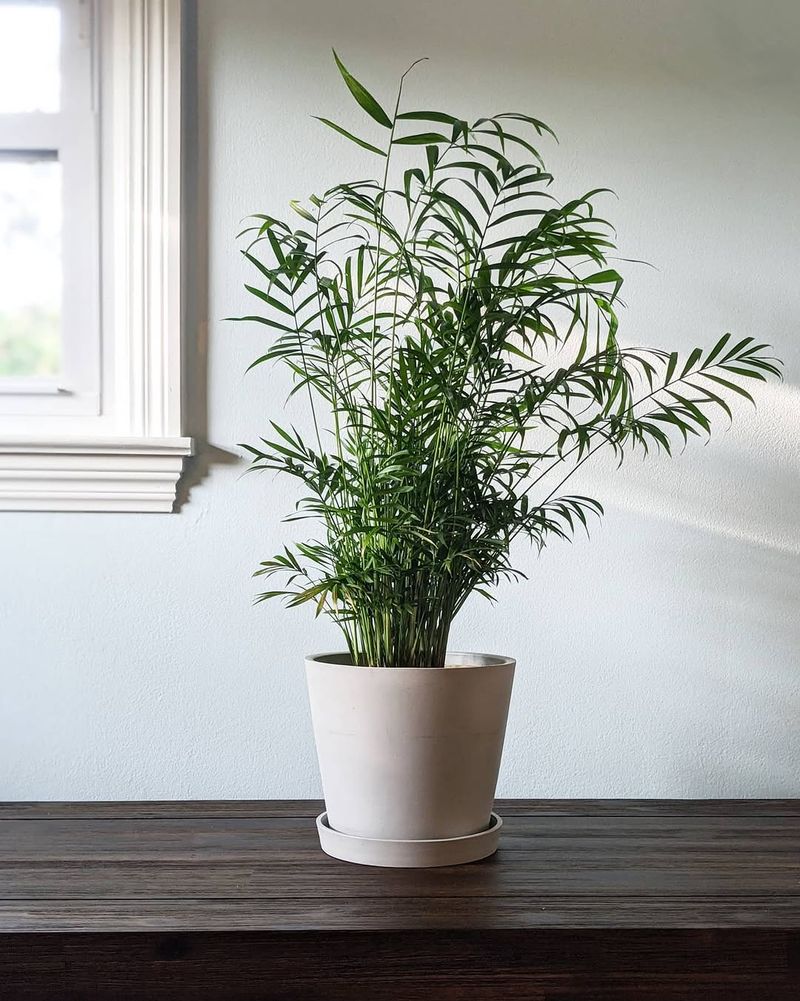
Bringing a touch of Victorian elegance into modern Pennsylvania homes, the Parlor Palm has been a beloved houseplant since the 1800s. Its delicate, feathery fronds arch gracefully outward, creating a soft, tropical atmosphere that feels both refined and relaxed.
It is the kind of plant that makes a room feel like a cozy retreat, even in the middle of a cold Pennsylvania winter.
Parlor Palms thrive in bright, indirect light and are actually one of the few palm species that can tolerate lower light levels indoors without losing too much of their lush appearance. Placing them near a north or east-facing window in your Pennsylvania home gives them the gentle light they prefer without the risk of leaf scorch from direct afternoon sun.
Water your Parlor Palm when the top inch of soil feels dry, and make sure the pot has good drainage to prevent soggy roots. They appreciate some humidity, so consider placing a pebble tray with water underneath the pot during Pennsylvania’s dry winter heating season.
Avoid cold temperatures and sudden drafts, which can stress the fronds. Slow-growing but steady, the Parlor Palm is a long-lasting, elegant plant that rewards patient care with years of graceful beauty.
9. Dracaena Dominates With Tall Architectural Form
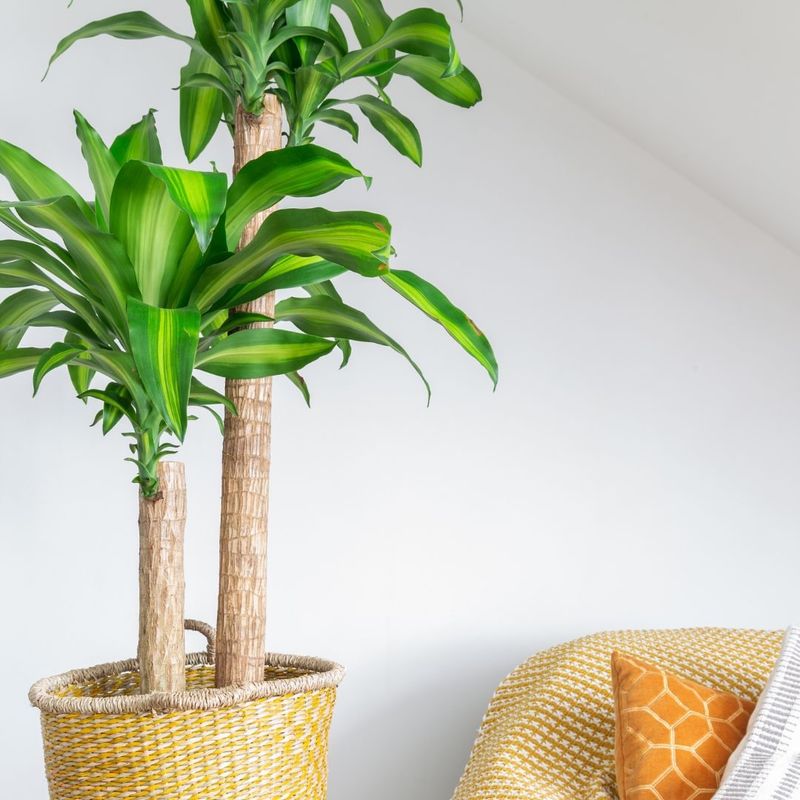
With its long, slender leaves that can be edged in red, yellow, or white depending on the variety, it adds height and drama to any room in a Pennsylvania home. Many people use it as a living focal point in living rooms, offices, or entryways.
Bright, indirect light keeps Dracaena looking its best, encouraging steady growth and vibrant leaf color. Direct sunlight can scorch the leaf tips, while very low light may cause the color to fade.
A spot near a bright window that does not receive harsh direct rays is ideal for most Pennsylvania homes, especially during the long, sunny summer months when light intensity increases.
Dracaena is relatively drought-tolerant and prefers to dry out a bit between waterings. One important tip: this plant is sensitive to fluoride found in tap water, which can cause brown leaf tips.
Using filtered or distilled water makes a noticeable difference in leaf health. Feed it with a balanced liquid fertilizer once a month during spring and summer.
With proper care, a Dracaena can grow several feet tall and become one of the most striking plants in your Pennsylvania home for many years.
10. Cast Iron Plant Stays Tough And Reliable
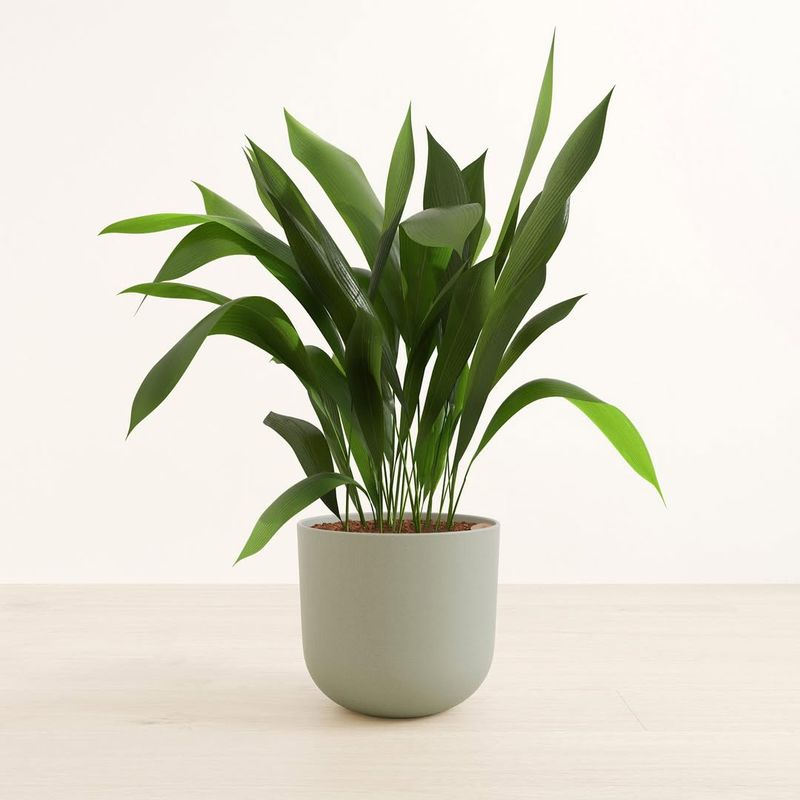
If there were ever a plant that lived up to its name, it would be the Cast Iron Plant. Built tough and known for its durability, this plant tolerates neglect, low light, and inconsistent watering well.
For Pennsylvania homeowners who want greenery without the stress of high-maintenance care, the Cast Iron Plant is practically perfect.
While it can survive in low light, giving it bright, indirect light encourages stronger, faster growth and keeps its long, dark green leaves looking glossy and healthy. It is an especially great choice for rooms in Pennsylvania homes that face north or receive light filtered through trees or curtains, where other plants might struggle to survive.
Water the Cast Iron Plant sparingly, allowing the soil to dry out completely between sessions. It prefers temperatures between 60 and 85 degrees Fahrenheit, which aligns perfectly with most indoor environments in Pennsylvania throughout the year.
Wipe the leaves down occasionally with a damp cloth to remove dust and keep them shiny. Fertilize lightly once or twice during the growing season for a little extra boost.
Slow to grow but incredibly long-lived, the Cast Iron Plant is a dependable, handsome addition to any indoor plant collection in Pennsylvania.