Perennials Michigan Gardeners Should Plant In April Before Summer Heat Arrives
April in Michigan brings a sense of fresh energy to the garden as the soil begins to warm and the growing season finally gets underway. It’s the perfect window to plant perennials that will settle in before the summer heat arrives.
Getting them in the ground now gives roots time to establish, which helps plants handle dry spells and temperature swings later on. Michigan’s climate can be unpredictable, so choosing the right perennials early makes a big difference in how your garden performs.
From colorful bloomers to hardy, low-maintenance favorites, these plants are well suited for local conditions and come back year after year. If you want a garden that looks full, healthy, and vibrant through summer, April planting is a smart move.
These perennials will reward you with strong growth and reliable beauty season after season.
1. Peony (Paeonia lactiflora)
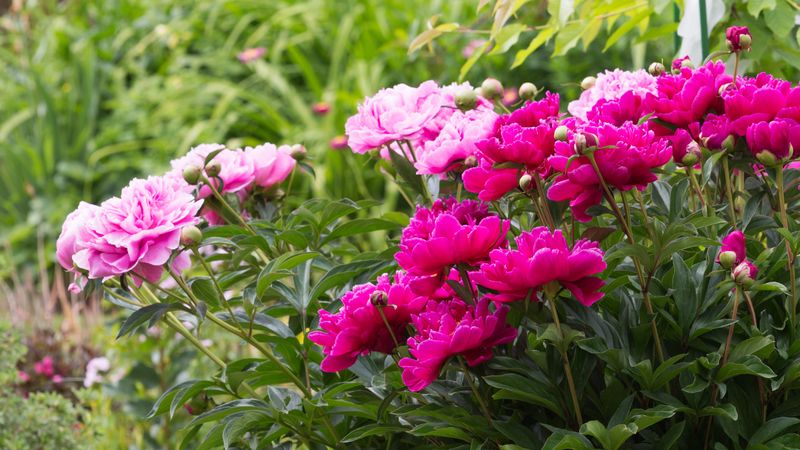
Few flowers stop people in their tracks the way a peony does. With enormous, fragrant blooms and a lifespan that can stretch for decades, this classic perennial earns every inch of garden space you give it.
Michigan winters are no problem for peonies since they are incredibly cold-hardy and actually need that chill to bloom well each year.
Plant your peony in April while the soil is cool and easy to work with. The key detail most gardeners miss is planting depth.
Keep the eyes, which are those small pinkish buds on the roots, only one to two inches below the soil surface. Plant them too deep and you might wait years without seeing a single bloom.
Choose a spot with full sun and well-drained soil, and avoid areas where water tends to pool after rain. Once established, peonies in Michigan require very little care beyond occasional watering during dry spells.
They come back stronger every spring, rewarding patient gardeners with blooms that feel almost too beautiful to be real.
April planting gives the roots time to settle before summer warmth arrives, setting your peony up for a spectacular first season and many more to come.
2. Daylily (Hemerocallis Hybrids)
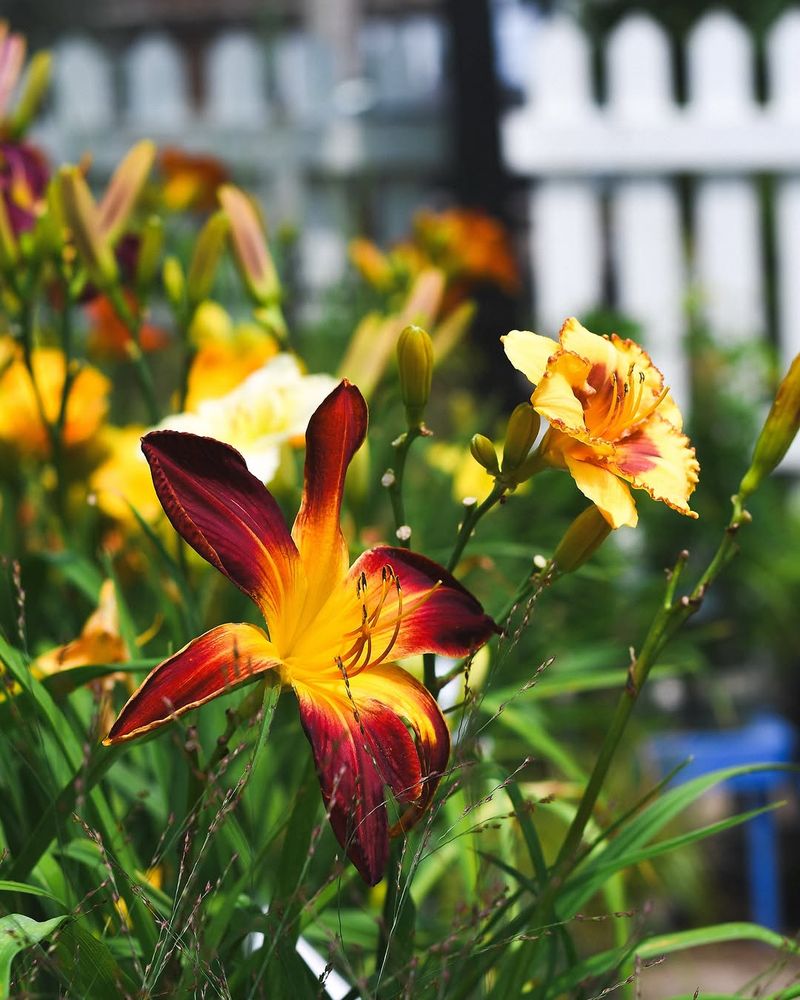
Daylilies are practically made for Michigan gardens. Tough, adaptable, and wildly colorful, these perennials bounce back year after year without demanding much attention.
Each flower lasts only one day, but a single plant produces so many buds that the show keeps going for weeks throughout summer.
April is the ideal time to get daylilies in the ground across Michigan. Spring planting in cold-winter climates gives the roots a chance to spread and anchor before summer temperatures climb.
Plant them in full sun to light shade in well-drained soil, spacing clumps about eighteen to twenty-four inches apart to give them room to fill in naturally.
Water consistently during the first few weeks after planting to help roots establish. After that, daylilies become surprisingly drought-tolerant, which is a real bonus during Michigan’s occasionally dry summer stretches.
They come in hundreds of cultivars ranging from soft pastels to bold reds and purples, so there is truly a daylily for every garden style. Gardeners who plant in April often notice noticeably stronger growth compared to those who wait until late spring.
Your Michigan Garden Changes Every Week. Your Plan Should Too.
Gardening in Michigan changes quickly throughout the season. Every Friday you’ll receive a simple weekly plan showing exactly what to plant, prune, fertilize, harvest, and protect so you never miss the right timing.
The extra weeks of cool-weather root development make a real difference, giving your daylilies the strong foundation they need to perform beautifully all summer long.
3. Hosta (Hosta Spp.)
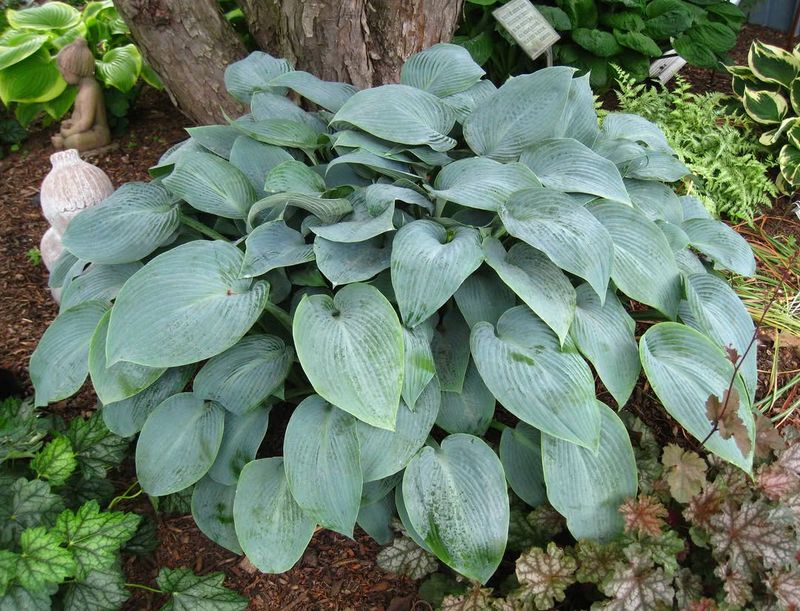
Walk into any shaded Michigan yard and you will almost certainly spot a hosta. These leafy perennials have earned their reputation as the go-to plant for spots where most other flowers refuse to grow.
Their bold, textured leaves in shades of green, blue, gold, and white make them just as decorative as any flowering plant.
Getting hostas in the ground during April gives them a real head start. Early planting allows roots to spread while the soil is still cool and moist, helping them settle in before summer heat and dry spells arrive.
Hostas are hardy all the way through Zone 3, which means Michigan winters are nothing to worry about for these tough perennials.
Plant them in part shade to full shade in evenly moist, well-drained soil enriched with compost. Consistent moisture is important during the first growing season, so check the soil regularly and water when the top inch feels dry.
Slug damage can be an issue in wetter years, so keep an eye out early in the season. Once established, hostas are remarkably low-maintenance and grow bigger and more impressive with each passing year.
April divisions from existing clumps root quickly and fill in fast, making this an easy and rewarding perennial to multiply across your Michigan garden beds.
4. Astilbe (Astilbe x Arendsii)
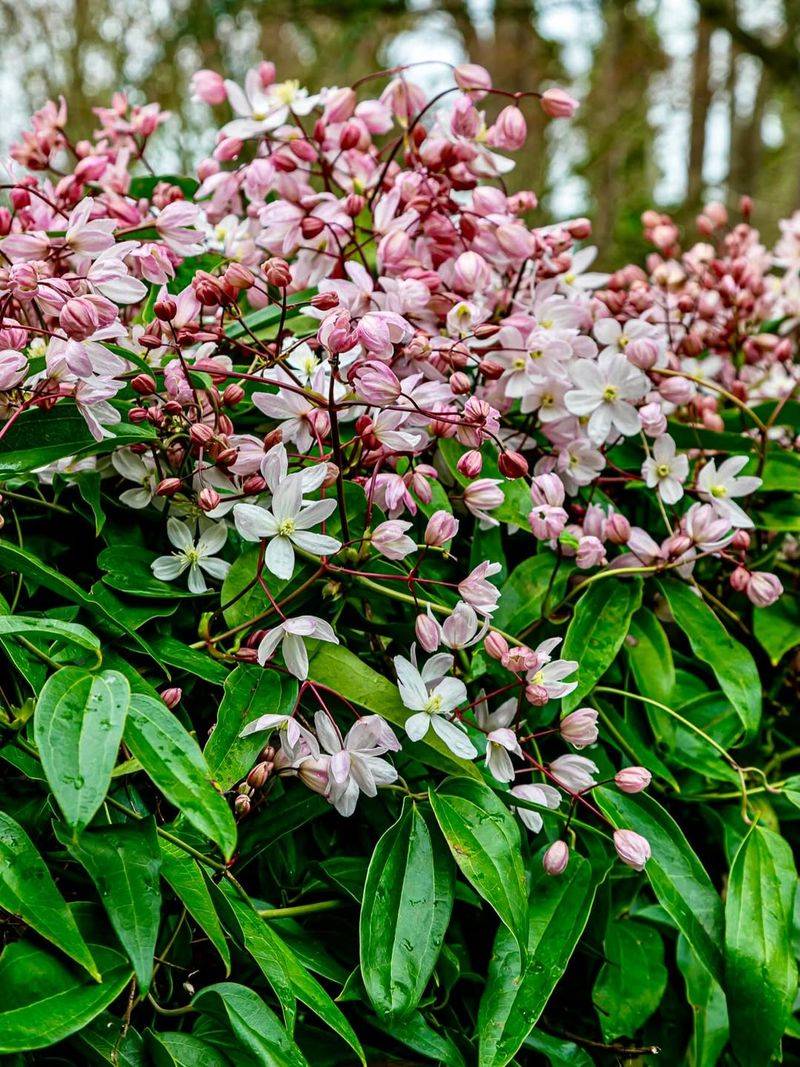
Astilbe brings a kind of soft, feathery drama to shaded garden spots that few other perennials can match.
Its plume-like flower spikes rise above finely textured foliage in shades of pink, red, white, and lavender, creating a display that looks almost too elegant for a backyard garden.
Michigan gardeners with shady spots near downspouts or low-lying areas will find astilbe especially useful.
Plant astilbe in April to take advantage of cool, moist spring conditions. This perennial actually prefers growing in cooler weather and struggles more in heat and drought than it does in a chilly Michigan spring.
Rich, moist, well-drained soil is the sweet spot for astilbe, so work in plenty of compost before planting to improve both moisture retention and drainage.
Consistent watering is non-negotiable during establishment, so do not let the soil dry out completely in those first weeks after planting. Mulching around the base helps lock in moisture and keeps roots cool as temperatures rise.
Astilbe is hardy to at least Zone 4, making it a reliable choice throughout Michigan. One of the best things about this perennial is that even after the blooms fade, the dried flower plumes remain attractive well into fall, giving your garden extended visual interest long after summer peaks.
April planting gives astilbe the best possible start for a stunning first-season performance.
5. Bleeding Heart (Lamprocapnos Spectabilis)
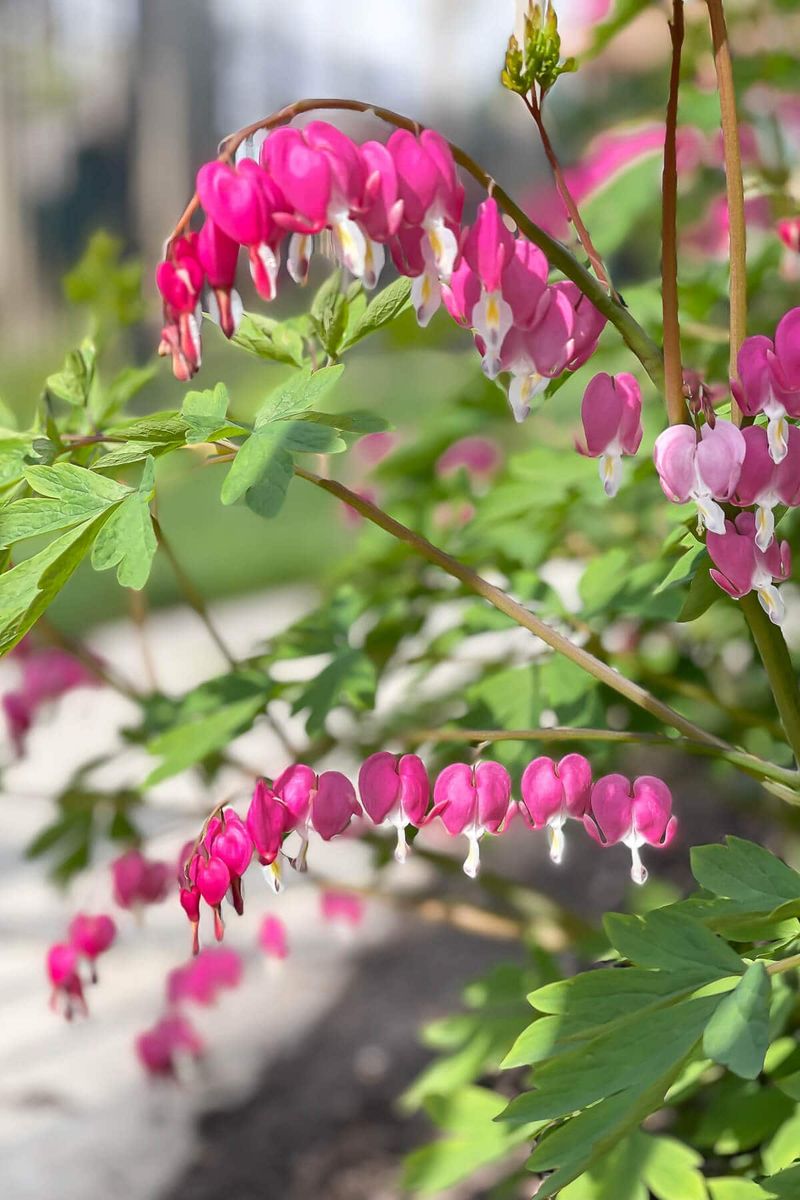
There is something almost storybook-like about bleeding heart. Its arching stems carry rows of perfectly shaped, heart-like flowers in pink or white that dangle like tiny ornaments in the spring breeze.
It is one of those plants that makes people stop, look closer, and immediately want one for their own garden.
Michigan is excellent territory for bleeding heart because this perennial loves cool conditions, and April planting takes full advantage of that.
MSU Extension notes that bleeding heart emerges very early in spring, sometimes while cold weather is still lingering, which tells you just how well-suited it is to Michigan’s unpredictable early-season temperatures.
Plant it in rich, well-drained soil with afternoon shade to protect it from intense sun.
Bleeding heart naturally goes dormant in midsummer once heat arrives, so plan ahead by planting hostas or ferns nearby to fill the gap it leaves. This is not a flaw but simply part of its seasonal rhythm.
The foliage fades gracefully, and neighboring plants take over the show. Water regularly through spring to support strong root development, and add a layer of mulch to help retain soil moisture.
Given the right spot in a Michigan shade garden, bleeding heart rewards you with one of the most charming spring displays of any perennial available, year after year.
6. Purple Coneflower (Echinacea Purpurea)
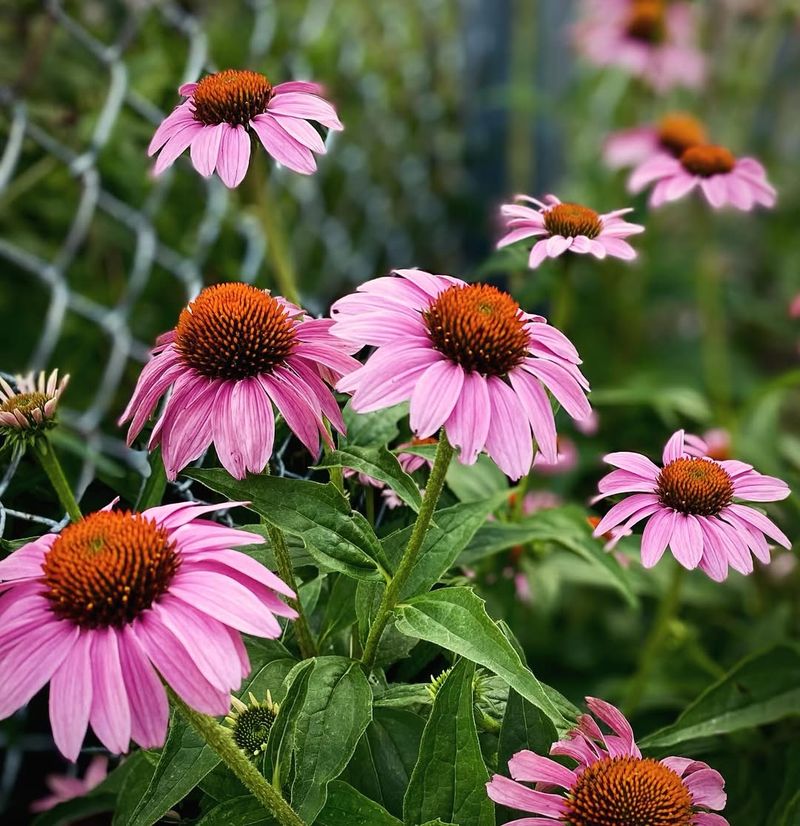
Purple coneflower is the kind of perennial that pulls its weight all season long. From midsummer straight through fall, its bold purple-pink petals and spiky orange-brown centers add serious color to Michigan gardens while also feeding bees, butterflies, and goldfinches.
It is native to the Midwest, which means it is already adapted to conditions very similar to what Michigan gardens offer.
Planting in April gives young coneflower roots a cool, comfortable start before summer heat arrives. Once established, echinacea handles heat and drought remarkably well, but getting that establishment phase right matters.
Young plants benefit greatly from that cool spring window, so do not wait until late May or June to get them in the ground. Full sun and well-drained soil are the two non-negotiable requirements.
Avoid soggy spots since waterlogged soil is one of the few things that can seriously set back a coneflower. Space plants about eighteen to twenty-four inches apart to allow good airflow as they mature.
Skip heavy fertilizing since rich soil actually encourages more foliage than flowers. Purple coneflower is hardy through Michigan’s cold winters without any special protection, and it self-seeds modestly over time, slowly filling in your garden bed naturally.
If you want a perennial that is genuinely low-effort, high-reward, and great for pollinators, this one belongs in every Michigan garden.
7. Siberian Iris (Iris Sibirica)
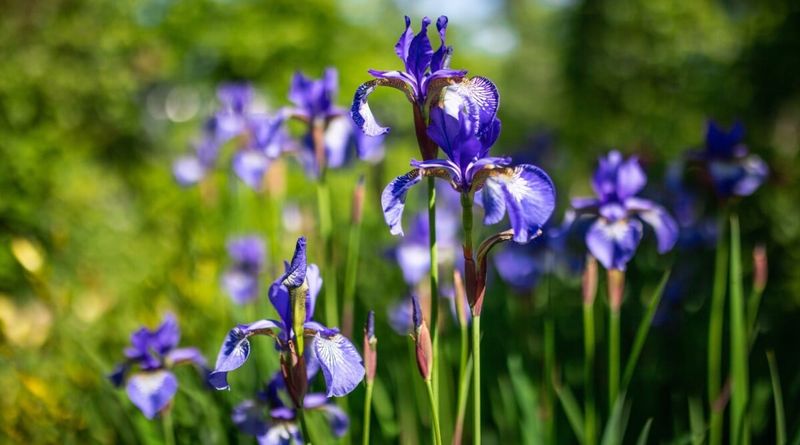
Siberian iris has a quiet elegance that sets it apart from flashier garden plants. Its slender, grass-like foliage stays tidy and attractive all season long, even after the stunning purple, violet, or white blooms have finished in late spring.
Unlike bearded iris, Siberian iris rarely needs dividing and tends to get more beautiful and full with each passing year.
April planting in Michigan sets Siberian iris up for long-term success. This perennial is hardy all the way to Zone 3, meaning even Michigan’s harshest winters are well within its comfort zone.
Plant it in full sun to light shade in average to moist, well-drained soil, and give it enough space since established clumps can spread to two or three feet wide over time.
Spring planting allows the roots to establish during cooler months, reducing transplant stress and giving the plant time to anchor before summer heat arrives. Water consistently through the first growing season, especially during dry stretches.
One practical tip Michigan gardeners appreciate is that Siberian iris tolerates occasional wet conditions better than many perennials, making it a solid choice for spots that stay moist after spring rains.
The foliage remains upright and attractive well into fall, adding structure to garden beds long after the blooms are gone.
Few perennials offer this combination of beauty, toughness, and reliability in Michigan landscapes.
8. Garden Phlox (Phlox Paniculata)
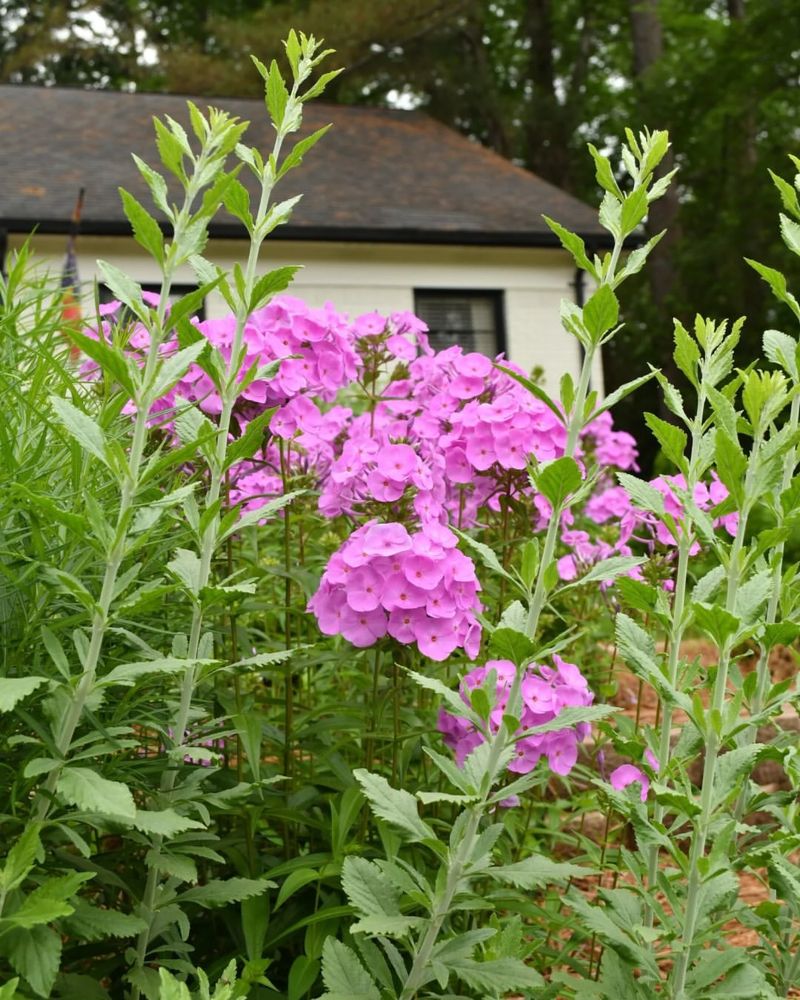
Garden phlox turns up the volume on summer gardens with its large, rounded clusters of fragrant flowers in shades of pink, purple, red, and white.
Blooming from midsummer into early fall, it fills that window when many spring perennials have already finished and the garden can start to feel a little quiet.
In Michigan, where summer entertaining season is in full swing, this timing could not be better.
Planting in April gives garden phlox the establishment time it needs before flowering season begins. Strong root development during cool spring weather translates directly into better heat tolerance and more vigorous blooming when temperatures climb.
Plant it in full sun with good airflow between plants since phlox is prone to powdery mildew when air circulation is poor, especially during Michigan’s humid summer weather.
Evenly moist, well-drained soil and consistent watering through dry spells keep garden phlox performing at its best. Spacing plants eighteen to twenty-four inches apart significantly reduces mildew risk and keeps foliage looking fresh longer.
Deadhead spent flower clusters to encourage additional blooms and extend the display. Garden phlox is a hardy perennial across Michigan and comes back reliably each spring.
Selecting mildew-resistant cultivars like David or Jeana makes maintenance even easier. April planting gives this fragrant, showy perennial the strongest possible start for a dazzling Michigan summer display.
9. Sedum Autumn Joy (Hylotelephium Herbstfreude)
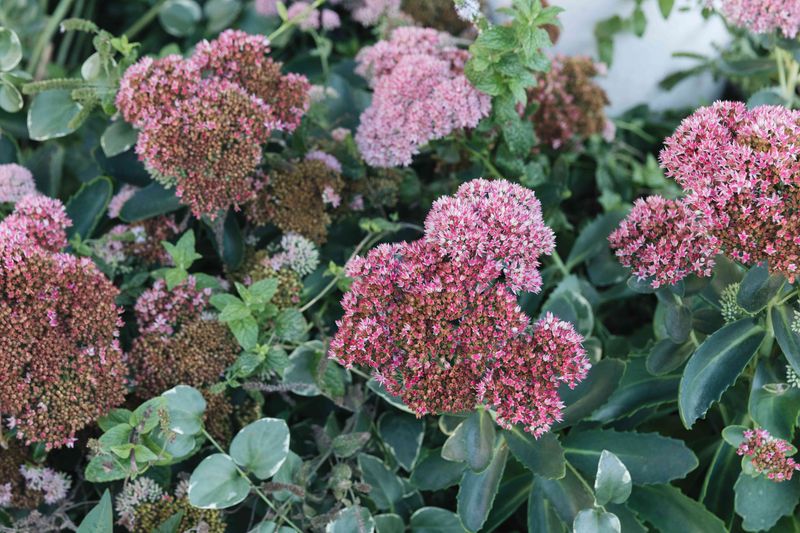
Sedum Autumn Joy is one of those perennials that earns its keep across every single season. In spring it pushes up thick, fleshy blue-green rosettes.
By late summer those rosettes transform into broad, flat-topped flower clusters that open rosy pink and deepen to a rich rusty red by fall. Even in winter, the dried seed heads add structure and texture to Michigan garden beds.
April is a smart time to get this sedum in the ground across Michigan. Early planting allows roots to establish in cool, manageable conditions before the warmer months arrive.
The most important thing to get right is drainage. Sedum Autumn Joy absolutely thrives in sharply drained soil and full sun, and it struggles in spots where water sits after rain.
Avoid overwatering during establishment since these plants are built to handle dry conditions far better than wet ones.
MSU notes that Michigan summers can bring warm, humid conditions, and Autumn Joy handles that combination well once it is properly rooted in.
Space plants about eighteen inches apart to allow good airflow and prevent stem flopping, which can happen in overly rich or shaded spots.
Skip heavy fertilizer since lean soil actually keeps the stems sturdier and the plant more compact.
Butterflies and bees love the late-season blooms, making Sedum Autumn Joy one of the most all-around useful and rewarding perennials a Michigan gardener can plant this April.