California Native Shrubs That Thrive In Front Yards When Planted In Spring
Spring in California has a way of making everything feel possible in the garden. After months of winter rain, the soil is moist, temperatures are warming, and new growth starts to take off almost overnight.
That window creates an ideal moment to plant native shrubs, giving them time to settle in before the long, dry summer sets in.
With less stress and more consistent conditions, roots can spread and establish more easily.
It is one reason so many California gardeners are choosing natives for front yards, not just for their lower water needs, but for the way they support birds, bees, and a more balanced landscape.
1. California Lilac Adds Dense Evergreen Color
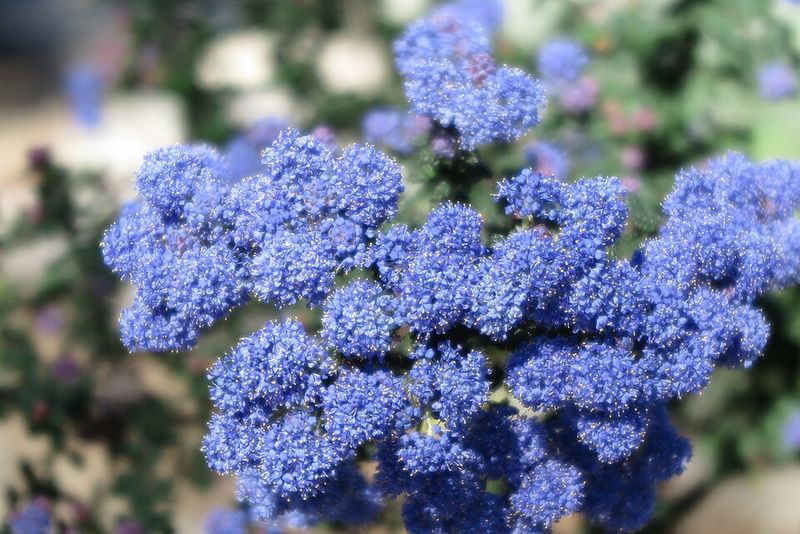
Few sights in a California front yard stop people in their tracks quite like a Ceanothus in full bloom.
Commonly called California Lilac, this native shrub explodes with clusters of blue, violet, or occasionally white flowers in spring, creating a bold visual display that draws pollinators from across the neighborhood.
Bees, butterflies, and other beneficial insects visit regularly once the blooms open.
Planted in spring, Ceanothus has the advantage of settling into warm soil while still receiving some seasonal moisture. It strongly prefers full sun and well-drained soil – heavy clay with poor drainage can cause root problems over time.
Spacing matters too, since many varieties spread quite wide, so giving each plant enough room lets it develop its natural rounded or spreading form without crowding.
Most Ceanothus varieties are evergreen, which means your front yard keeps its green framework even through California’s dry summers and mild winters.
Once established, these shrubs need very little supplemental water, making them a practical and beautiful choice for water-wise landscapes.
Pruning lightly after the bloom period can help maintain a tidy shape without stressing the plant.
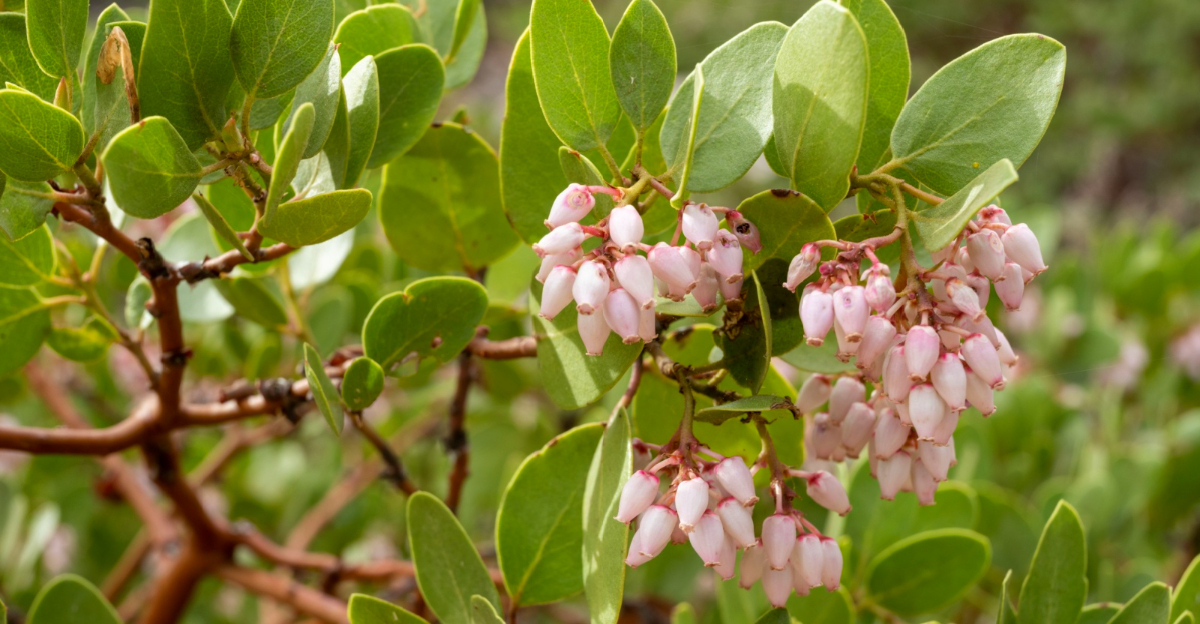
2. Manzanita Brings Sculptural Year Round Interest
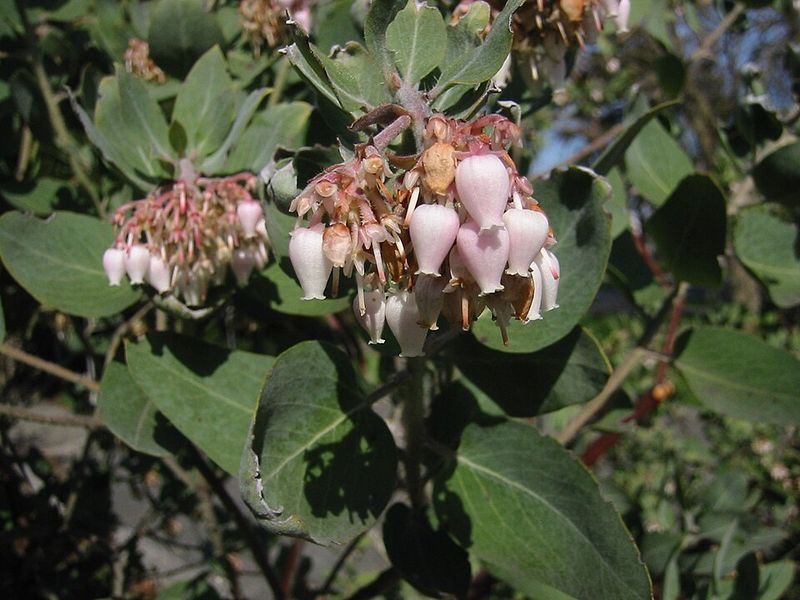
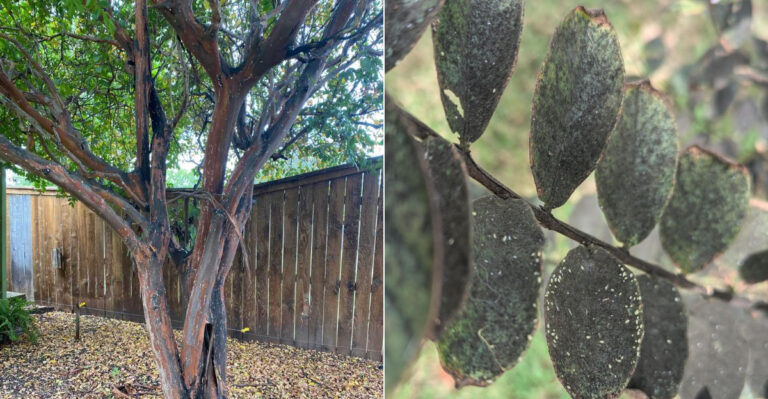
Walk past a Manzanita on a crisp California morning and you will notice something unusual – the smooth, reddish-brown bark almost seems to glow.
Unlike most shrubs that fade into the background during the off-season, Manzanita offers genuine year-round visual interest.
The twisted branching structure alone makes it look like a piece of living sculpture placed deliberately in the landscape.
Planting Manzanita in spring gives roots time to establish before summer heat arrives. It needs full sun and excellent drainage – soggy soil is its biggest enemy.
In parts of California with heavy clay, raised planting beds or amended slopes can make a real difference for long-term survival.
Once settled in, most varieties need minimal to no supplemental irrigation.
The delicate, urn-shaped pink or white flowers appear in late winter through early spring and attract hummingbirds and native bees with impressive reliability.
Small berries follow the blooms and continue supporting local wildlife through the warmer months.
With dozens of California-native Manzanita species and cultivars available, gardeners can find options ranging from low ground-hugging spreaders to upright shrubs that anchor a front yard design with quiet confidence.
Your California Garden Changes Every Week. Your Plan Should Too.
Gardening in California changes quickly throughout the season. Every Friday you’ll receive a simple weekly plan showing exactly what to plant, prune, fertilize, harvest, and protect so you never miss the right timing.
3. Toyon Offers Glossy Leaves And Seasonal Berries
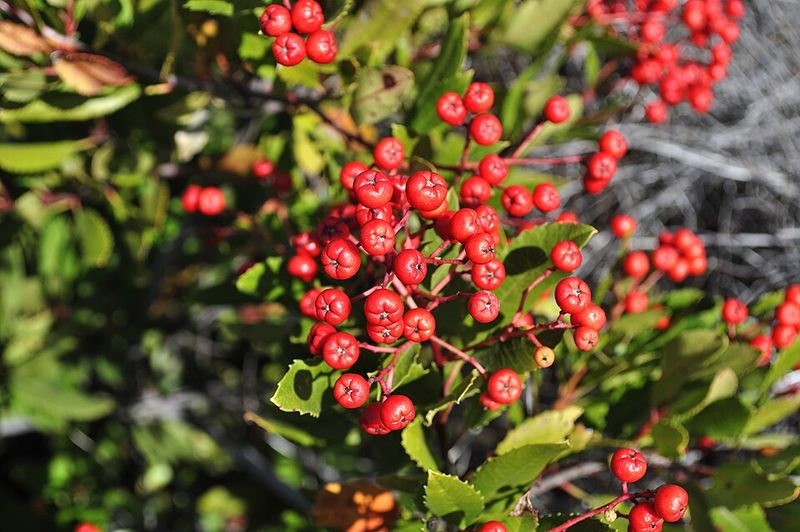
Hollywood actually owes its name to this plant. Toyon, sometimes called California Holly or Christmas Berry, once covered the hills of what is now Los Angeles so densely that early settlers named the region after it.
That piece of local history makes it one of the most culturally significant native shrubs a California gardener can plant.
Beyond its backstory, Toyon earns its place in a front yard through sheer practicality.
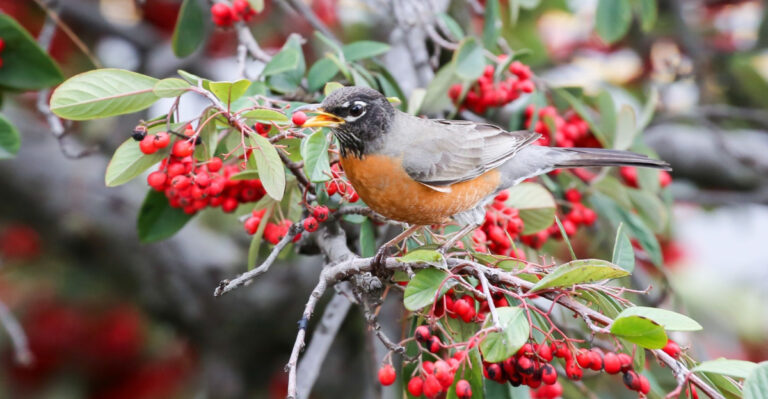
The dark, glossy leaves stay attractive year-round, and clusters of bright red berries ripen in late fall and winter, bringing color to the landscape exactly when most other plants are resting.
Birds, especially cedar waxwings and American robins, flock to the berries enthusiastically.
Spring planting lets Toyon establish roots during mild temperatures before California’s dry season takes hold. It grows well in full sun to partial shade and tolerates a range of soil types, though it appreciates good drainage.
Mature plants can reach eight to twelve feet tall and wide, so giving it space to develop naturally pays off over time.
Light pruning after berry season helps keep the shape manageable without removing too much of the flowering and fruiting wood.
4. Coffeeberry Grows Well In Sun Or Partial Shade
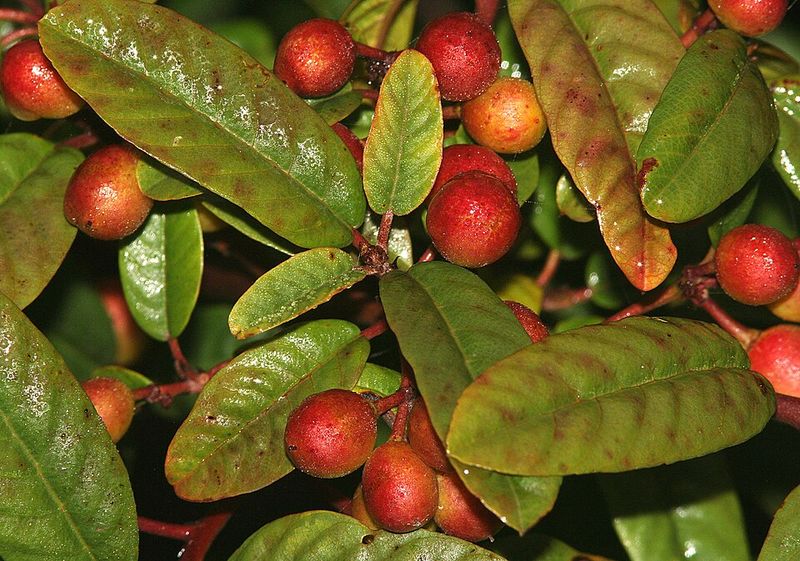
Not every front yard in California gets blasted with full sun all day. Shaded entries, north-facing slopes, and spots under overhanging eaves can be tricky to plant – and that is exactly where Coffeeberry tends to shine.
This adaptable native evergreen handles sun or partial shade with equal composure, making it one of the more flexible shrubs available to California gardeners working with challenging light conditions.
Coffeeberry, known botanically as Frangula californica, produces small creamy-white flowers in spring that are modest but attract native bees reliably.
The berries that follow shift from green to red to deep purplish-black as they ripen, providing a multi-season color show that doubles as a food source for birds.
The foliage stays dense and attractive throughout the year.
Spring planting allows roots to develop during the cooler, wetter part of California’s gardening calendar. Established plants need only occasional deep watering during dry summer months.
Soil adaptability is one of Coffeeberry’s genuine strengths – it tolerates clay, loam, and sandy soils better than many other natives.
Several compact cultivars are available that work particularly well in smaller front yards where a large spreading shrub might feel overwhelming.
5. California Sagebrush Adds Soft Silvery Texture
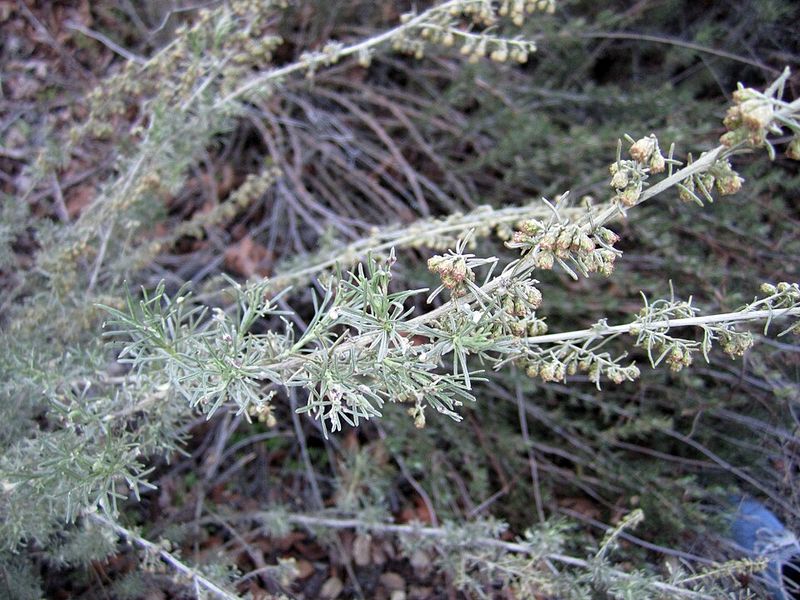
Texture is one of the most underrated elements in front yard design, and California Sagebrush delivers it beautifully.
The finely cut, silvery-gray foliage creates a soft, feathery appearance that contrasts well against darker greens and bold flowering plants.
Running your hand along the stems releases a clean, herbal fragrance that many people find deeply evocative of California’s coastal chaparral landscapes.
Artemisia californica, as it is formally known, is exceptionally drought-tolerant once established. Planting it in spring gives the root system a chance to spread while some soil moisture still lingers.
It grows best in full sun with fast-draining soil – standing water around the roots during summer can cause decline.
In coastal California, it thrives with almost no supplemental irrigation once established.
From a design standpoint, California Sagebrush works well as a soft filler between bolder structural plants, as a low informal hedge along a pathway, or as a slope stabilizer on dry banks. It typically grows three to five feet tall and wide.
Cutting it back lightly in late summer or early fall encourages fresh silvery growth and keeps the plant from becoming too woody and open at the base over time.
6. Cleveland Sage Brings Fragrance And Pollinator Appeal
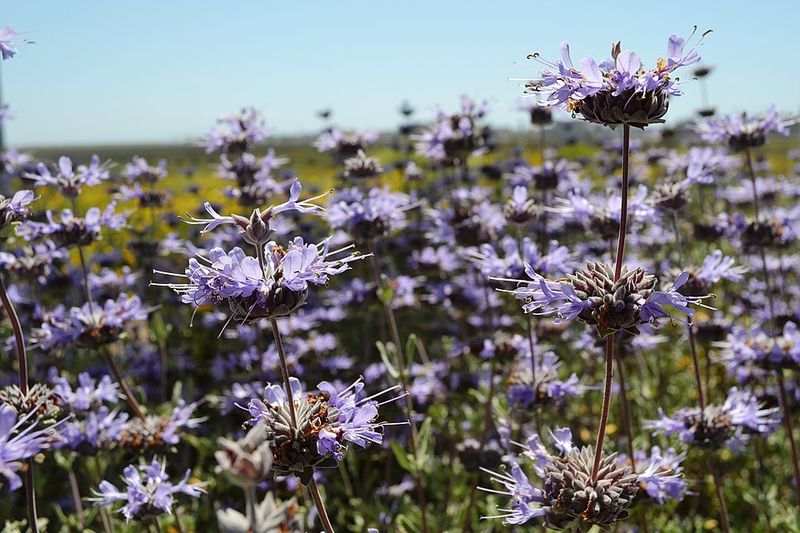
Some plants earn their place in a garden through looks alone, but Cleveland Sage earns it through every single sense.
The silvery-green foliage releases a rich, complex fragrance when brushed or warmed by the California sun, and the tall spikes of purple-blue flowers that emerge in late spring and early summer are among the most striking produced by any California native shrub.
Salvia clevelandii is a natural resident of Southern California’s chaparral, which means it is built for dry summers, rocky soils, and plenty of sunshine. Spring planting gives it time to anchor roots before temperatures climb.
It needs full sun and sharp drainage – heavy, wet soil tends to shorten its lifespan considerably.
Spacing plants about four to five feet apart allows good airflow, which helps prevent the fungal issues that can occasionally appear in humid microclimates.
Hummingbirds visit the flowers with enthusiasm, and native bees work the blooms steadily throughout the flowering season.
Once established, Cleveland Sage needs very little supplemental water in most California climates.
Cutting the plant back by roughly one-third after flowering keeps it compact and encourages a fresh flush of aromatic foliage.
It pairs especially well with California Sagebrush and other silver-toned natives in a cohesive front yard planting.
7. Sticky Monkey Flower Adds Bright Color To Sunny Spots
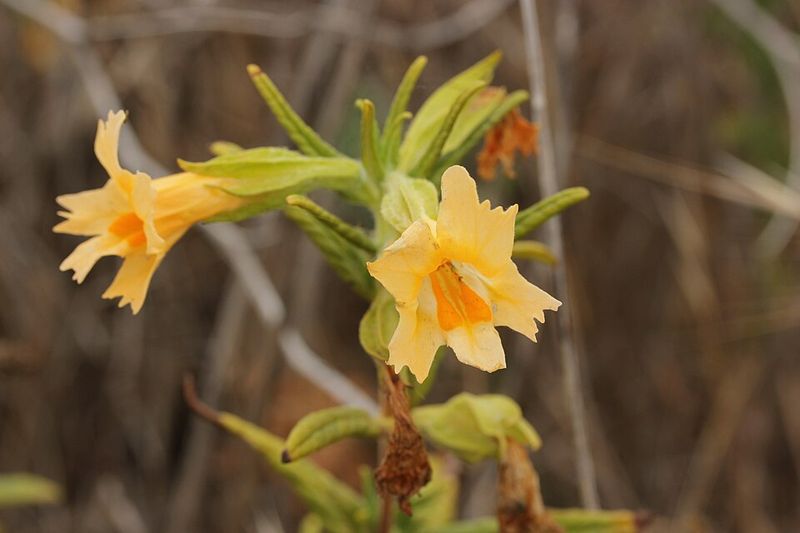
Bright orange flowers popping against dry summer soil is a sight that surprises many visitors to California native gardens for the first time.
Sticky Monkey Flower, now classified as Diplacus aurantiacus, blooms in shades ranging from pale yellow to deep burnt orange, and it keeps flowering for an impressively long season that stretches from spring well into summer.
The common name comes from the slightly sticky texture of the leaves, which helps the plant retain moisture during California’s dry season.
It grows naturally on dry slopes, roadsides, and coastal bluffs across the state, which tells you a lot about its resilience.
Spring planting gives it a solid establishment window, and it settles into well-drained soil in full sun with minimal fuss.
Hummingbirds are particularly drawn to the tubular flowers, making Sticky Monkey Flower a reliable wildlife plant for California front yards.
It typically grows two to four feet tall and wide, fitting comfortably into mid-border positions or along sunny pathways.
Cutting the plant back by about half after the main bloom period often encourages a second flush of flowering.
Established plants need only occasional deep watering during the hottest months, fitting well into low-water California landscapes.
8. Bush Anemone Brings Elegant White Blooms
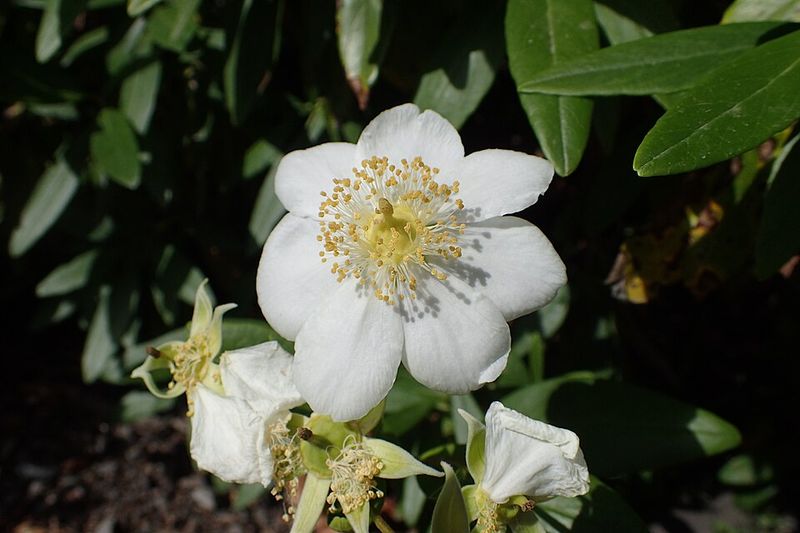
Gardeners searching for something a little more refined and unexpected in a California native planting often discover Bush Anemone and wonder why it is not used more widely.
Carpenteria californica, as botanists call it, produces large, pure white flowers with golden yellow stamens that genuinely resemble a single-flowered rose or poppy, giving it an elegant quality that stands apart from most chaparral shrubs.
Bush Anemone is native to a small foothill region in Fresno County, which makes it one of California’s rarer endemic plants.
Despite its limited natural range, it adapts well to garden conditions across many parts of the state when given good drainage and some afternoon shade in hotter inland areas.
Spring planting in well-prepared soil gives it a strong start before summer heat arrives.
The glossy dark green leaves provide a handsome backdrop for the white blooms, which appear from late spring into early summer.
Established plants are reasonably drought-tolerant, though they appreciate an occasional deep watering during prolonged dry spells.
Bush Anemone typically grows four to six feet tall and responds well to light shaping after flowering. Its refined appearance makes it a natural anchor plant for cottage-style or more formal California native front yard designs.
9. California Fuchsia Adds Late Season Color And Pollinators
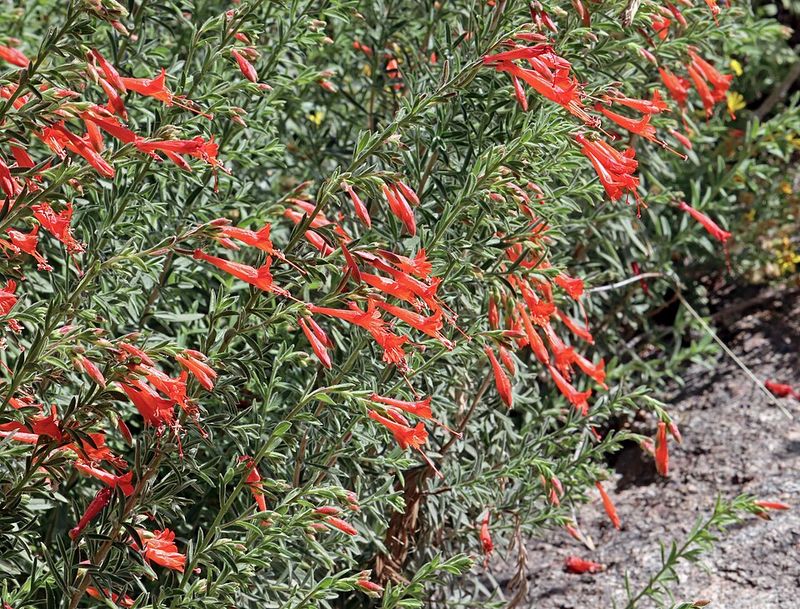
When most flowering shrubs in California front yards start winding down in late summer, California Fuchsia is just hitting its stride.
The brilliant scarlet tubular flowers emerge in late summer and continue blazing through fall, offering a burst of color and a critical nectar source for hummingbirds preparing for migration.
Few native plants time their bloom period quite so generously.
Known botanically as Epilobium canum, California Fuchsia grows naturally on dry slopes and rocky outcroppings across much of the state.
Planting it in spring gives the root system time to spread through the soil before the heat arrives.
It thrives in full sun and well-drained soil, and it handles the dry California summer with minimal supplemental water once established.
In richer, moister soils it can spread fairly aggressively through underground runners, so placement in a defined bed or drier spot helps keep growth manageable.
The silvery-gray foliage provides attractive texture even before the flowers open, making it a useful plant throughout the growing season rather than just during bloom.
California Fuchsia pairs well with other late-season bloomers and ornamental grasses.
Cutting it back hard in late winter encourages fresh, vigorous growth and a strong flowering display the following season.