The Best Low-Growing Plants For Weed Control In Pennsylvania Gardens
Weeds have a way of finding every open inch of a Pennsylvania garden the second you stop paying attention. One bare patch turns into a mess before you know it, and suddenly you are spending more time pulling unwanted plants than enjoying the ones you actually chose.
That is exactly why low-growing plants can be such a smart solution. The right ones do more than fill space.
They spread nicely, shade the soil, and make it much harder for weeds to take hold in the first place.
That kind of help can make a big difference in a garden that you want to keep looking full without constant work. Some of these plants stay neat and tidy, some add flowers or texture, and some are tough enough to handle tricky spots where weeds love to show up.
In Pennsylvania, where gardens can deal with everything from damp spring soil to hot summer stretches, it helps to have plants that pull their weight. A good low grower can cut down on maintenance while making the whole yard look more finished and inviting.
1. Pennsylvania Sedge
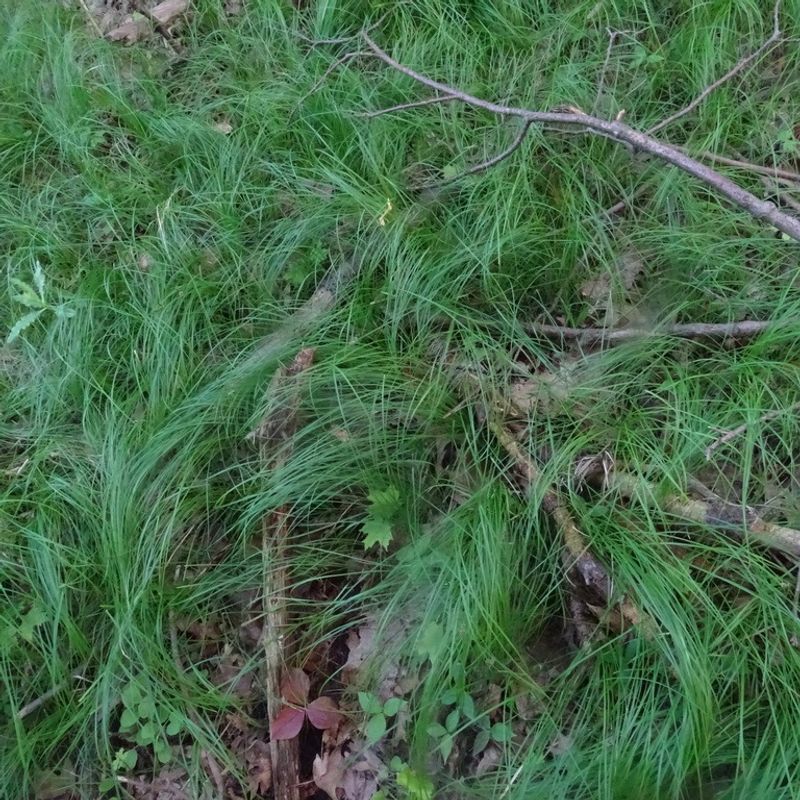
Not every garden gets full sun, and that is where Pennsylvania sedge really shines. This native plant was practically made for the shaded corners and dry spots that turf grass tends to abandon.
If you have ever tried growing regular lawn grass under a big oak tree and failed, Pennsylvania sedge might be the answer you have been looking for.
Pennsylvania sedge forms soft, low clumps that slowly spread and knit together over time. Once it fills in, the dense mat of fine green blades shades the soil below and makes it very hard for weeds to get started.
It works almost like a living mulch, blocking light and holding moisture so unwanted plants cannot easily take root.
Many Pennsylvania gardeners use it as a full lawn substitute in shaded areas. It stays short enough that mowing is rarely needed, which saves time and effort.
It handles drought better than most turf grasses once it gets established, making it a low-maintenance choice for busy gardeners.
Planting it is pretty straightforward. You can start with plugs or small divisions spaced about a foot apart.
It spreads slowly at first but fills in nicely after the first season or two. Water it regularly during the first growing season to help it settle in.
After that, it largely takes care of itself. For Pennsylvania gardens dealing with dry shade and persistent weeds, this native sedge is one of the most reliable ground covers available.
2. Barren Strawberry
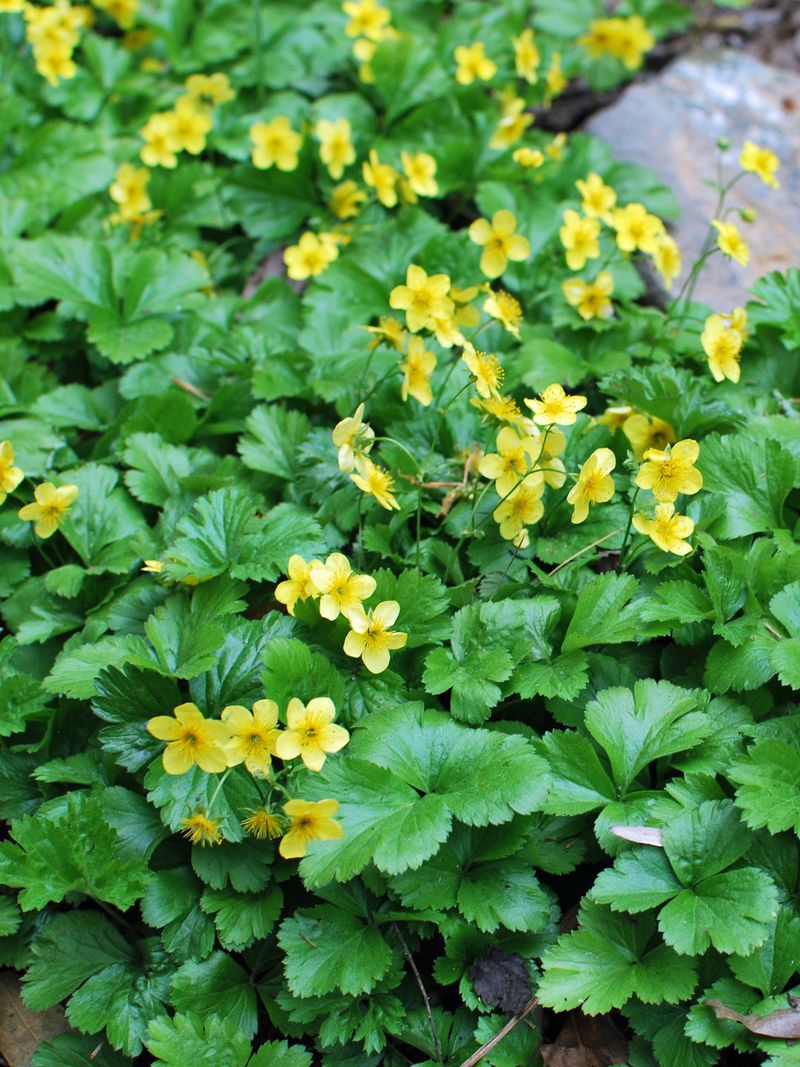
Looks can be deceiving, and barren strawberry is proof of that. It looks a lot like a regular strawberry plant, with those familiar three-part leaves and a low, spreading habit.
But instead of producing fruit, it puts all its energy into spreading across the ground and forming a thick, weed-blocking carpet that gardeners in Pennsylvania absolutely love.
Barren strawberry spreads by runners, similar to how regular strawberries grow. Each runner roots into the soil and sends out more plants, gradually covering bare ground with a dense layer of foliage.
Your Pennsylvania Garden Changes Every Week. Your Plan Should Too.
Gardening in Pennsylvania changes quickly throughout the season. Every Friday you’ll receive a simple weekly plan showing exactly what to plant, prune, fertilize, harvest, and protect so you never miss the right timing.
Once it fills in, weeds have a very hard time pushing through. The leaves stay green well into fall and sometimes even through mild winters, giving you season-long coverage.
One of the best things about this plant is how flexible it is. It grows well in full sun to partial shade, which means it works in a variety of spots around a Pennsylvania yard.
It handles dry soil reasonably well once established, and it is considered a native option for many parts of the eastern United States, making it a smart pick for wildlife-friendly gardens.
Spring brings small yellow flowers that add a cheerful touch to the garden before the leaves take over completely. Planting barren strawberry in problem spots, like slopes, dry strips along fences, or areas under trees, gives you a natural ground cover that handles itself.
Space plants about twelve to eighteen inches apart and let them do the work over the next growing season.
3. Wild Ginger
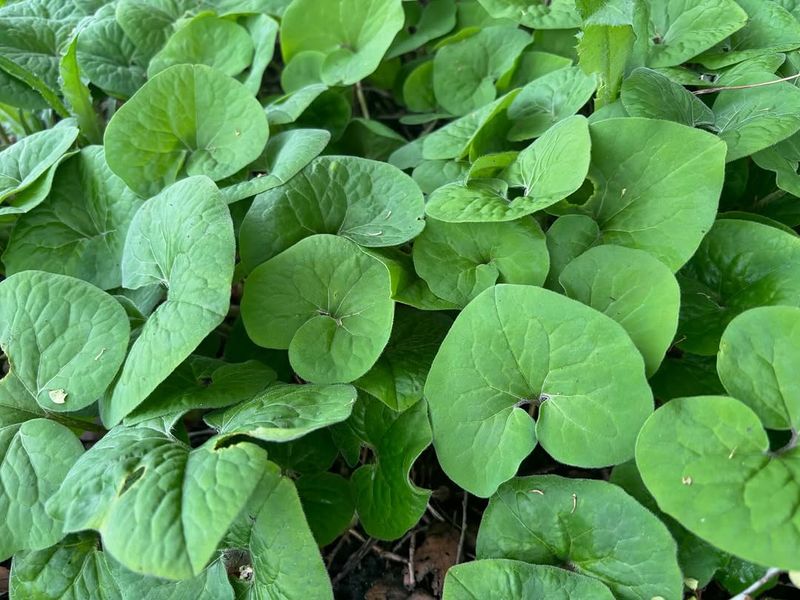
Walk through almost any Pennsylvania woodland in late spring, and you might spot wild ginger growing quietly along the forest floor. Its broad, heart-shaped leaves overlap each other to form a rich, dark green carpet that looks lush and full even in deep shade.
That same quality that makes it beautiful in the wild also makes it one of the best weed-suppressing plants for shaded home gardens.
Wild ginger spreads slowly but steadily by underground rhizomes. Over a few seasons, it builds up a dense layer of foliage that blocks sunlight from reaching the soil.
Weed seeds need light to sprout, so once wild ginger covers the ground, many common weeds simply cannot get established. It is a patient plant, but the payoff is a nearly weed-free shaded bed.
This plant thrives in moist, well-drained soil with plenty of organic matter, which is easy to provide in most Pennsylvania garden beds. It prefers partial to full shade, making it ideal for spots under large trees or along the north side of buildings where other plants struggle.
Deer tend to leave it alone, which is a big bonus for Pennsylvania gardeners dealing with browsing pressure.
Planting wild ginger from divisions or potted nursery plants is the most reliable approach. Space plants about twelve inches apart and keep them watered during dry spells in the first season.
Once settled in, wild ginger needs very little attention. It is a quiet, steady performer that earns its place in any shaded Pennsylvania garden bed.
4. Green-And-Gold
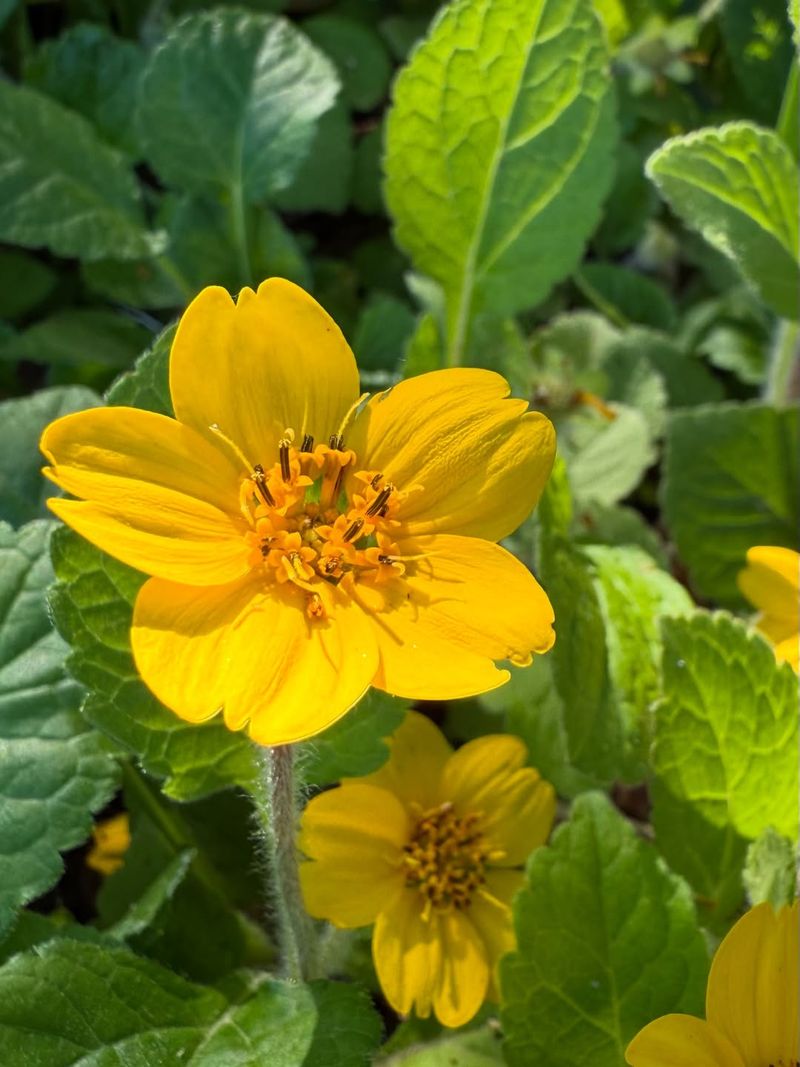
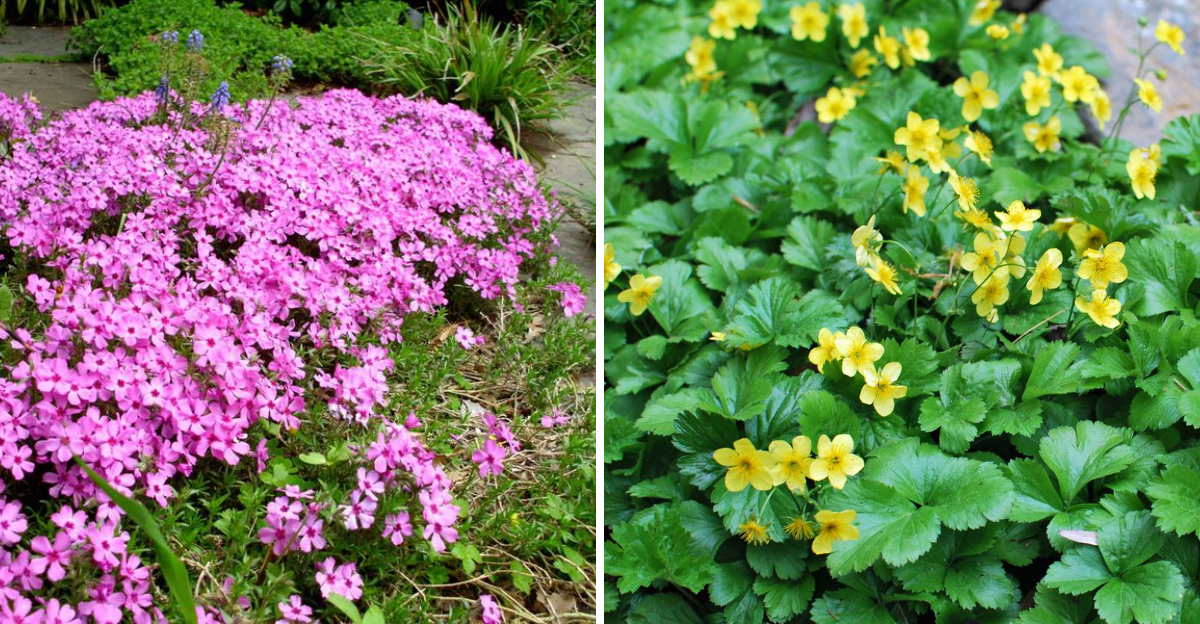
Imagine a ground cover that not only blocks weeds but also gives you cheerful yellow flowers from spring all the way into summer. That is exactly what green-and-gold delivers, and it is one of the reasons Pennsylvania native plant gardeners keep coming back to it.
The name comes from the combination of its bright golden flowers and its rich, evergreen foliage that stays attractive even when the blooms fade.
Green-and-gold spreads both by runners and by self-seeding, which means it fills in spaces fairly quickly compared to slower native options.
It forms a low, dense mat that shades the soil and crowds out weeds without getting tall enough to look messy or overgrown. Most plants stay under six inches tall, making it a true ground-level weed fighter.
Part shade is where this plant really performs best. It tolerates a range of soil types, from average garden soil to slightly dry or slightly moist conditions, which makes it adaptable to many different spots around a Pennsylvania yard.
Once established, it is quite tough and does not need much extra watering or feeding.
Pollinators like bees and butterflies are drawn to the flowers, which adds extra value to the garden beyond just weed control. Plant green-and-gold about twelve inches apart in prepared garden beds, and water regularly through the first growing season.
By the second year, it should be spreading confidently and doing a solid job of keeping weeds out of your Pennsylvania garden beds.
5. Creeping Phlox
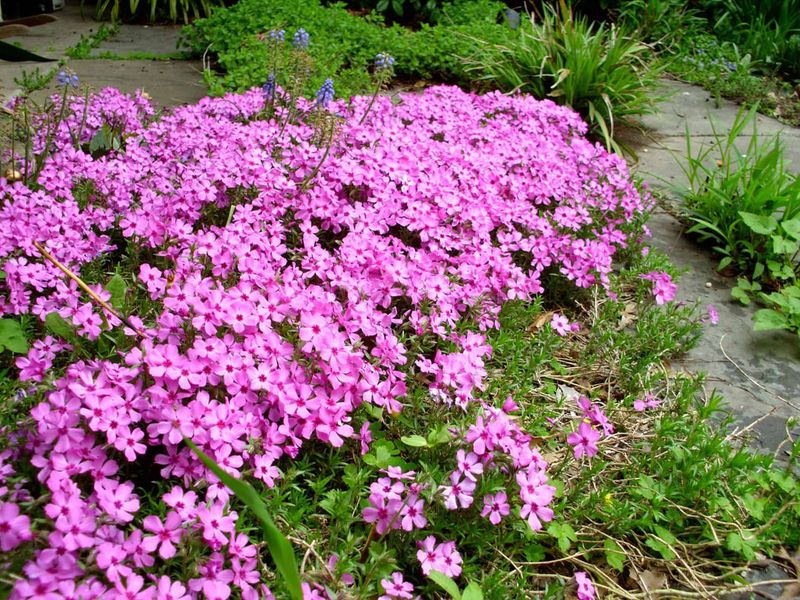
Every spring, Pennsylvania gardeners who planted creeping phlox are reminded why they made such a great decision. The plant explodes into color, covering itself with masses of small flowers in shades of pink, purple, white, or lavender.
For a few weeks, it looks almost too pretty to be a practical weed-control plant. But once the flowers fade, the dense, needle-like foliage stays in place and keeps doing its job all season long.
Creeping phlox forms a tight, low mat that hugs the ground closely. It spreads outward steadily, filling in bare patches and covering soil that would otherwise be open to weed invasion.
The thick mat blocks sunlight and makes it tough for weed seeds to find a foothold. On slopes and hillsides, it also helps hold soil in place, which is an added bonus for Pennsylvania gardeners dealing with erosion.
This plant thrives in full sun and prefers well-drained soil, so it is a great choice for sunny rock gardens, along walkways, or on sunny banks.
It handles dry conditions well once established and does not need much fertilizer to stay healthy. A light trim after flowering can help keep it tidy and encourage fresh new growth.
Planting creeping phlox is simple. Space plants about eighteen inches apart in a sunny, well-drained spot.
Water regularly during the first growing season, then step back and let it spread. In Pennsylvania, it is a reliable and rewarding choice for anyone who wants beauty and weed control working together in the same plant.
6. Moss Phlox
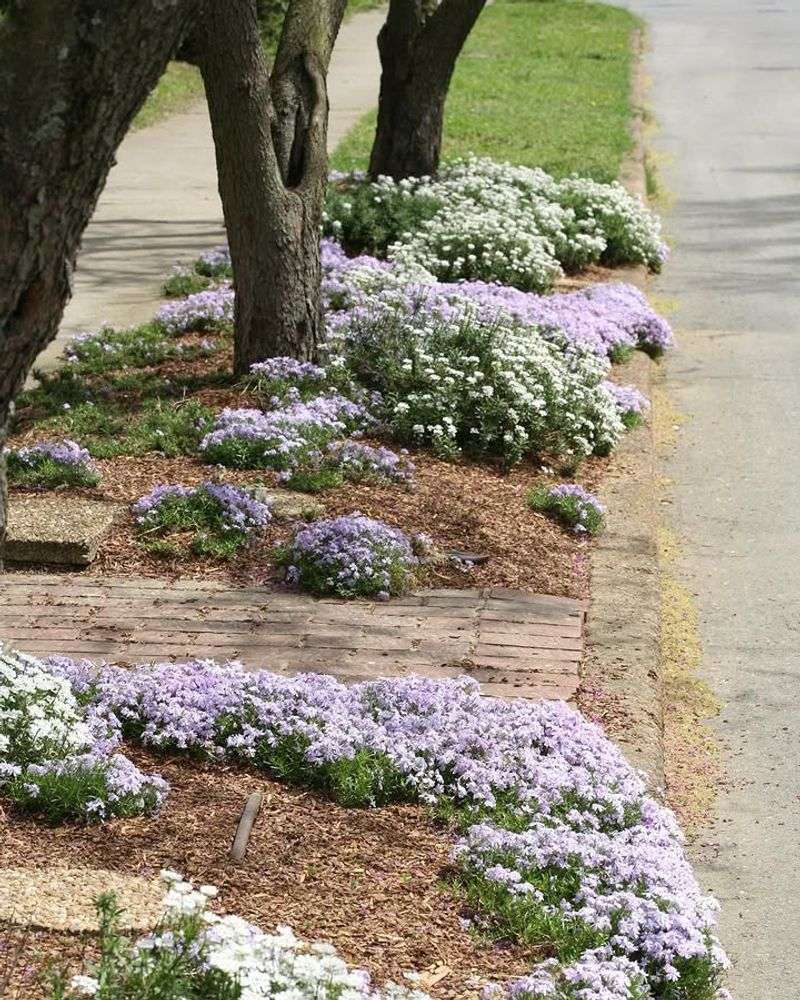
At first glance, moss phlox almost looks like a patch of soft moss spreading across dry, sunny ground. That fine, dense texture is exactly what makes it such a powerful weed blocker.
The leaves are tiny and needle-like, but they pack together so tightly that almost nothing gets through. For dry, sunny spots in Pennsylvania where weeds love to move in, moss phlox is one of the most effective low-growing options available.
Moss phlox is closely related to creeping phlox, but it tends to form an even denser, more compact mat. It stays very low to the ground, rarely getting taller than six inches.
That growth habit means it covers soil efficiently without shading out nearby plants or becoming a nuisance. It spreads at a steady pace, gradually filling in open areas over one to two growing seasons.
Dry, rocky, or sandy soils are no problem for moss phlox. In fact, it actually prefers these conditions over rich, moist garden soil.
Pennsylvania gardeners dealing with tough, dry slopes, gravel areas, or thin rocky soil will find moss phlox performs better there than almost any other ground cover. It is drought-tolerant once established and rarely needs supplemental watering after the first season.
Spring brings a burst of small, five-petaled flowers in shades of pink, lavender, or white that cover the plant completely. After blooming, a light shearing keeps the mat looking neat and encourages dense regrowth.
Plant moss phlox in full sun, space plugs about twelve to fifteen inches apart, and let this tough little plant take over the bare spots in your Pennsylvania garden.
7. Foamflower
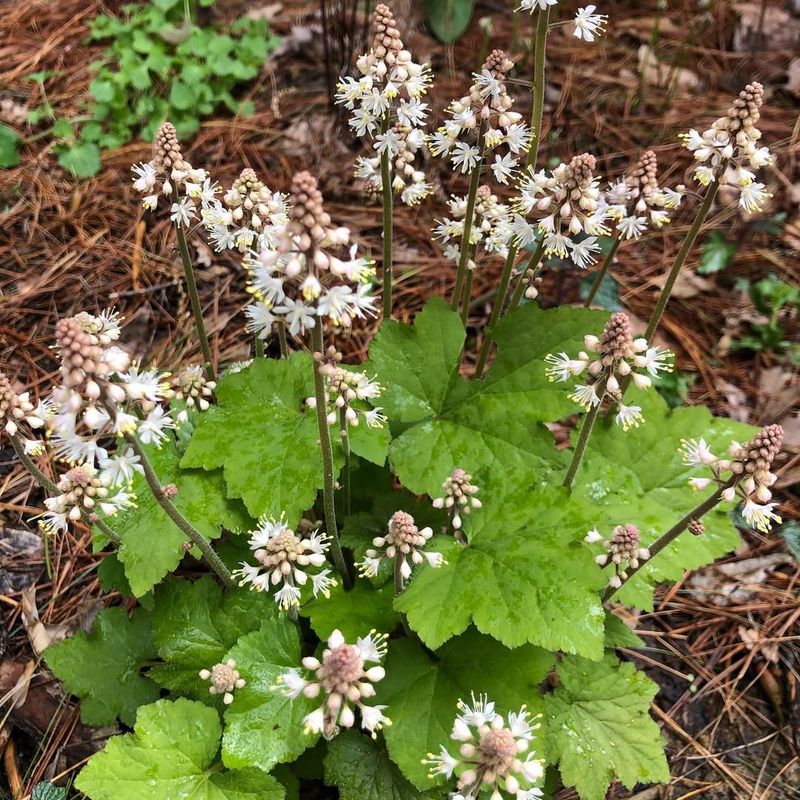
There is something almost magical about watching foamflower bloom in a shaded Pennsylvania garden. Slender spikes covered in tiny white flowers rise just above the foliage in spring, creating a soft, frothy effect that gives the plant its name.
But foamflower is not just pretty. Underneath those blooms, the wide, heart-shaped leaves are quietly doing the practical work of shading out weeds and covering bare soil.
Foamflower is a native plant that naturally grows in Pennsylvania woodlands, which means it is perfectly suited to the local climate. It thrives in part shade to full shade and prefers moist, humus-rich soil.
These are exactly the conditions found in shaded garden beds under trees, along woodland paths, and beside water features where weeds often sneak in and take over.
The plant spreads by both stolons and self-seeding, which helps it fill in a shaded bed fairly quickly. Once established, the dense leaf coverage shades the soil effectively, making it hard for weed seeds to germinate and grow.
Foamflower works especially well as an understory ground cover, layered beneath taller shrubs and small trees in naturalistic Pennsylvania garden designs.
Planting foamflower is easy when you match it to the right spot. Choose a shaded area with decent moisture, amend the soil with compost, and space plants about twelve to fifteen inches apart.
Keep them watered through the first season. After that, foamflower tends to spread on its own and establish a lush, weed-resistant carpet that makes shaded Pennsylvania garden beds look effortlessly beautiful year after year.