The Native Pennsylvania Plants That Support Fireflies And Night Pollinators
There is something special about a Pennsylvania garden that still feels alive after sunset. Fireflies start flickering over the grass, moths drift through the air, and the whole yard takes on a quieter kind of magic.
But that nighttime activity does not happen by accident. The plants growing in your garden play a big role in whether those evening visitors show up at all.
While daytime pollinator plants get most of the attention, some native Pennsylvania plants are especially helpful for the creatures that come out when the sun goes down.
That is what makes this kind of planting so rewarding. You are not just choosing flowers and greenery for how they look during the day.
You are helping create a habitat that supports fireflies, moths, and other nighttime pollinators that are easy to forget but incredibly important. Many of these native plants also add beauty, texture, and seasonal interest to the yard.
If you want your garden to feel richer, more alive, and a little more magical after dark, the right plants can make a real difference.
1. Common Evening Primrose
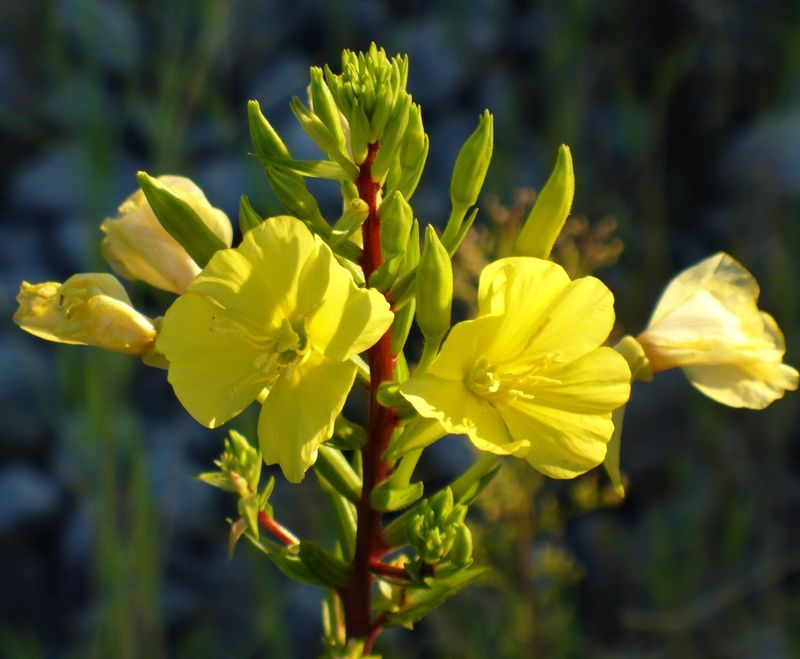
Imagine stepping outside just as the sun dips below the horizon and watching flowers literally open before your eyes. That is exactly what common evening primrose does, and it is one of the most exciting plants you can grow in a Pennsylvania garden.
The blooms unfold in the late afternoon and stay open through the night, making them a perfect food source for moths and other night pollinators.
Moths are some of the most important pollinators you rarely hear about. They are active after dark, and they need flowers that match their schedule.
Common evening primrose delivers exactly that, offering fresh nectar right when moths come out to feed. The large, pale yellow flowers are easy for moths to spot even in low light.
Beyond moths, this plant also attracts a variety of insects that create a lively food web in your garden.
Fireflies are predators in their larval stage, feeding on soft-bodied insects in the soil and leaf litter nearby. A garden rich in insect activity naturally supports a healthier firefly population over time.
Common evening primrose grows well in Pennsylvania’s climate and thrives in sunny spots with well-drained soil. It can reach up to five feet tall and spreads easily, making it a bold addition to any native plant garden.
It is also a biennial, meaning it grows leaves the first year and blooms the second. Once established, it often reseeds itself, so you get fresh plants every year without much effort.
2. Common Milkweed
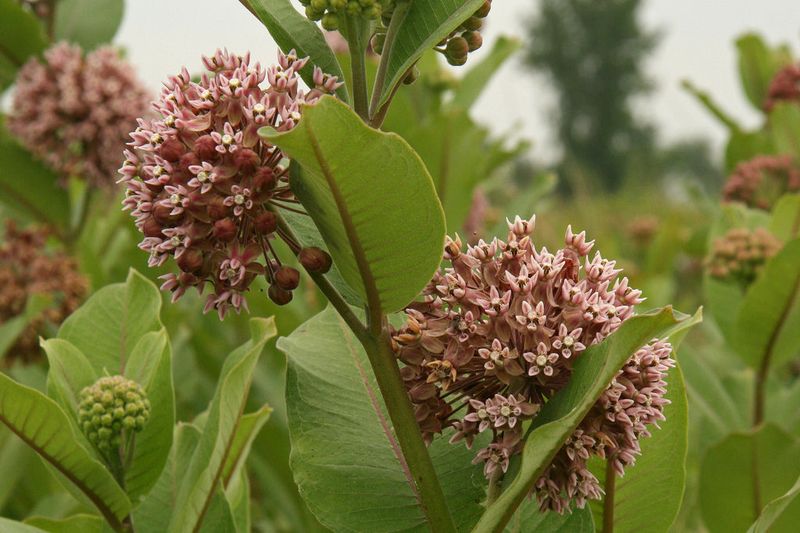
Few plants pull double duty quite like common milkweed. Most people know it as the plant that monarch butterflies need to survive, but common milkweed does so much more than that.
In Pennsylvania, this native wildflower supports a surprisingly wide range of insects, including moths, beetles, and even fireflies that show up around it during summer evenings.
The flowers of common milkweed are small but packed with nectar. They bloom in rounded clusters that smell sweet and carry that fragrance well into the evening.
Your Pennsylvania Garden Changes Every Week. Your Plan Should Too.
Gardening in Pennsylvania changes quickly throughout the season. Every Friday you’ll receive a simple weekly plan showing exactly what to plant, prune, fertilize, harvest, and protect so you never miss the right timing.
That scent is a powerful signal for night-flying moths searching for a meal after dark. Sphinx moths and other large moth species are regular visitors, making milkweed patches feel alive even when the sun goes down.
Firefly sightings near milkweed patches are not unusual. The dense, tall stems and broad leaves create a layered habitat where insects of all kinds gather.
That insect activity is exactly what firefly larvae need, since they hunt in the soil and vegetation below the plant. A patch of milkweed is essentially building a food-rich environment from the ground up.
Growing common milkweed in Pennsylvania is straightforward. It prefers full sun and adapts well to average or even dry soils, which makes it low-maintenance once it gets going.
It spreads through underground rhizomes, so give it some room to expand. Plant it along a fence line, in a meadow corner, or mixed into a pollinator border for the best results throughout the growing season.
3. Wild Bergamot
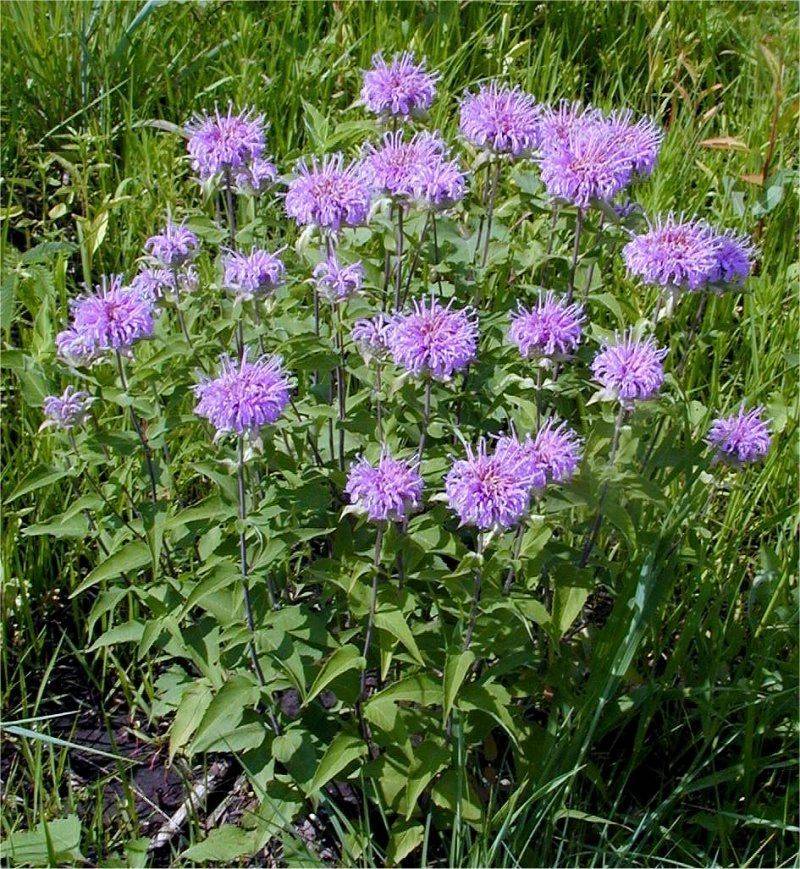
Wild bergamot has a way of making a garden feel alive. The lavender-purple flowers sit on top of sturdy stems and release a pleasant herbal scent that carries through the air on warm evenings.
Bees swarm it during the day, but the activity does not stop when the sun goes down. Moths pick up where the bees leave off, drawn in by both the scent and the nectar waiting inside each bloom.
In Pennsylvania, wild bergamot is a tried-and-true native that fits naturally into any pollinator-friendly planting. It blooms in midsummer, filling a useful window when some early-season plants have already finished.
That timing matters a lot because consistent nectar availability throughout the season keeps pollinators coming back to your yard instead of moving on to find food elsewhere.
The busier a garden is with insect life, the better the conditions for fireflies. Firefly larvae are hunters, and they do well in gardens where the food web is rich and diverse.
Wild bergamot helps build that kind of environment by drawing in a wide variety of insects that contribute to a healthy, balanced habitat. It is one of those plants that quietly does a lot of heavy lifting behind the scenes.
Wild bergamot grows best in full sun to partial shade and handles dry to medium soils without complaint. It spreads gently over time and pairs beautifully with other Pennsylvania natives like goldenrod and asters.
Cutting it back after the first bloom can even encourage a second flush of flowers later in the season, extending its value even further.
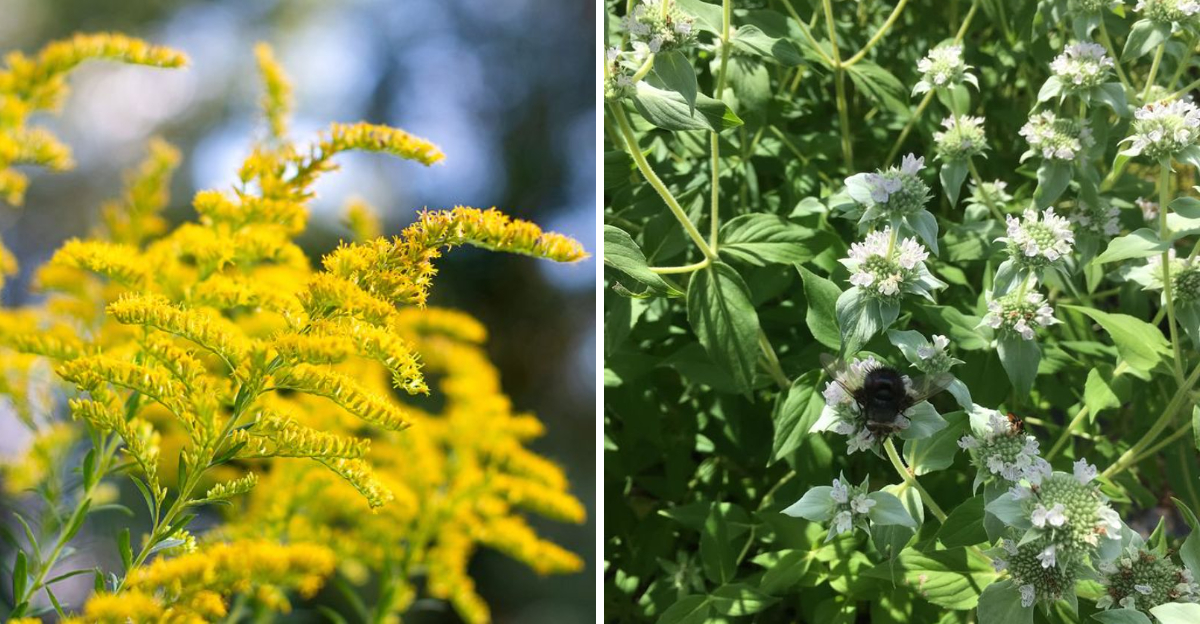
4. Mountain Mint
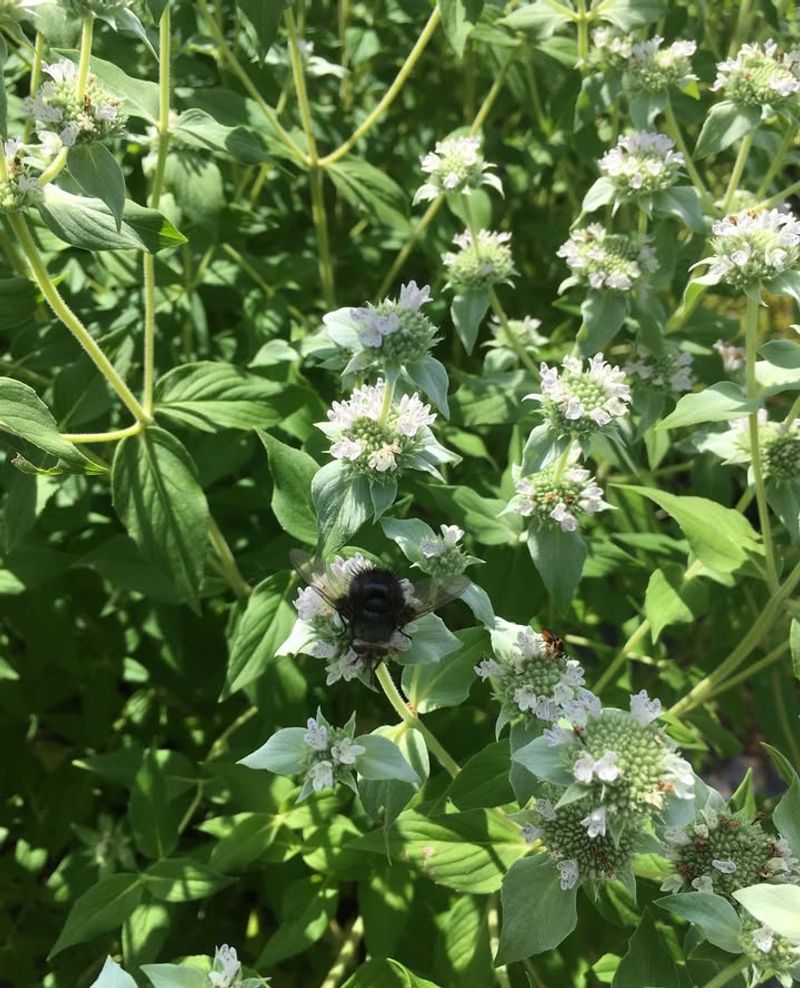
Ask any Pennsylvania native plant gardener which plant gets the most insect visitors, and mountain mint will likely top the list. On a warm summer afternoon, the small white flowers can be covered with dozens of bees, wasps, butterflies, and beetles all at once.
That level of pollinator traffic is almost unmatched among native plants, and it creates an incredibly rich food web that benefits the entire garden ecosystem.
Mountain mint blooms in midsummer and keeps going for several weeks, which gives it a long window of usefulness. The flowers are small and clustered, but they produce nectar in impressive quantities.
Even as evening approaches and the daytime pollinators head home, moths begin arriving to take advantage of what is left. That overlap between day and night visitors makes mountain mint a truly round-the-clock performer in a pollinator garden.
For fireflies, the benefit of mountain mint comes from what it attracts rather than what it provides directly. A garden buzzing with insect life is a garden where firefly larvae can find food in the soil and nearby vegetation.
Mountain mint acts like an anchor plant, pulling in biodiversity that ripples through the whole yard.
Several species of mountain mint are native to Pennsylvania, and most of them are easy to grow. They prefer full sun and moist to medium soils but adapt well once established.
Mountain mint spreads through runners, so it works great as a ground cover or border plant. It also has a pleasant minty fragrance that makes it a joy to brush past on a summer evening walk through the garden.
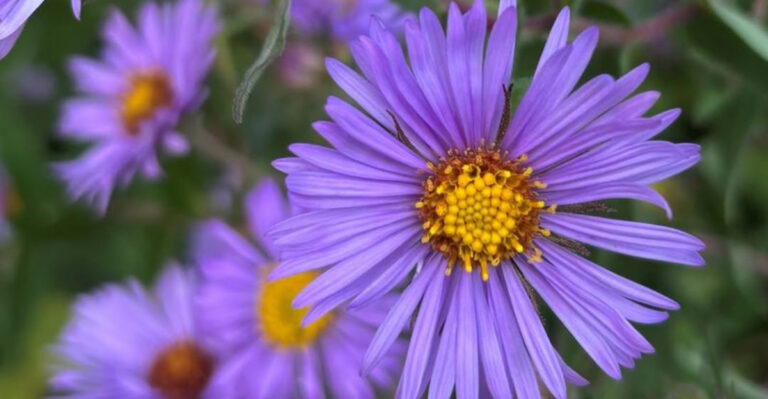
5. New England Aster
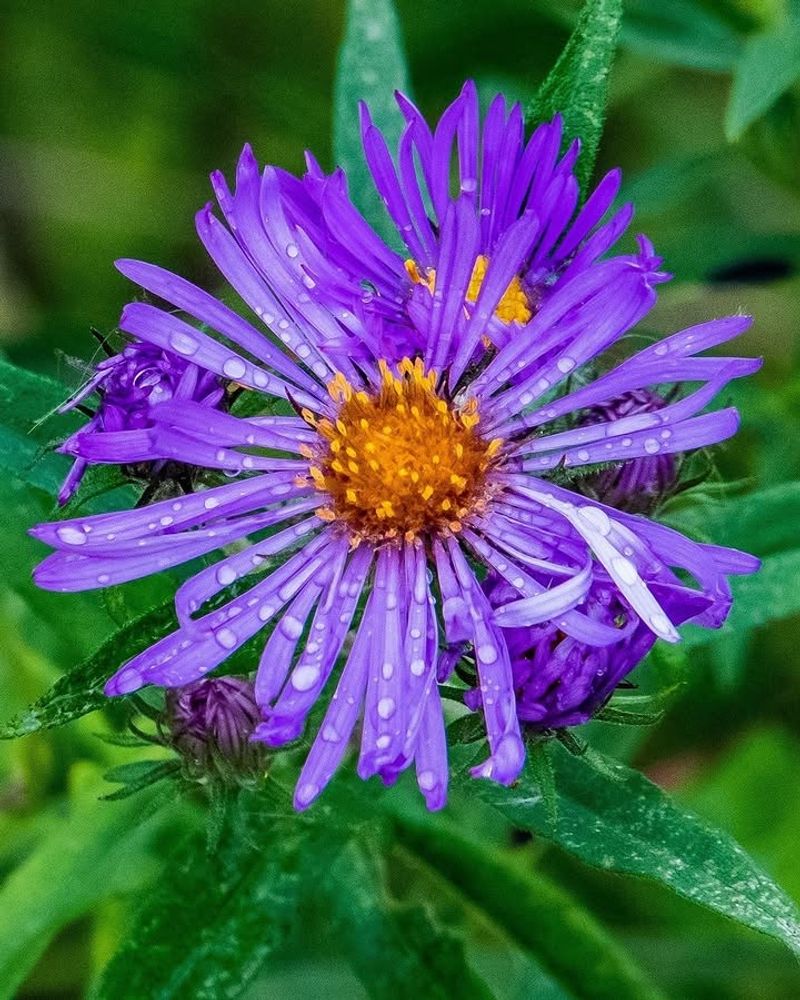
When most flowers have already wrapped up for the year, New England aster is just hitting its stride. This bold, purple-blooming native bursts into color in late summer and fall, at a time when pollinators are scrambling to stock up on resources before the cold sets in.
For moths and butterflies still active in Pennsylvania during those cooler weeks, asters are a genuine lifeline.
New England aster belongs to one of the most valuable plant groups for supporting butterflies and moths. Many moth species use asters as host plants, meaning they lay their eggs on the leaves and the caterpillars feed there as they grow.
That connection between plant and insect goes far deeper than just providing nectar. Asters are woven into the life cycles of dozens of native moth species found across Pennsylvania.
Late-season bloomers like New England aster play a special role in the firefly story too. By keeping insect populations active and abundant well into autumn, they help sustain the food web that firefly larvae depend on underground.
A garden that stays productive late in the season supports a stronger firefly population the following summer.
Growing New England aster in Pennsylvania is easy and rewarding. It thrives in full sun and adapts to a wide range of soil types, including clay soils that many other plants struggle with.
It can grow quite tall, sometimes reaching five or six feet, so plant it toward the back of a border. Pinching the stems back in early summer keeps the plants compact and encourages even more flowers come fall.
6. Goldenrod
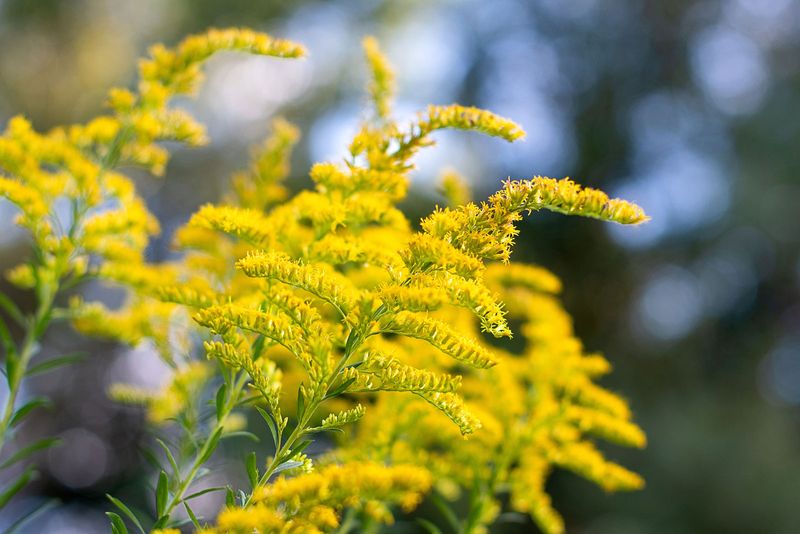
Goldenrod gets blamed for a lot of hay fever it did not cause. Many people point at its showy yellow plumes and sneeze, but the real culprit is ragweed, which blooms at the same time and releases clouds of wind-borne pollen.
Goldenrod actually has heavy, sticky pollen that insects carry from flower to flower. It is one of the most pollinator-friendly plants in all of Pennsylvania, full stop.
Pennsylvania native plant guidance consistently highlights goldenrod as supporting an exceptionally high number of lepidoptera species, which is the group that includes moths and butterflies.
Over 100 species of moths and butterflies use goldenrod as a host plant or nectar source in eastern North America.
That makes it one of the single best investments you can make in a night pollinator garden anywhere in Pennsylvania.
The timing of goldenrod’s bloom is also a huge advantage. It flowers from late summer into fall, overlapping with New England aster to create a powerful late-season nectar corridor.
Moths that are still active during those weeks rely heavily on goldenrod to fuel their activity. A few clumps of goldenrod can transform the insect life in your yard almost overnight.
Many goldenrod species are native to Pennsylvania, and most are tough, adaptable plants. They grow in full sun to light shade and handle dry or average soils with ease.
Compact varieties like zigzag goldenrod work well in smaller gardens, while taller species like tall goldenrod make dramatic statements in meadow plantings. Either way, goldenrod earns its place in any Pennsylvania native garden without question.
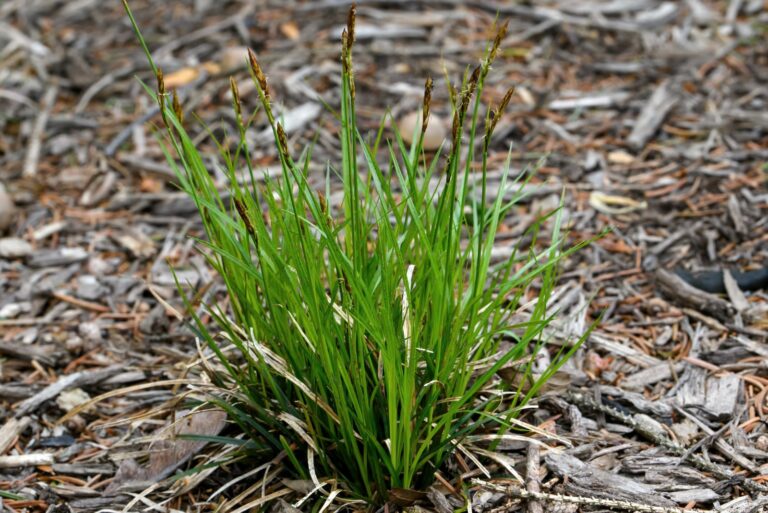
7. Pennsylvania Sedge
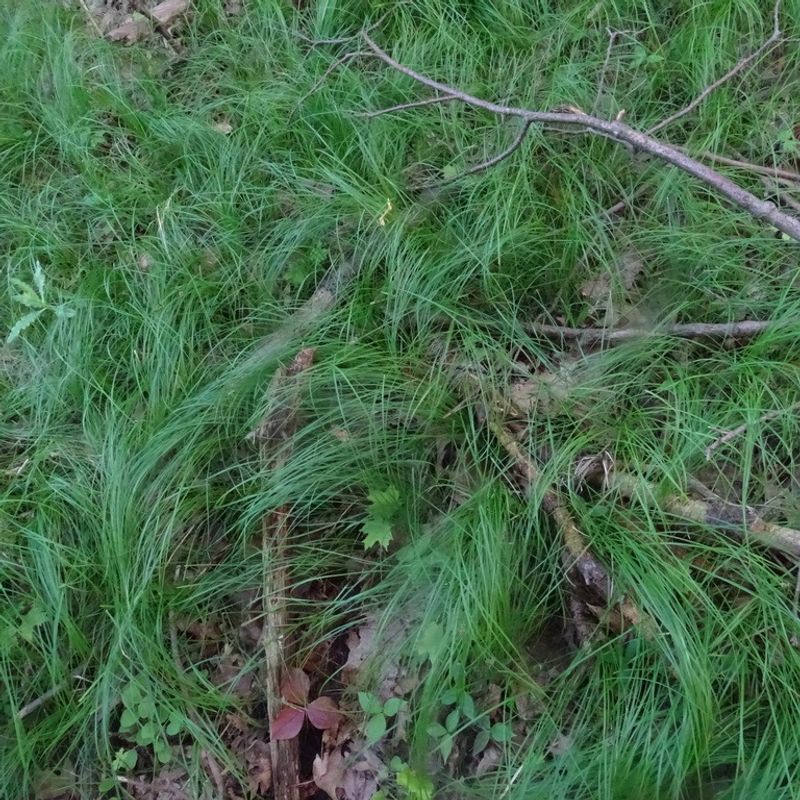
Not every plant in a firefly garden needs to bloom. Pennsylvania sedge proves that point beautifully.
This low-growing, grass-like native plant does its best work quietly, down at ground level, where fireflies actually spend most of their lives.
Fireflies are famous for their summer light shows, but they live as larvae in the soil and leaf litter for one to two years before they ever flash a single light.
Firefly-friendly habitat guidance consistently points to native grasses and sedges as key components of a supportive environment. Taller, less intensively managed vegetation gives firefly larvae the cover and moisture they need to hunt and grow.
Pennsylvania sedge creates exactly that kind of low, layered habitat, especially in shaded or partly shaded areas where lawn grass struggles to compete.
Pennsylvania sedge is also a fantastic lawn alternative for spots under trees or along shaded pathways. It stays green through much of the year, requires little mowing, and does not need fertilizers or irrigation once established.
Replacing even a small patch of traditional lawn with Pennsylvania sedge can make a meaningful difference for the firefly population in your yard.
This plant is native to Pennsylvania and grows naturally in woodland settings across the state. It prefers shade to partial shade and moist, well-drained soil with some organic matter.
It spreads slowly through clumps and rhizomes, gradually filling in an area over a few seasons. Pair it with native wildflowers like wild ginger or trillium for a complete woodland floor planting that supports fireflies from egg to adult throughout their entire life cycle.