8 Heat-Tolerant Herbs To Plant In April In Arizona For Strong Growth
Fresh herbs sound like an easy win in spring, but not every one can handle what Arizona has in store once heat starts to settle in.
April may seem like the perfect time to plant, yet that window gets smaller fast when sun exposure stays intense and dry conditions start building day by day.
A healthy start now can make all the difference once the season gets tougher.
Some herbs settle in well and keep putting on steady growth even as temperatures rise. Others fade early, struggle to establish, or never really get the chance to take off.
That is why the right choice matters more than it may seem at first.
A good herb garden in Arizona is not just about what tastes good in the kitchen. It also depends on what can handle the climate without turning into extra work.
Before planting begins, it helps to know which herbs are much more likely to stay strong once real heat arrives.
1. Rosemary Thrives In Full Sun And Handles Dry Heat Well
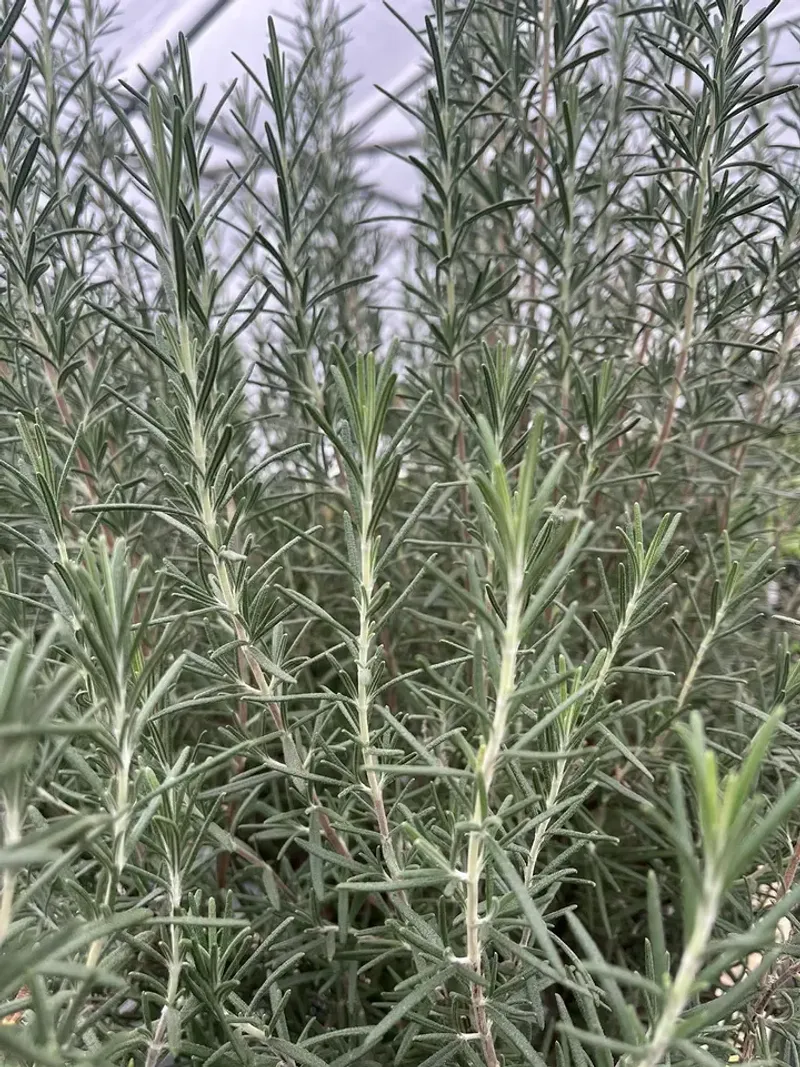
Rosemary might be the most Arizona-ready herb you can plant in April. It was practically built for conditions like this — intense sun, minimal rainfall, and soil that drains fast.
In places like Phoenix or Tucson, rosemary does not just survive the heat, it actually pushes out stronger growth when temperatures climb.
Plant it in a spot that gets at least six hours of direct sun each day. Sandy or loamy soil works best, and if your ground holds moisture for too long, mix in some gravel or coarse sand before planting.
Raised beds are a good option if your native soil stays dense.
Watering needs to be deep but spaced out. Letting the soil dry out between waterings encourages the roots to reach downward rather than staying shallow.
Shallow roots are more vulnerable when July heat hits hard.
Young plants benefit from a light trim once they put out a few inches of new growth. Cutting back the soft tips keeps the plant bushy rather than leggy.
Avoid cutting into the woody base, though — that part does not bounce back easily.
Rosemary planted in April in Arizona can be ready to harvest by late spring. Use fresh sprigs with roasted vegetables, grilled meats, or even homemade bread.
The flavor tends to be stronger when the plant grows in dry, sunny conditions.
2. Basil Grows Fast In Warm Soil And Needs Consistent Water
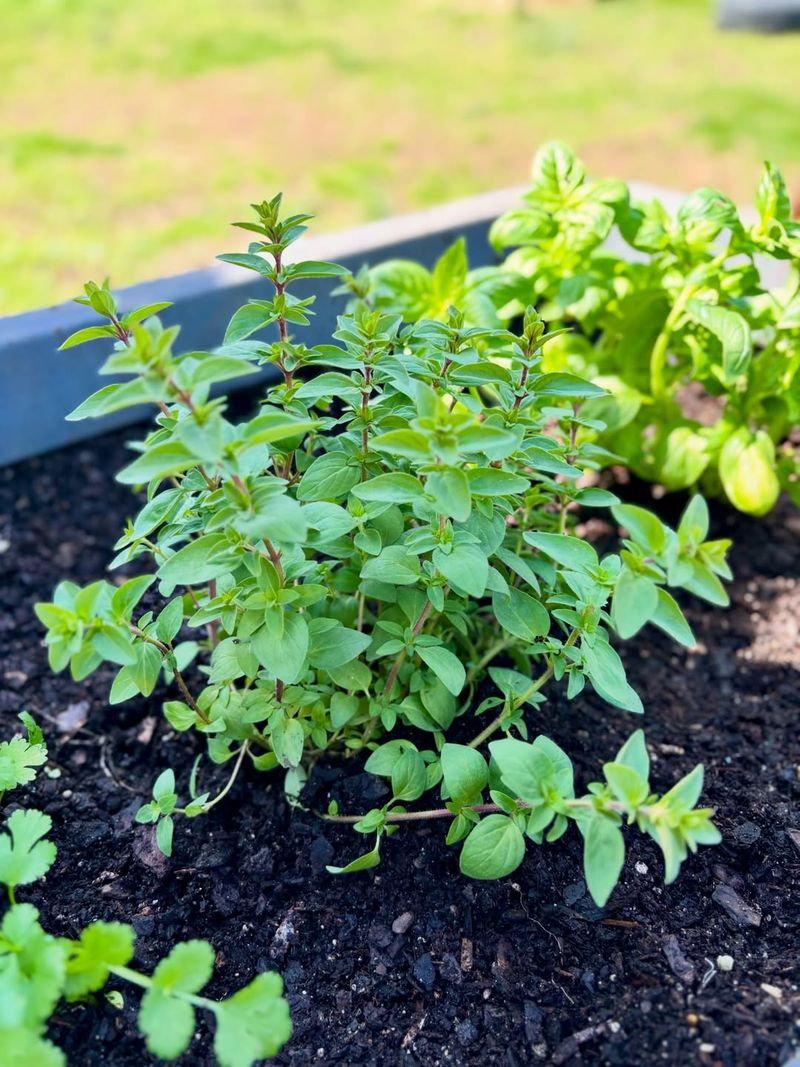
Basil is one of the fastest-growing herbs you can put in the ground in April across Arizona. Warm soil is exactly what it needs to take off, and April soil temperatures in most parts of the state are right in that ideal range.
You can go from transplant to first harvest in just a few weeks if conditions line up.
Unlike the drought-tolerant herbs on this list, basil wants consistent moisture. Letting it dry out too much causes the leaves to wilt and can trigger early bolting — meaning the plant rushes to flower and the leaf flavor turns bitter.
Your Arizona Garden Changes Every Week. Your Plan Should Too.
Gardening in Arizona changes quickly throughout the season. Every Friday you’ll receive a simple weekly plan showing exactly what to plant, prune, fertilize, harvest, and protect so you never miss the right timing.
In Arizona’s dry air, that can happen faster than you might expect.
Drip irrigation or a regular hand-watering schedule works well. Morning watering is better than evening because wet leaves overnight can invite fungal issues, especially during monsoon humidity later in summer.
Plant basil in full sun but consider giving it some afternoon shade in the hottest parts of Arizona, particularly in low-desert areas like the Sonoran region. Too much direct afternoon sun in peak summer can stress even heat-loving basil.
Pinch off flower buds as soon as they appear to keep the plant focused on leaf production. Regular harvesting from the top of the plant actually encourages more branching, which means more leaves and a bushier, more productive plant overall.
3. Oregano Tolerates Heat And Spreads Easily In Spring
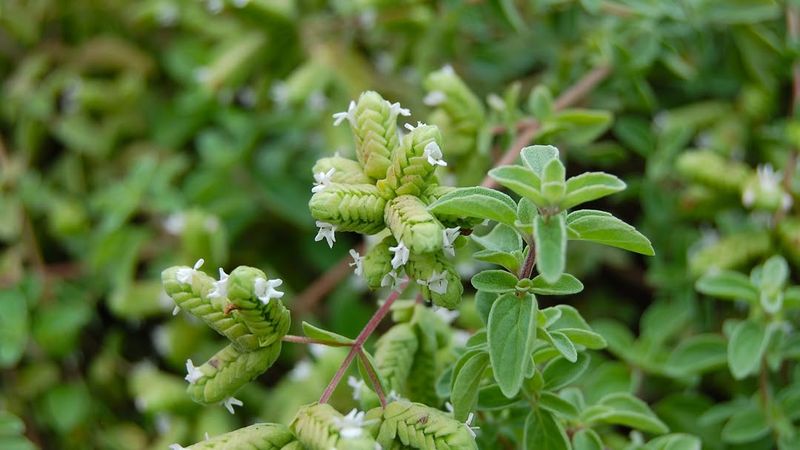
Oregano is a quiet overachiever in the Arizona herb garden. Plant it in April and it will spread steadily through spring, filling in gaps in your garden bed without much fuss.
It handles heat well and does not demand much from the soil — in fact, overly rich soil can actually reduce the intensity of its flavor.
Sandy, well-draining soil is where oregano really performs. If your Arizona garden has clay-heavy ground, amend it before planting or stick to containers.
Good drainage prevents the root rot that can develop when water sits around the crown of the plant.
Watering can be light once the plant is settled in. Let the top inch or two of soil dry out before watering again.
In Arizona’s dry climate, this usually means watering every few days during spring and adjusting as summer temperatures push higher.
Oregano spreads through underground runners, so give it some room or use a border to contain it if space is limited. It can take over a bed faster than expected, especially in a sunny spot with decent soil.
Harvest by snipping stems just above a leaf node. Cutting regularly keeps the plant from getting too woody at the base and encourages fresh, tender growth.
Oregano harvested before it flowers tends to have the strongest aroma and flavor, which matters when you are cooking with it fresh.
4. Thyme Performs Well In Hot Conditions With Low Water
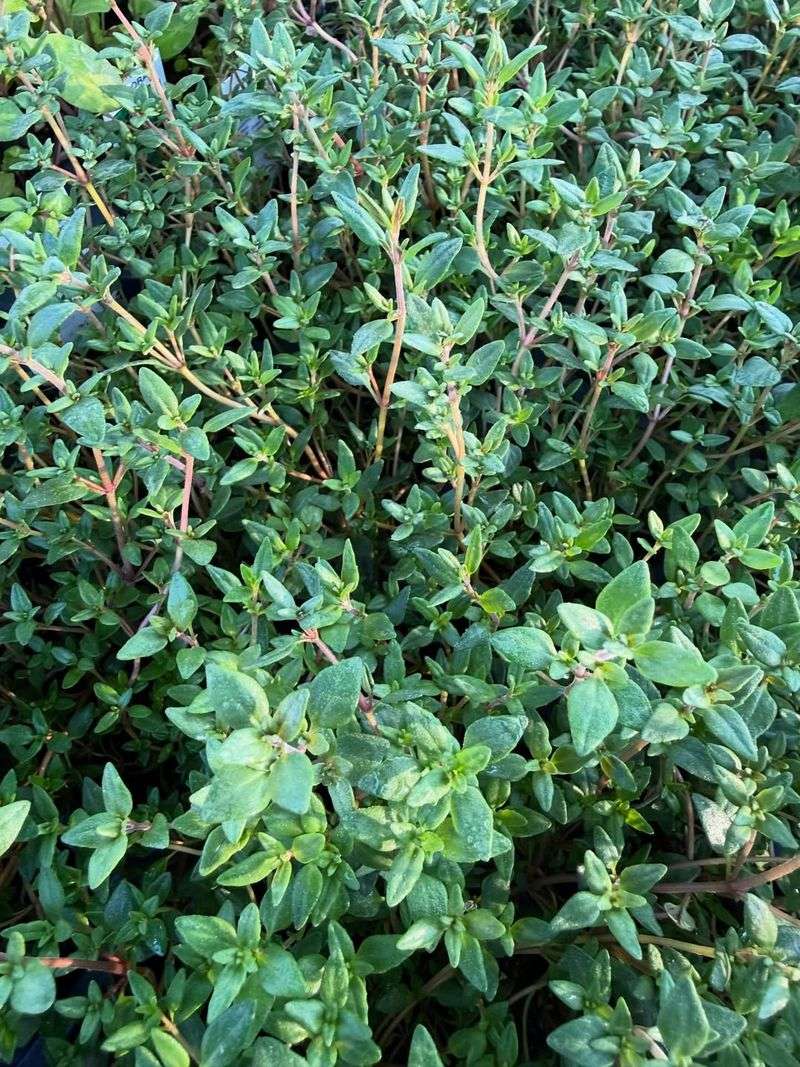
Thyme is almost unfairly well-suited for Arizona gardening. It loves heat, handles drought without much complaint, and stays compact enough to fit in containers, borders, or tucked between stepping stones.
April is a great time to get it in the ground before summer temperatures really take hold.
Full sun is non-negotiable for thyme. Without at least six hours of direct light each day, the plant gets leggy and the flavor weakens.
In most Arizona locations, finding a sun-drenched spot is not a challenge — the bigger concern is making sure the soil drains fast enough.
Waterlogged soil is one of the few things that genuinely sets thyme back. Sandy or gravelly soil is ideal.
If your beds tend to hold water after irrigation, raise them slightly or mix in perlite before planting. Containers with drainage holes are another solid option.
Water deeply but infrequently. Thyme roots go looking for moisture when the surface dries out, which builds a stronger root system over time.
Shallow, frequent watering keeps roots near the surface where they are more exposed to heat stress.
Trim the plant back by about one-third after the first flowering to encourage a fresh flush of new growth. Thyme can get woody over time, but light, regular pruning slows that process considerably.
Fresh sprigs work well with roasted chicken, soups, and braised dishes throughout the season.
5. Sage Adapts To Intense Sun And Dry Soil
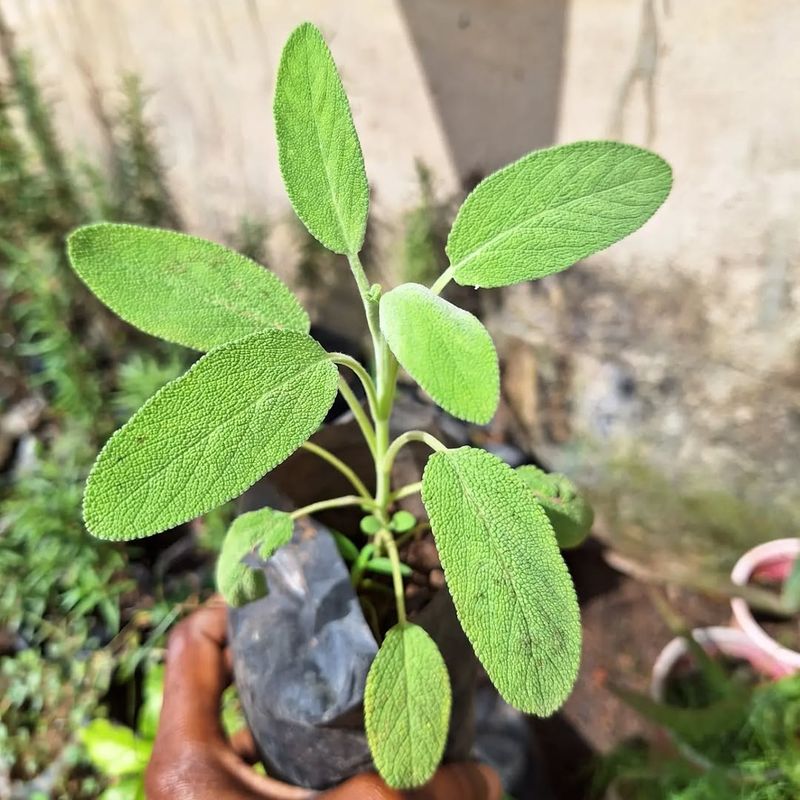
Sage looks like it belongs in an Arizona garden — and that is because it genuinely does. The silvery leaves reflect harsh sunlight, the roots go deep to find moisture, and the plant holds up through the kind of heat that wilts less-adapted herbs by midsummer.
Planting it in April gives it time to anchor before the real heat arrives.
Full sun and fast-draining soil are the two things sage needs most. Arizona’s native soil, especially in the desert regions, often has the right gritty texture already.
If you are gardening in a heavier soil zone, adding coarse sand or gravel helps drainage considerably.
Water young sage plants a few times a week at first. Once roots have spread out — usually within a month or so — you can cut back to watering once or twice a week depending on temperatures.
Sage does not want to sit in wet soil, so always let the surface dry before watering again.
Avoid over-fertilizing. Sage grown in lean soil tends to have stronger flavor than plants pushed with heavy feeding.
A light application of balanced fertilizer in early spring is usually enough for the whole season.
Harvest leaves as needed by snipping stems from the outside of the plant. Fresh sage works well in pasta dishes, roasted vegetables, and savory butter.
Dried sage is also useful and easy to prepare by hanging cut stems in a warm, dry spot — Arizona air handles that part naturally.
6. Lavender Prefers Heat And Well-Drained Conditions
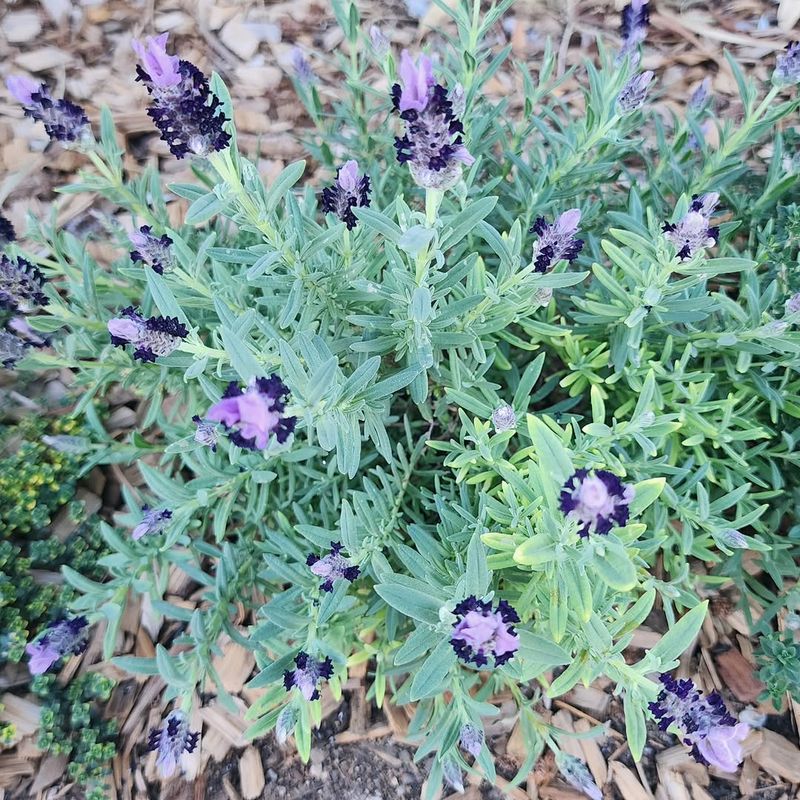
Lavender and Arizona are a natural match that more gardeners should take advantage of. The plant comes from Mediterranean regions where summers are hot and dry — conditions that map closely to what much of Arizona delivers from spring through fall.
April planting gives lavender the warm start it needs to push roots and build a strong base before peak summer.
Soil drainage is critical. Lavender will struggle in compacted or clay-heavy soil because sitting moisture around the roots causes problems quickly.
Raised beds filled with a sandy, well-draining mix are ideal. Containers also work well, especially if your native soil is heavy.
Water young plants regularly for the first few weeks to help roots establish. After that, back off significantly.
Mature lavender in Arizona can often get by with once-a-week watering during spring, though you may need to adjust slightly during the hottest stretch of summer.
Spanish lavender tends to perform better than English lavender in the low-desert areas of Arizona because it tolerates more intense heat. English lavender does better at higher elevations where temperatures stay a bit cooler.
Choosing the right variety for your specific location makes a real difference in how well the plant performs.
Trim spent flower spikes after blooming to encourage a second flush of flowers. Lavender blooms are edible and work well in baked goods, teas, and homemade sachets.
The fragrance alone makes it worth growing, especially near a patio or walkway.
7. Marjoram Handles Warm Weather And Grows Steadily
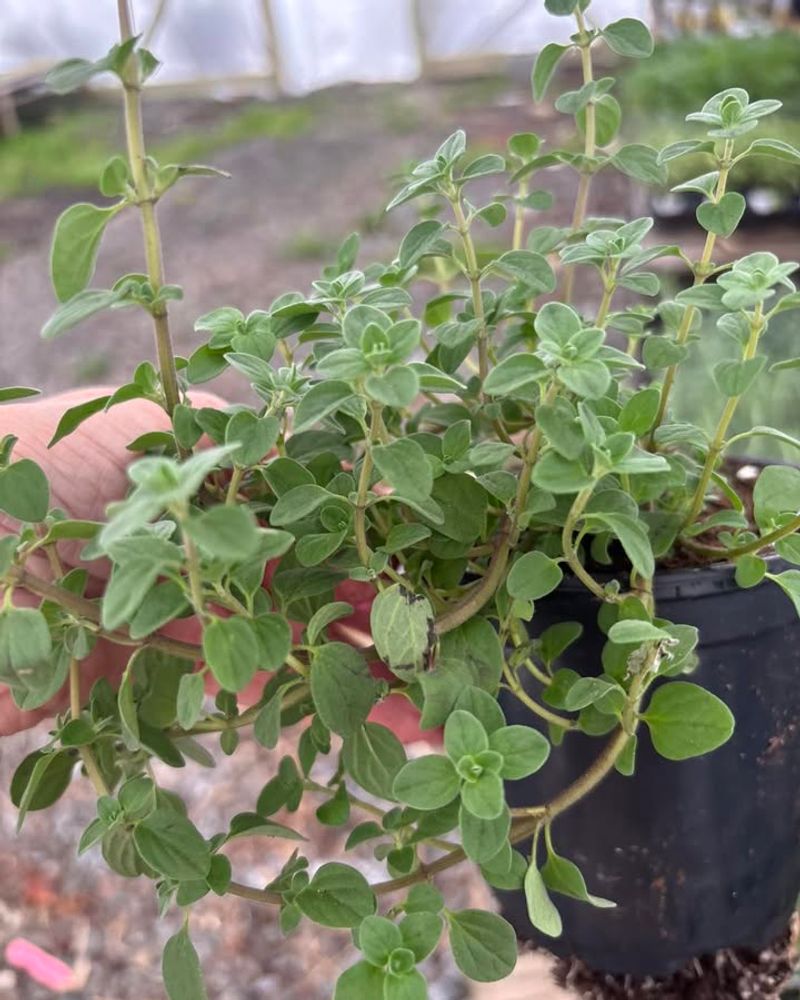
Marjoram does not get nearly enough attention in Arizona herb gardens, and that is a shame. It grows steadily through spring, handles warm conditions without drama, and produces consistently flavorful leaves that work in a wide range of cooking.
April is the right time to get it started before summer temperatures push into triple digits.
Plant marjoram in full sun with well-draining soil. It is closely related to oregano and shares many of the same growing preferences — but the flavor is noticeably sweeter and milder, which makes it useful in dishes where oregano would be too bold.
Growing both side by side gives you a nice range of options in the kitchen.
Water needs are moderate. Marjoram does not want to stay dry for extended periods the way thyme or rosemary might, but it also does not need daily watering.
A good approach in Arizona is to water when the top inch of soil feels dry, which during spring usually means every two to three days.
Pinching back the tips regularly keeps the plant bushy and delays flowering. Once marjoram flowers, the leaves tend to lose some of their sweetness.
Staying on top of that extends your harvest window considerably.
Marjoram works well in containers, which is handy in Arizona because you can move the pot to a shadier spot during the most intense summer afternoons. That small adjustment can help the plant stay productive well into the warmer months rather than slowing down early.
8. Lemongrass Thrives In Heat With Regular Water
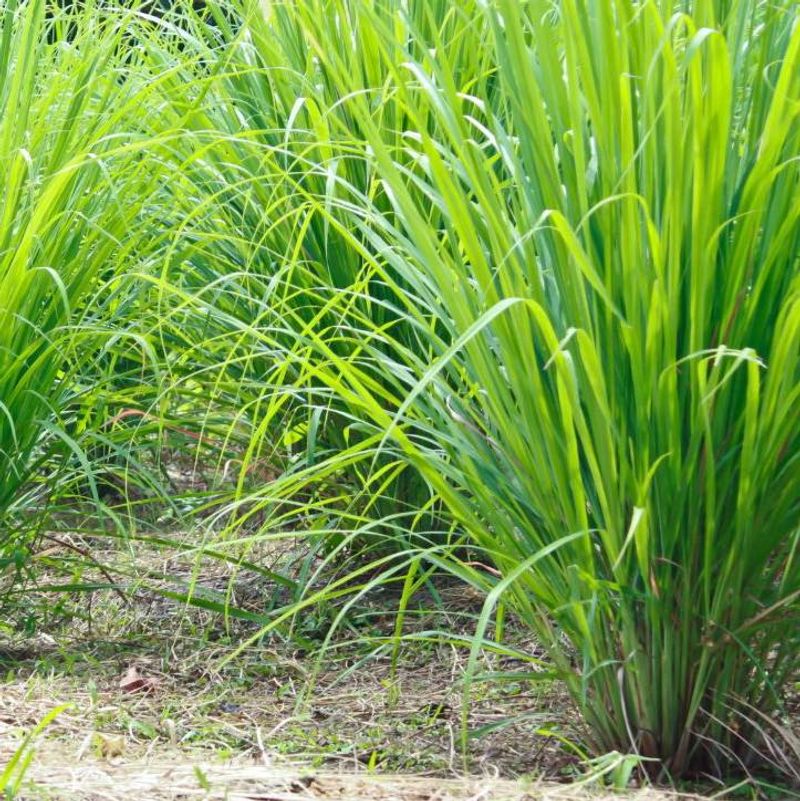
Lemongrass might surprise you with how well it performs in Arizona. It is a tropical plant that genuinely loves heat, and once it is in the ground and watered consistently, it can grow into an impressive clump by midsummer.
April is a solid planting window because the soil is warm enough to get roots moving without the shock of extreme early heat.
Unlike most herbs on this list, lemongrass actually wants more water. In Arizona’s dry climate, that means checking soil moisture regularly and not letting it dry out completely between waterings.
A drip system set to run every day or every other day works well during spring, with adjustments as summer heats up.
Plant lemongrass in full sun with room to spread. A single stalk from a nursery can turn into a clump two to three feet wide by the end of the season if conditions are right.
Give it space from the start rather than trying to transplant later.
Containers work for lemongrass in Arizona, but you will need a large pot — at least a five-gallon size — to give the roots room to develop. Smaller pots dry out too fast in the desert heat, which stresses the plant and slows growth noticeably.
Harvest stalks from the outer edge of the clump by cutting close to the base. Lemongrass is used in Thai cooking, soups, teas, and marinades.
The fresh citrus scent is a bonus, especially when you brush against the leaves walking through the garden on a warm Arizona evening.