These Plants Are Illegal To Have In Georgia
Some plants may look harmless at first glance, but in Georgia, a few of them come with serious restrictions that catch many gardeners off guard.
What seems like a simple addition to the yard can turn into a problem if it spreads, disrupts local ecosystems, or falls under state regulations.
Many of these plants were once popular in landscapes, which makes them easy to overlook when planning or planting. The trouble usually starts when they grow more aggressively than expected and begin to take over areas they were never meant to.
Before putting anything new in the ground, it helps to know which plants are not allowed and why they ended up on that list.
It is not always obvious, but understanding the reasoning behind those rules can save time, effort, and potential issues later on.
1. Kudzu Listed As A Noxious Weed That Spreads Rapidly
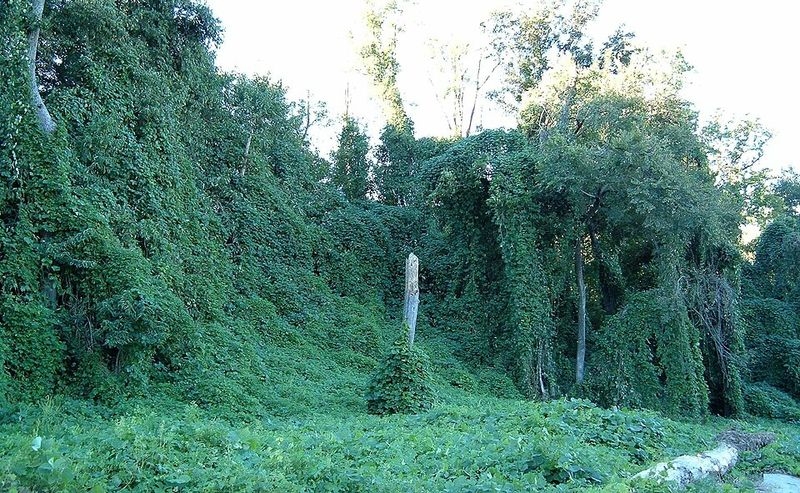
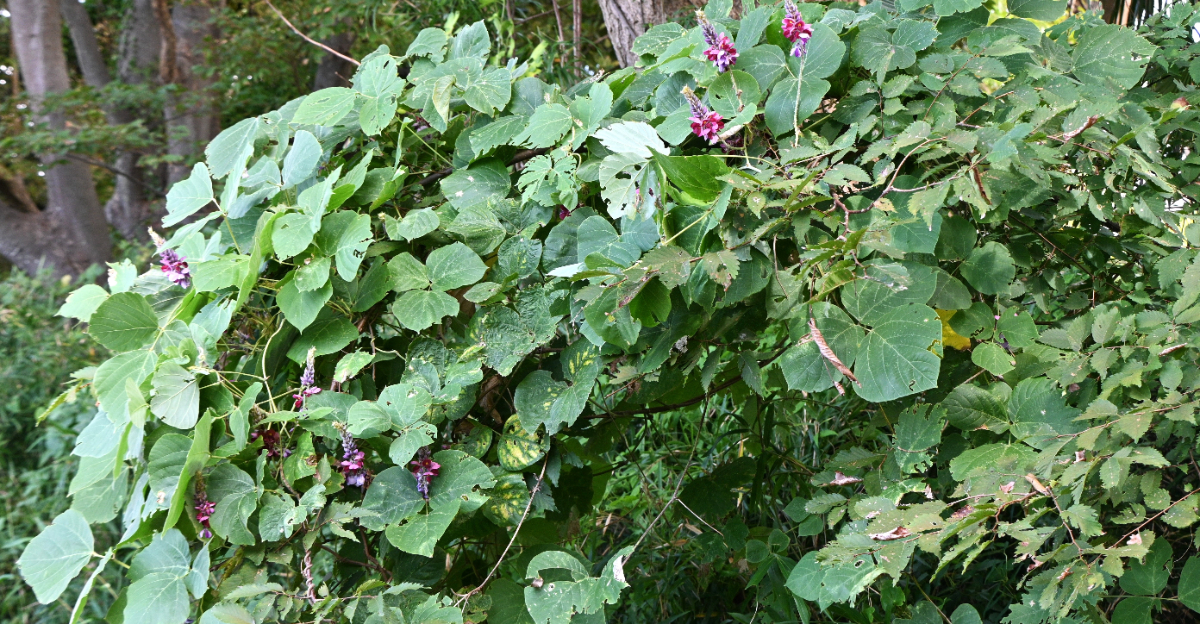
Nicknamed “the vine that ate the South,” kudzu has a reputation that is well deserved.
Kudzu can grow up to a foot per day during warm months, which sounds almost unbelievable until you see it smothering an entire tree line. It wraps around everything, blocking sunlight from reaching the plants underneath.
Native trees, shrubs, and ground cover simply cannot compete with that kind of pressure.
Farmers and landowners across Georgia spend significant money and time trying to manage existing kudzu patches. Removal is slow and difficult, often requiring repeated treatments over several years.
Roots can go several feet deep, making complete removal a serious challenge.
If you spot kudzu creeping onto your property, contact your local Georgia county extension office for guidance. Do not attempt to compost it or move it to another location, as that can spread the problem further.
Reporting new infestations early gives land managers the best chance of keeping it from spreading to undisturbed areas nearby.
Even small fragments of the vine can take root and start new growth if left in contact with soil. Mechanical removal alone rarely works, as the plant regrows quickly from its extensive root system.
Consistent monitoring after removal is necessary, since missed sections can reestablish and spread again within a single growing season.
2. Chinese Privet Recognized For Displacing Native Vegetation
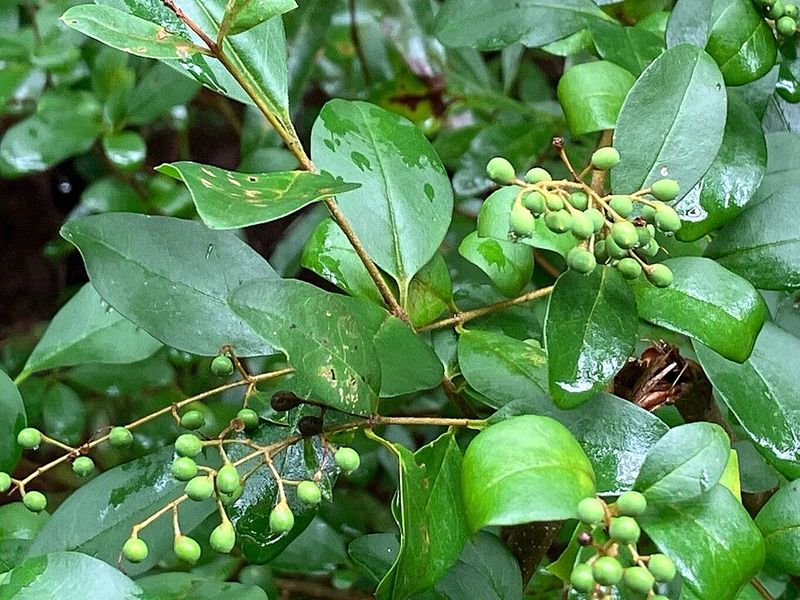
Walk through almost any Georgia woodland and you will likely bump into Chinese privet without even knowing it.
What makes privet such a problem is how completely it takes over forest understories. It grows in thick, dense patches that block light from reaching the forest floor.
Native wildflowers, tree seedlings, and shrubs that depend on filtered sunlight simply cannot get established when privet is present.
Birds actually spread privet seeds widely because they eat the small dark berries. That is part of why it shows up so far from where it was originally planted.
Even a small privet shrub left unchecked can lead to a full infestation within a few years.
Removing privet from your Georgia property is worth the effort, even though it takes persistence. Cutting it back without treating the stump usually results in aggressive regrowth.
Your Georgia Garden Changes Every Week. Your Plan Should Too.
Gardening in Georgia changes quickly throughout the season. Every Friday you’ll receive a simple weekly plan showing exactly what to plant, prune, fertilize, harvest, and protect so you never miss the right timing.
Herbicide treatment on freshly cut stumps tends to be more effective, but check with a local expert before choosing a method. Georgia’s native understory plants will recover noticeably once privet is cleared from an area.
Seedlings are often easy to pull by hand when the soil is moist, but larger plants require more effort to fully remove the root system. Ongoing follow-up is important, as new plants can continue to emerge from the soil seed bank for several years after the initial removal.
3. Cogongrass Classified As A Federal Noxious Weed
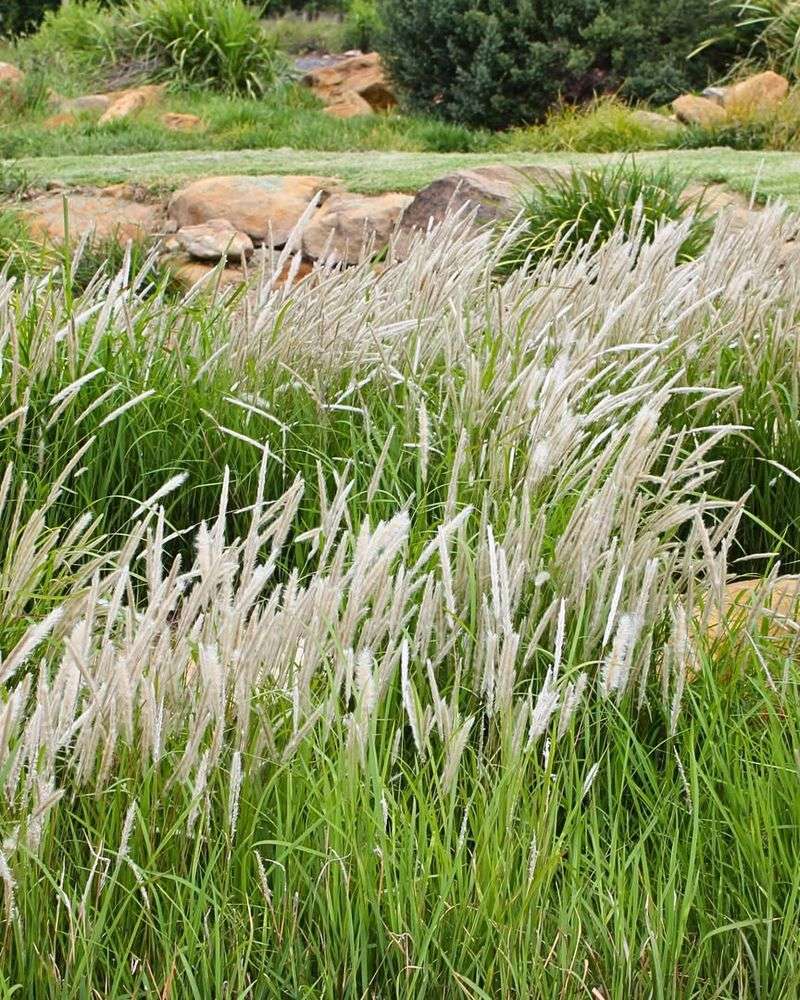
Cogongrass holds the unfortunate title of being one of the worst weeds on the planet, and Georgia takes that seriously.
It spreads through underground rhizomes and wind-carried seeds, colonizing roadsides, forests, pastures, and disturbed land with equal ease. Georgia’s warm climate suits it perfectly.
One of the most alarming things about cogongrass is how it changes fire behavior. It burns hotter and faster than native grasses, which can damage tree root systems and shift the entire ecology of an area over time.
Forests and wildlife habitats in Georgia have already seen this kind of damage firsthand.
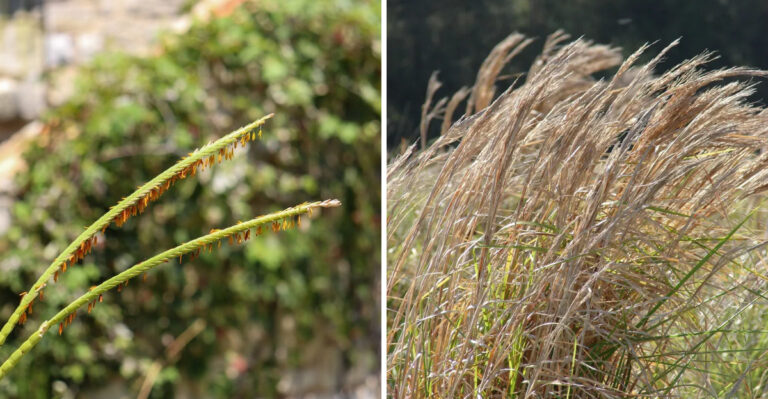
Cogongrass is tricky to identify early on because young patches can look similar to common roadside grasses. Look for the off-center midrib on the leaf blade and the fluffy, white seed heads that appear in spring.
If you think you have spotted it on your Georgia property, report it to the Georgia Forestry Commission right away rather than trying to handle it alone.
Even small patches can expand quickly if left untreated, as the rhizomes continue spreading underground beyond what is visible above the soil.
Control usually requires targeted herbicide applications over multiple seasons, since a single treatment rarely eliminates established infestations.
Disturbing the soil without proper treatment can actually encourage further spread by breaking up and moving rhizome pieces. Early detection and rapid response remain the most effective way to limit long-term damage and reduce control costs.
4. Water Hyacinth Restricted Due To Its Impact On Waterways
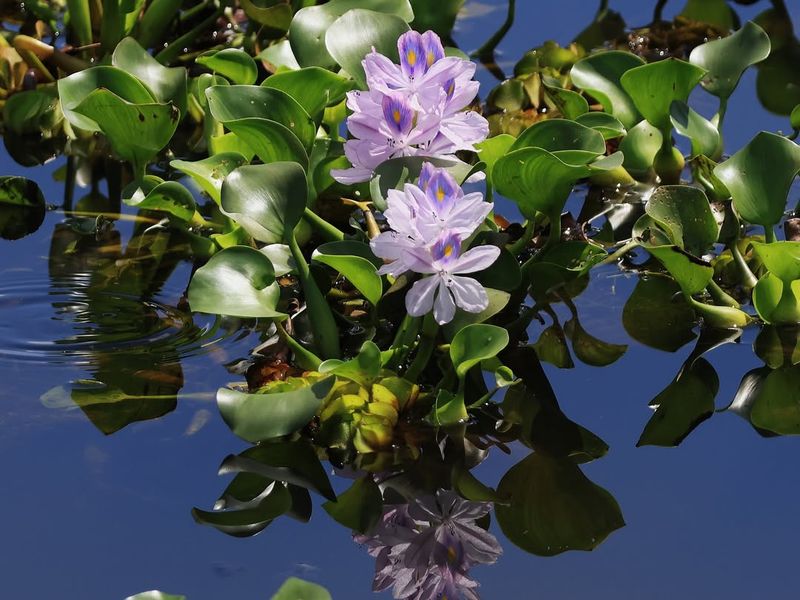
Pretty flowers do not always mean a welcome plant. Water hyacinth produces striking lavender-purple blooms that look almost tropical, but underneath that beauty is a plant capable of choking an entire waterway in a matter of weeks.
Water hyacinth floats on the surface and reproduces at a staggering rate, sometimes doubling its coverage in under two weeks under the right conditions. Dense mats block sunlight from reaching underwater plants and reduce oxygen levels in the water below.
Fish, turtles, and other aquatic wildlife feel the effects quickly when a waterway gets taken over.
Boating and fishing also become nearly impossible in heavily infested areas. Propellers get tangled, water intake systems clog, and access to docks or shorelines can be completely blocked.
Georgia’s recreational waterways have dealt with water hyacinth problems for decades, and management costs run into the millions statewide.
Never release water hyacinth from an aquarium or water garden into any natural body of water in Georgia. Even a small amount can establish a new infestation.
If you have it in a backyard pond, dispose of it in a sealed bag in the trash rather than composting or dumping it near any drainage area. Small actions really do make a difference in preventing new outbreaks.
Even when removed, fragments left behind can regrow and quickly reestablish dense surface mats. Long-term control often requires repeated mechanical removal combined with approved herbicide treatments to keep populations in check.
5. Giant Salvinia Listed As A Prohibited Aquatic Species
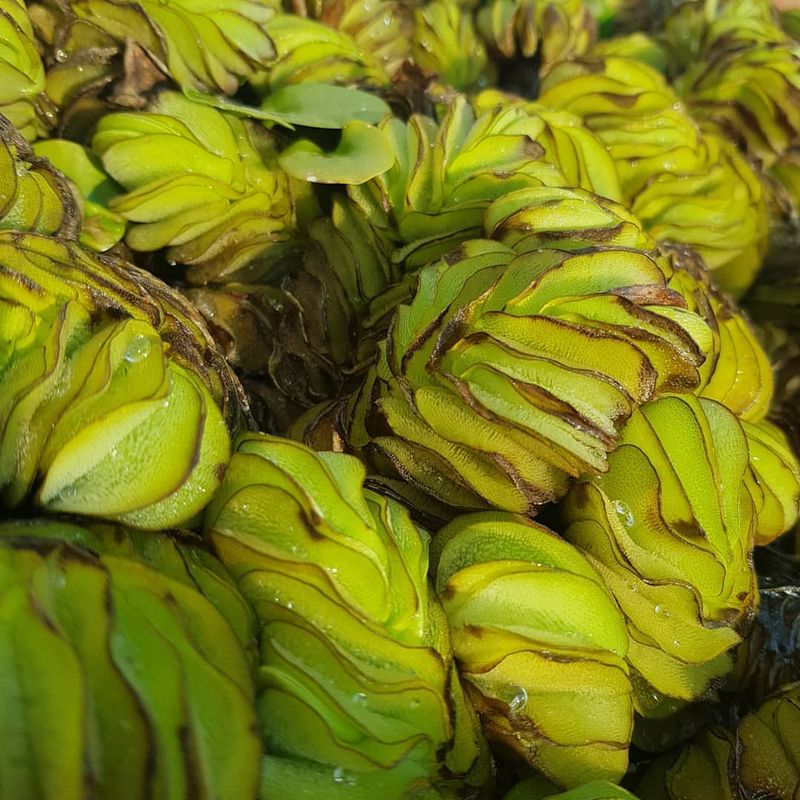
Giant salvinia might be the most deceptively small plant on this list. A single floating fern that fits in the palm of your hand can multiply into a colony large enough to cover an entire pond within months.
Unlike rooted aquatic plants, giant salvinia drifts freely on the water’s surface and forms layered mats that can grow several inches thick. Underneath those mats, oxygen levels plummet and light disappears entirely.
Aquatic grasses, native lilies, and submerged vegetation that fish and waterfowl depend on simply cannot survive those conditions.
Salvinia spreads easily because fragments cling to boats, fishing gear, waders, and even waterfowl. Someone unknowingly launching a boat at one Georgia lake and then driving to another can transfer enough plant material to start a brand new infestation.
That is exactly how it has spread across the Southeast over the past few decades.
Always inspect and clean your watercraft, trailer, and gear before leaving any Georgia boat ramp. The phrase “clean, drain, dry” is used by wildlife agencies for good reason.
If you spot what looks like a floating mat of small, bumpy-leaved fern on a Georgia water body, report it to the Georgia Department of Natural Resources rather than removing it yourself.
Giant salvinia can double its coverage in as little as a week under warm conditions, which makes early intervention critical. Once thick mats form, control becomes far more difficult and often requires coordinated management efforts over time.
6. Tropical Soda Apple Identified As A Noxious Weed In The State
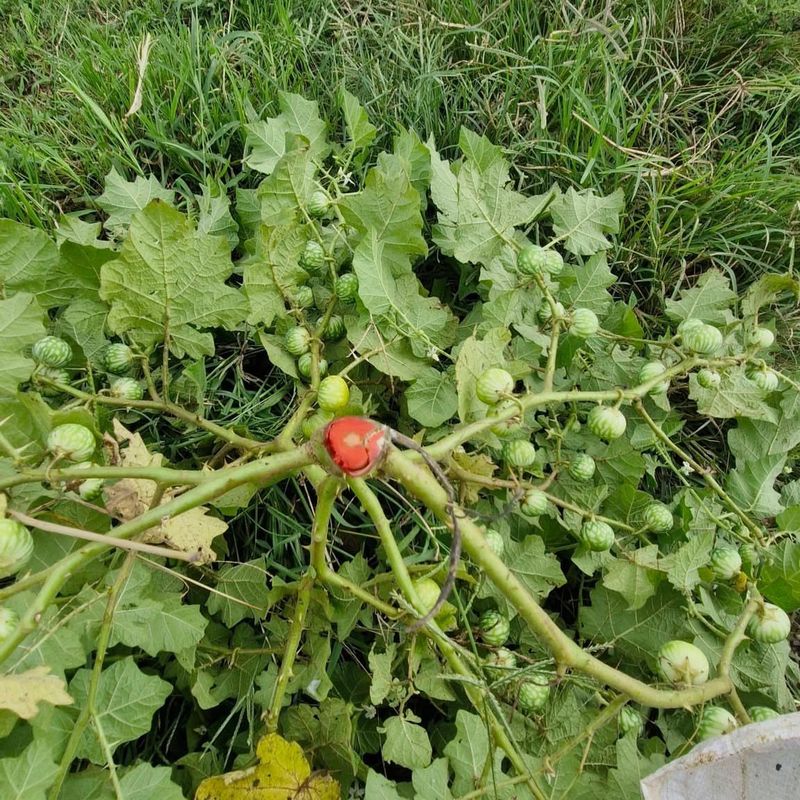
Tropical soda apple sounds almost refreshing until you see it up close. Covered in sharp thorns and loaded with small round fruits that look like tiny watermelons, this plant is a serious problem for Georgia farmers and ranchers.
Livestock will not graze near heavy tropical soda apple infestations because of the thorns, which means pasture productivity drops sharply wherever this plant establishes itself.
Each plant can produce hundreds of fruits, and animals that do accidentally eat the berries spread seeds across wide areas through their droppings.
That is one of the main reasons infestations pop up so far from the original source.
Georgia’s agricultural land is particularly vulnerable because tropical soda apple thrives in disturbed, open ground. Roadsides, field edges, and areas around farm equipment storage are common entry points.
Once it gets a foothold in a pasture, clearing it out requires consistent effort over multiple seasons.
Early detection is the most practical defense. Walk your pastures and field edges regularly, especially after wet springs when new seedlings emerge quickly.
If you spot the distinctive spiny plant with those striped green fruits, report it to the Georgia Department of Agriculture right away. Do not wait to see if it spreads further, because it will move faster than expected if left alone.
Mowing alone will not control tropical soda apple, as the plant quickly regrows and continues producing fruit close to the ground.
7. Japanese Knotweed Known For Aggressive Invasive Growth
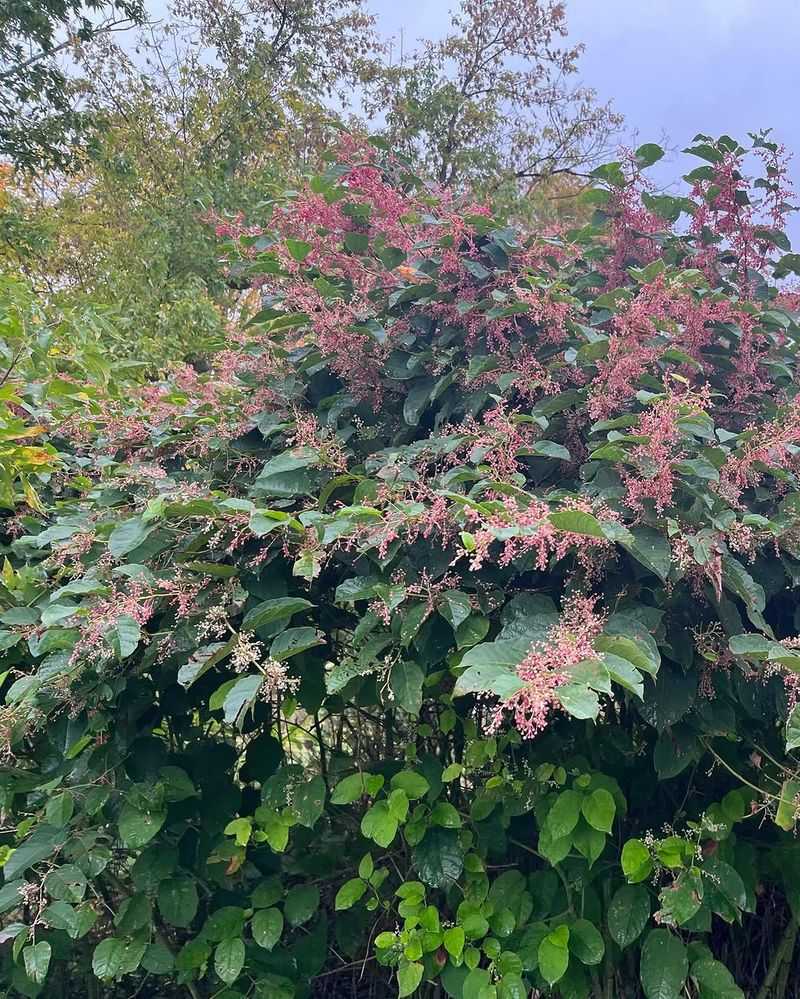
Japanese knotweed looks almost bamboo-like from a distance, with tall hollow stems and broad leaves that form a canopy nearly impossible to see through. Do not let that interesting appearance fool you into thinking it belongs in your yard.
Roots can extend more than six feet deep and spread horizontally up to twenty feet from the main plant. Even a small fragment of root left in the soil can sprout into a new plant.
Homeowners who have tried removing it without a solid plan often find it returns stronger than before, which makes early action critical.
Along stream banks and roadsides in Georgia, knotweed destabilizes soil rather than protecting it, despite what some people assume. It outcompetes native riparian plants that actually hold stream banks together effectively.
Over time, stream erosion can worsen in areas where knotweed has taken over the bank vegetation.
Construction equipment and soil movement are common ways Japanese knotweed spreads to new locations in Georgia. If contaminated fill dirt gets moved to a new site, knotweed can establish there without anyone realizing it.
Always ask about the source of fill soil before accepting it onto your property. Catching a new knotweed patch when it is still small gives you a far better chance of managing it successfully before it gets out of hand.
8. Hydrilla Classified As A Prohibited Aquatic Plant
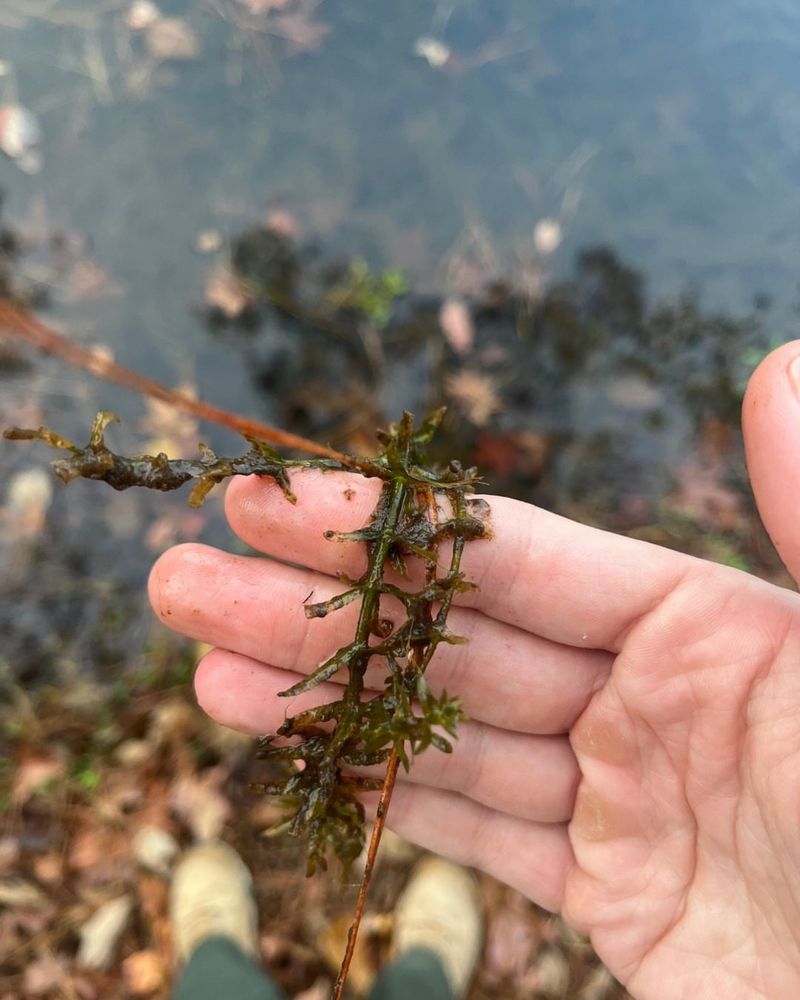
Beneath the surface of many Georgia lakes and rivers, a quiet takeover has been happening for decades. Hydrilla is a submerged aquatic plant that grows so thickly it can form walls of vegetation from the lake bottom all the way to the surface.
Hydrilla grows in water depths where most native aquatic plants cannot compete, and it tolerates low light conditions better than almost anything else in the water. A single stem fragment can root and establish a new colony.
Fragments break off easily from boat propellers, fishing lines, and water intake systems, which is exactly how it keeps spreading from one Georgia water body to the next.
Fishing and boating in heavily infested areas becomes genuinely frustrating. Lines tangle constantly, motors overheat from clogged intakes, and finding clear water to cast into gets harder every season.
Georgia wildlife managers have spent considerable resources on hydrilla management in lakes like Lake Seminole and others across the state.
Checking your boat and gear after every trip on Georgia waters is one of the simplest things you can do to help. Pull off any visible plant material and let everything dry completely before moving to a different water body.
Even fragments too small to notice can survive long enough to establish somewhere new, so the clean-drain-dry habit genuinely matters here.