8 Beginner-Friendly Vegetables That Thrive In California Raised Garden Beds
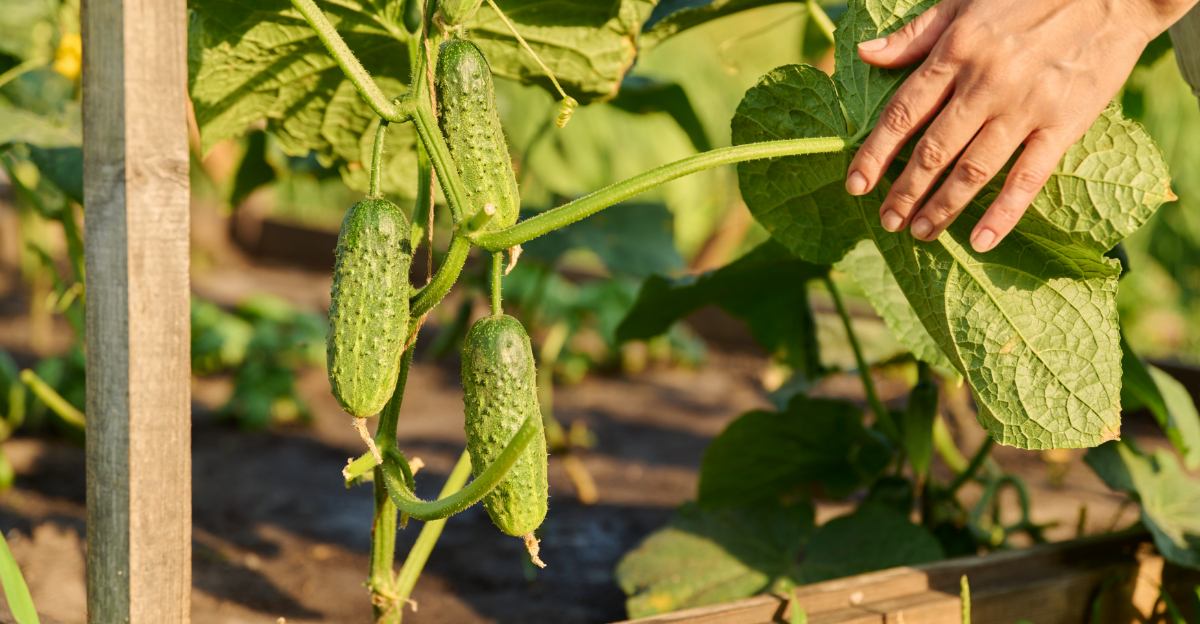
Starting a vegetable garden can feel like a big step, especially when you are working with limited space or uneven soil. That is exactly why so many California gardeners turn to raised beds.
They warm up faster, drain better, and give you a bit more control over how everything grows.
Still, not every vegetable makes things easy for beginners. Some need constant attention, while others seem to grow without much fuss at all.
Picking the right ones from the start can make the whole experience feel far more rewarding.
With California’s varied climates, from coastal breezes to inland heat, certain vegetables tend to adapt more smoothly in raised beds, giving new gardeners a much better chance at early success.
1. Tomatoes That Thrive In Warm Raised Beds
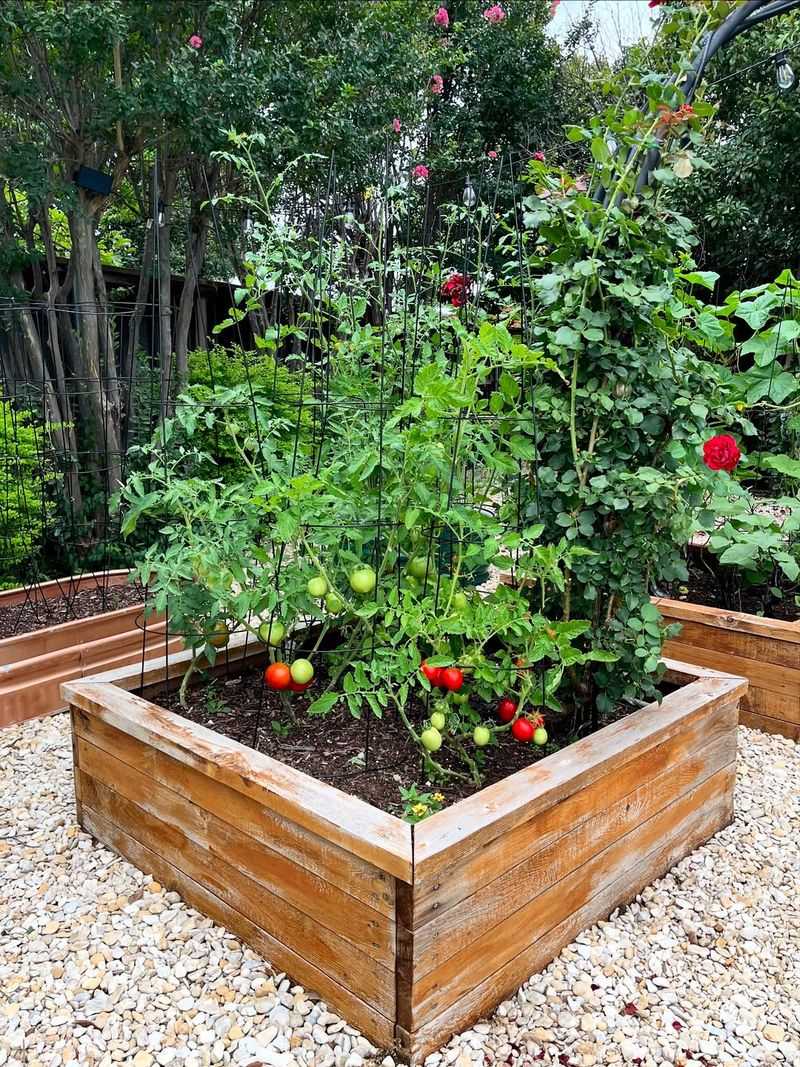
Nothing says California garden quite like a sun-warmed tomato plucked straight from the vine. Tomatoes are one of the most popular vegetables grown in California raised beds, and for good reason.
The warm climate, long growing season, and strong sun exposure create very favorable conditions for tomato plants to grow well.
Raised beds give tomatoes a real head start because the soil warms up faster in spring than it would in a traditional in-ground garden. That means you can get your plants in the ground earlier and enjoy a longer harvest window.
Compact determinate varieties like Celebrity or Bush Early Girl are especially great choices for smaller raised beds because they stay manageable without sacrificing flavor or yield.
When planting, make sure your tomatoes get at least six to eight hours of direct sunlight each day. California’s sunny skies make this easy in most regions.
Water your plants deeply and consistently, as uneven watering can lead to problems like blossom end rot. Using a drip irrigation system is a smart move for busy gardeners who want reliable moisture without overwatering.
Adding a thick layer of mulch around the base of each plant helps the soil hold moisture during California’s hotter months. Stake your plants early so the stems have support as they grow tall and heavy with fruit.
With just a little attention and care, tomatoes in a California raised bed can produce an impressive harvest that keeps your kitchen stocked all summer long.
2. Peppers That Love California Heat
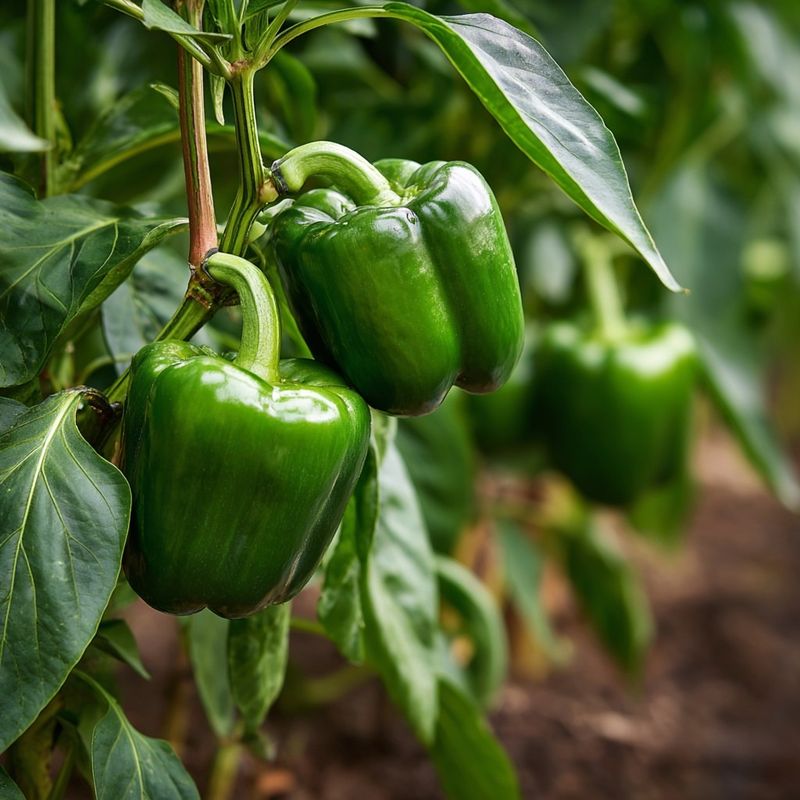
Whether you are growing sweet bell peppers for salads or spicy jalapeños for homemade salsa, peppers absolutely flourish in the warm, sun-drenched climate that California is known for. Raised beds give them the ideal growing environment by keeping the soil warm, loose, and well-drained.
Peppers need full sun, meaning at least six to eight hours of direct light each day, and California delivers that in abundance across most regions. They are also a bit picky about moisture.
Inconsistent watering can stress the plants and reduce fruit production, so aim for steady, even moisture throughout the growing season. A drip irrigation system or a consistent hand-watering schedule works really well for keeping peppers happy.
Peppers can behave as short-lived perennials in frost-free or very mild climates. In mild coastal areas of California, some gardeners successfully overwinter their pepper plants and get a second or even third season of fruit from the same plant.
Your California Garden Changes Every Week. Your Plan Should Too.
Gardening in California changes quickly throughout the season. Every Friday you’ll receive a simple weekly plan showing exactly what to plant, prune, fertilize, harvest, and protect so you never miss the right timing.
That is a pretty amazing bonus for a beginner gardener who wants to get the most out of their effort.
When filling your raised bed, mix quality compost into the soil to provide the nutrients peppers need to produce big, flavorful fruits. Start seeds indoors about eight to ten weeks before your last frost date, or pick up transplants from a local California nursery.
Either way, once your peppers get going, they will reward you with a colorful and delicious harvest all season long.
3. Lettuce For Quick And Easy Harvests
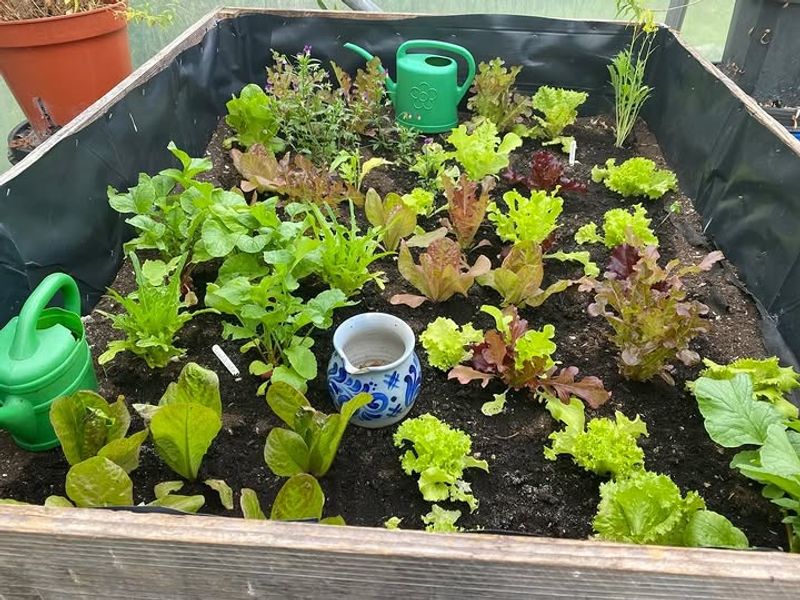
Crisp, fresh lettuce from your own garden tastes nothing like the stuff you buy at the store. Lettuce is one of the fastest and most satisfying vegetables a beginner can grow, and it is perfectly suited for California raised beds during the cooler parts of the year.
Because California has such a mild climate in many regions, you can often grow lettuce in the fall, winter, and early spring when other vegetables are taking a break.
Raised beds are ideal for lettuce because the soil stays loose and well-draining, which is exactly what lettuce roots prefer. Varieties like Butterhead, Romaine, and Red Leaf are all excellent choices for California gardeners of any experience level.
One of the coolest tricks with lettuce is called cut-and-come-again harvesting. Instead of pulling the whole plant, you just snip the outer leaves and let the center keep growing.
This method can give you multiple harvests from a single plant over several weeks, stretching your garden’s productivity in a really satisfying way.
Lettuce prefers temperatures between 45 and 75 degrees Fahrenheit, so in California’s hotter inland valleys, plan to grow it during cooler months or use shade cloth during midday to protect it from bolting. Along the coast, the naturally mild temperatures make it possible to enjoy fresh lettuce from your raised bed for much of the year.
4. Zucchini That Keeps Producing All Season
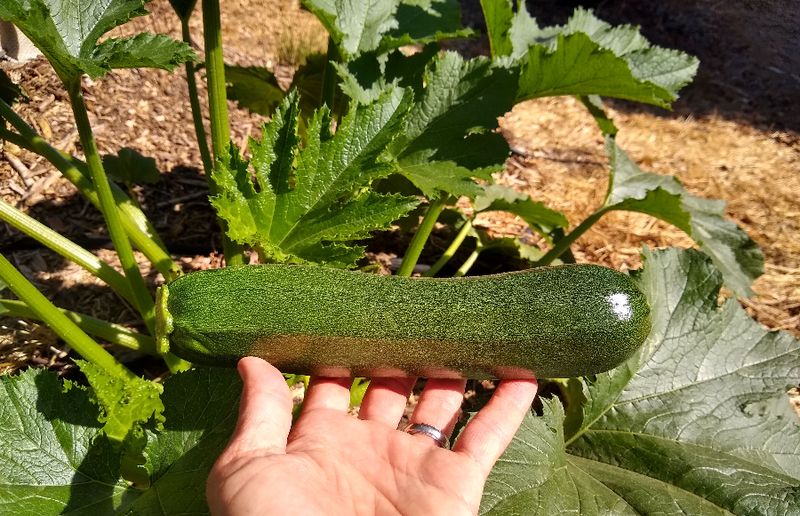
If you have ever heard stories about gardeners leaving bags of zucchini on their neighbors’ doorsteps because they grew too many, those stories are completely true. Zucchini is one of the most productive vegetables you can grow, and in a California raised bed, it can grow very vigorously under the right conditions.
One or two plants can produce enough zucchini to keep an entire family well-fed throughout the summer.
Zucchini loves the rich, well-draining soil that raised beds provide. Fill your bed with a generous mix of compost and topsoil, and your zucchini plants will reward you with vigorous growth almost immediately.
California’s warm growing season is a huge advantage here because zucchini needs consistent warmth to germinate and thrive. You can direct sow seeds into your raised bed once nighttime temperatures stay reliably above 60 degrees Fahrenheit.
The key to keeping your zucchini plants producing all season long is simple: harvest often. When you leave zucchini on the vine too long, the plant slows down its fruit production to focus energy on that one oversized squash.
Check your plants every two to three days and pick fruits when they are about six to eight inches long for the best flavor and texture.
One thing to watch for is powdery mildew, a common fungal issue that affects zucchini leaves in California’s warmer months. Spacing your plants well and watering at the base rather than overhead helps keep the foliage dry and reduces the chance of this problem.
With good airflow and regular harvesting, zucchini is a truly rewarding beginner crop.
5. Bush Beans For Fast And Fuss-Free Growing
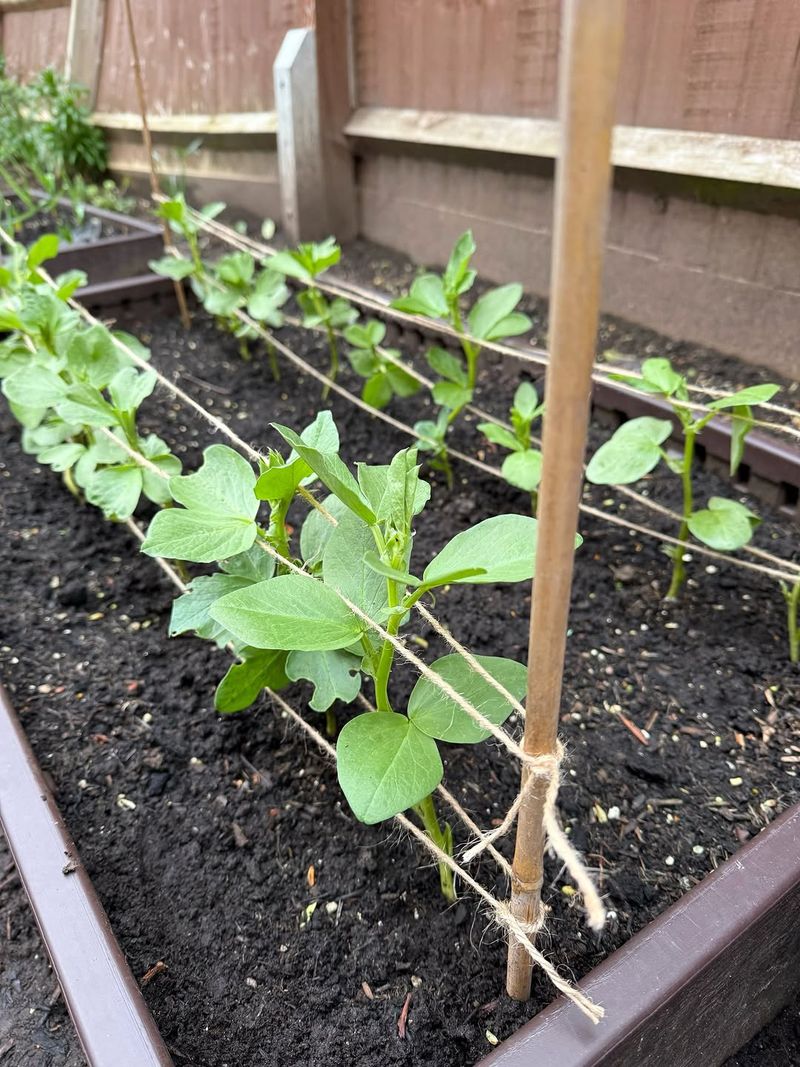
Unlike pole beans, which need a trellis or support structure to climb, bush beans stay compact and upright on their own. That makes them perfectly suited for raised beds where you want maximum production without a lot of fuss or extra equipment.
California’s warm, sunny climate is ideal for growing bush beans from late spring through early fall. They prefer soil temperatures of at least 60 degrees Fahrenheit to germinate well, so wait until the weather has settled before planting your seeds directly into the raised bed.
No transplanting needed here. Bush beans prefer to be sown directly where they will grow, and they sprout quickly, often within a week or two of planting.
One of the most exciting things about bush beans is how generous they are. A single four-by-eight-foot raised bed planted with bush beans can produce pounds of fresh pods over several weeks.
Succession planting, meaning planting a new batch of seeds every two to three weeks, keeps your harvest going longer and prevents a big glut all at once.
Bush beans also do something really cool for your garden soil. As legumes, they fix nitrogen from the air into the soil, which naturally enriches the growing environment for whatever you plant next.
After your bean harvest is done, turn the spent plants into your raised bed soil as green compost. Varieties like Blue Lake Bush and Provider are tried-and-true favorites for California raised beds and are widely available at local nurseries.
6. Radishes Ready In Just Weeks
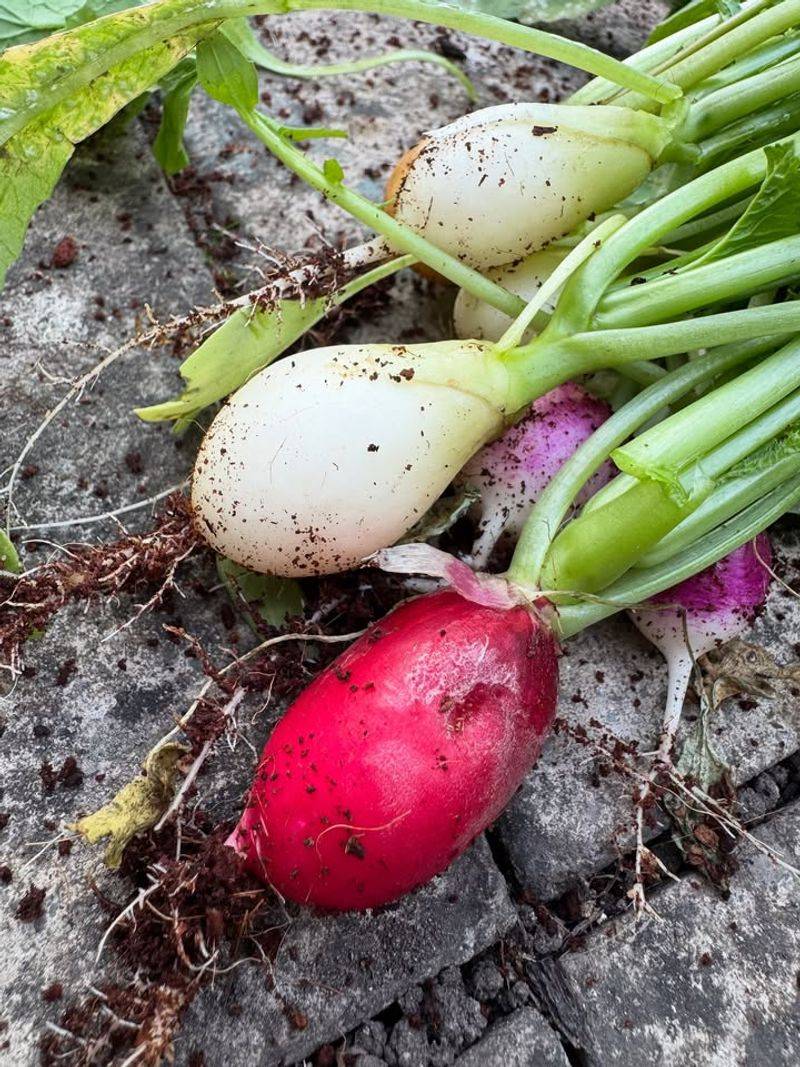
Want to see results fast? Radishes are the speed champions of the vegetable garden.
Some varieties are ready to harvest in as little as 22 days from planting, making them one of the most instantly gratifying crops a beginner can grow in a California raised bed. For anyone who gets impatient waiting for vegetables to mature, radishes are a great option for gardeners who want quick results.
The loose, well-aerated soil inside a raised bed is perfect for radishes because their round or elongated roots need room to expand without hitting hard, compacted ground. In traditional garden soil, radishes can end up misshapen or stunted.
In a raised bed filled with quality compost and topsoil, they grow into smooth, plump, and flavorful roots with very little effort on your part.
Radishes grow best during cooler weather, so in California, aim to plant them in the fall, winter, or early spring. The mild winters along the California coast make it possible to grow radishes almost year-round in those areas.
In hotter inland regions, stick to the cooler seasons to avoid the plants bolting, which is when they send up a flower stalk and the roots become woody and less tasty.
Beyond being a satisfying snack on their own, radishes are great companion plants for slower-growing vegetables like carrots. Plant them together and the radishes will break up the soil as they grow, making it easier for carrot roots to push through.
Varieties like Cherry Belle and French Breakfast are beginner favorites that perform beautifully in California raised beds throughout the cooler growing seasons.
7. Carrots That Grow Best In Loose Soil
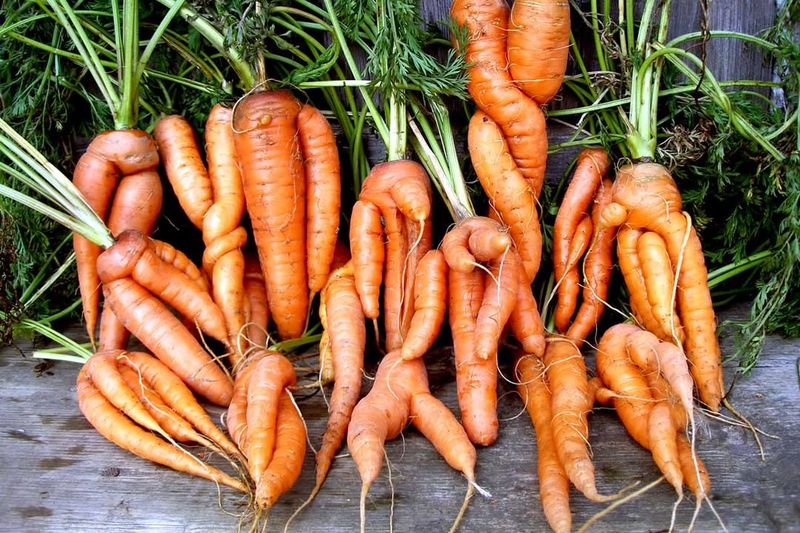
They have a bit of a reputation for being tricky to grow, but carrots struggle most in hard, rocky, or clay-heavy ground. In a California raised bed filled with loose, deep, well-amended soil, carrots become one of the most straightforward and rewarding vegetables you can grow.
The raised bed setup helps address the biggest challenge right from the start.
Carrots need soil that is free of rocks and clumps so their roots can grow straight and long without obstruction. Fill your raised bed at least ten to twelve inches deep with a blend of compost and sandy loam for the best results.
Shorter varieties like Danvers or Nantes are especially well-suited for raised beds because they do not need as much depth as longer varieties and still produce beautifully sweet, crunchy roots.
In California, you can plant carrots in the fall for a winter harvest or in early spring as soon as the soil can be worked. The cool weather actually helps develop their sweetness because cold temperatures cause the plant to convert starches into sugars.
Coastal California gardeners often enjoy the longest growing windows for carrots thanks to the mild, consistent temperatures along the shore.
Carrot seeds are tiny and can be a little tricky to space evenly, so do not worry if they come up crowded. Just thin the seedlings to about two to three inches apart once they are an inch tall.
Thinning feels a little wasteful at first, but giving each carrot enough room is what allows them to develop into full, well-shaped roots worth showing off at the dinner table.
8. Cucumbers That Climb And Produce Fast
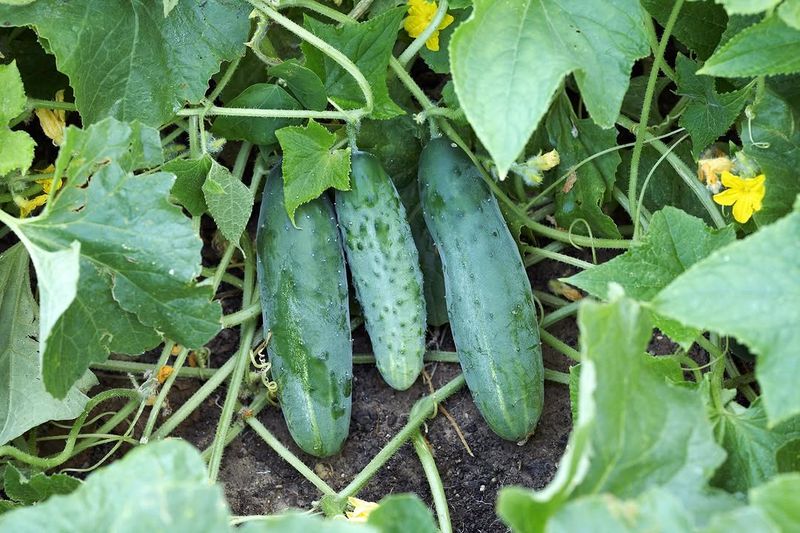
These fast-growing vines love heat, moisture, and sunshine, all of which California provides in generous amounts from late spring through early fall. A raised bed gives cucumbers the warm, well-draining soil they need to establish quickly and start producing fruit within weeks of transplanting.
One of the best investments you can make for cucumbers in a raised bed is a simple vertical trellis. Cucumbers are natural climbers, and training them upward saves valuable bed space, improves air circulation around the leaves, and makes harvesting much easier.
A wooden or wire trellis attached to the back of your raised bed works perfectly and can double as a support structure for other vining crops in future seasons.
California gardeners have a nice advantage when it comes to cucumbers because the extended warm season means a longer harvest window. Slicing varieties like Straight Eight or Marketmore are classic choices, while bush varieties like Spacemaster work well in smaller beds where space is limited.
Persian cucumbers, which are popular in California’s markets and restaurants, are also a fantastic option that produces abundantly in raised bed conditions.
Keep the soil consistently moist because cucumbers are made up of about 95 percent water and need steady hydration to develop properly. Inconsistent watering leads to bitter-tasting fruits, which is something no gardener wants after all that effort.
Harvest cucumbers regularly when they reach full size to keep the plant producing new fruits all season long.