10 Types Of Milkweed North Carolina Gardeners Can Grow To Support Monarch Butterflies
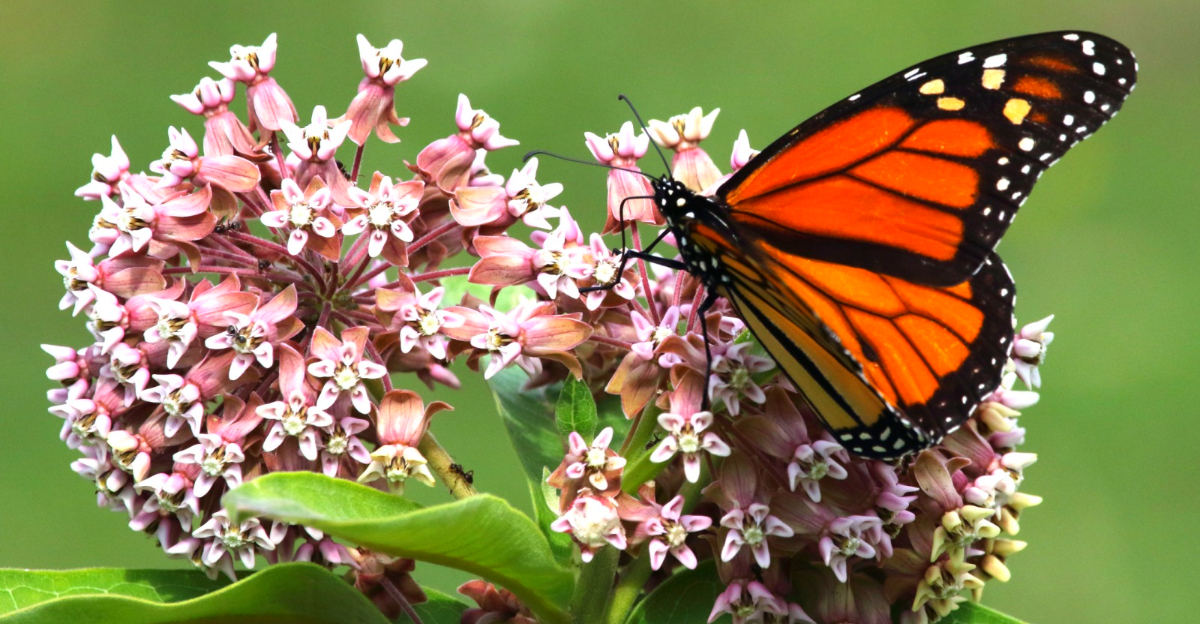
What if the secret to saving one of nature’s most iconic travelers was hiding in your North Carolina backyard?
Every fall, millions of monarch butterflies flutter through the Tar Heel State on a miraculous journey south, and the milkweed you plant acts as their ultimate roadside sanctuary.
These butterflies don’t just visit for the nectar; their caterpillars depend entirely on milkweed to survive.
From the rugged Blue Ridge Mountains to the sandy coastal plains, North Carolina offers a perfect match for every garden niche.
Whether you’re dealing with a soggy low spot, a sun-baked clay bed, or a quiet woodland edge, one of these ten native milkweeds will feel right at home.
1. Butterfly Weed Brings Bright Color To Sunny Beds
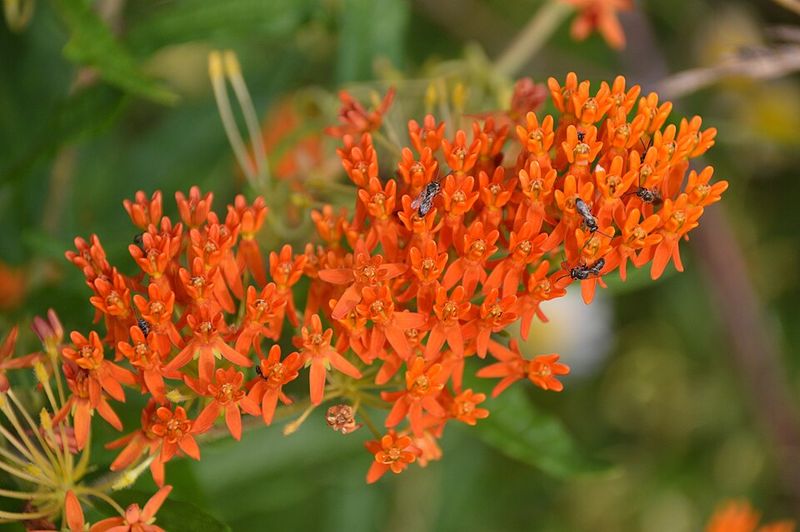
Few plants stop people in their tracks quite like butterfly weed in full bloom. Those clusters of blazing orange flowers seem almost too bright to be real, yet this tough native perennial earns every bit of that attention.
Butterfly weed, known botanically as Asclepias tuberosa, is one of the most widely available milkweeds at North Carolina nurseries, making it an easy first choice for gardeners who want to help monarchs.
It thrives in full sun and prefers dry to average, well-drained soil. Sandy loam or rocky ground suits it perfectly, and it handles summer drought without complaint.
Heavy clay soils with poor drainage are its main weakness, so raised beds or amended planting areas work well in Piedmont gardens where clay is common.
Plants grow roughly one to two and a half feet tall and bloom from June through August, right when monarch activity picks up across the state.
Unlike many milkweeds, butterfly weed produces relatively little milky sap, but monarchs still use it as a host plant.
Once established, it returns reliably each spring from a deep taproot, so patience during the first season pays off with years of color and monarch support.
2. Swamp Milkweed Thrives Where Soil Stays Moist
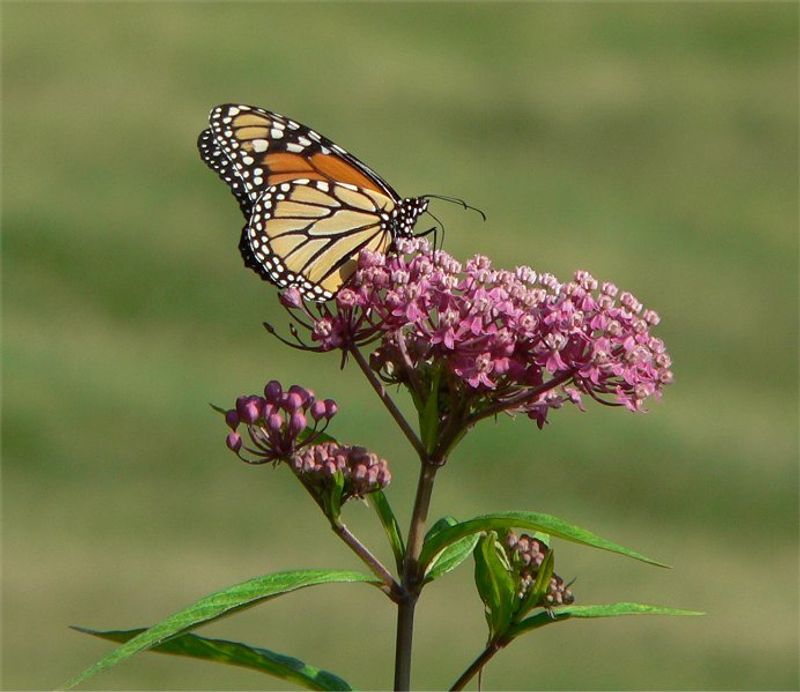
If you have a low spot in your yard that stays soggy after rain, swamp milkweed might just be the answer you have been looking for.
Asclepias incarnata is a native perennial that genuinely loves wet feet, making it a standout choice for rain gardens, pond edges, and areas near streams across the Piedmont and coastal plain of North Carolina.
The deep rose-pink flower clusters are both beautiful and functional. Monarch butterflies use swamp milkweed as a host plant and also visit the blooms for nectar throughout mid-summer into early fall.
Pollinators of all kinds, including native bees and swallowtail butterflies, show up regularly when this plant is in flower. Swamp milkweed grows two to four feet tall and does best in full sun to partial shade.
It handles heavy clay soils better than most milkweeds, which makes it well suited to many Piedmont gardens where drainage is limited.
Plants spread slowly by rhizomes and can eventually form a modest colony, which is great news for monarchs looking for reliable habitat.
Your North Carolina Garden Changes Every Week. Your Plan Should Too.
Gardening in North Carolina changes quickly throughout the season. Every Friday you’ll receive a simple weekly plan showing exactly what to plant, prune, fertilize, harvest, and protect so you never miss the right timing.
Starting with nursery-grown plants gives you a head start, and the plant settles in quickly once it finds consistently moist ground.
3. Common Milkweed Supports Monarchs In Bigger Spaces
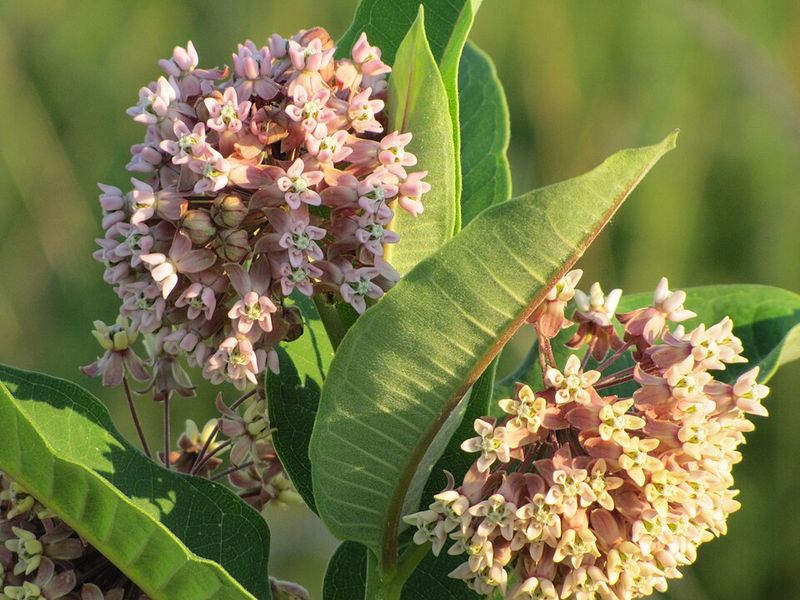
Common milkweed has a reputation for spreading, and honestly, that reputation is well earned.
Asclepias syriaca spreads by underground rhizomes and can colonize open ground fairly quickly, which means it works best in larger naturalized areas, meadows, roadsides, or the back edges of a property rather than a tidy ornamental border.
In the right setting, though, it is one of the most productive milkweeds a North Carolina gardener can offer monarchs.
The fragrant pink to purplish globe-shaped flowers bloom from June to August and attract not only monarchs but also a wide range of native pollinators.
Monarch females actively seek out common milkweed for egg-laying, and the large leaves support caterpillars through all of their growth stages.
Common milkweed grows three to five feet tall and prefers full sun with moist, well-drained soil.
It tolerates a range of soil types and is particularly well adapted to the Piedmont and mountain foothills of North Carolina.
If spreading is a concern, planting it within a mowed border or using edging to contain rhizome spread can help manage its growth.
For gardeners with room to spare, few milkweeds deliver as much monarch habitat value as this reliable native species.
4. Whorled Milkweed Adds Fine Texture And Easy Charm
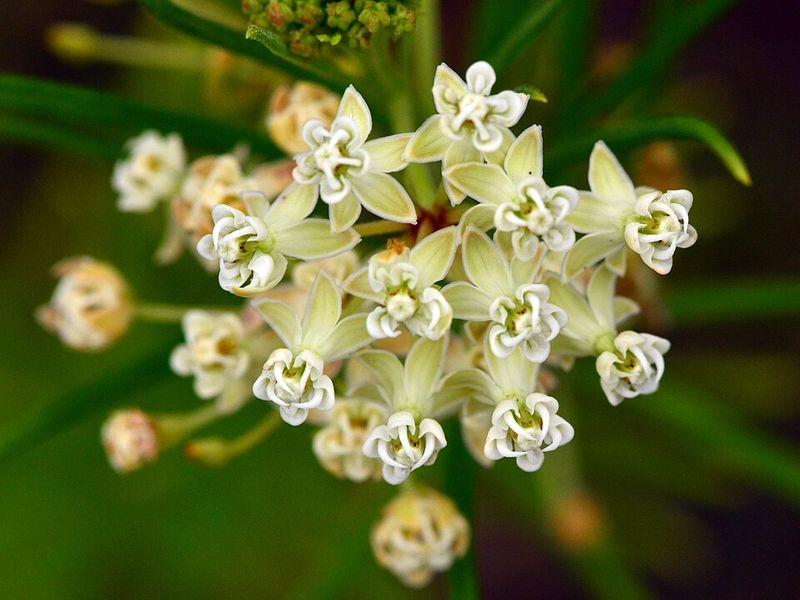
Whorled milkweed has a look unlike any other milkweed in North Carolina. Its leaves are so narrow and needle-like that they almost resemble dill or fennel foliage, giving the plant a fine, airy texture that pairs nicely with bolder garden plants.
Asclepias verticillata grows just one to two feet tall, making it one of the more compact native milkweeds available to gardeners in the state.
Small clusters of white flowers appear from July through September, offering late-season nectar when many other plants have finished blooming. Monarch butterflies use it as a host plant, and other pollinators visit the flowers regularly.
Its modest size makes it a good candidate for the front of a border, a rock garden, or any sunny spot where space is limited.
Whorled milkweed adapts well to dry, sandy, or rocky soils and handles drought with ease once established.
It grows naturally across a range of habitats in North Carolina, from open woodlands to roadsides, which tells you a lot about its flexibility. Full sun brings out the best growth and flowering.
For mountain and Piedmont gardeners who want a low-maintenance milkweed that blends gracefully into mixed plantings, whorled milkweed is a genuinely underrated option worth seeking out.
5. Poke Milkweed Fits Naturally Into Shadier Gardens
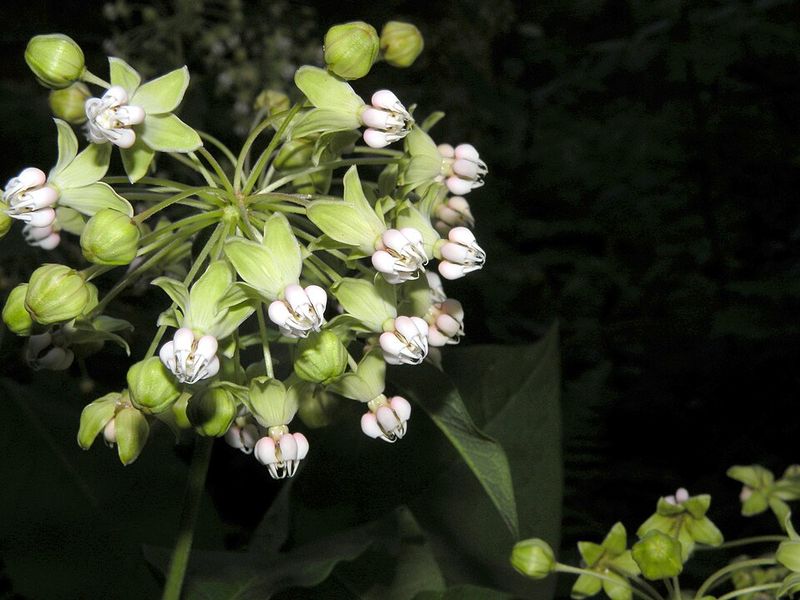
Most milkweeds want full sun, so finding one that genuinely tolerates shade feels like a small miracle for gardeners working with wooded lots or north-facing slopes.
Poke milkweed, Asclepias exaltata, fills that role beautifully and is especially well suited to the mountain and upper Piedmont regions of North Carolina where shaded, moist habitats are common.
Plants grow three to five feet tall with drooping clusters of white to pale lavender flowers that bloom from May through August.
The flowers have a loose, nodding quality that looks right at home beneath a forest canopy or along a shaded garden path.
Monarch butterflies do use poke milkweed as a host plant, though it tends to be a more habitat-specific option than sunnier species.
Poke milkweed prefers moist, well-drained soils rich in organic matter, the kind of conditions you often find at the edges of hardwood forests.
It does not spread aggressively, so it works well in smaller woodland garden spaces where a well-behaved native perennial is needed.
Finding it at a standard nursery can take some effort, but native plant sales and specialty growers in western North Carolina often carry it.
For shaded spots where other milkweeds simply will not perform, poke milkweed is a thoughtful and rewarding choice.
6. Fourleaf Milkweed Brings A More Delicate Look
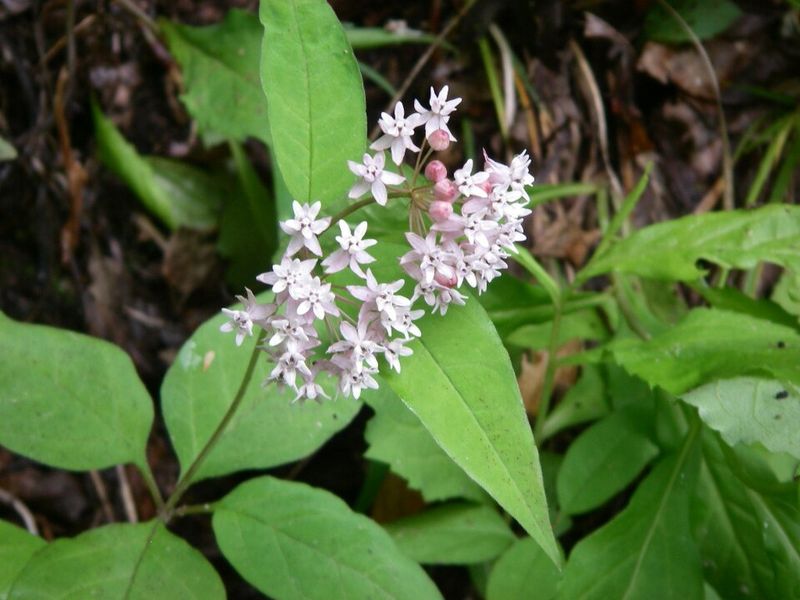
There is something quietly elegant about fourleaf milkweed that sets it apart from its showier relatives.
Asclepias quadrifolia is a slender, understated native that grows just one to two feet tall, with leaves arranged in distinctive whorls of four along the stem and small, pale pink to white flower clusters appearing in late spring.
It blooms from May to June, earlier than most other milkweed species, which gives monarchs arriving in North Carolina a valuable early-season resource.
Fourleaf milkweed grows naturally in dry to moderately moist, rocky or sandy soils beneath open hardwood forests.
It is most at home in the mountain and upper Piedmont regions of North Carolina, where it can be found along wooded slopes and forest edges.
Partial shade suits it well, though it will tolerate some morning sun as long as soil moisture is maintained.
Because of its smaller size and refined appearance, fourleaf milkweed works well in a shade garden or naturalized woodland planting alongside other native wildflowers like wild ginger or bloodroot.
It is not commonly found at mainstream garden centers, but native plant nurseries and conservation plant sales in western North Carolina are good places to look. Its delicate charm makes every effort to find it worthwhile.
7. Pinewoods Milkweed Suits Sandy North Carolina Spots
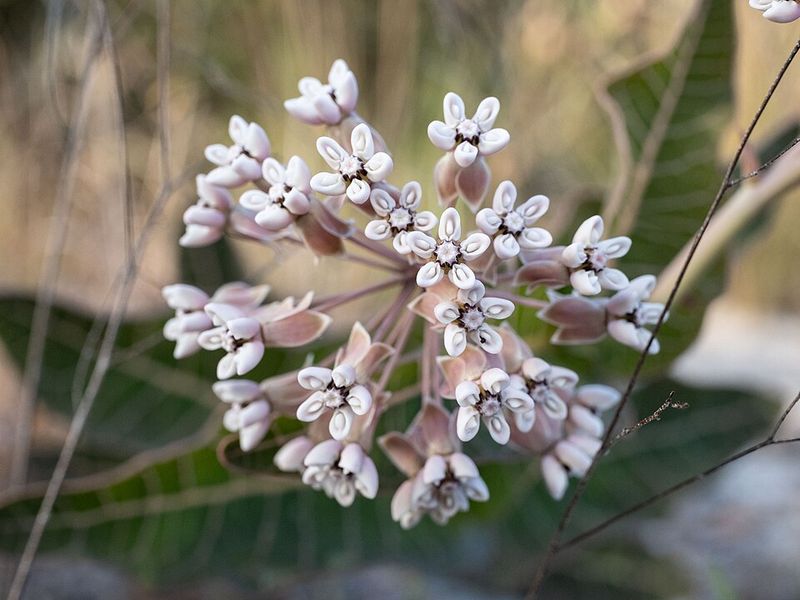
Sandy soils in eastern North Carolina can be challenging for many plants, but pinewoods milkweed, Asclepias humistrata, was practically built for those conditions.
Also called sandhill milkweed, this native species thrives in the well-drained, nutrient-poor soils of longleaf pine savannas, sandhills, and open pine flatwoods that are characteristic of the North Carolina coastal plain and sandhills region.
The plant has a distinctive look, with broad, blue-green leaves that clasp the stem and clusters of pink to lavender flowers that bloom from March through June.
That early bloom time is a real advantage, giving monarch butterflies passing through the region in spring a valuable nectar and host plant source before many other milkweeds have even begun to grow.
Pinewoods milkweed grows one to three feet tall and prefers full sun with excellent drainage.
It does not perform well in heavy clay or consistently wet soils, so it is best reserved for the sandy landscapes of the coastal plain and sandhills rather than Piedmont or mountain gardens.
Finding plants or seeds can require some searching, but native plant specialists focused on coastal plain flora often carry it.
For eastern North Carolina gardeners looking to restore habitat in pine-dominated landscapes, this milkweed is a natural and ecologically meaningful fit.
8. Red Milkweed Adds Soft Color To Wet Areas
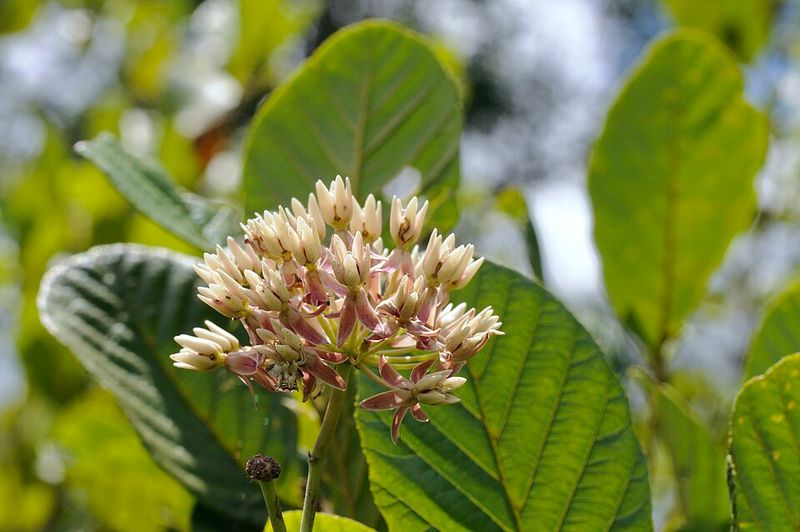
Red milkweed brings a softer, more romantic color palette to wet garden spots where brighter oranges and pinks might feel out of place.
Asclepias rubra is a native species found naturally in wet open areas, bogs, wet pine savannas, and pocosins across the North Carolina coastal plain, where it adds quiet elegance to some of the state’s most ecologically rich habitats.
The flowers range from pink to a warm rose-red, appearing on slender stems from May through August.
Monarch butterflies use red milkweed as a host plant, and the blooms attract a variety of native pollinators that also depend on wetland habitats.
Plants grow one to three feet tall and perform best in full sun to partial shade with consistently wet or moist, organic-rich soils.
Red milkweed is not a plant for dry garden beds or well-drained borders. It genuinely needs moisture to thrive, making it a strong candidate for rain garden edges, wet ditches, or low-lying areas that hold water after heavy rains.
Coastal plain gardeners in North Carolina who want to support monarchs while also restoring native wetland plant communities will find red milkweed a rewarding and regionally appropriate addition.
Sourcing it from native plant specialists familiar with coastal plain flora gives you the best chance of success.
9. Redring Milkweed Stands Out With Unusual Blooms
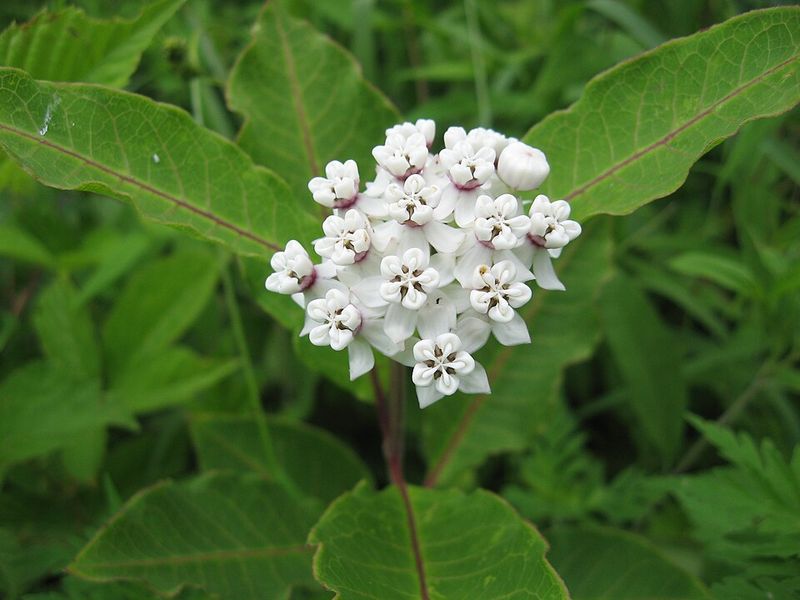
If you want a milkweed that genuinely makes visitors stop and ask what it is, redring milkweed is a strong contender.
Asclepias variegata produces white flower clusters with a distinctive red to purple ring at the center of each bloom, creating a two-toned pattern that looks almost hand-painted.
It is one of the more visually striking native milkweeds in North Carolina, yet it remains far less well known than butterfly weed or swamp milkweed.
Redring milkweed grows two to three feet tall and blooms from May through July, offering host plant habitat for monarchs during a key part of the breeding season.
It prefers dry to moderately moist soils and grows naturally in open woodlands, forest edges, and dry upland habitats across the Piedmont and coastal plain of North Carolina.
Partial shade to full sun suits it well, and it handles the kind of sandy, well-drained soils common in many eastern North Carolina upland sites.
Because it tolerates some shade, redring milkweed works well along the edges of tree lines or in partially shaded borders where other milkweeds might struggle.
It does not spread aggressively, making it a well-mannered choice for smaller garden spaces.
Native plant nurseries and conservation sales are your best bet for sourcing plants, but the search is absolutely worth it for this one-of-a-kind native.
10. Fewflower Milkweed Fits Moist Coastal Plain Gardens
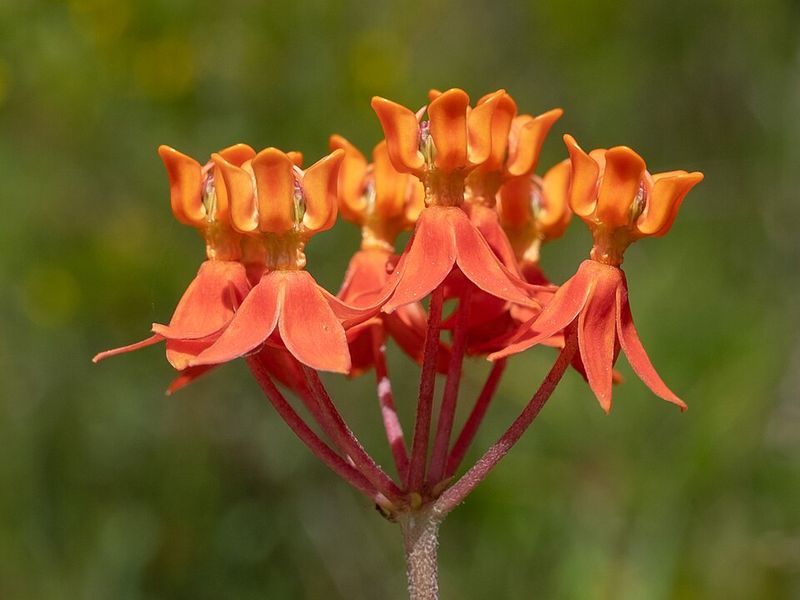
Fewflower milkweed earns its name honestly. Asclepias lanceolata produces smaller flower clusters than most milkweeds, but what those blooms lack in quantity they more than make up for in color.
The flowers are a striking combination of red and orange that stands out vividly against the plant’s long, narrow leaves and tall, slender stems. It grows two to four feet tall and blooms from June through August.
This milkweed is native to wet savannas, freshwater marshes, and wet pine flatwoods in the coastal plain of North Carolina.
It needs consistently moist to wet soils and full sun, making it a natural partner for rain gardens, wet meadow restorations, or low spots near drainage areas in eastern North Carolina landscapes.
Like red milkweed, it is not suited to dry upland conditions and should be matched carefully to the right site.
Monarch butterflies use fewflower milkweed as a host plant, and the bright blooms attract native pollinators as well.
Because it occupies a fairly specific ecological niche, it is not commonly found at general nurseries, but coastal plain native plant specialists and conservation organizations sometimes offer it.
For eastern North Carolina gardeners working to restore or enhance wet savanna and flatwoods habitat, fewflower milkweed is a native gem that supports monarchs and celebrates the region’s unique natural heritage.