How To Grow Houseplants In North Carolina Without Ever Buying One
Growing houseplants might sound like something that requires a trip to the store, but that is not always the case. Many plant lovers across North Carolina have discovered that you can fill your home with greenery without spending a single dollar.
With a little patience and the right approach, it is possible to grow a whole collection from what you already have or can easily find. From sharing cuttings with friends to reusing pieces of plants you might normally throw away, there are simple ways to get started.
The mild climate in many parts of the state also makes it easier to keep plants healthy year round, even indoors.
What begins as a small experiment can quickly turn into a rewarding habit. Once you learn how it works, you may never feel the need to buy a houseplant again.
1. Many Common Houseplants Root Easily In Water Indoors
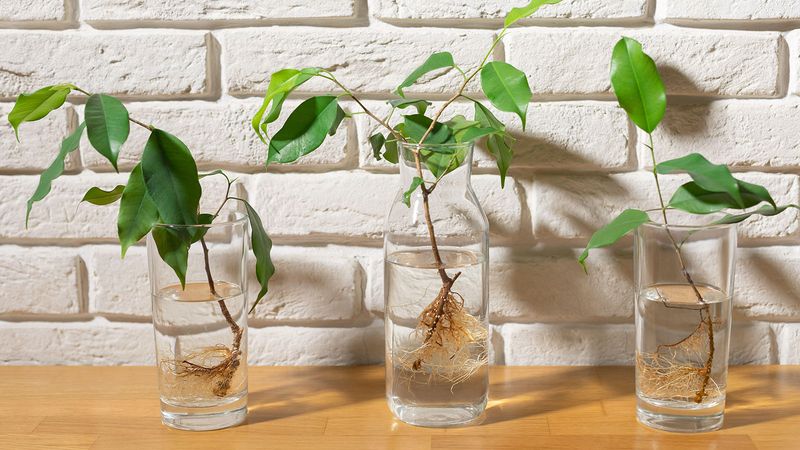
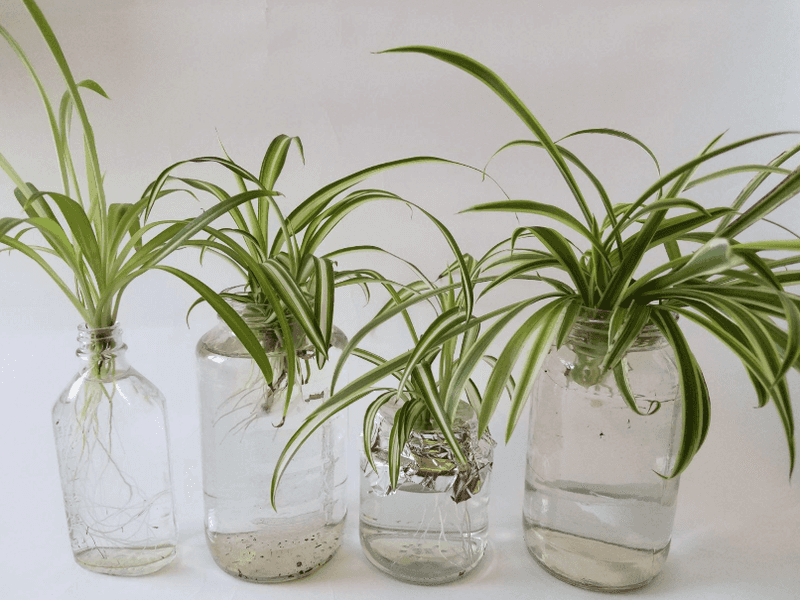
Pothos, coleus, and spider plants have a wonderful secret: drop a cutting in a glass of water, and roots will appear within weeks.
Water propagation works beautifully in North Carolina homes because indoor temperatures stay fairly stable year-round, giving roots a comfortable environment to grow without stress.
You do not need any special equipment, just a clean glass, fresh water, and a little patience.
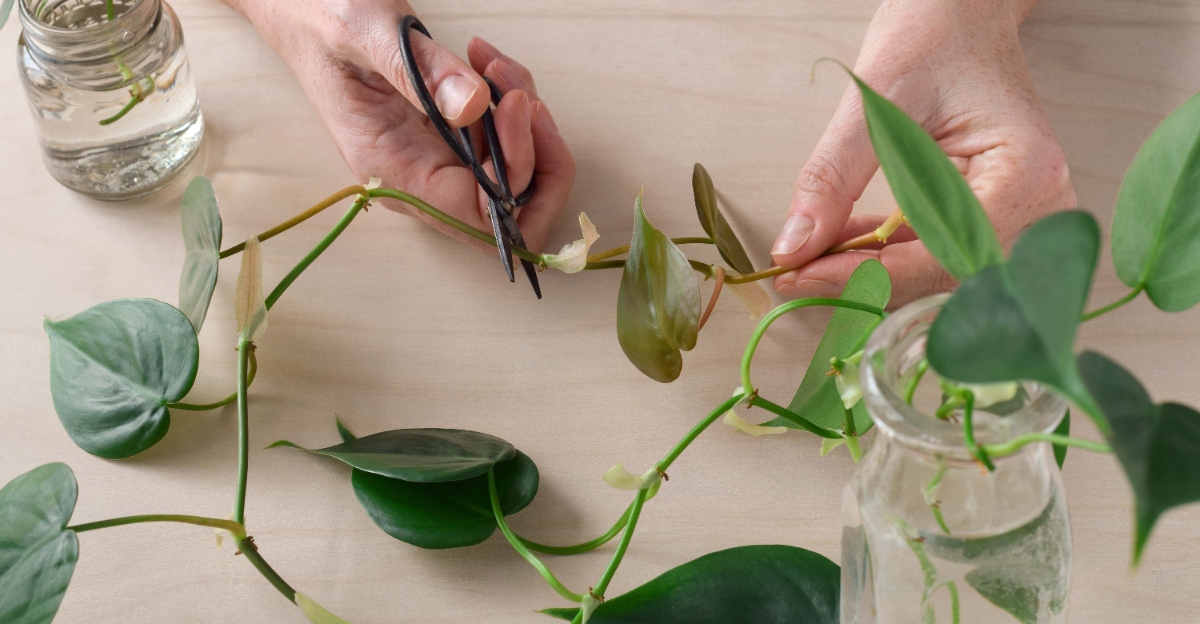
Start by snipping a healthy stem just below a leaf node, which is the small bump where roots tend to sprout. Remove any leaves that would sit underwater, since those can cloud the water and slow things down.
Change the water every few days to keep it fresh and clear of bacteria. A sunny windowsill in a Charlotte or Durham home works perfectly for this process. Bright, indirect light keeps the cutting energized without scorching the developing roots.
Once roots reach about an inch long, the cutting is ready to move into soil for continued growth.
Watching roots appear in a clear glass is genuinely exciting, especially for beginners. It gives you a front-row seat to the entire process, which makes it easy to spot problems early.
Water propagation is one of the most rewarding ways to grow your indoor collection without spending a dime.
2. Spring And Early Summer Are The Most Reliable Times To Propagate
Something magical happens to houseplants when the days start getting longer. Even indoors, plants sense the shift in natural light and kick into their most active growth phase of the year.
In North Carolina, spring typically arrives earlier than in northern states, which gives gardeners here a real head start on propagation season.
From March through June, plants produce more energy through photosynthesis, which means cuttings taken during this window carry more stored nutrients. Those nutrients fuel faster root development and stronger early growth.
Starting a cutting in April rather than December can cut your wait time for healthy roots almost in half.
Indoor plants in Greensboro or Chapel Hill homes respond to seasonal light changes even when they sit far from a window. The gradual increase in daylight hours triggers hormonal changes inside the plant that encourage new cell growth.
Your North Carolina Garden Changes Every Week. Your Plan Should Too.
Gardening in North Carolina changes quickly throughout the season. Every Friday you’ll receive a simple weekly plan showing exactly what to plant, prune, fertilize, harvest, and protect so you never miss the right timing.
That biological momentum makes spring cuttings noticeably more vigorous than those taken in winter.
Early summer is equally effective, though you should keep an eye on indoor temperatures as the heat builds. Warm soil temperatures support root growth, but excessive heat can stress a tender cutting before it establishes.
A shaded spot away from direct afternoon sun keeps things balanced during those hotter North Carolina summer days.
3. Stem Cuttings Are The Easiest Starting Method
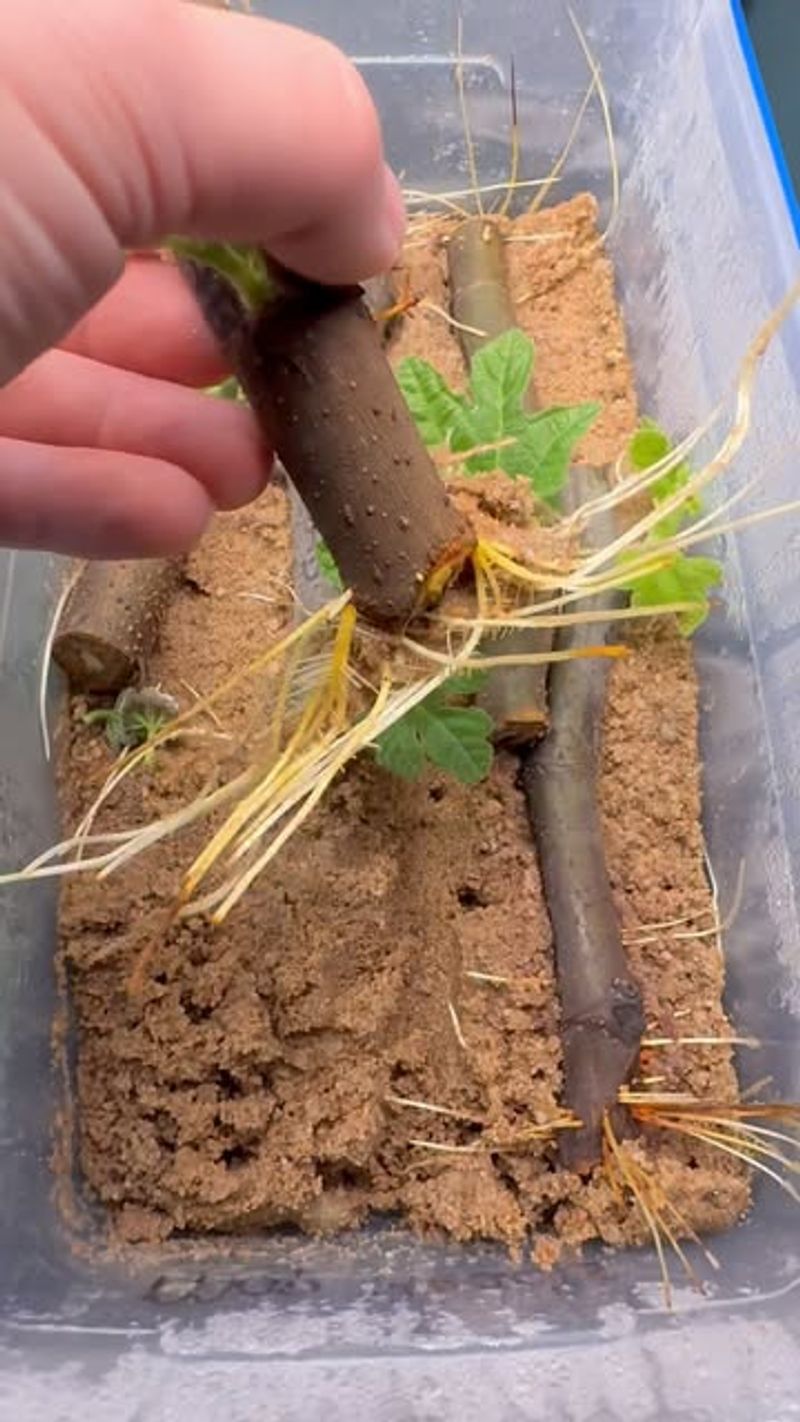
Grab a pair of clean scissors, find a healthy plant, and you are already halfway to a brand new houseplant. Stem cuttings are the go-to propagation method for good reason: they are fast, reliable, and work on dozens of popular indoor plants.
Philodendrons, pothos, begonias, and impatiens all respond exceptionally well to this technique.
Choose a stem with at least two or three leaves and make your cut just below a leaf node using a sharp, clean blade. A clean cut matters more than most people realize because a ragged edge invites harmful microbes that can stop root growth before it starts.
Trim off the lower leaves so only bare stem sits below the soil or water line. In North Carolina, where indoor conditions stay relatively mild, stem cuttings tend to root quickly when placed in bright, indirect light.
Push the bare stem into a small pot of moist, well-draining potting mix, or simply set it in a jar of water on a windowsill. Either method works well, and you will typically see results within two to four weeks.
One common mistake is overwatering right after planting. The cutting does not have roots yet, so it cannot absorb much moisture at all.
Keep the soil barely damp and resist the urge to water too often until you see new leaf growth, which signals that roots have formed below the surface.
4. North Carolina Indoor Humidity Helps Cuttings Establish Faster
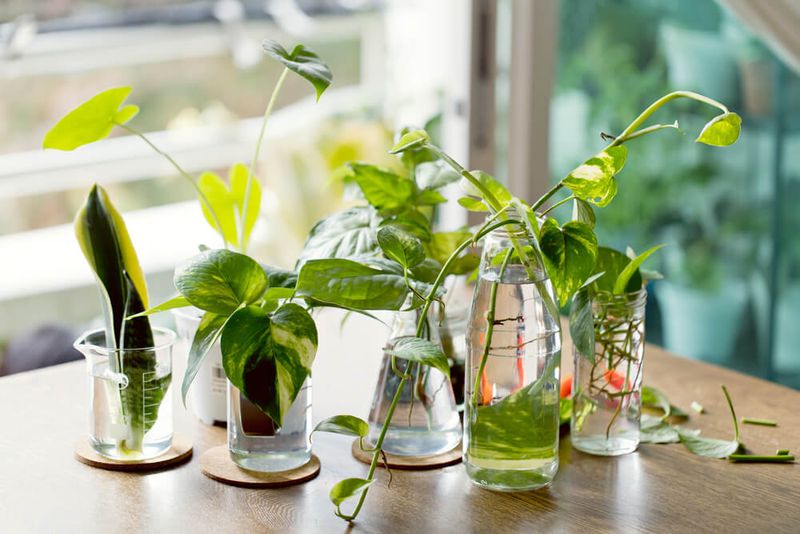
North Carolina sits in a region known for warm, humid summers, and that moisture in the air is a genuine advantage for plant propagators.
Indoor humidity levels here tend to stay higher than in desert or mountain states, which is great news for cuttings that have not yet developed roots.
Without roots, a cutting loses moisture through its leaves, and humidity slows that process down considerably.
When a cutting can hold onto its moisture longer, it has more time and energy to focus on root development instead of survival. This is why gardeners in Raleigh or Fayetteville often notice faster rooting times compared to friends propagating in drier climates.
The natural environment does a lot of the heavy lifting for you. If your home runs on the drier side, especially in winter when heating systems pull moisture from the air, a few simple tricks can help.
Grouping plants together raises the local humidity around them naturally. You can also place a clear plastic bag loosely over a cutting to trap moisture, creating a mini greenhouse effect that keeps conditions ideal.
A small humidifier near your propagation station works well too, especially during those dry North Carolina winter months.
Consistent moisture in the air reduces wilting and helps cuttings stay firm and healthy while they work on building a root system. Humidity is one of the most underrated tools in any propagator’s toolkit.
5. Bright Indirect Light Is Critical For Strong Root Development
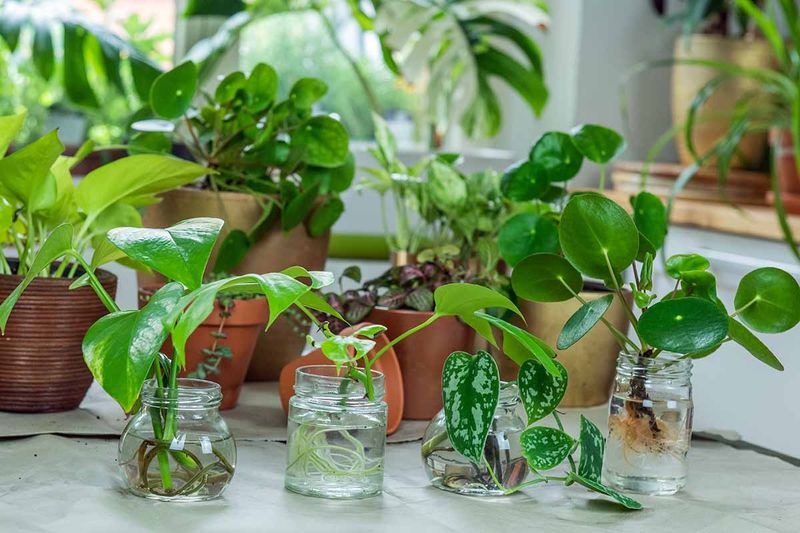
Light is the fuel that powers every living plant, and getting it right during propagation makes a huge difference. Cuttings need enough brightness to stay alive and produce energy, but direct sun can scorch tender stems before roots have a chance to form.
Bright, indirect light hits the sweet spot perfectly for most common houseplants. In North Carolina, the sun angle shifts noticeably between seasons. East-facing windows offer gentle morning light that works beautifully for cuttings year-round.
South-facing windows can get intense in summer, so pulling cuttings a foot or two back from the glass keeps them comfortable without cutting off their light supply.
When a cutting gets too little light, it stretches toward the nearest source, growing long and weak instead of producing strong roots.
Too much direct sun heats up the water or soil around the roots, dries things out too fast, and stresses the plant at the worst possible time.
Watching your cuttings closely for the first week helps you fine-tune placement before problems develop.
Sheer curtains are a simple and affordable fix for windows that let in too much harsh afternoon sun. They soften the light without blocking it entirely, which keeps cuttings in their ideal growing zone.
Many North Carolina gardeners swear by north-facing windowsills during summer, where the light stays consistent and gentle all day long without any adjustments needed.
6. Soil Propagation Produces Stronger Long-Term Growth
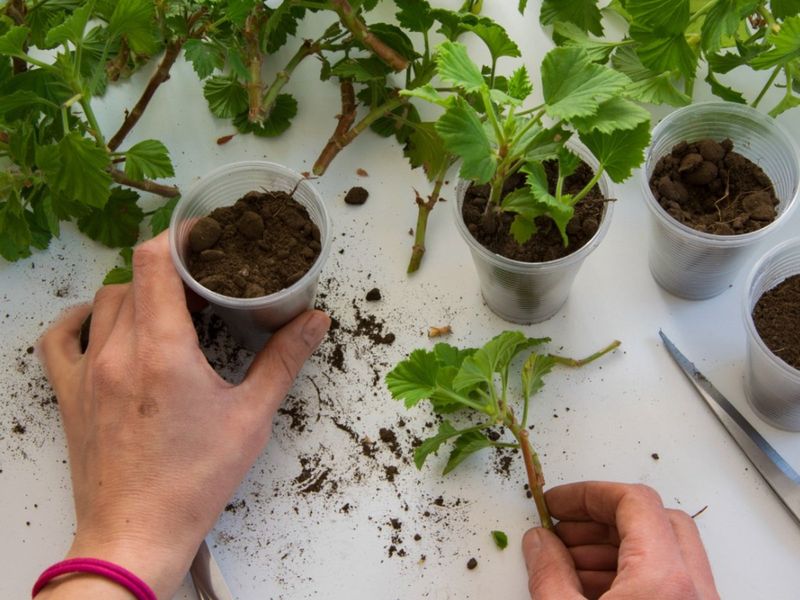
Water propagation is popular, but soil propagation builds roots that are better prepared for real life in a pot.
Roots grown in soil adapt directly to the texture and structure of the growing medium, which means the transition from cutting to established plant happens much more smoothly.
Water roots are softer and sometimes struggle when moved into soil, while soil roots are tough and ready from the start.
The key to successful soil propagation is choosing the right mix. A light, airy blend with perlite or coarse sand drains quickly and prevents the soggy conditions that cause cuttings to rot before roots form.
Regular potting soil on its own tends to hold too much moisture for tender, rootless cuttings, so mixing in some perlite makes a noticeable difference.
In North Carolina homes, where humidity already helps keep cuttings from drying out too fast, soil propagation works especially well during spring and summer. Push the bare stem about an inch into the moist mix, firm it gently, and place the pot in bright indirect light.
Mist the top of the soil lightly every couple of days rather than watering deeply. New leaf growth is your signal that roots have formed and the plant is ready for normal care.
At that point, you can start watering more regularly and even consider moving the young plant to a slightly larger pot. Patience during those first few weeks pays off with a stronger, healthier plant over time.
7. Division Works Well For Mature Indoor Plants
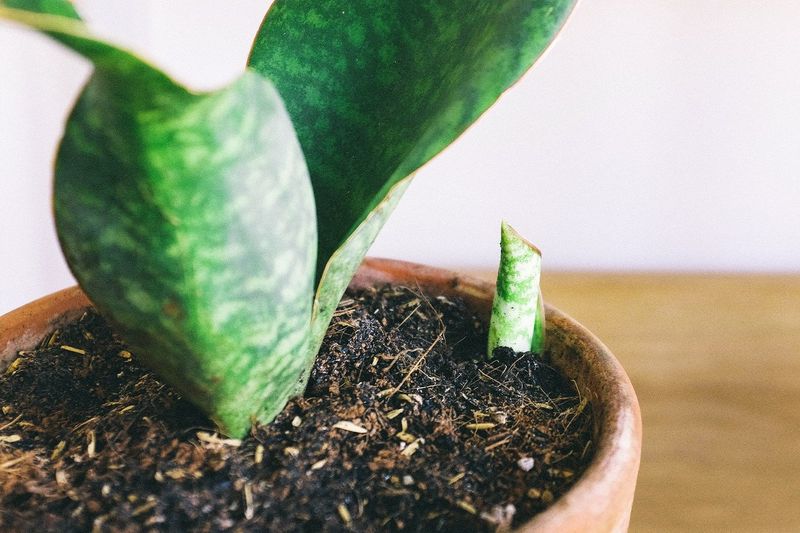
Some of the most popular houseplants grow in clumps, and those clumps can be split apart to create entirely new plants with almost no effort.
Division is one of the quickest ways to multiply your indoor collection, and it works especially well for plants like peace lilies, snake plants, cast iron plants, and Boston ferns.
No waiting for roots to grow since each division already has its own established root system.
The best time to divide a plant in a North Carolina home is during spring, when the plant is entering its active growth phase and will recover quickly from the disturbance.
Gently remove the plant from its pot and shake off excess soil so you can see the root structure clearly.
Look for natural separation points where individual stems or crowns pull apart without much resistance.
Use your hands or a clean knife to separate the clumps, making sure each division has both roots and at least a few healthy leaves. Pot each division into fresh, well-draining soil and water lightly to help it settle in.
Keep the newly divided plants out of direct sun for the first week while they adjust to their new pots. Division is also a great way to keep large plants from outgrowing their containers.
Instead of moving a peace lily into an enormous pot, simply split it into two or three smaller plants and share the extras with friends or neighbors across North Carolina. It is a win for everyone involved.
8. Clean Tools And Healthy Parent Plants Improve Success Rates
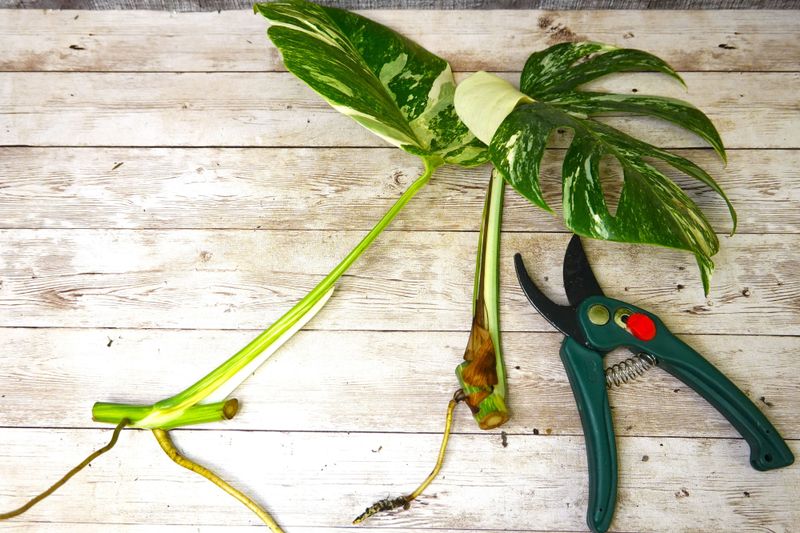
Every successful propagation starts long before the cutting is taken. The health of the parent plant and the cleanliness of your tools set the foundation for everything that follows.
A stressed or struggling plant produces weaker cuttings with less stored energy, which means slower rooting and a higher chance of failure before the new plant even gets started.
Before taking any cutting, take a close look at the parent plant. Choose stems that are firm, green, and free from spots, yellowing, or unusual textures.
Avoid stems that look stretched or pale, since those are signs the plant is not getting enough light or nutrients to support strong propagation material.
Clean tools are equally important and often overlooked by beginners. Bacteria and fungal spores can transfer from one plant to another on dirty blades, causing rot or disease in a cutting that would otherwise thrive.
Wiping your scissors or knife with rubbing alcohol before and after each cut takes only a few seconds and dramatically improves your results.
In North Carolina, where warm and humid conditions are wonderful for plant growth, those same conditions can encourage the spread of mold and bacteria if you are not careful.
Keeping your propagation area clean and your tools sterile is a simple habit that protects every cutting you take.
Start with healthy plants, use clean tools, and your success rate will climb noticeably from the very first try.