Here’s How To Change Your Hydrangea Flower Color In North Carolina Gardens
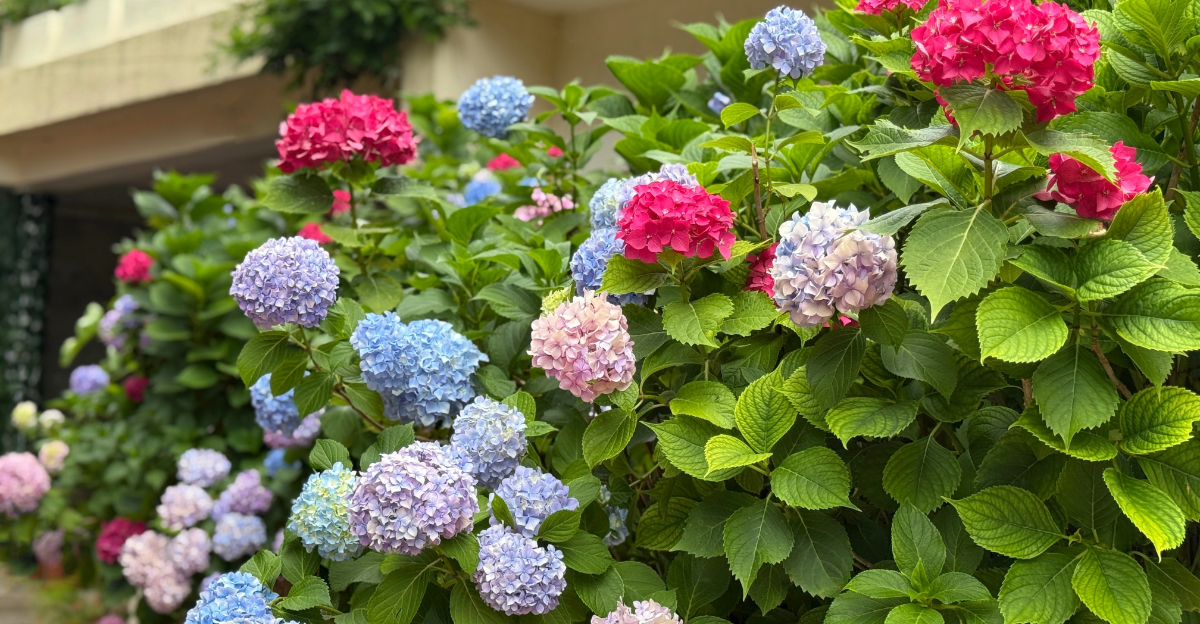
Hydrangeas are known for their eye catching blooms, but what surprises many gardeners is that their color is not always set in stone. In North Carolina gardens, these flowers can shift between shades of blue, pink, and even purple depending on what is happening in the soil.
It almost feels like having a plant that can change its look from one season to the next. The secret behind this transformation is simpler than it sounds, and it gives you more control than you might expect.
Small changes beneath the surface can lead to big differences in how your hydrangeas appear. Gardeners from the coast to the foothills have been using this trick to create the colors they love most.
Once you understand how it works, you can start shaping your garden’s look in a whole new way.
1. Only Certain Hydrangeas Change Color Based On Soil Conditions
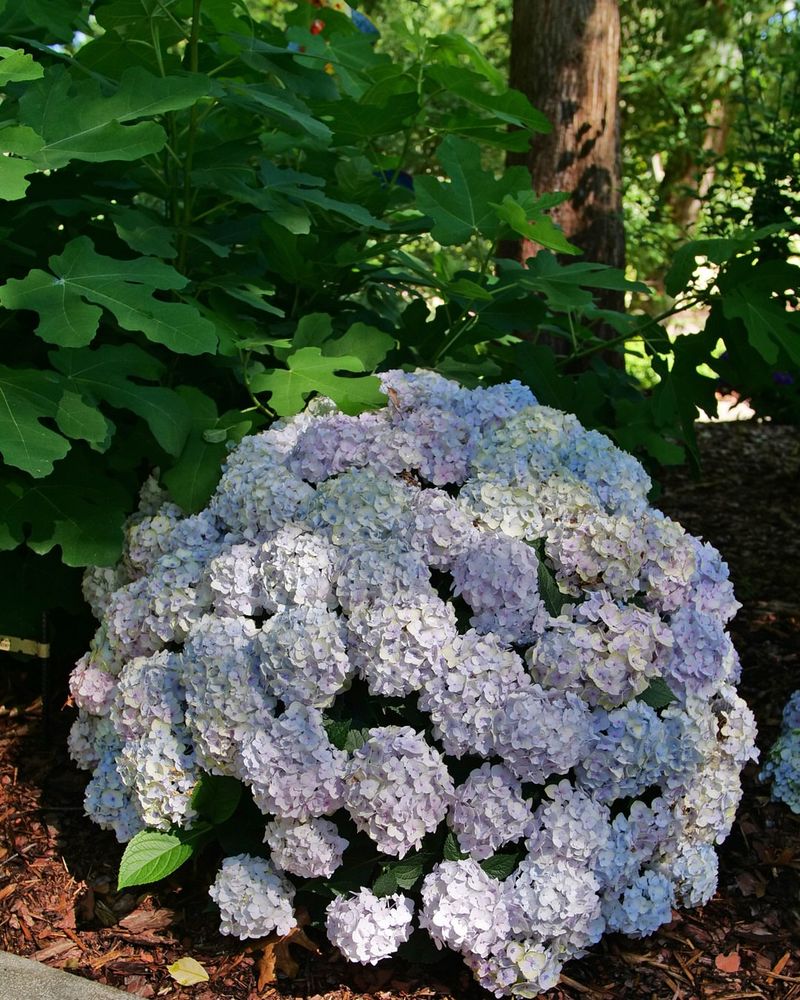
Not every hydrangea you plant in your North Carolina garden will respond to soil changes the same way. Bigleaf hydrangeas, known scientifically as Hydrangea macrophylla, are the real stars when it comes to color shifting.
Mountain hydrangeas, or Hydrangea serrata, also respond to soil conditions and can change between blue and pink depending on your soil chemistry.
Panicle hydrangeas and smooth hydrangeas, on the other hand, stay the same color no matter what you do to your soil. White-blooming varieties will never turn blue or pink, so adjusting soil pH around them will not produce any color results.
Knowing which type you have growing in your yard is honestly the most important first step before trying anything else.
A good way to identify your hydrangea type is to look at the flower shape and leaf texture. Bigleaf varieties have large, rounded flower clusters and glossy leaves, making them fairly easy to recognize.
If you are unsure, your local North Carolina Cooperative Extension office can help you identify the plant quickly and accurately.
Taking time to identify your hydrangea correctly will save you from wasting money on soil amendments that will not produce any visible results.
Many North Carolina gardeners skip this step and end up frustrated when nothing changes. Start here and everything else becomes much easier to manage.
2. Soil pH Controls How Aluminum Is Absorbed
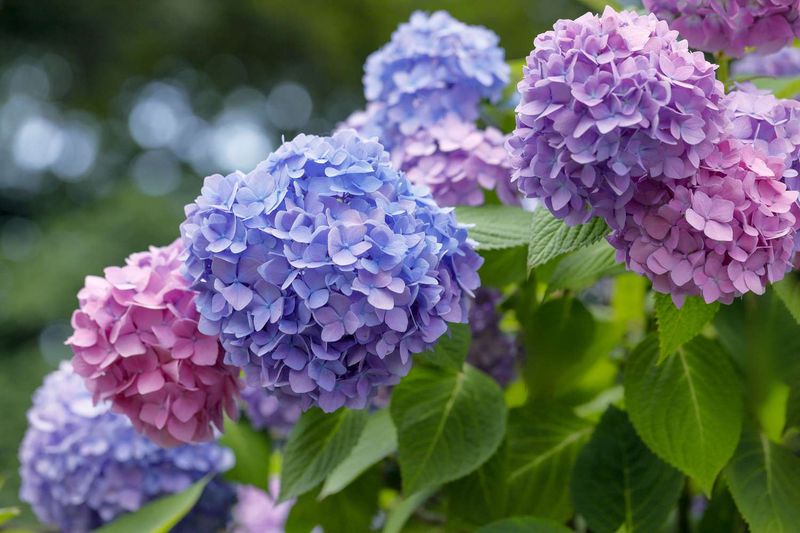
Here is something that surprises most people: the color of your hydrangea blooms is not really about the color itself, it is about aluminum. When aluminum is available in the soil, hydrangeas absorb it and produce a blue pigment called delphinidin.
Without that aluminum absorption, the flowers lean toward pink or even reddish tones. Soil pH is the key that unlocks or locks aluminum availability. In acidic soils with a pH between 5.0 and 5.5, aluminum dissolves easily and the plant can absorb it freely.
When soil pH climbs above 6.0 and becomes more alkaline, aluminum binds to other soil particles and becomes unavailable to the plant roots entirely.
North Carolina soils vary quite a bit depending on your region, so the starting pH in your yard matters a lot. Testing your soil before making any changes is always a smart move and costs very little at your local garden center.
Your North Carolina Garden Changes Every Week. Your Plan Should Too.
Gardening in North Carolina changes quickly throughout the season. Every Friday you’ll receive a simple weekly plan showing exactly what to plant, prune, fertilize, harvest, and protect so you never miss the right timing.
The North Carolina Department of Agriculture also offers affordable soil testing services that give you detailed results.
Once you understand your current pH level, adjusting it becomes a straightforward process. Acidic soil encourages blue blooms, and alkaline soil pushes flowers toward pink.
Keeping this simple chemistry fact in mind will help you make the right decisions every step of the way in your garden.
3. North Carolina Clay Soil Often Needs Adjustment For Blue Blooms
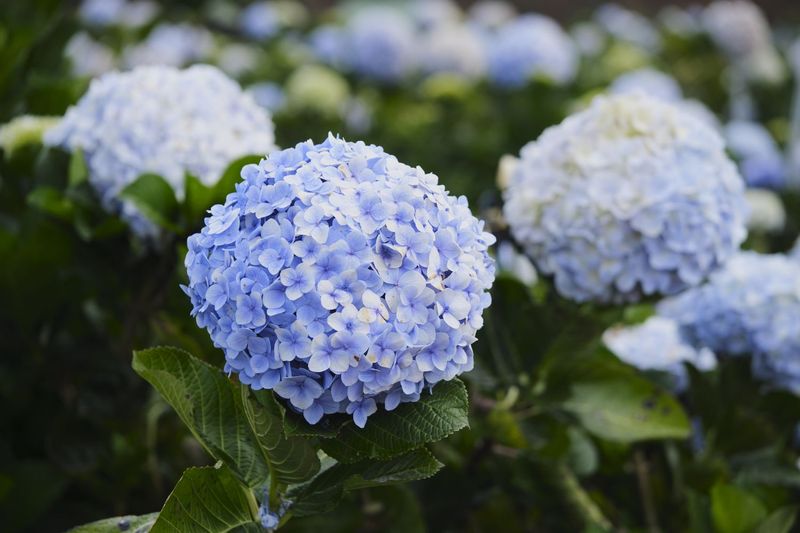
Clay soil is extremely common across the North Carolina Piedmont region, and it comes with its own set of quirks for hydrangea growers.
Clay soil tends to hold moisture well, which hydrangeas love, but it can also affect how nutrients and aluminum move through the ground.
Even when clay soil tests as slightly acidic, it does not always deliver aluminum to plant roots as efficiently as looser soil types.
The dense structure of clay can lock up aluminum even when pH levels seem right on paper. This means North Carolina gardeners in areas like Charlotte, Greensboro, and Raleigh may still struggle to achieve rich blue blooms without making some targeted adjustments.
Adding organic matter like compost can help loosen clay and improve overall nutrient flow to the roots.
Mixing in pine bark fines or aged pine needle mulch can also gently lower soil pH over time while improving drainage and soil texture. These are practical, low-cost options that work well within North Carolina’s climate and growing conditions.
Many experienced local gardeners swear by pine needle mulch as a simple and natural way to maintain acidity around their hydrangeas.
Patience is a big part of working with clay soil. Changes happen gradually, and the soil needs time to respond to any amendments you add.
Testing your soil every season keeps you informed and helps you make adjustments before the blooming season arrives.
4. Adding Aluminum Sulfate Encourages Blue Flower Color
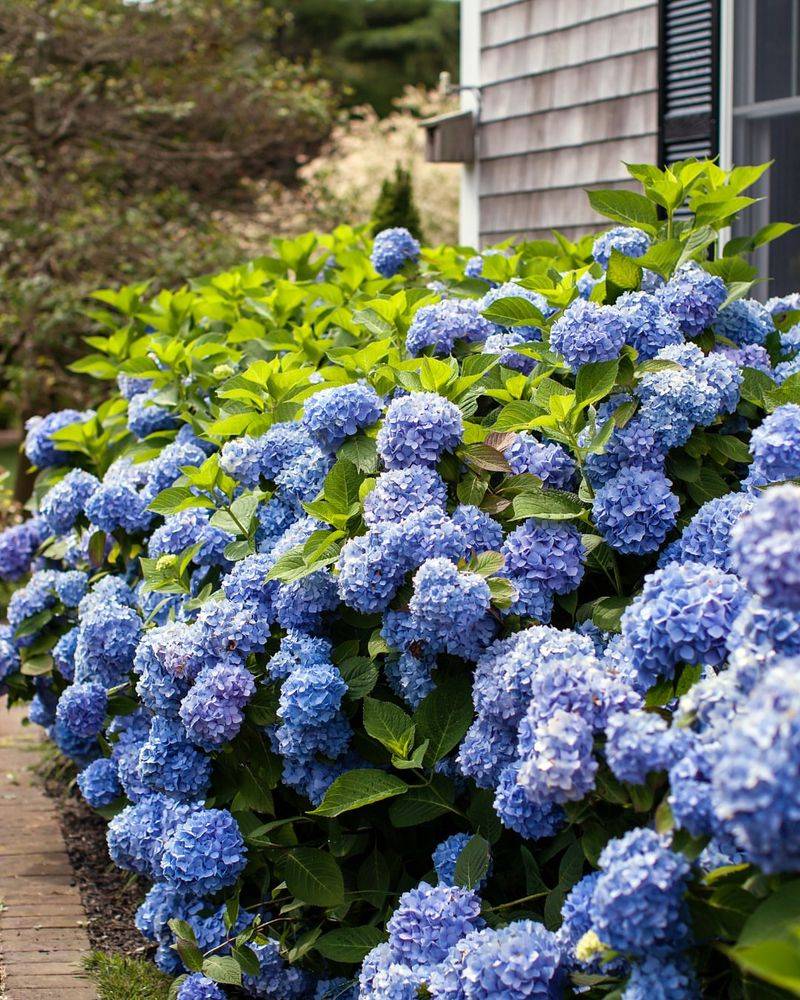
Aluminum sulfate is one of the most effective tools a North Carolina gardener can use to push hydrangea blooms toward blue. It works by directly lowering soil pH and increasing the amount of soluble aluminum available to plant roots at the same time.
That double action makes it faster than many other soil amendment options available at garden centers.
Apply aluminum sulfate in early spring just as your hydrangea begins to show new growth, and you can repeat the application in late summer if needed.
Always follow the package directions carefully because applying too much at once can actually stress the plant and reduce flowering.
A general guideline is about one tablespoon per gallon of water, applied around the drip line of the shrub, not directly against the stem.
Results are not instant, so managing your expectations is important from the start. Most North Carolina gardeners notice a gradual color shift over one to two growing seasons rather than an overnight transformation.
The blooms may first appear in a soft purple or lavender shade before fully transitioning to blue, which is completely normal.
Watering the plant well after each application helps the amendment absorb into the soil evenly. Consistent moisture also helps the roots take up the newly available aluminum more effectively.
Combining aluminum sulfate applications with regular soil testing gives you the best chance of achieving those stunning blue blooms season after season.
5. Garden Lime Raises pH And Promotes Pink Blooms
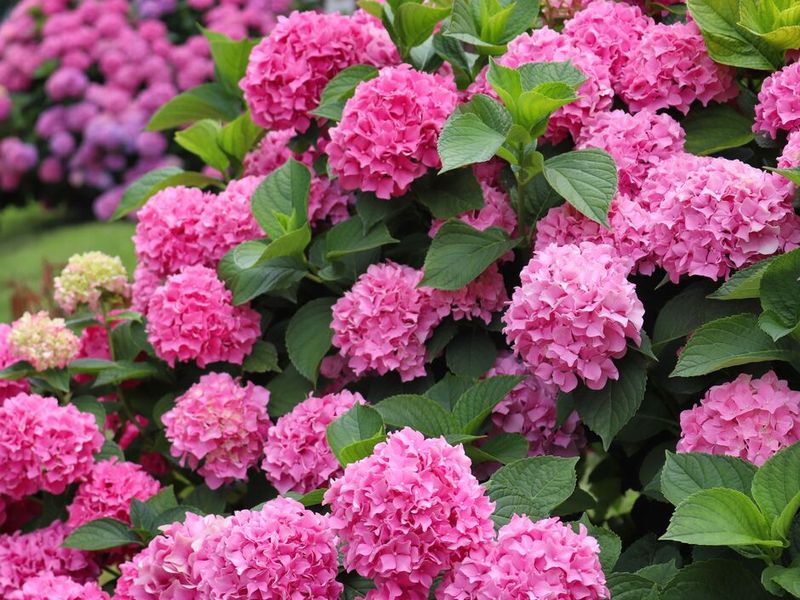
Pink hydrangea blooms have a soft, romantic quality that many North Carolina gardeners absolutely love. Achieving that rosy color comes down to raising your soil pH, and garden lime is one of the most reliable ways to get there.
Lime works by neutralizing soil acidity, which reduces aluminum availability and naturally shifts flower color toward pink and even red tones.
The best time to apply garden lime in North Carolina is in autumn or early spring, giving the soil enough time to absorb and react before blooming season arrives.
Sprinkling it evenly around the base of the plant and watering it in thoroughly helps it work its way into the root zone efficiently.
Always follow the recommended application rate on the packaging to avoid over-correcting your soil pH.
Dolomitic lime is a popular choice because it also adds magnesium to the soil, which supports healthy leaf growth alongside color change.
Many North Carolina gardeners find it at local feed and seed stores or garden supply centers across the state. It is affordable, widely available, and easy to apply without any special equipment.
Keep in mind that lime works gradually, and you may not see a full color shift until the following blooming season. Checking your soil pH a few months after application will tell you how much progress you have made.
Regular testing and small follow-up applications keep the soil in the right range for consistently beautiful pink blooms year after year.
6. Consistent Moisture Helps Stabilize Color Changes
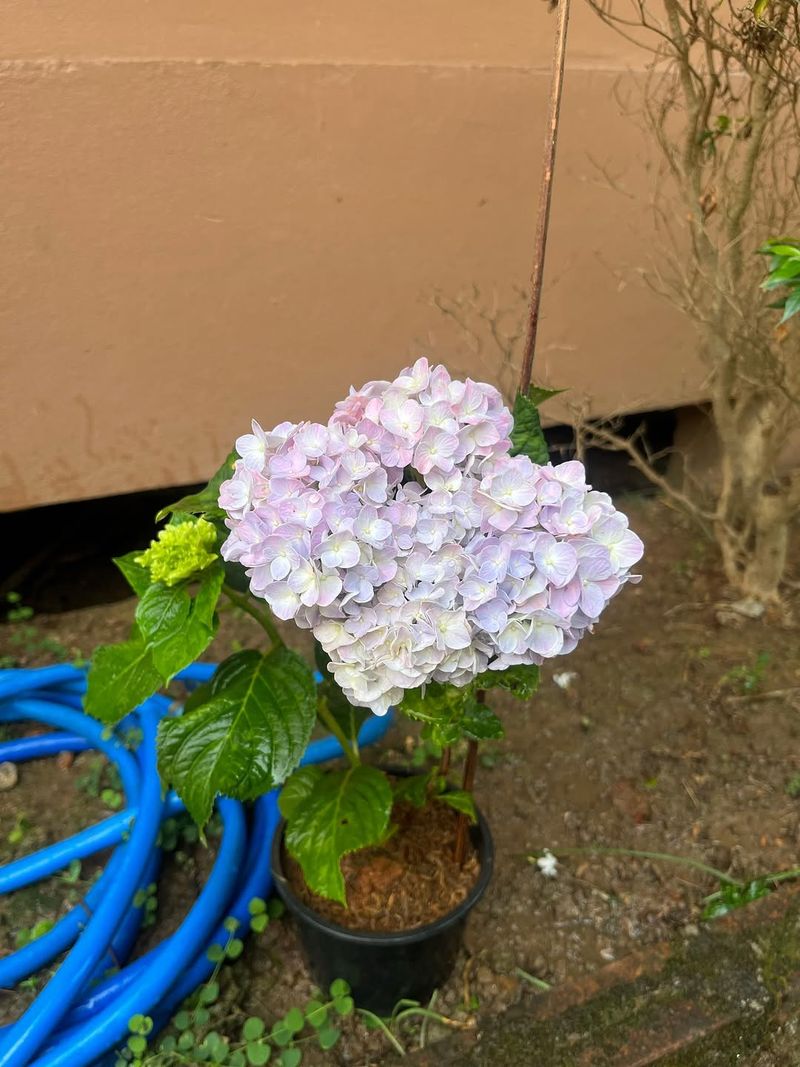
Water plays a much bigger role in hydrangea color than most gardeners initially realize. Soil moisture directly affects how well plant roots absorb nutrients, including the aluminum that drives blue flower color.
When soil goes through repeated wet and dry cycles, it can disrupt the chemistry you worked so hard to create with amendments.
North Carolina summers can be hot and dry, especially in July and August, which puts real stress on hydrangeas and makes moisture management a genuine priority.
Mulching around your plants with a two to three inch layer of pine bark or shredded leaves helps retain soil moisture between watering sessions.
It also helps moderate soil temperature, which keeps root activity steady during the hottest parts of the season.
Drip irrigation is one of the most effective tools for keeping soil moisture consistent around hydrangeas in North Carolina gardens.
It delivers water directly to the root zone without wetting the foliage, which reduces the risk of fungal problems during humid summer months.
Even a simple soaker hose set on a timer can make a noticeable difference in plant health and bloom quality.
Consistent watering also helps soil amendments distribute more evenly through the root zone over time. When soil stays at a steady moisture level, pH adjustments tend to hold more reliably from one season to the next.
Stable moisture is one of the simplest and most overlooked secrets to getting consistent hydrangea color results in North Carolina.
7. Changes Take Time And May Vary From Season To Season
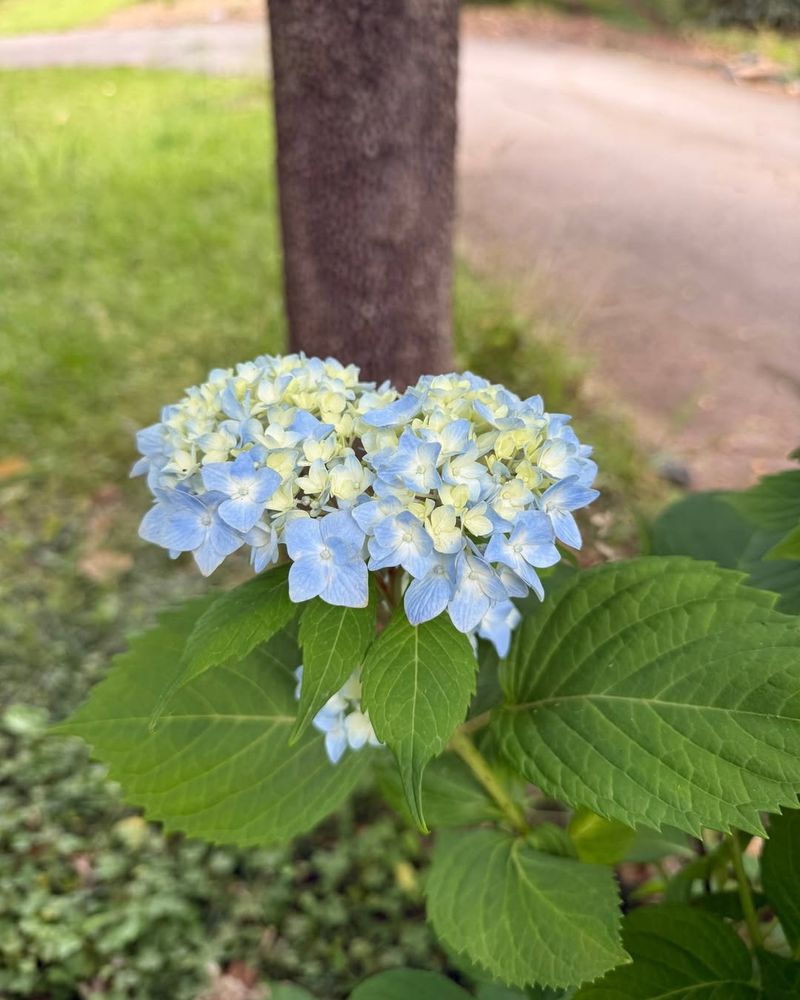
One of the most common frustrations North Carolina gardeners face is expecting immediate results after amending their soil. Hydrangea color change is a slow, gradual process that unfolds over months and sometimes even across multiple growing seasons.
Understanding this from the beginning will help you stay patient and keep working toward your color goal without giving up too early.
Soil amendments need time to fully integrate into the ground and influence root uptake before blooms reflect the change.
You might apply aluminum sulfate in spring and see only a slight shift toward lavender or purple that first season, with a deeper blue emerging the following year.
That transition phase is actually a sign that the process is working exactly as it should. Seasonal weather patterns in North Carolina also play a role in how consistent your results look from year to year.
A particularly rainy spring can wash away some amendments and shift pH levels back toward neutral, while a dry year may concentrate amendments and intensify color.
Keeping a simple garden journal helps you track what you applied, when you applied it, and what the blooms looked like each season.
Soil testing every fall gives you a clear picture of where your pH currently stands before you plan your next round of amendments. Small, regular adjustments tend to produce more stable and reliable results than large one-time applications.
Steady, consistent effort over time is the real secret to achieving beautiful and predictable hydrangea color in North Carolina gardens.
8. Container Growing Allows More Precise Color Control
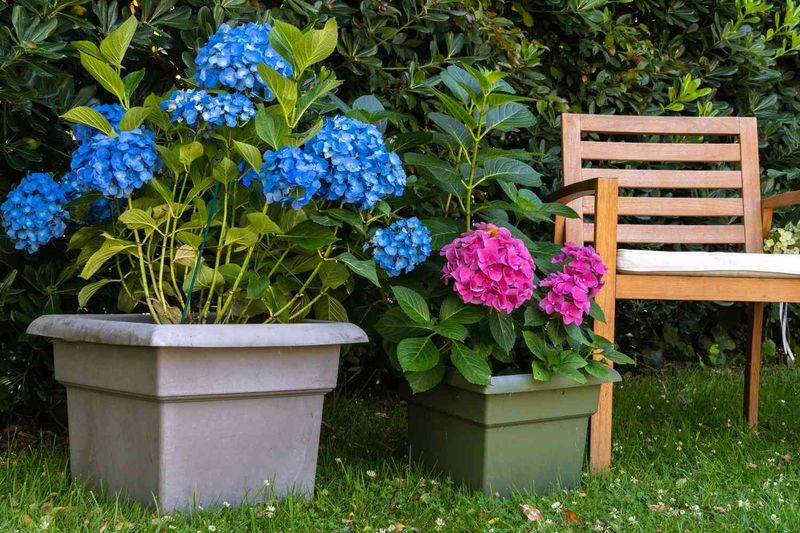
Growing hydrangeas in containers is a fantastic option for North Carolina gardeners who want more control over bloom color without fighting their native soil.
When you use a container, you choose every ingredient that goes into the growing mix, which means you set the starting pH from day one.
That level of control is nearly impossible to achieve in a traditional garden bed, especially in areas with dense clay or naturally high pH soil.
For blue blooms, mix an acidic potting blend using ericaceous compost or mix standard potting soil with added sulfur and peat moss to bring pH down to the 5.0 to 5.5 range.
For pink blooms, use a standard potting mix and add a small amount of garden lime to raise pH above 6.0.
Testing the mix with an inexpensive pH meter before planting gives you a reliable starting point and takes the guesswork out completely.
Container hydrangeas on porches and patios across North Carolina are a popular and practical choice because they can be moved to ideal sun and shade positions throughout the day.
They also make it easy to refresh the potting mix each spring, which lets you reset pH levels without any of the challenges that come with amending in-ground soil.
Refreshing the mix annually is one of the best habits you can build for long-term color consistency.
Watering containers more frequently is necessary since they dry out faster than garden beds, especially during North Carolina summers. Adding a slow-release fertilizer formulated for acid-loving plants supports healthy growth and vibrant blooms throughout the season.