8 Native Michigan Plants To Grow Instead Of Oleander
Every so often, a plant gains popularity that just does not match the reality of a Michigan garden, and oleander falls right into that category. It looks great in warmer regions, but once you factor in freezing winters and unpredictable spring weather, it quickly becomes clear it is not a practical choice here.
That does not mean you have to give up on creating a full, vibrant landscape. Michigan actually has a long list of native plants that handle local conditions far better and still bring plenty of visual interest.
These plants are already adapted to the soil, the cold winters, and the seasonal swings that catch so many gardeners off guard.
Switching to natives often makes gardening feel less like constant maintenance and more like something that finally starts working with you.
1. Buttonbush A Pollinator Magnet
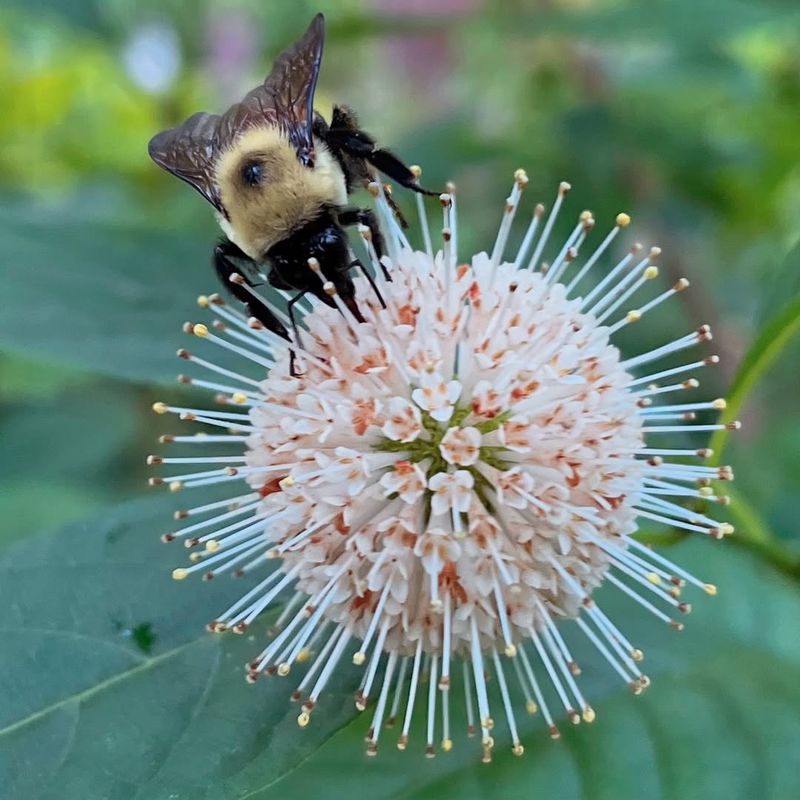
Few native shrubs can stop a visitor in their tracks quite like Buttonbush in full bloom. Those perfectly round, white flower clusters look almost like something from a science fiction movie, and they smell wonderful too.
Native to Michigan and much of North America, Buttonbush (Cephalanthus occidentalis) is one of the most eye-catching shrubs you can plant in a wet or low-lying area of your yard.
Buttonbush thrives in moist to wet soils, making it a superstar choice for rain gardens, pond edges, or any spot in your Michigan yard where water tends to collect. It typically grows between 5 and 12 feet tall, providing excellent screening and structure in a landscape.
The shrub blooms from mid-summer into early fall, giving your garden color long after many other plants have finished their show.
Pollinators absolutely love Buttonbush. Bees, butterflies, and even hummingbirds flock to its fragrant blooms, helping support Michigan’s local ecosystems in a meaningful way.
After flowering, the plant produces small round seed clusters that waterfowl and songbirds snack on throughout fall and winter. If you have a soggy corner of your yard that feels like a problem area, Buttonbush turns that challenge into a feature.
It is often considered deer-resistant, which can be helpful for Michigan gardeners dealing with wildlife pressure. Plant it in full sun to partial shade and watch it reward you year after year with very little fuss or extra care needed.
2. New Jersey Tea Tough Native Beauty
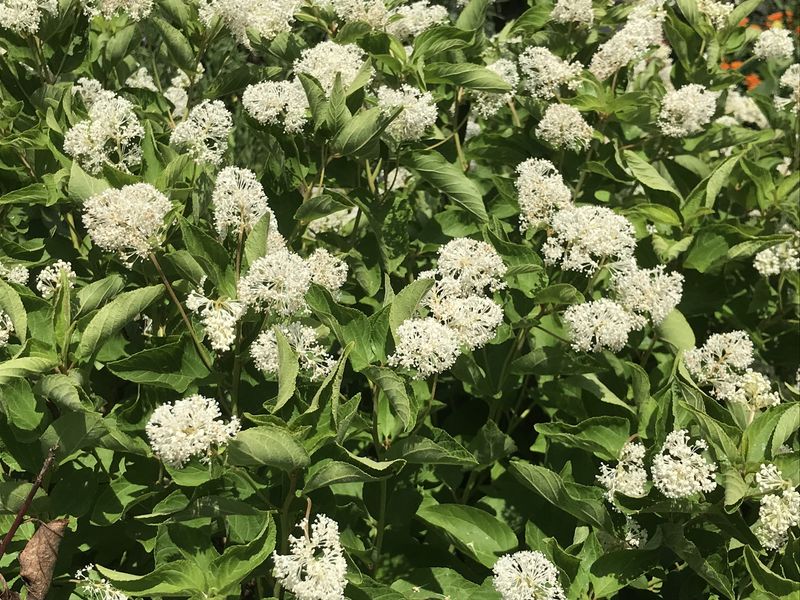
Here is a fun piece of history: during the American Revolution, colonists actually brewed the leaves of this plant as a substitute for imported tea. That is how New Jersey Tea (Ceanothus americanus) got its memorable name, and it has been charming gardeners ever since.
For Michigan homeowners looking for a low-maintenance, wildlife-friendly alternative to oleander, this compact native shrub is a fantastic pick.
New Jersey Tea grows 3 to 4 feet tall and wide, making it a manageable size for most home landscapes across Michigan. It produces clusters of fluffy white flowers from late spring through early summer, creating a frothy, cloud-like appearance that really stands out in the garden.
The blooms are irresistible to bumblebees, butterflies, and other beneficial pollinators that keep your garden ecosystem buzzing with activity.
Your Michigan Garden Changes Every Week. Your Plan Should Too.
Gardening in Michigan changes quickly throughout the season. Every Friday you’ll receive a simple weekly plan showing exactly what to plant, prune, fertilize, harvest, and protect so you never miss the right timing.
One of the biggest selling points of this shrub is its incredible drought tolerance once established. It prefers well-drained soils and full sun to light shade, thriving in the sandy or rocky spots where other plants might struggle.
Unlike oleander, New Jersey Tea is generally considered a safer option for children, pets, and wildlife. Its deep root system also helps prevent soil erosion, which is a real practical benefit in sloped Michigan yards.
Birds enjoy the seeds in late summer and fall, extending its value well beyond the blooming season. For a tough, beautiful, and historically interesting native plant, New Jersey Tea deserves a top spot on your Michigan planting list this season.
3. Red Osier Dogwood Bright Stems For Year-Round Interest
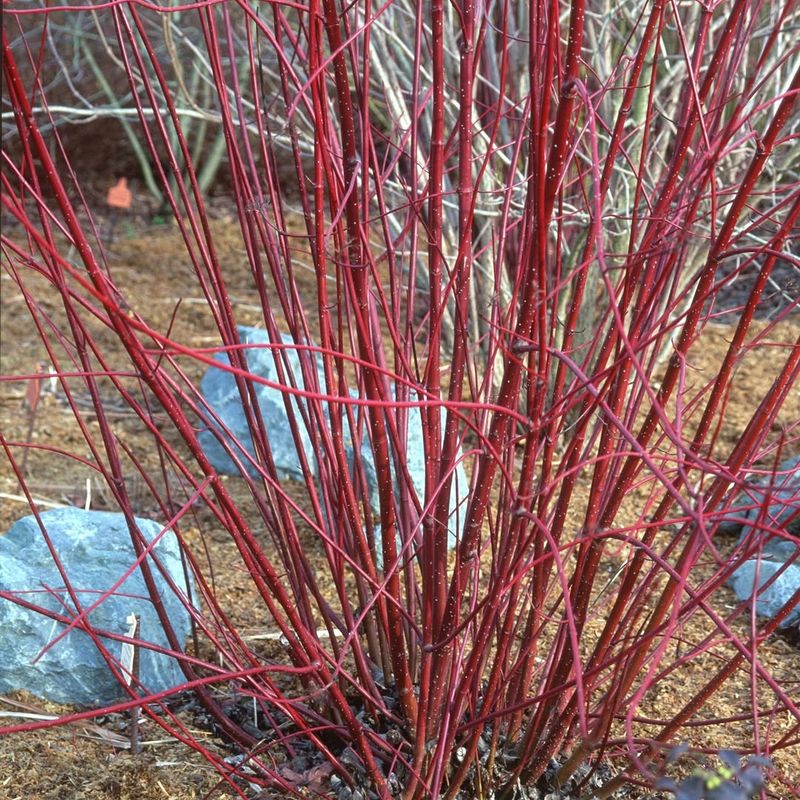
Imagine stepping outside on a grey Michigan winter morning and seeing a blaze of fire-engine red glowing against the snow. That is exactly what Red Osier Dogwood (Cornus sericea) brings to a landscape, and it is one of the most dramatic native shrubs you can grow in the state.
While most plants go quietly dormant in winter, this one puts on its boldest show of the year when the leaves drop and those brilliant red stems are fully exposed.
During the warmer months, Red Osier Dogwood is equally impressive. Flat-topped clusters of small white flowers appear in late spring, attracting a wide variety of pollinators.
By late summer, white to bluish berries ripen on the branches, and over 45 species of birds are known to feed on them. Robins, cedar waxwings, and bluebirds are just a few of the Michigan favorites that will visit your yard for this seasonal treat.
Red Osier Dogwood is incredibly adaptable and grows naturally along Michigan stream banks and wetland edges, so it handles wet soils like a champ. It spreads by suckering, forming a dense thicket that provides excellent habitat and natural erosion control.
Reaching 6 to 9 feet tall and wide, it works beautifully as a hedge or naturalized border planting. Cutting back some older stems every few years keeps the color most intense.
For four-season interest and serious wildlife value, few native Michigan shrubs can match this one.
4. Meadowsweet Soft Blooms With Native Charm
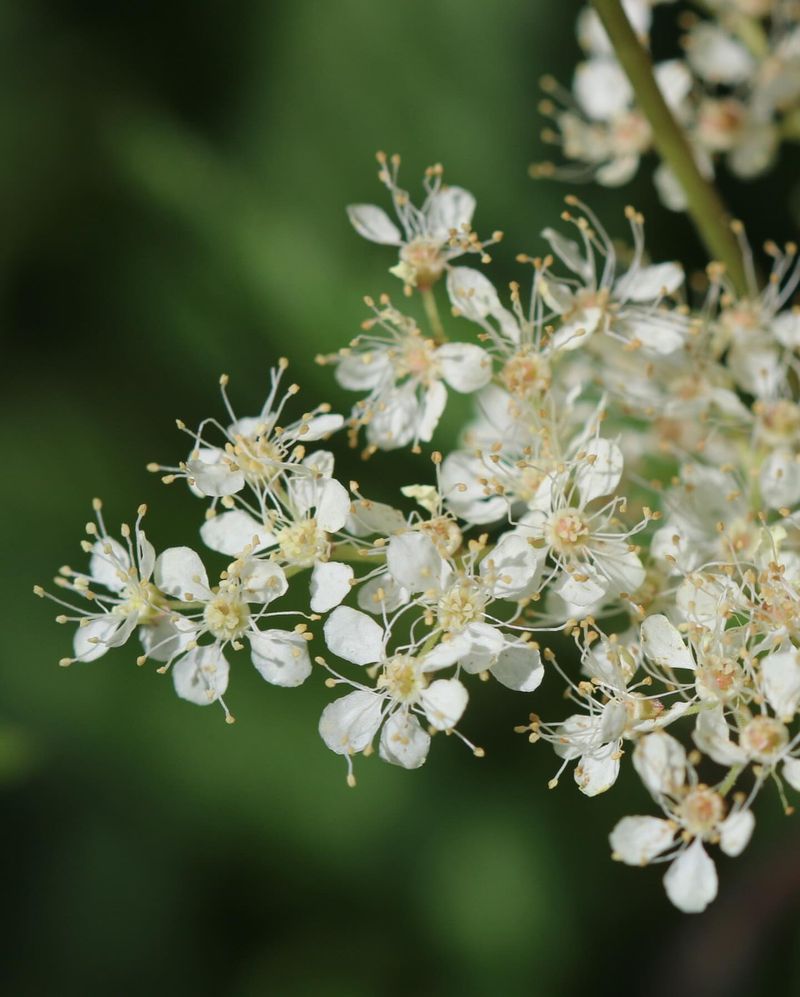
There is something wonderfully old-fashioned and romantic about Meadowsweet in bloom. Its tall, feathery white flower spikes sway gently in a summer breeze, giving any Michigan garden a soft, cottage-style charm that is hard to replicate with non-native plants.
Meadowsweet (Spiraea alba) is a native shrub that grows naturally in wet meadows, stream banks, and open wetlands across Michigan, so it is perfectly at home in the local climate.
Growing 3 to 6 feet tall, Meadowsweet is a medium-sized shrub that fits easily into mixed borders, rain gardens, or naturalized areas. It blooms from June through August, offering a long season of interest right through the heart of summer.
The flowers are magnets for native bees and butterflies, making it a smart choice for anyone trying to create a pollinator-friendly yard in Michigan.
One thing gardeners really appreciate about Meadowsweet is how little attention it needs once it settles in. It prefers moist to wet soils and full sun to partial shade, and it handles Michigan’s cold winters without any special protection.
The seed heads that form after flowering add texture and interest into the fall months, and birds pick at them for food. Unlike oleander, Meadowsweet poses no safety risk to curious children or household pets.
If your yard has a wet, sunny patch that feels hard to plant, Meadowsweet is practically designed for that exact situation, rewarding you with season-long beauty and reliable wildlife support.
5. Wild Bergamot A Bee And Butterfly Favorite
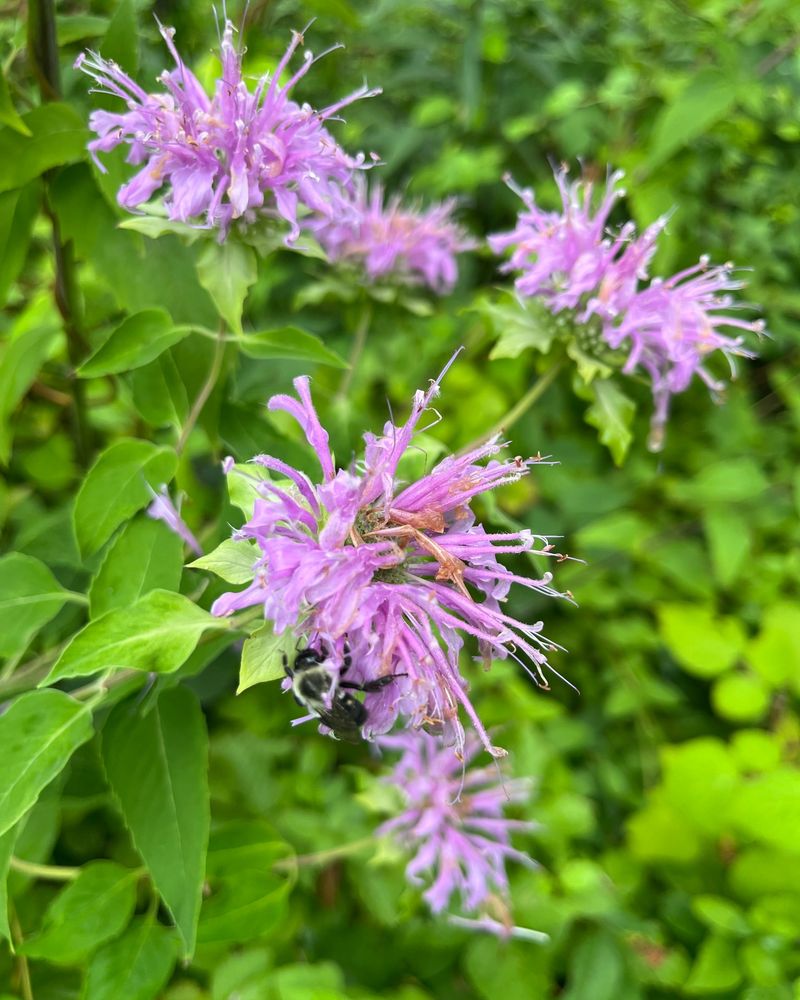
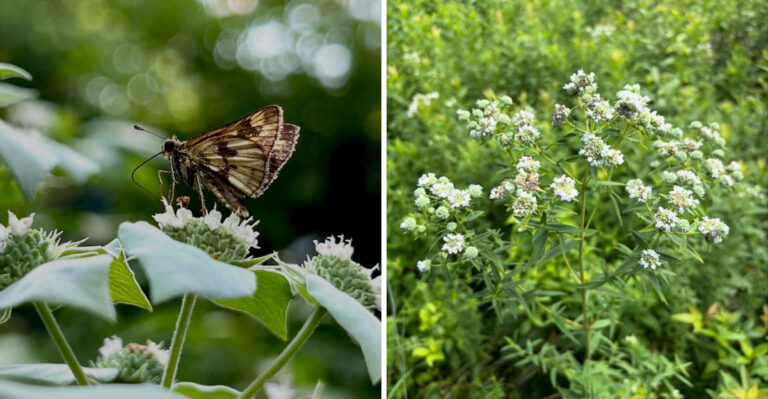
Walk past a patch of Wild Bergamot on a warm Michigan afternoon and you will immediately notice the wonderful, oregano-like fragrance drifting through the air. This native perennial wildflower (Monarda fistulosa) has been delighting gardeners and pollinators alike for centuries, and it brings a relaxed, meadow-style energy to any landscape.
The lavender to light purple blooms are striking, but the real magic happens when the bees arrive.
Wild Bergamot is one of the top pollinator plants you can grow in Michigan. Bumblebees, honeybees, and a wide range of native bee species absolutely swarm these flowers from July through September.
Monarch butterflies, hummingbirds, and sphinx moths also visit regularly, turning your yard into a lively wildlife destination throughout the summer months. The plant typically reaches 2 to 4 feet tall and spreads gradually over time to form a cheerful, fragrant colony.
Growing Wild Bergamot is genuinely easy. It thrives in full sun to partial shade and prefers well-drained soils, tolerating dry conditions once it is established in your Michigan garden.
It is generally considered deer-resistant, which makes it a practical choice in areas where deer pressure is high. Cutting the plants back in late fall or early spring keeps them tidy and encourages fresh, vigorous growth the following season.
Unlike oleander, Wild Bergamot is safe for the whole family and actively contributes to local ecosystems. Its dried seed heads even add winter interest and provide food for small birds searching for a meal on cold Michigan days.
6. Swamp Milkweed Essential For Monarch Support
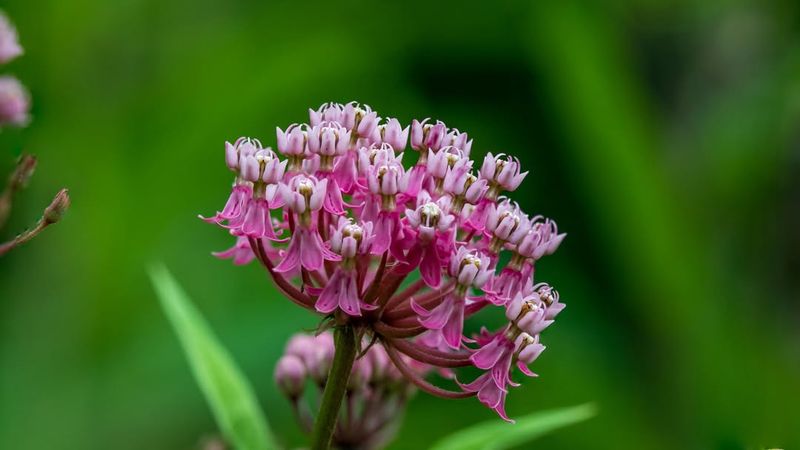
Ask any Michigan gardener who cares about Monarch butterflies, and they will tell you that Swamp Milkweed (Asclepias incarnata) is basically non-negotiable in a native garden. Monarch caterpillars can only feed on milkweed, and this particular species is perfectly suited to Michigan’s wetland and garden conditions.
Planting Swamp Milkweed is one of the most direct actions you can take to support the Monarch migration right from your own backyard.
Swamp Milkweed grows 3 to 5 feet tall and produces clusters of rosy pink flowers from June through August. The blooms are not just beautiful to look at; they are also intensely fragrant and attract an impressive parade of butterflies, bees, and hummingbirds.
After flowering, the plant forms long seed pods that split open in fall, releasing silky seeds that drift on the breeze, adding a magical late-season display to your Michigan garden.
As the name suggests, Swamp Milkweed loves moisture. It thrives in wet to consistently moist soils and does best in full sun, making it an excellent choice for rain gardens, pond margins, or low spots in your yard.
It is surprisingly cold-hardy and comes back reliably each spring in Michigan without any special care. The sturdy upright stems also provide winter structure and shelter for overwintering insects, which benefits your entire garden ecosystem.
Best of all, it is considered a safer option for people and pets than oleander, making it a good addition to family-friendly Michigan landscapes.
7. Ninebark Hardy Shrub With Peeling Bark Appeal
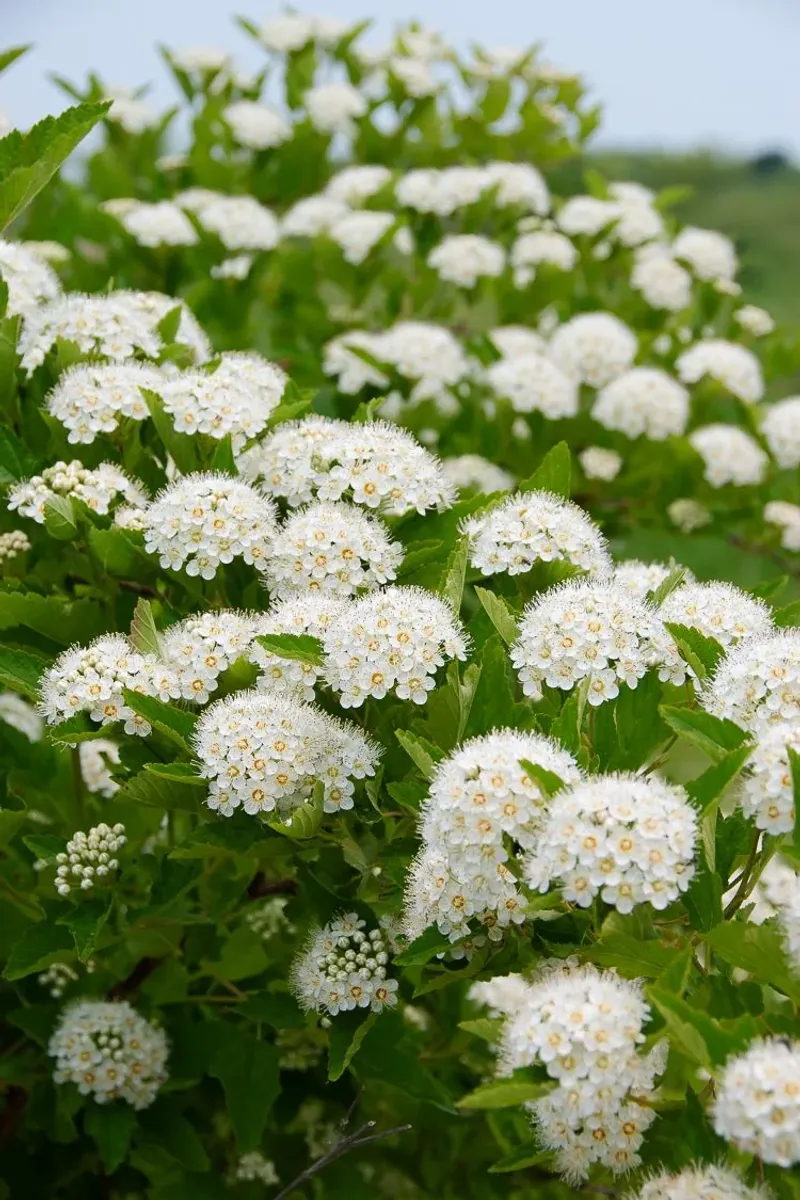
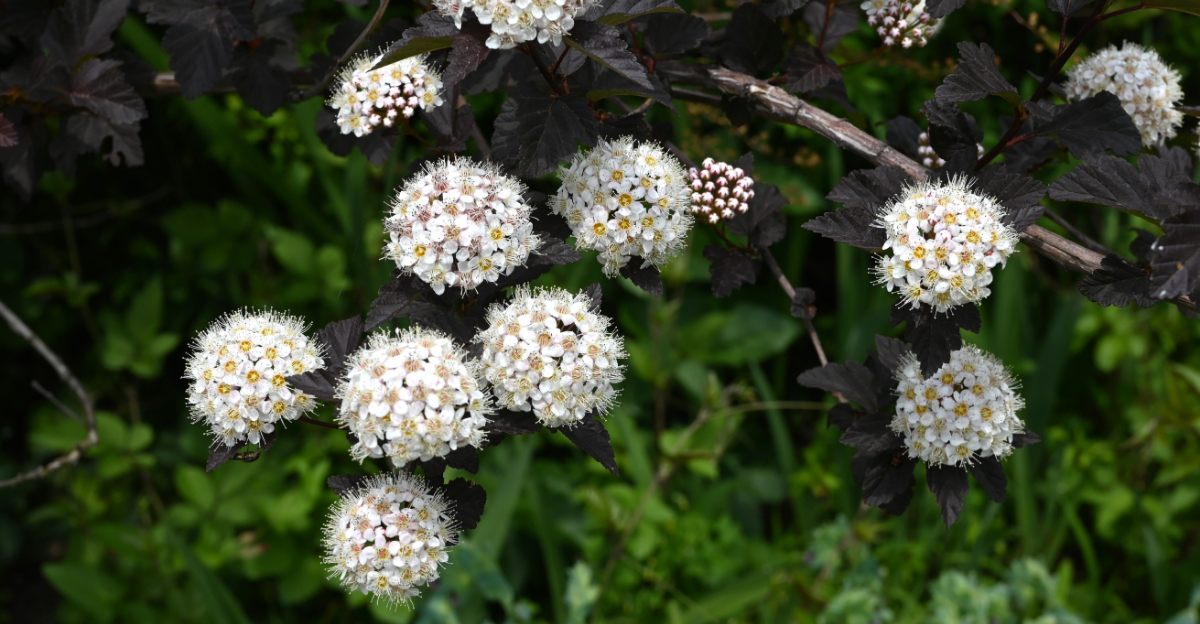
Rugged, adaptable, and surprisingly beautiful, Ninebark (Physocarpus opulifolius) is one of Michigan’s most versatile native shrubs. The plant gets its quirky name from the way its bark peels back in multiple layers, revealing different shades of cinnamon and tan beneath.
That exfoliating bark becomes a real focal point in winter when the garden is otherwise bare, giving Ninebark a four-season appeal that very few shrubs can match.
In late spring, Ninebark covers itself in rounded clusters of white to soft pink flowers that bees and butterflies find irresistible. By late summer, rose-red papery seed capsules take over, adding rich color and texture to the shrub.
Birds pick at these seed clusters well into fall and winter, extending the plant’s value as a wildlife resource across multiple seasons in Michigan landscapes.
Ninebark is one of those plants that seems almost unfazed by challenging conditions. It tolerates clay soil, sandy soil, wet conditions, drought, full sun, and partial shade, making it genuinely one of the easiest native shrubs to establish in Michigan.
It grows 6 to 9 feet tall and wide, serving as an excellent natural hedge, windbreak, or border planting. Several cultivated varieties are also available, offering deep purple or golden foliage if you want extra color interest.
Compared to oleander, which does not tolerate Michigan winters, Ninebark is very hardy and generally considered safe for children and pets. It is a plant that genuinely earns its place in any Michigan yard, season after season.
8. Elderberry Fast-Growing With Edible Benefits
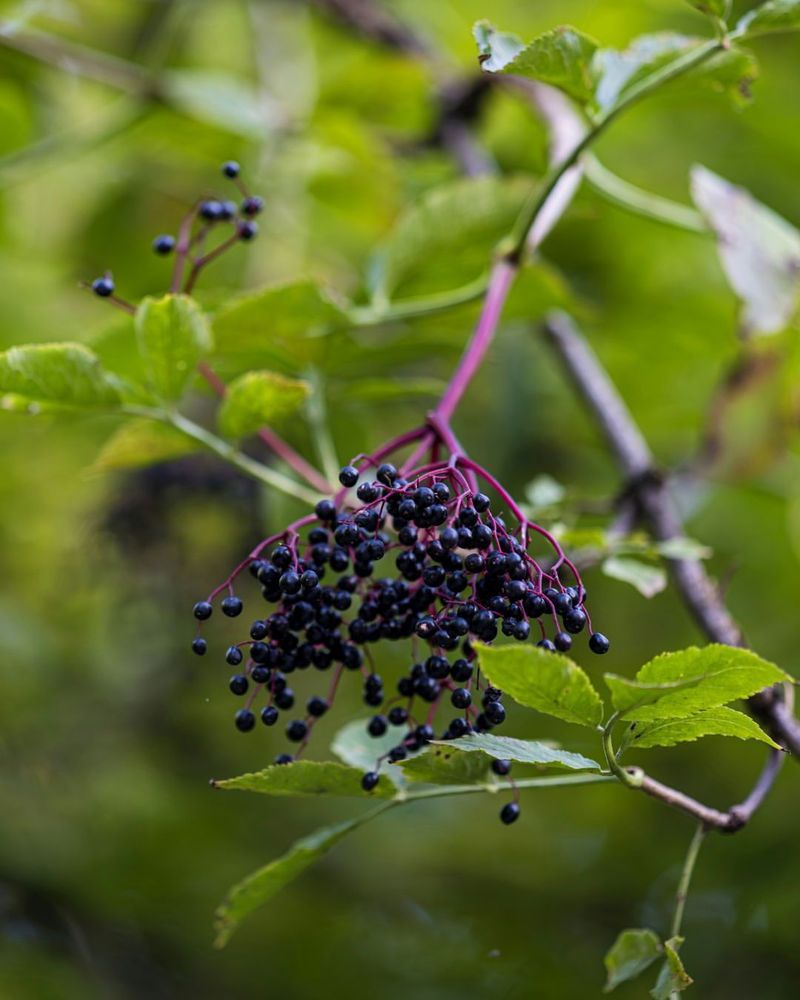
Elderberry (Sambucus canadensis) is one of those plants that earns its keep in the garden in so many different ways that it almost feels like cheating. Large, flat-topped clusters of creamy white flowers appear in June and July, filling the air with a sweet, honey-like fragrance that draws in pollinators from across the neighborhood.
By late summer, those same flower clusters transform into heavy bunches of deep purple-black berries that are as useful as they are attractive.
Wildlife goes absolutely wild for Elderberry fruit. Over 50 species of birds, including Baltimore orioles, cedar waxwings, and woodpeckers, feed on the berries in Michigan during late summer and fall.
Deer, foxes, and small mammals also seek them out, making Elderberry one of the highest-value wildlife plants you can grow in the state. For people, the berries are commonly used to make jams, syrups, and the popular elderberry wellness products found in health stores across Michigan.
Elderberry grows quickly, often reaching 8 to 12 feet tall and wide within just a few years. It thrives in full sun to partial shade and prefers moist, fertile soils, though it adapts well to average garden conditions.
Planting two or more shrubs near each other improves berry production significantly. The plant spreads by root suckers over time, creating a naturalistic thicket that provides excellent bird habitat.
Unlike oleander, every part of the Elderberry contributes positively to your Michigan garden, from its fragrant flowers in summer to its wildlife-feeding berries in fall.