Trees To Plant In Ohio During April
There is a certain moment in April when Ohio finally feels like it has turned the corner. The ground softens, the days stretch out, and planting trees starts to feel like a real possibility again.
After months of cold and bare landscapes, it is hard not to get excited about adding something new to the yard.
This time of year gives young trees a valuable head start. Roots can begin to establish while temperatures are still mild and moisture is more reliable, which helps reduce stress later on.
Waiting too long can make that process tougher, especially once summer heat settles in.
Getting the right trees in the ground now can shape how your yard looks and grows for years, and this is when that process truly begins.
1. Red Maple Fast Growth With Brilliant Fall Color
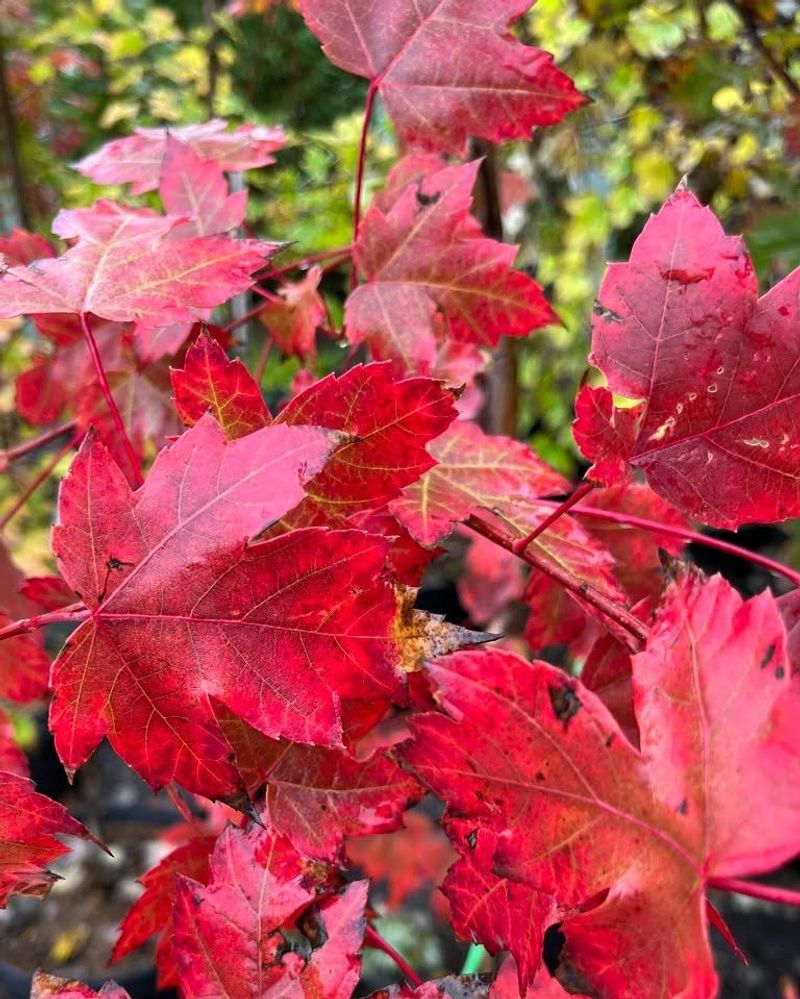
Few trees put on a show quite like the Red Maple in early spring. Before most other trees have even thought about waking up, this beauty bursts out with clusters of tiny red flowers that color the branches like a brushstroke of paint against an Ohio sky.
It is one of the reasons so many Ohio homeowners reach for this tree first when planning their spring planting.
Red Maples are incredibly adaptable. They grow well in wet, dry, clay, or sandy soils, which makes them a fantastic choice across all parts of Ohio, from the lake-effect regions near Lake Erie to the drier areas in the south.
Reaching heights of 40 to 60 feet at maturity, they provide excellent shade during hot Ohio summers. Planting one in April gives the roots a full season to spread and establish before winter arrives.
Come fall, the Red Maple earns its name all over again with blazing red and orange foliage that stops people in their tracks. It thrives in full sun to partial shade, so most Ohio yards will work just fine.
When planting, dig a hole about three to four times wider than the root ball and water deeply for the first two weeks. Adding a layer of mulch around the base helps lock in moisture without touching the trunk.
With a little care, a Red Maple planted this April will reward you with decades of color, shade, and natural beauty.
2. Sugar Maple
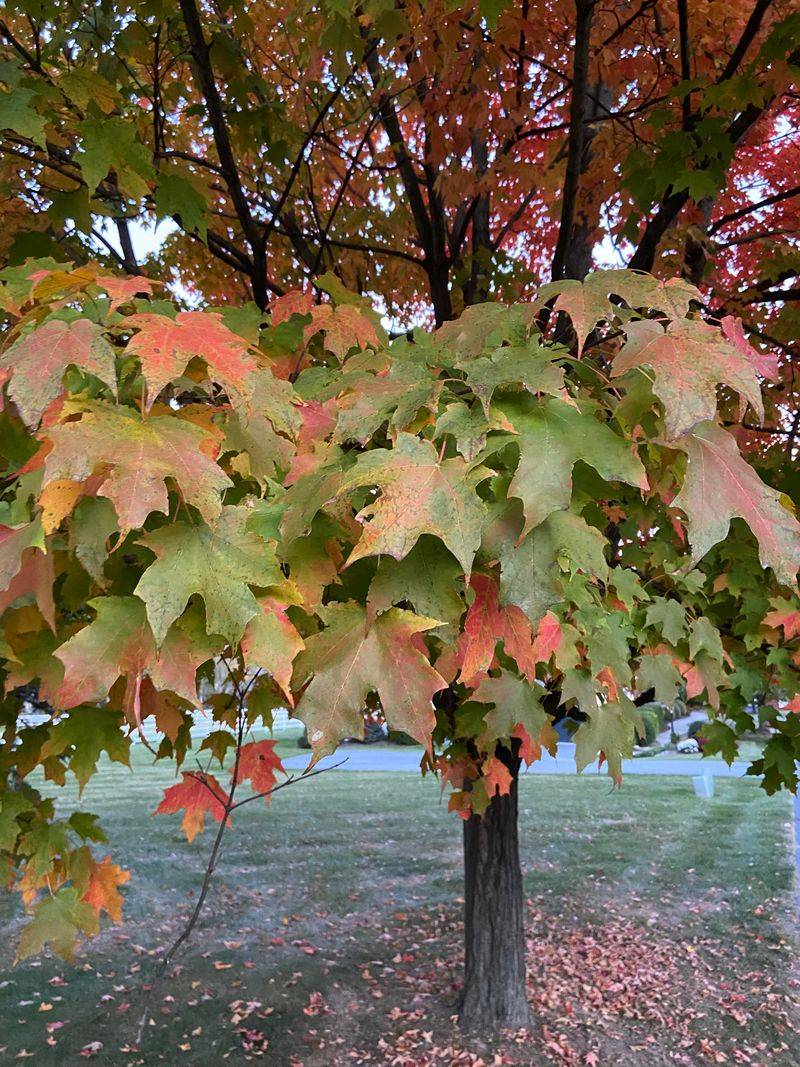
If you have ever poured maple syrup on your pancakes, you have already had a close relationship with the Sugar Maple. This iconic tree is beloved across Ohio and the wider Midwest for its spectacular fall colors and its impressive size.
Planting one in April is a gift you give to future generations, because a Sugar Maple grows slowly but lives for a very long time.
Sugar Maples prefer well-drained soils and do best in full sun to partial shade. They can reach heights of 60 to 75 feet, creating a massive canopy that offers deep shade on summer afternoons.
In Ohio, they are especially common in the eastern and northeastern parts of the state, where the soil and climate match their preferences perfectly. However, with proper care, they can thrive throughout most of the state.
Your Ohio Garden Changes Every Week. Your Plan Should Too.
Gardening in Ohio changes quickly throughout the season. Every Friday you’ll receive a simple weekly plan showing exactly what to plant, prune, fertilize, harvest, and protect so you never miss the right timing.
One thing to keep in mind when planting a Sugar Maple in Ohio is that they do not love compacted soils or road salt, so try to plant them away from driveways and heavily salted sidewalks. April is perfect timing because the cool, moist conditions help the roots get established without the stress of summer heat.
Water consistently during the first growing season, and apply mulch to keep the soil temperature steady. Did you know that it takes about 40 gallons of Sugar Maple sap to make just one gallon of maple syrup?
That fun fact alone makes this tree a conversation starter in any Ohio yard.
3. River Birch
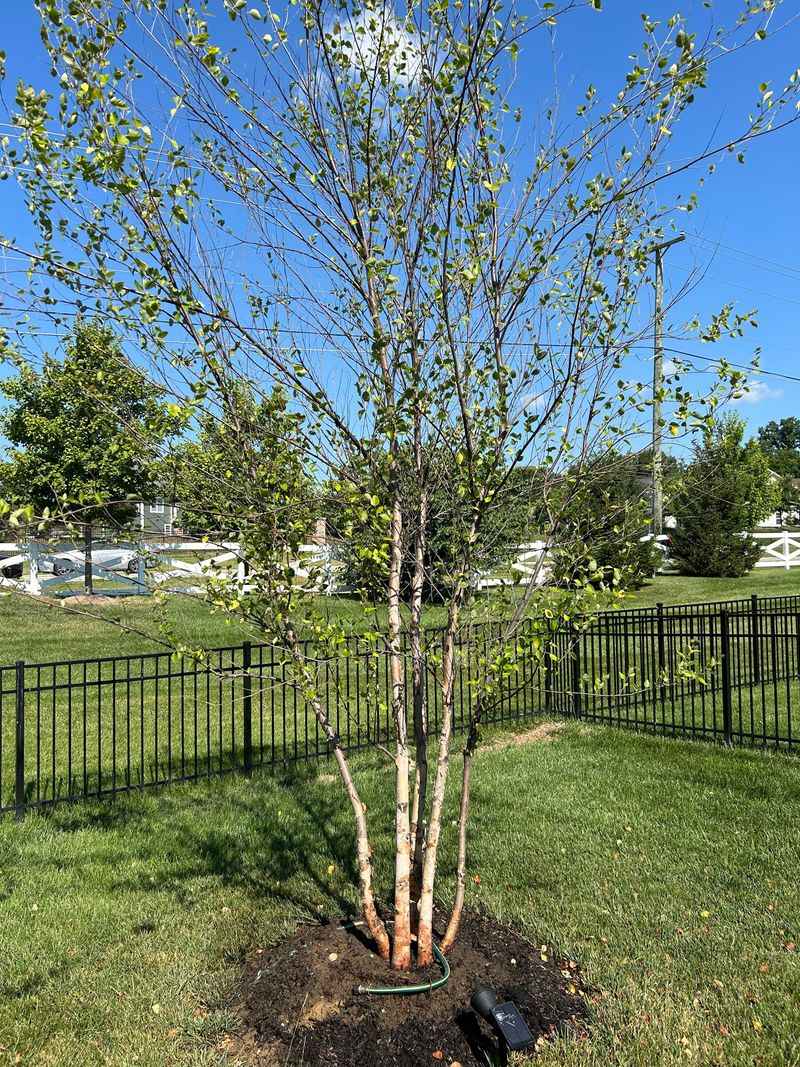
There is something almost sculptural about a River Birch. Its peeling, cinnamon-colored bark catches the light in a way that makes it look like a living piece of art, even in the middle of winter when its branches are bare.
If your Ohio property has a low-lying area, a wet corner, or a spot near a pond or stream, the River Birch was practically made for that space.
Native to Ohio and much of the eastern United States, River Birch thrives in moist to wet soils where other trees might struggle. It grows quickly, reaching 40 to 70 feet tall, and its canopy fills out beautifully over time.
Small catkin flowers appear in April and May, adding a subtle seasonal charm. Planting one in April takes advantage of the naturally higher soil moisture levels that Ohio experiences in spring, giving the tree a strong start.
River Birch also plays an important ecological role. Its seeds feed birds and small mammals, and its canopy provides cover for wildlife throughout the year.
In landscaping, it is often planted in groups of two or three for a dramatic multi-stem effect that looks stunning along a fence line or near a water feature. When planting, make sure the root ball sits level with or just slightly above the ground surface, and water deeply every day for the first two weeks.
With its fast growth and year-round visual interest, the River Birch is one of Ohio’s most rewarding April planting choices.
4. Serviceberry
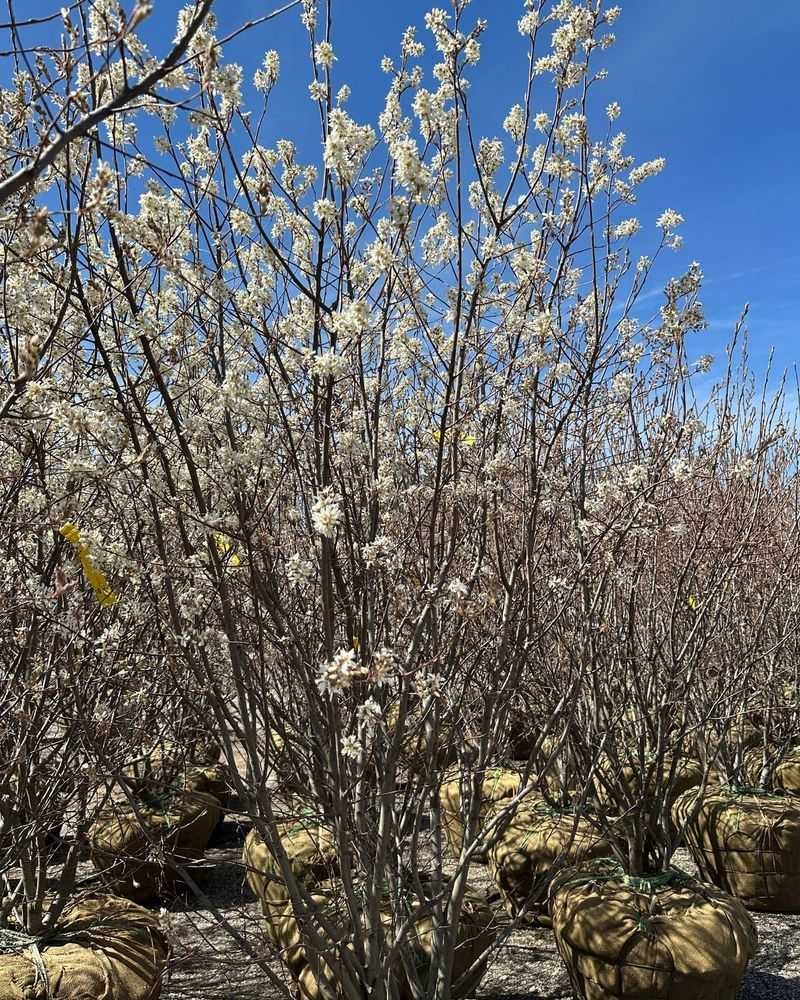
Every April in Ohio, the Serviceberry quietly steals the show before most people even realize spring has fully arrived. Its delicate white flowers burst open early in the season, often before the leaves come out, creating a cloud-like effect that looks magical against a clear blue sky.
Gardeners who plant a Serviceberry are often surprised by just how much beauty such a small tree can offer across all four seasons.
Serviceberry, also known as Amelanchier, grows 15 to 25 feet tall and adapts well to a wide range of soil types found across Ohio. It is comfortable in full sun or partial shade, which means it works in most yard settings, whether you are in a dense suburb or a rural property with scattered trees.
In summer, it produces small, sweet berries that are edible for people and absolutely irresistible to birds. Come fall, the foliage shifts to warm shades of orange and red that rival even the showiest maples.
For Ohio gardeners who want a tree that pulls double duty as a wildlife haven and a landscape showpiece, Serviceberry checks every box. It is also a native species, which means it supports local pollinators and fits naturally into Ohio ecosystems.
When planting in April, choose a spot with good drainage and amend the soil with compost if it is particularly heavy clay. Water regularly during the first growing season, and you will have a thriving tree that feeds birds, delights neighbors, and adds charm to your Ohio yard for many years ahead.
5. Eastern Redbud
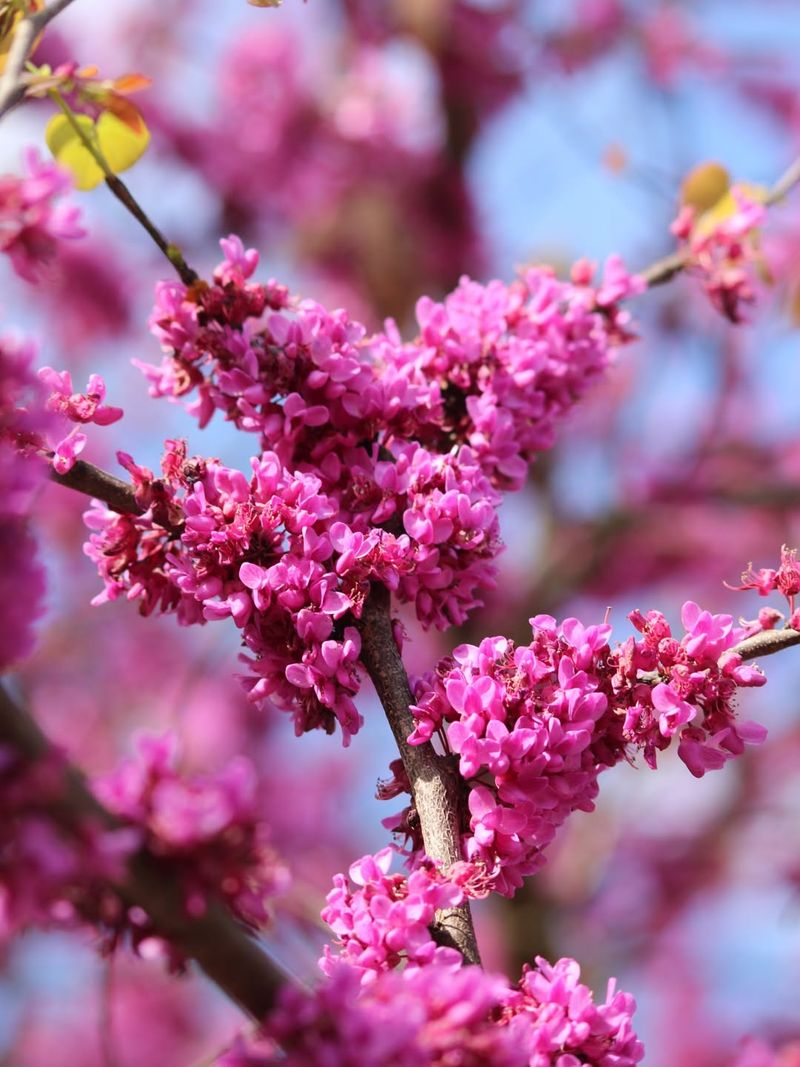
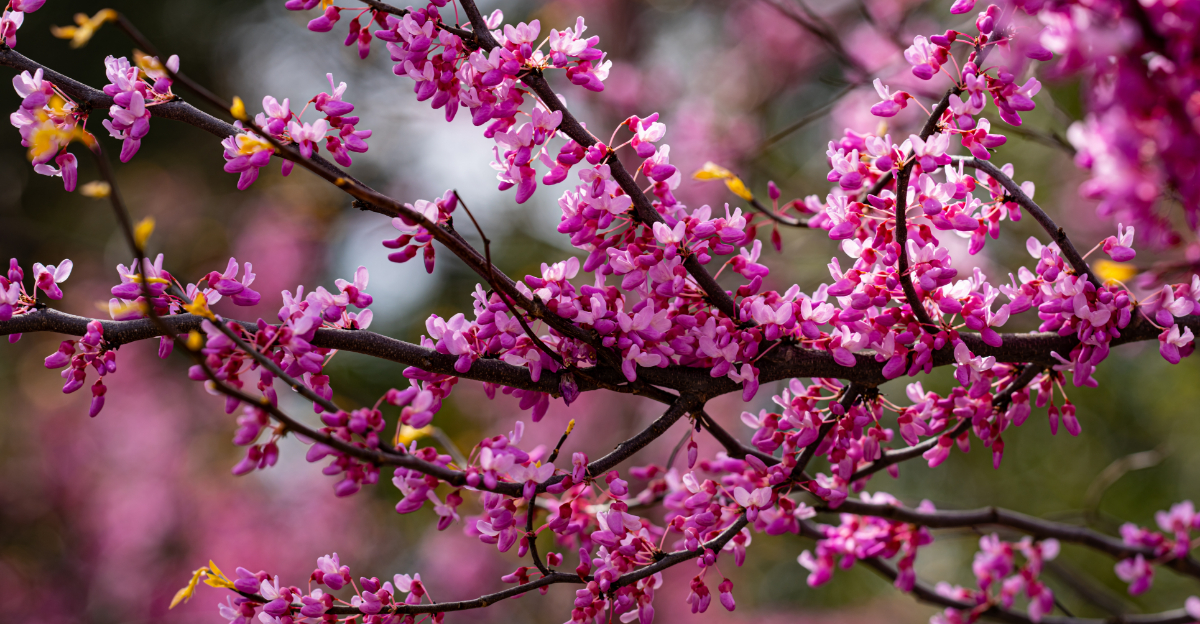
Walking past an Eastern Redbud in full bloom is one of those moments that makes you stop and just stare. The flowers, a bold magenta-pink to soft purple, cover every branch before a single leaf appears, turning the whole tree into a glowing burst of color.
It is no surprise that the Eastern Redbud has become one of the most popular ornamental trees across Ohio and the entire eastern United States.
As a native species, the Eastern Redbud is perfectly suited to Ohio’s climate and soil conditions. It grows 20 to 30 feet tall and thrives in full sun to partial shade, making it versatile enough for most yard layouts.
The heart-shaped leaves that follow the spring blooms are attractive all summer long, and the seed pods that form in late summer add another layer of visual interest. Planting in April works beautifully because the mild temperatures help the roots settle in without the shock of summer heat.
Eastern Redbuds also attract early pollinators like bumblebees and native bees that are just waking up in spring, making them a great choice for eco-conscious Ohio gardeners. They do well in average, well-drained soils and do not need heavy fertilizing once established.
When planting, dig your hole wide rather than deep, set the root ball slightly above ground level, and mulch generously. Within just a couple of years, your Redbud will be producing that jaw-dropping spring color display that makes neighbors stop their cars to ask what kind of tree that is.
6. White Oak
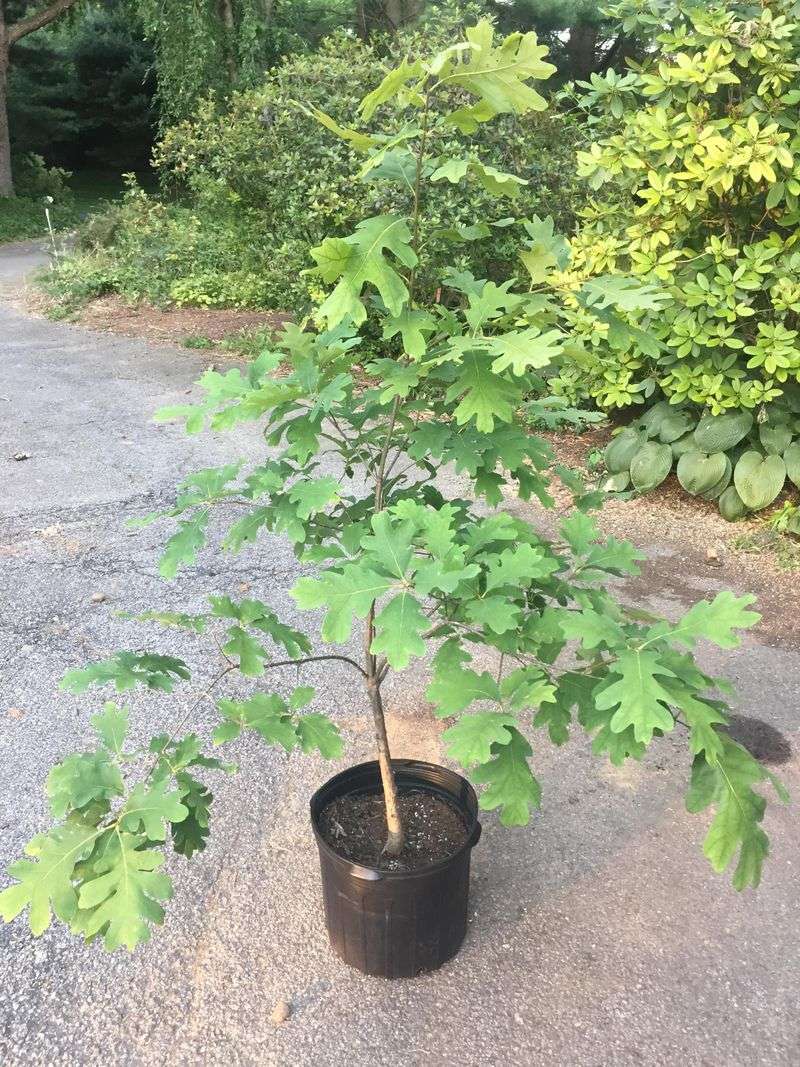
Planting a White Oak is one of the most generous things an Ohio homeowner can do, not just for themselves, but for every generation that comes after them. This is a tree that grows big, lives long, and supports more wildlife than almost any other species in North America.
Scientists have documented over 500 species of caterpillars alone that depend on oak trees, and that is before you even count the birds, squirrels, deer, and insects that rely on acorns each fall.
White Oaks grow slowly but steadily, eventually reaching 60 to 100 feet tall with a wide, spreading canopy that provides magnificent shade. They prefer well-drained soils and full sun, and they are well-suited to the varied landscapes of Ohio, from the fertile plains of western Ohio to the hillier terrain in the east.
April is an ideal planting month because the cool soil and spring moisture give the roots a chance to push outward before the heat of summer arrives.
One thing that sets White Oak apart from Red Oak is that its acorns mature in a single year and are lower in tannins, making them a favorite food source for wildlife almost immediately after they fall. When planting your White Oak in Ohio this April, choose a spot where it has room to grow, away from power lines and buildings.
Water it deeply once a week after the first two weeks, and be patient. A White Oak planted today will be shading your grandchildren’s backyard cookouts decades from now.
7. Tulip Tree
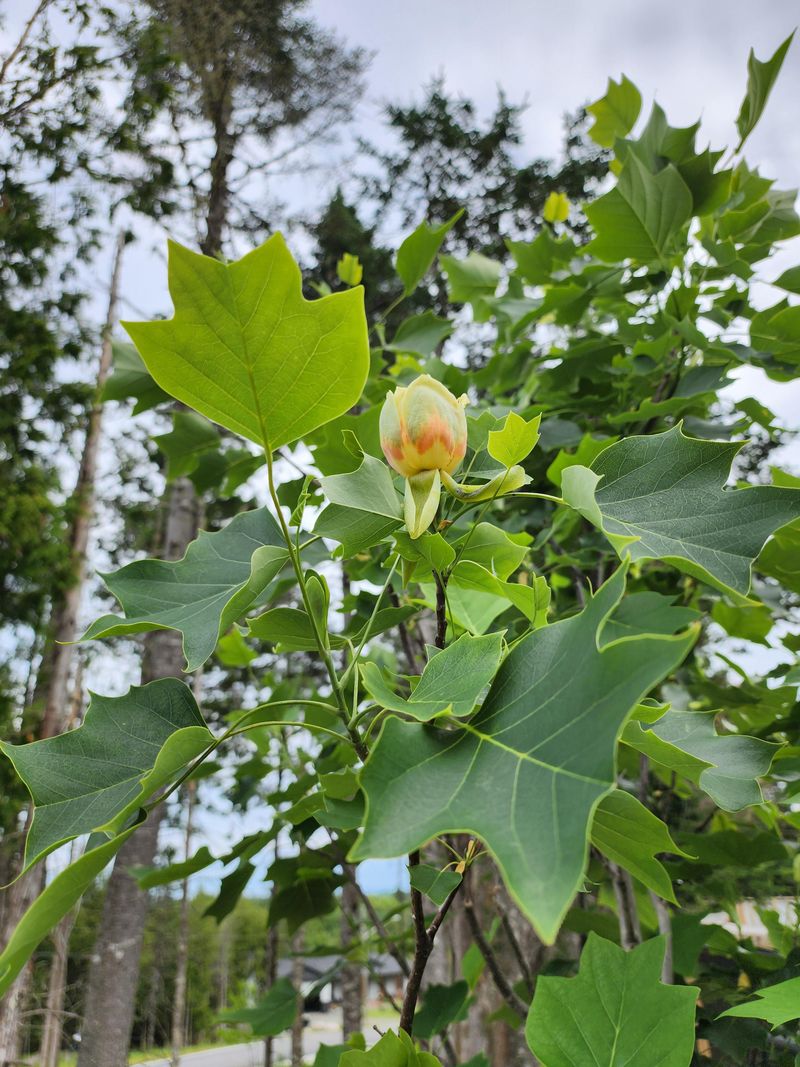
Ohio’s state tree is actually the Buckeye, but if there were a contest for most impressive native tree, the Tulip Tree would be a serious contender. Known scientifically as Liriodendron tulipifera, this towering beauty is the tallest native hardwood in eastern North America, sometimes reaching over 100 feet in height.
Its cup-shaped flowers, which look remarkably like tulips in shades of orange, green, and yellow, are one of the most unique and striking blooms you will find on any Ohio tree.
Tulip Trees grow fast, especially when young, putting on several feet of new growth each year under the right conditions. They prefer deep, moist, well-drained soils and full sun, and they perform exceptionally well in the rich soils found across much of central and southern Ohio.
Planting in April allows the young tree to take full advantage of the growing season, and you may be amazed at how quickly it establishes itself compared to slower-growing hardwoods.
Beyond their beauty, Tulip Trees are ecological powerhouses. Their flowers produce abundant nectar that attracts hummingbirds and bees, and their seeds feed finches and other songbirds through the winter months.
The wood is also historically significant, used by Native Americans and early settlers for canoes and building materials. When planting your Tulip Tree this April in Ohio, select a spacious location with plenty of vertical clearance, water consistently during the first growing season, and stand back as nature does its thing with this magnificent, fast-growing giant.
8. American Hornbeam
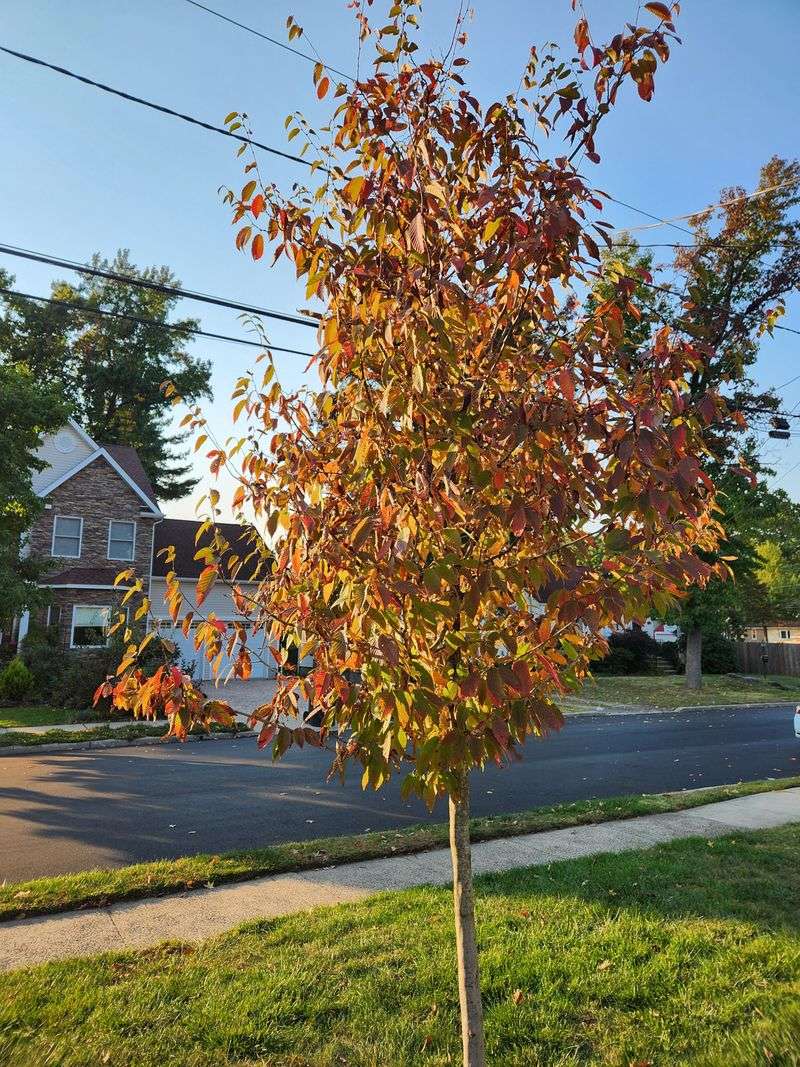
Not every yard in Ohio gets full sun all day, and that is exactly where the American Hornbeam earns its place on this list. Often overlooked in favor of showier trees, the American Hornbeam, also called Musclewood or Ironwood, is a quiet overachiever that thrives in shady spots where other trees struggle.
Run your hand along its trunk and you will understand the nickname: the smooth, gray bark ripples like the muscle of an athlete, giving it a unique texture unlike any other Ohio native tree.
American Hornbeam grows slowly, reaching 20 to 35 feet at maturity, which makes it a smart choice for smaller Ohio yards or tight spaces under a larger tree canopy. It naturally grows along stream banks and in forest understories, so it handles moist soils and shade like a champ.
In April, when you plant it while temperatures are still mild, the roots have time to settle before the heat of summer stresses the tree. It is genuinely one of the most low-maintenance native trees you can add to an Ohio landscape.
Come fall, the American Hornbeam surprises everyone with its foliage, turning shades of orange, red, and yellow that hold their color beautifully into late autumn. Its small nutlets also feed birds and small mammals through the colder months.
For Ohio gardeners who want a native tree that fits smaller spaces, handles shade, and rewards patience with quiet, consistent beauty year after year, the American Hornbeam is a deeply satisfying choice that rarely gets the credit it deserves.