Oregon Pollinator Plants That Thrive In Wet Soil
Anyone who gardens in Oregon knows that soggy soil can stick around longer than expected. You step outside in spring, thinking it is finally time to plant, and the ground still feels heavy and slow to drain.
It is one of those challenges that can make certain parts of the yard feel unusable, especially when plants start to struggle in all that moisture.
The good news is that not every plant sees wet soil as a problem. Some actually prefer it and grow stronger because of it, especially when it comes to pollinator-friendly varieties.
These plants can turn a tricky, waterlogged area into a space full of movement, color, and activity.
Once you start choosing plants that match your conditions instead of fighting them, even the wettest corners of your garden can come alive in a whole new way.
1. Douglas’ Spirea A Pollinator Favorite In Wet Spots
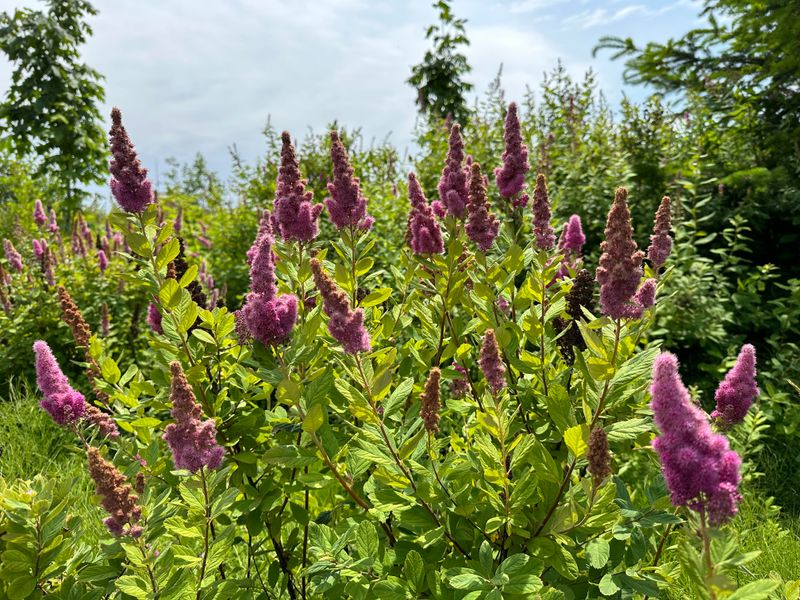
Walk along any wet meadow or stream bank in western Oregon during summer, and you might spot the cheerful pink blooms of Douglas’ Spirea lighting up the landscape. Known scientifically as Spiraea douglasii, this native shrub is a magnet for bees, butterflies, and other pollinators who can’t resist its dense, fuzzy clusters of rose-pink flowers.
It typically blooms from June through August, giving pollinators a reliable food source right when they need it most.
Douglas’ Spirea thrives in wet to moist soils and grows best along stream edges, pond margins, and seasonally flooded areas. It can reach four to six feet tall and spreads naturally through root sprouting, which makes it excellent for stabilizing stream banks and preventing erosion.
Gardeners in the Willamette Valley and along the Oregon Coast will find this shrub especially well-suited to their local conditions.
Beyond its value for pollinators, Douglas’ Spirea offers stunning fall color as its leaves turn golden and russet before dropping. It grows in full sun to partial shade and requires very little care once established.
If you want a plant that works hard, looks beautiful, and gives back to Oregon’s native bee populations all in one package, this shrub deserves a top spot in your wet garden plan. Planting it in groups creates a natural privacy screen while also building a buzzing pollinator corridor through your yard.
2. Pacific Ninebark Tough Shrub With Spring Blooms
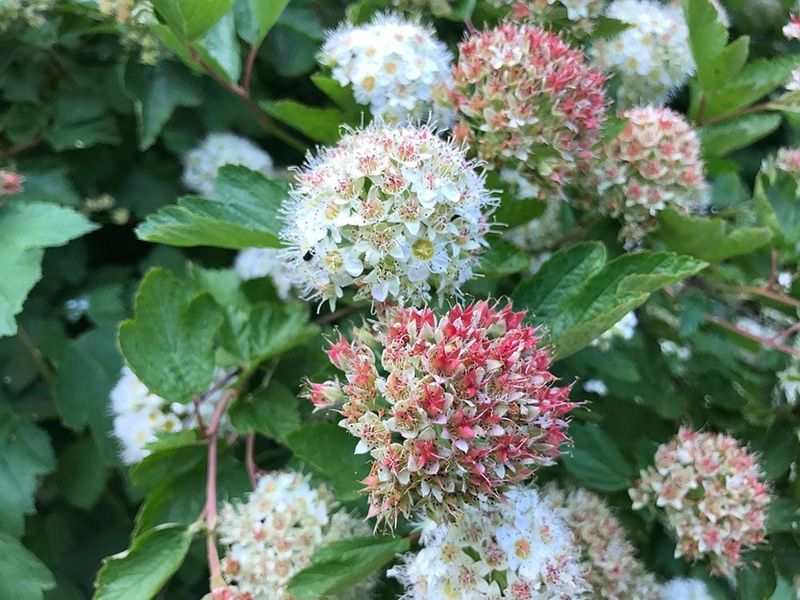
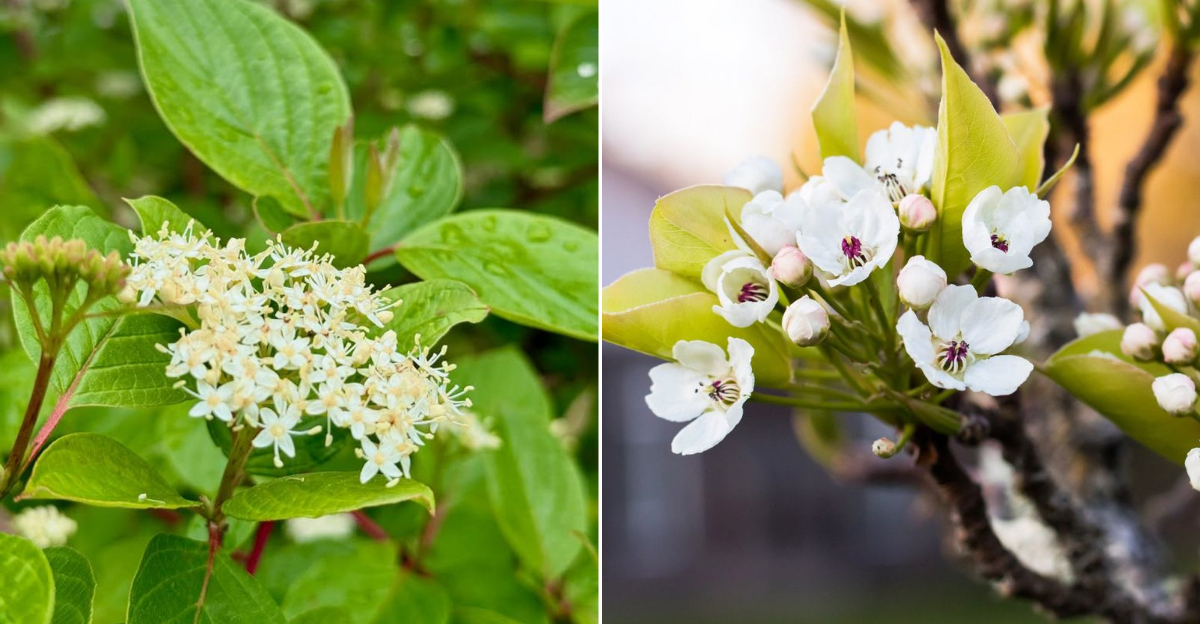
Few native shrubs in Oregon can match the year-round personality of Pacific Ninebark. In spring and early summer, it erupts into clusters of creamy white to pale pink flowers that attract native bees, hoverflies, and butterflies in droves.
Come fall, those flowers give way to clusters of reddish seed capsules that birds love to snack on, making this plant a true four-season performer in any wet Oregon garden.
Scientifically called Physocarpus capitatus, Pacific Ninebark gets its quirky name from the way its bark peels away in multiple layers, revealing reddish-brown wood underneath. This feature adds real visual interest during the winter months when most other plants look bare.
The shrub can grow six to twelve feet tall and equally wide, so it works beautifully as a natural hedge, a riparian buffer, or a bold focal point near water features.
Your Oregon Garden Changes Every Week. Your Plan Should Too.
Gardening in Oregon changes quickly throughout the season. Every Friday you’ll receive a simple weekly plan showing exactly what to plant, prune, fertilize, harvest, and protect so you never miss the right timing.
Pacific Ninebark loves wet to moist soils and tolerates everything from full sun to deep shade, which makes it incredibly flexible for different garden situations across Oregon. It is especially useful for gardeners near rivers, wetlands, or areas with seasonal standing water.
Native bee species, including bumblebees and sweat bees, are particularly drawn to its blooms. Once established, it needs almost no supplemental watering or fertilizing.
Planting Pacific Ninebark is one of the best decisions you can make for supporting pollinators while also creating a striking, structurally interesting landscape throughout the year.
3. Red-Osier Dogwood Bright Stems And Wildlife Value
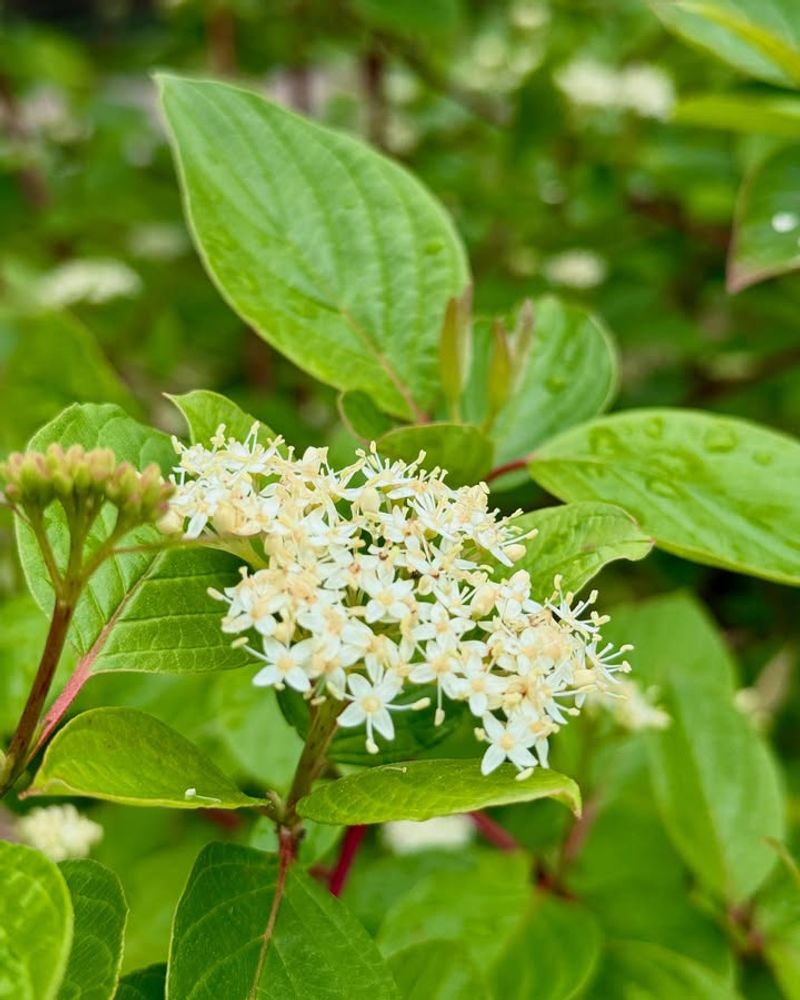
Imagine a plant that transforms your wet garden into a blaze of crimson every winter, then rewards pollinators with clouds of tiny white flowers every spring. That is exactly what Red-Osier Dogwood delivers.
Cornus sericea, as it is scientifically known, is one of Oregon’s most recognizable native shrubs, famous for its brilliant red stems that glow like neon against snow or gray winter skies along stream corridors and wet meadows statewide.
The small, flat-topped clusters of creamy white flowers that appear in late spring are a fantastic early-season food source for native bees, beetles, and butterflies. After blooming, the plant produces white to bluish berries that are beloved by birds, including cedar waxwings and American robins.
This combination of pollinator value and wildlife habitat makes Red-Osier Dogwood one of the most ecologically generous plants you can add to an Oregon garden.
Growing best in full sun to partial shade, this shrub thrives in wet to saturated soils and naturally colonizes stream banks, lake edges, and seasonally flooded areas throughout the Pacific Northwest. It spreads through root sprouts and can form dense thickets that stabilize soil and reduce runoff.
For home gardeners in Oregon’s Willamette Valley or along the Coast Range foothills, Red-Osier Dogwood fits beautifully into rain gardens and bioswales. Pruning a few older stems each year keeps the new red growth vivid and the plant looking its absolute best through every season.
4. Camas Native Bulb With Striking Blue Flowers
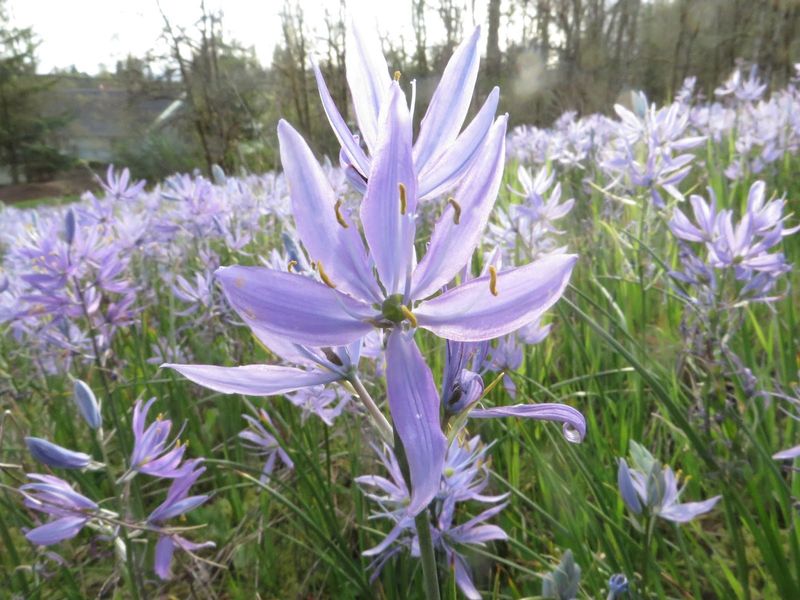
Few wildflower sights in Oregon are as breathtaking as a camas meadow in full bloom. When the star-shaped blue to violet flowers of Common Camas, Camassia quamash, carpet a wet prairie or meadow in April and May, it looks like a piece of sky has fallen to earth.
Pollinators, especially native bumblebees and mason bees, go absolutely wild for the abundant nectar and pollen these flowers produce during early spring when food sources are still scarce.
Camas has deep cultural roots in the Pacific Northwest, holding great importance for many Indigenous communities who harvested the bulbs as a nutritious food staple for thousands of years. Beyond its historical significance, camas is a true ecological workhorse.
It grows from bulbs that naturalize and multiply over time, creating ever-larger drifts of color that keep pollinators coming back year after year without much effort from the gardener.
For Oregon gardeners, camas is best planted in areas that stay moist or even wet during the fall and winter growing season but can dry out slightly in summer, mimicking its natural prairie and oak savanna habitat. It pairs beautifully with other Oregon natives like Douglas’ Spirea and Red-Osier Dogwood in a layered, pollinator-friendly planting scheme.
Plant the bulbs in fall for a spectacular spring show. Once established, camas requires almost no maintenance, making it one of the most rewarding native plants you can grow in a moist Oregon garden setting.
5. Common Monkeyflower A Magnet For Hummingbirds
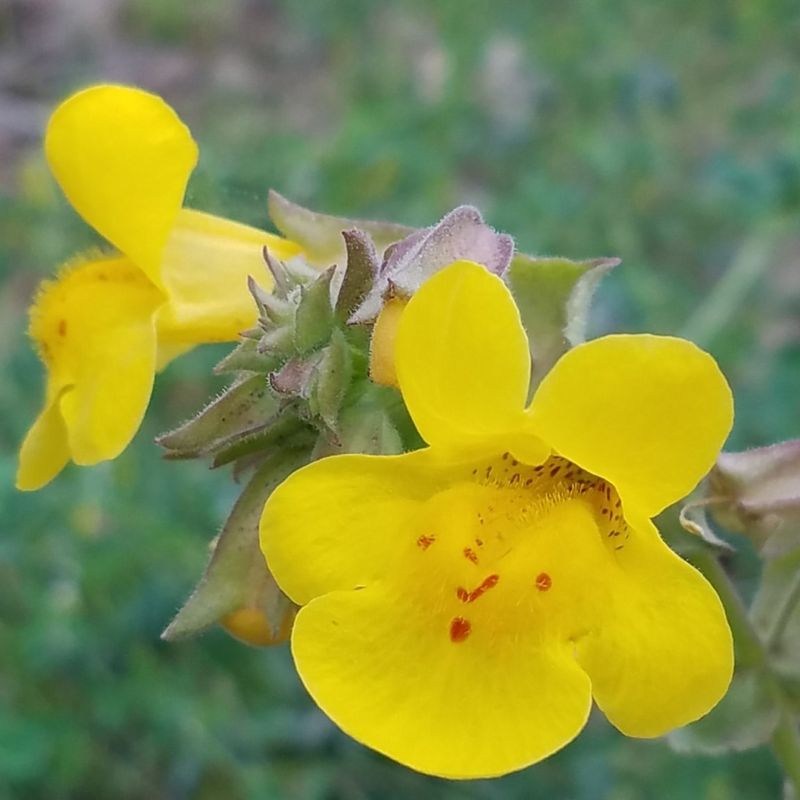
Cheery, bright, and almost impossible to overlook, Common Monkeyflower brings a splash of sunshine yellow to Oregon’s wet stream banks and seeps from late spring through early fall. Erythranthe guttata, as botanists now call it, produces tubular yellow flowers with red-spotted throats that look a bit like a grinning monkey face, which is exactly how this plant got its playful name.
Bumblebees are among its biggest fans, and you can often spot them squeezing right inside the flowers to collect pollen and nectar.
Common Monkeyflower grows naturally along stream edges, wet rocky slopes, and seep areas throughout Oregon, from sea level up into mountain elevations. It is a perennial that spreads both by seed and by creeping stems, forming cheerful low mats of blooms that last for weeks.
In garden settings, it works wonderfully along the edges of water features, in bog gardens, or anywhere soil stays consistently moist or even waterlogged.
One of the most appealing things about Common Monkeyflower is how easy it is to establish from seed or transplant. It tolerates full sun to partial shade and grows quickly once it finds moisture.
Hummingbirds occasionally visit the flowers as well, adding even more life and movement to a wet garden planting in Oregon. Letting it self-seed naturally creates a naturalistic, flowing carpet of yellow that pollinators will return to season after season, making it a wonderfully low-effort, high-reward choice for any Oregon water garden.
6. Western Crabapple Spring Blossoms With Pollinator Appeal
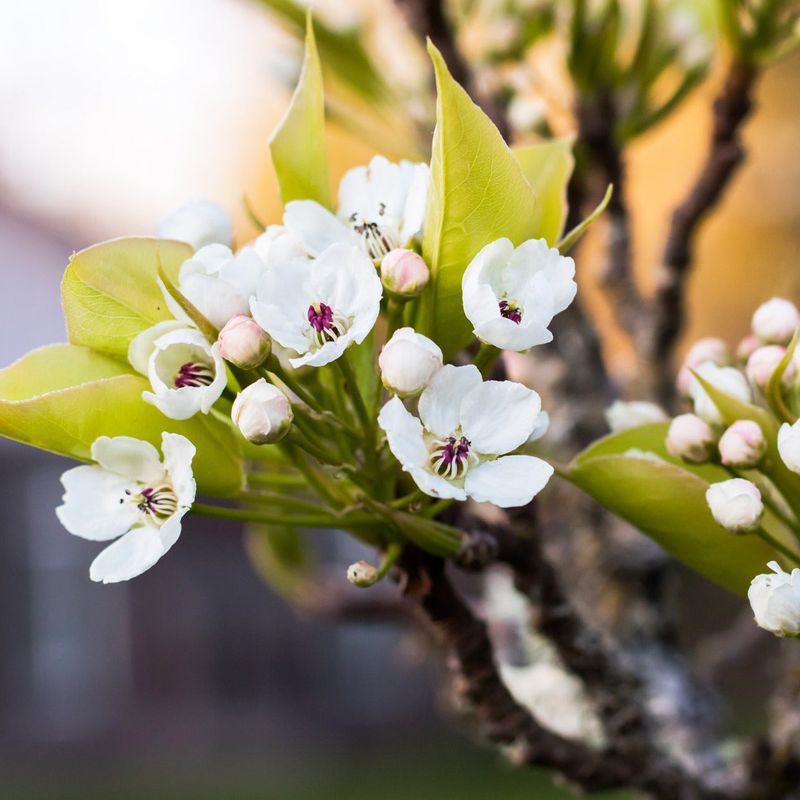
Oregon’s only native crabapple, Malus fusca, is a scrappy, beautiful little tree that punches well above its weight when it comes to supporting pollinators and wildlife. In spring, Western Crabapple covers itself in clusters of fragrant white to pink blossoms that are absolutely irresistible to native bees, honeybees, and butterflies.
The sheer volume of flowers produced on even a small tree can support hundreds of pollinator visits on a single warm spring day.
Western Crabapple grows naturally in wet forests, swampy thickets, and along stream banks throughout western Oregon, from the Coast Range to the Cascades. It thrives in moist to wet soils and tolerates seasonal flooding better than most fruit trees.
Growing anywhere from ten to forty feet tall depending on conditions, it works well as a multi-stem thicket shrub in wetter spots or as a small ornamental tree in a rain garden or pond-side planting.
After the flowers fade, Western Crabapple produces small yellowish-red fruits that ripen in late summer and fall. These fruits are a critical food source for migrating birds, including cedar waxwings and American robins, and for mammals like deer and bears in Oregon’s forests.
The gnarled, mossy branches also provide nesting sites for small birds. For gardeners who want a native plant that does triple duty as a pollinator magnet, wildlife food source, and visually striking landscape specimen, Western Crabapple is a standout choice in any moist Oregon garden setting.
7. Stream Violet Low Grower For Damp Garden Edges
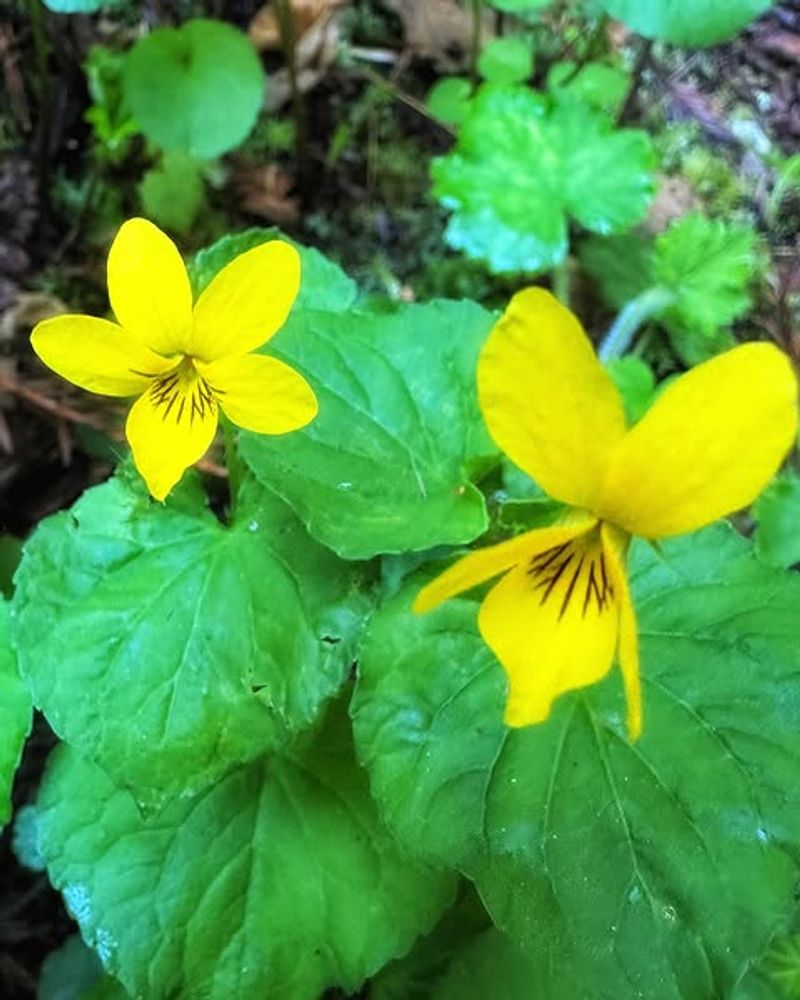
Tucked along the mossy banks of Oregon streams and seeps, Stream Violet is one of those small native plants that rewards a careful eye. Viola glabella produces cheerful bright yellow flowers with purple-veined lower petals from early spring through early summer, creating a delicate but vivid ground-level display.
Native bumblebee queens emerging from hibernation in early spring rely heavily on small, nectar-rich flowers like these, making Stream Violet a surprisingly important early-season pollinator resource.
Stream Violet naturally grows in moist to wet shaded forests throughout Oregon, often carpeting the ground beneath red alder and bigleaf maple along stream corridors. Its heart-shaped, bright green leaves are attractive even when the plant is not in bloom, providing a lush, soft texture to shaded garden beds and woodland edges.
It spreads gently by seed and by rhizomes, gradually filling in bare wet spots without becoming aggressive or overwhelming neighboring plants.
For Oregon gardeners with shaded, wet areas that feel difficult to plant, Stream Violet is a wonderful answer. It grows well under deciduous trees where spring sunlight filters through before the canopy leafs out, giving it just enough light to bloom beautifully.
Pairing it with other shade-tolerant Oregon natives like Pacific Waterleaf or Red-Osier Dogwood creates a layered, naturalistic planting that mimics real streamside habitats. Best of all, once Stream Violet finds a spot it likes, it essentially takes care of itself, quietly supporting pollinators and adding beauty season after season with almost no intervention needed.
8. Subalpine Spirea Delicate Blooms In Moist Soil
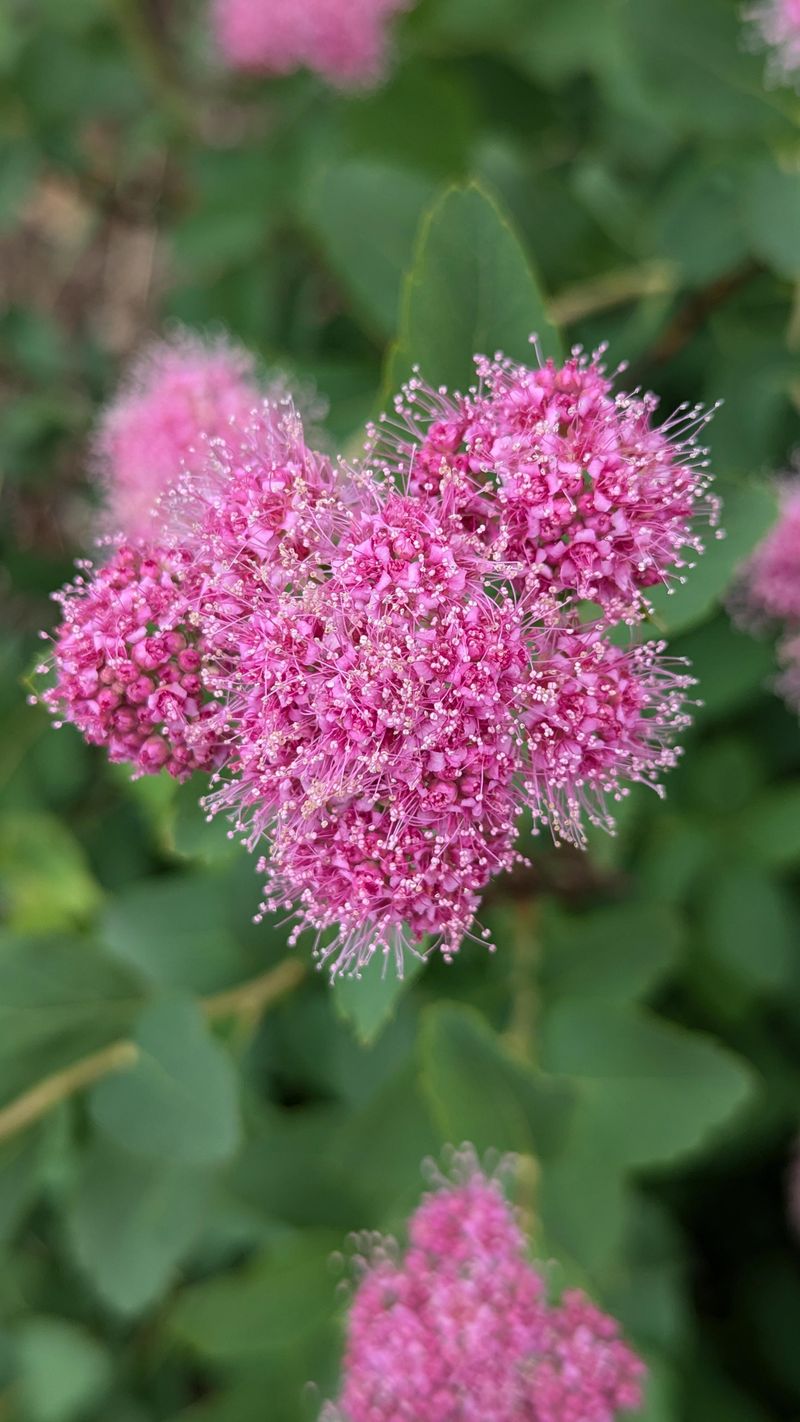
Up in Oregon’s mountain meadows, where snowmelt keeps the soil saturated well into summer, Subalpine Spirea puts on one of the Pacific Northwest’s most stunning high-elevation wildflower shows. Spiraea splendens, sometimes called rose meadowsweet, produces dense, rounded clusters of vivid deep pink to rose-red flowers that practically glow against the backdrop of green mountain slopes.
Bumblebees, which are perfectly adapted to cooler mountain climates, are among its most devoted pollinators at these elevations.
Subalpine Spirea grows naturally in wet meadows, along alpine streams, and in subalpine forests throughout the Oregon Cascades and Coast Range. It is a compact, mounding shrub that typically stays two to four feet tall, making it an excellent choice for smaller garden spaces or as a foreground planting in front of taller native shrubs.
Its relatively small size and tidy habit make it easier to manage than its larger cousin, Douglas’ Spirea, while still delivering impressive floral impact.
For gardeners in higher-elevation parts of Oregon, or those in lower elevations who can provide reliably moist, cool conditions, Subalpine Spirea is an exceptional addition to a pollinator garden. It tolerates full sun beautifully when moisture is consistent and pairs naturally with Camas, Stream Violet, and Common Monkeyflower in a layered wet meadow planting.
Watching bumblebees work their way methodically through the dense pink flower heads on a warm Oregon mountain morning is one of those simple, deeply satisfying experiences that makes native plant gardening so rewarding and worthwhile.