The 9 Most Beautiful California Native Plants Most Gardeners Still Ignore
It is easy to walk into a garden center in California and see the same familiar plants over and over again. Bright, popular, and widely used, they tend to fill up landscapes across neighborhoods without much variation.
Meanwhile, some of the most striking native plants barely get a second glance, even though they are perfectly suited to the climate.
These overlooked options often bring something different to the table. Unique shapes, unexpected colors, and a natural ability to handle dry summers and mild winters without constant attention.
Once you notice them, it is hard not to wonder why they are not used more often.
A few thoughtful swaps can completely change the look and feel of a yard while making it easier to manage at the same time.
1. California Fuchsia Late Blooms That Light Up Dry Gardens
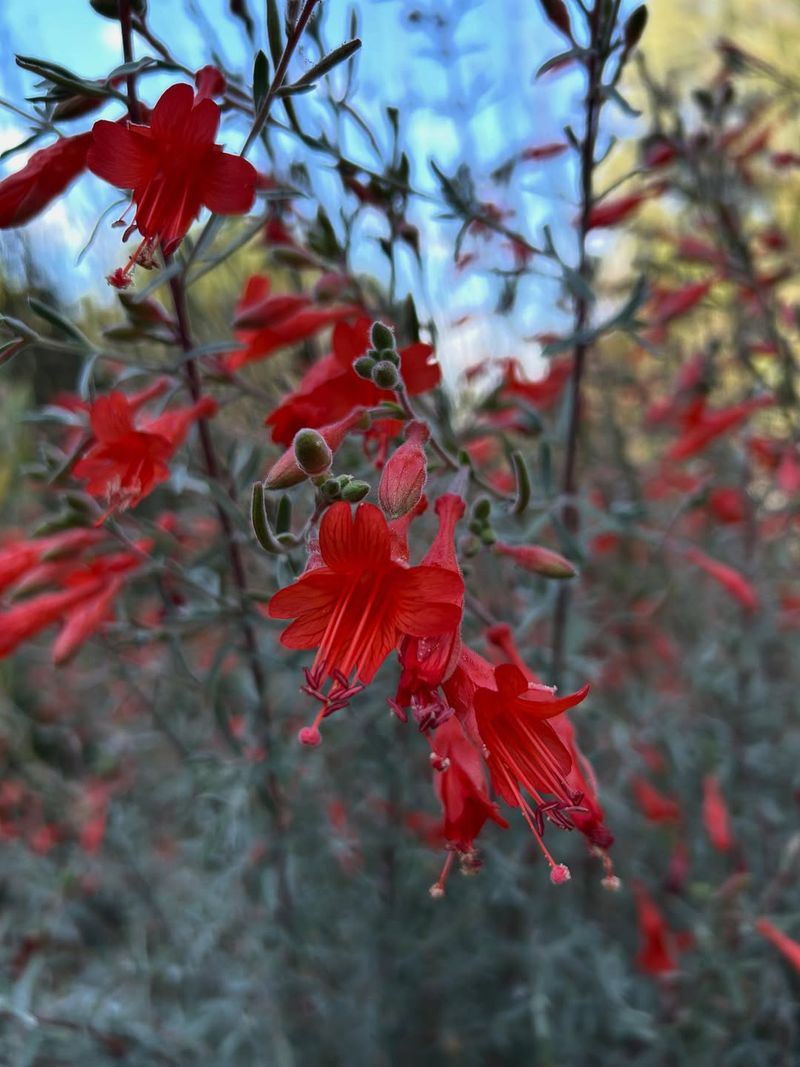
Hummingbirds go absolutely wild for this plant, and once you see it in full bloom, you’ll understand why. California Fuchsia, known scientifically as Epilobium canum, produces a jaw-dropping display of bright scarlet, trumpet-shaped flowers that blaze like little flames from late summer all the way through fall.
That timing is actually a big deal, because most other flowering plants in California are winding down by then, leaving pollinators without much to snack on.
Growing this plant is refreshingly simple. It loves full sun and well-drained soil, and once it gets established, it barely needs any irrigation at all.
For gardeners in California who are tired of babying thirsty plants through the long, hot summers, California Fuchsia is a total game-changer. It spreads through underground runners, forming a low, silvery-leafed ground cover that looks great even when it’s not flowering.
One thing worth knowing is that it does die back in winter, but it bounces back reliably every spring with fresh new growth. Cutting it back in late winter actually encourages a fuller, more vigorous plant.
Whether you’re planting along a sunny slope or filling in a dry garden border, California Fuchsia brings bold color and wild energy to any space. Few plants reward such little effort with such spectacular results, making it one of California’s most underappreciated native gems.
2. Douglas Iris Coastal Beauty With Elegant Purple Flowers
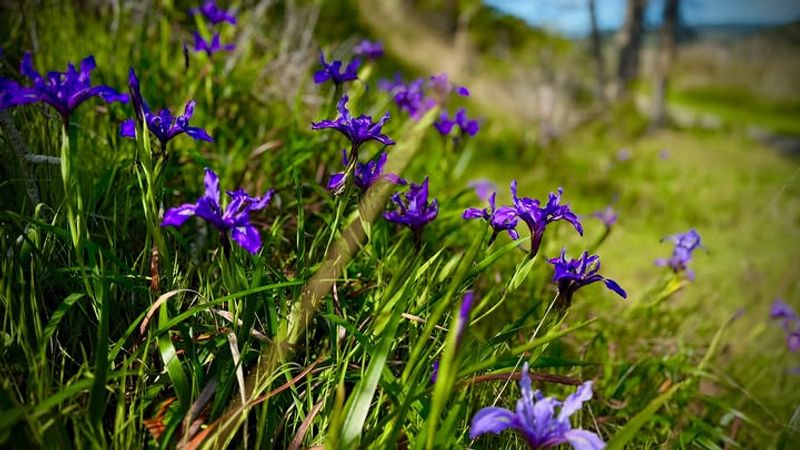
There’s something almost magical about stumbling across Douglas Iris growing wild along a California coastal trail. Its flowers come in a remarkable range of colors, from deep violet and lavender to creamy white and pale yellow, often with delicate veining that looks hand-painted.
Native to the coastal regions of northern and central California, this iris has been charming nature lovers for centuries, yet most garden centers barely stock it.
What makes Douglas Iris especially appealing for home gardens is its flexibility. It handles both sun and partial shade, thrives in a range of soil types, and doesn’t demand much water once it’s settled in.
Plant it under oaks or along shaded borders where other plants struggle, and it will reward you with elegant blooms in late winter and early spring, right when the garden needs color most.
Your California Garden Changes Every Week. Your Plan Should Too.
Gardening in California changes quickly throughout the season. Every Friday you’ll receive a simple weekly plan showing exactly what to plant, prune, fertilize, harvest, and protect so you never miss the right timing.
Did you know that California’s indigenous communities used Douglas Iris fibers to weave incredibly strong baskets and ropes? That long cultural history adds another layer of meaning to growing this plant.
It also supports native bees and butterflies with its nectar-rich blossoms. Clumps slowly spread over time, filling in bare spots without becoming invasive or pushy.
For anyone looking to add a refined, almost exotic-looking flower to a low-water California garden, Douglas Iris is the kind of plant that quietly steals the show every single spring.
3. California Flannel Bush With Bold Yellow Blooms
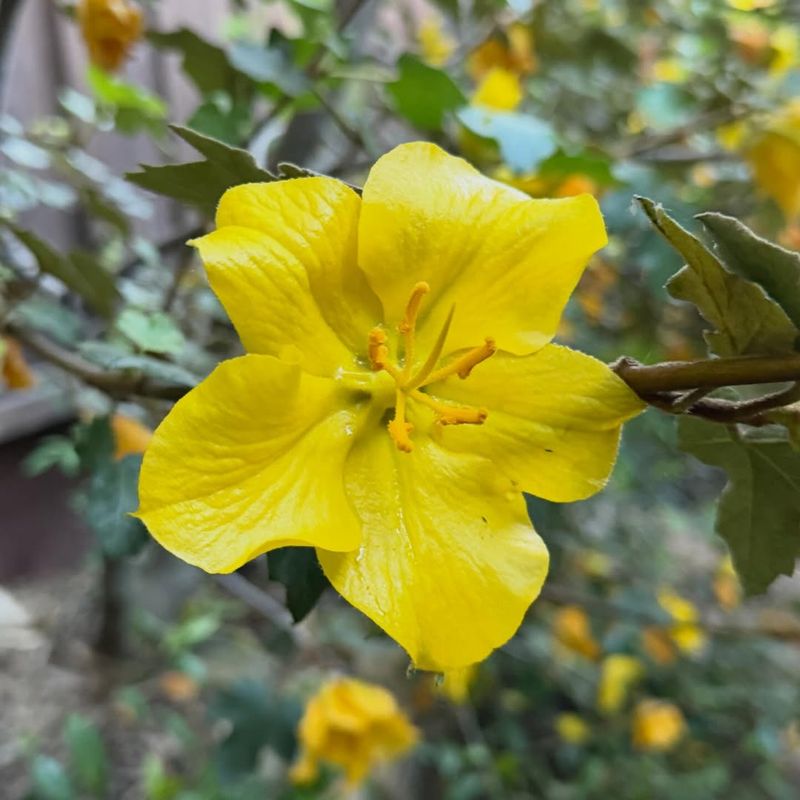
Bold, bright, and almost impossibly cheerful, California Flannel Bush is the kind of shrub that stops people in their tracks. Fremontodendron californicum, its scientific name, produces large, waxy, golden-yellow flowers that look almost artificial, like someone glued giant buttercups onto every branch.
In spring, the entire shrub becomes a wall of yellow that can be spotted from across the yard. It’s one of the showiest native plants California has to offer, and yet most gardeners have never planted one.
Part of what makes this plant so special is how little it asks for in return. It thrives in poor, rocky, or sandy soils where most other shrubs would struggle.
It wants full sun and almost no supplemental water once established, which makes it a dream plant for California’s increasingly dry climate. Overwatering is actually one of the few ways to cause this plant problems, so less really is more.
The velvety leaves and stems contain tiny hairs that can irritate skin, so wearing gloves when pruning is a smart habit. Beyond that small precaution, California Flannel Bush is remarkably easy to grow.
It works beautifully as a large specimen shrub, a privacy screen, or a dramatic backdrop for smaller plants. Native bees love the flowers, and birds use the dense branches for shelter.
For a California garden that wants maximum drama with minimal maintenance, this shrub is hard to beat.
4. California Sagebrush With Classic Coastal Charm
Close your eyes and imagine the smell of the California hills after a light rain. That clean, earthy, herbal scent drifting through the air?
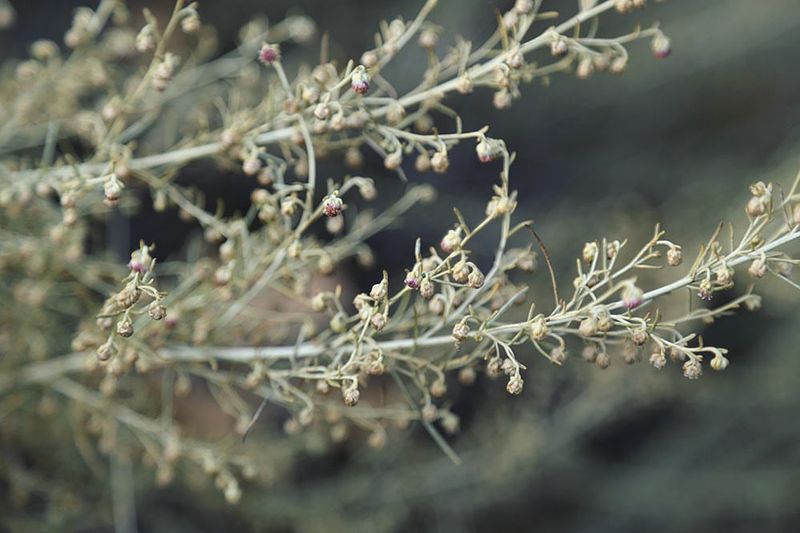
That’s California Sagebrush. Artemisia californica is one of those plants that connects people to the landscape on a sensory level that goes far beyond just looking pretty.
Its soft, feathery, silver-gray foliage is beautiful in its own understated way, and it plays an important role in the ecosystems of coastal and inland California alike.
This shrub is a powerhouse for wildlife. It provides critical shelter and nesting material for California gnatcatchers and other small birds, and its foliage feeds the larvae of several native butterfly species.
Planting California Sagebrush in your garden is essentially setting up a mini wildlife refuge right outside your window. It grows best in full sun with excellent drainage and handles drought like a champion once established.
One of the most practical things about this plant is how well it works in a mixed native plant garden. Its silvery tones pair beautifully with the purples of salvias, the yellows of flannel bush, and the reds of California Fuchsia.
It grows to about three to five feet tall and wide, making it a solid mid-sized shrub for borders or slopes. Gardeners across California who want texture, fragrance, and ecological value without the fuss will find California Sagebrush to be an indispensable addition to any native planting.
5. Blue-Eyed Grass And Its Delicate Flowers
Don’t let the name fool you. Blue-Eyed Grass isn’t actually a grass at all.
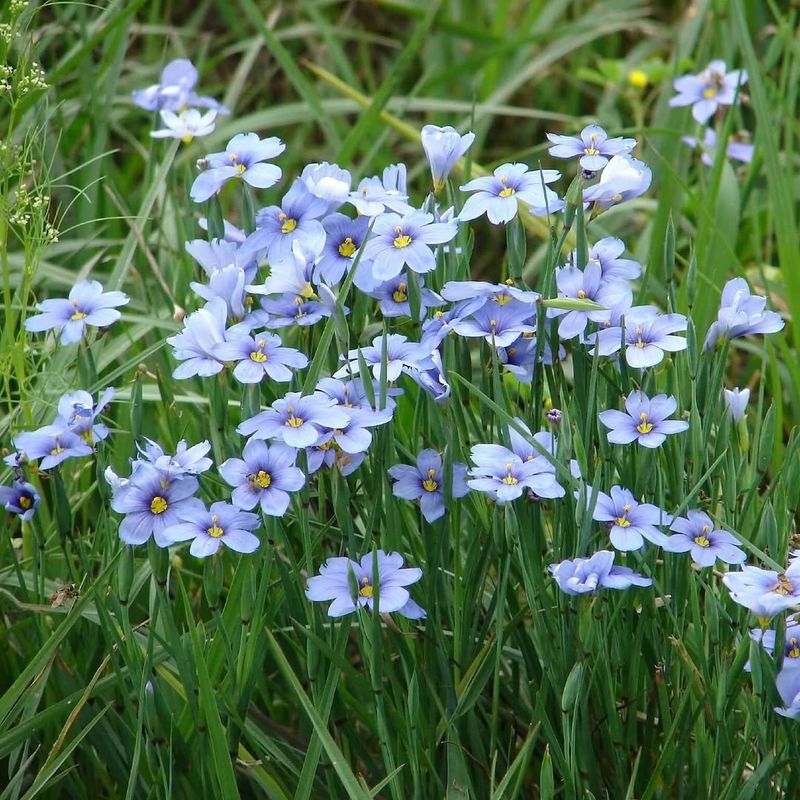
Sisyrinchium bellum is a member of the iris family, and its tiny, vivid blue-violet flowers with bright yellow centers look like little stars scattered across a sea of slender green leaves. It’s one of those plants that looks delicate from a distance but is surprisingly tough up close, perfectly adapted to the varied conditions found throughout California.
Blooming from late winter through spring, Blue-Eyed Grass brings a soft, meadow-like quality to garden beds, borders, and even container plantings. It grows just six to twelve inches tall, making it ideal for edging pathways or tucking into rock gardens.
Native bees absolutely adore the flowers, making every clump a tiny buzzing hub of pollinator activity during bloom season.
Growing Blue-Eyed Grass is genuinely easy. It tolerates both clay and sandy soils, handles occasional flooding, and thrives in full sun to light shade.
It self-seeds gently, gradually spreading to form charming, natural-looking drifts without ever becoming a nuisance. For California gardeners who want something that mimics the look of a wildflower meadow without the chaos, this little plant is a perfect starting point.
It pairs especially well with native sedges, California poppies, and meadow foam for a layered, low-water planting that feels wild, free, and completely at home in the California landscape.
6. Bush Anemone With Showy White Blooms
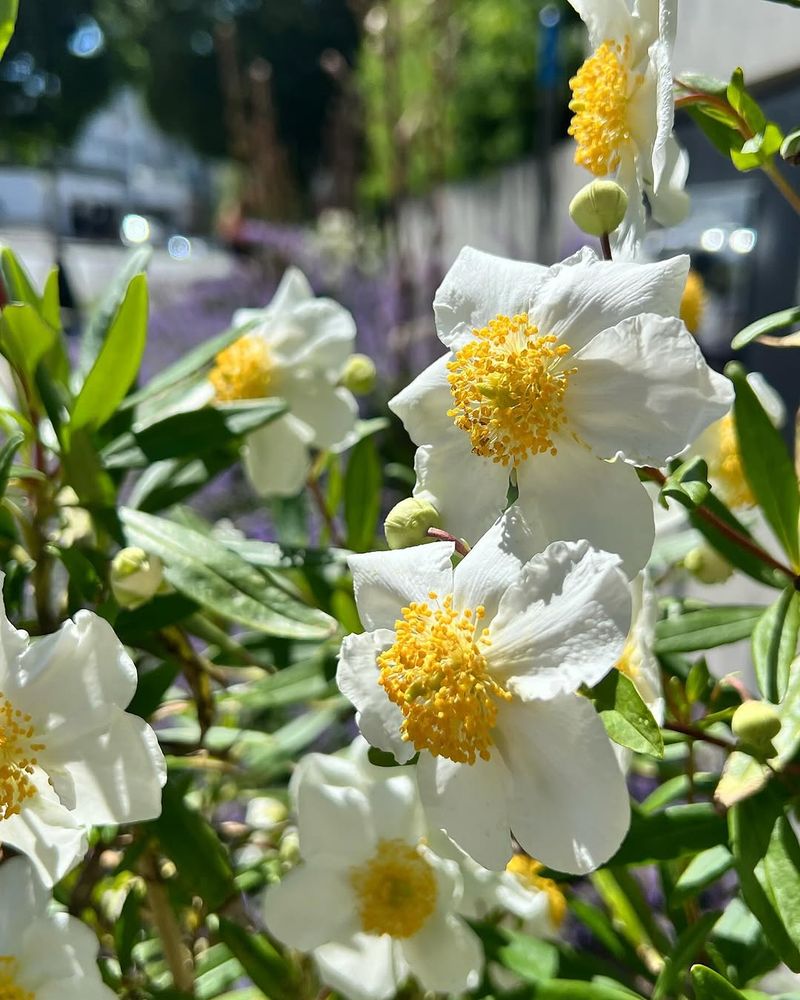
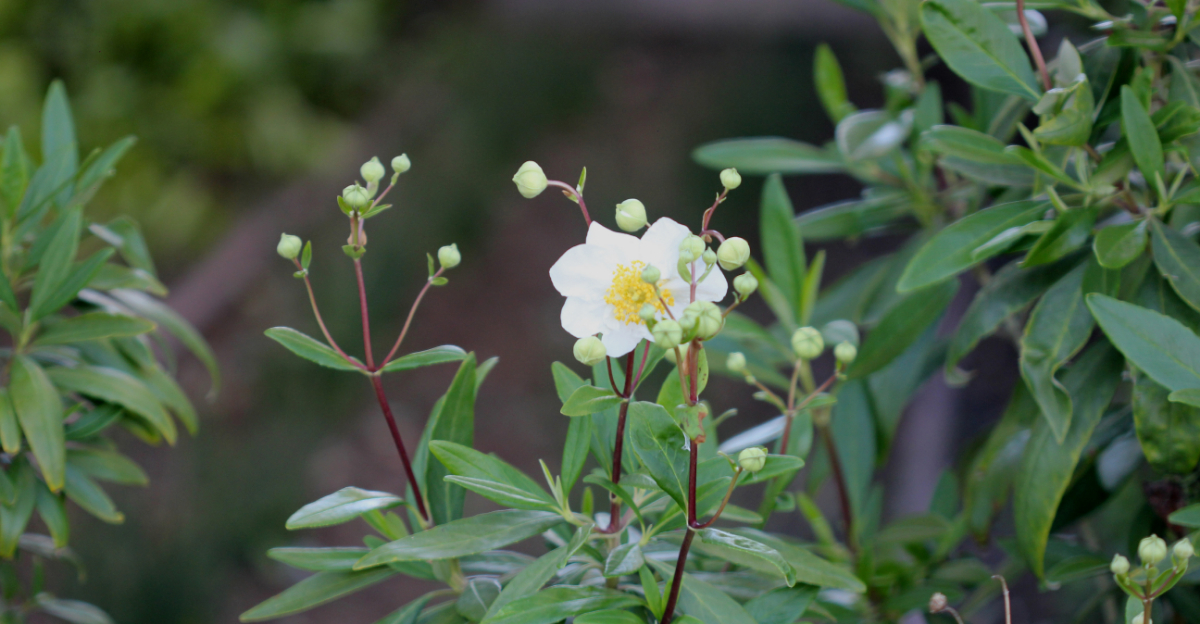
Carpenteria californica is one of those rare plants that genuinely earns the word stunning. Commonly called Bush Anemone, this California native produces large, fragrant, creamy white flowers with a showy cluster of golden stamens in the center, looking a bit like a wild rose crossed with a poppy.
It blooms in late spring and early summer, and a mature shrub covered in blossoms is one of the most beautiful sights a California garden can offer.
What’s fascinating about Bush Anemone is how exclusive it is. In the wild, it grows naturally only in a small area of Fresno County in the Sierra Nevada foothills, making it one of California’s rarest native shrubs.
Despite that limited natural range, it adapts well to gardens across a much wider part of the state, thriving in well-drained soils with good sun exposure and some afternoon shade in hotter inland areas.
It grows into a rounded, evergreen shrub reaching around four to six feet tall, providing year-round structure and beauty in the garden. Once established, it’s quite drought-tolerant and doesn’t need much fussing.
Pruning lightly after bloom keeps it tidy and encourages fresh growth. For California gardeners who love white flowers and want something that feels genuinely special and a little rare, Bush Anemone delivers a kind of refined elegance that very few native shrubs can match.
7. Woolly Blue Curls Striking Purple Spikes
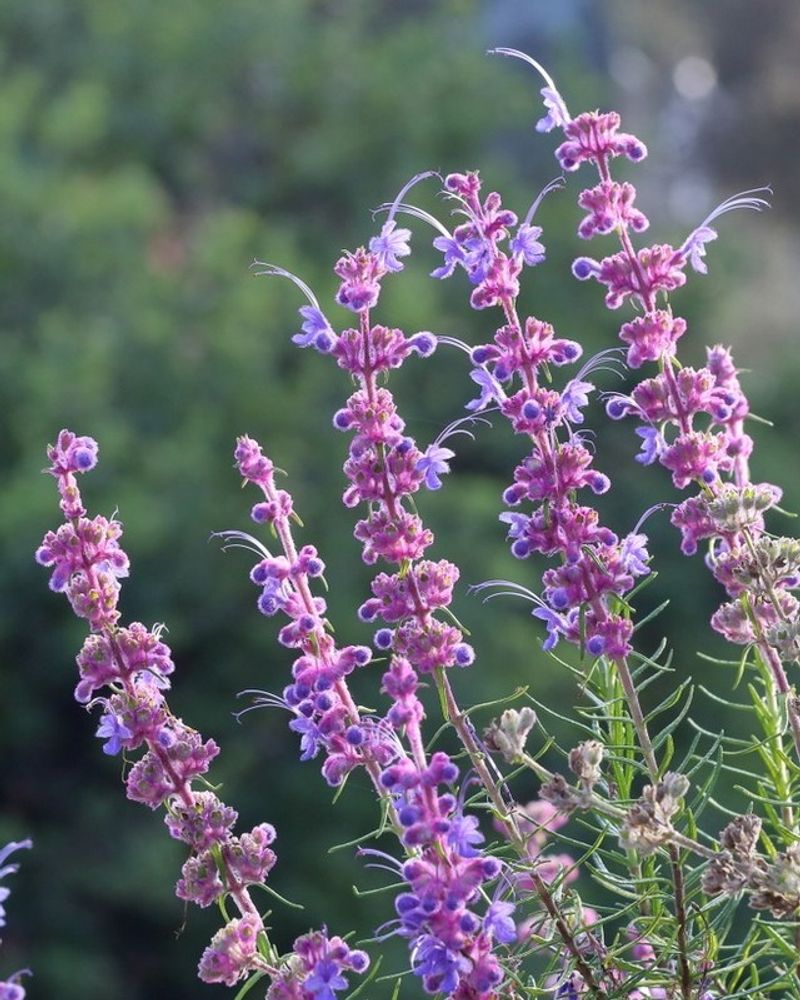
Few native plants in California have a name as perfectly descriptive as Woolly Blue Curls. Trichostema lanatum is covered in soft, woolly purple fuzz along its flower stems, and the vivid blue-purple blossoms that emerge from those fuzzy stalks are genuinely striking.
The whole plant looks like something dreamed up by a fantasy artist, yet it’s completely real and grows naturally in the dry chaparral hills of southern and central California.
Hummingbirds, native bees, and butterflies are drawn to Woolly Blue Curls like a magnet. The flowers bloom from spring all the way through summer, providing a long season of color and nectar when many other plants have already finished their show.
The foliage is also aromatic, releasing a pleasant herbal scent when brushed, which adds another layer of sensory pleasure to the garden experience.
Growing this plant successfully means giving it exactly what it wants: full sun, excellent drainage, and very little water. It truly dislikes wet or clay soils, so raised beds or slopes are ideal.
In the right spot, it can live for many years, slowly growing into a shrub about three to four feet tall and wide. Many California gardeners who try Woolly Blue Curls for the first time become instant fans because nothing else in the garden looks quite like it.
It’s quirky, colorful, and completely unforgettable once you’ve seen it in full bloom.
8. California Sunflower With Bright Native Color
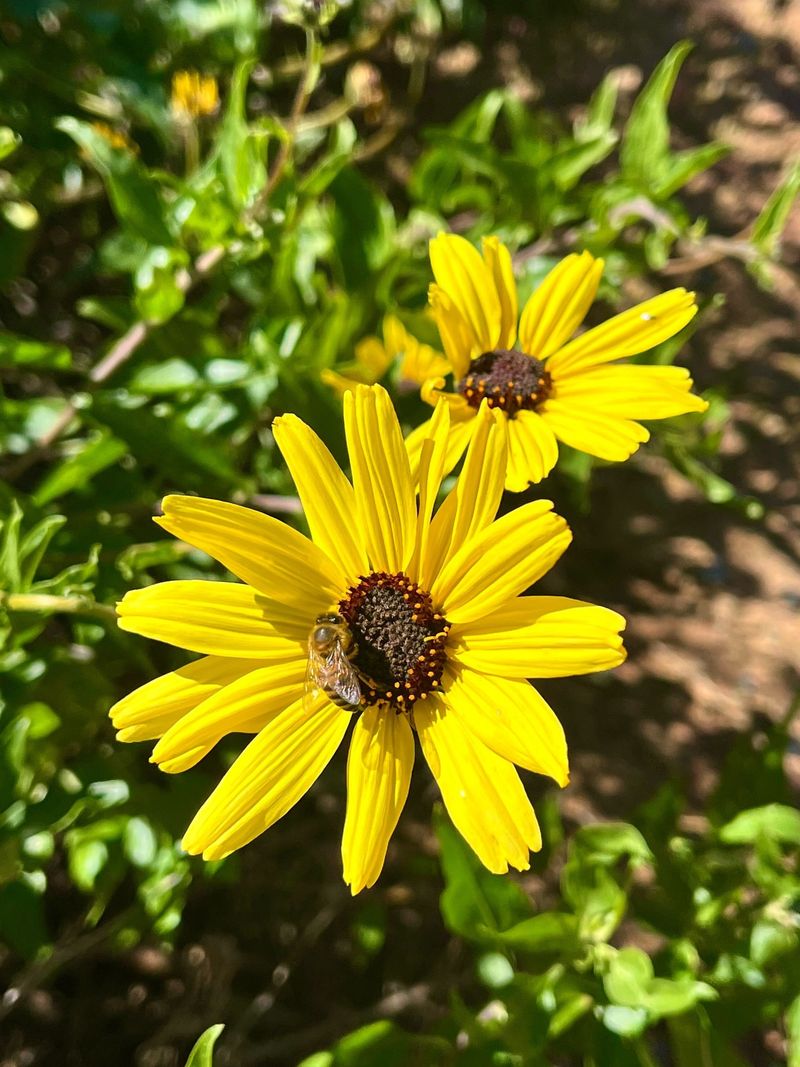
Bright, generous, and buzzing with life, the California Sunflower brings a cheerful warmth to any garden it grows in. Encelia californica, as botanists call it, produces a steady stream of golden yellow, daisy-like flowers with dark centers from late winter through early summer.
In full bloom, a mature plant can be covered in dozens of flowers at once, creating a golden haze that practically glows in the California sunshine.
This plant is native to the coastal sage scrub communities of southern California and Baja California, where it often forms sprawling masses across hillsides and bluffs. In the garden, it brings that same relaxed, abundant energy.
It grows quickly, reaching about three to five feet tall and wide, and fills in bare spots with impressive speed. Butterflies, native bees, and goldfinches all make regular visits, turning the plant into a lively little ecosystem.
One of the best things about California Sunflower is how low-maintenance it truly is. Plant it in full sun, give it good drainage, and water it occasionally during the first year to help it get established.
After that, it handles California’s dry summers with ease. Cutting it back by about half after the main bloom period encourages a fresh flush of growth and more flowers.
For anyone in California looking for a fast-growing, wildlife-friendly, and genuinely beautiful native shrub, California Sunflower is a fantastic choice that rarely disappoints.
9. Ceanothus Glossy Leaves With Clouds Of Blue Flowers
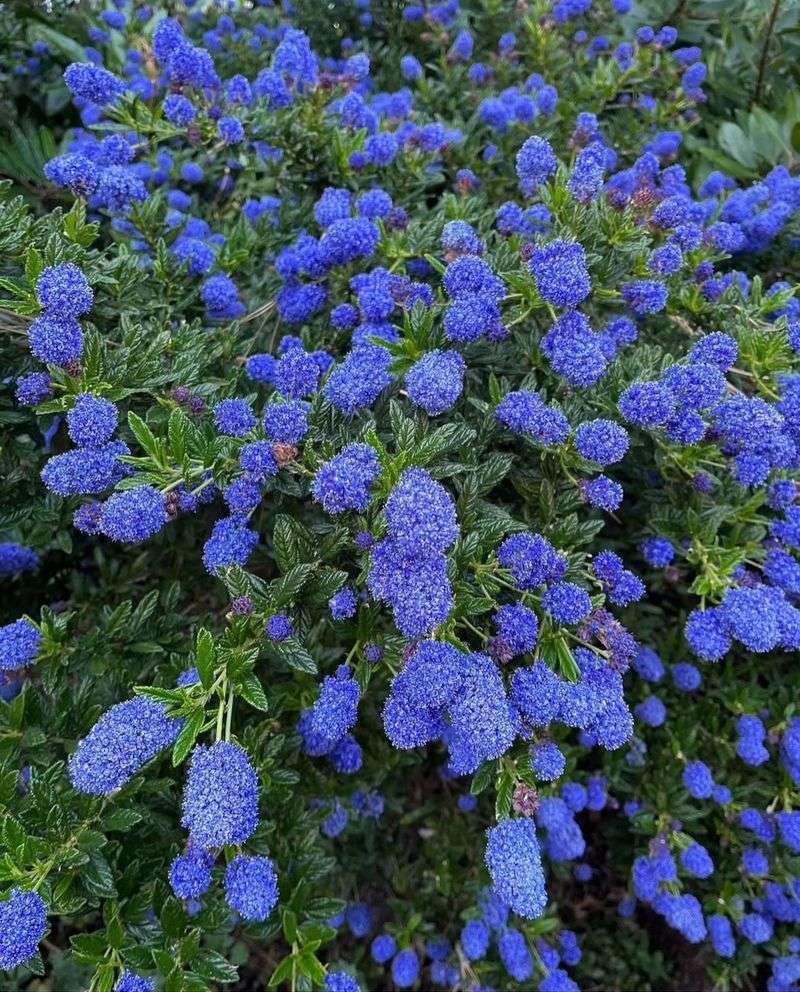
Walk through almost any wild hillside in California during spring and you’ll likely catch the sweet, honey-like fragrance drifting from a Ceanothus in bloom. Often called California Lilac, though it’s not related to true lilacs, Ceanothus is a large and diverse group of native shrubs that produce some of the most brilliant blue flowers found anywhere in North America.
The range of species and cultivars is enormous, with plants ranging from ground-hugging mats to tall, arching shrubs over ten feet high.
The flower clusters come in shades from pale powder blue to deep cobalt and violet, and they appear in such abundance that the entire shrub can seem to disappear beneath a cloud of color. Native bees go absolutely frantic for the blossoms, and the plant is considered one of the single most important native shrubs for supporting pollinators throughout California.
Beyond bees, birds use the dense foliage for nesting and shelter throughout the year.
Ceanothus thrives in full sun with excellent drainage and very little supplemental water once established. It’s not particularly fond of summer irrigation, so pairing it with other drought-tolerant California natives is the smartest approach.
There’s a Ceanothus species or cultivar suitable for nearly every garden size and style in California, from small urban plots to large rural landscapes. For gardeners who want maximum visual impact with minimal water use, this plant is about as close to perfect as California native gardening gets.