The Surprising Benefits Of Having Opossums In Your North Carolina Yard
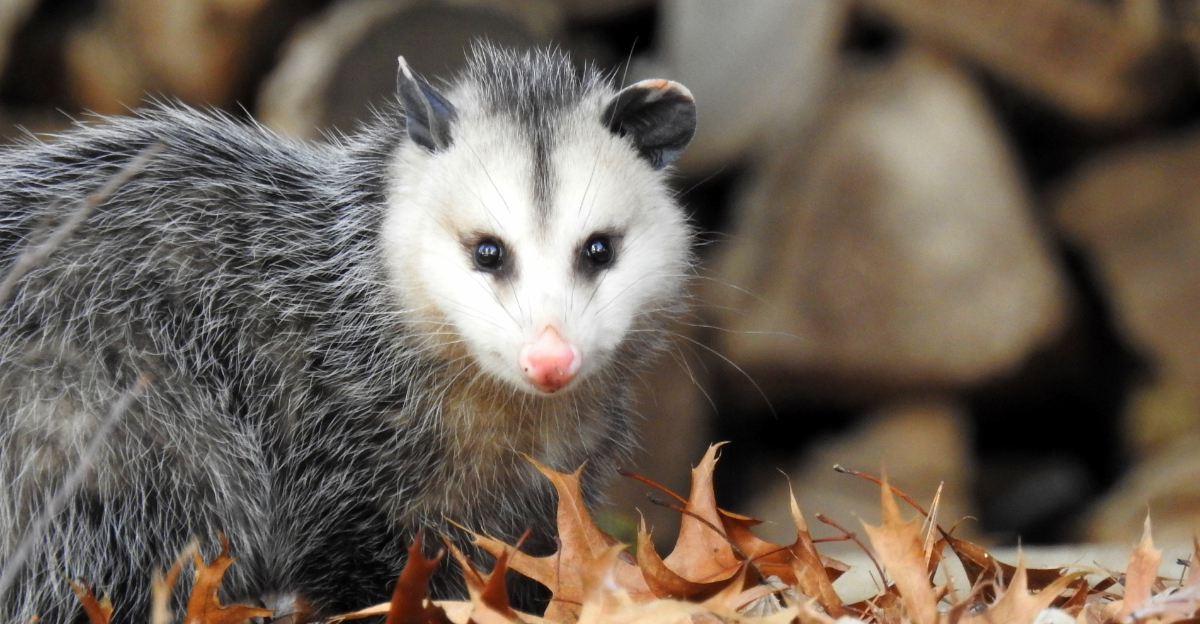
Most people do a double take the first time they spot an opossum in the yard at night, especially in North Carolina where backyard wildlife is part of everyday life.
It is not exactly the kind of visitor you expect, and the reaction is usually a mix of curiosity and concern.
They move quietly, show up when things are calm, and then disappear just as quickly.
What often gets missed is what they are actually doing while they are there. Opossums are not just passing through, they are part of a bigger picture that can quietly benefit your yard in ways you might not expect.
Once you understand their role, it starts to change how you see them. Instead of something to worry about, they become one of those backyard helpers that tend to go unnoticed until you know what to look for next.
1. Why Opossums Are More Helpful Than Most Gardeners Think
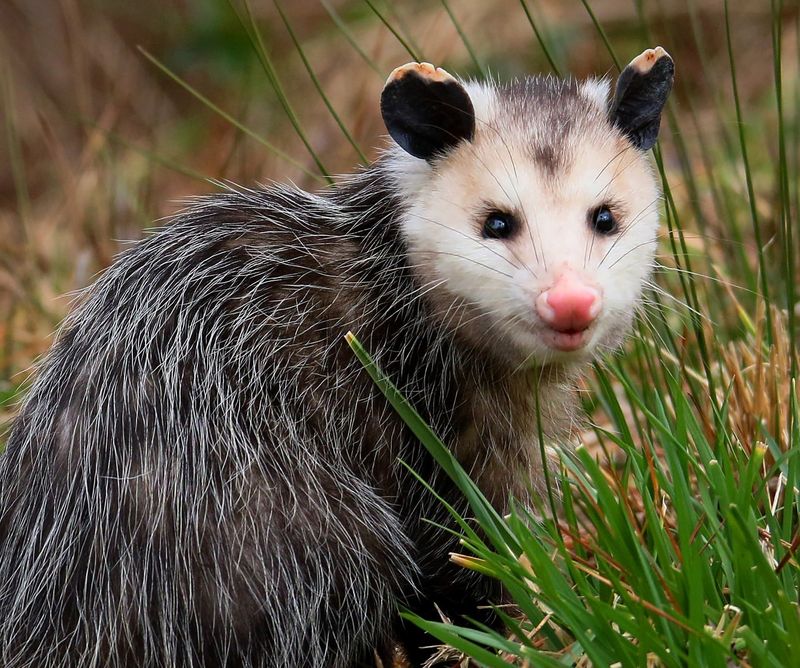
Picture this: a small, gray, pointy-nosed creature waddling through your garden at night, sniffing around your flower beds and vegetable rows. Most people assume that means trouble, but the reality is actually the opposite.
Opossums are one of the most underrated helpers a North Carolina yard can have, and once you understand what they do, you might start welcoming them instead of chasing them off.
Opossums are North America’s only native marsupial, which already makes them pretty fascinating. They have been around for millions of years, quietly adapting and surviving alongside changing landscapes.
In North Carolina specifically, their role in local ecosystems is more important than most gardeners realize. They eat a wide variety of insects, slugs, snails, and other pests that damage plants and soil.
Gardeners spend a lot of time and money on pest control products, sprays, and traps. Having an opossum visit regularly can naturally reduce the need for some of those solutions.
They are not there to tear up your garden. They are there to eat what is already causing problems.
Think of them as a free, low-maintenance pest management service that shows up without being asked. North Carolina yards with opossums nearby often see fewer slug trails on leaves and less insect damage overall, making these nocturnal visitors far more garden-friendly than their scruffy appearance suggests.
2. Natural Tick Control That Supports Healthier Yards
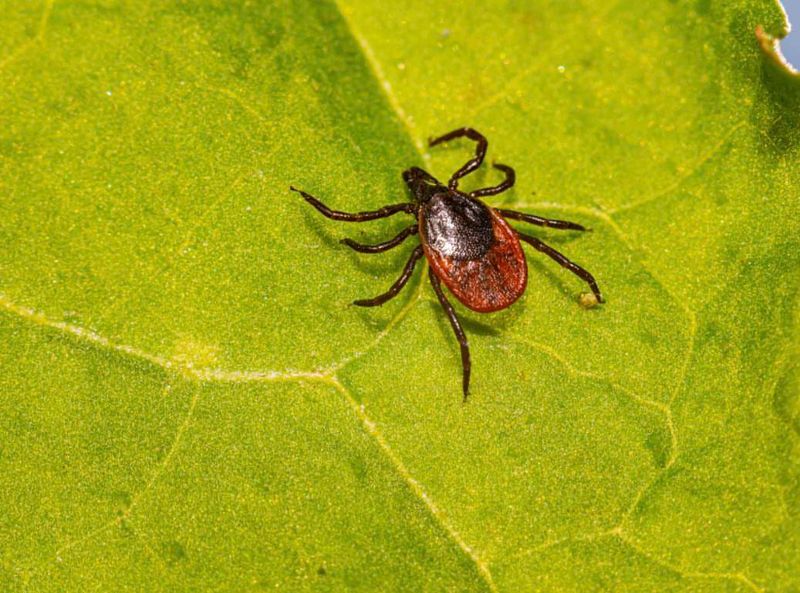
Ticks are a serious concern for families and pets across North Carolina, especially during warm months when outdoor activities ramp up. Lyme disease and other tick-borne illnesses are real risks, and reducing the tick population in your yard can make a genuine difference in your household’s health.
Here is where opossums earn some serious respect: research suggests a single opossum can consume thousands of ticks in a single season.
When opossums groom themselves, they meticulously pick off any ticks that have latched onto their fur. Because their body temperature runs lower than most mammals, ticks often cannot survive on them long enough to transmit disease.
This means the ticks that hitch a ride on an opossum are very likely to end up eaten rather than spread around your yard.
Your North Carolina Garden Changes Every Week. Your Plan Should Too.
Gardening in North Carolina changes quickly throughout the season. Every Friday you’ll receive a simple weekly plan showing exactly what to plant, prune, fertilize, harvest, and protect so you never miss the right timing.
For North Carolina homeowners who love spending time outdoors, hiking trails near their property, or letting their dogs roam the backyard, having an opossum around is like having a natural tick vacuum on patrol every night. You do not need expensive yard sprays or chemical treatments to see a noticeable reduction in tick activity.
Encouraging opossums to pass through your property by keeping a welcoming, natural landscape could directly lower the chances of you or your pets bringing ticks inside. That is a benefit most people never connect to these slow-moving, wide-eyed creatures until they learn the science behind it.
3. A Quiet Cleanup Crew For Fallen Fruit And Pests
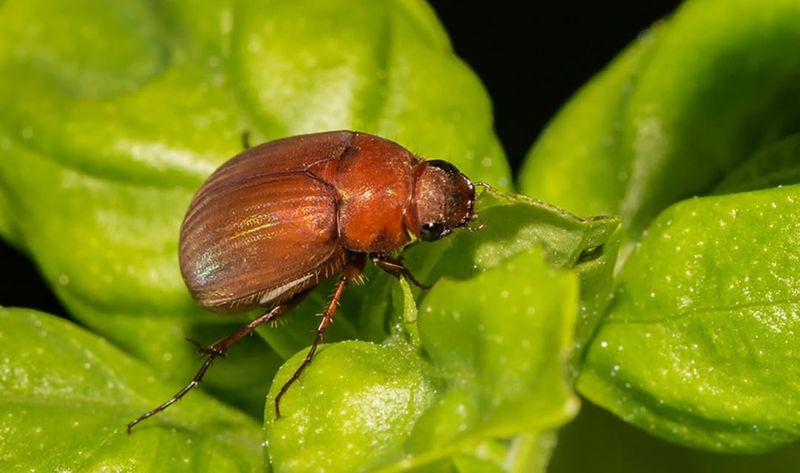
Fallen fruit is one of those yard problems that sneaks up on you fast. One day your apple tree drops a few pieces, and before you know it, there is a pile of rotting fruit attracting flies, yellow jackets, and all kinds of unwanted bugs.
In North Carolina, where fruit trees and berry bushes are common in residential yards, this can become a recurring seasonal headache. Opossums, however, treat that mess like a buffet.
As natural scavengers, opossums are perfectly designed to clean up organic debris. They eat fallen fruit, decaying plant matter, snails, beetles, and even small insects hiding under leaves.
By doing this, they help remove material that would otherwise sit and rot, creating odor problems and attracting more pests. It is a simple cycle: less rotting debris means fewer bugs, and fewer bugs means a more pleasant outdoor space.
Beyond fruit, opossums also consume carrion, which is the remains of small animals that sometimes end up in yards. While that might sound unpleasant, it is actually a critical part of keeping a yard’s ecosystem clean and functional.
North Carolina residents who have fruit trees, compost piles nearby, or wooded edges bordering their property are especially likely to benefit from an opossum’s scavenging habits. Rather than spending weekend mornings picking up fallen debris, you might find that your quiet nighttime visitor has already handled a good portion of the cleanup for you.
4. How Opossums Help Keep Rodent Populations In Check
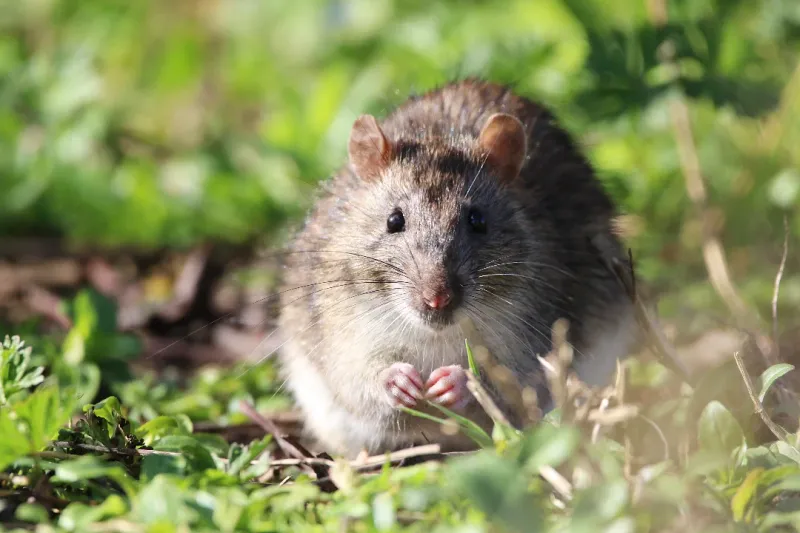
Rodents like mice and rats are a persistent problem for homeowners across North Carolina. They chew through wiring, get into pantries, leave droppings in garages, and can carry diseases that affect both people and pets.
Most homeowners turn to traps or bait stations, but there is a natural solution that has been quietly patrolling yards for centuries. Opossums are opportunistic feeders, and small rodents are absolutely on their menu.
While opossums are not fast, aggressive hunters, they are skilled at catching slow or injured rodents and consuming eggs, grubs, and other small creatures that mice and rats also depend on for food. By competing for resources and occasionally preying on young or vulnerable rodents, opossums help create conditions that are less hospitable for large rodent populations to thrive.
Think of it as a natural balancing act. When opossums are active in your yard, they disrupt the comfortable conditions that allow rodent populations to explode.
North Carolina’s warmer climate means rodents can stay active and reproduce year-round, making this kind of natural population control especially valuable. Homeowners who live near wooded areas, farms, or properties with outbuildings are at higher risk of rodent activity.
Having opossums move through the area regularly adds one more layer of natural defense. It will not eliminate every rodent, but it can meaningfully reduce the pressure on your property without any extra effort on your part.
5. Low-Conflict Wildlife That Rarely Causes Damage
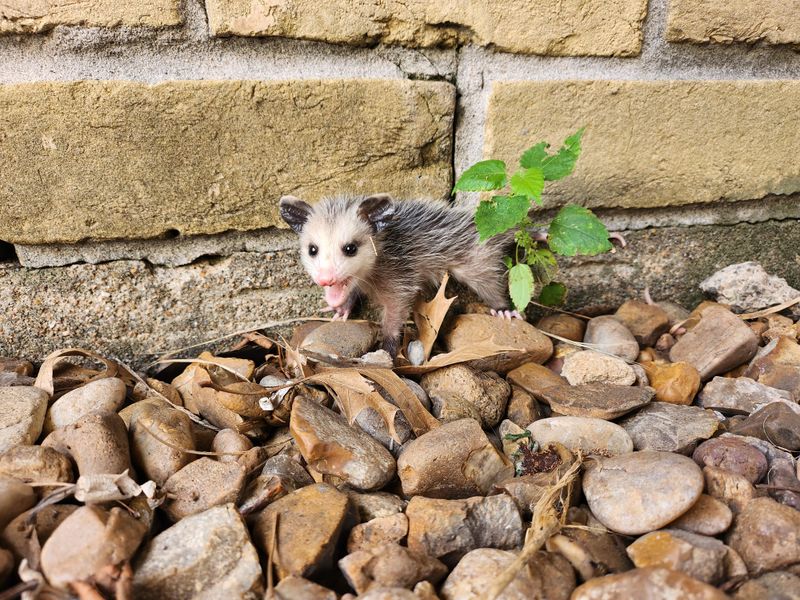
One of the biggest fears people have about wildlife in their yard is damage. Raccoons tip over trash cans, deer munch through gardens, and squirrels chew on just about everything.
Opossums, by comparison, are remarkably low-conflict animals. They are not territorial, they do not dig large holes, and they rarely chew on structures or wiring the way rodents do.
Opossums are actually quite timid. When they feel threatened, their first instinct is to freeze, hiss, or famously play lifeless, a behavior called thanatosis.
They would much rather avoid a confrontation than start one. That means encounters with pets or people are usually brief and uneventful.
A healthy opossum is not going to charge at you or your dog. It is going to try its best to disappear into the dark.
For North Carolina homeowners who are already sharing their outdoor space with deer, raccoons, and other wildlife, adding opossums to the mix rarely creates new problems. They tend to move through yards quietly, eat what is available, and move on.
They do not establish permanent dens in highly trafficked areas and generally avoid busy spaces when humans are around. Their low-drama lifestyle makes them one of the easiest wild animals to coexist with, especially when you understand their behavior.
Most reported opossum problems turn out to be cases of mistaken identity or simple misunderstanding about what the animal was actually doing in the yard.
6. What Their Presence Says About Your Yard’s Ecosystem
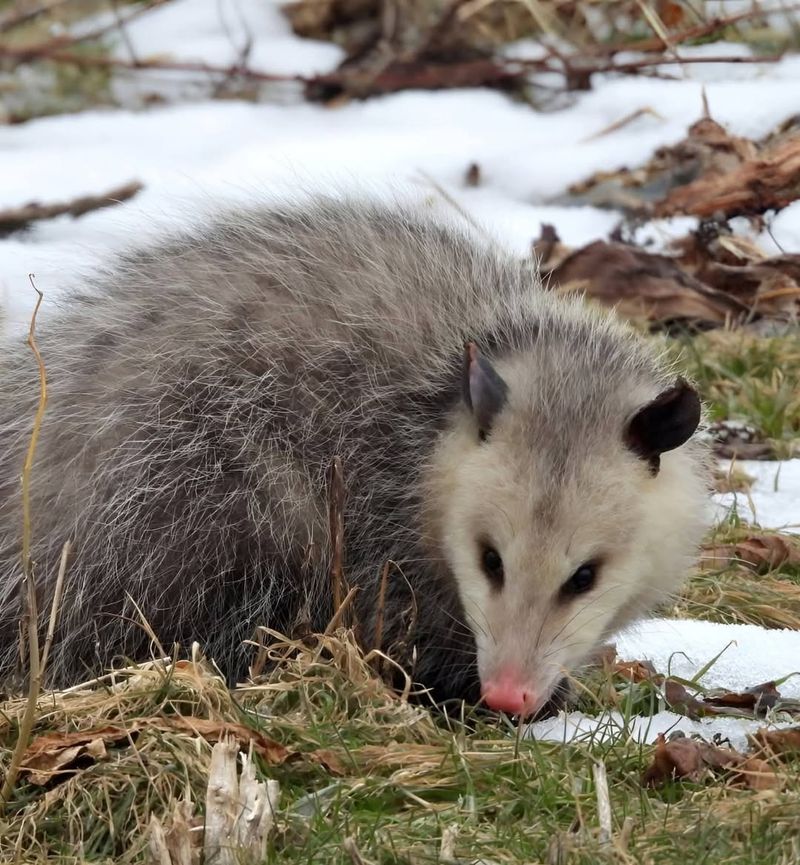
Spotting an opossum in your North Carolina yard is actually a good sign. It means your outdoor space has enough natural resources to support wildlife, including food sources, shelter, and water.
Healthy ecosystems attract a variety of creatures, and opossums tend to show up where the conditions are right. Their presence is essentially a signal that your yard is doing something right for local biodiversity.
Opossums sit in an interesting spot in the food web. They eat insects, fruit, small animals, and carrion, which connects them to multiple levels of the ecosystem.
By managing populations of pests and scavengers, they help keep the whole system in better balance. Yards that support opossums often also support a wider range of birds, beneficial insects, and native plants because the underlying ecosystem is functioning well.
North Carolina is home to a rich variety of native wildlife, and supporting that diversity starts right in your own backyard. When you allow natural spaces to exist, reduce chemical use, and tolerate animals like opossums, you are actively contributing to a healthier local environment.
Opossums do not just benefit your yard in isolation. They are part of a larger web of interactions that keep your neighborhood’s natural spaces alive and functioning.
Seeing one shuffle through at night is not a problem to solve. It is a reminder that your yard is part of something bigger, a living, breathing ecosystem that thrives when left a little wild.
7. Simple Ways To Coexist Without Attracting Problems
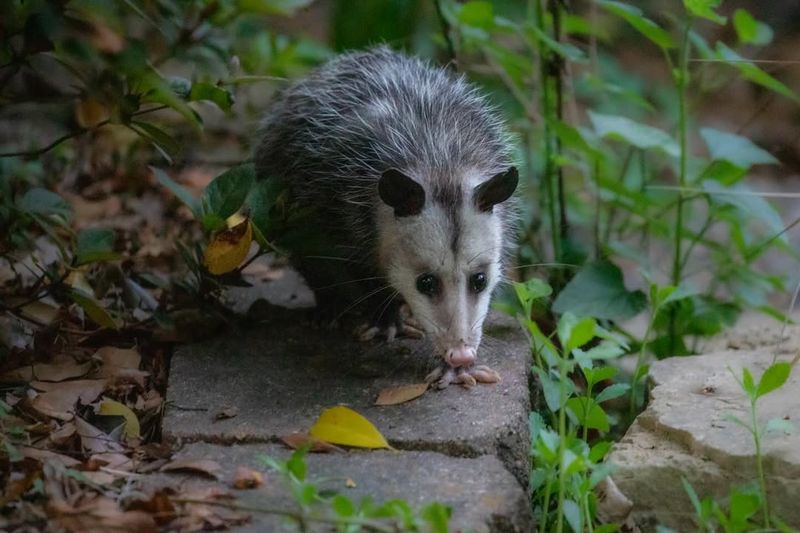
Coexisting with opossums in North Carolina does not require major changes to your yard or lifestyle. A few small, thoughtful adjustments can make the relationship work smoothly without inviting any unwanted behavior.
The goal is to appreciate what they offer while making sure you are not accidentally creating conditions that cause problems down the line.
Start by securing your trash cans with tight-fitting lids. Opossums are scavengers, and an open garbage can is an easy meal.
If you have a compost pile, consider using an enclosed bin rather than an open heap. This reduces the chances of opossums, or any other wildlife, turning your compost into their personal dining spot.
Picking up fallen fruit regularly also helps, though if you do not mind the opossum handling that for you, leaving it is fine too.
Avoid leaving pet food outside overnight. This is one of the most common ways people unintentionally attract opossums close to their home, and while the animals themselves are harmless, it can create a habit of them coming too close to your door.
If you notice an opossum under your porch or in a crawl space, give it a day or two. They rarely stay long.
North Carolina wildlife experts generally recommend a wait-and-see approach before taking action. Opossums are nomadic by nature, so patience is usually the simplest and most effective strategy for keeping your yard comfortable for both you and your wild visitors.
8. Common Myths About Opossums That Need Clearing Up
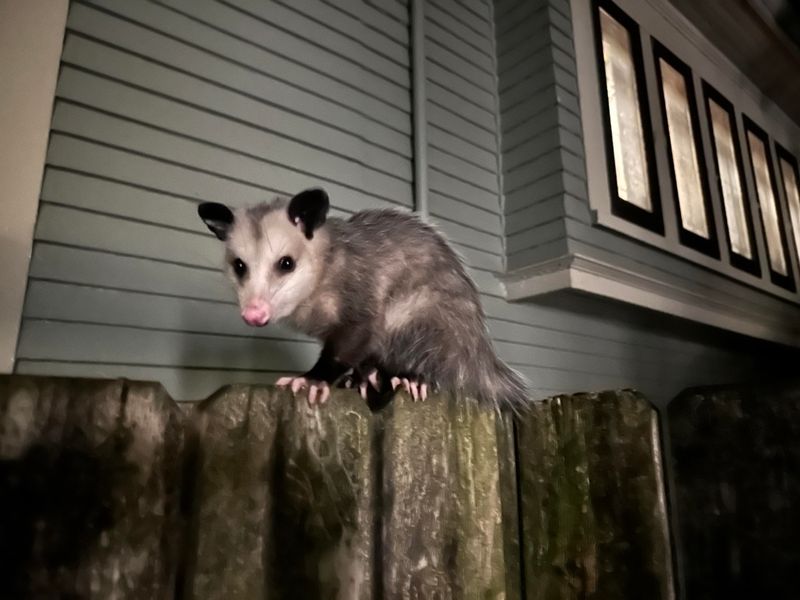
Opossums have a serious public relations problem. For years, people have passed around stories about these animals that simply are not true, and those myths have made a naturally helpful creature seem dangerous or dirty.
Setting the record straight can go a long way toward helping North Carolina residents feel more comfortable sharing their outdoor spaces with these animals.
One of the most common myths is that opossums carry rabies. In reality, their low body temperature makes it extremely difficult for the rabies virus to survive in their system.
Documented cases of rabies in opossums are exceedingly rare, making them one of the least likely wild animals to transmit the disease. Another myth is that they are aggressive.
Opossums are actually among the most passive wildlife you will encounter. Their hissing and open-mouth display is pure bluff.
They are scared, not threatening.
Some people also believe opossums are dirty animals that spread disease. The opposite is closer to the truth.
By eating ticks, pests, and carrion, they actually help reduce the spread of illness in local ecosystems. North Carolina wildlife agencies consistently classify opossums as beneficial, non-aggressive animals that coexist well with humans.
Once you strip away the myths, what you are left with is a slow-moving, nearsighted, helpful marsupial that wants nothing more than a quiet meal and a safe place to rest. Giving them that small amount of grace can make your North Carolina yard a better place for everyone.