The 9 Rat-Repelling Flowers Arizona Gardeners Are Planting Now
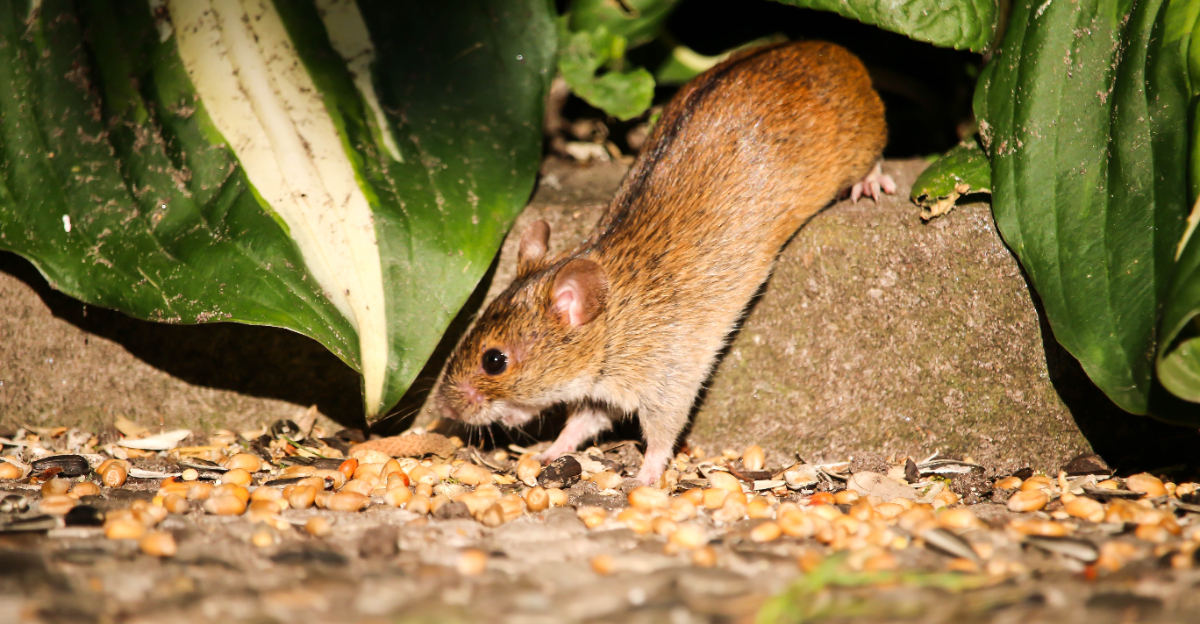
Rats showing up in Arizona yards is not as rare as people think, and once they settle in, they keep coming back to the same spots. Chewed stems, disturbed soil, and damage that seems to appear overnight can turn into a constant problem if nothing changes.
More Arizona gardeners are starting to rethink what they plant, especially after noticing that some flowers naturally make these areas less inviting.
It is not about harsh solutions or complicated setups, but about choosing plants that already handle the heat while quietly working in the background.
It would be best to pay attention to what goes into the ground, because certain flowers can shift the entire feel of a yard without extra effort. When the right ones are in place, the difference becomes hard to ignore.
1. Rosemary Releases A Strong Scent Rats Avoid
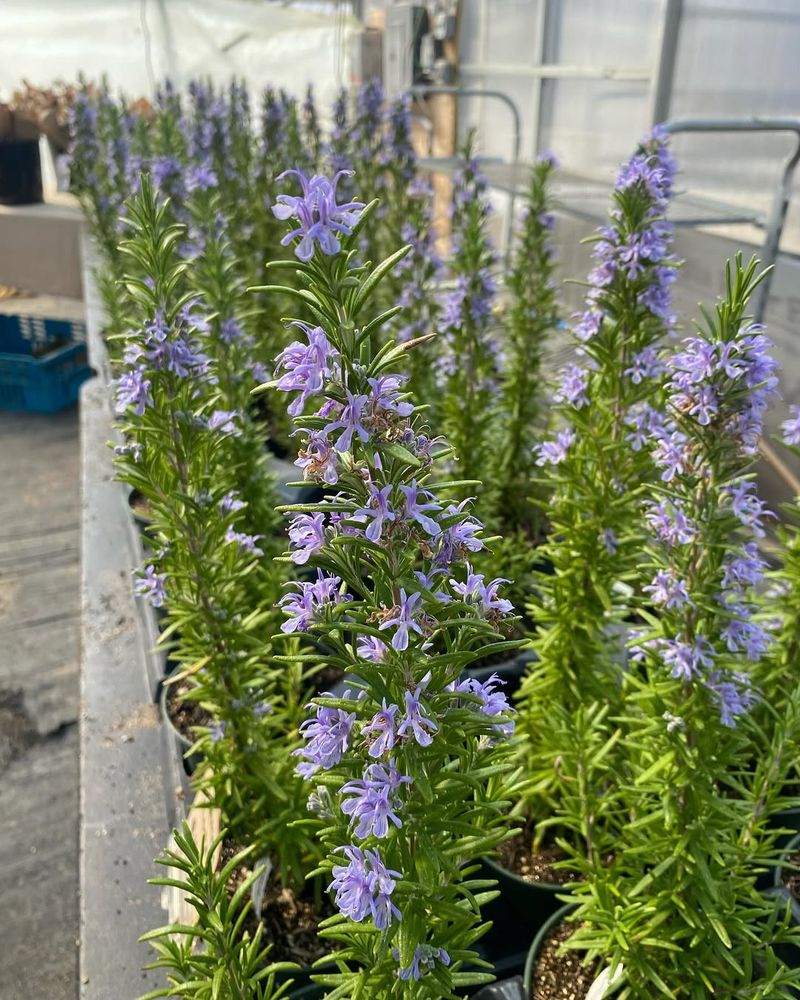
Rats hate rosemary, plain and simple. That sharp, woody smell that makes your roasted chicken taste amazing is the exact same thing that sends rodents heading in the opposite direction.
Rosemary produces aromatic oils that overwhelm a rat’s sensitive nose, and those oils stay potent even in dry Arizona heat.
Planting rosemary along fence lines or near entry points to your home gives you a fragrant buffer zone. Arizona gardeners in the Tucson and Phoenix areas have good luck with rosemary because the plant genuinely thrives in desert conditions.
It handles the heat, needs minimal watering after it gets settled, and grows into a thick shrub that stays fragrant all year.
Keep in mind that placement matters more than quantity. A single large rosemary shrub tucked in a corner won’t do much.
Spreading a few plants along borders or near compost bins gives you better coverage. Trim the plants occasionally to encourage new growth and keep the scent strong.
Crushing a few leaves releases even more of the oils, so don’t be afraid to brush against the plant when you walk past.
You can also tuck small rosemary cuttings near problem spots like sheds or garbage areas to reinforce that scent barrier. Even in containers, rosemary holds its fragrance well, making it a flexible option for patios and entryways.
2. Lavender Produces Fragrance That Discourages Rodents
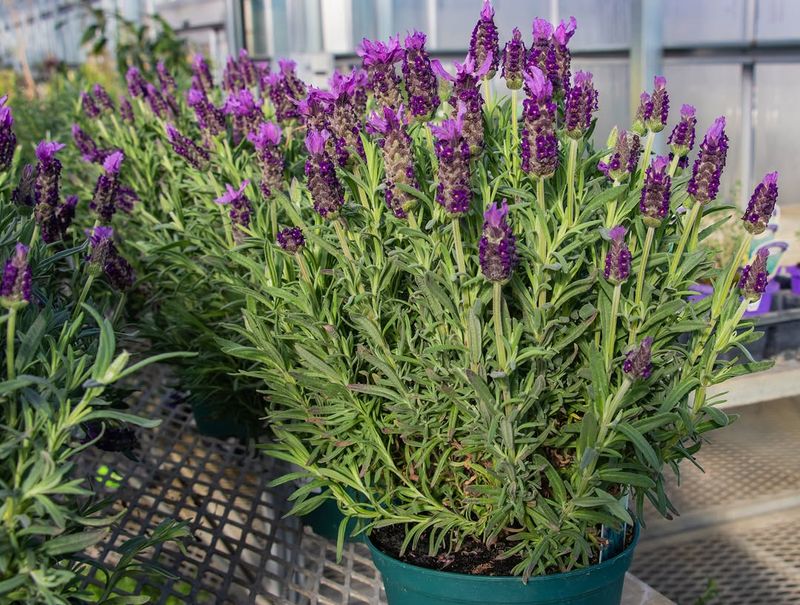
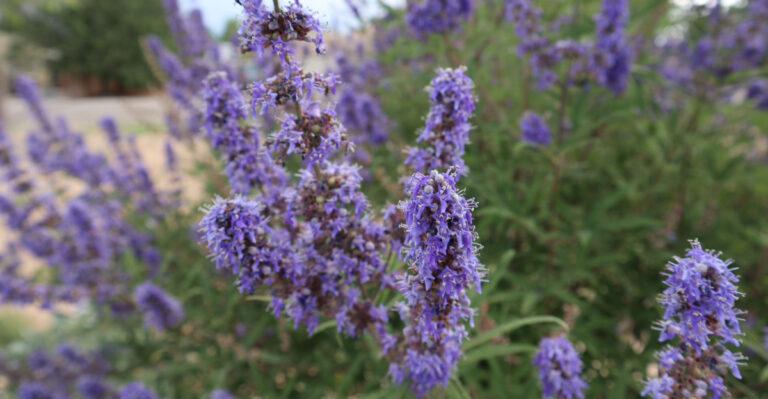
Walk past a lavender plant on a warm Arizona afternoon and the scent hits you immediately. Humans find it calming, but rats experience that same fragrance as an irritant.
The linalool compounds in lavender essentially signal danger to rodents, making them uncomfortable enough to avoid the area entirely.
Spanish lavender varieties tend to perform best in Arizona’s climate. They tolerate intense summer heat better than English varieties and still push out blooms reliably.
Plant them in spots that get full sun and make sure drainage is solid, because soggy roots are the one thing lavender won’t forgive.
For rodent deterrence, position lavender near garage doors, garden gates, or vegetable beds where rat activity tends to concentrate. A row of lavender along a wall creates a scented barrier that stays active as long as the plant is healthy and producing foliage.
Your Arizona Garden Changes Every Week. Your Plan Should Too.
Gardening in Arizona changes quickly throughout the season. Every Friday you’ll receive a simple weekly plan showing exactly what to plant, prune, fertilize, harvest, and protect so you never miss the right timing.
Results vary depending on how severe the rodent pressure is in your yard, but most Arizona gardeners report noticeably less activity around areas where lavender is thick and established. Pair it with rosemary for a stronger combined effect along borders.
Set lavender into the areas where movement keeps showing up, especially along walls or near entry points they follow. A few strategically placed plants can shift those spots from comfortable pathways into places rodents start avoiding.
3. Marigolds Create A Barrier With Their Pungent Smell
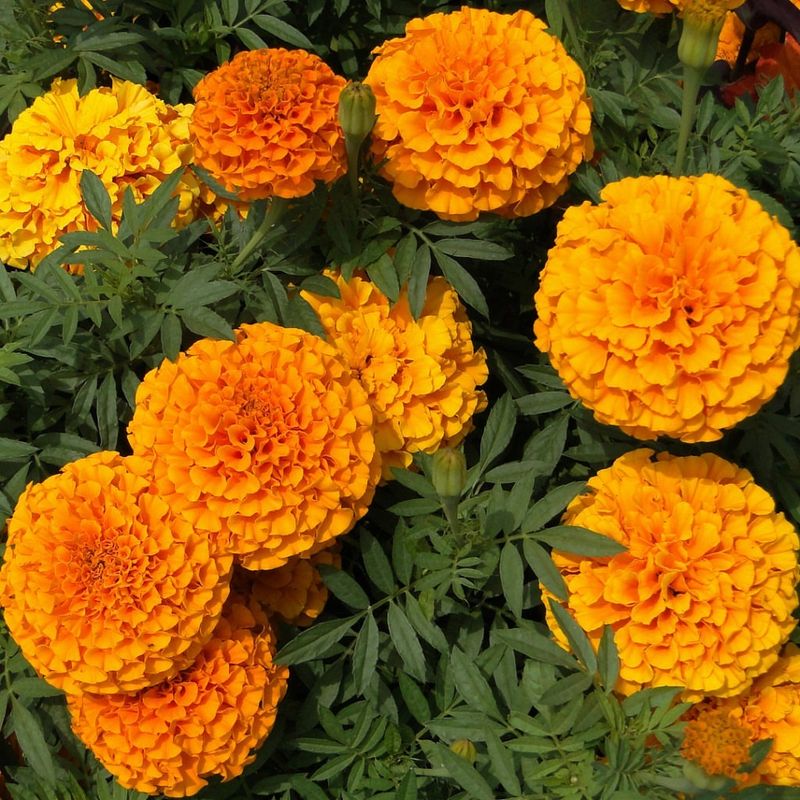
Marigolds are one of the most reliable companion plants in any Arizona vegetable garden, and their value goes beyond just looking cheerful. Rats are put off by the strong, almost bitter smell marigold foliage releases, especially when the plant is brushed or disturbed.
It’s not a subtle fragrance, and that’s exactly the point.
French marigolds are a solid choice for Arizona summers because they handle heat reasonably well with consistent watering. Plant them in a ring around vegetable beds or in rows near compost bins where rats tend to forage.
The denser the planting, the more scent the area produces, and that matters when you’re trying to create a real deterrent effect.
One thing worth knowing: marigolds work best as part of a broader strategy rather than a standalone solution. If your yard already has a serious rodent problem, marigolds alone probably won’t solve it.
But as a preventive measure or as support alongside other repellent plants like rosemary and sage, they add a useful layer of protection. Replace spent plants regularly through Arizona’s growing season to keep the scent fresh and the barrier intact.
4. Peppermint’s Natural Oils Help Keep Rats Away
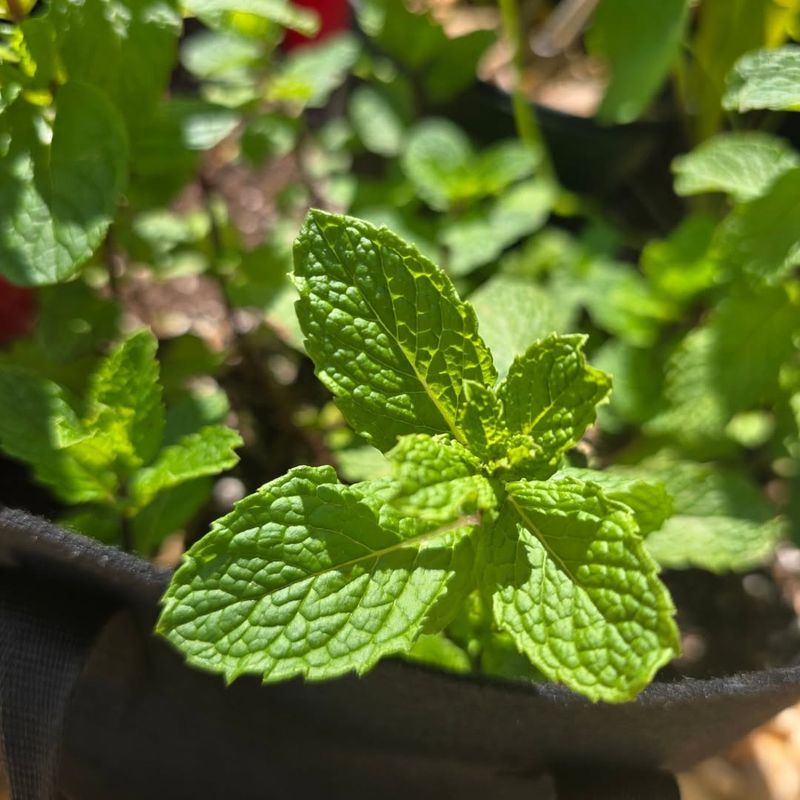
Few smells are as intense to a rat as peppermint. The menthol concentration in peppermint leaves is strong enough to interfere with a rodent’s ability to pick up other scents, which is essentially disorienting and unpleasant for them.
Arizona homeowners have been planting it near doors and foundation gaps where rats typically probe for entry.
Peppermint grows aggressively, so containers are usually the smarter move in Arizona yards. Planting it directly in garden beds can lead to it spreading into areas where you don’t want it.
A few large pots near entry points or along a back patio wall give you concentrated scent right where it counts. Keep the soil moist but not waterlogged, especially during Tucson and Phoenix summers.
Crushing or lightly trimming the leaves regularly keeps the oils active and the scent strong. A plant that’s been left to grow without any attention will still produce fragrance, but fresher growth tends to be more potent.
Peppermint also attracts pollinators, so it’s genuinely pulling double duty in your garden. Just manage its growth and check containers every few weeks during hot weather to make sure it’s not drying out.
5. Lemongrass Adds Citrus Oils That Repel Pests
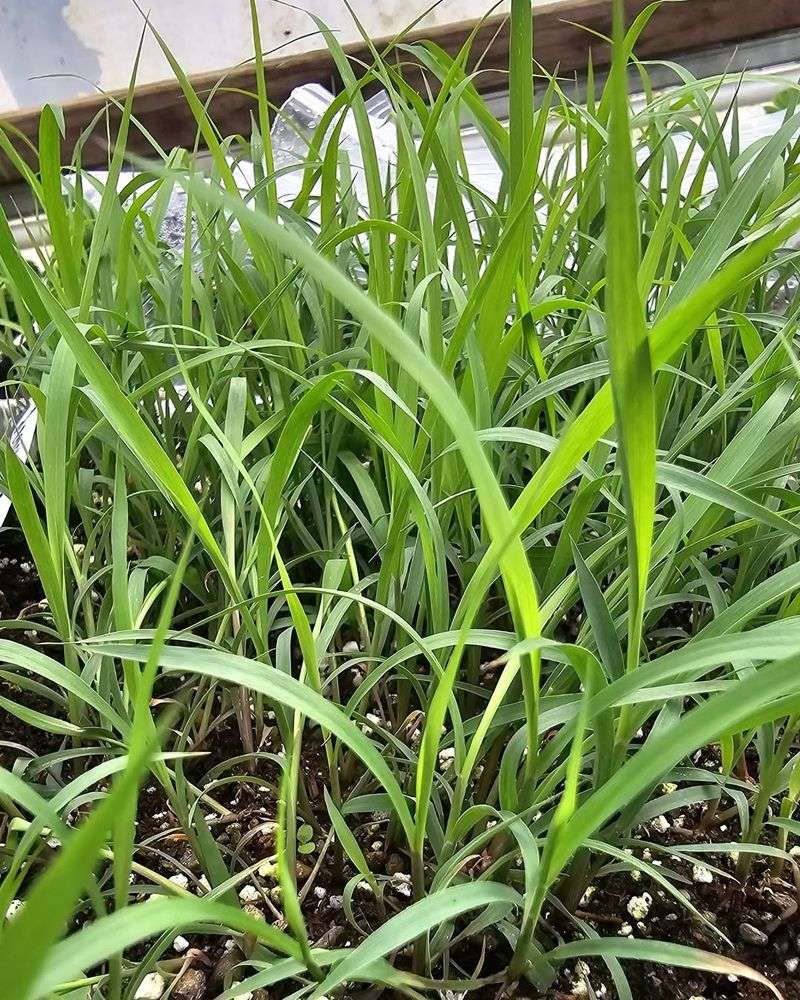
Lemongrass is one of those plants that does a lot without asking for much in return. Its citrus-forward scent comes from citronella oil naturally produced in the stalks and leaves.
Rats find this oil off-putting, and the strong citrus smell tends to mask the food and compost scents that draw rodents in the first place.
Arizona’s warm climate is genuinely well-suited to lemongrass. It grows in dense clumps that can reach three to four feet tall, which also makes it a physical barrier of sorts.
Plant it along fence lines or near garden corners where rodents tend to travel. It needs regular watering during the peak of summer but handles the heat far better than many other fragrant plants.
One practical tip: cut the clumps back in late fall to keep them healthy and promote fresh growth the following season. Fresh lemongrass is more aromatic than old woody growth, so periodic trimming actually helps its effectiveness as a repellent.
Keep in mind results won’t be overnight. Lemongrass works best as a preventive measure and as part of a mixed planting strategy.
Pair it with marigolds or sage for broader coverage across your Arizona yard.
6. Garlic Flowers And Alliums Give Off A Strong Odor Rats Hate
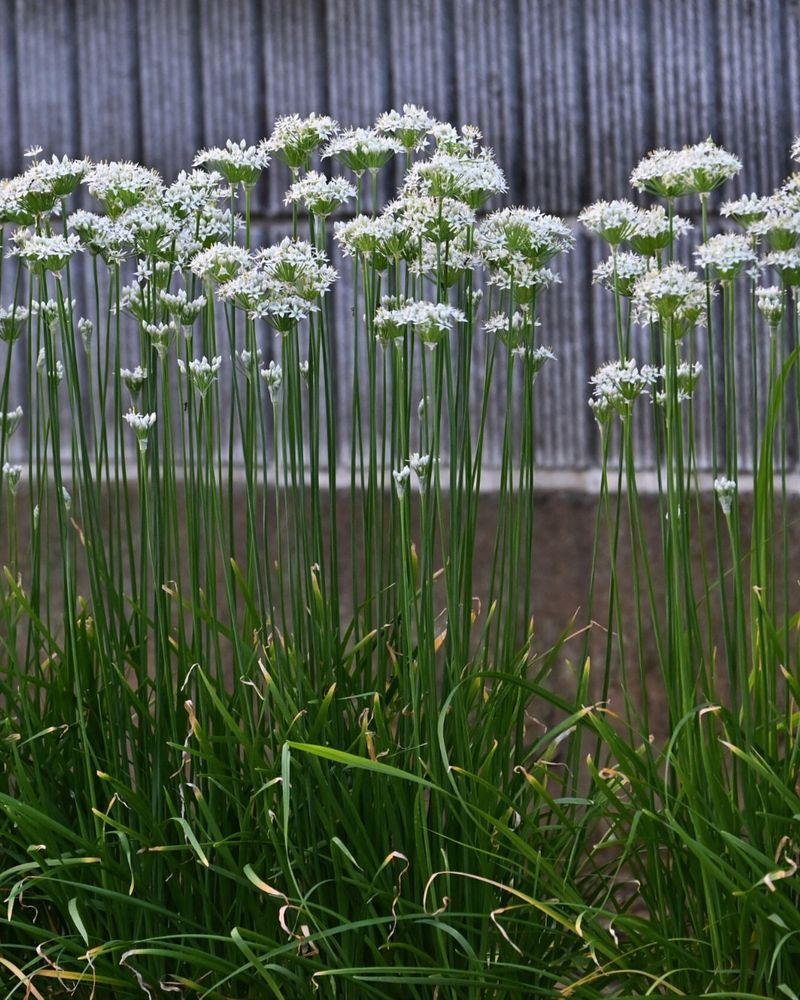
Garlic is not subtle, and that’s the whole point. Sulfur compounds released by garlic plants and ornamental alliums create a sharp, lingering odor that rodents find genuinely intolerable.
Rats rely heavily on scent to navigate and locate food, so an area saturated with garlic smell becomes somewhere they actively try to avoid.
In Arizona, garlic bulbs are typically planted in fall and harvested in spring, which gives you several months of in-ground protection during a season when rodent activity can be high.
Ornamental alliums are another option if you want the repellent benefit with more visual interest.
Their globe-shaped purple flowers look striking against Arizona’s desert landscape while doing the same job underground and in the air around them.
Plant garlic or alliums near vegetable beds, fruit trees, or anywhere you’ve noticed rodent trails or droppings. Spacing them throughout the garden rather than clustering them all in one spot gives you wider coverage.
After harvest, don’t toss the garlic tops immediately. Leaving them to dry near the garden for a short time continues to release sulfur compounds.
It’s a small thing, but every bit of scent reinforcement helps in a yard where rats are testing boundaries.
7. Sage Leaves Release A Scent That Keeps Rodents Back
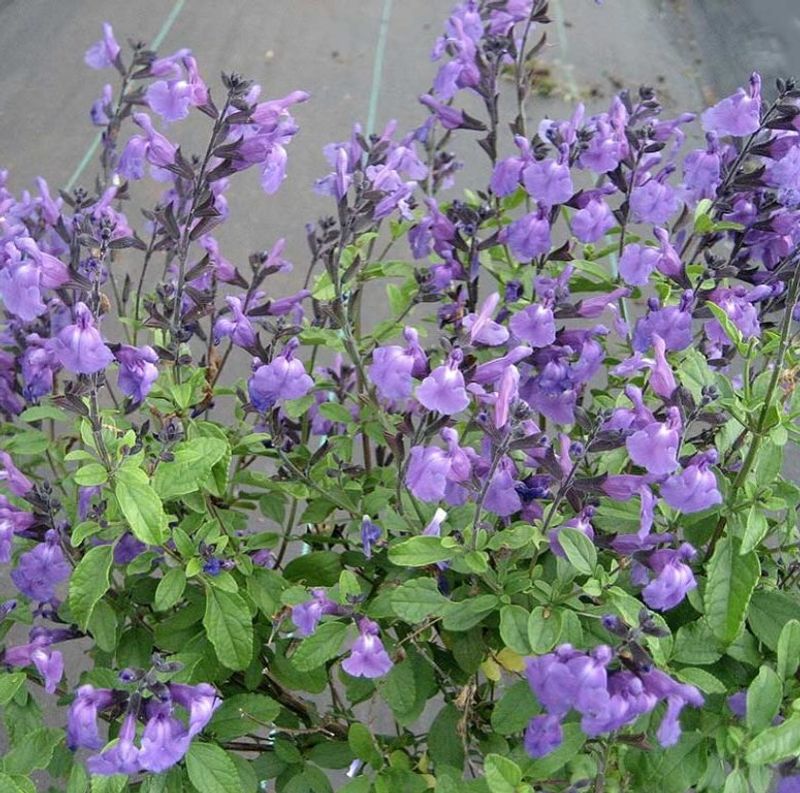
Sage has been growing in Arizona landscapes long before anyone started thinking of it as a pest deterrent.
Native varieties like desert sage are practically built for this climate, and their aromatic oils are potent enough to make rodents uncomfortable in areas where the plant is thick.
The smell is earthy and sharp in a way that rats simply don’t tolerate well.
Both culinary sage and native desert sage varieties work for this purpose. Culinary sage produces a stronger concentrated fragrance from its leaves, while native varieties spread more naturally and cover more ground over time.
Either way, planting them along borders or near structures where rats might look for shelter adds a scent layer that complements other repellent plants in your yard.
Sage is drought-tolerant once it gets established in Arizona soil, but it needs decent drainage. Heavy clay soil or areas that hold water after monsoon rains can cause root problems.
Plant in raised beds or mounded soil if drainage is an issue in your yard. Trim sage back after flowering to encourage bushier growth, which also means more leaf surface area releasing fragrance.
Consistent pruning keeps the plant from getting leggy and keeps the scent output strong through the season.
8. Eucalyptus Produces Oils That Deter Garden Pests
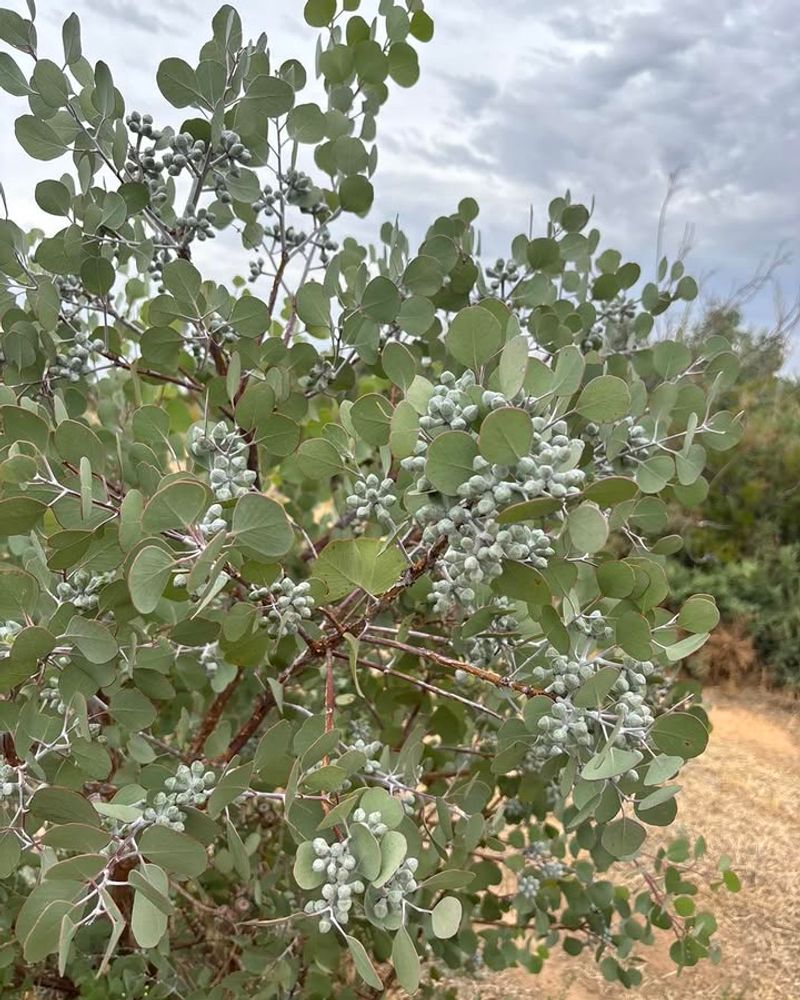
Eucalyptus oil is one of the most potent natural scents on the planet, and rats want absolutely nothing to do with it. The cineole compounds in eucalyptus leaves are sharp and medicinal in a way that overwhelms rodent senses.
Arizona homeowners near Scottsdale and Mesa have started adding dwarf eucalyptus varieties to their landscapes specifically for this reason.
Full-sized eucalyptus trees can grow very large, so most residential Arizona gardeners are better off with compact varieties or using fresh-cut eucalyptus branches placed strategically around garden areas.
Dwarf lemon-scented gum is one variety that stays manageable while still producing the aromatic oils that repel pests.
Plant in full sun with good drainage and it handles Arizona summers without much fuss.
Eucalyptus won’t eliminate a serious rodent infestation on its own. No single plant will.
But as part of a layered planting approach, it adds a strong scent dimension that most other plants can’t match in intensity. Refresh cut branches every week or two if you’re using them as moveable deterrents near sheds or compost bins.
Living plants provide continuous coverage as long as they’re healthy and actively growing through Arizona’s warmer months.
9. Daffodils Contain Compounds That Make Them Unappealing To Rodents
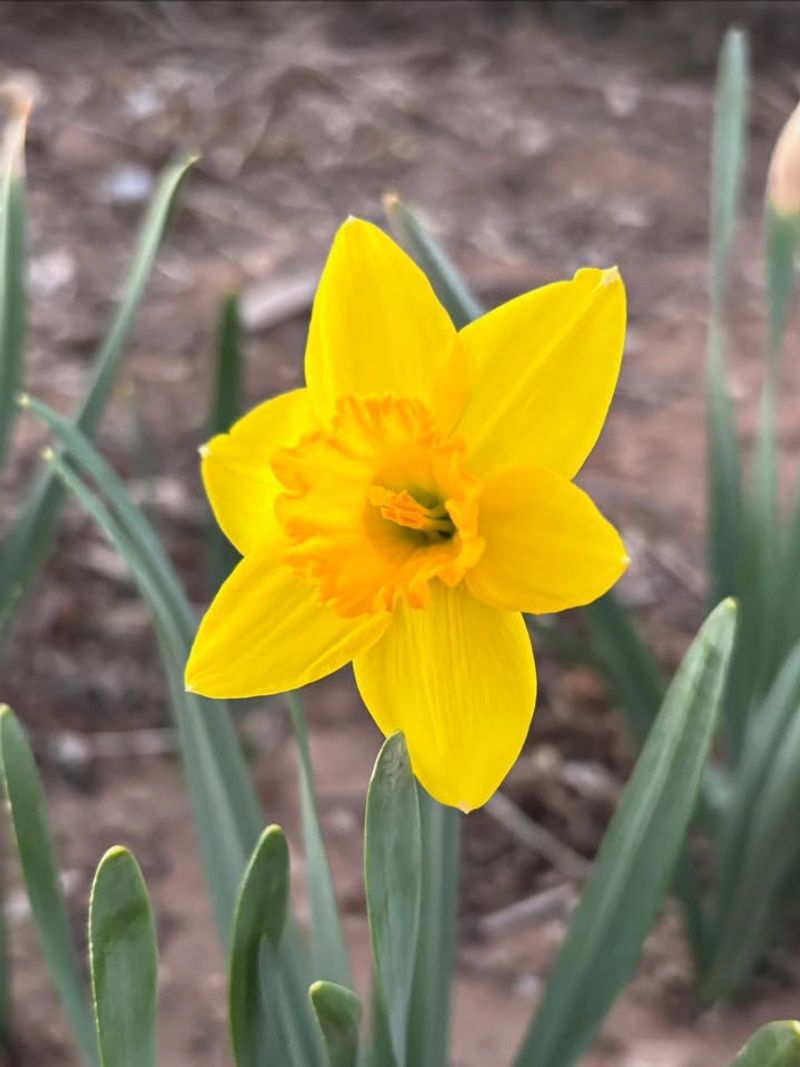
Daffodils carry a quiet secret that makes them particularly useful in an Arizona garden. Every part of the plant contains lycorine and other alkaloids that rats instinctively avoid.
Unlike scent-based deterrents that depend on oil concentration, daffodils work through compounds that rodents seem hardwired to detect and steer clear of, even when the scent isn’t overpowering to humans.
Plant daffodil bulbs in the fall in Arizona, typically between October and December depending on your elevation.
They bloom in late winter to early spring, which is exactly when rodent activity picks up after cooler months.
Tucson and higher-elevation Arizona gardens tend to get better daffodil performance than low-desert Phoenix areas, where winters can be too mild for the bulbs to perform reliably.
Cluster daffodils around the perimeter of vegetable beds or near the base of fruit trees where rats tend to dig and forage. They don’t need constant attention once planted and will naturalize over several seasons if conditions suit them.
Keep in mind they’re toxic to dogs and cats too, so placement matters if you have pets. Used thoughtfully, daffodils offer one of the more passive, low-effort deterrent options available to Arizona gardeners looking to reduce rodent pressure naturally.