7 Arizona Native Trees You’ll Almost Never Find At A Nursery
Most Arizona yards end up with the same few trees, and it is not because those are the only ones that can handle the climate.
Nurseries tend to stock what sells fast, which leaves a long list of native trees out of sight even though they are built for heat, dry soil, and tough conditions.
That pattern shapes entire neighborhoods without most people even noticing. Stronger, better adapted options stay overlooked while more common choices take over, even when they need more care or struggle over time.
There is a whole side of Arizona planting that rarely gets attention, and it starts with trees that simply do not show up on nursery lots. Some of them offer shade, structure, and long term reliability without constant upkeep, which makes them worth a closer look.
Once those lesser known natives come into focus, the usual tree selection starts to feel limited in comparison.
1. Desert Ironwood Stays Tough In Extreme Arizona Heat
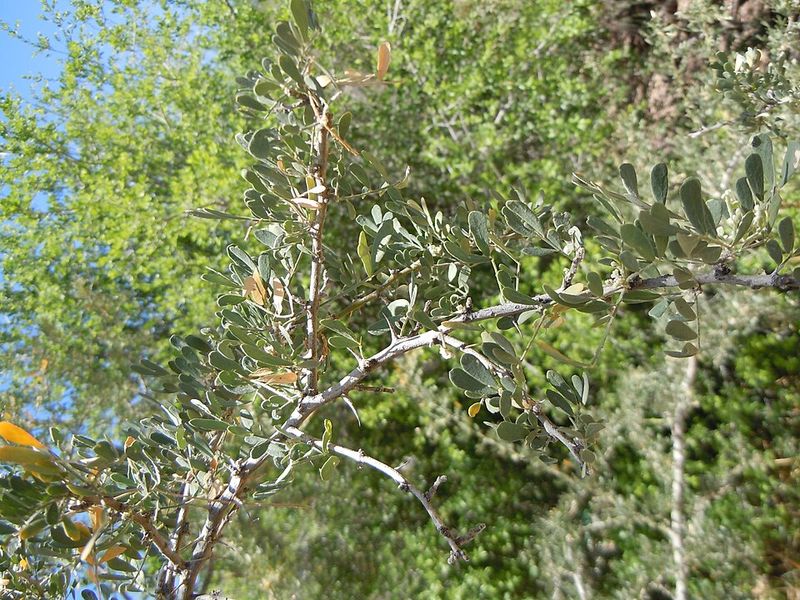
Forget everything you think you know about slow-growing trees being a bad investment. Desert Ironwood has been quietly standing in the Sonoran Desert for centuries, and some specimens are estimated to be over 800 years old.
That kind of staying power is hard to argue with.
Olneya tesota earns its name honestly. Its wood is so dense it actually sinks in water, making it one of the hardest woods on the continent.
In late spring, the tree bursts into small clusters of purple flowers that attract native bees and other pollinators in a serious way. It’s a whole ecosystem wrapped in bark.
In Arizona’s low desert zones, this tree pulls double duty as a nurse plant — meaning it shelters younger, more vulnerable plants beneath its canopy during the brutal summer months.
Saguaros and other cacti frequently sprout under ironwood canopies for exactly that reason.
Finding one at a nursery is genuinely rare. Because it grows so slowly, most commercial growers don’t bother.
Your best bet is reaching out to Tucson-area native plant sales or the Arizona Native Plant Society. Planting a young ironwood in well-drained, rocky soil with full sun gives it the best start.
Don’t expect fast results — this tree rewards patience over years, not weeks. But once it’s settled into your landscape, it becomes one of the most dependable, wildlife-friendly trees you can have in a low-desert Arizona yard.
It handles extreme heat, poor soil, and long dry stretches without constant care, which makes it a reliable choice for tough Arizona conditions.
Over time, it becomes a lasting anchor in the landscape, offering shade, habitat, and structure that only improves with age.
2. Netleaf Hackberry Handles Poor Soil Without Struggle
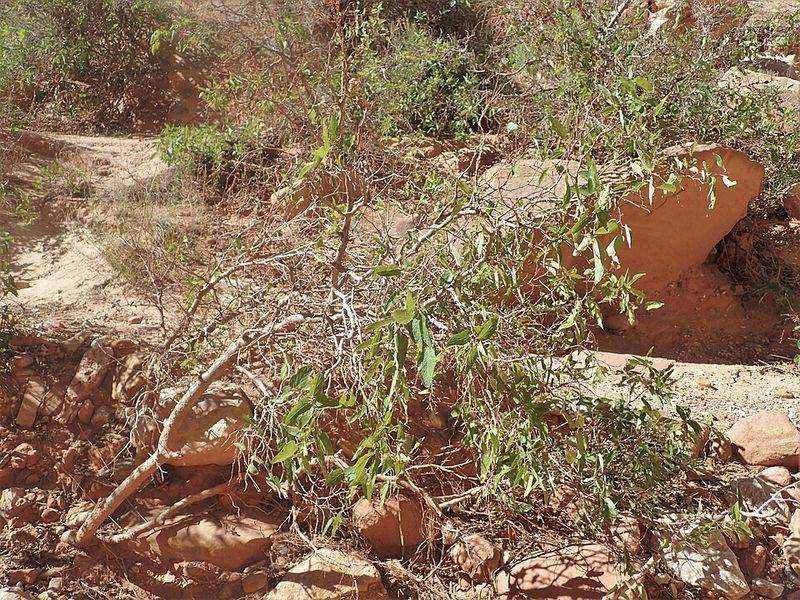
Rocky, compacted, nutrient-poor ground that would frustrate most trees is basically home turf for Netleaf Hackberry. Celtis reticulata grows across Arizona’s foothills and canyon edges where conditions are far from ideal, and it doesn’t seem to mind one bit.
Your Arizona Garden Changes Every Week. Your Plan Should Too.
Gardening in Arizona changes quickly throughout the season. Every Friday you’ll receive a simple weekly plan showing exactly what to plant, prune, fertilize, harvest, and protect so you never miss the right timing.
What makes this tree particularly useful is its leaf texture. The leaves are rough and sandpapery with deeply impressed veins — hence the name “netleaf.” It’s a distinctive look that sets it apart from the smoother-leaved trees you’d typically see at a garden center.
Birds absolutely flock to the small orange-red berries it produces in fall, making it a solid choice if attracting wildlife to your property matters to you.
Hackberry is surprisingly cold-hardy for an Arizona native, handling temperature swings across the state’s mid-elevation zones — roughly 3,000 to 6,000 feet — without much trouble.
It leafs out reliably in spring and holds its foliage through summer, providing decent shade during the hottest months.
You won’t often find it at mainstream nurseries because it’s just not a flashy tree. No showy flowers, no dramatic form — just solid, dependable growth in tough spots.
Native plant sales hosted by groups like the Arizona Native Plant Society are your most reliable source. Plant it in a spot with decent drainage and some room to spread, and step back.
It doesn’t need much fussing once it gets going, and it’ll reward you with years of steady, quiet usefulness in an Arizona landscape.
Once established, it also handles drought with ease, settling into the landscape in a way that feels natural rather than forced.
3. Arizona Walnut Grows Fast Where Water Is Available
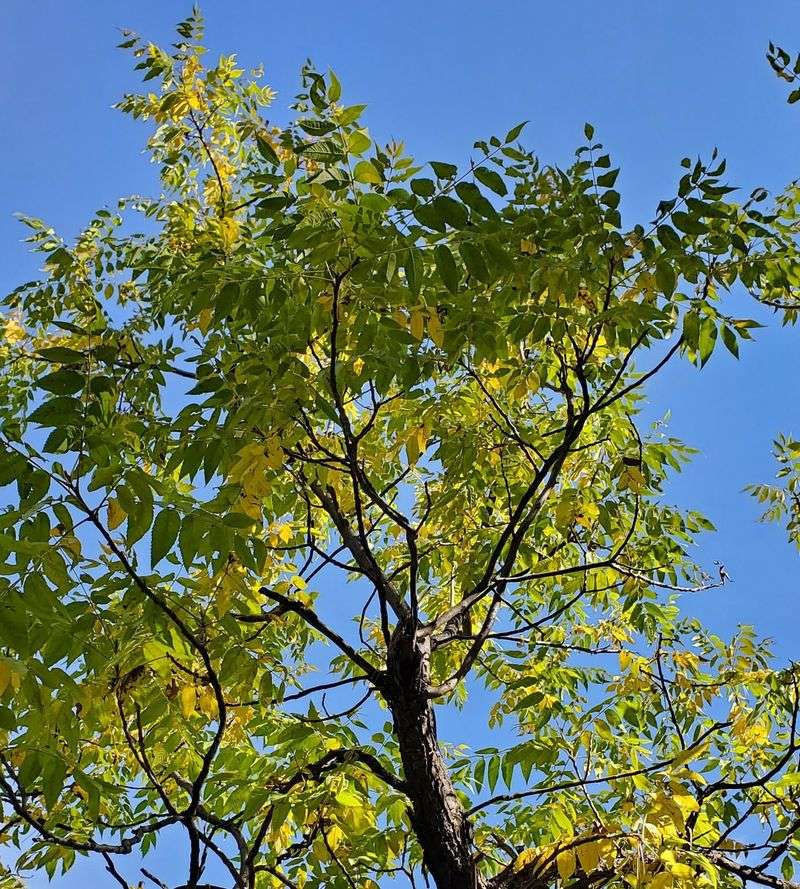
Among Arizona’s native trees, the walnut is an underdog with serious potential. Juglans major can put on real growth in a relatively short time when it has access to seasonal moisture — along washes, creek banks, or spots where runoff collects naturally after monsoon rains.
It typically develops a wide, rounded crown and often forks low on the trunk, giving it a sprawling, character-filled silhouette.
Elevations between 4,500 and 6,000 feet suit it best, which means it’s a natural fit for communities around Prescott, the White Mountains, and parts of southeastern Arizona.
The leaves are long and pinnate — similar to a pecan’s — and they turn a warm yellow before dropping in fall.
The small, round walnuts it produces aren’t much to look at compared to grocery store varieties, but wildlife treats them like gold. Squirrels, birds, and even black bears have been documented feeding on Arizona walnut nuts.
The shells are thick and hard, so cracking them for human use takes some effort, but it’s doable.
Nurseries skip this one mostly because it has a taproot that makes container growing tricky. Transplanting an established tree rarely works well.
Starting from seed or sourcing a young sapling from a reputable native plant program in Arizona gives you the best shot at success. Plant it somewhere it can spread out, give it access to occasional deep watering during dry stretches, and it can become a genuinely impressive tree over time.
With the right placement near natural water flow, it settles in quickly and becomes a strong, shade-casting tree that feels right at home in Arizona’s rugged landscapes.
4. Velvet Ash Thrives Near Moist Areas In Arizona Landscapes
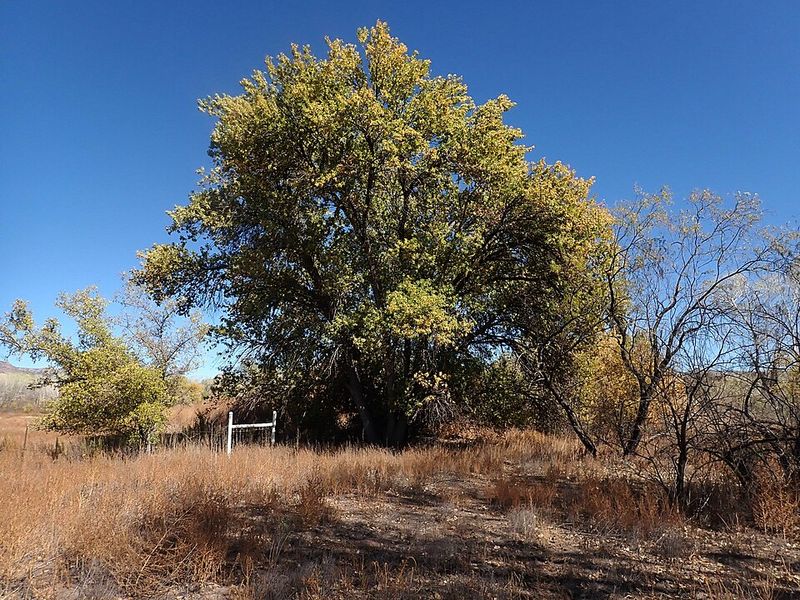
Soft, velvety leaf undersides are the giveaway. Fraxinus velutina — Velvet Ash — gets its name from the fine hairs covering its leaves, a small adaptation that helps reduce moisture loss in Arizona’s dry air.
It’s a detail most people miss until they actually touch one.
Along canyon streams, riparian corridors, and low-lying areas where water lingers after monsoon season, Velvet Ash finds its groove. It can grow to around 30 to 40 feet under good conditions, producing a canopy broad enough to cast real shade.
In fall, the leaves shift to yellow and occasionally orange before dropping — a genuinely pleasant display by desert standards.
Wildlife interaction with this tree is worth noting. Ash seeds, called samaras, spin down in clusters and get picked apart by finches and other small birds.
The dense canopy also provides nesting cover during spring and early summer when bird activity in Arizona is at its peak.
Getting one established outside its natural riparian zone takes some extra thought. It needs more water than a typical desert-adapted tree, so placement near a downspout, rain garden, or low spot where runoff collects naturally makes a real difference.
Full sun works fine, but afternoon shade in the hottest low-desert zones can help reduce stress during peak summer heat.
Specialty native plant nurseries in central and southern Arizona sometimes carry them, but availability is inconsistent. Checking in before monsoon season — when growers tend to stock up — improves your chances of finding one.
Once established in the right spot, it grows steadily and rewards that extra water with dense shade that’s hard to match in Arizona’s drier landscapes.
5. Mexican Blue Oak Holds Up In Dry Southern Arizona Conditions
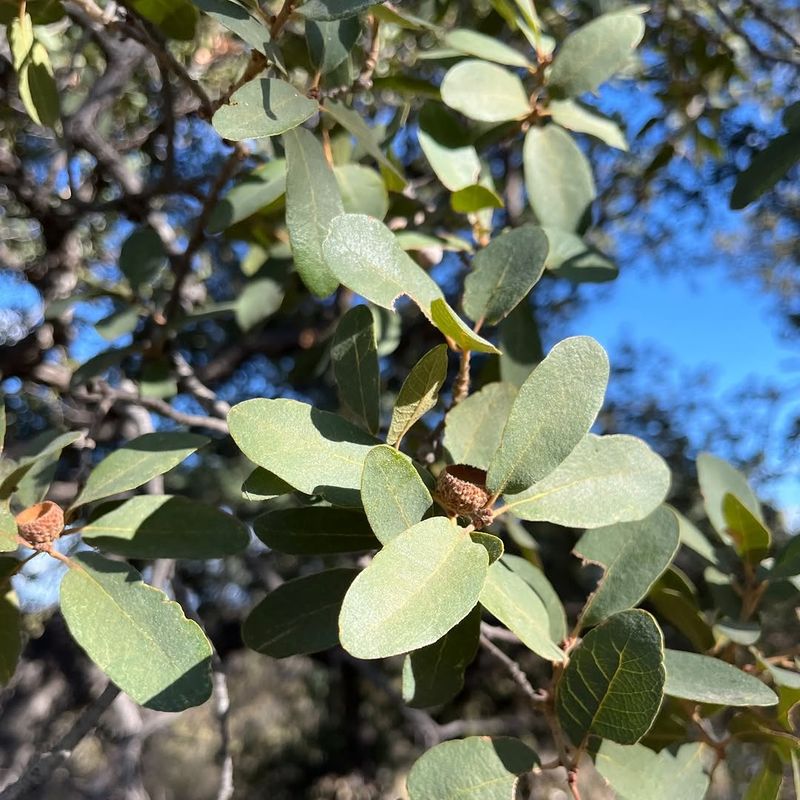
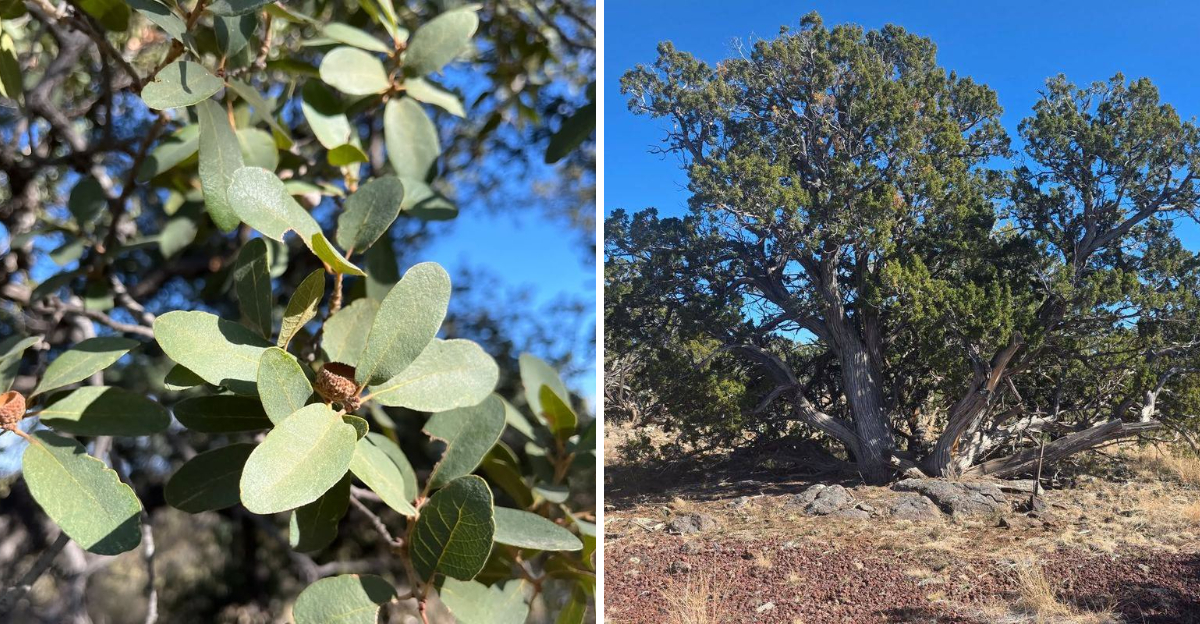
Blue-gray leaves on an oak sound almost too interesting to be real, but Quercus oblongifolia pulls it off without trying.
The color comes from a waxy coating that reflects harsh sunlight and slows moisture loss — a genuinely clever adaptation for life in southern Arizona’s sky island mountain ranges.
Mexican Blue Oak tends to grow as a medium-sized tree, usually topping out somewhere between 20 and 35 feet depending on site conditions. It’s semi-evergreen, meaning it holds most of its leaves through winter and drops them briefly in early spring before new growth pushes out.
That overlap period gives it a slightly shaggy look for a few weeks, which some people find charming and others find odd.
In places like the Huachuca Mountains, the Chiricahuas, and the Santa Ritas, this oak is a cornerstone species.
Acorns produced by Mexican Blue Oak are a critical food source for wildlife — mule deer, Coues white-tailed deer, wild turkeys, and acorn woodpeckers all depend on them through fall and winter months.
Sourcing this tree is where things get complicated. Most nurseries in Arizona don’t stock it because demand is low and growth is slow enough that it sits on shelves too long to be profitable.
Native plant sales in Tucson and Sierra Vista occasionally have small specimens available. Acorns collected fresh in fall can also be planted directly and germinate reasonably well with some patience and protection from rodents early on.
6. Alligator Juniper Stands Out With Its Thick Checkered Bark
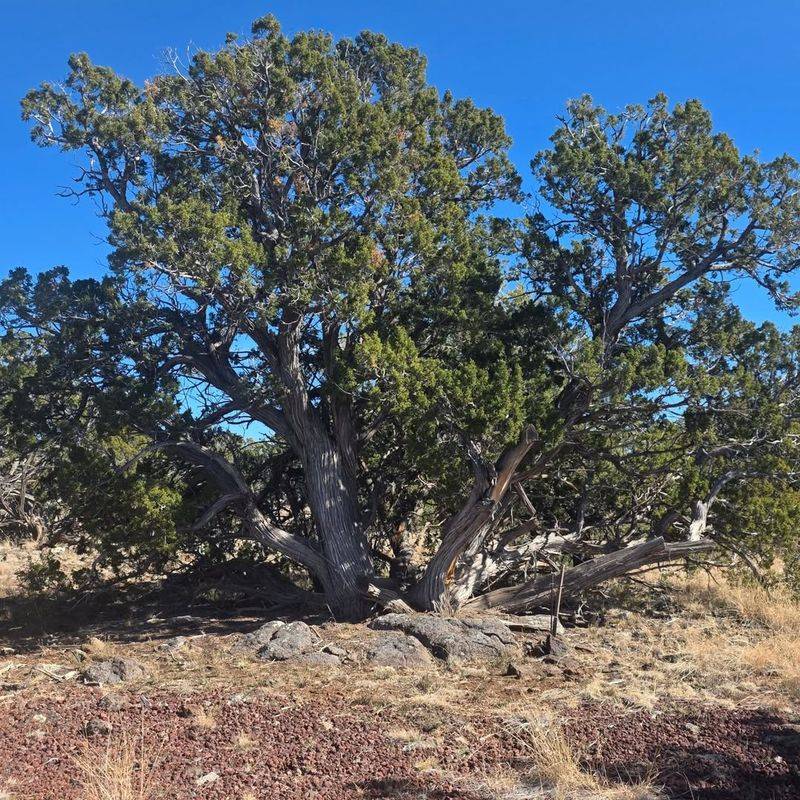
No other tree in Arizona wears its bark quite like this one.
Alligator Juniper gets its name from the deeply furrowed, rectangular bark plates that cover its trunk — an almost comically perfect resemblance to alligator skin that makes it instantly recognizable in the field.
Juniperus deppeana grows primarily in Arizona’s higher elevation zones, roughly between 4,500 and 8,000 feet, where it shares space with ponderosa pine, Gambel oak, and other mountain species. It’s a stocky, wide-spreading tree that can live for several hundred years under the right conditions.
Some large specimens found across central and southeastern Arizona have trunks wide enough that two people can’t wrap their arms around them.
Berry-like cones — technically called seed cones — are larger than those of other junipers, measuring about a half-inch across. They’re a reddish-brown color when ripe and attract a variety of birds and mammals.
Mule deer browse the foliage, and smaller birds use the dense canopy for cover through winter.
Commercial nurseries almost never carry Alligator Juniper. Transplanting established trees is nearly impossible due to their deep root systems, and growing them from cuttings is notoriously difficult.
Seed germination works but requires cold stratification and patience — sprouting can take months.
Your most realistic path to getting one is through university extension programs, native plant societies in the Flagstaff or Prescott areas, or collecting and planting fresh seed in fall in a prepared spot with good drainage and full sun exposure.
7. Arizona Sycamore Brings Shade Along Desert Waterways
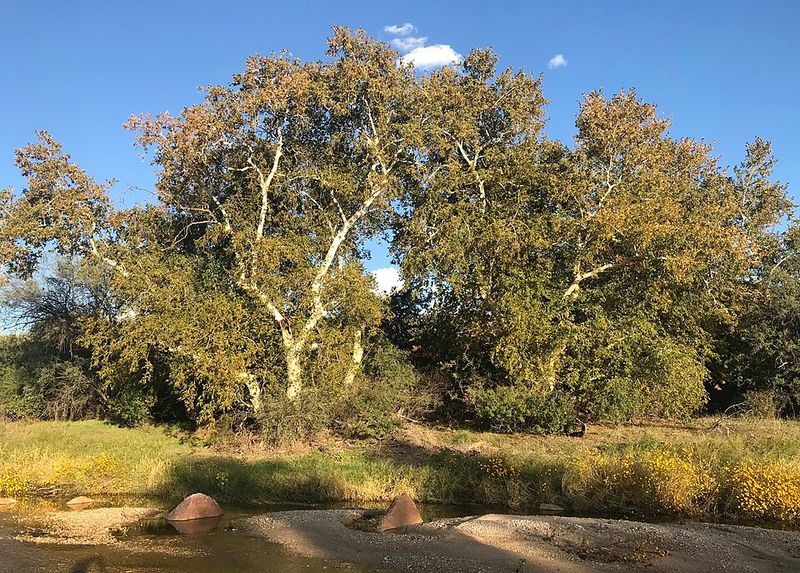
Platanus wrightii is hard to miss once you know what you’re looking for.
That bold patchwork of white, tan, and gray bark — peeling off in irregular chunks to reveal lighter layers underneath — makes the Arizona Sycamore one of the most visually striking trees in the entire state.
It grows large, sometimes reaching 80 feet in height with a canopy spread to match, and it does most of its growing along permanent or seasonal streams in canyon settings.
Oak Creek Canyon near Sedona, Aravaipa Canyon, and the riparian corridors of the Chiricahua Mountains all host impressive stands.
The star-shaped leaves are big and bold, giving the tree a tropical feel that seems almost out of place in the desert Southwest.
Shade output from a mature Arizona Sycamore is substantial. Sitting under one on a hot Arizona afternoon feels noticeably cooler than standing in the open — the canopy is that dense.
Birds nest in the upper branches, and the hollow cavities that form in older trunks become prime real estate for owls and other cavity-nesting species.
Nurseries skip it for practical reasons: it needs consistent moisture, grows large fast, and doesn’t fit the typical suburban landscape pitch. But for properties with a wash, a seasonal creek, or even a low-lying area that catches runoff, it’s worth pursuing.
Check with native plant programs through the University of Arizona Cooperative Extension or Tucson Botanical Garden for availability, and plant it where its roots can eventually reach reliable moisture.