This Native Groundcover Is Replacing Grass In Arizona Front Yards
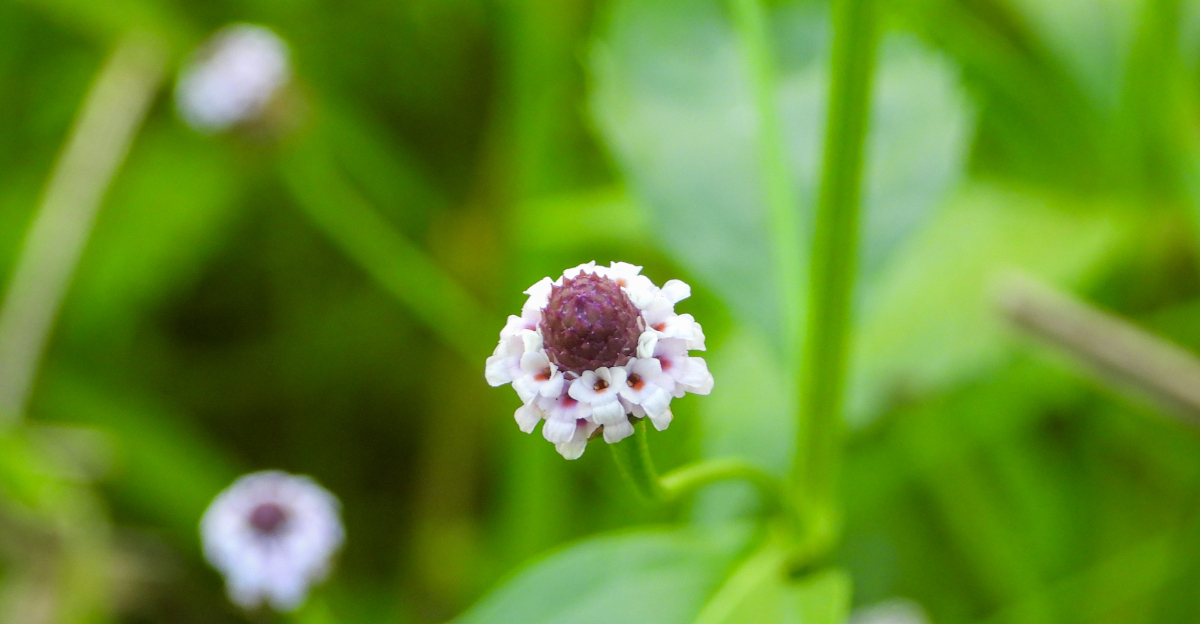
Grass struggles in Arizona front yards, and it shows fast once heat and dry soil take over. Patches thin out, water use climbs, and the effort to keep it looking decent never really pays off.
Many homeowners reach a point where it stops making sense to keep pushing for results that never last.
Something quieter has started to take its place, and it fits the climate far better without constant attention.
This shift is not about giving up on curb appeal, it is about choosing something that holds up through long stretches of heat while still looking clean and intentional.
More Arizona yards now reflect that change, and the difference stands out right away once you notice it. The surface stays fuller, the maintenance drops, and the overall look feels more natural for the region.
One simple switch can completely change how a front yard performs over time.
1. Frogfruit Starts Showing Up More In Arizona Front Yards
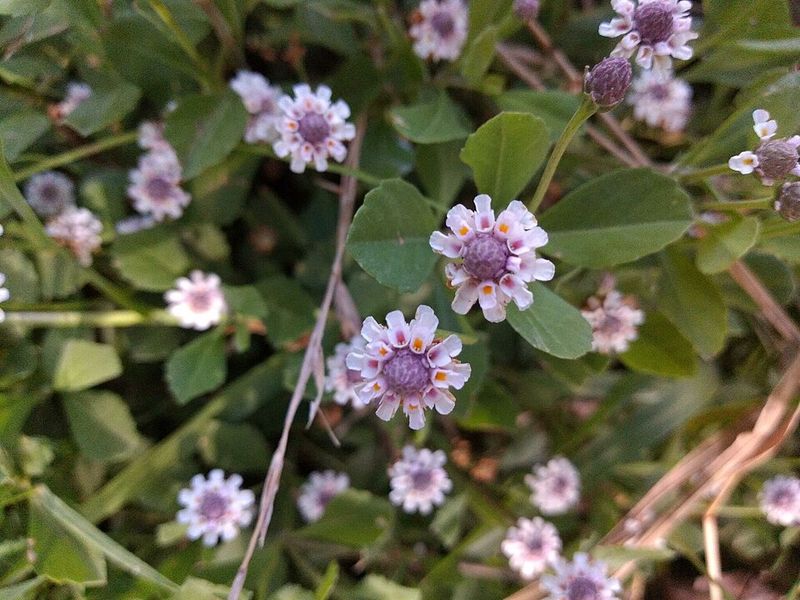
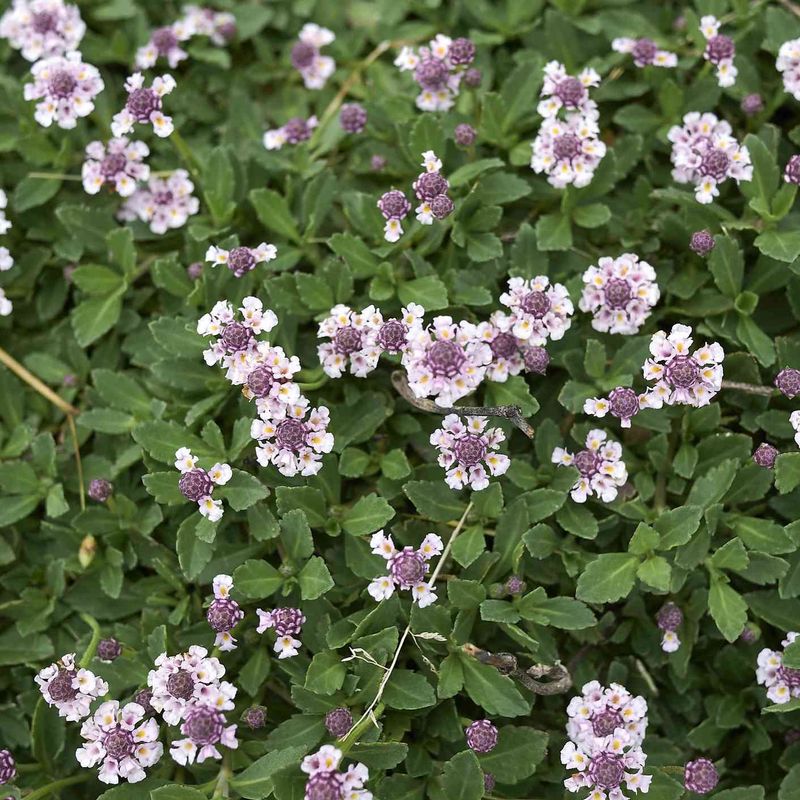
Frogfruit has been quietly spreading across Arizona front yards, and once you know what it looks like, you will start spotting it everywhere. Phyla nodiflora is a flat, mat-forming plant that hugs the ground and fills in bare spots with a dense green layer.
It does not shoot up tall or get leggy, which is exactly why Arizona homeowners are paying attention to it.
In the Phoenix and Tucson areas, it grows well in full sun and handles the brutal summer heat without much drama. It slows down a little during the coldest weeks of winter but bounces back reliably as temperatures climb again in spring.
Most yards in the low desert see it stay green for a good chunk of the year.
Compared to bermudagrass, frogfruit needs significantly less water to stay looking decent. It is not completely drought-proof, but it is far more efficient.
During the cooler months, you can stretch watering intervals considerably. In summer, it still needs some moisture, but not nearly as much as a traditional lawn.
Planting it is fairly straightforward. Plugs or flats work better than seed for most people, and the plants spread on their own once they settle in.
Give them decent drainage and full sun, and they tend to fill in within one growing season. Sandy or loamy soil common across many Arizona yards suits it well.
It is not a perfect solution for every yard, but for flat, sunny spaces, it is a genuinely practical choice worth considering.
2. Fast Growth Helps Cover Bare Soil Without Much Effort
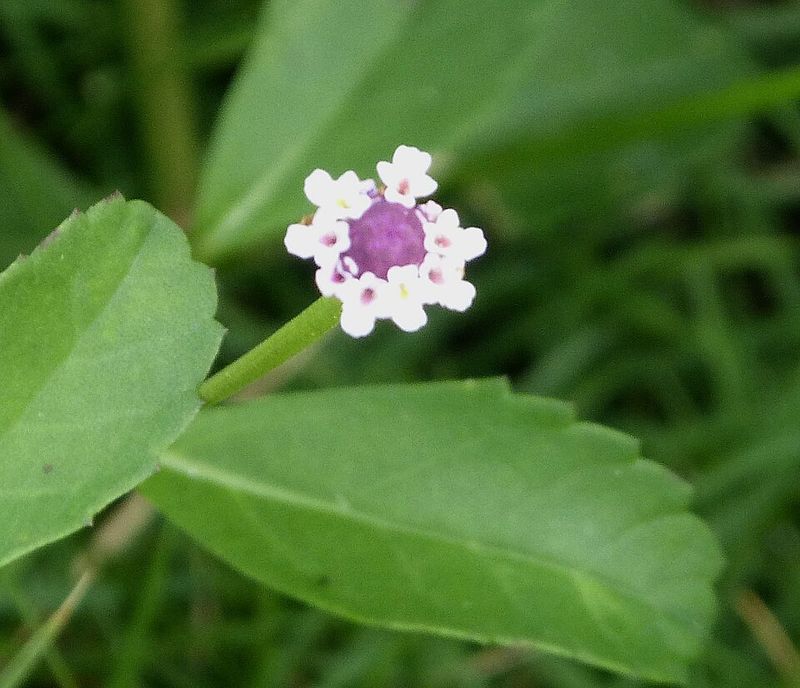
Bare soil in an Arizona yard is not just ugly, it is an invitation for weeds. Frogfruit moves fast enough to close those gaps before most opportunistic plants get a foothold.
That spreading habit is one of the biggest reasons it has caught on with Arizona homeowners who are tired of fighting weeds in their front landscaping.
Stolons, which are the horizontal stems frogfruit sends out along the ground, root down wherever they touch soil. Each rooted point becomes a new plant, and that chain reaction keeps going outward until it hits something like a rock border or a sidewalk edge.
Your Arizona Garden Changes Every Week. Your Plan Should Too.
Gardening in Arizona changes quickly throughout the season. Every Friday you’ll receive a simple weekly plan showing exactly what to plant, prune, fertilize, harvest, and protect so you never miss the right timing.
In warm Arizona weather, this process moves noticeably faster than in cooler climates.
A single flat of plugs planted in spring can cover a surprisingly large area by fall in the low desert. Results vary depending on soil prep, watering frequency, and how much sun the area gets.
Shadier spots slow things down, and compacted caliche soil can limit spread unless you loosen it up first.
Filling in around existing desert plants like agaves or palo verde trees is another area where frogfruit works well. It threads between rocks and plants without needing much guidance.
You do not have to reshape your entire yard to use it. Starting with a section of bare ground and letting it expand naturally is a common approach Arizona gardeners take.
Patience helps, but the plant does most of the work on its own once it gets going in the right conditions.
3. Strong Heat Tolerance Makes It Reliable In Harsh Conditions
Summers in Arizona are not gentle. Soil surface temperatures can exceed 150 degrees Fahrenheit on a cloudless July afternoon, and most traditional lawn grasses struggle visibly under that kind of pressure.
Frogfruit handles the heat better than many alternatives, though it is not invincible. Consistent watering still matters, especially during the hottest stretches of the year.
What sets it apart is how it responds after a heat wave. Bermudagrass and other common lawn options often show stress damage that takes weeks to recover from.
Frogfruit tends to hold its color and structure more consistently through the peak summer months in the Phoenix and Tucson areas, provided it is not completely dried out.
The plant is native to warm regions and has adapted to intense sun exposure over a long time. Its low profile keeps most of the leaf surface close to the ground, where it benefits from slightly cooler air near the soil.
That growth habit is not just aesthetic, it actually helps the plant manage heat stress more efficiently.
Caliche layers, which are common in many Arizona yards, can be a real obstacle. Water pools above caliche instead of draining through, which can stress roots even when you are watering regularly.
Breaking through that layer before planting makes a significant difference. Raised planting areas or amended beds with better drainage give frogfruit a stronger start in yards where caliche is an issue.
Heat tolerance is a real advantage, but soil conditions still play a big role in how well it performs.
4. A Naturally Low Shape Keeps Maintenance Simple
Mowing is one of the biggest time costs of owning a grass lawn in Arizona. Frogfruit mostly removes that task from the equation.
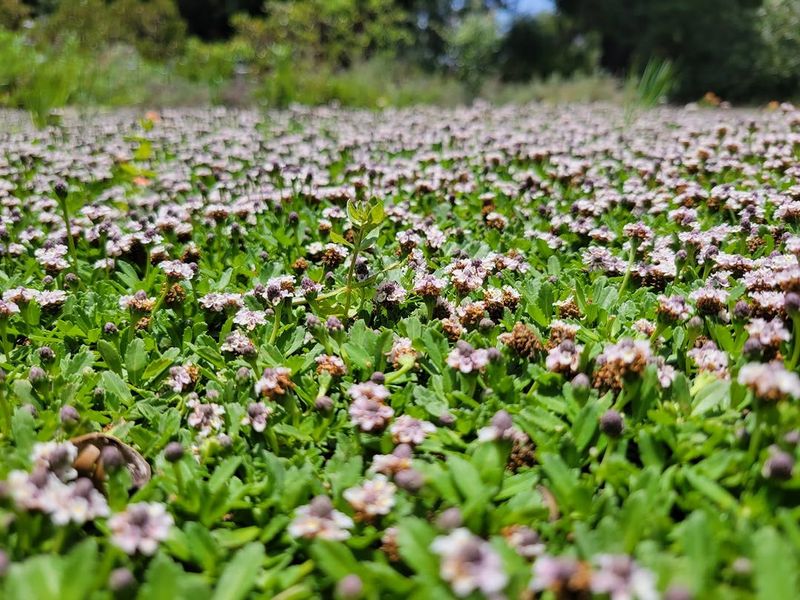
It stays naturally low, typically under two inches tall, without any trimming needed. Edges near sidewalks or driveways may need occasional attention, but the bulk of the plant takes care of itself vertically.
That low, flat growth is not something you have to train or manage. The plant just grows that way.
It does not send up tall seed stalks the way some groundcovers do, and it does not clump or bunch unevenly. From a distance, a healthy frogfruit patch has a fairly uniform look that reads as tidy without requiring constant attention.
Border maintenance is probably the main ongoing task most Arizona homeowners deal with. Where frogfruit meets gravel, hardscape, or garden beds, it will try to creep outward.
A simple edging strip or periodic hand-pulling keeps it in check. Some people actually appreciate how it fills cracks along pavers, while others prefer to keep it contained.
Either approach works depending on your preference.
Fertilizing is not usually necessary, especially in Arizona soils that already carry some nutrients. Overfeeding can actually push too much leafy growth and weaken the plant’s natural spreading pattern.
A light application of a balanced fertilizer in early spring is plenty if the soil is particularly poor. Watering deeply but less frequently encourages roots to go deeper, which builds a stronger plant that holds up better through dry spells between irrigation cycles.
5. Small Flowers Attract Pollinators Without Overpowering The Yard
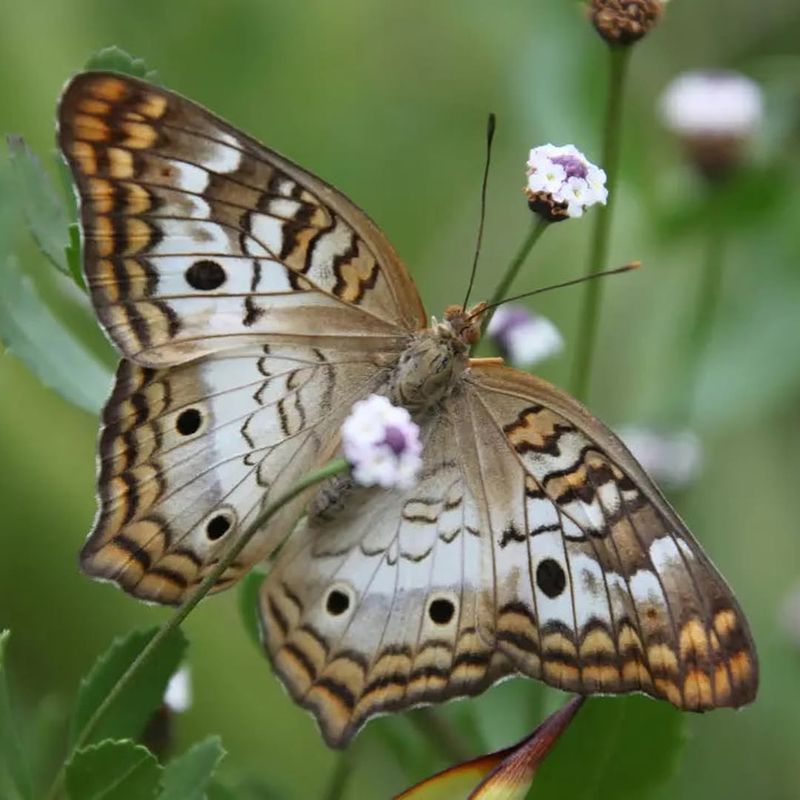
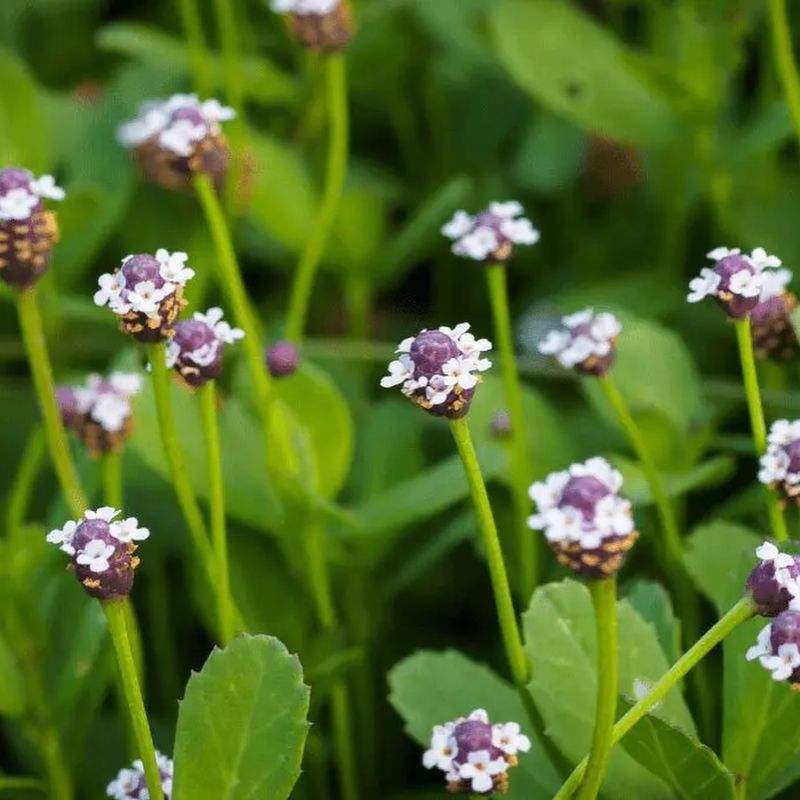
Scattered across a frogfruit mat, the small white and pale pink flowers are easy to overlook at first glance. Up close, though, they are busy with activity.
Bees, skippers, and small native butterflies visit them regularly throughout the blooming season, which in Arizona can stretch from spring well into fall depending on temperatures and water availability.
Frogfruit is actually a known larval host plant for certain butterfly species, including the white peacock and phaon crescent. That means it supports more than just adult pollinators looking for nectar.
For anyone trying to bring more wildlife into a front yard without installing a full pollinator garden, this is a practical way to do it without changing the yard’s overall appearance dramatically.
The flowers stay small and close to the ground, so they do not dominate the visual picture. A frogfruit lawn still reads as a green groundcover from the street.
You have to get closer to notice the bloom detail. That subtlety is actually a selling point for homeowners who want ecological function without a wildflower-meadow look that might clash with neighboring properties or HOA expectations.
In Tucson and the Phoenix area, blooming activity tends to peak in late spring and again in early fall when temperatures ease slightly. Midwinter bloom activity slows considerably.
Consistent moisture during these peak periods encourages heavier flower production.
Cutting back irrigation during the hottest part of summer, while still maintaining enough to keep the plant healthy, can actually extend the blooming period once temperatures drop back into a comfortable range in September and October.
6. It Can Handle Occasional Foot Traffic In Low-Use Areas
Grass lawns have always had one practical edge over most groundcovers: you can walk on them. Frogfruit narrows that gap more than most people expect.
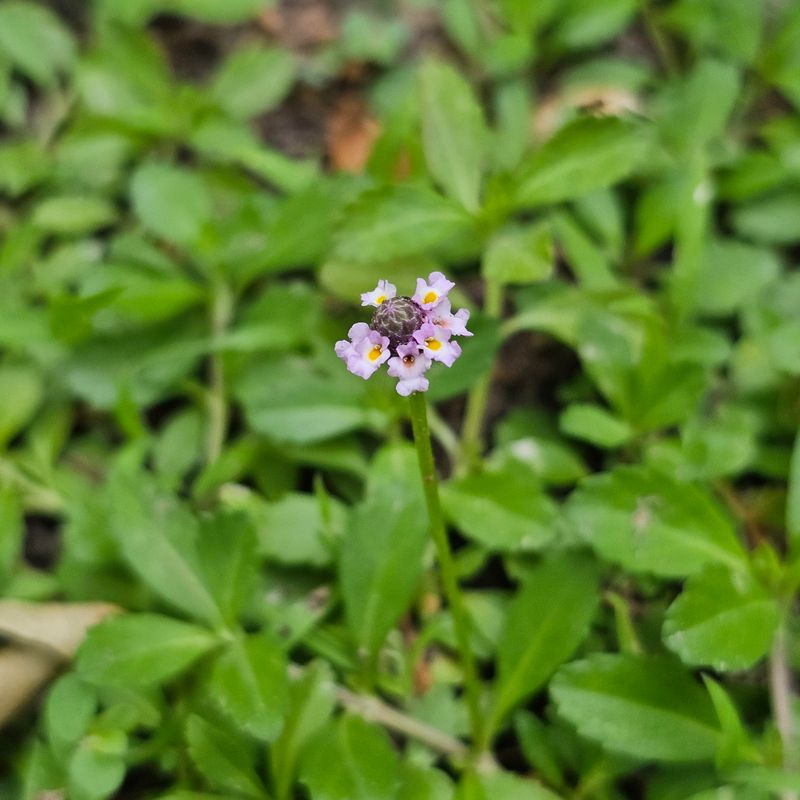
It holds up reasonably well under light to moderate foot traffic, which makes it a workable option for front yards where people occasionally cut across the lawn or kids pass through.
It is not a sports field. Regular heavy use, like a backyard play area or a path that gets walked multiple times a day, will eventually thin it out.
But for a front yard that sees occasional foot traffic rather than constant activity, it recovers well between uses. The stolons re-root quickly in warm Arizona weather, which helps it fill back in after being compressed or scuffed.
Comparing it directly to bermudagrass in terms of durability would be unrealistic. Bermuda handles high-traffic situations much better.
Frogfruit is better suited to areas where foot traffic is a secondary concern rather than the primary use. If your front yard is mostly decorative with a defined walkway, frogfruit fits that setup well without much compromise.
Planting density affects how well it handles traffic. A thicker, more established mat bounces back faster than a sparse or newly planted area.
Giving it a full growing season before expecting it to handle any regular foot traffic is a reasonable approach.
Most Arizona gardeners find that by the second year, a well-established patch is noticeably tougher and more resilient than it looked in those first few months after planting plugs.
7. Lower Water Use Makes It A Practical Lawn Alternative
Water is the most pressing issue for Arizona homeowners thinking about their landscaping.
Grass lawns are expensive to keep alive here, and with ongoing drought conditions and municipal water restrictions tightening across the state, the math on traditional turf is getting harder to justify.
Frogfruit uses considerably less water than bermudagrass under comparable conditions, though actual savings depend on yard size, soil type, and how the irrigation is set up.
Research from turf and landscape programs has shown that low-water groundcovers like frogfruit can cut outdoor water use significantly compared to conventional lawns.
Numbers vary by study and growing conditions, but reductions of 50 percent or more compared to bermudagrass are commonly cited.
In a place like Phoenix or Scottsdale, that adds up to real money over the course of a year.
Drip irrigation works well with frogfruit once it is established. Overhead sprinklers can also work, but drip systems put water directly at the root zone and reduce evaporation loss, which matters a lot in Arizona’s dry air.
Scheduling irrigation in the early morning reduces surface evaporation further and gives roots time to absorb moisture before afternoon heat kicks in.
Switching from grass to frogfruit will not eliminate your water bill, but it can meaningfully reduce the outdoor portion of it.
Several Arizona municipalities also offer rebates for replacing turf with low-water alternatives, so it is worth checking with your local water provider before starting the project.
That rebate money can help offset the cost of plugs, soil prep, and irrigation adjustments during the transition.