8 Succulents That Root Quickly From Cuttings In Arizona Yards
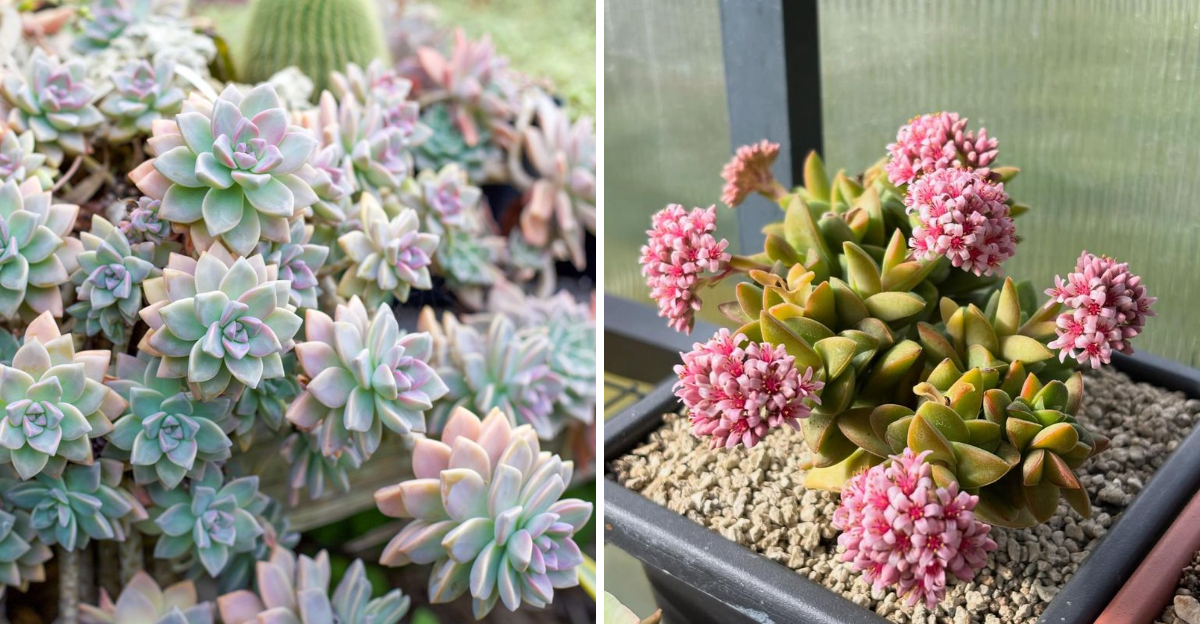
Pieces of a plant can turn into something full and established in Arizona yards, and that still catches people off guard the first time it works. One clean cut, a bit of patience, and suddenly new growth shows up where there was nothing before.
That kind of result feels different from typical planting, especially when success does not depend on constant care. Some succulents respond quickly in Arizona conditions, and once they settle, they hold strong through heat and dry soil without much push.
Gardeners who try this once rarely stop at a single plant. It becomes an easy way to fill gaps, refresh tired spots, or expand a collection without another trip to the store.
There is a certain satisfaction in seeing new plants take shape from what was already on hand, and it often works faster than expected.
1. Jade Plant Roots Easily From Thick Stem Cuttings
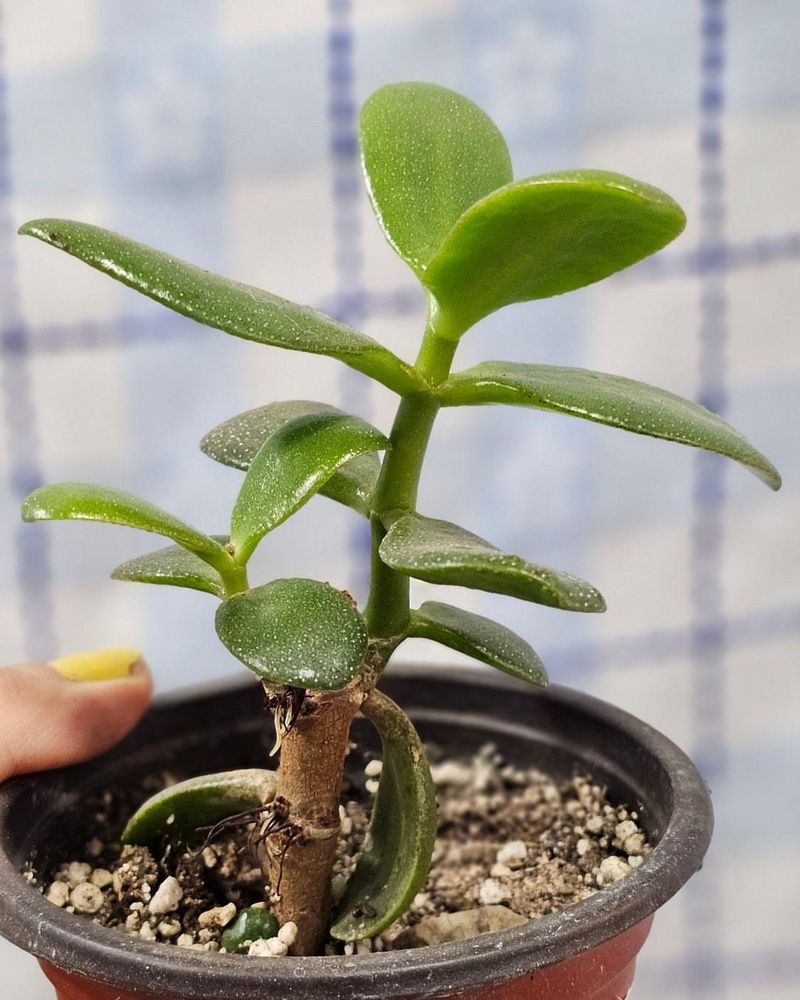
Jade plants are almost stubborn about wanting to survive. Cut a thick stem, set it in a shaded spot for a few days, and it will form a callous on its own without much help from you.
That dried-out end is actually what protects the cutting and gets roots started faster.
In Arizona, the warm nights and low humidity speed up the callousing process compared to cooler states. Once the cut end looks dry and slightly sealed, push it about an inch into gritty, well-draining soil.
Skip watering for the first week so the cutting focuses energy on root growth instead of absorbing moisture it cannot yet process.
Stem cuttings from jade plants that are at least three to four inches long tend to root more reliably than shorter pieces.
Thicker stems carry more stored water and nutrients, which gives the new plant something to draw from while roots are still developing.
Bright indirect light works better than direct afternoon sun during the first few weeks in the Arizona heat.
Roots usually appear within three to five weeks under typical conditions, though timing varies depending on soil temperature and how dry the cutting was kept. Jade plants are forgiving, but soggy soil will slow everything down or cause the cutting to rot before roots ever form.
Patience and dry conditions are your best tools here.
2. Aloe Vera Produces New Roots Quickly In Dry Soil
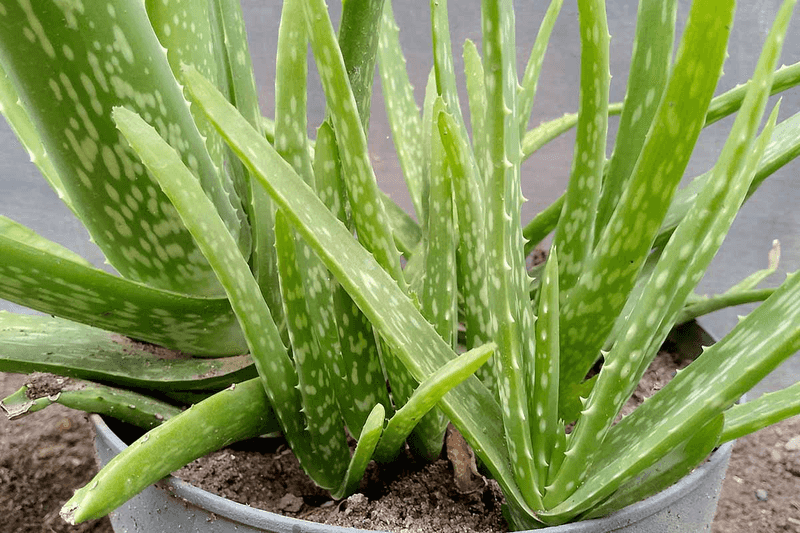
Aloe vera might be the most forgiving plant to propagate in an Arizona yard. Pull off a healthy pup from the base of a mature plant, let it sit in a dry spot for two or three days, and it is practically ready to plant itself.
Aloe does not need much encouragement.
Pups are the small offshoots that grow around the mother plant once it matures. Carefully separate them by hand or with a clean knife, making sure each one has at least a small root nub attached.
Pups with some existing root structure tend to establish faster than those without.
Sandy, fast-draining soil is ideal in Arizona, and most native yard soil already leans that direction. Mix in a little coarse perlite if your soil holds moisture too long.
Your Arizona Garden Changes Every Week. Your Plan Should Too.
Gardening in Arizona changes quickly throughout the season. Every Friday you’ll receive a simple weekly plan showing exactly what to plant, prune, fertilize, harvest, and protect so you never miss the right timing.
Plant the pup about an inch deep and press the soil lightly around the base to hold it upright while roots anchor in.
Skip watering for the first five to seven days after planting. Aloe roots respond better to dry conditions during the early rooting phase, and overwatering is the most common mistake people make.
Once you notice the plant looking firm and upright on its own, that is usually a sign roots have taken hold. Full outdoor rooting in Arizona typically takes three to six weeks depending on soil warmth and season.
3. Sedum Spreads Fast From Simple Leaf Or Stem Pieces
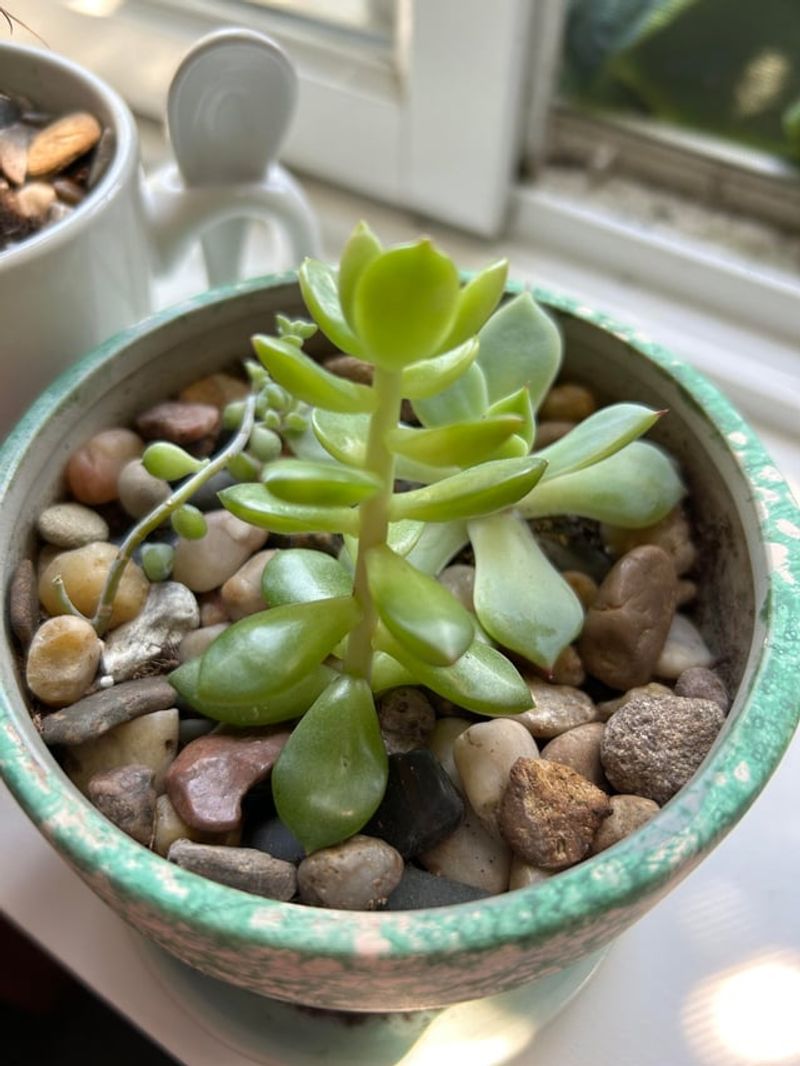
Sedum is one of those plants that almost roots by accident. Drop a stem piece on bare soil, forget about it for a few weeks, and you might come back to find it already sending out tiny roots.
Arizona gardeners often discover new sedum growth in spots where pieces fell during trimming.
Leaf propagation works well with sedum, but stem cuttings tend to root faster and produce a more established plant sooner. Pinch off a healthy stem about three to four inches long, strip the lower leaves, and let the cut end dry for a day or two before planting.
That short drying window reduces moisture-related issues without being overly cautious.
Bright light is important for sedum, but the intense afternoon sun in Arizona can stress a fresh cutting before roots form. A spot with morning sun and afternoon shade gives the cutting enough light to grow without overheating.
Temperatures above 100 degrees Fahrenheit can slow rooting, so late spring or early fall is often a better time to propagate outdoors in Arizona.
Water lightly every five to seven days once the cutting is planted. Sedum stores moisture in its leaves, so it can handle dry spells better than most plants.
Roots typically develop within two to four weeks, though leaf cuttings may take a bit longer than stem pieces to show visible progress. Check for resistance when gently tugging the cutting to confirm rooting.
4. Echeveria Forms Roots From Leaves With Minimal Effort
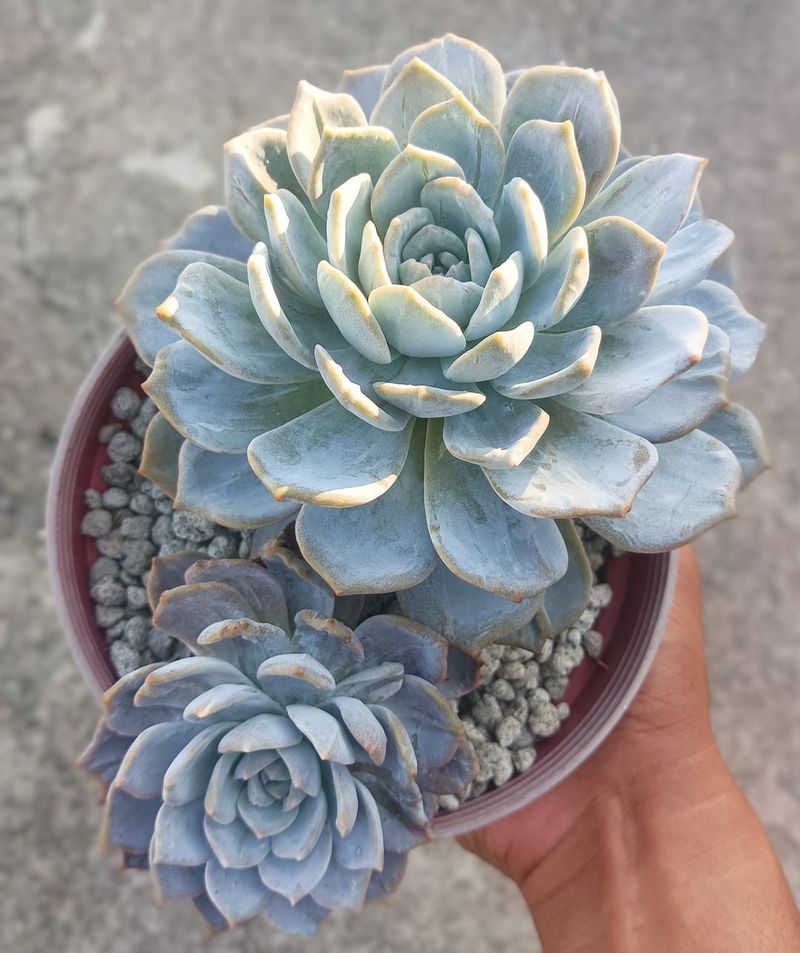
Pull a single leaf from an echeveria rosette, set it on top of dry soil, and wait. That is genuinely most of the process.
Echeveria is one of the few succulents that roots from individual leaves without needing to bury anything or add rooting powder.
Twist the leaf gently from the stem with a clean, downward motion so the base stays intact. A leaf that breaks off without the base attached will not root.
Once you have a clean leaf with an unbroken base, lay it flat on gritty, well-draining soil in a spot with bright indirect light.
In Arizona, the warm soil temperature actually helps speed up the process compared to cooler climates. Tiny pink or white roots usually appear from the base of the leaf within one to three weeks.
A small rosette will begin forming shortly after. Do not remove the original leaf until it shrivels completely on its own, since the new rosette feeds from it during early growth.
Mist the soil very lightly every few days once you see roots appearing. Full watering before roots are visible can cause the leaf to rot at the base before anything sprouts.
Echeveria leaf propagation has a variable success rate, and not every leaf will root, so starting with ten to fifteen leaves at once gives you better odds of ending up with healthy new plants within a month or two.
5. Graptopetalum Develops Roots Easily From Leaves Or Stem Cuttings
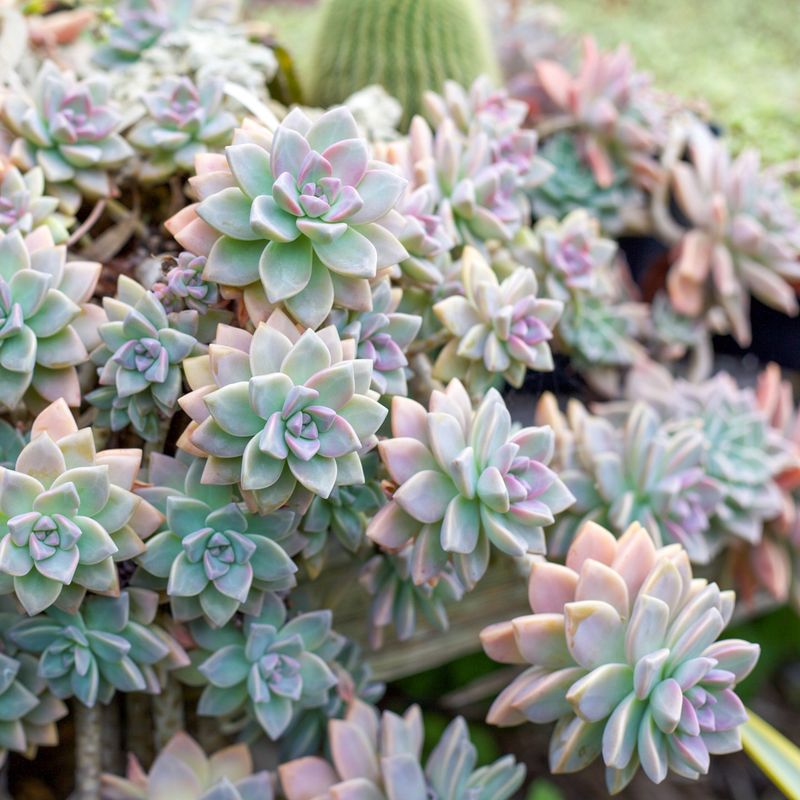
Ghost plant has a reputation for being nearly impossible to stop. Graptopetalum leaves fall off during handling, land on nearby soil, and start rooting without any intervention.
Arizona gardeners who grow it often find volunteer plants popping up around the base of the mother plant after windy days.
Both leaf and stem cuttings work well for propagation. Stem cuttings from graptopetalum tend to produce a full plant faster, while leaf propagation works better when you want a larger quantity of new plants without sacrificing much of the original.
For stems, cut a healthy piece about three to five inches long and allow it to callous for two to three days before planting.
Graptopetalum handles Arizona heat reasonably well once rooted, but fresh cuttings need protection from intense afternoon sun while they are still developing roots. A covered patio or spot under a shade cloth works well during the summer months.
Morning light gives the cutting enough energy without scorching tender new growth.
Roots on stem cuttings typically develop within two to four weeks. Leaf propagation takes a bit longer, usually three to six weeks before a small rosette appears.
Water sparingly throughout the process. Graptopetalum is not forgiving of wet soil, and sitting moisture around a fresh cutting will almost always slow rooting or cause the base to soften.
Dry conditions with occasional light watering produce the best results in Arizona yards.
6. Kalanchoe Establishes Fast From Healthy Stem Cuttings
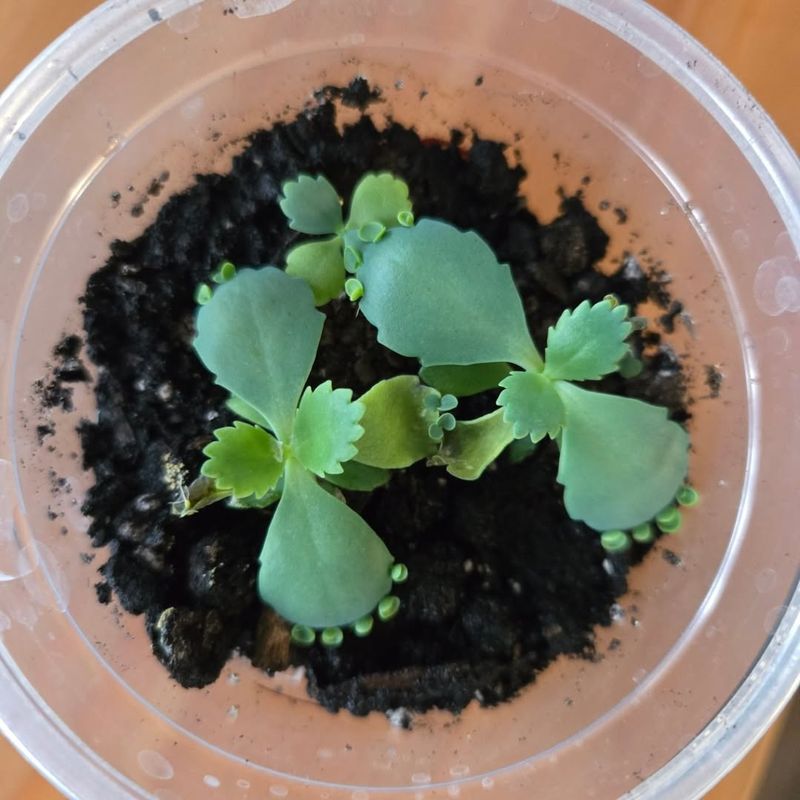
Kalanchoe moves fast once it decides to root. A stem cutting taken from a healthy plant can show visible root development in as little as two weeks under the right conditions in Arizona.
Few succulents are as quick to respond to basic propagation steps.
Choose a stem that has at least three or four sets of leaves and is free from any soft or discolored spots. Cut it cleanly just below a leaf node using a sharp, clean blade.
Strip the lower two sets of leaves to expose a clean section of stem, then set the cutting in a dry spot indoors for one to two days before planting.
Well-draining soil is critical. A mix of potting soil and coarse perlite at roughly equal parts works well in containers, and most Arizona native soils can be amended with perlite if needed.
Push the bare stem section about an inch into the soil and press lightly around the base. Avoid watering for the first five to seven days.
Place the cutting in a bright spot away from direct afternoon sun while rooting. Arizona summers can be brutal on unrooted cuttings left in full exposure, so a shaded patio or covered outdoor area works better during hot months.
Spring and early fall tend to give the most consistent rooting results. Roots usually form within two to four weeks, and the plant will begin producing new leaf growth shortly after anchoring in.
7. Crassula Varieties Root Reliably With Little Care
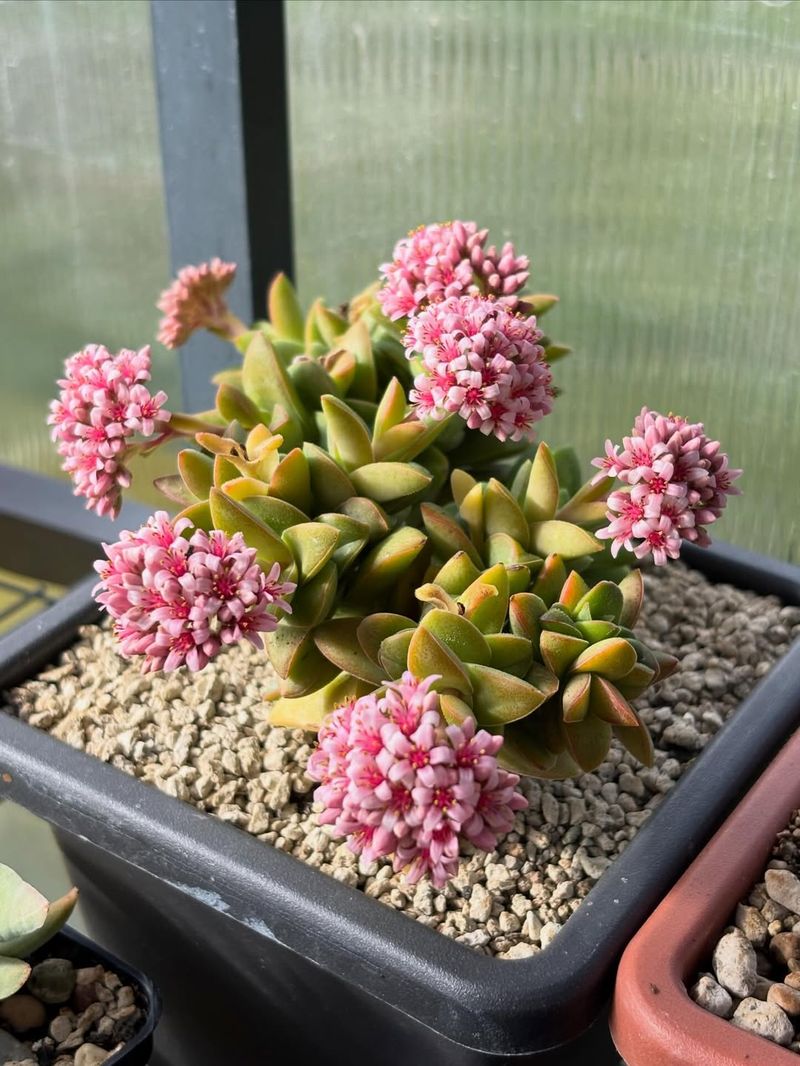
Crassula is a broad group, and nearly every variety in it roots without much fuss. Beyond the popular jade plant, smaller crassula types like watch chain and propeller plant are common in Arizona yards and respond well to stem propagation.
Most will root in basic succulent mix without any special treatment.
Stem cuttings are the most reliable method across crassula varieties. Cut a healthy piece with at least two to three sets of leaves, remove the bottom leaves to expose bare stem, and let the cut end dry for one to two days.
Planting a fresh, unhealed cut in soil increases the chance of rot before roots can form.
Crassula varieties generally prefer bright light but handle partial shade without much trouble.
In Arizona, intense summer heat can stress cuttings that are placed in full sun, so a location with morning light and afternoon shade tends to produce better results during the hottest months.
Consistent warmth overnight actually helps speed up rooting compared to cooler growing regions.
Water the cutting lightly once about a week after planting, then hold off again until you notice new leaf growth emerging. New growth is usually the clearest sign that roots have developed.
Most crassula cuttings root within three to five weeks under typical Arizona conditions, though smaller varieties sometimes move faster than larger ones. Keep soil on the drier side throughout the process and avoid any standing moisture around the base of the cutting.
8. Portulacaria Afra Grows Strong Roots From Cuttings
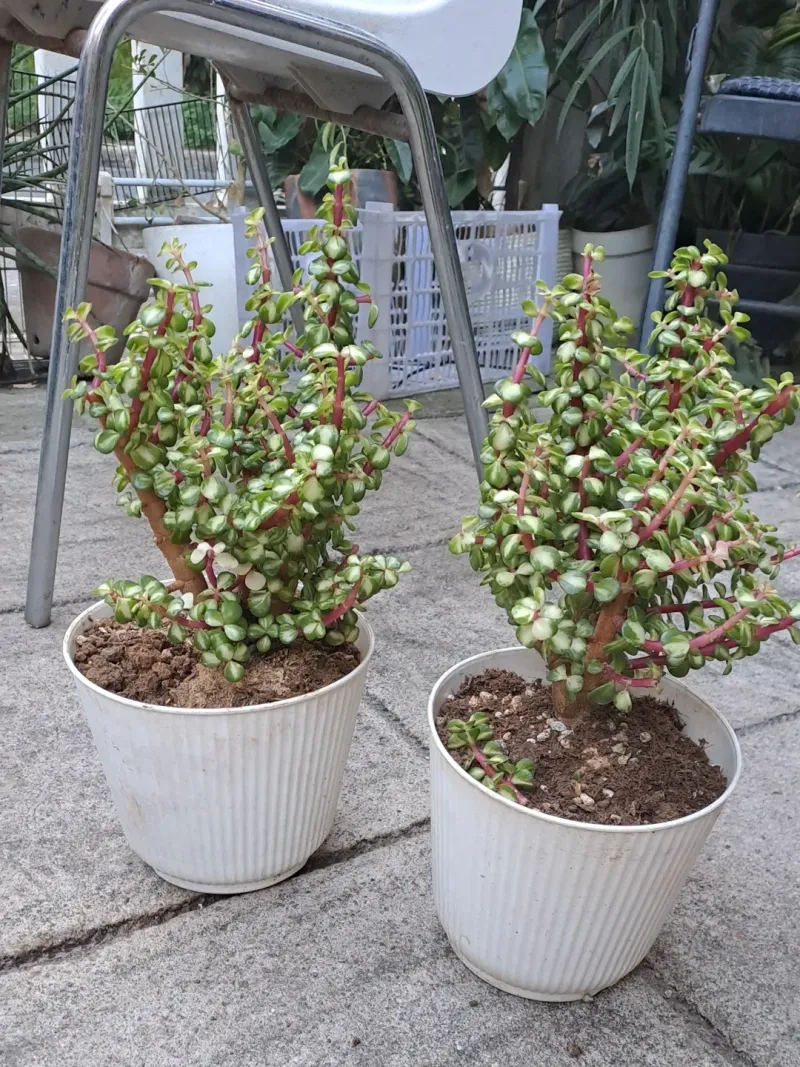
Elephant bush looks like a miniature jade plant but roots even faster in warm conditions.
Portulacaria afra is already well-suited to Arizona’s climate, and cuttings taken during the growing season can develop roots in as little as two to three weeks when conditions are right.
It is a reliable plant for gardeners who want quick results without complicated steps.
Take cuttings that are three to six inches long from healthy, firm stems. Avoid stems that look stretched or pale, since those tend to root less reliably.
Strip the leaves from the bottom inch or two of the cutting and let it sit in a dry spot for one to two days before planting. The short drying period helps the cut end seal before it contacts soil.
Plant the cutting about an inch deep in fast-draining soil and press the surface lightly to keep it upright. Portulacaria afra does well in containers or directly in the ground in Arizona, and both options work for propagation.
A spot with morning light and some afternoon protection helps the cutting settle in without stress from peak heat.
Water lightly once about a week after planting, then wait for signs of new growth before increasing moisture. Portulacaria afra is drought-tolerant once rooted, but during propagation it still needs occasional light watering to support root development.
Roots typically anchor within two to four weeks, and new leaf growth at the tips usually follows shortly after. Consistent warmth and dry soil between waterings give this plant the best start in Arizona yards.