What Georgia Gardeners Should Do With Their Crape Myrtles In April
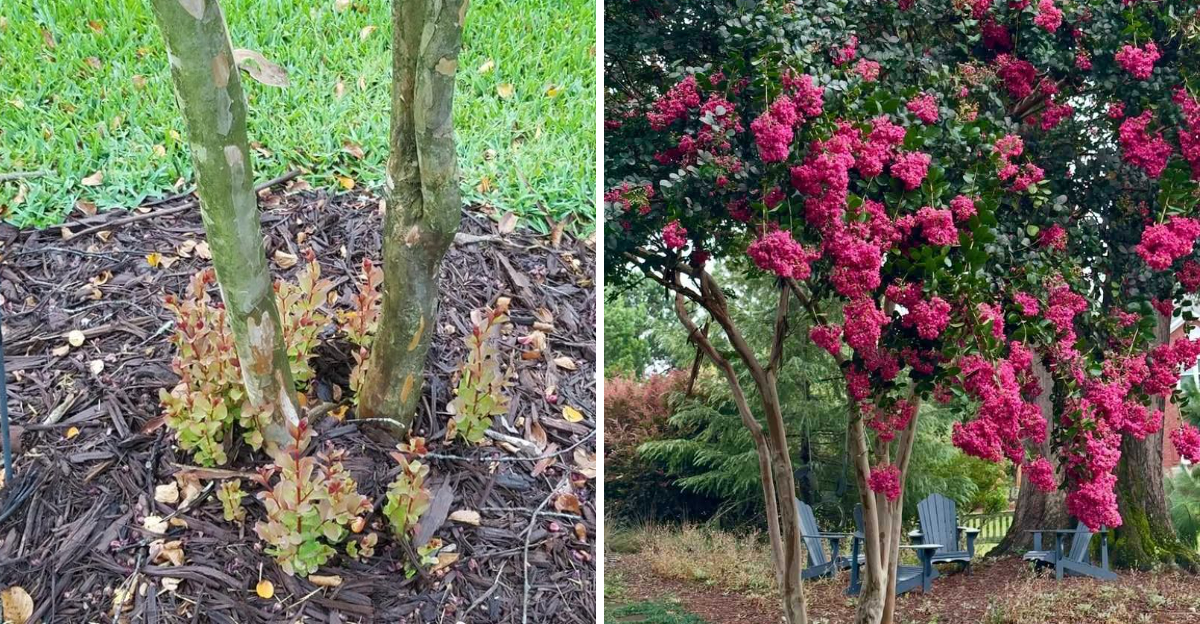
Crape myrtles across Georgia start to show clear signs of life in April, and that is when small decisions begin to shape how they look later in the season. New growth appears, buds begin to form, and the tree starts setting the stage for summer color.
At this point, it is easy to assume the work is already done, especially if pruning happened earlier. Still, what happens now can influence how full the canopy becomes and how well those blooms actually develop.
Many yards end up with uneven growth or fewer flowers, and it often traces back to what was handled or overlooked during this short window. The tree may look fine at first, but the difference shows once the season moves forward.
April gives one more chance to guide that growth in the right direction, and the results tend to stand out once those blooms come in.
1. Remove Small Suckers Growing From The Base
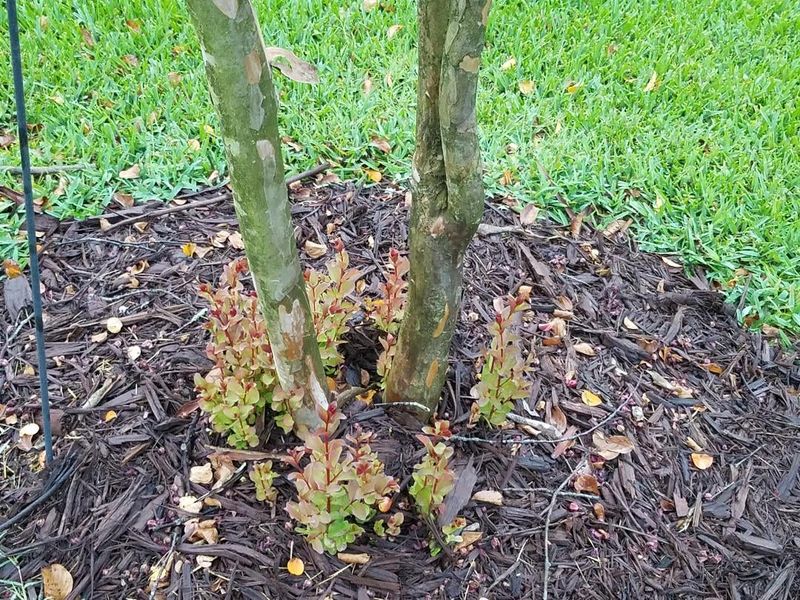
Suckers are sneaky. They pop up at the base of crape myrtles looking harmless, but they quietly pull energy away from the main trunk and branches where you actually want growth to happen.
In Georgia, where spring warmth kicks in fast, suckers can get a surprising head start before you even notice them.
Pulling them off by hand works well when they are still small and soft. Grip each one as close to the base as possible and pull downward with a firm, steady motion.
Cutting them with pruners is fine too, but pulling tends to slow regrowth better since it removes more of the base tissue.
Check around the root flare and along any exposed surface roots as well. Suckers do not always appear right at the trunk.
Some sprout a few inches away, and those can be just as draining if left alone through the season.
Doing this in April, before they get woody and stubborn, saves real effort later. A crape myrtle that is not wasting energy on a cluster of base shoots puts more into its canopy, which means better branching and more blooms by summer.
Georgia summers are long and hot, and a well-structured tree handles that stress more gracefully than one fighting itself from the ground up. Get the suckers early, stay consistent about checking every few weeks, and your crape myrtle will look noticeably cleaner and healthier by June.
2. Thin Out Crossing Branches To Improve Airflow
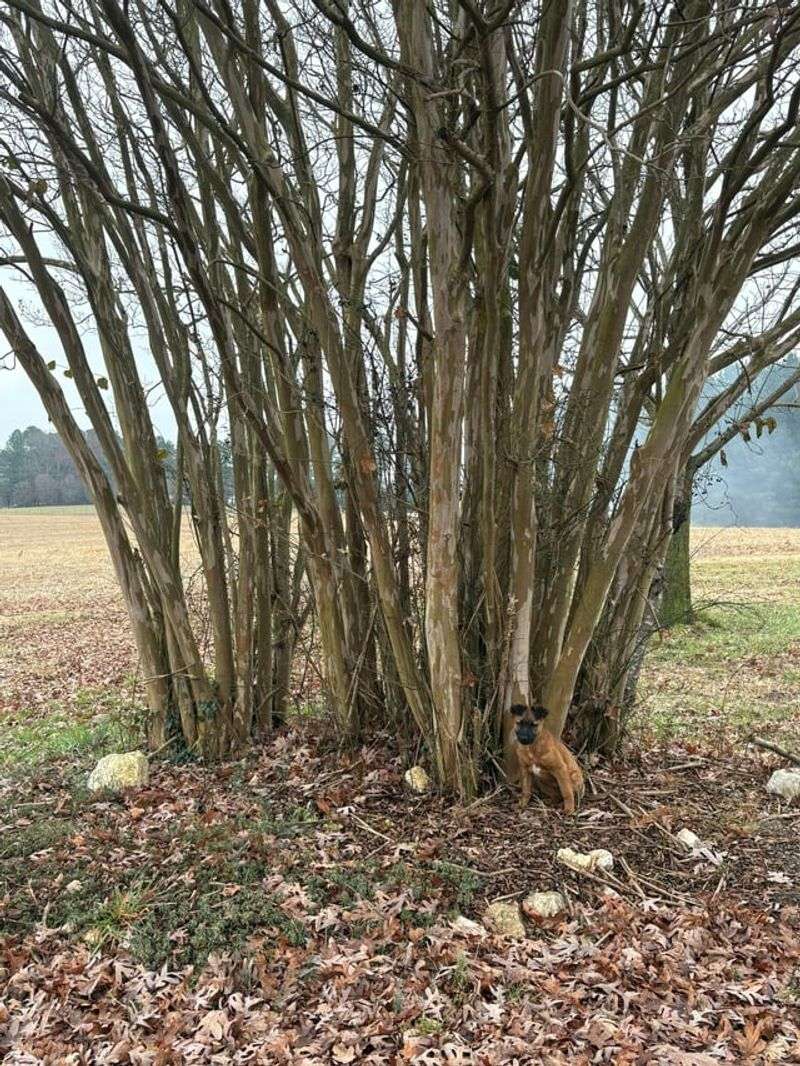
Crossing branches are more than just an eyesore. When two branches rub against each other constantly, they create wounds in the bark, and those open spots become entry points for disease and insects.
In Georgia’s humid spring climate, that kind of damage can escalate faster than you might expect.
Stand back and look at your crape myrtle before you start cutting. Identify which branches are rubbing or growing directly through the center of the canopy rather than outward.
Your goal is to open up the middle so air and light can move through freely.
Remove the weaker of any two crossing branches, not necessarily the one that is easiest to reach. Keep the branch that has better angle, better position, or stronger attachment to the trunk.
Your Georgia Garden Changes Every Week. Your Plan Should Too.
Gardening in Georgia changes quickly throughout the season. Every Friday you’ll receive a simple weekly plan showing exactly what to plant, prune, fertilize, harvest, and protect so you never miss the right timing.
A clean cut just outside the branch collar heals better than one left with a stub sticking out.
April is a good window for this work in Georgia because new growth is either just starting or still very early. You can still see the branch structure clearly without a full canopy of leaves blocking your view.
Once summer foliage fills in, navigating the interior of the tree gets harder and the risk of accidentally cutting healthy growth goes up.
Thinning does not need to be dramatic to make a difference. Removing even three or four problem branches can noticeably improve airflow, which reduces the chance of fungal issues during Georgia’s hot, wet summer months ahead.
3. Clear Out Weak Or Crowded Interior Growth
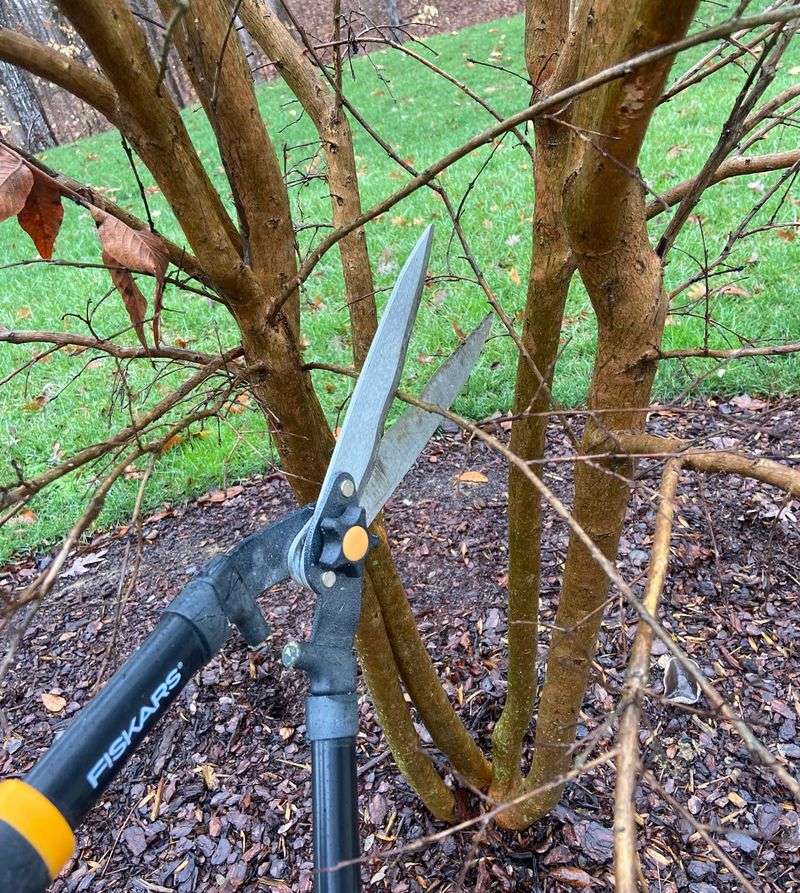
Weak interior growth is the kind of thing that is easy to overlook because it does not look obviously wrong. Spindly twigs packed into the center of a crape myrtle are not doing much for the tree, though.
They shade each other out, reduce airflow, and rarely produce meaningful flowers.
Look for branches that are noticeably thinner than the main scaffold branches around them. If a branch is not thick enough to support its own weight without drooping, it probably is not contributing much to the overall health or appearance of the tree.
Removing it redirects resources to growth that actually matters.
Crowded spots in the interior also tend to stay damp longer after rain, which is a real concern in Georgia where humidity already runs high.
That trapped moisture creates conditions where powdery mildew and other fungal problems can take hold more easily during the warmer months.
Work slowly and step back often while doing this kind of pruning. It is surprisingly easy to remove too much at once when you are focused on the interior.
A general rule that holds up well in practice is to avoid removing more than about a quarter of the live canopy in a single season.
April timing works well because the tree has not yet pushed a full flush of new growth. Cleaning up the interior now means the energy that would have fed those weak twigs gets redirected into stronger branches and, eventually, a better bloom display come July and August across Georgia.
4. Avoid Heavy Pruning Once New Growth Has Already Started
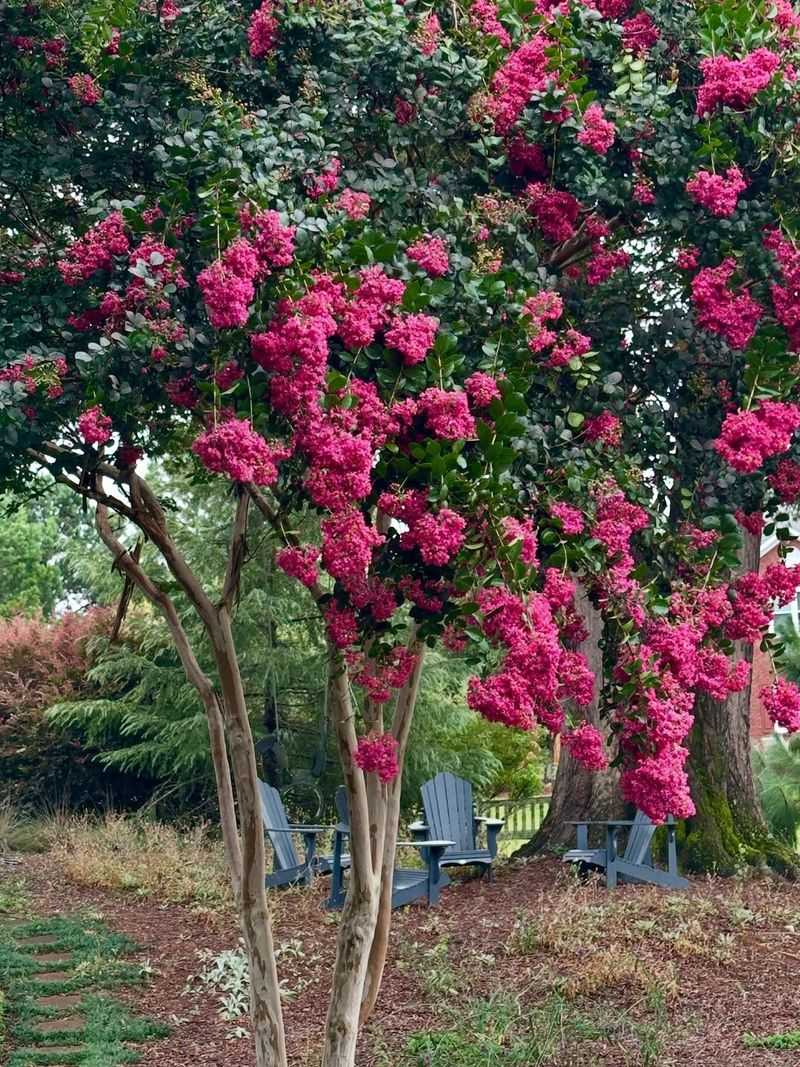
Once you see fresh green leaves pushing out on your crape myrtle, the window for major pruning has already closed for the season.
Cutting back heavily at that stage forces the tree to spend energy it already invested in new growth all over again, which is stressful and sets back your bloom timeline.
Georgia springs move fast. Temperatures can jump from cool to warm in just a week or two, and crape myrtles respond quickly.
What looked like bare branches in late March can have visible bud swell or small leaves by mid-April, especially in the warmer parts of the state like the metro Atlanta area or south Georgia.
Light cleanup is still fine at this stage. Removing a sucker, snipping off a small damaged twig, or cutting back one rubbing branch will not cause problems.
The concern is with large cuts that remove significant portions of the canopy after the tree has already leafed out.
Heavy late pruning also tends to push a flush of fast, soft new growth that is more attractive to aphids and other insects. That is a problem you can largely sidestep by keeping major pruning to late winter or very early spring before growth resumes.
If you missed the ideal window this year, do minimal cleanup now and make a note to get back out there earlier next February or March.
Crape myrtles are resilient trees, and one season of less-than-perfect timing is not catastrophic, but staying ahead of new growth each spring gives you a lot more flexibility.
5. Check For Early Signs Of Aphids And Scale
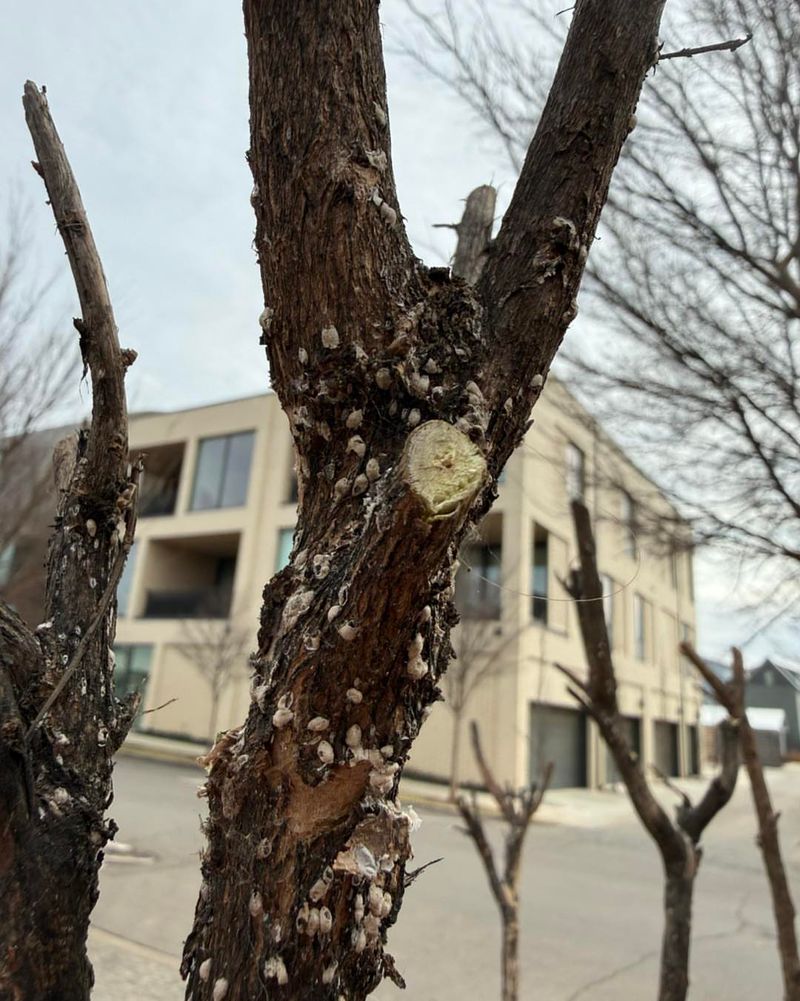
Catching pest problems early is the difference between a minor inconvenience and a full-blown infestation by July.
Aphids and crape myrtle bark scale are the two most common troublemakers on these trees in Georgia, and both tend to show up right as spring growth gets going.
Aphids cluster on the soft, new growth tips first. Flip over a few young leaves and look for small, soft-bodied insects packed together.
They come in green, black, or grayish colors depending on the species. A sure sign of aphid activity is sticky honeydew residue on leaves below or on surfaces under the tree.
Crape myrtle bark scale is a different kind of pest. It looks like small white or gray crusty patches on the bark, often near branch joints or on the lower trunk.
Left unchecked, it spreads and produces the same sticky honeydew that eventually leads to black sooty mold coating the bark and leaves.
For light aphid pressure, a strong stream of water from a garden hose knocks them off effectively and does not require any chemicals.
Beneficial insects like ladybugs and lacewings also help keep populations in check if you avoid broad-spectrum pesticides that would harm them too.
Scale is harder to manage once it establishes heavily. Horticultural oil applied in early spring, while populations are low and crawlers are active, gives decent results.
Check with your local Georgia cooperative extension office for current product recommendations specific to your county and situation before applying anything.
6. Apply A Light Fertilizer If Growth Looks Slow
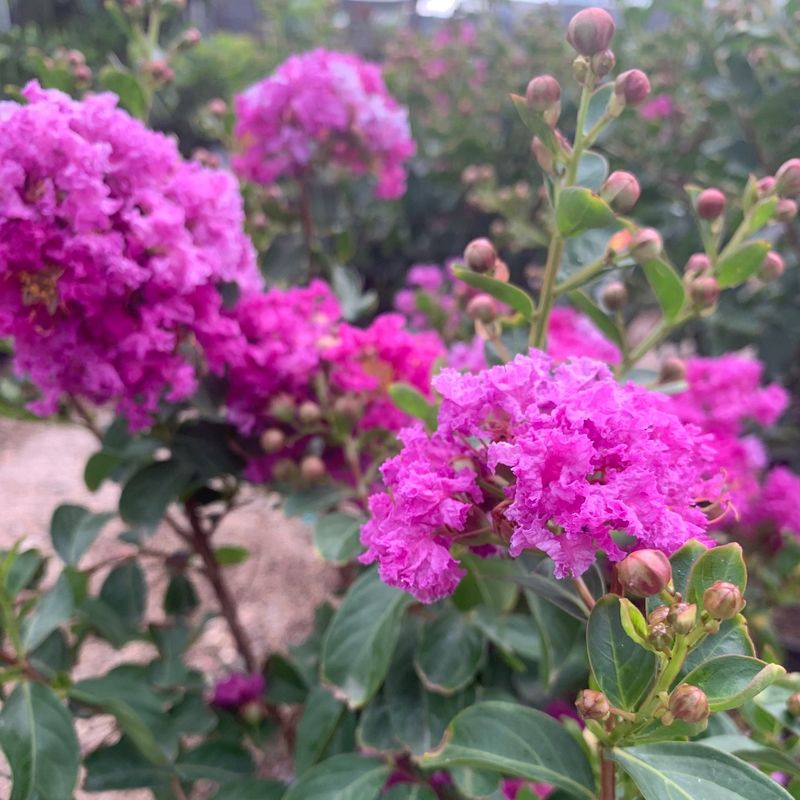
Not every crape myrtle in Georgia needs fertilizer in April, and throwing down extra nutrients when the tree is already growing well can actually backfire.
Too much nitrogen pushes lush leafy growth at the expense of flowers, which is the opposite of what most people want from these trees.
That said, if your crape myrtle is pushing out noticeably small or pale leaves, or if the new growth looks sluggish compared to previous springs, a light application of a balanced fertilizer can help.
Georgia soils vary widely, and trees planted in sandy, low-organic-matter soils sometimes benefit from a modest nutrient boost early in the season.
A slow-release granular fertilizer with a balanced ratio, something like a 10-10-10 or similar, works reasonably well for spring applications.
Scatter it evenly around the drip line of the tree rather than piling it up against the trunk, and water it in thoroughly after application.
Avoid high-nitrogen lawn fertilizers that sometimes get applied to nearby grass and end up feeding the crape myrtle as a side effect. That kind of accidental over-fertilization is surprisingly common in Georgia landscapes where trees and turf share the same space.
A soil test from your local Georgia cooperative extension office is the most reliable way to know what your specific soil actually needs.
Results come back with specific recommendations rather than guesses, which saves money and avoids the frustration of fertilizing a tree that was never nutrient-deficient to begin with.
Testing is inexpensive and worth doing every few years.
7. Refresh Mulch To Help Retain Soil Moisture
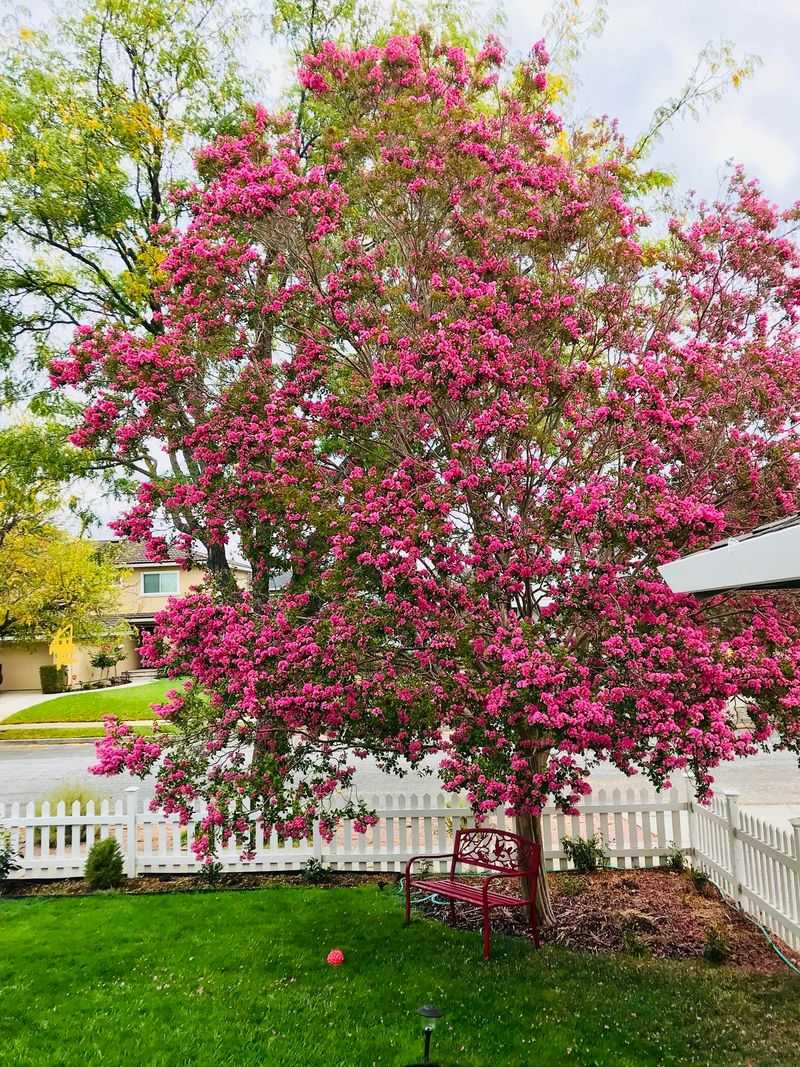
Mulch does more work than most people give it credit for.
Around a crape myrtle in Georgia, a fresh layer in April helps hold moisture in the soil during the dry stretches that often hit between spring rains, keeps soil temperatures more stable as summer heat ramps up, and slows down weed competition around the base.
Pull back whatever old mulch is still there and check what is underneath before adding new material. If the old layer has broken down into a dense mat that feels waterproof rather than spongy, loosen it or remove some before adding fresh mulch on top.
Compacted mulch can actually shed water rather than letting it soak through to the roots.
Aim for a two to three inch depth around the tree, extending out to the drip line if possible. Keeping it thin closer to the trunk and fuller toward the outer edge is a practical approach.
Mulch piled directly against the bark traps moisture in a spot where it causes problems, so leave a few inches of clear space around the base.
Pine straw, shredded hardwood, and wood chips are all common choices in Georgia and each works reasonably well. Pine straw is widely available and breaks down more slowly, which means less frequent refreshing.
Shredded hardwood tends to stay in place better on slopes.
Refreshing mulch once a year, typically in spring, keeps the benefits consistent without over-applying. It is a low-effort step that pays off noticeably during Georgia’s long, hot summers when soil moisture matters most for tree health.