The Low-Maintenance Boxwood Alternatives For Georgia Gardens
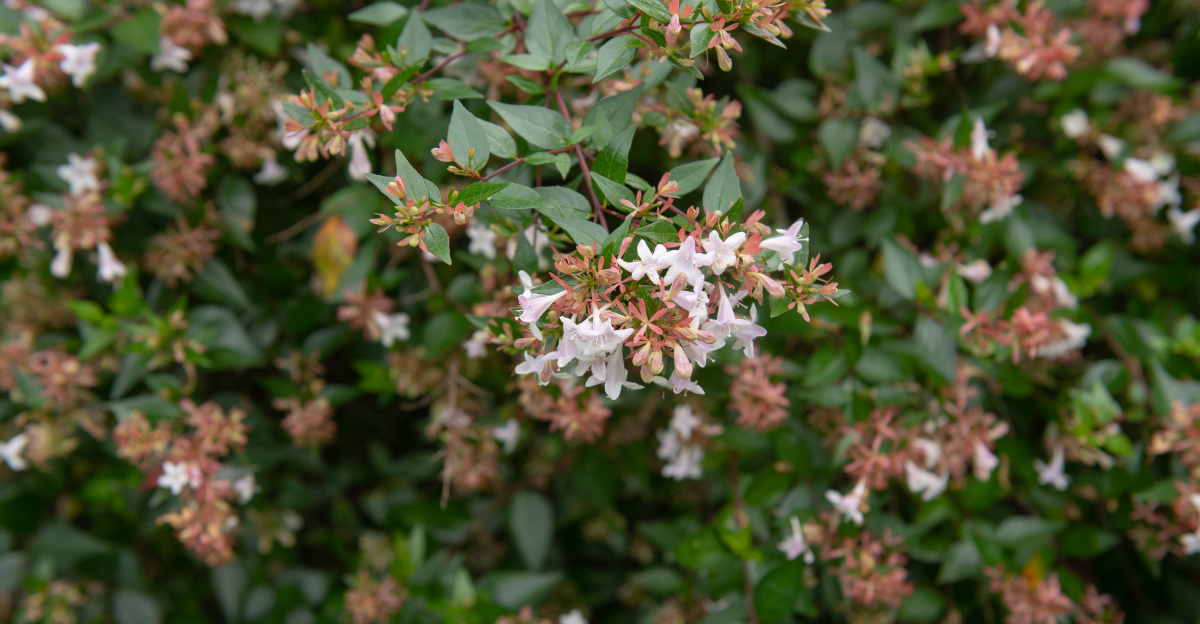
Boxwoods used to be the go to choice in many Georgia gardens, but that confidence has started to shift. Problems show up slowly at first, then whole sections lose their clean shape and healthy look, even when care stays consistent.
That change leaves many homeowners searching for something that holds structure without constant attention or risk. The goal stays the same, a neat, reliable foundation plant that keeps a yard looking put together through the season.
More gardeners now pay closer attention to how different shrubs actually perform over time, not just how they look when first planted.
Some options handle Georgia conditions with far fewer issues, and that difference becomes clear once they settle in.
A better fit can keep that polished look in place without the ongoing frustration, and it often starts with choosing something that matches the climate more naturally.
1. Inkberry Holly Keeps A Similar Shape Without Boxwood Issues
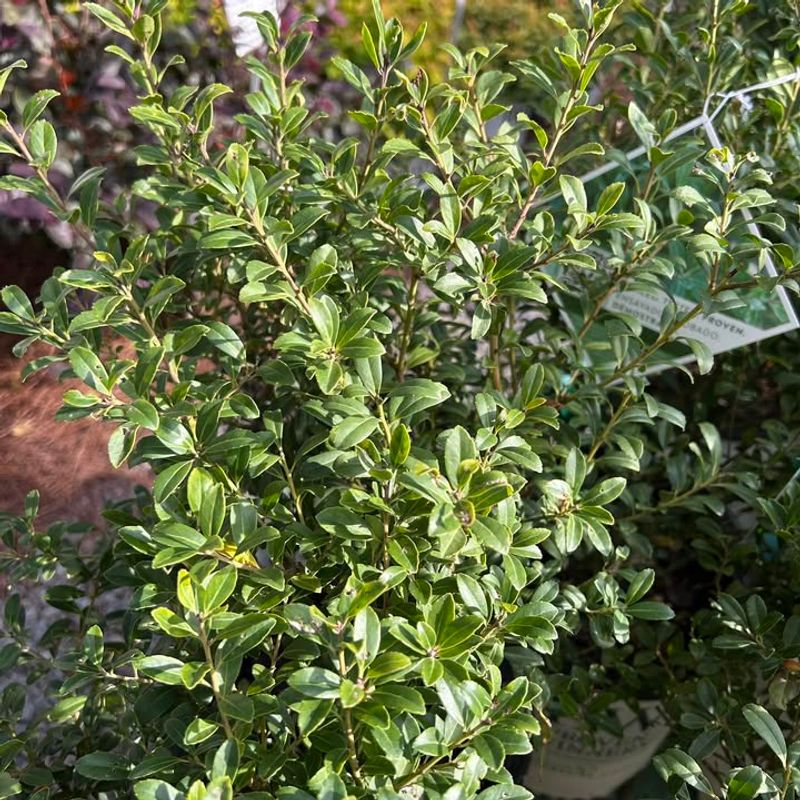
Boxwood gets all the attention, but inkberry holly has been quietly outperforming it in Georgia yards for years. Ilex glabra grows with a naturally rounded shape that holds up well without aggressive pruning.
Compared to boxwood, it handles Georgia’s humidity and clay-heavy soils much more reliably.
Inkberry does best in spots that stay a little moist, like low areas near downspouts or along shaded fence lines. Full sun works fine too, but partial shade keeps the foliage looking its darkest green through summer.
Soil pH on the acidic side — somewhere between 4.5 and 6.0 — gives it the best shot at steady growth.
Pruning is rarely urgent. Left alone, most compact varieties stay between three and four feet tall without much intervention.
Varieties like ‘Shamrock’ and ‘Gem Box’ are worth seeking out at Georgia nurseries because they stay dense without spreading too wide.
Wildlife appreciates inkberry more than boxwood too. The small black berries that appear in fall attract birds through winter, which adds a little extra life to the garden during slower months.
There are no serious pest threats that tend to plague this plant the way blight attacks boxwood. For Georgia gardeners frustrated with boxwood losses, inkberry is a practical and honest swap.
Once it settles in, it keeps its shape and color with very little effort, making it one of the easiest evergreen shrubs to rely on in Georgia landscapes.
2. Dwarf Yaupon Holly Handles Heat And Requires Minimal Care
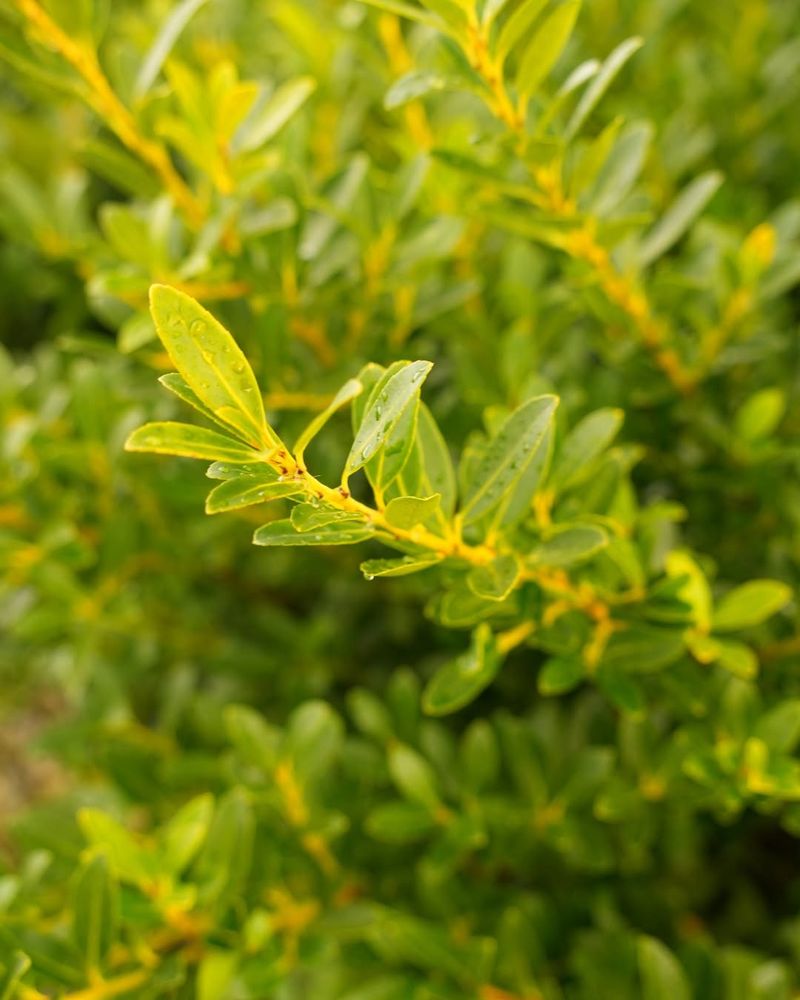
Few shrubs can take a Georgia summer and still look presentable by September — dwarf yaupon holly is one of them. Ilex vomitoria ‘Nana’ has been a reliable performer across the Southeast for a long time, and for good reason.
It shrugs off drought, heavy heat, and poor soil in ways that boxwood simply cannot match.
The leaves are small, dark, and slightly glossy, giving it a clean look that works well in formal settings. It responds well to shearing if you want a tighter shape, but it also holds a natural mounded form without much help.
Most dwarf varieties stay under three feet, which makes them useful along walkways, foundations, and low borders.
Your Georgia Garden Changes Every Week. Your Plan Should Too.
Gardening in Georgia changes quickly throughout the season. Every Friday you’ll receive a simple weekly plan showing exactly what to plant, prune, fertilize, harvest, and protect so you never miss the right timing.
Salt tolerance is another advantage worth mentioning, especially for Georgia gardeners near the coast. Root systems tend to establish without a lot of fuss in average garden soil.
Supplemental watering during the first season helps, but after that, rainfall in most parts of Georgia is usually enough to keep it going through normal summers.
Pest and disease problems are genuinely rare with yaupon holly. There is no equivalent to boxwood blight lurking around this plant.
If you want something that holds its shape, handles Georgia conditions honestly, and does not demand constant attention, dwarf yaupon holly is a straightforward answer.
3. Distylium Stays Dense And Resists Common Disease Problems
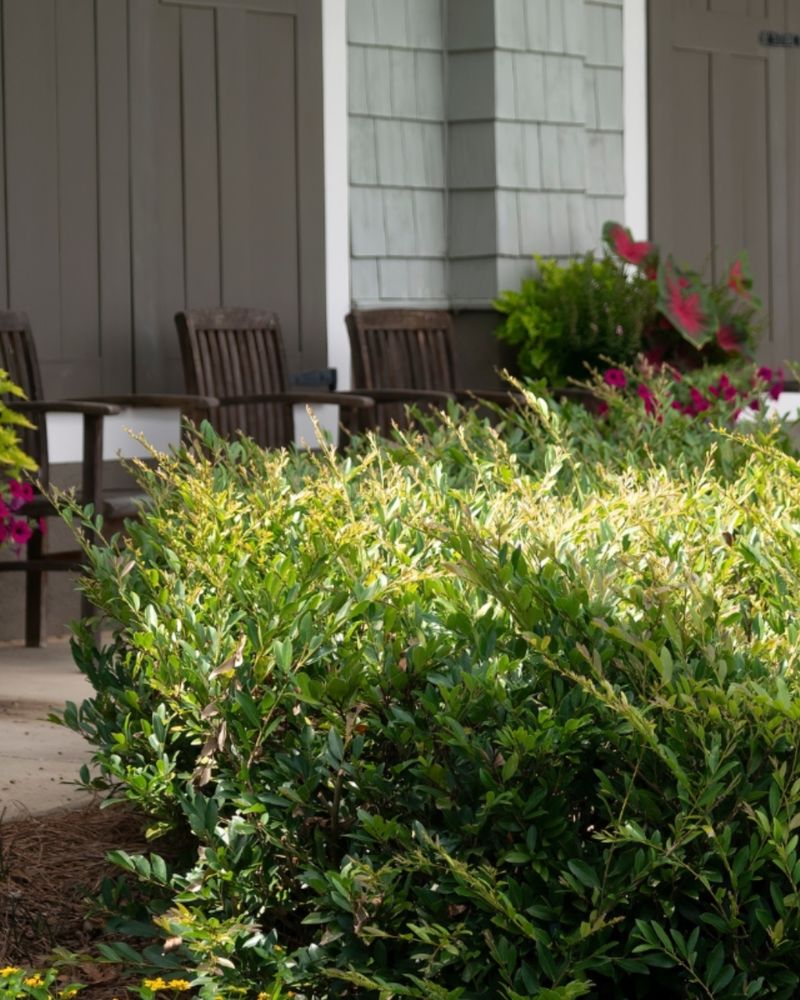
Not every gardener in Georgia has heard of distylium yet, but that is starting to change.
Introduced more widely into the nursery trade over the past decade or so, this evergreen shrub has earned serious attention as a boxwood replacement that actually holds up in the South’s conditions.
Distylium produces small, leathery, dark green leaves that stay on the plant year-round without much drama. Unlike boxwood, it has shown strong resistance to the fungal and pest problems that have been spreading through Georgia gardens.
Growth is steady but not aggressive, which means less time spent trimming and more time enjoying the yard.
Most varieties grow wider than they do tall, creating a low, spreading habit that works well under windows or along paths.
‘Vintage Jade’ and ‘Cinnamon Girl’ are two varieties that have performed consistently in Georgia trials and are worth asking about at local nurseries.
Soil flexibility is one of distylium’s quieter strengths. It handles clay soil better than many ornamental shrubs, which is relevant across large portions of Georgia where heavy red clay sits just below the surface.
Full sun to partial shade both work. Watering needs drop off significantly after the first growing season.
If boxwood blight has already hit your yard, distylium is one of the more sensible plants to replace it with.
4. Compact Loropetalum Adds Color While Staying Easy To Manage
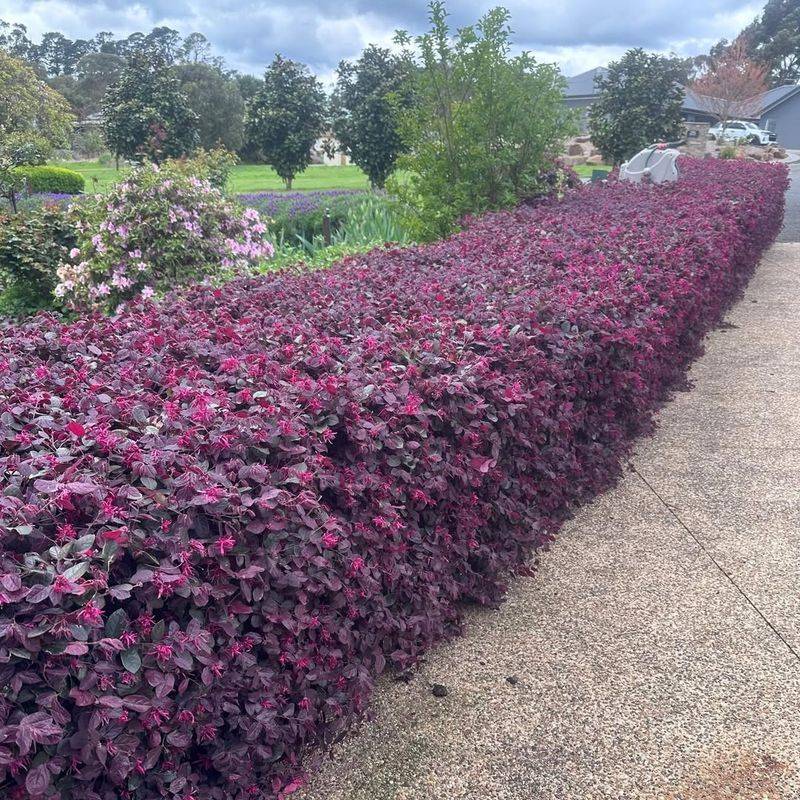
Burgundy foliage in a Georgia garden stops people in their tracks, and compact loropetalum delivers that color without requiring much in return.
While standard loropetalum can grow large and unpredictable, the dwarf and semi-dwarf varieties stay manageable and fit neatly into spaces where boxwood once lived.
Varieties like ‘Purple Pixie’ and ‘Plum Delight’ cap out at two to four feet depending on conditions, making them realistic choices for foundation plantings and border edges.
The fringe-like pink flowers appear in late winter and early spring, adding a pop of color right when most other plants are still dormant.
Loropetalum prefers well-drained, acidic soil — conditions that are common in many parts of Georgia, particularly in the Piedmont region.
Too much clay without amendment can slow growth and cause drainage issues, so mixing in some compost at planting time makes a real difference.
Pruning is optional more than required. Left to grow naturally, compact varieties stay fairly tidy on their own.
If you want a crisper edge, a light trim in late spring after flowering keeps things clean without removing next year’s buds. There are no major disease threats that compare to what boxwood faces.
The color contrast loropetalum brings to an otherwise green garden bed is a genuine benefit, not just a marketing point.
5. Podocarpus Forms A Clean Hedge With Little Maintenance
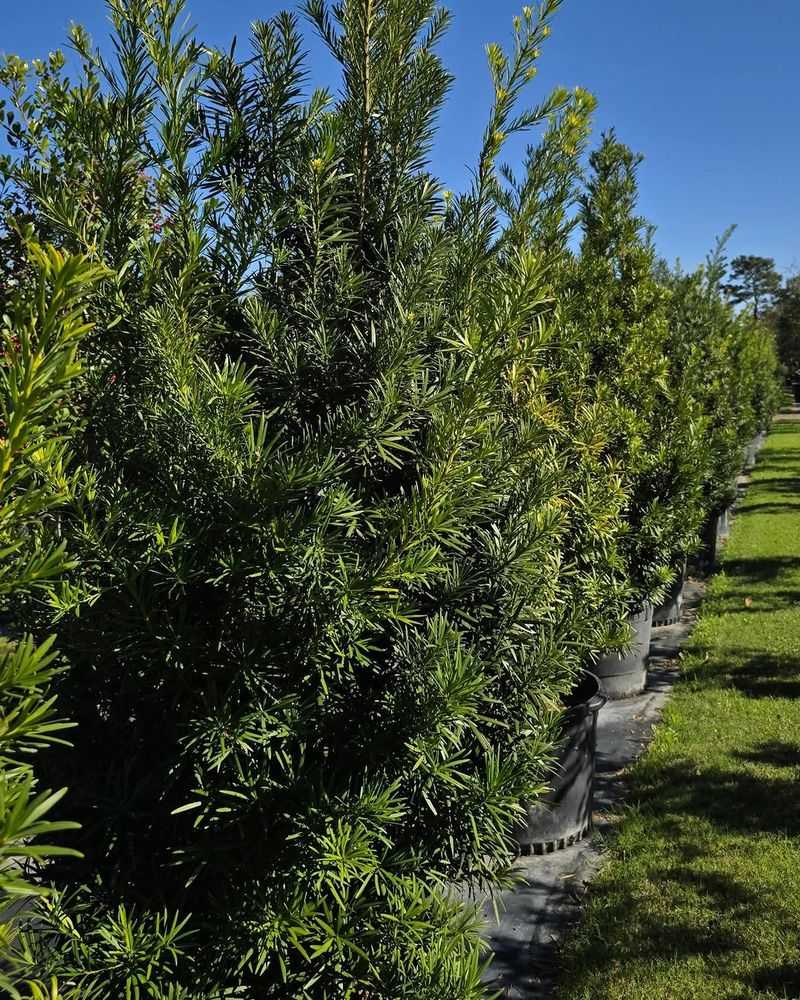
Podocarpus is one of those shrubs that looks like it took years of effort to maintain, but the truth is it mostly takes care of itself.
Podocarpus macrophyllus, sometimes called yew pine, has long, narrow, dark green leaves that create a dense, layered appearance when planted in a row.
Height flexibility is a real advantage here. Depending on how much you prune, podocarpus can be kept as a low border around three feet or allowed to grow into a tall privacy screen reaching ten feet or more.
Shearing it into shape is straightforward, and the plant responds cleanly without producing a lot of messy regrowth.
Across Georgia, podocarpus performs well in both full sun and partial shade. It handles the heat in the southern half of the state and holds up through colder winters in the northern zones without major damage under typical conditions.
Well-drained soil is important — standing water around the roots causes problems over time.
Pest pressure on podocarpus is minimal compared to boxwood. Occasional scale insects can appear, but they are manageable with a targeted treatment if caught early.
No fungal blight is lurking in the background waiting to wipe out a whole hedge. For Georgia homeowners who want a formal, clean look along a fence line or driveway, podocarpus is one of the more dependable options available.
6. Dwarf Burford Holly Grows Thick And Works Well For Privacy
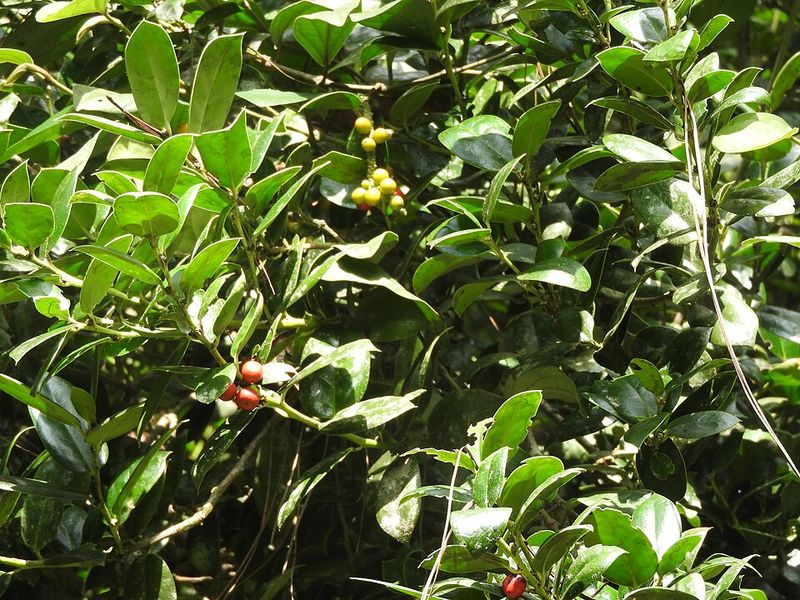
When you want a hedge that actually blocks the view and takes its job seriously, dwarf Burford holly delivers.
Ilex cornuta ‘Burfordii Nana’ grows into a dense, rounded shrub with thick, glossy leaves that hold their color through Georgia winters without fading or dropping.
The red berries that appear in late fall are one of the more attractive features. They tend to persist on the plant into winter, giving the hedge some visual interest during a season when most other plants look bare.
Birds appreciate them too, so expect some feathered visitors if you plant a row of these along the back fence.
Growth rate is moderate, which means it fills in at a reasonable pace without getting out of hand quickly. Mature size typically lands between four and six feet tall and wide, making it a solid choice for a mid-height privacy screen or a structured foundation planting.
Burford holly is not fussy about soil as long as drainage is decent. Full sun brings out the best berry production, but it tolerates partial shade without much complaint.
Pruning once a year in late winter or early spring keeps the shape tidy. Compared to boxwood, disease pressure on Burford holly is far less of a concern across Georgia landscapes.
Scale and spider mites can show up occasionally, but serious outbreaks are not common under normal conditions.
7. Abelia Provides Soft Structure And Handles Georgia Conditions
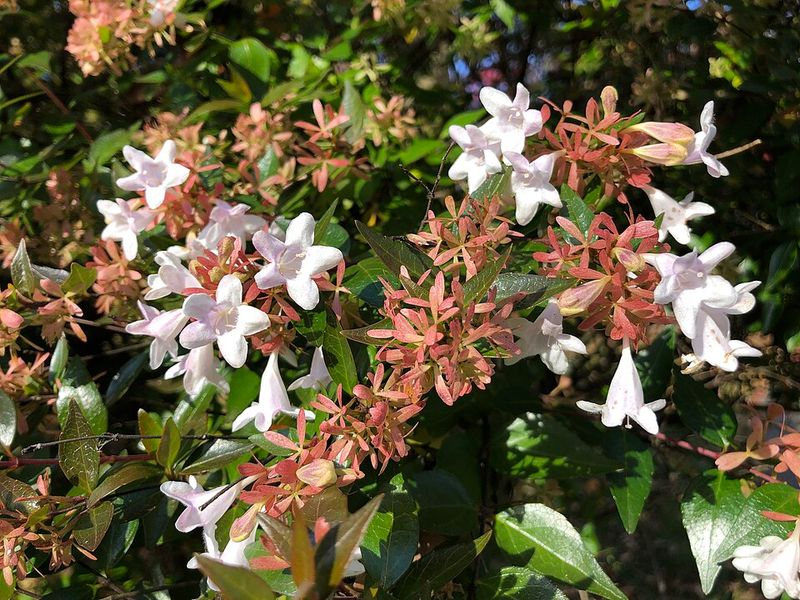
Abelia brings something to the garden that most boxwood alternatives skip entirely — actual flowers. The small, tubular blooms appear from late spring through fall, and the glossy foliage takes on attractive reddish or bronze tints as temperatures drop in autumn.
Structure and seasonal interest in one plant is a practical combination.
Glossy abelia, Abelia x grandiflora, has been growing in Georgia gardens for generations. Compact selections like ‘Rose Creek’ and ‘Kaleidoscope’ stay under three feet and fit neatly into foundation beds, borders, and container plantings.
The arching branch habit gives it a softer look than boxwood, which suits informal garden styles well.
Full sun brings out the best flowering and the most vivid fall color, but partial shade works fine if that is what the planting spot offers. Abelia is not picky about soil type as long as water moves through it reasonably well.
In Georgia’s heavier clay soils, raising the bed slightly or amending with compost helps avoid root issues.
Pruning is a personal choice more than a requirement. Left alone, abelia stays reasonably tidy with just a light cleanup in early spring.
Heavy shearing is possible if you want a more formal edge, but it does reduce flowering. No serious disease problems compare to what boxwood faces in Georgia right now, which makes abelia a genuinely lower-stress option for most yards.
8. Japanese Plum Yew Tolerates Shade Better Than Many Shrubs
Shady spots in Georgia gardens can be genuinely tough to fill with evergreen shrubs that stay looking good year-round.
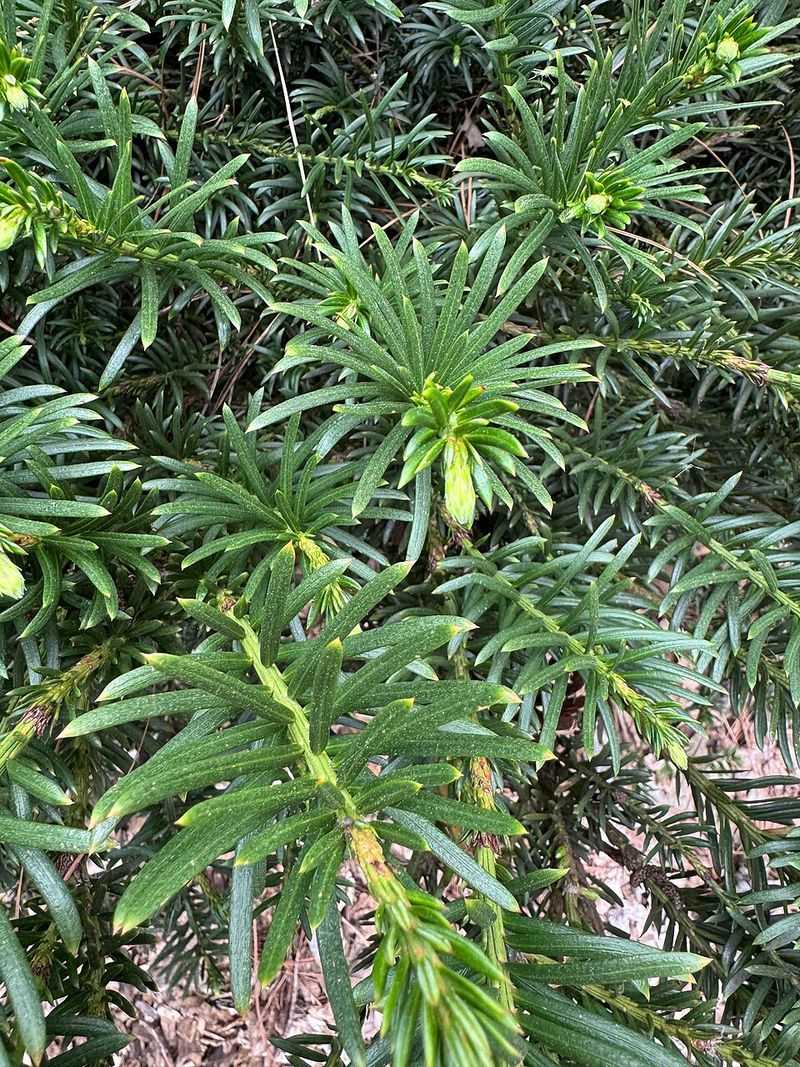
Japanese plum yew, Cephalotaxus harringtonia, handles low-light conditions better than most options on this list, which makes it useful in places where other plants struggle.
The foliage is dark green, soft, and arranged in a way that gives the plant a rich, layered texture. It does not have the boxwood look exactly, but it fills a similar role as a dense, evergreen foundation plant or border shrub.
Spreading varieties like ‘Prostrata’ stay low and wide, while upright types like ‘Fastigiata’ grow more columnar if vertical structure is what you need.
Deer pressure is a real issue in many Georgia neighborhoods and rural areas, and Japanese plum yew has shown reasonable resistance compared to plants like arborvitae or azalea. No guarantees with deer, but it is less of a target than many alternatives.
Heat tolerance is solid through most of Georgia, though the plant genuinely prefers afternoon shade during the hottest months. Well-drained, slightly acidic soil gives it the best growing conditions.
Watering during dry stretches in the first year or two helps roots establish, but established plants handle normal Georgia rainfall without much additional help.
Disease and pest problems are not common, and there is no blight concern equivalent to what has been hitting boxwood across the state.