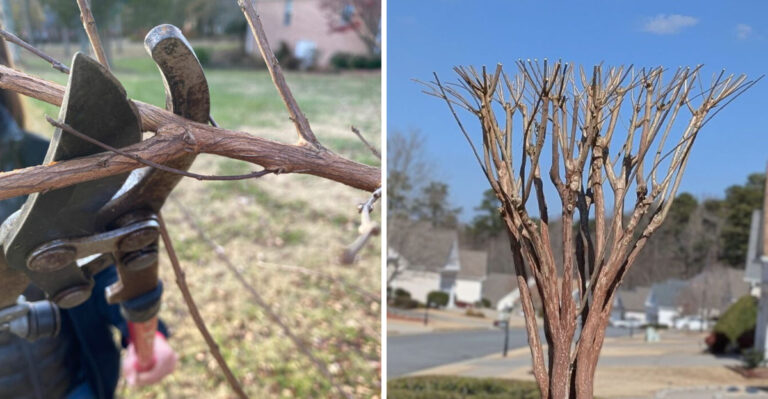
8 Shrubs Georgia Gardeners Should Prune In April For Stronger Growth
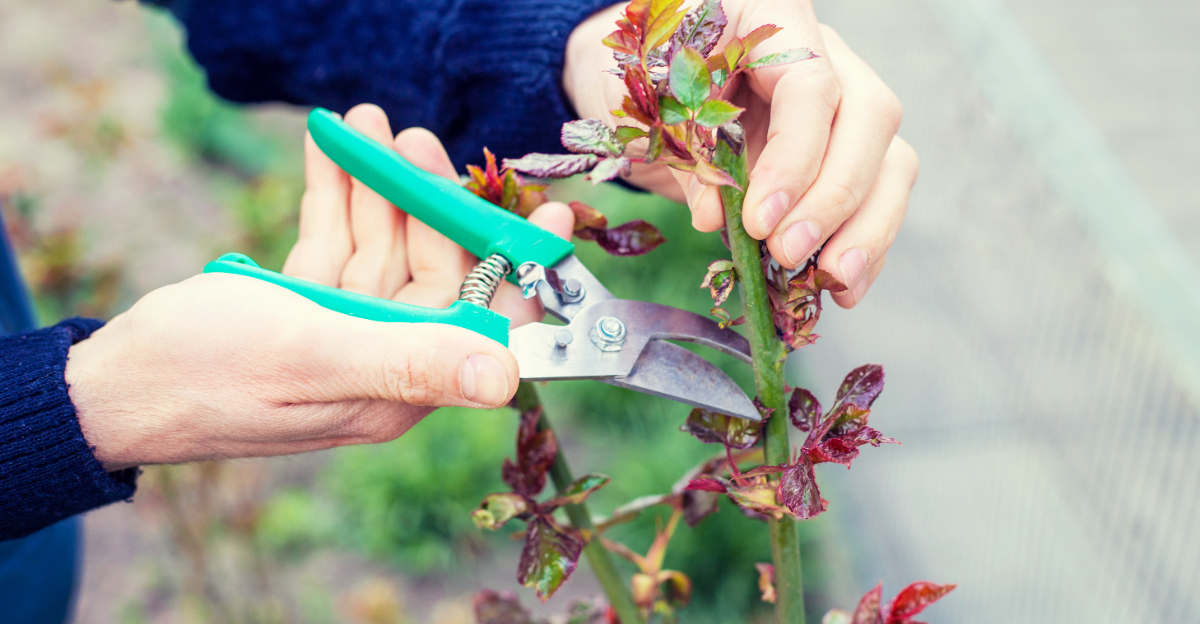
Georgia shrubs hit a key moment in April when the right trim can push stronger, fuller growth instead of uneven, stretched branches. Some shrubs respond best right now, and that timing shapes how they look as the season moves forward.
Miss that window, and the difference shows later in ways that are hard to fix. Growth can turn patchy, structure can fall apart, and the overall look of the yard starts to feel off even if everything else stays on track.
Not every shrub needs attention at this stage, which is where things get tricky. The ones that do respond well can come back denser, more balanced, and better prepared for the months ahead when handled at the right time.
That short stretch in April can decide whether shrubs hold their shape or struggle to keep up as temperatures rise.
1. Knock Out Roses Respond Well To Spring Pruning For Stronger Blooms
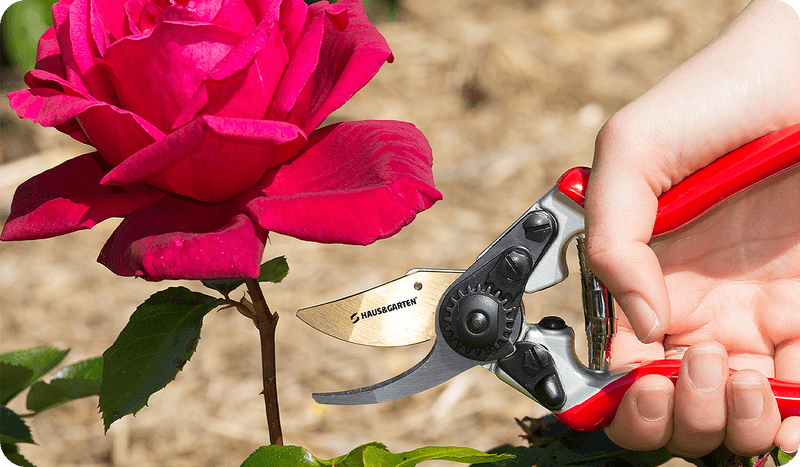
Knock Out roses can look pretty rough coming out of a Georgia winter — old canes, twiggy growth, and maybe some discolored wood that didn’t make it through the cold. April is a solid time to clean all of that up before the plant puts serious energy into new growth.
Start by removing any canes that look dark, shriveled, or clearly not pushing new buds. Cut crossing stems that rub against each other, since that kind of friction opens the door to disease.
Aim to leave a handful of healthy, outward-facing canes that give the shrub an open, cup-like shape.
Cut each remaining cane down to just above an outward-facing bud — that’s what steers new growth away from the center instead of tangling inward. Sharp, clean pruners matter here.
Ragged cuts heal slower and can invite fungal problems, which are already a concern in Georgia’s humid summers.
Don’t feel like you need to be too timid. Knock Out roses are fairly forgiving and usually bounce back well from a firm cutback.
Cutting them down to about 12 to 18 inches is reasonable for most established plants. Results vary depending on soil quality and how much sun the shrub gets, but a good April pruning generally sets them up for a stronger flush of blooms come late spring.
2. Butterfly Bush Benefits From A Hard Cutback Before New Growth
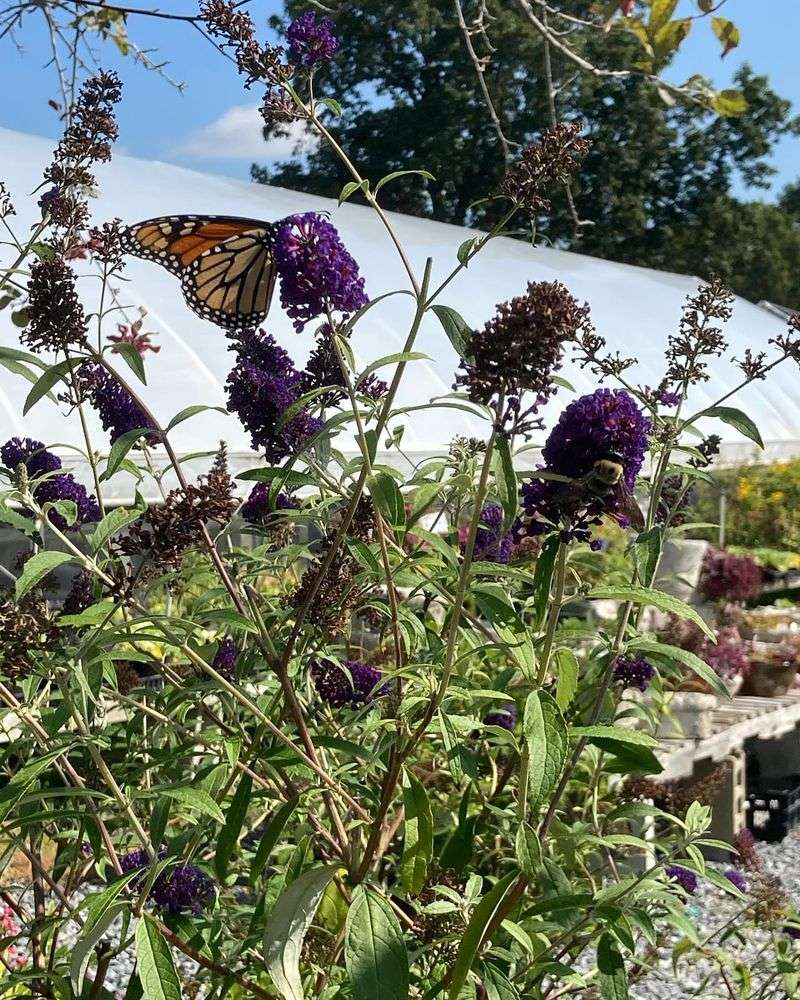
Left unpruned, butterfly bush can turn into a woody, leggy mess that produces fewer flower spikes and less overall impact in the garden. A hard cutback in April — before the plant flushes out — tends to produce a fuller, more compact shrub by midsummer.
Cut the stems back to about 12 inches from the ground. It sounds drastic, but butterfly bush pushes new growth from the base and along the lower stems, so cutting it down hard usually results in denser branching than a light trim would.
Leaving too much old wood behind can actually work against you.
Remove any stems that are completely hollow or brittle — those won’t contribute to new growth anyway. If you have multiple stems coming from the base, you can thin out a few of the oldest, thickest ones to give newer growth more room to develop.
Your Georgia Garden Changes Every Week. Your Plan Should Too.
Gardening in Georgia changes quickly throughout the season. Every Friday you’ll receive a simple weekly plan showing exactly what to plant, prune, fertilize, harvest, and protect so you never miss the right timing.
Good airflow through the plant helps in Georgia’s heat and humidity.
Butterfly bush is not native to Georgia and can spread aggressively in some areas, so it’s worth deadheading spent blooms through the season to limit seed spread. Sterile varieties are available and worth considering if that’s a concern for your yard.
Realistic expectations matter here — a well-pruned butterfly bush should perform better, but results depend on sun exposure, soil drainage, and consistent watering during dry stretches.
3. Abelia Produces Fuller Growth After Light Spring Pruning
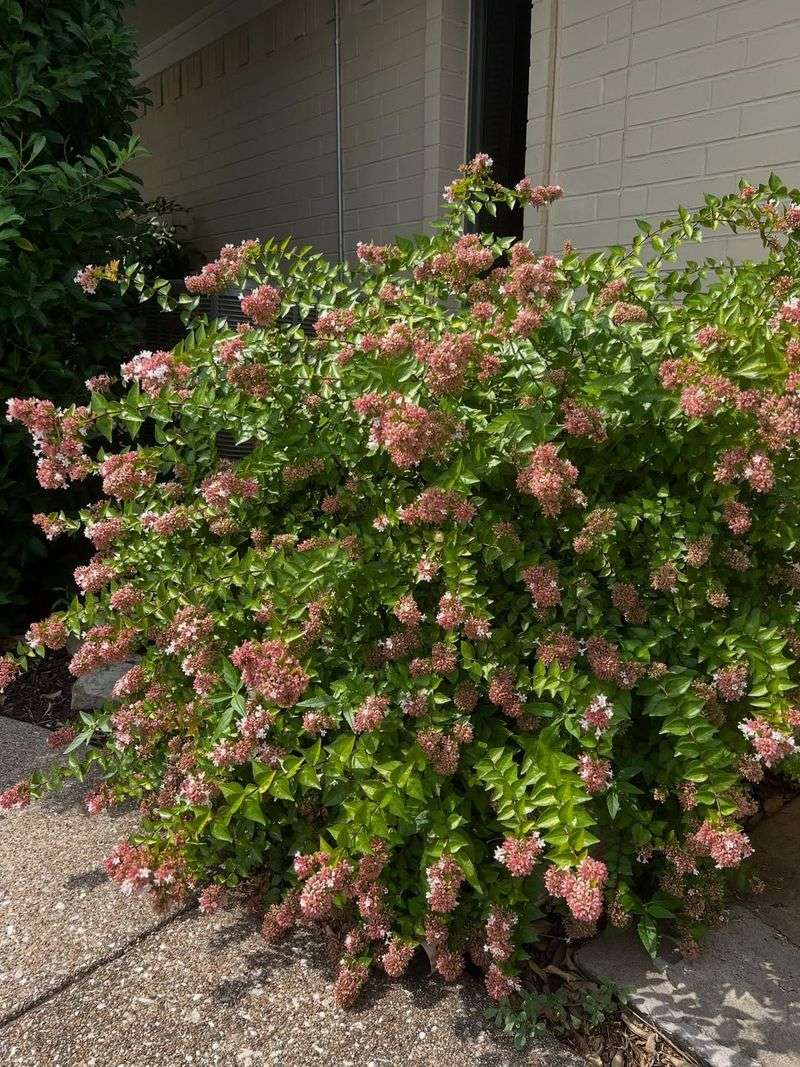
Abelia is one of those shrubs that tends to get overlooked until it starts looking a little wild and overgrown. A light pruning in April, right as new growth is beginning to show, can help redirect the plant’s energy and encourage a fuller shape through the growing season.
Unlike butterfly bush, abelia doesn’t need to be cut all the way to the ground. Light shaping works better here.
Trim back the longest, most arching stems by about one-third to keep the overall form tidy without stripping the plant of its natural character. Abelia’s graceful, arching habit is part of what makes it appealing, so the goal is to refine it, not fight it.
Remove any stems that are crossing, rubbing, or clearly not producing healthy buds. Older, thicker stems that have started to lose vigor can be cut closer to the base to encourage fresh growth from lower down.
In Georgia, abelia tends to hold some foliage through mild winters, so you may be working around existing leaves rather than bare wood.
Sharp pruners are especially important with abelia because the stems can be somewhat wiry and prone to tearing with dull blades. Torn cuts are slower to seal and can attract insects or fungal issues in warm, humid weather.
Keep the pruning session light and focused, and abelia usually responds with a noticeably fuller appearance by early summer.
4. Crape Myrtle Can Be Lightly Pruned To Improve Structure
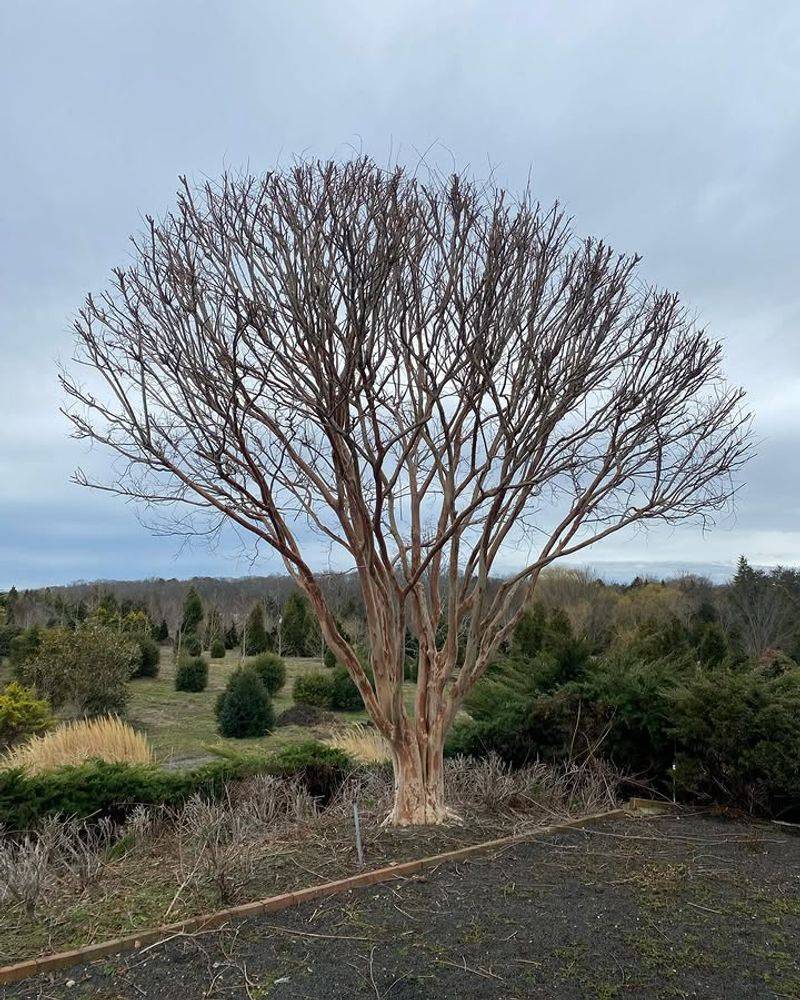
Crape myrtles are everywhere in Georgia, and so is the habit of cutting them back way too hard every year.
That aggressive chopping — sometimes called crape murder — leaves knobby stubs, weakens the branch structure over time, and isn’t necessary for healthy growth.
April is actually a good time to do the kind of pruning crape myrtles actually need. Focus on removing suckers growing from the base, crossing branches rubbing against each other, and any twiggy growth cluttering the interior of the canopy.
Clearing out that interior congestion improves airflow, which matters a lot in Georgia’s humid summers when fungal issues can be a problem.
If you want to reduce the overall size slightly, cut back individual branches to a lateral branch or strong bud rather than just chopping everything at the same height. That approach maintains a more natural shape and avoids the stubby regrowth that heavy topping causes.
Ideally, choose a crape myrtle variety sized appropriately for your space so heavy cutting isn’t needed at all.
Light structural pruning in April, after the threat of frost has passed but before the plant has fully leafed out, lets you see the branch structure clearly and make better decisions.
Results depend on the variety, the age of the plant, and how it’s been pruned in previous years. Correcting years of heavy topping takes time and patience — don’t expect one season to fix everything.
5. Nandina Benefits From Thinning Older Canes In Spring
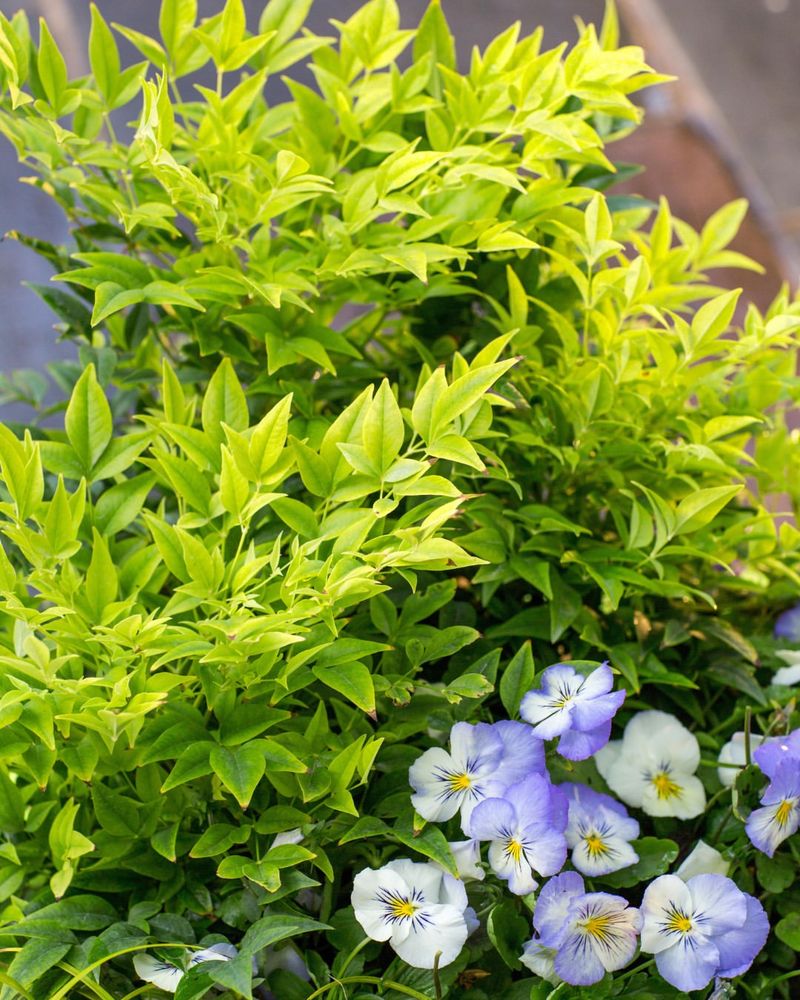
Nandina has a growth habit that’s easy to misread — it sends up tall, straight canes from the base, and over time those older canes start to look bare at the bottom with all the foliage clustered way up top.
Thinning those older canes in April helps bring the plant back into a fuller, more proportional shape.
Rather than shearing the whole shrub at one height, which tends to produce an unnatural, broom-like appearance, selectively remove some of the tallest, oldest canes by cutting them all the way to the ground.
Aim to remove about one-third of the oldest canes per year rather than doing a dramatic renovation all at once, which can stress the plant more than a gradual approach.
New canes will push up from the base to fill in the gaps, and those younger stems typically carry better foliage density.
In Georgia, nandina often holds its colorful fall foliage well into winter, so by spring you’re working with a mix of older growth and whatever new buds are starting to emerge near the base.
Worth noting — nandina is considered invasive in parts of Georgia and the Southeast, so it’s a good idea to check local guidelines if you’re considering adding new plants.
If you already have it in the yard, responsible maintenance including removing berries before they spread can help limit its impact on surrounding natural areas.
6. Privet Hedges Can Be Shaped To Maintain Dense Growth
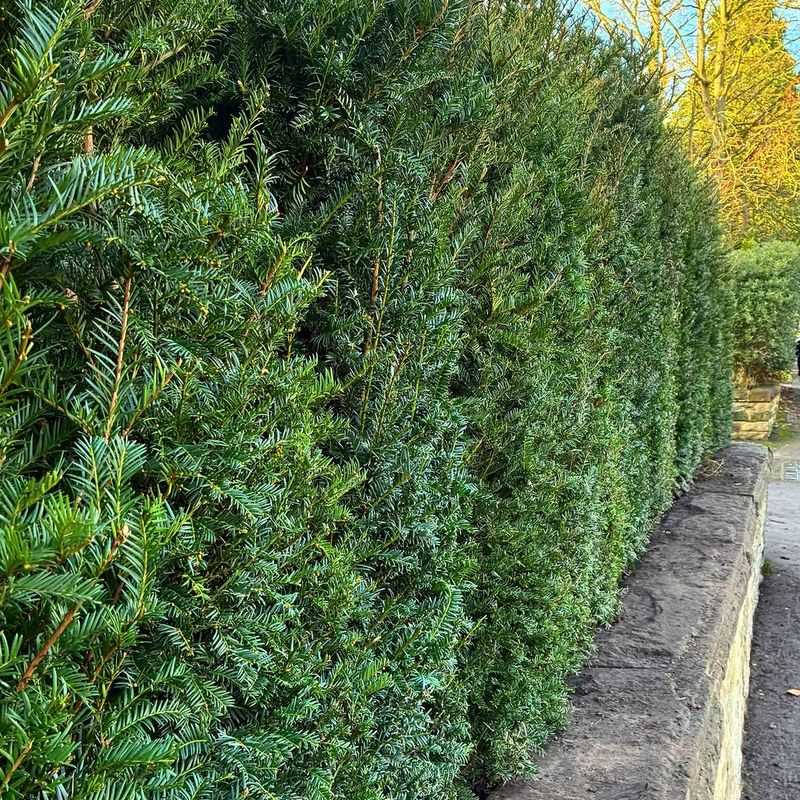
Privet hedges grow fast — sometimes almost too fast — and by the time April rolls around in Georgia, they can already be pushing enough new growth to look shaggy.
Getting in there early in spring and doing a solid shaping session helps keep the hedge tight and dense rather than letting it get away from you.
Use hedge shears or a powered hedge trimmer to trim the sides and top, keeping the hedge slightly wider at the base than at the top. That slight taper — wider bottom, narrower top — allows sunlight to reach the lower branches, which is what keeps foliage dense all the way to the ground.
Hedges sheared straight up and down tend to go bare at the bottom over time.
If the hedge has gotten significantly taller or wider than you want, April is a reasonable time to cut it back more aggressively before the full flush of new growth hits. Privet tolerates hard cuts reasonably well and usually pushes back with vigor.
That said, cutting back into very old, thick wood with no foliage can be unpredictable — some stems recover, others don’t.
Keep in mind that privet — both Chinese and European varieties — is considered invasive in many parts of Georgia. If yours is already established, maintaining it responsibly and preventing it from spreading into natural areas is worth the effort.
Regular shaping through the growing season helps keep it contained and manageable.
7. Holly Shrubs Handle Light Pruning To Keep Their Form
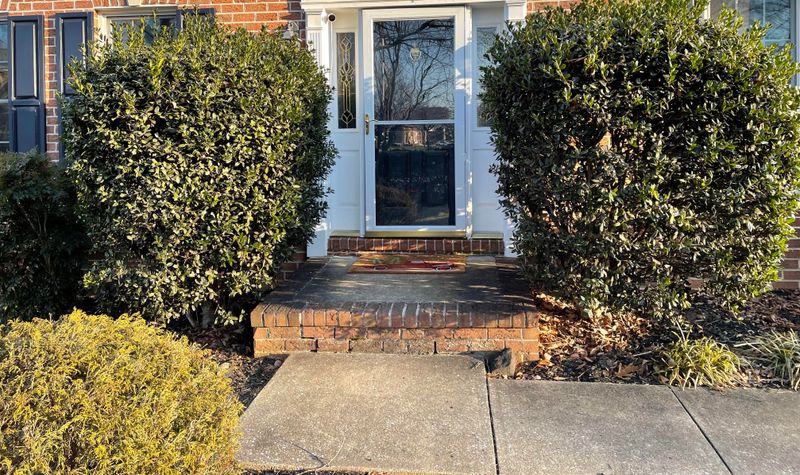
Holly shrubs are tough plants that don’t demand a lot of attention, but a little light shaping in April can make a noticeable difference in how tidy and well-structured they look through the rest of the year.
Waiting too long means you’re cutting into growth the plant has already put energy into, which is less efficient.
For most holly varieties, light pruning means trimming back any branches that are sticking out awkwardly past the natural outline of the shrub, removing any crossing stems, and cleaning up the overall silhouette.
You’re not trying to dramatically reduce the size — just tighten the shape before the growing season really kicks in.
Wear gloves. Holly leaves have sharp points, and working through a dense shrub without hand protection is a quick way to end up with scratched-up forearms.
Long sleeves help too, especially when you’re reaching into the interior of the plant to remove older wood or rubbing branches.
In Georgia, hollies can vary quite a bit depending on the variety. Dwarf yaupon holly, inkberry, and American holly all have different growth habits and may need slightly different approaches.
If you’re unsure how much to take off, start conservatively — you can always go back and cut more, but you can’t put growth back. For hollies that are severely overgrown, a multi-year reduction plan tends to produce better results than one aggressive cutback.
8. Beautyberry Produces Stronger Growth When Cut Back In Spring
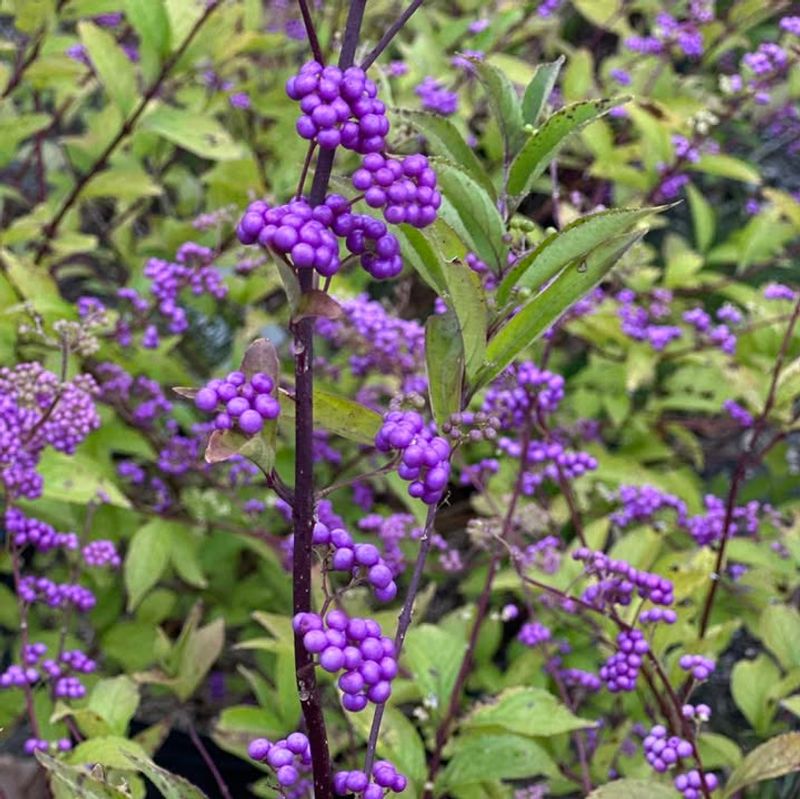
Beautyberry is one of the most rewarding shrubs to prune in spring because the response is so visible. Cut it back hard in April, and by late summer you’ll have a full, arching shrub loaded with clusters of those vivid purple berries the plant is known for.
Skip the pruning, and you tend to get a taller, woodier plant with fewer berries clustered mostly at the tips.
Cut the stems back to about 12 to 24 inches from the ground in early to mid-April, after any real frost risk has passed in your part of Georgia.
Beautyberry blooms and fruits on new wood from the current season, so cutting it back hard doesn’t cost you this year’s berry display — it actually improves it.
Remove any stems that are crossing awkwardly or look like they didn’t survive the winter in good shape. If the shrub has gotten very large and woody over several years without pruning, you can do a more aggressive renovation cut closer to the ground.
It may take a full season to fully recover from that kind of hard reset, but it usually does come back.
Beautyberry is a genuinely useful plant for Georgia gardens — birds feed on the berries, and the fall color display is hard to match.
Regular spring pruning keeps it from getting too rangy and helps maintain the kind of dense, productive growth that makes it worth having in the yard.