The 9 Rat-Repelling Flowers Georgia Gardeners Are Planting Now
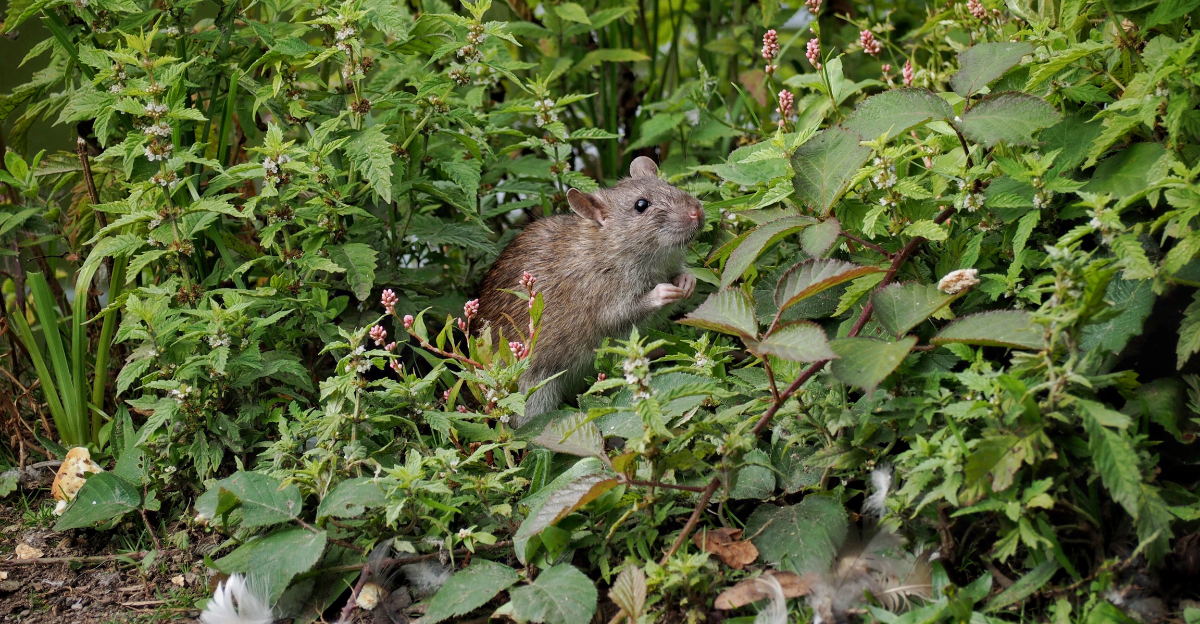
Rats do not need much to settle into a Georgia garden, and once they find a comfortable spot, they return to it again and again. Damage shows up in small ways at first, then becomes harder to ignore as the same areas keep getting disturbed.
Most solutions focus on removing them, yet that does not always change why they show up in the first place.
That is where planting choices start to matter more than expected, especially when certain flowers seem to influence how welcome those areas feel.
More Georgia gardeners have begun to notice that some parts of the yard stay quieter than others, even without extra effort. The difference often comes down to what is planted there and how it shapes the environment over time.
That shift may not stand out right away, but it can change how often those problems return and how long they stick around.
1. Marigolds Give Off A Strong Scent Rats Tend To Avoid
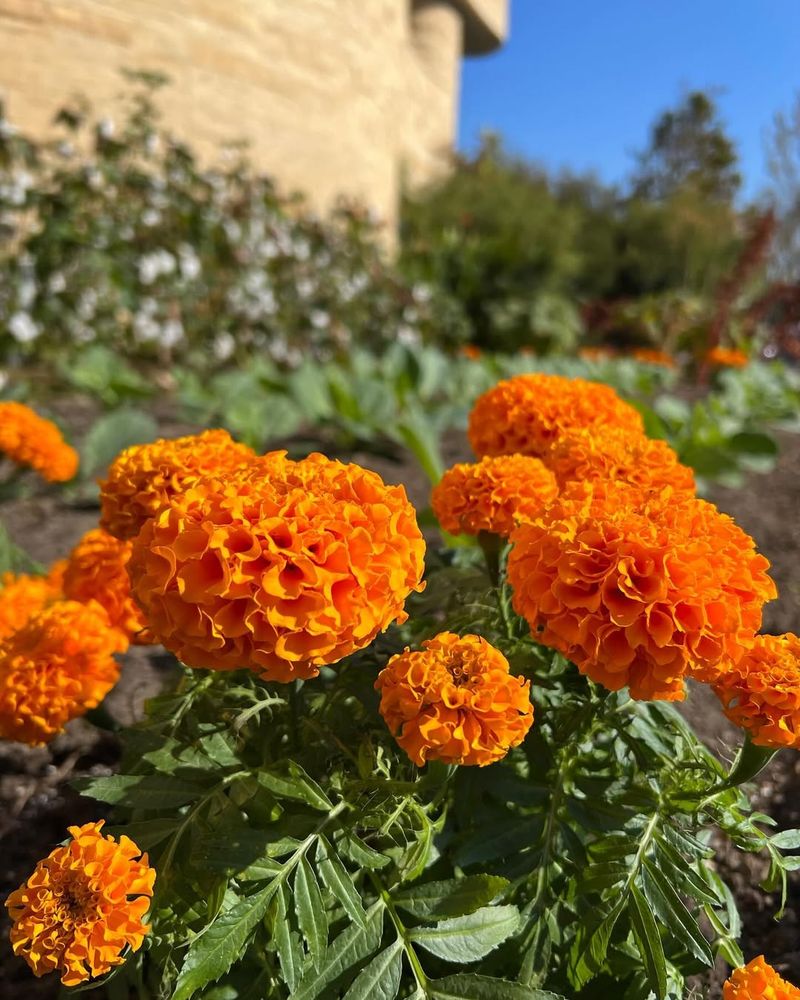
Walk past a bed of marigolds on a hot Georgia afternoon and you’ll immediately notice that sharp, almost medicinal smell. Rats notice it too, and most of them want nothing to do with it.
The scent comes from compounds in the plant’s leaves and flowers that are strong enough to overwhelm a rodent’s sensitive nose.
Planting marigolds along the edges of vegetable beds or near entry points like fence gaps can help create a less inviting environment for rats. They work best when planted in clusters rather than scattered individually.
A thin line of one or two plants won’t carry much scent, but a dense row will push that fragrance outward more consistently.
In Georgia’s warm climate, marigolds grow well from spring through fall with minimal fuss. French marigolds tend to have a stronger scent than African varieties, so they’re worth prioritizing if rodent deterrence is your main goal.
Keep spent blooms trimmed to encourage continuous flowering and a steady scent throughout the season. Pairing marigolds with other fragrant plants on this list can strengthen the overall effect in your garden.
Keep them in full sun and well-drained soil so they stay vigorous, since stressed plants produce less of that strong scent.
While they will not solve a serious rodent problem on their own, they can help tip the balance when combined with clean garden habits and fewer hiding spots.
2. Lavender Produces Oils That Disrupt Rodents’ Sense Of Smell
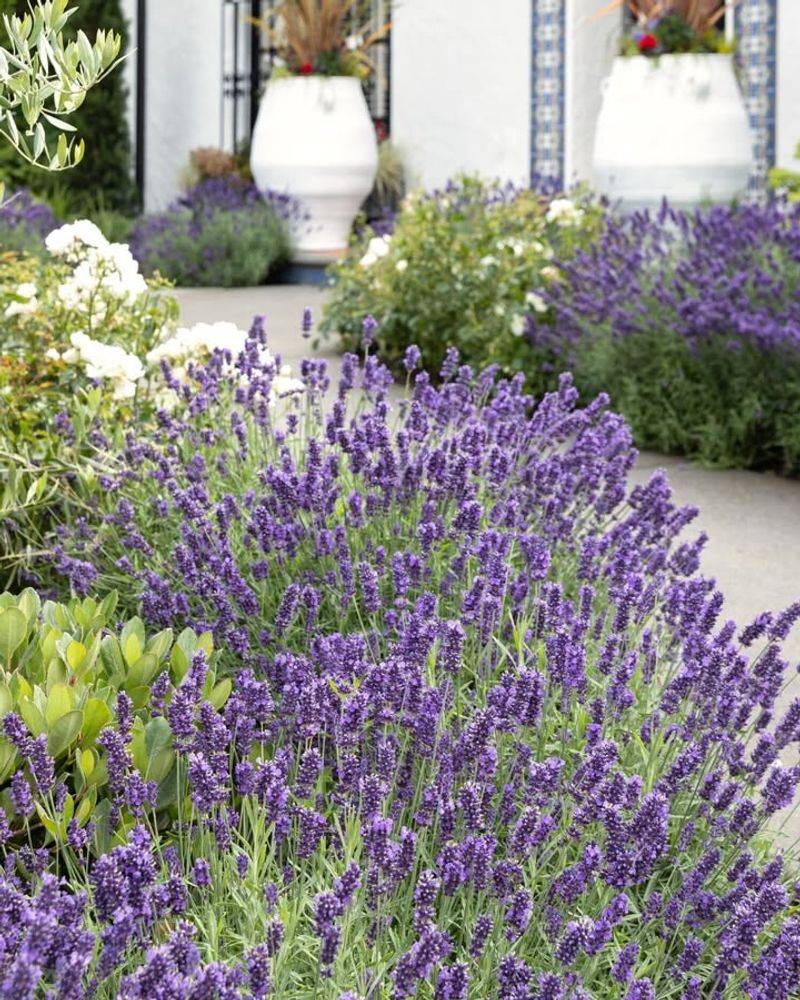
Lavender smells relaxing to people, but rats experience it very differently. The essential oils in lavender, particularly linalool and linalyl acetate, are intense enough to interfere with a rodent’s ability to detect food and navigate familiar paths.
That disruption makes them uncomfortable enough to move on.
Growing lavender in Georgia requires some planning. It prefers well-drained soil and full sun, and it can struggle in areas with heavy clay or poor drainage.
Raised beds or sandy soil patches work well. Spanish and French lavender varieties tend to handle Georgia’s humidity better than English types, so choose accordingly.
Your Georgia Garden Changes Every Week. Your Plan Should Too.
Gardening in Georgia changes quickly throughout the season. Every Friday you’ll receive a simple weekly plan showing exactly what to plant, prune, fertilize, harvest, and protect so you never miss the right timing.
Plant lavender near doorways, along fence lines, or at the corners of garden beds where rats might enter. The scent is strongest during warm, dry afternoons when the oils become more concentrated.
Pruning after each bloom cycle keeps plants healthy and encourages fresh, fragrant growth. One realistic expectation: lavender slows rodent activity in the area rather than eliminating it entirely.
Combined with other deterrent plants and regular yard cleanup, it becomes a useful part of a broader strategy that many Georgia homeowners are already putting to work.
3. Daffodils Contain Compounds That Make Them Unappealing To Rats
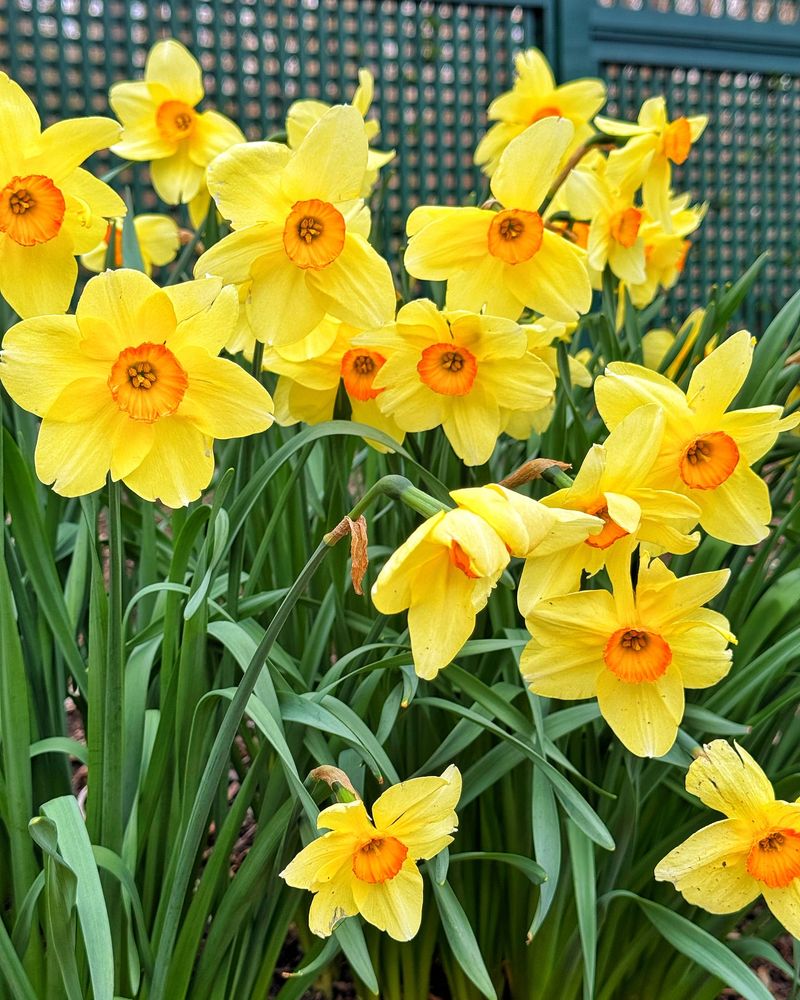
Daffodils have a secret that most people never think about. Every part of the plant contains lycorine, a naturally occurring alkaloid that is unpleasant and irritating to rats.
They instinctively avoid it, which makes daffodils one of the more reliable options for creating a natural barrier around garden beds.
Across Georgia, daffodils bloom reliably in late winter to early spring, usually from February through March depending on the region. Planting bulbs along the perimeter of your yard in fall gives them time to establish before bloom season.
Border plantings work especially well near vegetable beds that you plan to start in spring.
Unlike some other deterrent flowers, daffodils don’t rely on scent alone. Their chemical composition makes them unappealing on contact, which adds another layer of protection.
Rats that might push through a scent barrier are less likely to chew through or disturb daffodil bulbs and stems. Keep in mind that daffodils go dormant in summer, so pairing them with warm-season plants from this list fills the gap.
In Georgia gardens, mixing daffodils with marigolds or lavender covers more of the calendar year with consistent deterrent coverage.
4. Allium Flowers Release A Pungent Odor That Keeps Rodents Away
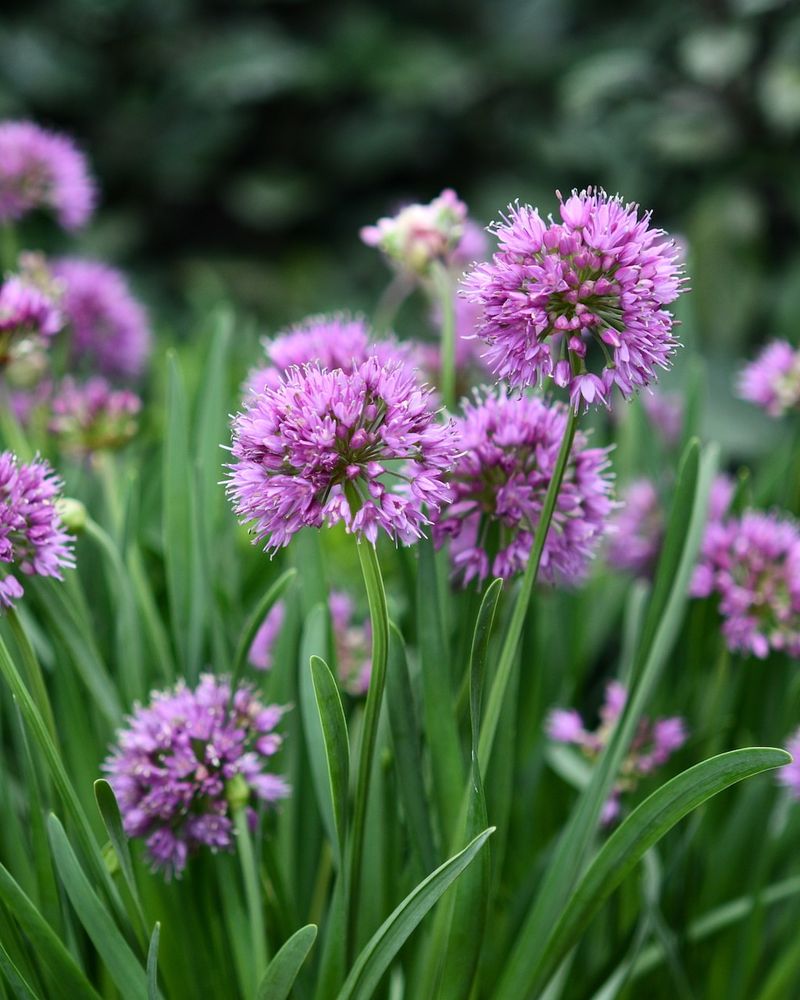
Alliums are the ornamental cousins of onions and garlic, and they carry that same sharp, sulfurous smell that makes rodents uneasy. Rats rely heavily on scent to explore their environment, and alliums throw that system off.
A few clusters planted strategically around your garden can make the whole area feel less safe to a rat looking for a place to settle.
In Georgia, alliums do well in fall-planted bulbs that bloom in spring and early summer. Varieties like Allium giganteum and Purple Sensation are popular for their large, showy flower heads and strong fragrance.
Full sun and good drainage are important, especially in areas with heavy summer rainfall.
Space bulbs about six inches apart in clusters of five or more for the strongest scent effect. Alliums also attract pollinators, so they pull double duty in the garden.
After the flowers fade, the foliage continues releasing some odor as it breaks down, which extends their usefulness slightly beyond bloom time. Avoid planting alliums too close to other bulbs you want to protect, since their sulfur compounds can sometimes affect neighboring plants.
Used thoughtfully, they’re a practical and attractive addition to any Georgia garden focused on natural pest management.
5. Mint Flowers Add Fragrance That Discourages Nesting Nearby
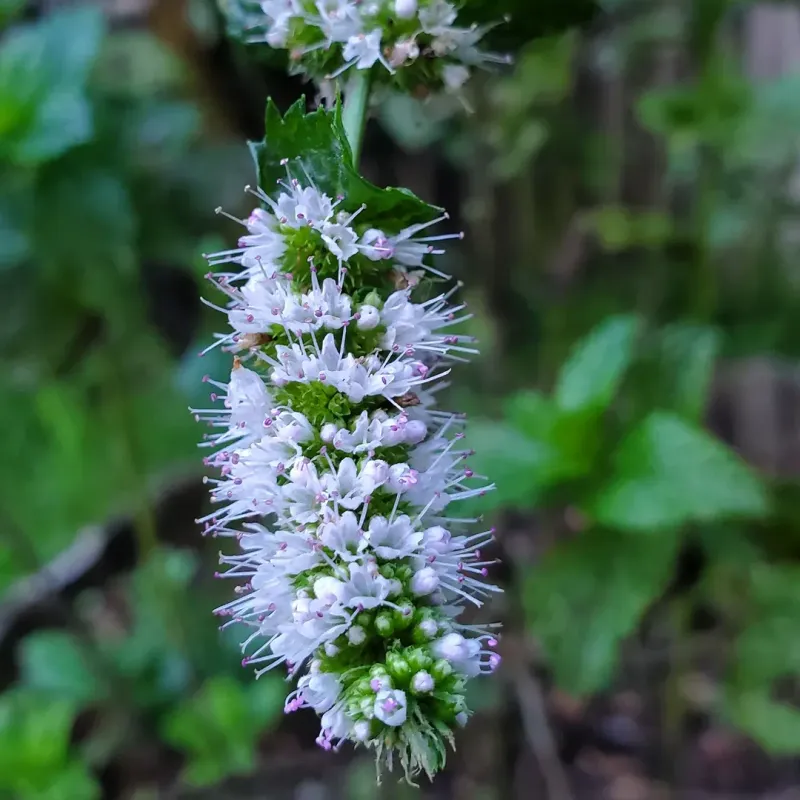
Mint is one of those plants that spreads fast and smells strong, which is exactly why rats avoid areas where it grows. The menthol compounds in mint are overwhelming to a rodent’s nose, and they tend to steer clear of spots where the scent is concentrated.
When mint flowers, the fragrance intensifies slightly and carries further on a breeze.
In Georgia, mint grows aggressively in warm weather and can take over a garden bed if left unchecked. Planting it in containers sunk into the soil is a popular method that controls spread while still releasing scent into the surrounding area.
Place pots near compost bins, raised beds, or anywhere you’ve noticed rodent activity before.
Spearmint and peppermint are the most fragrant options and the most commonly used for deterrence. Water regularly since mint prefers consistently moist soil, especially during Georgia’s hot summers.
Crushing a few leaves occasionally releases fresh scent and can refresh the deterrent effect in a specific area.
Mint won’t replace other pest control methods, but as part of a layered approach it adds consistent, season-long fragrance that makes your garden a less comfortable place for rats to explore and nest.
6. Chrysanthemums Contain Natural Compounds That Deter Pests
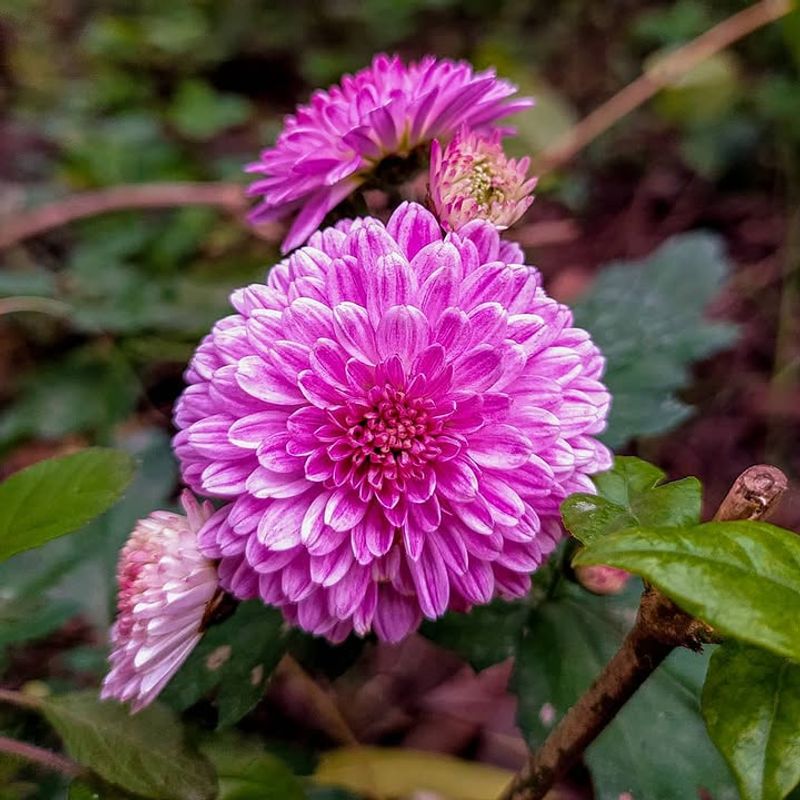
Chrysanthemums aren’t just a fall staple in Georgia gardens. They contain pyrethrin, a naturally occurring compound found in the flower heads that has long been used as a base for insect and pest repellents.
Rats tend to avoid areas where pyrethrin-producing plants grow, likely because the compound irritates their sensory systems.
Planting mums along garden borders or near entry points to raised beds gives you a dual-purpose plant that looks great while doing quiet, useful work.
In Georgia, chrysanthemums are typically planted in early fall and can bloom well into November in warmer parts of the state.
They prefer full sun and well-drained soil.
Keep in mind that the pyrethrin content is highest in the flower heads, so plants that are actively blooming offer the strongest deterrent effect. Deadheading spent flowers encourages more blooms and extends that active period.
Chrysanthemums can be overwintered in Georgia with some mulching around the base, which means you may get multiple seasons from a single planting.
Pairing them with alliums or marigolds creates overlapping scent and chemical deterrents that cover more ground in your yard, giving rats fewer comfortable places to linger or nest.
7. Geraniums Produce A Strong Scent Rodents Stay Away From
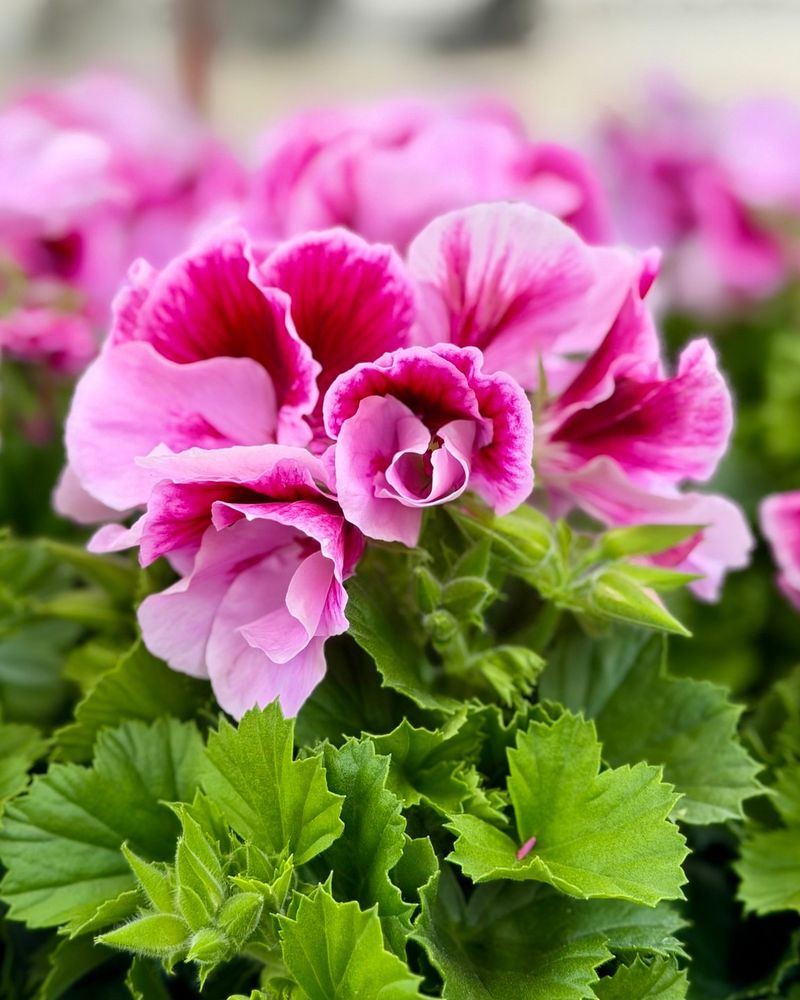
Scented geraniums are not the same as the common window box variety, though both carry some fragrance. The scented types, especially rose-scented and citronella geraniums, produce oils strong enough to make rats uncomfortable.
Rodents that rely on scent to feel safe in a space tend to avoid areas where unfamiliar or overwhelming smells dominate.
Across Georgia, geraniums grow well in containers and garden beds from spring through fall. They handle heat reasonably well but appreciate some afternoon shade during peak summer months in hotter parts of the state.
Container planting gives you flexibility to move them where you need the deterrent effect most, whether that’s near a compost pile, a vegetable bed, or a porch corner.
Rubbing the leaves occasionally releases a burst of fragrance that temporarily intensifies the scent in a small area. Regular watering and light feeding keep plants healthy and producing fresh foliage throughout the season.
Scented geraniums are worth choosing over unscented varieties specifically for pest deterrence, since the fragrance output is noticeably stronger.
While no single plant will solve a serious rodent problem, geraniums add a practical, pleasant-smelling layer to a broader garden strategy that many Georgia homeowners are building one plant at a time.
8. Nasturtiums Are Known To Deter Garden Pests With Their Peppery Scent
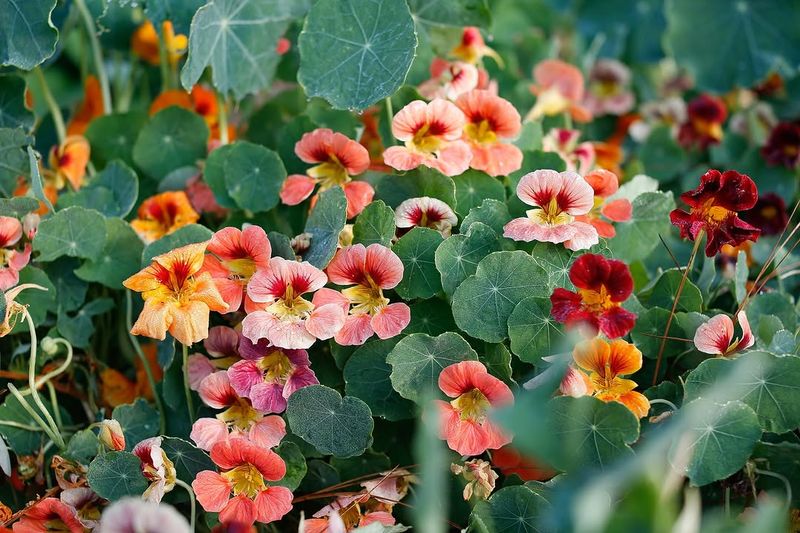
Nasturtiums have a sharp, peppery smell that comes from mustard oils in the plant’s tissue, and it’s not something rats find appealing.
Beyond the scent, nasturtiums are sometimes used as trap crops that draw aphids and other insects away from vegetables, which means they’re doing double duty in the garden without any extra effort from you.
In Georgia, nasturtiums grow quickly from seed and prefer cooler soil, making spring and fall the best planting windows. Summer heat can slow them down or cause them to fade, so timing matters.
Direct sow seeds about an inch deep after the last frost date for your area, and expect blooms within six to eight weeks.
Plant nasturtiums along the edges of raised beds or near pathways where rat activity is most likely. Both climbing and bush varieties work well depending on your space.
The flowers and leaves are also edible, which is a bonus if you want to use them in salads or as a garnish. Keeping plants well-watered during dry spells helps maintain strong growth and consistent fragrance output.
In a Georgia garden, nasturtiums bring color, utility, and a natural layer of deterrence that fits easily into almost any planting plan.
9. Rosemary Releases A Strong Fragrance Rats Tend To Avoid
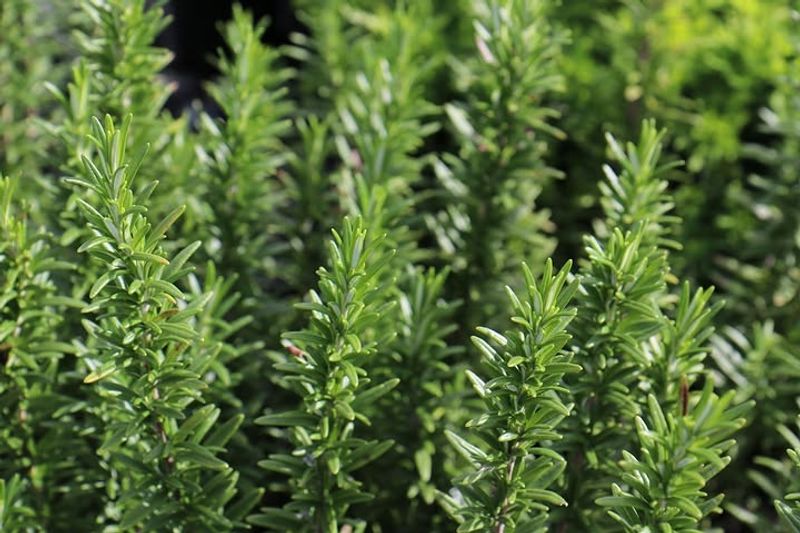
Rosemary is a tough, woody herb that thrives in Georgia’s climate and produces a resinous, pine-like fragrance that rats find unpleasant.
Unlike some other plants on this list, rosemary holds its scent year-round, which gives it an advantage as a longer-term deterrent in the garden.
In Georgia, rosemary grows well as a perennial shrub in most parts of the state, especially in zones 7 and 8. It prefers full sun and excellent drainage, so raised beds or slopes work better than flat, poorly drained spots.
Once a plant is established after its first season, it handles drought and heat with minimal attention, which suits Georgia summers well.
Plant rosemary along pathways, near doorways, or at the corners of vegetable beds where rodents are most likely to explore. The fragrance is strongest when the plant is touched or when temperatures rise and the oils become more volatile.
Pruning rosemary regularly keeps it from getting too woody and encourages fresh, fragrant new growth. Pairing it with lavender or mint creates a layered scent barrier that covers a wider range of compounds.
For Georgia gardeners looking for a plant that pulls its weight across multiple seasons, rosemary is a reliable and practical choice.