Think Twice Before Planting This Popular Shrub In Your Georgia Landscape
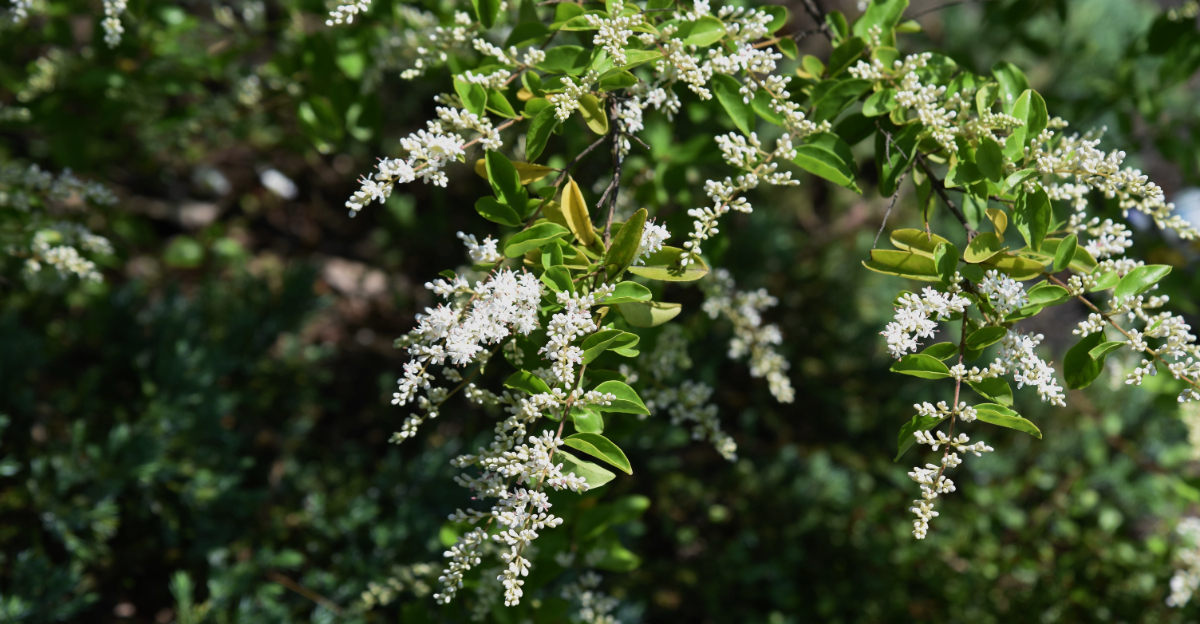
It shows up in garden centers, looks neat at first glance, and seems like an easy choice for a tidy yard in Georgia.
Plenty of homeowners plant it without a second thought, expecting it to behave just like any other shrub lining a driveway or framing a front porch.
The problem starts later, when the growth does not stay as controlled as expected and the downsides begin to show up where they matter most. Roots, spread, and long term impact are often overlooked during that quick decision at the nursery.
Georgia landscapes have their own rhythm, and not every widely sold plant fits into it as smoothly as it seems. A choice that looks simple in the beginning can turn into something far more demanding over time.
Before committing space in a yard, it would be best to take a closer look at what this popular shrub actually brings with it.
1. Chinese Privet Spreads Rapidly Beyond Where It Is Planted
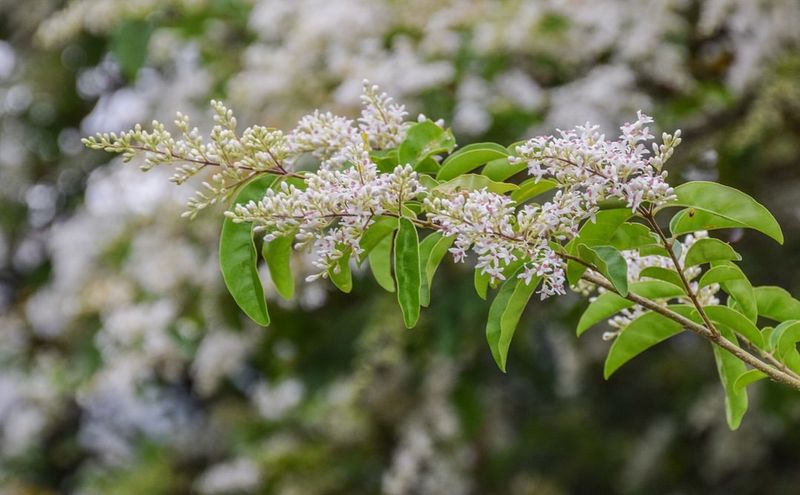
Planting Chinese Privet near the edge of your yard can feel like a reasonable decision at first. It fills in fast, looks full, and seems like a no-fuss option for privacy screening in Georgia landscapes.
The problem shows up a few seasons later when you notice it growing well beyond where you originally put it.
Chinese Privet spreads through underground runners and through seeds that germinate readily in Georgia’s warm, humid conditions. A single established plant can send up new shoots several feet away from the original root zone.
Walk through almost any natural area near neighborhoods in Georgia and you will likely spot patches of Privet that nobody intentionally planted there.
Roadsides, creek banks, and the edges of wooded lots are common places where this shrub shows up without invitation. It moves into open ground fast and starts forming clusters that thicken over time.
What begins as one or two volunteer plants can turn into a dense stand within just a few growing seasons.
Gardeners who have dealt with Privet in Georgia often describe the same experience: they planted it for a hedge, and within a few years it was growing in places they never expected.
Controlling the spread usually means repeated removal efforts over multiple seasons, not a single afternoon of yard work.
2. Dense Growth Blocks Light And Crowds Out Native Plants
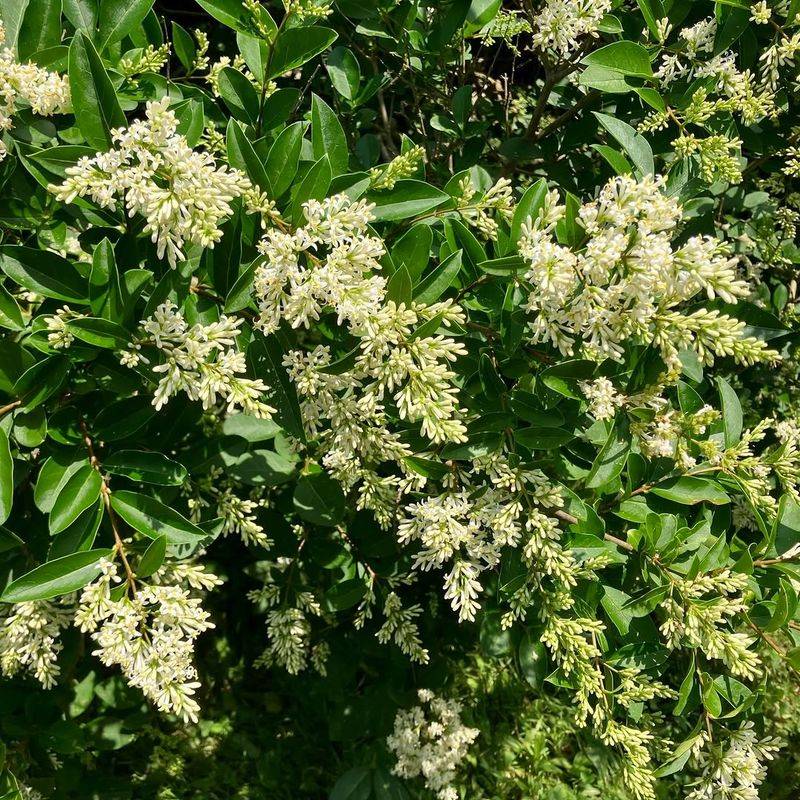
Walk into a stand of Chinese Privet and notice how dark it gets underneath. That dense canopy is not just shade, it is a barrier that cuts off light to everything growing below it.
Native wildflowers, ferns, and small shrubs that depend on filtered sunlight simply cannot compete with that level of coverage.
In Georgia, native understory plants like wild azaleas, oakleaf hydrangeas, and native viburnums have adapted to grow in the dappled light beneath larger trees.
When Privet moves in and forms a thick layer below the tree canopy, those native plants lose the light they need to grow and reproduce.
Over a few seasons, the native layer starts thinning out while the Privet layer keeps expanding.
Your Georgia Garden Changes Every Week. Your Plan Should Too.
Gardening in Georgia changes quickly throughout the season. Every Friday you’ll receive a simple weekly plan showing exactly what to plant, prune, fertilize, harvest, and protect so you never miss the right timing.
Soil chemistry also shifts under heavy Privet growth. Leaf litter from Privet breaks down differently than native leaf matter, and over time this can make the soil less hospitable to native seedlings trying to establish.
The combination of shade and altered soil conditions creates a tough environment for anything that is not Privet.
Yards that back up to wooded areas in Georgia face this challenge more acutely. Once Privet crosses from the yard into the tree line, its growth pattern changes and it begins behaving more like a forest understory invader.
Reversing that kind of spread takes real effort and consistent follow-through.
3. Birds Spread Seeds Into Nearby Natural Areas
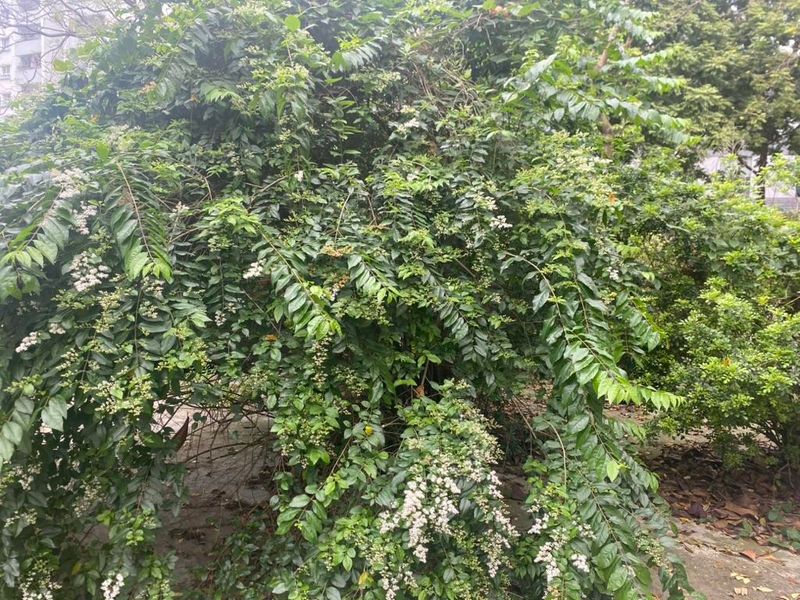
Birds love Chinese Privet berries, and that is actually a big part of the problem. Mockingbirds, robins, and cedar waxwings eat the dark berries in large quantities during fall and winter.
Those seeds pass through and get deposited wherever the birds travel, which in Georgia can mean natural areas, state parks, and protected lands far from your yard.
Unlike seeds that fall straight to the ground under the parent plant, bird-dispersed seeds get scattered across a wide area.
A single fruiting Privet can produce hundreds of berries in a season, and birds can carry those seeds into places that are difficult or impossible to manage afterward.
Stream corridors, forest preserves, and riparian buffers in Georgia have all been affected this way.
The timing of berry production lines up well with bird migration patterns, which means the seeds get moved even further than local bird activity would suggest. Migratory species passing through Georgia pick up berries and deposit seeds in areas well outside the original planting location.
It is a dispersal mechanism that works efficiently and continuously every single year.
Some Georgia gardeners feel that planting Privet in a contained spot is manageable, but seed dispersal by birds removes that sense of control almost entirely.
4. Once Established It Becomes Difficult To Remove
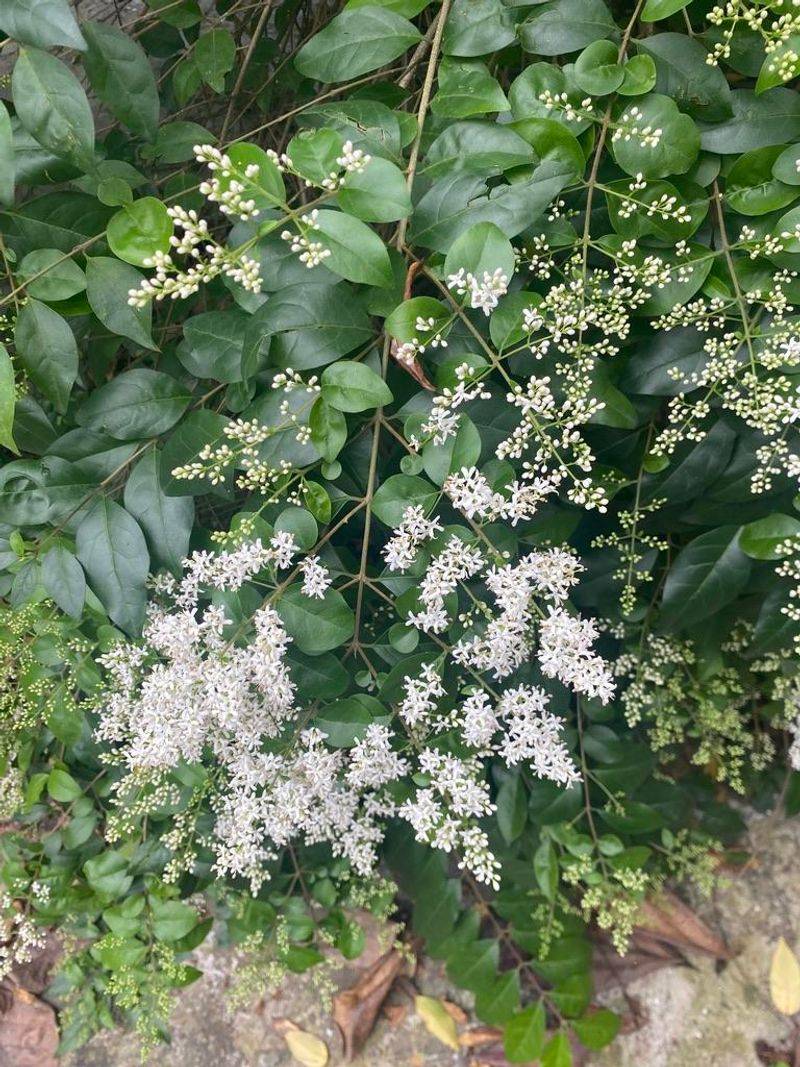
Pulling out a young Chinese Privet seedling is easy enough, but letting it go for even one full growing season changes the situation considerably. The root system develops quickly and anchors itself deep into Georgia’s clay-heavy soils.
By the time most people decide they want it gone, the plant is already well past the point of easy removal.
Cutting Privet at the base does not finish the job. The stump resprouts aggressively, sometimes sending up multiple new stems where there was only one before.
Gardeners who have tried to clear Privet from their Georgia properties often report going back to the same spots three and four times over a period of years. It takes persistence and the right approach to see real results.
Herbicide applications to freshly cut stumps are one of the more effective methods for preventing regrowth, but timing and technique matter. Applying treatment at the wrong time of year or missing the window right after cutting reduces effectiveness significantly.
Without consistent follow-up, regrowth tends to resume within a single growing season.
Root fragments left in the soil can also sprout new growth, which means even a thorough removal effort can leave behind material that regenerates. In Georgia’s warm climate, that regeneration happens quickly.
Many homeowners who have cleared Privet from wooded sections of their property describe it as an ongoing effort rather than a one-time project.
5. It Reduces Biodiversity In Landscapes Over Time
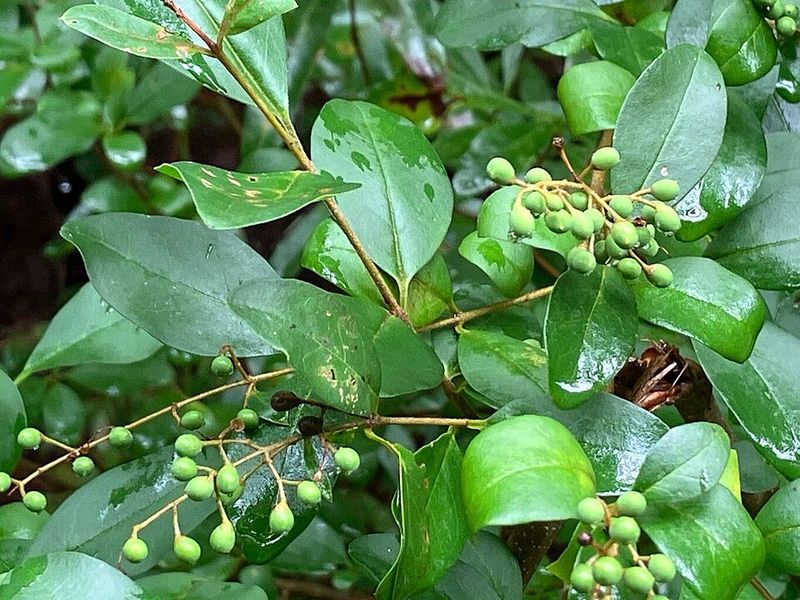
A yard full of Chinese Privet might look green and full, but looks can be deceiving when it comes to what is actually happening below the surface. Biodiversity is about more than just having different plants in the ground.
It includes the insects, birds, and soil organisms that depend on a variety of native plants to complete their life cycles. Privet does not support that web the way native plants do.
Native insects in Georgia are often specialized feeders, meaning they evolved alongside specific plants and depend on them for food and reproduction. Privet provides very little of that ecological value.
Replacing native shrubs and understory plants with Privet essentially removes the food sources that native insects rely on, and that ripples upward through the food chain affecting birds and other wildlife that feed on those insects.
Over time, a landscape that is heavily colonized by Privet becomes quieter in terms of wildlife activity. Fewer pollinators, fewer caterpillars, and fewer of the small creatures that make a healthy Georgia yard feel alive.
That shift happens gradually, which is part of why it can go unnoticed until the change is already significant.
Gardeners who have converted Privet-heavy areas back to native plantings in Georgia often notice increased insect and bird activity within a season or two. Swapping even a portion of an invasive planting for native alternatives makes a measurable difference.
A yard does not have to be a nature preserve to support biodiversity, it just needs to include plants that local wildlife can actually use.
6. Seedlings Appear Quickly In Undisturbed Soil
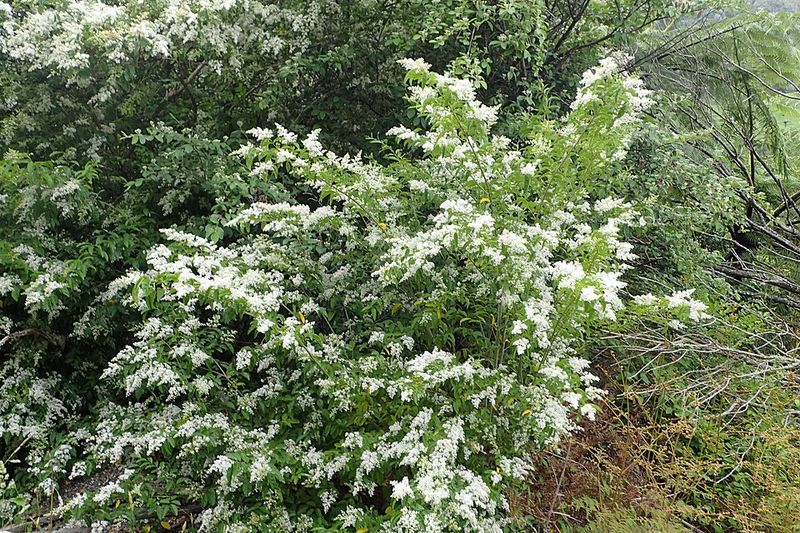
Bare soil near a Chinese Privet plant does not stay bare for long in Georgia. Seedlings can germinate within weeks under the right conditions, and Georgia’s warm springs give them exactly the moisture and warmth they need to get started fast.
A single fruiting plant nearby is enough to seed an entire garden bed if the soil is left undisturbed.
What makes this especially tricky is that Privet seedlings look fairly unremarkable at first. Small, oval leaves on a slender stem do not immediately stand out among other seedlings in a garden bed.
By the time they are identifiable and clearly Privet, they have already developed enough root structure to resist casual pulling. Catching them early requires knowing what to look for and checking regularly.
Mulching garden beds heavily is one of the more practical ways to reduce germination, but seeds that land in cracks, edges, or any exposed soil will still find a way to sprout.
Areas along fence lines, under trees, and along the edges of paths are especially prone to seedling establishment because those spots often have less competition from other plants.
Gardeners in Georgia who have nearby Privet, either their own or from a neighboring property, often find themselves pulling seedlings every spring and fall. It becomes a routine task rather than an occasional one.
Staying ahead of it requires consistency, and even a brief lapse in attention can let a few seedlings grow large enough to make removal noticeably harder the next time around.
7. Native Shrubs Provide Better Long Term Results
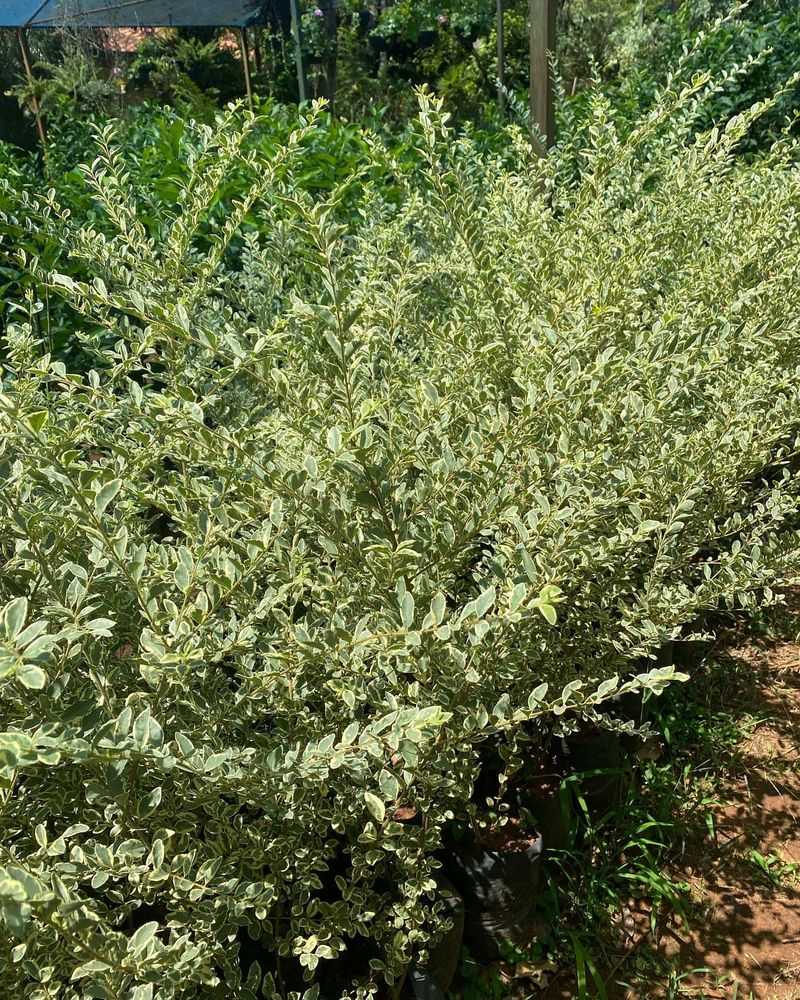
Swapping Chinese Privet for a native shrub is not just about avoiding problems, it is about getting more out of your landscape over time.
Native shrubs adapted to Georgia’s soils and climate tend to settle in without much fuss once they get through their first growing season.
They do not need to be fought back or monitored for spread the way invasive plants do.
American beautyberry is a solid choice for Georgia yards that want something with seasonal interest. The bright purple berry clusters in late summer and fall are genuinely striking, and birds use them heavily.
It handles heat and part shade well, and it stays within bounds without becoming a management project.
Oakleaf hydrangea is another option that performs reliably in Georgia’s variable soils and offers attractive blooms, interesting bark, and fall color all in one plant.
Winterberry holly brings strong winter interest with its bright red berries that persist after the leaves drop. It prefers moist spots, which makes it useful in areas of Georgia yards that tend to stay wet.
Native viburnums offer clusters of berries that wildlife use, along with decent fall color and a manageable growth habit that does not require constant attention.
None of these plants are maintenance-free, but they are honest about what they ask of you. They grow where you put them, support local wildlife, and do not require years of follow-up removal work to keep them contained.