8 Plants Arizona Gardeners Should Prune In April For Better Growth
Growth in Arizona does not wait, and April is when many plants either take off or start to lose shape without warning. One week everything looks steady, then suddenly branches stretch unevenly, blooms slow down, or the whole plant feels off.
That shift catches a lot of gardeners off guard because the yard still looks fine on the surface. Underneath, though, plants respond fast to even small changes this time of year, and what happens now carries into the hotter months ahead.
Pruning plays a bigger role here than most expect, but it is not about cutting everything back. Some plants respond well right now, while others react poorly if touched too soon, and knowing the difference changes everything.
A few well timed cuts can redirect growth, improve structure, and make the whole yard feel more controlled before heat fully sets in.
1. Natal Plum Handles Spring Shaping Without Stress
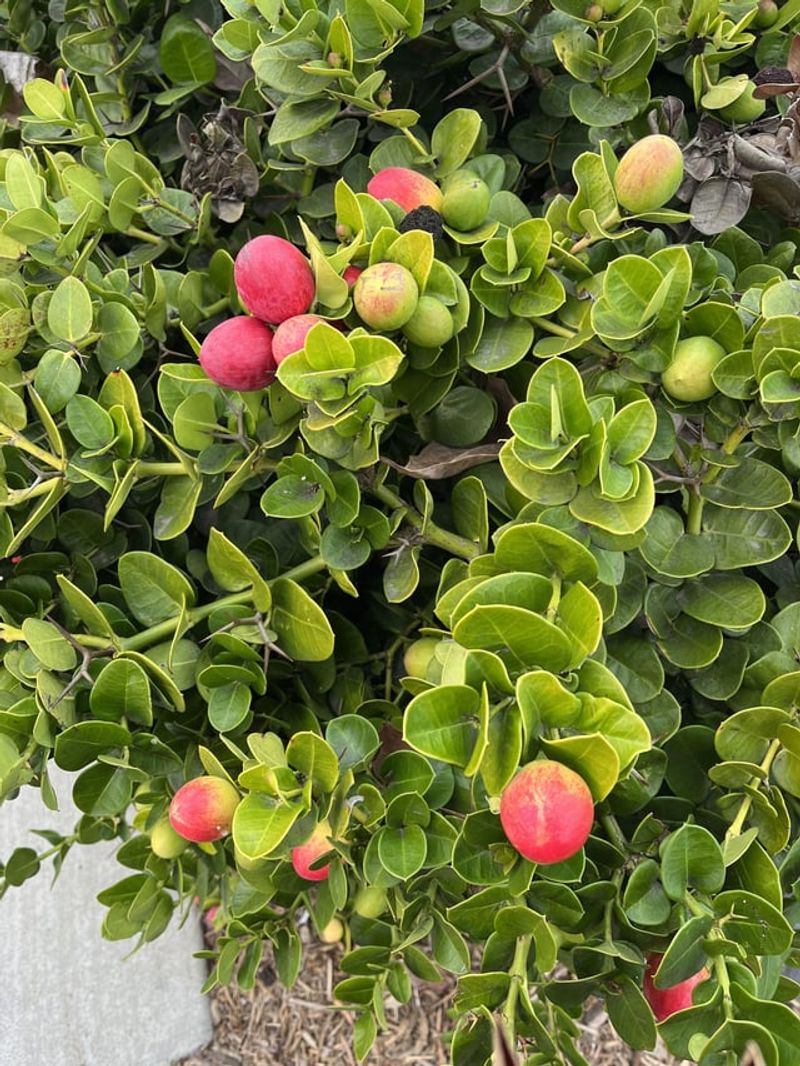
Natal plum is one of those shrubs that holds its shape surprisingly well through winter, but by April it usually has a few awkward branches pushing outward or upward in ways that throw off the overall look. Spring shaping helps it stay tidy and direct energy into productive new growth.
Unlike some desert-adapted plants, natal plum responds well to moderate pruning without a long recovery period. Trim back any branches that are crossing, rubbing, or growing toward the center of the plant.
Keeping airflow moving through the middle of the shrub reduces the chance of fungal issues during Arizona’s humid monsoon months later in the year.
Avoid removing more than about a third of the plant in one session. Natal plum can handle a firm hand, but taking too much at once can set it back heading into the hot season.
Light, targeted cuts made now tend to produce a denser, more compact plant by midsummer.
Worth noting — natal plum has small but sharp spines along its stems, so long sleeves and gloves are a smart call. After shaping, check the cuts and make sure no stems were torn rather than cleanly sliced.
Torn cuts heal more slowly and can become entry points for pests, which is the last thing you want heading into Arizona’s long, hot summer.
2. Lantana Responds Well To A Fresh Spring Cutback
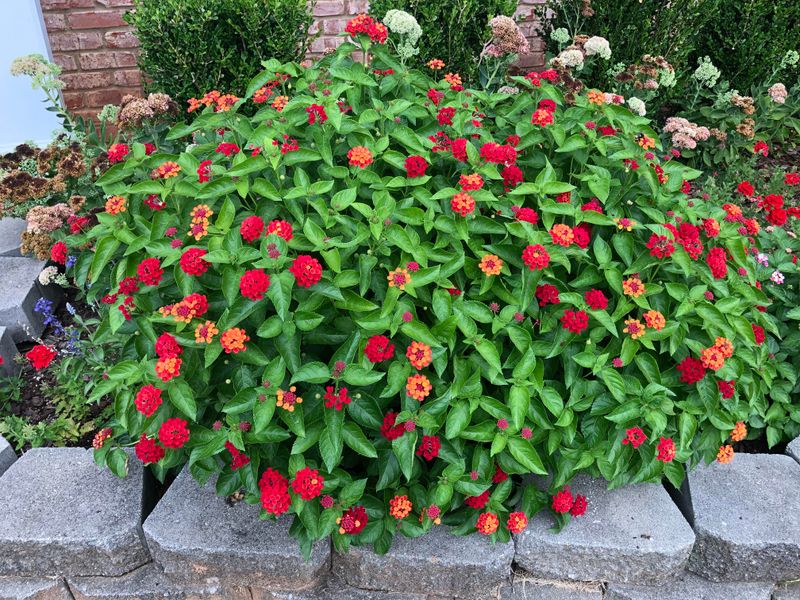
Lantana has a way of looking completely exhausted by the end of winter, even in Arizona. Woody stems, faded growth, and a scraggly shape are all signs it is ready for a cutback before the warm season kicks in.
April is a solid window to trim lantana hard without worrying about frost damage. Cut stems back by roughly half, targeting the oldest and woodiest growth first.
You do not need to be too precious about it — lantana bounces back well from an aggressive trim when the timing is right.
After cutting, you should see fresh green growth pushing out within a couple of weeks, especially as Arizona temperatures climb into the 80s. New shoots tend to carry more flower buds than older wood, which is why skipping this step usually means fewer blooms come summer.
Your Arizona Garden Changes Every Week. Your Plan Should Too.
Gardening in Arizona changes quickly throughout the season. Every Friday you’ll receive a simple weekly plan showing exactly what to plant, prune, fertilize, harvest, and protect so you never miss the right timing.
Sharp, clean pruners matter here. Ragged cuts can stress the plant more than necessary, so wipe your blades down and make clean snips just above a healthy node or leaf set.
Giving the plant a light feeding with a balanced fertilizer after pruning can support the flush of new growth, though results will vary depending on your soil and watering habits.
Keep watering light but consistent after pruning, allowing the soil to dry slightly between soakings so roots stay healthy.
Within a few weeks, the plant usually fills back in with fuller growth and stronger color heading into late spring.
3. Bougainvillea Benefits From Light Trimming Before Active Growth
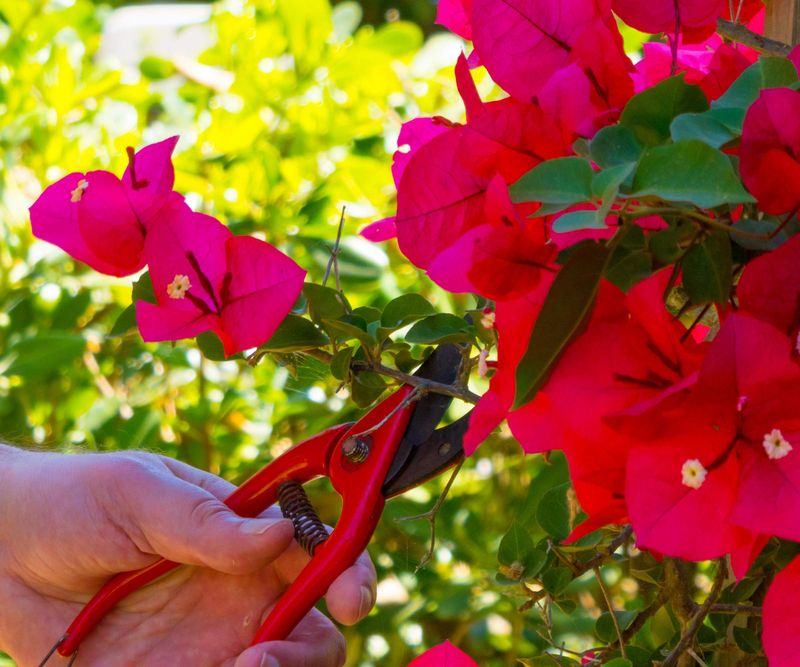
Bougainvillea in Arizona can grow into a beast if left unchecked, and April is one of the best times to get ahead of it before the heat locks everything into overdrive. A light trim now can shape the plant and encourage a stronger flush of color later in the season.
Focus on removing stems that crossed or grew in the wrong direction over winter. You are not trying to strip it down — just clean it up and redirect energy toward well-placed branches.
Heavy cuts made too late in spring can actually delay blooming, so keep it strategic rather than aggressive.
One thing worth knowing: bougainvillea blooms most when it experiences a little stress. Pruning lightly and then holding back on water slightly after cutting can push it toward flowering rather than just producing more leaves.
That said, Arizona summers are already stressful enough for plants, so do not overdo the water restriction once temperatures spike.
Wear gloves when working with bougainvillea. The thorns are sharp and can catch you off guard, especially when reaching into older growth.
After trimming, let the cut ends dry for a day or two before watering heavily. Consistent, light shaping each spring tends to produce better results than waiting years and then doing a drastic overhaul.
4. Yellow Bells Push Stronger Growth After Careful Pruning
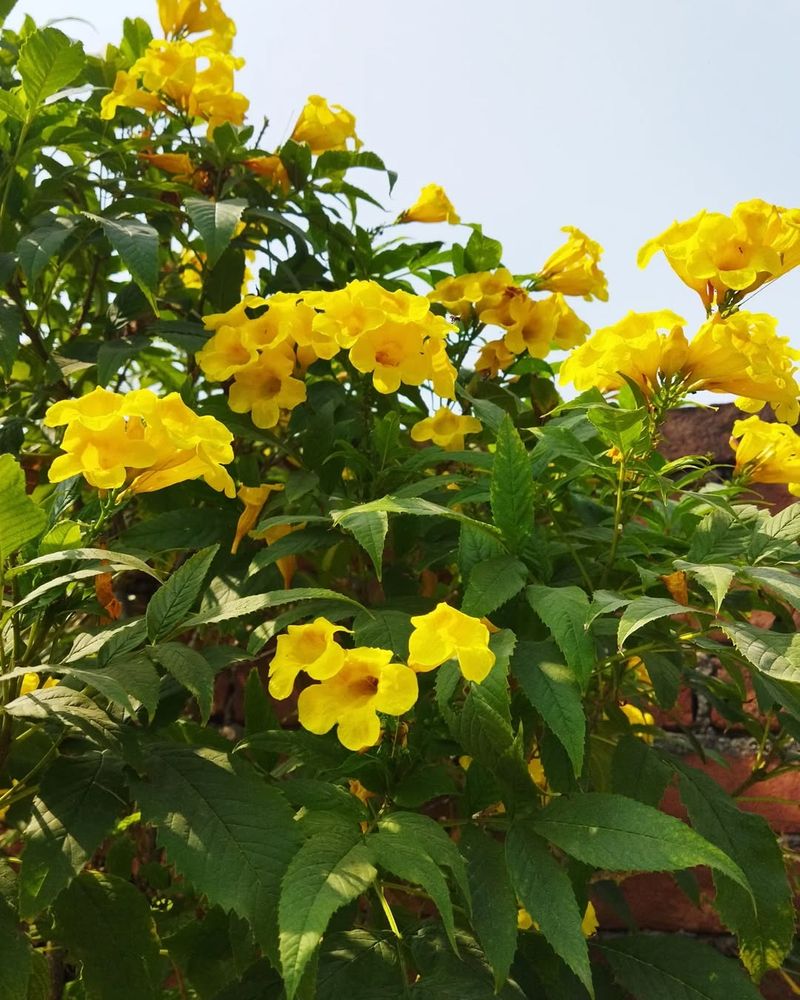
Yellow bells, also known as Tecoma stans, tends to put on a wild show of growth right before Arizona’s summer heat arrives. Left untrimmed, it can get leggy, top-heavy, and less productive with flowers.
April is the right time to step in before that happens.
Cut back the longest, most extended stems by about one-third. Look for any damaged wood from winter and remove that completely.
Yellow bells responds well to this kind of selective trimming — it pushes out new branching points that carry more flower clusters than a single long stem would.
Avoid shearing the whole plant into a flat shape. Yellow bells looks and performs better when pruned with some thought to its natural branching pattern rather than being buzzed into a ball.
Selective cuts made by hand take more time but produce a much more attractive plant over the season.
In Arizona, yellow bells can go through multiple bloom cycles between spring and fall. Pruning in April sets up the first strong cycle, and deadheading spent flowers through summer can encourage repeat blooming.
Results depend on factors like water availability, soil drainage, and how much direct sun the plant receives throughout the day. A plant growing in full sun with decent drainage will generally respond better to pruning than one sitting in compacted or poorly draining soil.
5. Texas Sage Handles Selective Trimming Without Heavy Cuts
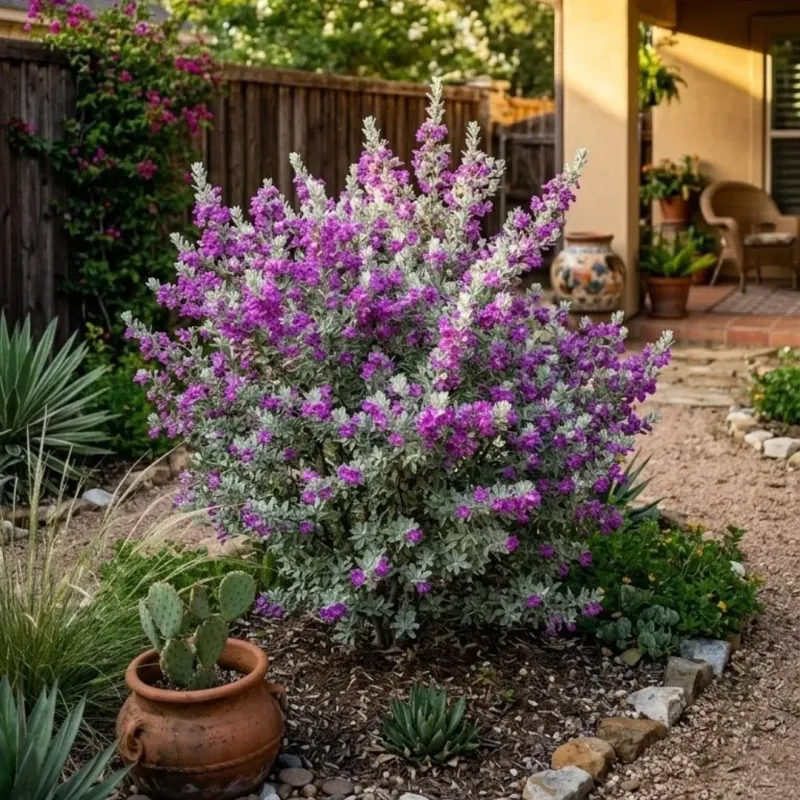
Texas sage is practically built for Arizona’s dry climate, and it tends to get taken for granted because of how little attention it usually needs. April is still a good time to give it a quick look and remove any winter-damaged stems before new growth fills in around them.
Selective trimming works better for Texas sage than heavy cutting. Pull out any stems that look gray, brittle, or hollow at the cut end — those are not coming back.
Beyond that, focus on opening up the center slightly if the shrub has gotten dense and congested over the past season or two.
One common mistake Arizona gardeners make is shearing Texas sage into a tight ball every season. While it tolerates that kind of treatment, it tends to produce fewer flowers and develops a thick outer shell of growth with older, dried material trapped inside.
A lighter, more targeted approach keeps it healthier over time.
Texas sage blooms in response to humidity and rainfall, which means Arizona’s monsoon season is when it really performs.
Pruning lightly in April helps set up a cleaner structure so that when the monsoons arrive and trigger blooming, the flowers are distributed evenly across the plant rather than clustered at the tips of overgrown stems.
Keep cuts clean and avoid trimming any more than what is clearly necessary — less really is more with this one.
6. Desert Ruellia Can Be Trimmed To Encourage Fresh Shoots
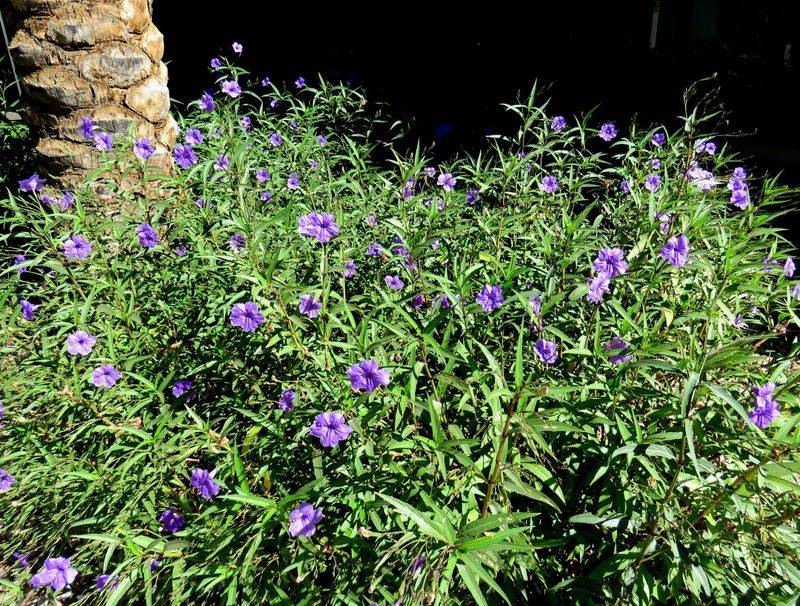
Desert ruellia has a sprawling habit that can look a little chaotic by the time April rolls around. Stems spread outward, older growth starts to look tired, and the whole plant benefits from being cut back to encourage a fresh round of shoots from the base.
Trim stems back by about half, focusing on the longest and most stretched-out growth first. Cutting above a healthy set of leaves or a visible node gives the plant a clear point to push new growth from.
You should start seeing new shoots fairly quickly once Arizona’s April warmth gets going.
Desert ruellia spreads by both runners and seeds, so trimming it back in spring also gives you a chance to manage how far it has crept into neighboring plants or pathways.
Pulling up any rooted runners that have strayed too far is easier to do now than waiting until summer when the soil bakes hard.
Watering after pruning helps the plant recover and push new growth more consistently.
Desert ruellia is reasonably drought-tolerant once it has been established for a season or two, but right after a trim it benefits from a bit more moisture to support the energy it puts into new shoots.
In Arizona’s low-desert zones, keeping the soil around the base lightly moist for a week or so post-pruning can make a noticeable difference in how quickly it fills back in.
7. Red Yucca Benefits From Removing Old Flower Stalks
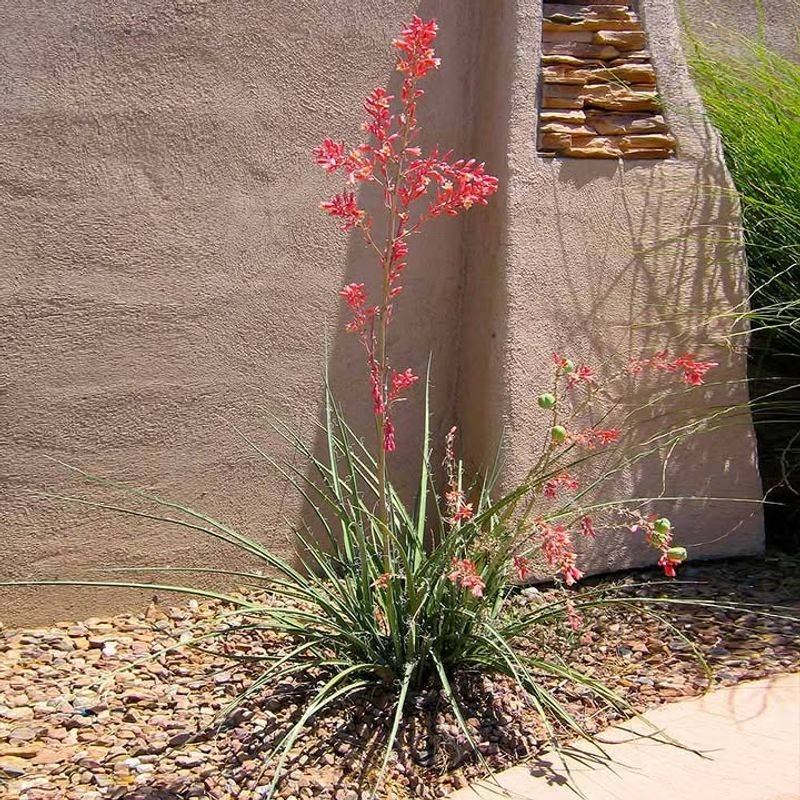
Red yucca is one of the most reliable plants in an Arizona garden, but it has a habit of holding onto its old flower stalks long after they have dried out and turned brown. April is a natural time to clean those up before the new season’s bloom spikes start emerging.
Grab the old stalks near the base and cut them off cleanly with loppers or a sharp handsaw if they are thick. Do not yank or twist them out — the base of the plant can be damaged if the stalk does not break cleanly.
A clean cut is always the better option.
Beyond the old stalks, check the base of the plant for any damaged or yellowing leaves that have built up over winter.
Pulling those off by hand or cutting them close to the base cleans up the plant’s appearance and reduces hiding spots for insects that tend to shelter in dry debris.
Red yucca produces its coral-red flower spikes through spring and into summer, and hummingbirds are regulars at those blooms in Arizona gardens. Removing the clutter of old growth now means the new stalks will be more visible and easier for pollinators to access.
Results from this kind of maintenance are usually visible within a few weeks as the plant redirects energy into fresh blooms instead of holding onto spent material from the previous year.
8. Baja Fairy Duster Responds Well To Light Structural Pruning
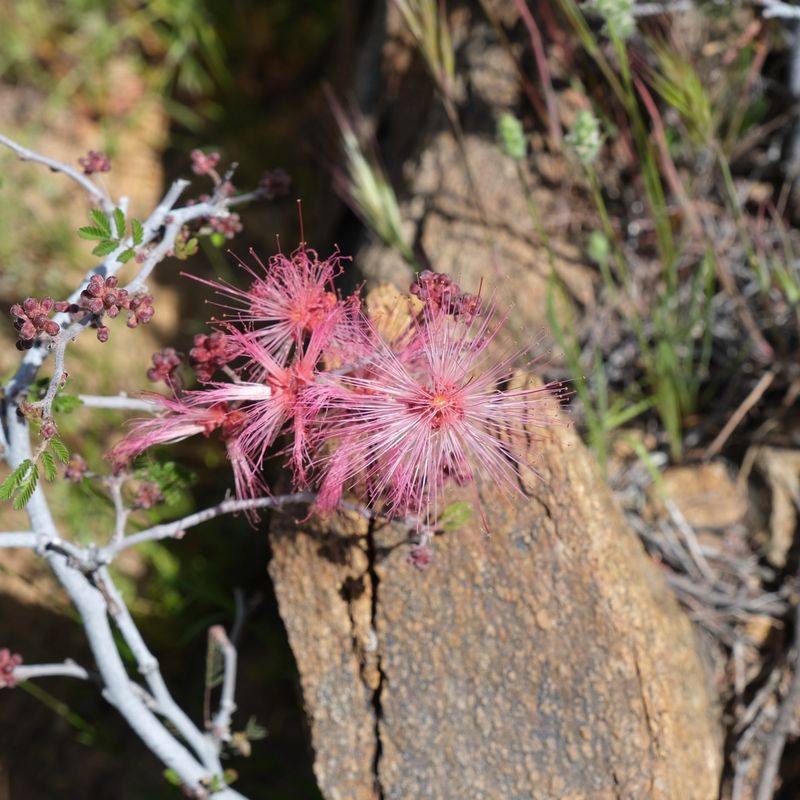
Baja fairy duster has a loose, open growth habit that gives it a wild, natural look — but without any attention, it can start to look more tangled than intentional. April is a good time to do a bit of light structural pruning before the plant really takes off for the season.
Look for any stems that are crossing through the center of the plant or growing straight down toward the soil. Removing those improves airflow and keeps the plant’s shape open and attractive.
You are not trying to reshape the whole thing — just remove what does not serve the plant’s overall structure.
Baja fairy duster is sensitive to hard pruning, so keep cuts light. Removing more than about a quarter of the plant at once can stress it heading into the heat, and recovery during an Arizona summer is slower than it would be in a cooler climate.
Small, deliberate cuts are more effective than a heavy trim done all at once.
After pruning, you may notice a flush of fresh growth appearing along the remaining stems within a few weeks.
Baja fairy duster blooms on new wood, so encouraging that new growth in April can support a stronger showing of its distinctive feathery blooms through late spring.
Hummingbirds and native bees are drawn to those flowers, which makes this shrub a worthwhile addition to any Arizona pollinator-friendly garden.