These Are The 8 Shrubs Ohio Gardeners Should Fertilize In April
The moment Ohio finally shakes off winter, it feels like the garden is ready to take off overnight. Blink, and those shrubs you ignored all winter are suddenly pushing new growth like they’ve got something to prove.
Miss this window, and you’re playing catch-up all season. Hit it right, and you set the stage for fuller blooms, richer color, and stronger growth that carries straight into summer.
April is where the magic either happens or quietly slips through your fingers. Soil is warming, roots are waking up, and shrubs are gearing up for their busiest stretch of the year.
The trick is knowing which ones actually benefit from a boost right now and which ones are better left alone. A well-timed feed can give certain shrubs a real leg up, but too much or too soon can backfire fast.
Get ready to give your landscape exactly what it needs, right when it counts.
1. Feed Hydrangeas Now For Bigger Summer Blooms
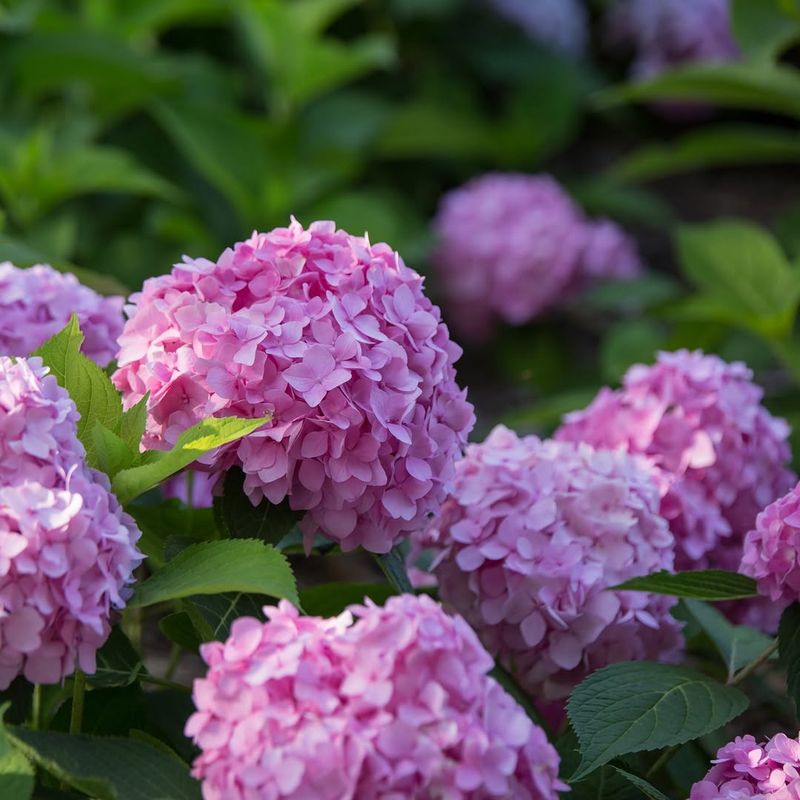
Few shrubs put on a summer show quite like hydrangeas, and what you do in April can make or break that performance. Timing your fertilizer application before active growth kicks in gives the roots a head start on absorbing nutrients before energy shifts toward leaf and flower production.
In Ohio, that window typically falls in early to mid-April, depending on your region.
Not all hydrangeas are the same, though. Bigleaf hydrangeas, also called macrophylla, bloom on old wood, meaning their flower buds formed last fall.
Feeding them with a high-nitrogen fertilizer in spring can push leafy growth at the expense of those buds. Panicle hydrangeas, on the other hand, bloom on new wood and respond more favorably to a balanced spring feeding.
A slow-release, balanced fertilizer with an equal ratio of nitrogen, phosphorus, and potassium works well for most varieties. Something like a 10-10-10 granular formula applied around the drip line is a solid starting point.
Avoid overdoing it, since too much nitrogen is one of the most common mistakes Ohio gardeners make with hydrangeas.
Ohio soils vary widely in pH, and hydrangeas prefer slightly acidic conditions, so a quick soil test through Ohio State University Extension can help you fine-tune your approach before you apply anything.
2. Wake Up Your Roses With The Right Spring Boost
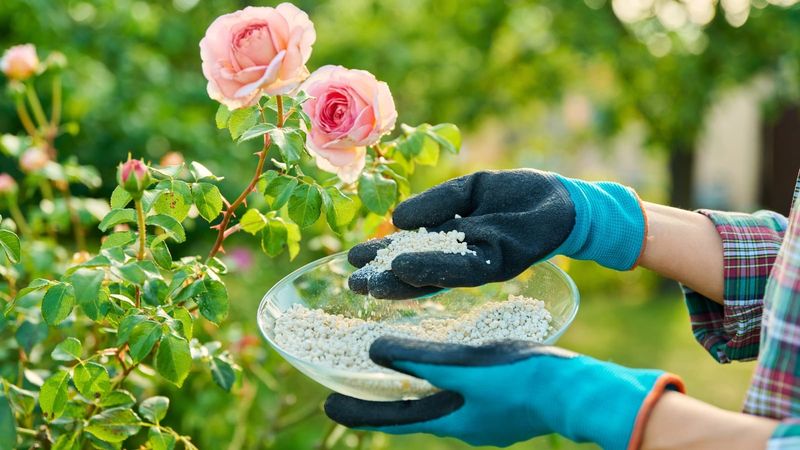
Roses are hungry feeders, and spring is when that appetite really kicks in. The key in Ohio is patience.
Jumping in with fertilizer too early, before new growth has actually started, can push tender shoots that get wiped out by a late frost.
Ohio gardeners in northern parts of the state should wait until they see at least two to three inches of new red or green growth before reaching for the fertilizer bag.
Once that growth appears, a balanced rose fertilizer or a general-purpose 10-10-10 formula works well for the first spring feeding.
Some gardeners prefer products specifically formulated for roses that include micronutrients like magnesium and iron, which support deep green foliage and strong stem development.
Your Ohio Garden Changes Every Week. Your Plan Should Too.
Gardening in Ohio changes quickly throughout the season. Every Friday you’ll receive a simple weekly plan showing exactly what to plant, prune, fertilize, harvest, and protect so you never miss the right timing.
Granular slow-release options are especially practical because they feed steadily over several weeks without requiring frequent reapplication.
One thing worth watching is soil pH. Roses prefer a slightly acidic soil between 6.0 and 6.5.
Ohio soils, particularly in the western part of the state, tend to be more alkaline due to high lime content, which can lock up nutrients even when fertilizer is present. A soil test is the smartest first step.
Water your roses thoroughly after applying granular fertilizer to help it move into the root zone and reduce any risk of root irritation from concentrated nutrients sitting on dry soil.
3. Give Boxwoods A Light Feed Before New Growth Takes Off
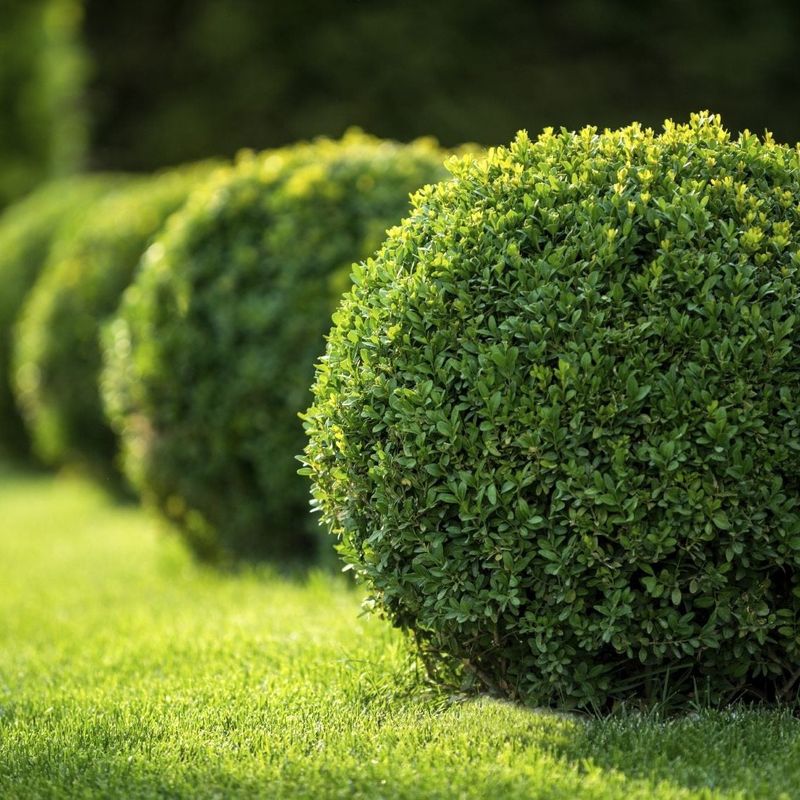
Boxwoods have a reputation for being low-maintenance, and that reputation is well earned, but low-maintenance does not mean no maintenance.
A light spring feeding before new growth emerges helps boxwoods push out healthy, dense foliage and recover from any winter stress they may have experienced.
April is the right time to do this in most of Ohio, right as the soil begins to warm consistently.
The word to keep in mind here is light. Boxwoods do not need heavy fertilization, and overfeeding them can actually cause more harm than good by pushing weak, leggy growth that is more vulnerable to pests and disease.
A slow-release, balanced fertilizer with a modest nitrogen content is ideal. Products formulated specifically for broadleaf evergreens are a smart choice and are widely available at Ohio garden centers.
Soil pH matters a lot for boxwoods. They prefer a slightly acidic to neutral pH, roughly between 6.5 and 7.0.
Ohio soils can swing in either direction, so testing before you fertilize is always a smart move. Sprinkle the granular fertilizer evenly around the drip line of the plant, keeping it away from the main stems to avoid any irritation.
Water it in well after application. Consistent moisture during April also supports nutrient uptake and helps boxwoods transition smoothly into the active growing season without stress.
4. Fertilize Spirea Early For A Stronger Bloom Cycle
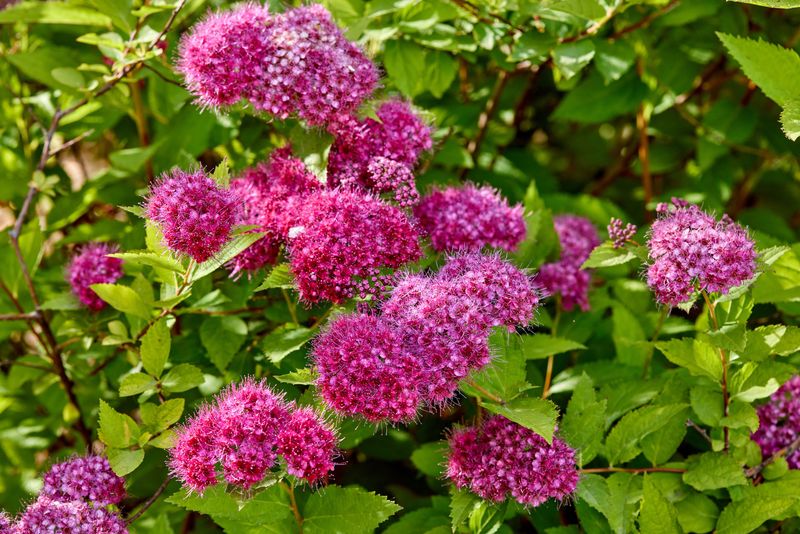
Spirea is one of those dependable shrubs that asks for very little but rewards you generously when you give it a little attention in spring. Timing your fertilizer application correctly depends on which type of spirea you are growing.
Spring-blooming varieties like Bridal Wreath bloom on old wood, so fertilizing in early April, just as buds begin to swell, gives them a nutrient boost without interfering with their upcoming flower display.
Summer-blooming spirea varieties, such as Japanese spirea or Anthony Waterer, bloom on new wood. For these, a slightly later April application, once you see fresh growth beginning to emerge, works well.
A balanced 10-10-10 fertilizer or a slow-release shrub formula is appropriate for both types. Avoid going heavy on nitrogen with spring bloomers, since that can redirect the plant’s energy away from flowers and toward leafy growth instead.
One practical tip for Ohio gardeners is to pair fertilization with a light pruning session. For spring-blooming spirea, hold off on pruning until after the flowers fade.
For summer bloomers, a light trim in early April combined with fertilizer application can really energize the plant heading into its active season.
Spirea is generally adaptable to a wide range of Ohio soils, but a slightly acidic to neutral pH gives it the best shot at absorbing nutrients efficiently and producing its signature dense clusters of blooms.
5. Help Viburnum Push Out Healthier Spring Growth
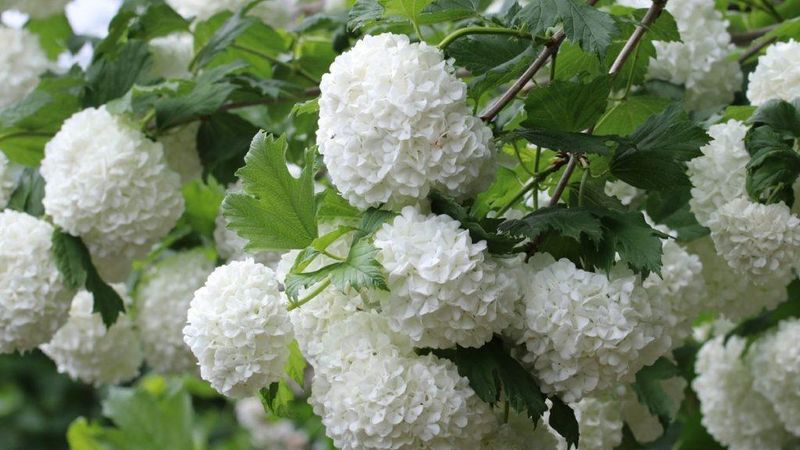
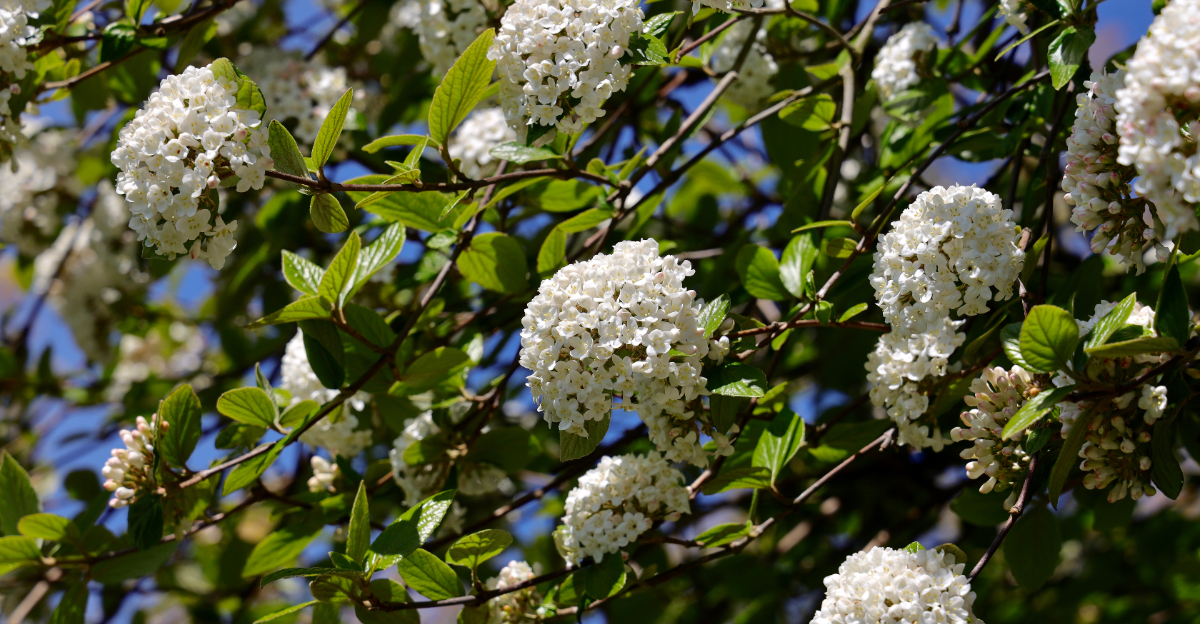
Viburnum is one of the most versatile shrub groups you can grow in Ohio, with dozens of species ranging from compact ornamentals to large, wildlife-friendly specimens that produce berries through fall and winter. Across all these varieties, a spring fertilizer application in April helps support the flush of new growth and the flowering that makes viburnum such a garden standout.
One thing to keep in mind is that viburnum is sensitive to excess nitrogen. Too much of it and you end up with a shrub that is all leaves and very few flowers.
A balanced fertilizer with equal or lower nitrogen compared to phosphorus and potassium is a better fit. Something in a 5-10-5 or 10-10-10 range works well, applied as buds begin to show signs of swelling in early April.
Most viburnum species are well-suited to Ohio’s climate and can handle a range of soil conditions, from the heavier clay soils common in central and northwestern Ohio to the sandier soils found in other regions.
That said, improving drainage and maintaining a soil pH between 5.5 and 6.5 will help your viburnum make the most of whatever fertilizer you apply.
Scatter granular fertilizer evenly under the canopy, water it in thoroughly, and avoid placing it right against the main trunk or stems to keep the plant healthy through the growing season.
6. Support Lilacs Right After Buds Begin To Swell
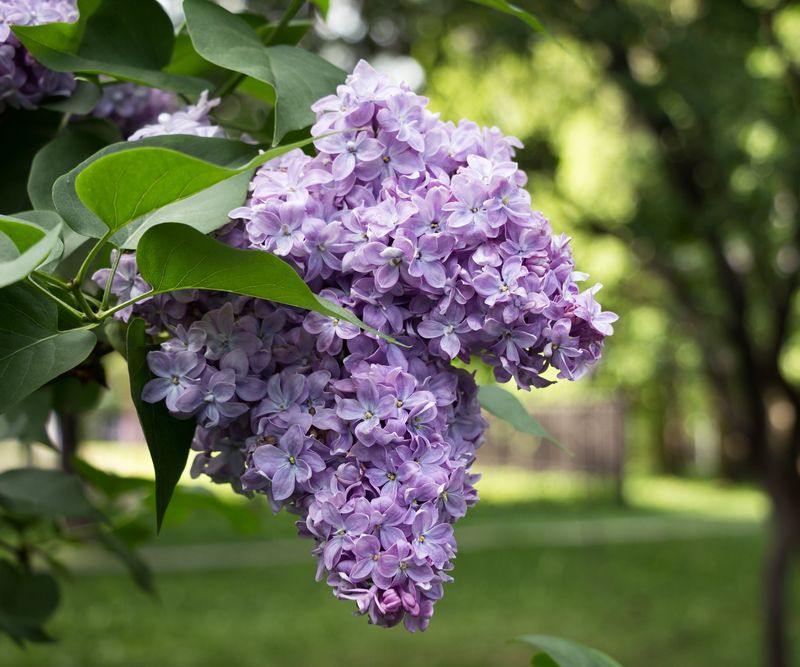
There is something almost nostalgic about lilacs, with their sweet fragrance and those iconic clusters of purple and white blooms that signal spring has truly arrived in Ohio. Getting the fertilizer timing right is crucial for keeping that bloom display strong year after year.
The sweet spot is right when buds begin to swell but before flowers have fully opened, which in Ohio typically lands in early to mid-April depending on your location.
One of the most common mistakes gardeners make with lilacs is reaching for a high-nitrogen fertilizer. Nitrogen encourages leafy, vegetative growth, but for a shrub that blooms on old wood, too much of it can reduce the number of flower buds that form for next season.
A low-nitrogen fertilizer, or one with a higher phosphorus content like a 5-10-5 formula, is a much smarter choice for lilacs.
Lilacs also have a strong preference for slightly alkaline to neutral soil, ideally between 6.5 and 7.0 pH. This actually works in favor of many Ohio gardeners, particularly those in western Ohio where soils tend to be naturally higher in pH.
If your soil is more acidic, a light application of garden lime the previous fall can help bring it into the right range.
Water your fertilizer in well after application and resist the urge to overfeed, since established lilacs are surprisingly self-sufficient once their soil conditions are right.
7. Boost Weigela Before Flowering Season Kicks In
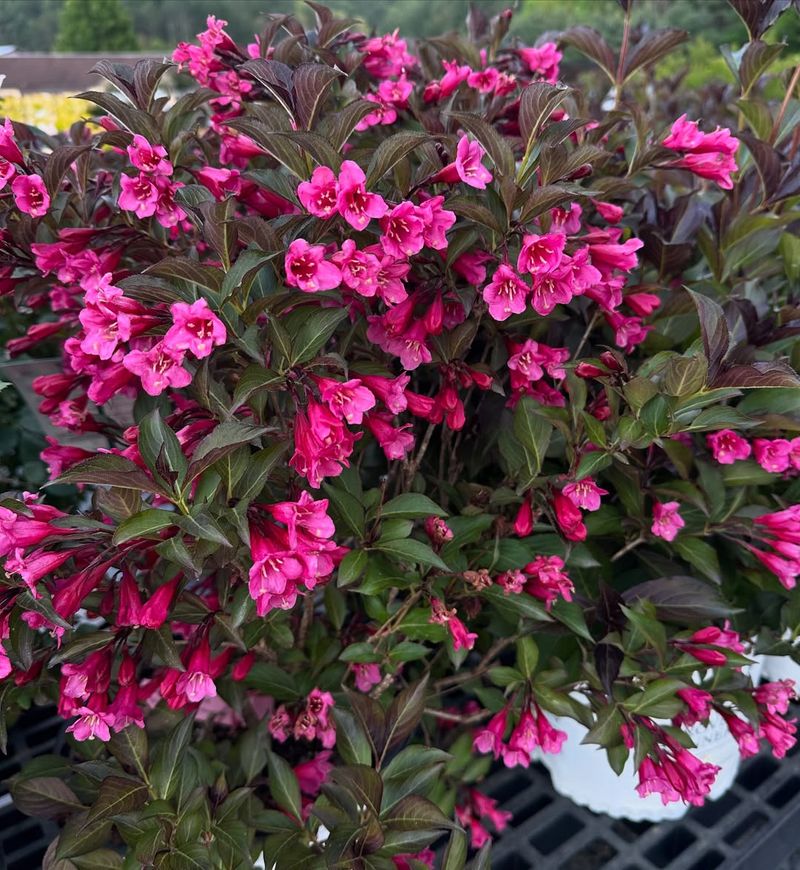
Weigela brings some serious color to the spring garden, with its funnel-shaped flowers in shades of pink, red, and white that hummingbirds absolutely love.
To get the most out of that floral display, feeding weigela in early April before flowering begins gives the plant the energy it needs to produce abundant blooms rather than just lots of foliage.
The fertilizer balance matters here. A formula that leans toward phosphorus and potassium rather than being heavily nitrogen-dominant will support flower production better.
Too much nitrogen is the classic mistake with weigela, resulting in a shrub that looks lush and green but offers surprisingly few flowers. A balanced slow-release fertilizer, such as a 10-10-10 or a bloom-boosting formula with slightly elevated phosphorus, works well for most Ohio gardens.
Weigela is a tough, adaptable shrub that handles Ohio’s variable spring weather fairly well. It tolerates a range of soil types, though it performs best in well-drained soil with a pH between 5.5 and 7.0.
Apply granular fertilizer evenly around the drip line, which is the outer edge of the canopy, rather than right at the base of the plant. Water it in thoroughly after application.
Pairing your April fertilization with a light pruning of any withered or damaged wood from winter will also help weigela channel its energy into fresh, flower-producing growth as the season builds.
8. Give Azaleas An Acid-Loving Spring Start
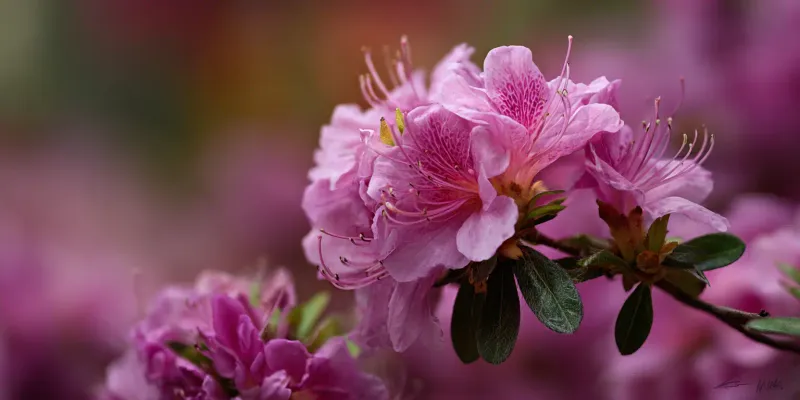
Azaleas are showstoppers in the spring garden, but they are also a bit particular about their growing conditions, especially when it comes to soil chemistry.
Getting your fertilizer approach right in April can mean the difference between a shrub that blazes with color and one that looks tired and washed out.
The most important thing to understand is that azaleas are acid-loving plants and need a soil pH between 4.5 and 6.0 to thrive.
In Ohio, this can be a challenge. Many parts of the state have naturally alkaline or near-neutral soils, particularly in areas with heavy clay or limestone-based geology.
If your soil pH is too high, nutrients become unavailable to the plant even when fertilizer is present.
A soil test is genuinely useful here, and Ohio State University Extension offers affordable testing options that can give you a clear picture of where your soil stands before you invest in fertilizer.
For the fertilizer itself, choose a product formulated specifically for acid-loving plants, sometimes labeled as ericaceous fertilizer or azalea and rhododendron food. These products typically contain acidifying agents along with the nutrients azaleas need.
Apply in early April, just as new growth begins to show. Avoid fertilizing azaleas that are still in full bloom, since feeding at that stage can shorten the flower display.
Mulching around the base with pine bark or shredded leaves also helps maintain soil acidity and keeps moisture consistent through spring.