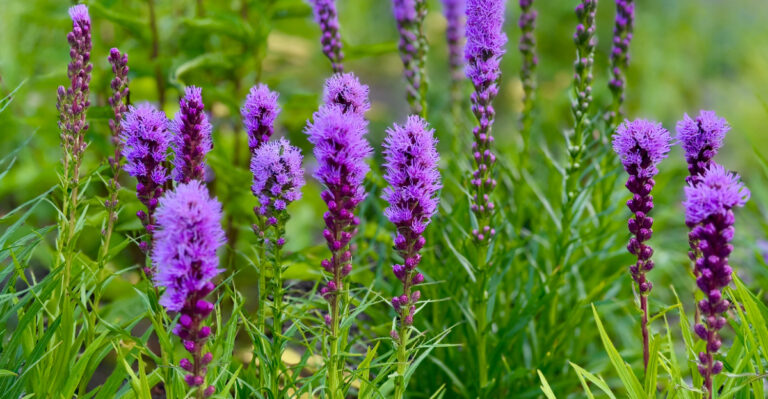
What Your Ohio Lilacs Need In April For A More Fragrant Spring Show

One warm April afternoon, and your lilacs look ready to steal the show. Blink again after a cold snap, and those same buds can stall out or lose some of that rich scent you wait all year for.
That’s the push and pull of spring in Ohio, and lilacs feel every bit of it. Catch the right moment, and you’re rewarded with blooms that stop you in your tracks.
Miss it, and the display can fall flat. April is when everything quietly falls into place behind the scenes.
Buds are filling out, roots are waking up, and the plant is deciding how strong this year’s bloom will be. A few small moves right now can make a noticeable difference in both flower count and fragrance.
The key is knowing what helps and what can backfire, especially with Ohio’s unpredictable weather. Get this window right, and your lilacs won’t just bloom, they’ll perfume the entire yard.
1. Step In When Buds Start Filling Out
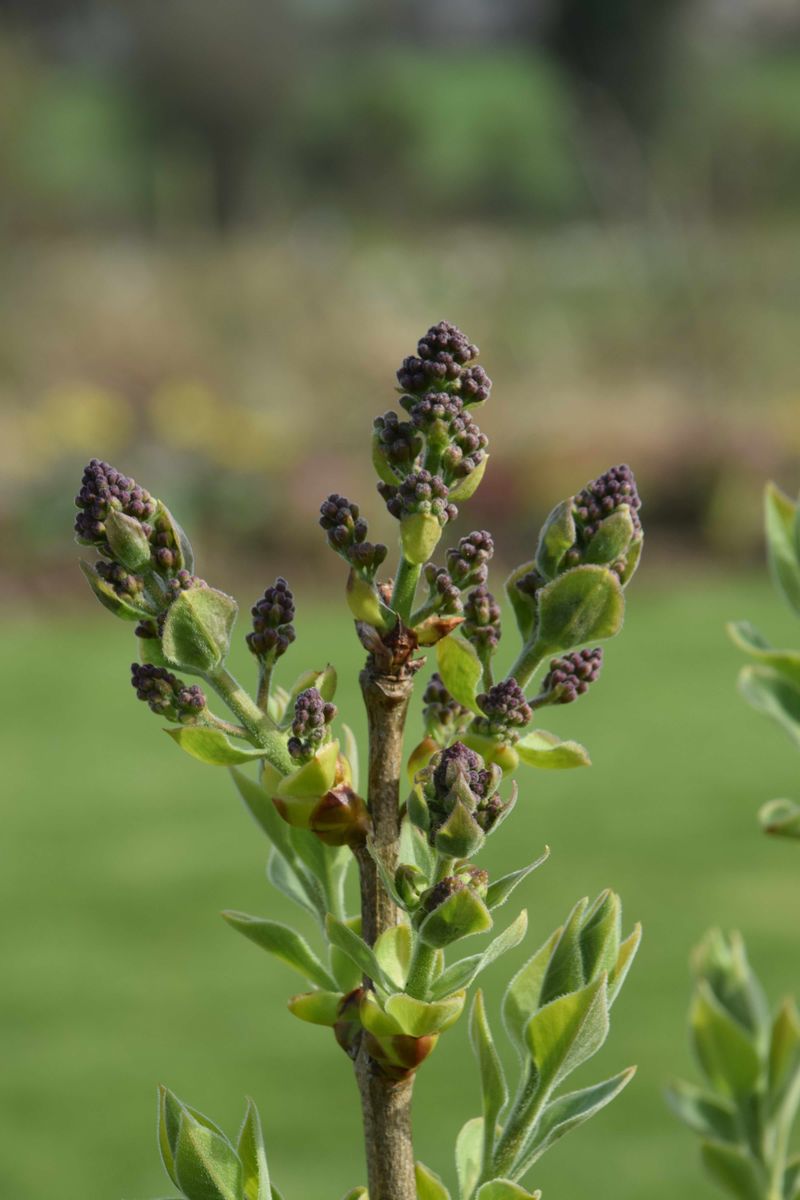
Watching those tight little buds start to plump up on your lilac branches is one of the most satisfying signs that spring is actually arriving in Ohio. That moment, usually somewhere in early to mid-April depending on where you live in the state, is your cue to pay attention.
Southern Ohio gardeners near Cincinnati may see this happening a week or two ahead of those in Cleveland or Youngstown, so use your own plant as your guide rather than the calendar.
At this stage, buds shift from looking dry and dormant to appearing fuller, slightly greener, and more rounded at the tips. You might notice the outer scales loosening just a little.
This is the window for light, thoughtful care. Think of it as waking someone up gently rather than shaking them awake.
Gentle observation and small actions go a long way here.
Check the area around the base of the shrub for winter debris, compacted soil, or anything blocking good airflow. Removing withered leaves and old mulch that has broken down too densely helps the root zone breathe and warm up evenly.
Resist the urge to do anything dramatic like heavy feeding or hard pruning at this point. The goal right now is simply to support what the plant is already doing naturally.
Ohio State University Extension recommends focusing on conditions rather than intervention during early bud swell, letting the shrub respond to improving temperatures on its own schedule.
2. Go Easy On Fertilizer Or You Will Sacrifice Fragrance
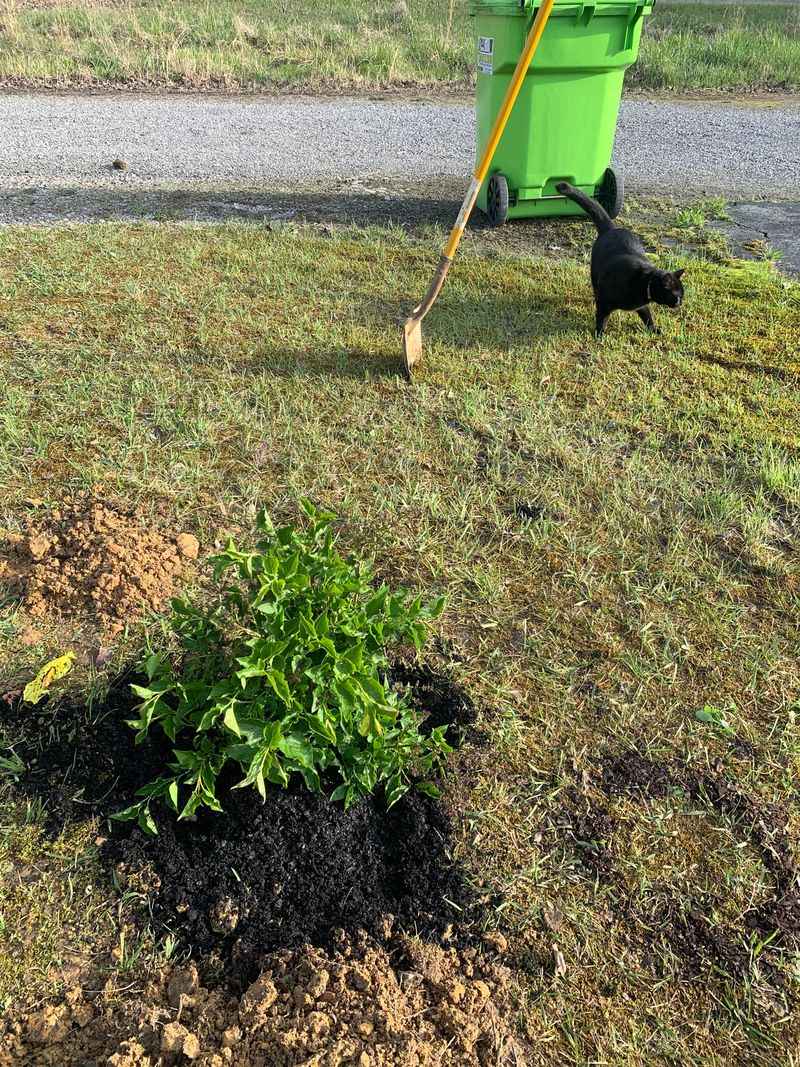
One of the most surprising things new lilac growers learn is that more fertilizer does not mean more flowers. In fact, pushing too much nitrogen into the soil around your lilacs in April can actually work against you in a pretty significant way.
Nitrogen encourages leafy, vegetative growth, and when a lilac gets a heavy dose of it right as buds are developing, the plant often responds by putting energy into new shoots and foliage instead of pouring resources into those bloom clusters.
Your Ohio Garden Changes Every Week. Your Plan Should Too.
Gardening in Ohio changes quickly throughout the season. Every Friday you’ll receive a simple weekly plan showing exactly what to plant, prune, fertilize, harvest, and protect so you never miss the right timing.
The result is a shrub that looks lush and green but smells like almost nothing when May rolls around. Fragrance in lilacs is closely tied to bloom density and overall plant health, not to how much you feed them.
Overfed lilacs frequently produce fewer panicles, and the ones they do produce can be smaller and less aromatic than you would expect from a healthy, unfed plant.
If your lilac is growing in reasonably good soil and was planted for more than two or three years, it likely needs little to no fertilizer at all.
If you feel the plant genuinely needs a boost, a light application of a low-nitrogen, phosphorus-forward fertilizer applied in late March to very early April is the safer approach.
Look for something with a lower first number on the label, like a 5-10-10 formula. Ohio State University Extension notes that established lilacs rarely need annual fertilizing and can actually perform better with minimal feeding in well-amended soil.
3. Feed The Soil, Not Just The Shrub

Healthy blooms start underground, and in Ohio, soil quality varies dramatically from one county to the next.
Clay-heavy soils are common across much of the state, especially in northwest and central Ohio, while parts of the southeast tend toward thinner, sandier ground.
Neither extreme is ideal for lilacs, which prefer loose, well-draining soil that holds just enough moisture without becoming waterlogged. The good news is that compost fixes both problems at once.
Spreading two to three inches of finished compost around the base of your lilac in April, without piling it against the main stems, is one of the most effective things you can do this month.
Compost slowly improves soil structure over time, helping clay soils drain better and helping sandy soils hold nutrients longer.
It also feeds the beneficial microbial life in the soil that helps roots absorb nutrients more efficiently. That underground ecosystem is a big part of what drives strong, fragrant blooms.
Unlike synthetic fertilizers, compost releases nutrients gradually and gently, which means there is far less risk of pushing the plant toward excessive leafy growth. You are building long-term soil health rather than delivering a quick jolt.
Even one good compost application in spring, repeated annually, can noticeably improve lilac performance over two to three seasons. Pair this with a light layer of organic mulch on top, and you are creating conditions that support not just this year’s flowers but a stronger root system heading into summer and beyond.
4. Don’t Let A Warm Week Push You Too Far Ahead
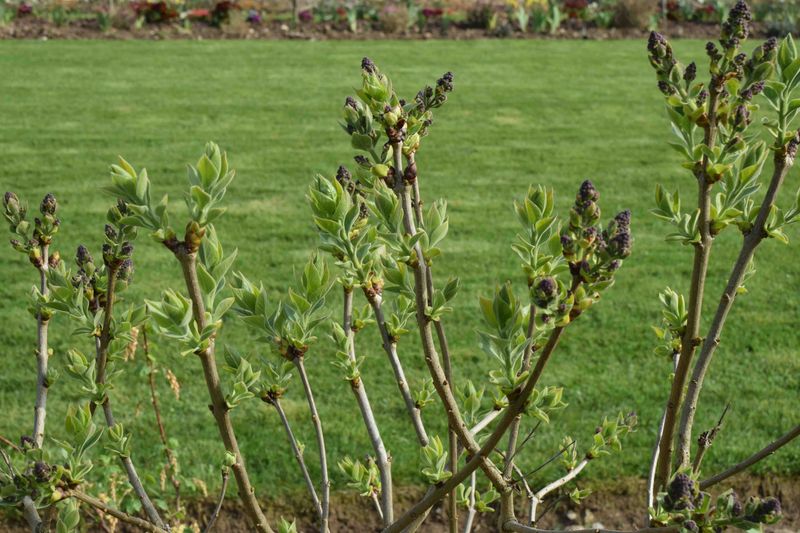
Every spring, Ohio delivers at least one stretch of warm, almost summer-like days in April that makes gardeners want to sprint outside and do everything at once. It feels like winter is finally finished, the soil smells amazing, and those lilac buds are practically begging you to act.
But experienced Ohio gardeners know this feeling well, and they also know what usually follows: a cold front, a frost advisory, and sometimes even snow flurries in the forecast.
Reacting too aggressively to a warm week is one of the more common April mistakes in this region.
If you apply fertilizer, remove protective mulch entirely, or start heavy soil amendments during a brief warm spell, you may be setting up the plant for stress when temperatures drop again.
Lilac buds that have been encouraged to push forward by warm soil and added nutrients are more vulnerable to cold damage than buds that developed at a steadier pace.
The better approach is to watch for a pattern of consistent overnight temperatures staying above freezing before making any significant changes to your care routine. In central Ohio, that reliable warmth often does not settle in until late April.
Northern parts of the state may not see truly stable conditions until early May. Using a simple min-max thermometer in your garden gives you real data instead of guesses.
Patience during Ohio’s unpredictable spring is not laziness; it is actually one of the smartest things you can do for your lilacs.
5. Shield Tender Buds From Surprise Cold Snaps
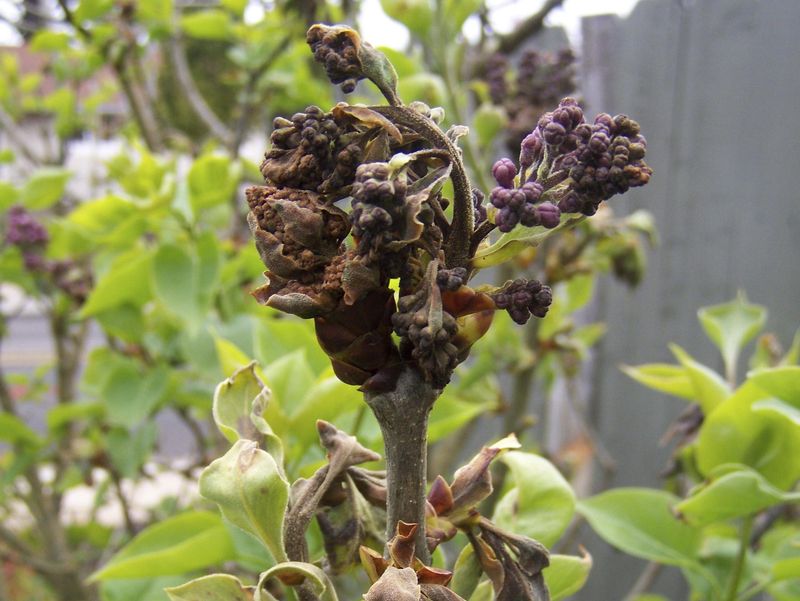
Late frosts in Ohio are not rare events. According to historical climate data referenced by Ohio State University Extension, many parts of the state can see frost well into April, and in some northern and elevated areas, even into early May.
When a hard frost hits lilac buds that have already started to swell and open, the damage can be quick and discouraging. Affected buds often turn brown, shrivel, and fail to produce flowers, meaning you wait another full year for that bloom.
The practical good news is that protecting developing lilac buds from a cold snap does not require expensive equipment or complicated setups.
A loose layer of burlap draped over the shrub on nights when temperatures are expected to drop below 28 degrees Fahrenheit offers real protection for tender tissue.
Lightweight row cover fabric works similarly and is easy to find at most garden centers across Ohio. The key is to remove the covering during the day so the buds still get light and air circulation.
Smaller or younger lilac shrubs are generally more vulnerable than large, established ones because mature wood provides some natural insulation around the bud-bearing branches.
If you have a lilac that was planted within the last two or three years, paying close attention to frost forecasts in April is especially worthwhile.
Check a local forecast rather than a national app for the most accurate overnight low predictions for your specific area. A little preparation the evening before a frost can save an entire season of flowers.
6. Keep The Pruners Down Until Bloom Time Ends
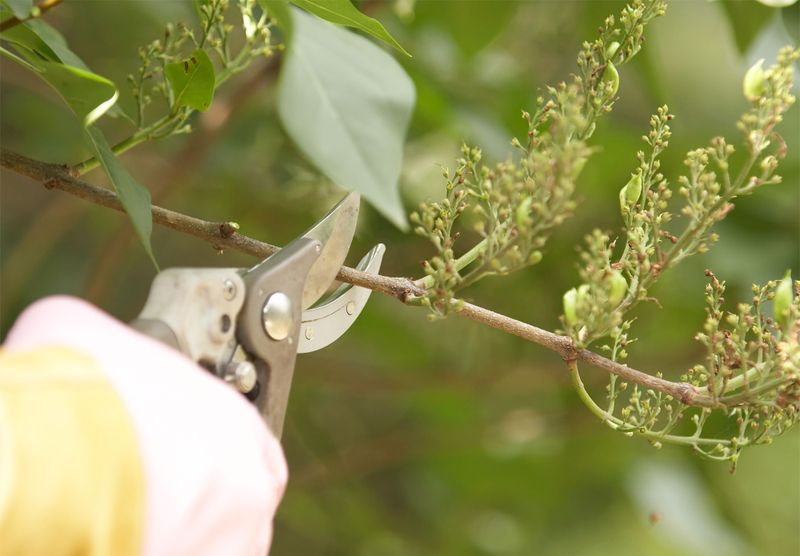
Pruning lilacs in April is one of those well-meaning mistakes that costs gardeners an entire season of blooms. The reason comes down to how lilacs produce their flowers.
Unlike some shrubs that bloom on new wood grown in the current season, lilacs bloom on old wood, meaning the flower buds you are hoping to enjoy in May were actually set on last year’s growth.
When you prune in April, you are almost certainly cutting off the very buds that were about to open.
It can be tempting to tidy things up in early spring when the garden is waking up and everything feels like it needs attention. A few wayward branches, some crossing stems, or an overall shape that feels a little wild can make the pruners seem like the obvious solution.
But for lilacs, restraint in April is the right call every single time. Even light shaping can remove enough bud-bearing wood to noticeably reduce that year’s flowering.
The correct time to prune lilacs in Ohio is immediately after the flowers fade, which typically falls somewhere in late May or early June depending on the variety and location.
Pruning within two to three weeks of bloom drop gives the plant the maximum amount of time to set new buds for the following spring before summer ends.
Waiting that extra month or so is a simple habit that pays off with fuller, more fragrant flower clusters year after year. Mark the calendar now so the timing feels intentional rather than rushed.
7. Fix Your Soil Now For Stronger, Sweeter Blooms

Soil chemistry plays a bigger role in lilac fragrance and bloom quality than most gardeners realize. Lilacs perform best in soil with a pH between 6.5 and 7.0, which falls in the slightly acidic to neutral range, leaning toward mildly alkaline.
Many Ohio soils, particularly in areas with heavy clay content, can drift toward more acidic conditions, especially if the area receives a lot of rain or has not been amended in several years.
Acidic soil makes it harder for lilacs to absorb the nutrients they need, which can lead to weaker growth and fewer flowers.
Testing your soil in April is straightforward and inexpensive. Basic soil test kits are available at most garden centers, and Ohio State University Extension offers more detailed testing through county offices for a small fee.
If your results show pH below 6.5, adding ground limestone to the soil around your lilac can help bring things back into the right range. Apply it according to the test recommendations rather than guessing on the amount, since too much lime can cause its own set of problems.
Drainage matters just as much as pH. Lilacs sitting in poorly drained spots, where water pools after rain, are prone to root stress that limits both flowering and fragrance.
If drainage is a persistent issue in your garden, mixing in organic matter each spring gradually improves the situation over time.
Getting both pH and drainage right creates a root environment where lilacs can genuinely thrive rather than just survive through Ohio’s variable spring conditions.
8. What You Do This April Shapes Next Year’s Flowers

April care for lilacs is not just about this spring. The decisions you make right now, from how you handle soil to whether you protect buds from frost to how much fertilizer you apply, ripple forward into next year’s performance as well.
Lilacs begin setting their flower buds for the following season very shortly after this year’s blooms fade, sometimes within just a few weeks of the flowers dropping.
That means the plant’s health and energy reserves coming out of this spring directly influence how many buds form for next May.
A lilac that goes through a stressful spring, whether from frost damage, waterlogged roots, aggressive pruning, or nutrient imbalance, often enters bud-set season in a weakened state. The result shows up twelve months later as a thinner bloom display with reduced fragrance.
On the other hand, a shrub that was properly supported through April, with good soil conditions, appropriate moisture, and protection from late cold snaps, comes out of bloom season with strong reserves and sets buds more generously.
Think of April as the foundation month for a two-year cycle. The work you put in now pays off twice: once in the blooms you enjoy this spring and again in the flowers waiting to open next year.
Small, consistent actions taken each April add up over time to produce the kind of mature, heavily blooming lilac that fills an entire yard with fragrance on a warm May morning. That is the goal, and April is exactly where it starts.