7 Mistakes Ohio Gardeners Make That Bring In Moles (And What To Do)
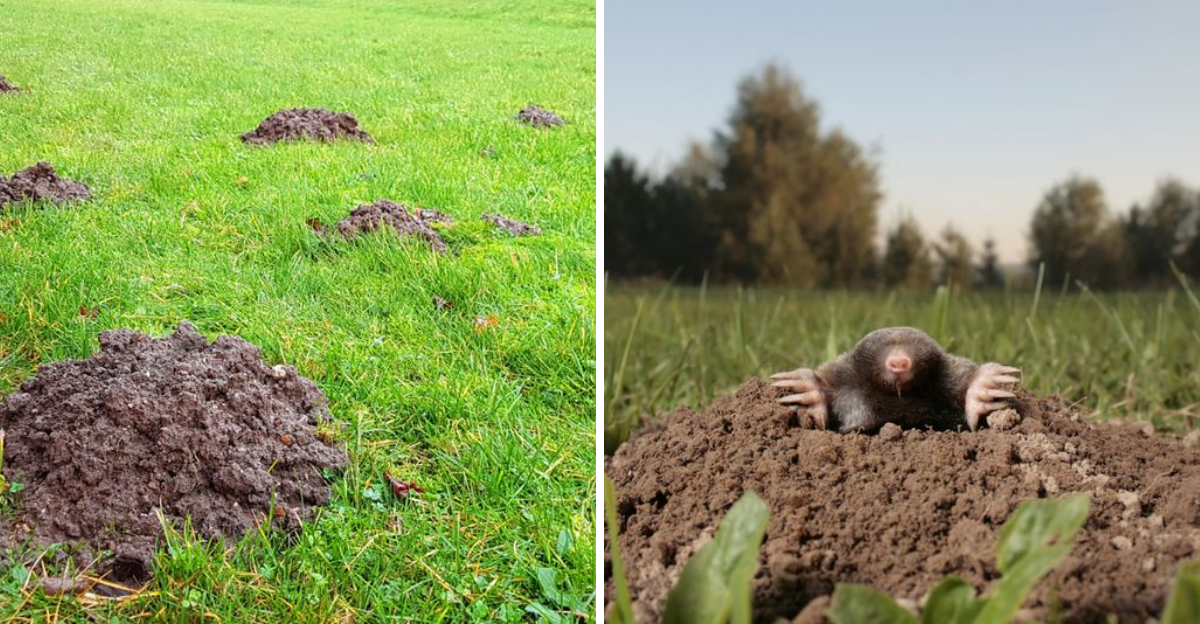
You step outside expecting a smooth, green lawn, and instead it looks like something tunneled through overnight. Those raised ridges and soft spots don’t show up by accident.
Once moles move in, it can feel like they’re one step ahead no matter what you try. The frustrating part is that most of the time, they’re showing up for a reason.
Ohio lawns can quietly become the perfect setup without anyone noticing. Moist soil, active insect life, and a steady food supply make it easy for moles to settle in and stay.
What feels like a sudden invasion is often the result of small, everyday lawn habits adding up over time. The good news is that turning things around doesn’t start with chasing tunnels.
It starts with understanding what’s drawing them in and making a few smart changes that shift your yard out of their comfort zone.
1. Overwatering Your Lawn Creates The Perfect Hunting Ground
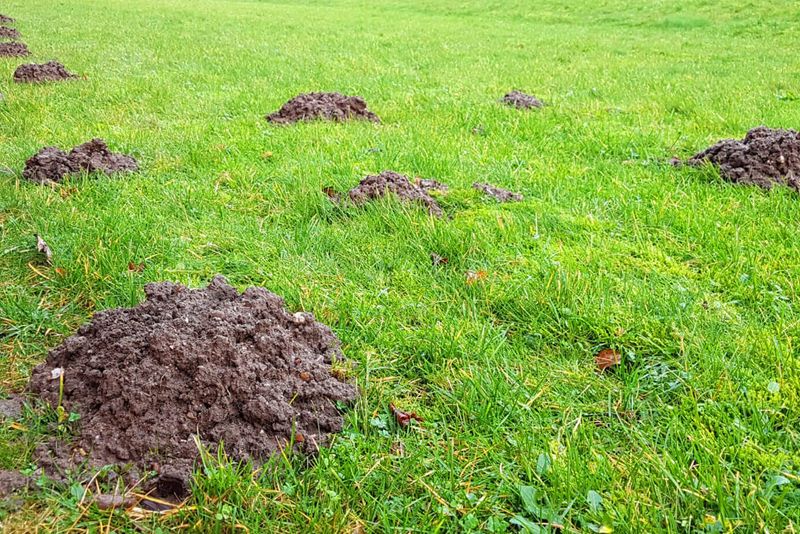
Soggy lawns are basically a mole buffet. When soil stays consistently wet, earthworms move closer to the surface, and moles follow right behind them.
Earthworms make up the majority of a mole’s diet, so any condition that concentrates worm activity near the top of the soil is going to make your yard far more attractive to these underground hunters.
Many Ohio homeowners water their lawns more than necessary, especially during the warmer months.
Clay-heavy soils common across central and northern Ohio hold moisture longer than sandier soils, which means overwatering in these areas creates prolonged wet conditions that support heavy worm populations.
According to Ohio State University Extension, most established lawns only need about one inch of water per week, including rainfall.
Checking your soil before turning on the sprinklers is a simple habit that can make a real difference. Push a screwdriver or a finger a few inches into the ground.
If the soil already feels moist, hold off on watering. Letting the top layer dry out slightly between watering sessions reduces the surface concentration of earthworms without harming your grass.
Drip irrigation and soaker hoses can also help deliver water more precisely to plant roots rather than soaking the entire lawn surface. Adjusting your sprinkler schedule to water less frequently but more deeply encourages grass roots to grow downward rather than staying shallow.
Deep-rooted lawns are more drought-tolerant and require less frequent watering overall.
Reducing overwatering will not remove every mole from your yard overnight, but it does lower the food concentration near the surface.
Over time, making your lawn a less reliable food source is one of the most effective long-term strategies for reducing mole activity without reaching for traps or chemicals.
2. Letting Grub Populations Get Out Of Control
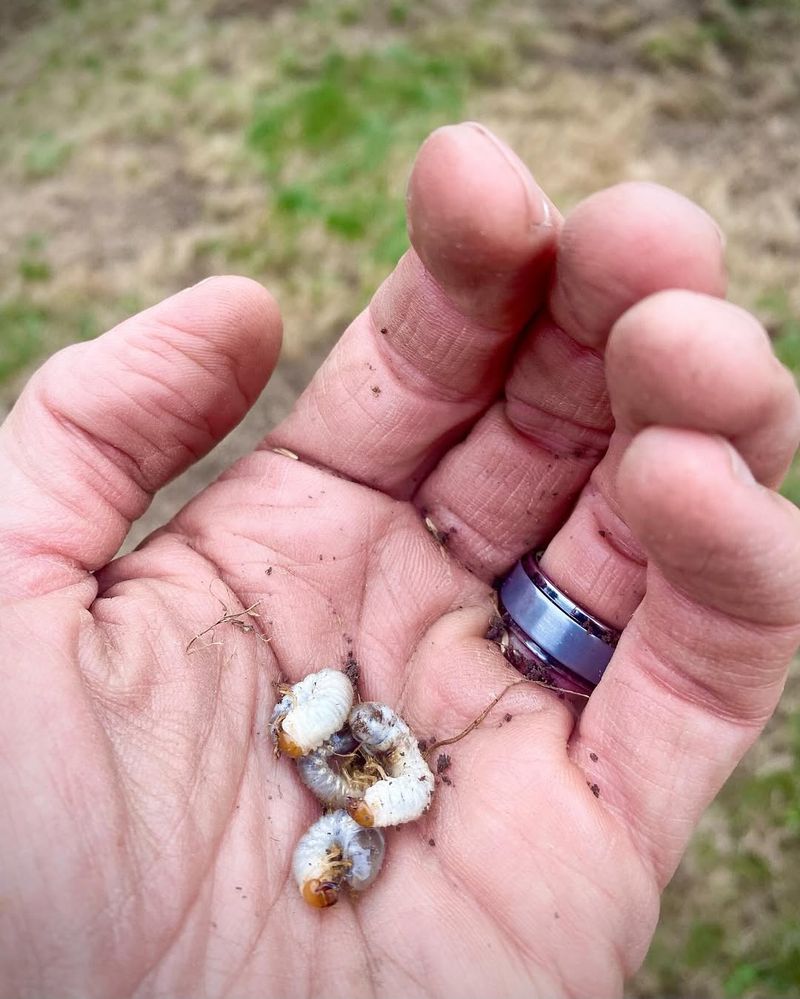
White grubs are one of the most common soil insects found in Ohio lawns, and while moles prefer earthworms as their main food source, a yard crawling with grubs and other soil insects is still a yard worth exploring. High insect activity in the soil signals an abundant food environment, and moles are efficient foragers that will investigate wherever the food is concentrated.
Your Ohio Garden Changes Every Week. Your Plan Should Too.
Gardening in Ohio changes quickly throughout the season. Every Friday you’ll receive a simple weekly plan showing exactly what to plant, prune, fertilize, harvest, and protect so you never miss the right timing.
Japanese beetle larvae are the most widespread grub species in Ohio. They hatch in late summer, feed on grass roots through fall, and then burrow deeper in winter before returning to the surface in spring.
This cycle of activity creates ongoing disturbance in the soil layer that moles patrol regularly. Even if moles are not targeting grubs specifically, the general increase in soil insect life makes your lawn a more attractive territory.
Responsible grub management starts with proper identification and timing. Applying beneficial nematodes, which are microscopic organisms that target grub larvae, works best when soil temperatures are warm and the grubs are still young and near the surface.
Milky spore is another biological option, though research from Ohio State University Extension suggests it works more reliably in warmer regions than in northern Ohio’s cooler soils.
Chemical grub controls are available, but they should be used carefully and only when grub counts are high enough to justify treatment. A general guideline from extension resources suggests that more than ten grubs per square foot warrants action.
Treating below that threshold may not provide meaningful mole deterrence and can unnecessarily affect soil health.
Keeping grub populations at manageable levels removes one more reason for moles to stay active in your yard.
Paired with other lawn care adjustments, grub management can meaningfully reduce the overall appeal of your soil to foraging moles across Ohio’s growing season.
3. Ignoring Soil That’s Too Loose And Easy To Tunnel Through
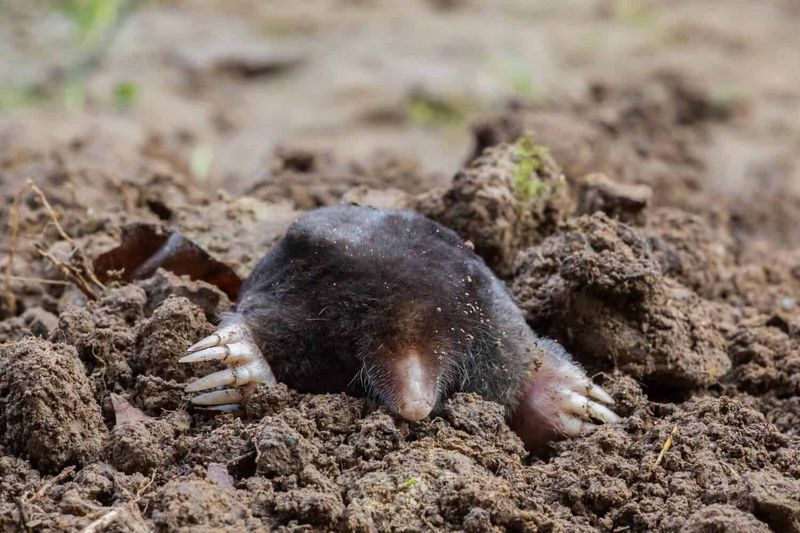
Freshly amended garden beds feel like a dream to work in, but that same soft, fluffy soil is also remarkably easy for a mole to push through. Moles are built for digging.
Their broad front feet and strong shoulders let them move through soil with surprising speed, but they still favor paths of least resistance. Loose, well-aerated soil is simply easier to navigate than compacted ground.
Ohio gardeners who add generous amounts of compost, peat moss, or sandy material to their beds are unintentionally creating ideal tunneling conditions. This does not mean you should stop improving your soil.
Healthy, amended soil grows better plants and supports a thriving ecosystem. The goal is awareness, not avoidance.
Understanding that improved soil may temporarily attract more mole activity helps set realistic expectations.
Compacting your soil to deter moles is not a practical or healthy solution. Over-compacted soil restricts root growth, reduces water infiltration, and harms the beneficial organisms your garden depends on.
A better approach is to focus on the other factors that attract moles, such as moisture and food availability, rather than trying to make your soil less hospitable overall.
If mole tunneling is concentrated in a specific raised bed or heavily amended area, you can line the bottom of that bed with hardware cloth before filling it. Use a half-inch mesh galvanized wire that extends several inches up the sides.
This physical barrier allows water and roots to pass through while blocking moles from tunneling up from below. It is one of the most reliable and non-toxic options available to Ohio gardeners dealing with repeated damage in specific planting areas.
Combining physical barriers with smart watering and food-source management gives you a layered approach that works far better than any single solution on its own.
4. Piling On Organic Matter Without Monitoring What It Attracts
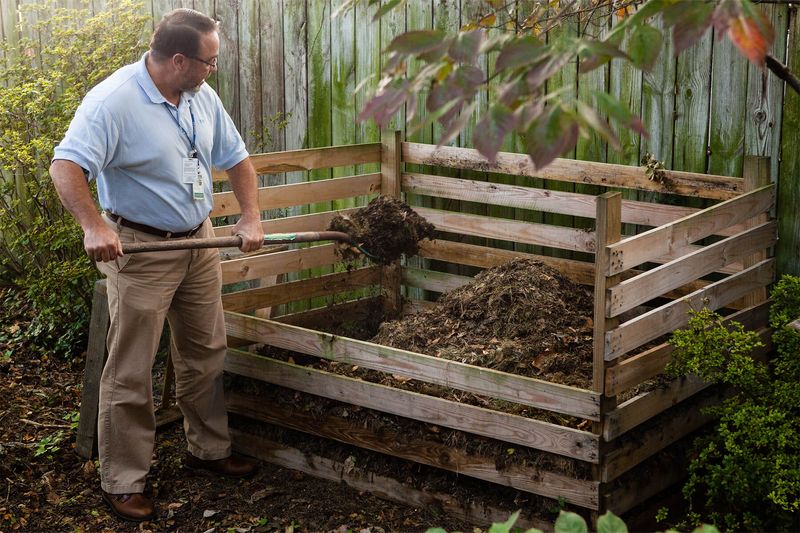
Compost is one of the best things you can add to an Ohio garden. It improves soil structure, feeds beneficial microbes, and supports healthy plant growth.
But a thriving compost pile and heavily mulched garden beds also create a concentration of biological activity that can draw moles closer to your planting areas than you might expect.
Earthworms are heavily attracted to organic matter. They break it down, improve drainage, and cycle nutrients through the soil.
All of that is great for your garden. The problem is that wherever worms gather in high numbers, moles are more likely to follow.
A thick layer of mulch or a rich compost pile sitting directly against your garden beds creates a warm, moist, worm-dense environment that a mole will find worth investigating.
You do not need to stop composting or mulching. What helps is being thoughtful about placement and depth.
Avoid piling mulch more than two to three inches deep, since excessive mulch retains more moisture and warmth than necessary, which amplifies worm activity near the surface. Keep compost bins elevated or enclosed rather than open on the ground when possible.
Rotating where you apply fresh compost each season can also help prevent a consistent concentration of organic activity in one spot.
Spreading the biological richness across your garden rather than concentrating it in one area distributes worm populations more evenly and makes your yard less predictable as a mole hunting ground.
Think of it as managing abundance rather than eliminating it. Ohio gardens that use organic matter wisely can still be incredibly productive without becoming a reliable food corridor for moles.
Balance is the key word here, and small adjustments in how you apply and manage organic inputs can make a noticeable difference over time.
5. Watering At Night When Soil Stays Damp Longer

Timing your watering sessions might seem like a minor detail, but it has a bigger impact on mole activity than most Ohio homeowners realize.
When you water at night, the soil stays moist for a much longer stretch of time because cooler temperatures and darkness slow evaporation significantly.
That extended dampness keeps earthworms near the surface longer, which gives moles a longer and more reliable window to hunt.
Moles are most active during early morning and evening hours, which aligns closely with the conditions that nighttime watering creates. Damp soil that has been sitting wet since the previous evening is soft, easy to tunnel through, and filled with worms that have not yet retreated deeper.
It is essentially setting the table for a mole before your day even starts.
Morning watering is a much better practice for multiple reasons. Watering in the early morning gives the sun and daytime temperatures time to evaporate surface moisture throughout the day.
This reduces the window of prolonged dampness and discourages worms from staying concentrated near the top of the soil. Grass also benefits from morning watering because the blades dry out during the day, which reduces the risk of fungal disease.
If your schedule makes morning watering difficult, midday watering is a reasonable alternative, though some water will be lost to evaporation during peak heat.
Evening watering should be the last resort, and if you must water late in the day, try to do it early enough that the surface has some time to begin drying before temperatures drop overnight.
Switching your watering schedule is a free and immediate adjustment that can reduce the conditions moles rely on without requiring any products, tools, or major changes to your lawn care routine. Small timing shifts can produce real results.
6. Chasing Moles Instead Of Fixing What’s Drawing Them In
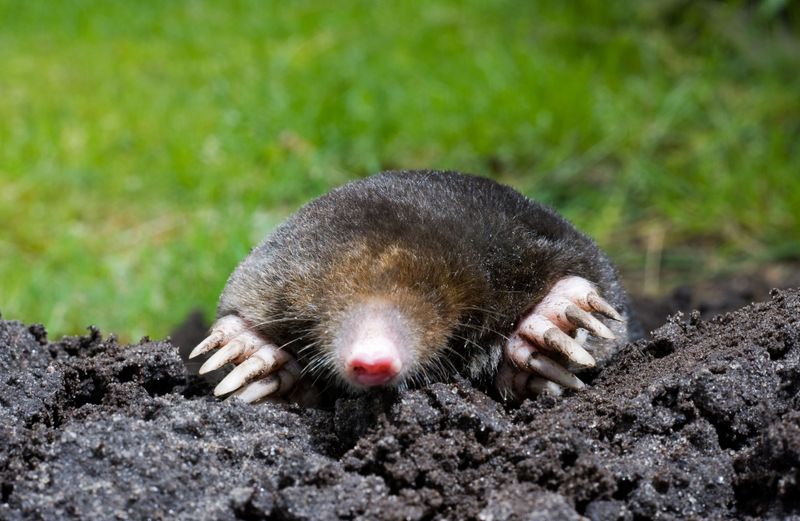
Spotting a fresh tunnel in your lawn and immediately reaching for a repellent spray is a completely understandable reaction.
But most quick-fix products, including castor oil sprays, vibrating stakes, and ultrasonic devices, have little to no consistent scientific support behind them.
Research from land-grant university extensions, including Ohio State, has found that these methods tend to produce temporary results at best, with moles often returning once the novelty of the disturbance fades.
The reason reactive approaches fall short is straightforward. If the conditions that attracted the mole in the first place have not changed, another mole will move in as soon as the first one leaves or adjusts.
Moles are territorial and solitary, so removing or scaring off one animal without addressing the food supply and soil conditions simply opens the territory for the next one to claim.
Focusing on the root causes is far more effective than chasing symptoms. Adjusting your watering schedule, managing grub populations, and monitoring organic matter placement are all upstream solutions that reduce the attractiveness of your yard over time.
These changes do not produce instant results, but they build toward a yard that is genuinely less appealing to moles rather than one that just temporarily disrupts them.
If trapping is something you are considering, it is worth knowing that it can be effective when done correctly and consistently. Ohio law does not prohibit the trapping of moles on private property.
However, trapping works best as part of a broader management strategy rather than as a standalone fix. Removing a mole while the food source remains abundant is a short-term solution.
Shifting your mindset from reactive to preventive is the single biggest change Ohio gardeners can make. Understanding what is drawing moles in gives you real control, rather than the illusion of it.
7. Expecting Quick Fixes Instead Of Long-Term Control
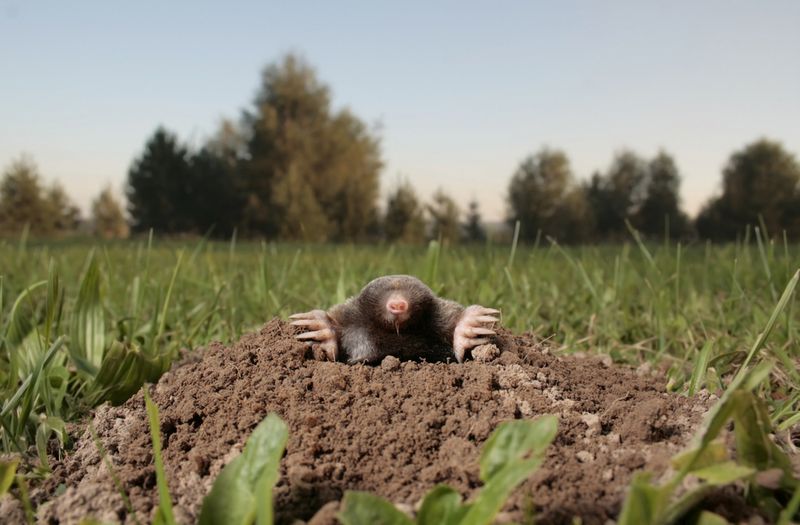
Mole problems rarely resolve in a single weekend. Expecting them to is one of the most common reasons Ohio homeowners feel frustrated after trying multiple products or methods.
Mole activity naturally fluctuates with the seasons, soil moisture levels, and food availability, which means the same yard can seem mole-free for weeks and then show new activity after a stretch of rain or a shift in temperature.
In Ohio, moles are most active in spring and fall when soil temperatures are moderate and earthworms are abundant near the surface. During summer heat and winter cold, moles tend to move deeper into the soil, which can make it seem like they have gone away.
That disappearance is often temporary. When conditions return to their preferred range, so does the tunneling.
Consistent lawn management over an entire growing season produces far better results than any single intervention.
This means sticking with adjusted watering habits even after you stop seeing new tunnels, continuing to monitor grub populations year to year, and keeping organic matter balanced throughout your garden.
The goal is not to eliminate every mole from your property but to make your yard a less reliable and less rewarding place for them to spend time.
Setting realistic expectations also helps reduce unnecessary frustration. A yard with healthy soil and a rich ecosystem will always attract some level of wildlife, including moles.
The aim is management and reduction, not total eradication. Most Ohio homeowners who take a consistent, conditions-based approach see meaningful improvement within one to two full growing seasons.
Patience and persistence are the real tools here. Understanding that mole control is a process rather than a single event puts you in a much stronger position to protect your lawn and garden for the long haul without constant stress or expense.