Top Native Plants That Bring Life To Virginia Landscapes
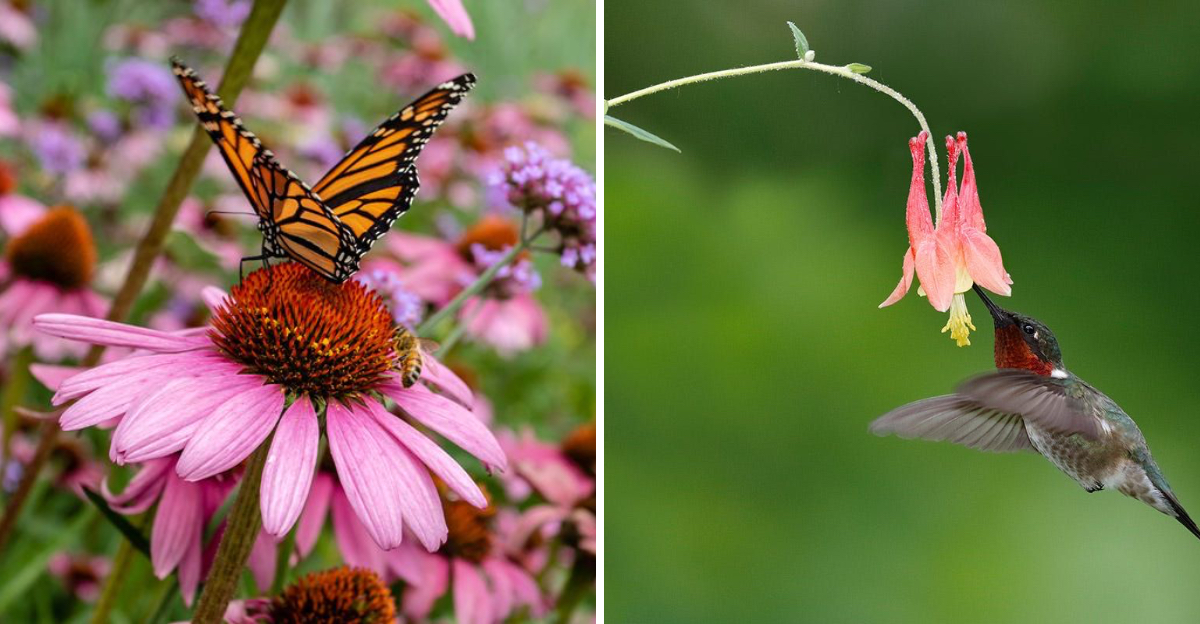
Virginia’s landscape does not need improving, it needs echoing. Throughout the state, the landscape is layered with texture, color, and life.
The easiest way to bring that same feeling into your own space is by planting what already belongs there. Native plants have been growing here for thousands of years. They know the soil, the seasons, the rhythm of the weather.
That familiarity shows in how effortlessly they grow, how little they demand, and how naturally they support pollinators, birds, and everything in between.
They do more than fill a garden. They create a space that feels grounded, balanced, and alive in a way that imported plants rarely achieve.
Even a small garden can carry that sense of place. Just a few native plants can give your yard a true Virginia feel.
1. Eastern Redbud (Cercis Canadensis)
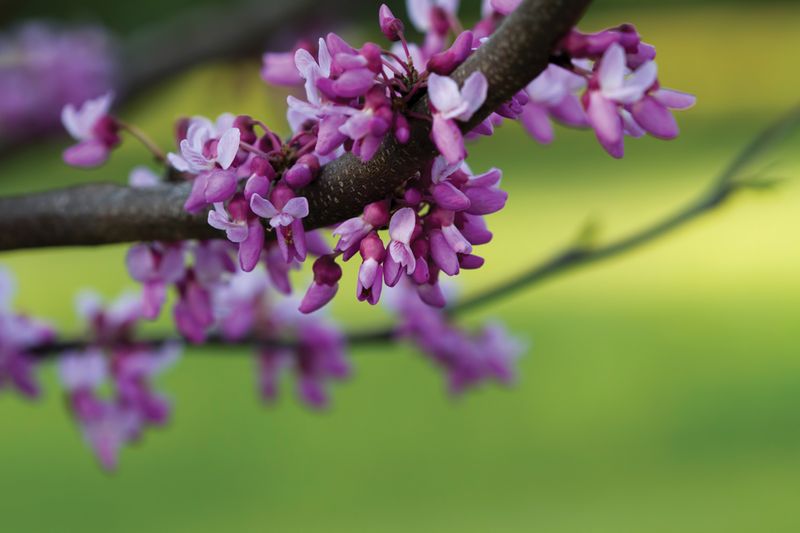
Few sights in early spring stop people in their tracks quite like an Eastern Redbud exploding with color. Before a single leaf appears, this stunning tree bursts into clusters of rosy-pink to purple blooms that cover every branch like a cloud of confetti.
It is one of the most eye-catching native trees you can add to any yard.
Eastern Redbuds grow to about 20 to 30 feet tall and have a beautiful, spreading canopy that provides light shade in summer. The heart-shaped leaves that follow the flowers add a charming touch, turning golden yellow in fall.
This tree truly performs across every season.
Birds, bees, and butterflies are huge fans of Redbud blossoms, making it a wildlife magnet from the moment it blooms. It grows well in both full sun and partial shade, tolerates a wide range of soils, and requires very little care once established.
Plant one near a patio or walkway for a showstopping focal point that rewards you every single spring with a spectacular natural display.
2. Virginia Bluebells (Mertensia Virginica)
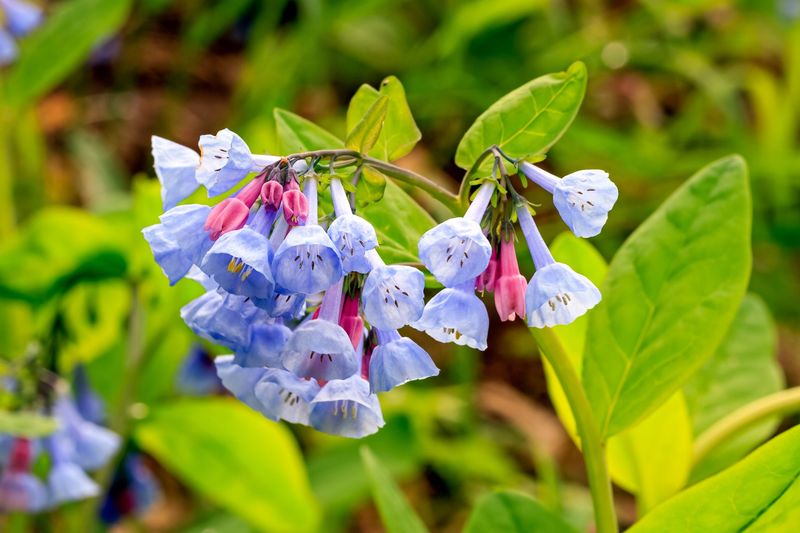
Imagine a carpet of sky-blue bells swaying gently in a spring breeze along a shaded forest floor. That is exactly what Virginia Bluebells deliver, and they do it with effortless grace.
These delicate wildflowers are among the most beloved spring bloomers native to the eastern United States.
Virginia Bluebells emerge in early spring with soft pink buds that gradually open into gorgeous blue trumpet-shaped flowers. They thrive in moist, shaded spots like woodland gardens, stream banks, or areas beneath large deciduous trees.
The blooms attract early-season pollinators like bumblebees and hummingbirds looking for a fresh nectar source.
One fun thing about Virginia Bluebells is that they are ephemeral, meaning they bloom brilliantly in spring and then quietly go dormant by early summer. Planting them alongside ferns or hostas is a smart trick because those plants fill in the space after the bluebells fade.
They spread naturally over time, creating wider and more dramatic drifts of color each year. For anyone wanting a low-fuss, high-reward native plant, Virginia Bluebells are an absolutely magical choice for shaded garden spots.
3. Black-Eyed Susan (Rudbeckia Hirta)
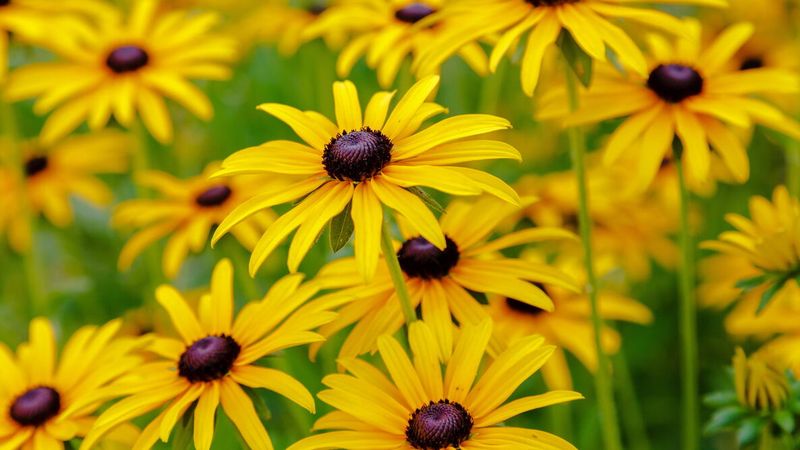
Cheerful, tough, and wildly popular with pollinators, Black-Eyed Susan is basically the life of the summer garden party.
Your Virginia Garden Changes Every Week. Your Plan Should Too.
Gardening in Virginia changes quickly throughout the season. Every Friday you’ll receive a simple weekly plan showing exactly what to plant, prune, fertilize, harvest, and protect so you never miss the right timing.
These golden-yellow daisy-like flowers with their bold dark centers pop up in meadows, roadsides, and gardens all across Virginia from June through September. They bring a burst of sunshine to any landscape.
Black-Eyed Susans are incredibly easy to grow and thrive in full sun with well-drained soil. They handle heat and drought like champions, which makes them perfect for gardeners who do not want to spend hours watering.
Once established, they self-seed freely, so your patch will naturally grow bigger each year without any extra effort.
Bees, butterflies, and goldfinches absolutely love this plant. The seed heads that remain after flowering provide an important food source for birds heading into the colder months.
Mixing Black-Eyed Susans with other native wildflowers like purple coneflower or little bluestem grass creates a stunning, naturalistic planting that looks both intentional and wild.
For beginner gardeners or anyone wanting reliable summer color, Black-Eyed Susan is one of the easiest native plants to grow successfully anywhere in the state.
4. Purple Coneflower (Echinacea Purpurea)
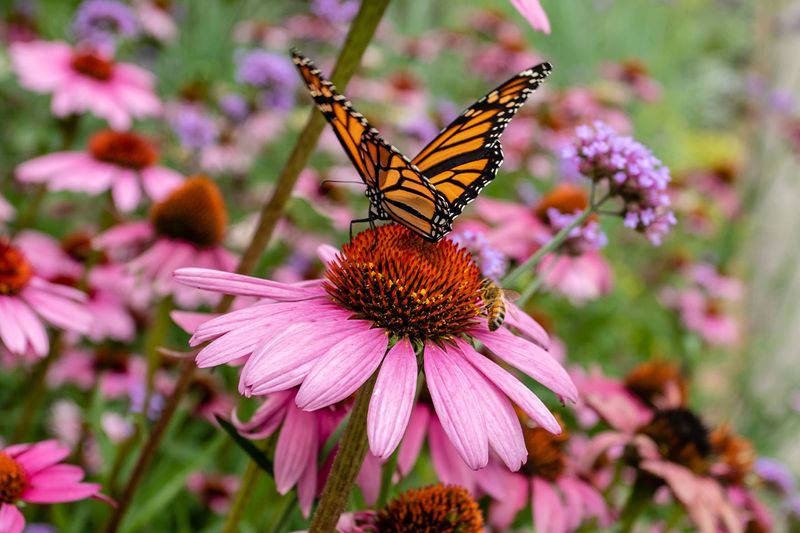
Bold, beautiful, and practically unstoppable, Purple Coneflower is the kind of native plant that makes every garden look like it was designed by a professional.
Its striking pink-purple petals droop gracefully around a spiky, copper-colored center cone, creating a flower shape that is immediately recognizable and endlessly photogenic.
Purple Coneflower blooms throughout summer and into early fall, providing a long season of color when many other plants have already finished. It thrives in full sun and adapts to a wide range of soil types, including dry or poor soils where other plants might struggle.
Once established, it is remarkably drought-tolerant and requires minimal maintenance.
Pollinators go absolutely wild for coneflowers. Bees, butterflies, and even hummingbirds visit the blooms regularly throughout the season.
After the petals drop, the spiky seed heads attract goldfinches and other songbirds that pick them clean during fall and winter. Echinacea has also been used in herbal medicine for centuries, adding an interesting historical layer to this already impressive plant.
Planting Purple Coneflower in groups of three or more creates the most dramatic visual impact and supports the largest number of beneficial insects and birds.
5. Wild Columbine (Aquilegia Canadensis)
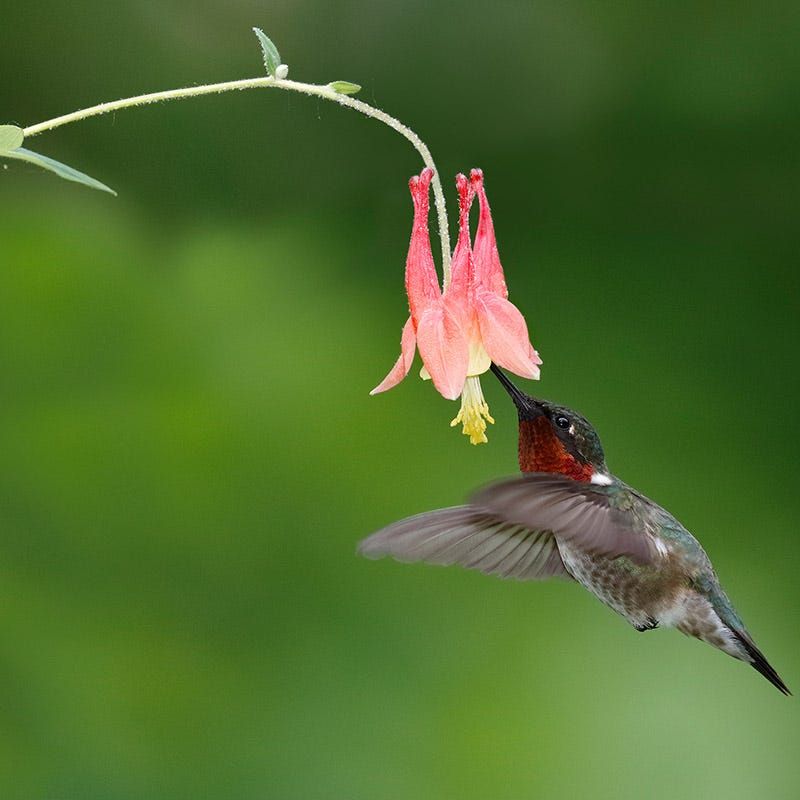
There is something almost magical about the way Wild Columbine hangs its nodding red and yellow flowers like tiny lanterns in a shaded woodland garden.
This graceful native perennial is one of the earliest spring bloomers, often appearing in April and May when hummingbirds are just returning from their winter travels.
The timing is no accident.
Wild Columbine and ruby-throated hummingbirds have evolved together over thousands of years. The long spurs on the flowers are perfectly shaped to match the hummingbird’s beak, making it one of the best native plants for attracting these incredible birds to your yard.
Bumblebees and swallowtail butterflies are also regular visitors.
This plant thrives in partial to full shade and grows well in rocky, well-drained soils, making it ideal for woodland gardens, slopes, or areas under large trees where other plants struggle to perform.
Wild Columbine reaches about one to three feet tall and has attractive, blue-green foliage that looks appealing even when the plant is not in bloom.
It self-seeds readily, gently spreading to form natural-looking colonies over time. For a shaded corner that needs a pop of color and wildlife activity, Wild Columbine is a perfect native solution.
6. Switchgrass (Panicum Virgatum)
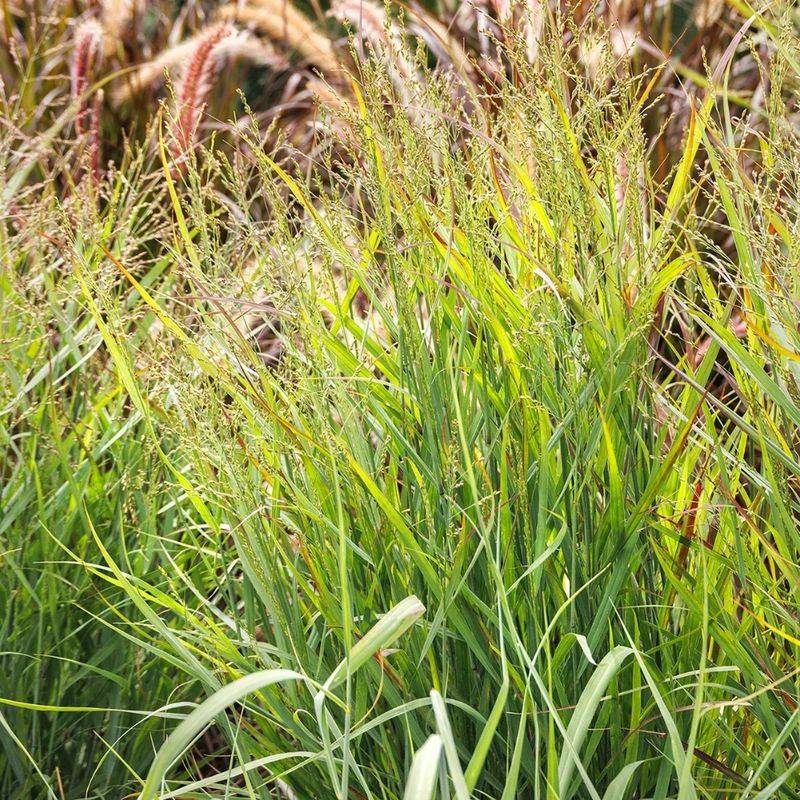
Switchgrass might just be the most underrated native plant in the entire gardening world, and it is time to give it the spotlight it deserves.
This native prairie grass is incredibly versatile, strikingly beautiful in all four seasons, and one of the hardest-working plants you can put in the ground anywhere in Virginia.
In summer, Switchgrass forms upright, elegant clumps of blue-green foliage topped with airy, cloud-like seed heads that shimmer in the breeze.
By fall, the foliage turns brilliant shades of gold, orange, and red, providing stunning seasonal color long after most flowering plants have finished.
Even in winter, the dried stalks and seed heads add beautiful structure and texture to the landscape.
Switchgrass is incredibly tough, tolerating wet soils, dry soils, heat, and even salt spray near coastal areas. It provides excellent habitat and food for birds, small mammals, and insects throughout the year.
Several cultivated varieties like ‘Shenandoah’ and ‘Heavy Metal’ offer especially vivid fall color or striking upright form.
Using Switchgrass as a backdrop for flowering perennials or as a mass planting along a fence or driveway creates a dramatic, low-maintenance display that looks great year-round with almost zero effort required from the gardener.
7. Mountain Laurel (Kalmia Latifolia)
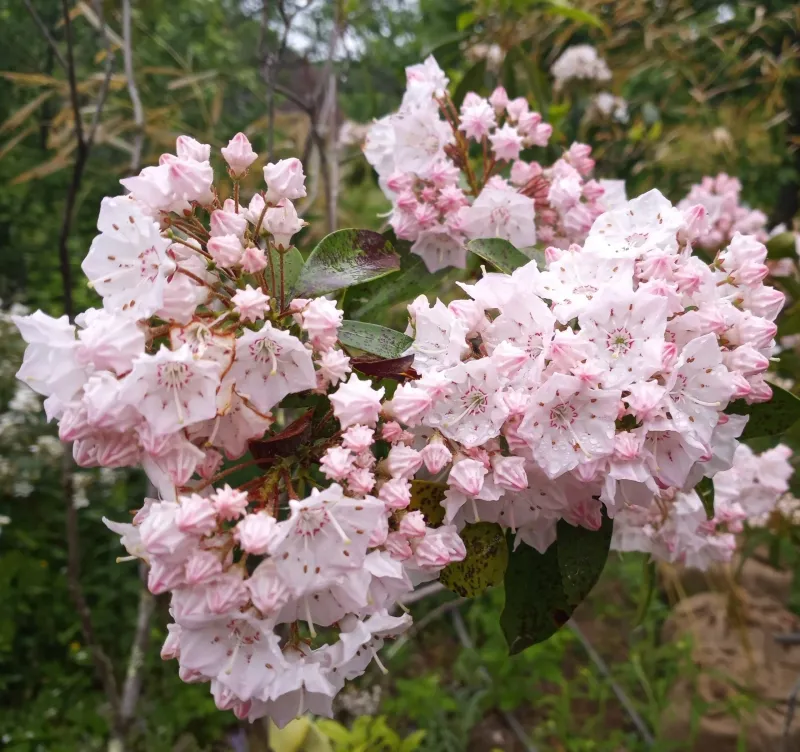
Mountain Laurel is the kind of native shrub that makes people stop their cars just to get a closer look. When it bursts into bloom in May and June, its clusters of intricate pink and white cup-shaped flowers create a breathtaking display that looks almost too beautiful to be real.
It is a true showpiece of the Appalachian landscape.
This evergreen shrub grows naturally in the forested hillsides and mountain slopes of Virginia, thriving in acidic, well-drained soils with partial to full shade. It pairs beautifully with rhododendrons, native ferns, and azaleas in woodland garden settings.
The glossy, dark green leaves remain attractive throughout the entire year, providing year-round structure even when the plant is not flowering.
Mountain Laurel grows slowly but steadily, eventually reaching six to fifteen feet tall depending on conditions. It is a long-lived plant, with some specimens surviving for decades in the right environment.
Pollinators, especially native bees, are drawn to the unique flowers, which have a fascinating spring-loaded mechanism that flings pollen onto visiting insects.
For shaded hillsides, woodland edges, or foundation plantings under tall trees, Mountain Laurel is one of the most spectacular and rewarding native shrubs available to Virginia gardeners.
8. Butterfly Weed (Asclepias Tuberosa)
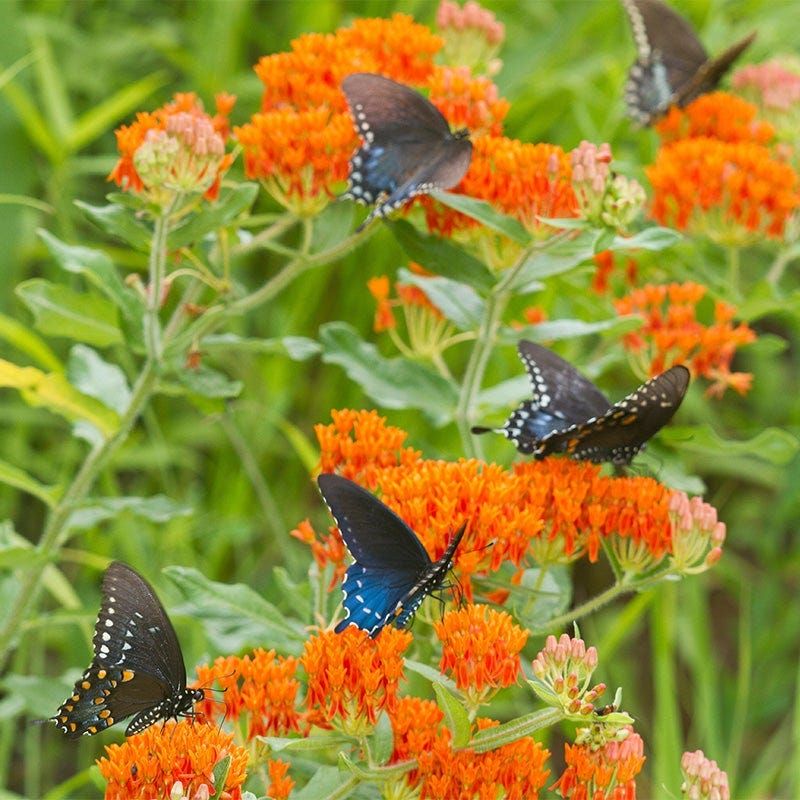
If you have ever wanted to attract monarch butterflies to your yard, Butterfly Weed is the plant you absolutely need in your garden.
This brilliant native wildflower blazes with clusters of vivid orange blooms from June through August, and it acts like a beacon for monarchs, swallowtails, fritillaries, and dozens of other butterfly species.
Butterfly Weed is a member of the milkweed family, which makes it a critical host plant for monarch butterflies. Female monarchs lay their eggs exclusively on milkweed plants, and the caterpillars feed on the leaves as they grow.
Without milkweed, monarch populations cannot survive, making Butterfly Weed one of the most ecologically important native plants you can grow.
Unlike some milkweeds, Butterfly Weed stays compact and tidy, reaching about one to two feet tall. It thrives in full sun and dry, well-drained soil, making it an excellent choice for hot, sunny spots where other plants might wilt.
The seed pods that form after flowering split open to release fluffy white seeds that drift on the breeze like tiny parachutes.
Planting Butterfly Weed in groups creates a bold, eye-catching display while providing maximum benefit for pollinators and the broader ecosystem throughout the entire growing season.
9. American Beautyberry (Callicarpa Americana)
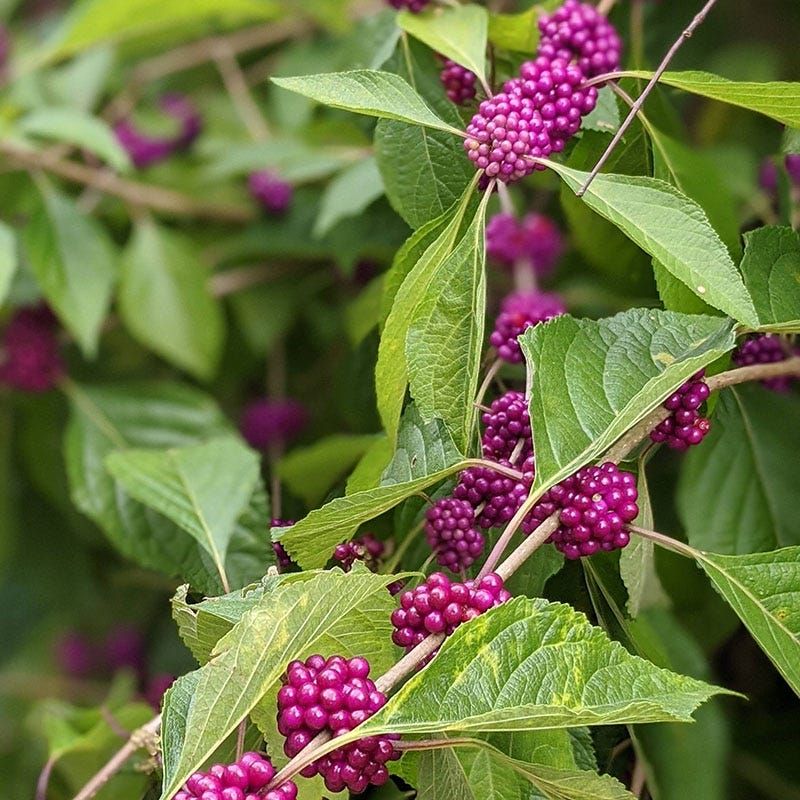
Nothing in the fall garden quite matches the jaw-dropping color of American Beautyberry loaded with its electric purple berries.
These vivid magenta clusters wrap tightly around the arching stems in a pattern so striking and unusual that first-time viewers often think the berries must be fake.
It is genuinely one of the most visually dramatic native shrubs available.
American Beautyberry is a fast-growing, loosely arching shrub that reaches four to six feet tall and wide. It grows naturally in forest edges and open woodlands across Virginia, thriving in both full sun and partial shade.
In summer, small clusters of tiny lavender flowers appear, which are modest but attract a surprising number of pollinators and beneficial insects.
The real show begins in late summer and explodes through fall when the berries ripen to their signature brilliant purple. More than 40 species of birds feed on the berries, including robins, mockingbirds, catbirds, and brown thrashers.
White-tailed deer and small mammals also enjoy the fruit. American Beautyberry is low-maintenance, drought-tolerant once established, and requires only occasional pruning to keep its shape tidy.
For a fall garden that genuinely wows every visitor and supports abundant local wildlife, this native shrub is an unbeatable choice that never disappoints.
10. Pawpaw (Asimina Triloba)
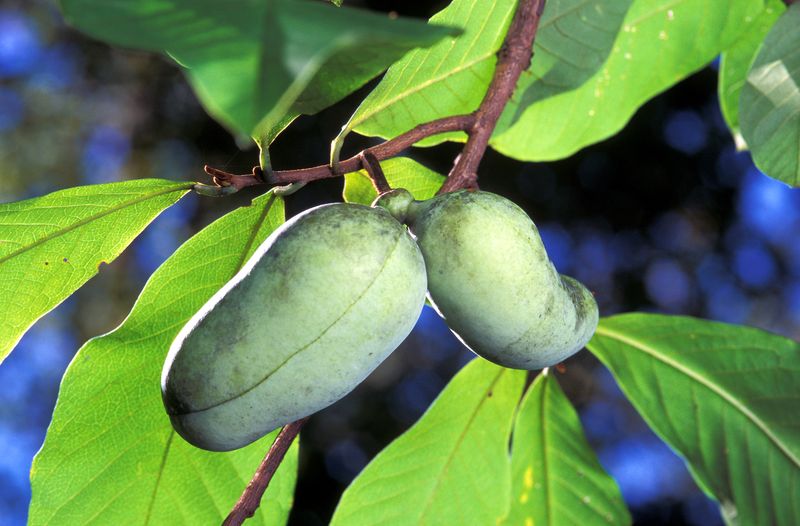
Most people are surprised to learn that a tropical-looking fruit tree with banana-flavored fruits is actually native to Virginia and has been growing wild in eastern forests for thousands of years.
The Pawpaw is one of North America’s most unique native trees, and it is finally getting the attention it has always deserved from gardeners and food enthusiasts alike.
Pawpaw trees grow 15 to 30 feet tall and produce large, drooping leaves that give them a lush, almost jungle-like appearance. The fruits, which ripen in late August through October, are soft, custard-textured, and taste like a blend of banana, mango, and vanilla.
Native Americans and early colonists relied on Pawpaw fruit as an important food source for centuries.
Beyond the delicious fruit, Pawpaw trees are ecologically valuable. They are the only host plant for the zebra swallowtail butterfly, whose caterpillars feed exclusively on Pawpaw leaves.
The trees prefer partial shade and moist, fertile soil, making them ideal for planting along stream banks or woodland edges. You typically need two different trees for cross-pollination and fruit production.
Growing Pawpaw connects your garden to a deep, rich natural and cultural history that stretches back through centuries of life in Virginia’s forests and river valleys.