7 Smart Reasons Washington Gardeners Save Every Pistachio Shell
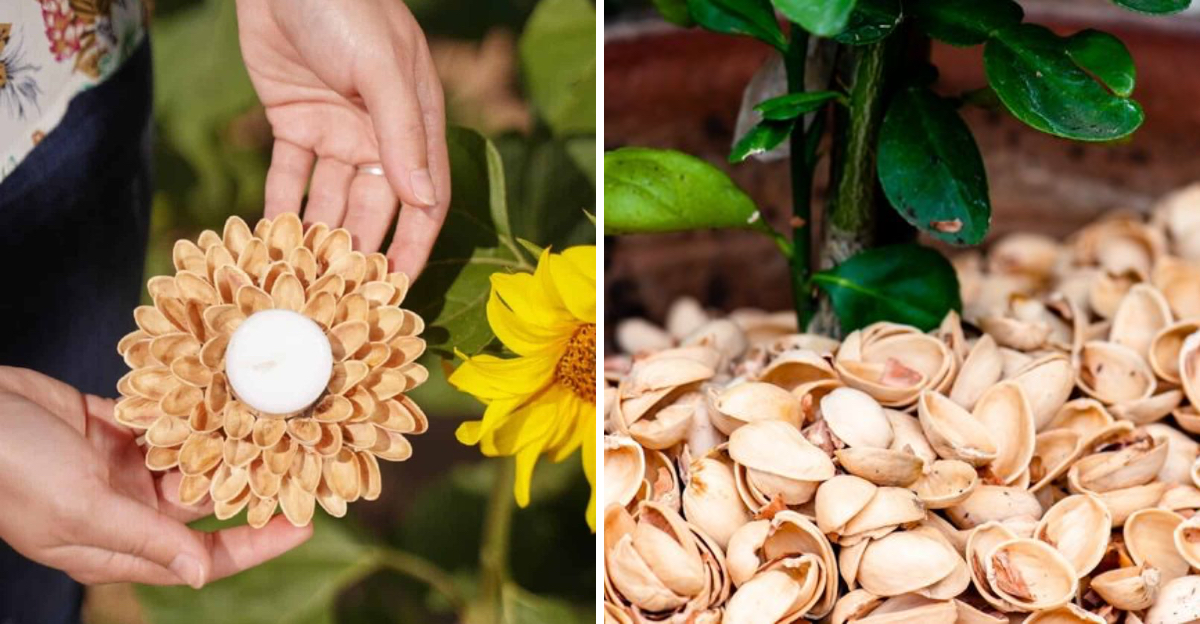
Pistachio shells deserve better than the trash. Most people eat the nut and never think twice about what gets left behind, but in a Washington garden, those rough little shells can do far more than you would expect.
What looks like snack waste can actually become a useful tool for soil, mulch, drainage, and even basic pest control. Gardeners who like practical fixes tend to catch on to this quickly.
Pistachio shells are lightweight, slow to break down, and surprisingly versatile, which makes them handy in all kinds of outdoor spaces, from backyard beds to potted plants on a rainy patio.
They add texture where it helps, last longer than many natural materials, and give you one more way to reuse something instead of throwing it out.
That is part of the appeal. It feels clever, a little unexpected, and genuinely useful at the same time.
So before you dump the shells from your next bag of pistachios, it may be worth looking at them a little differently. In the garden, they can pull more weight than most people realize.
1. Pistachio Shells Improve Soil Drainage Naturally
Soggy soil is every gardener’s nightmare, and pistachio shells might just be the fix you never knew you needed. When mixed into heavy or clay-heavy soil, these tough little shells create tiny air pockets that allow water to move through more freely.
Instead of pooling at the roots and causing rot, water drains at a healthier pace.
Washington gardeners deal with a mix of soil types across the region, and many find that their garden beds can get compacted and waterlogged after heavy rain.
Adding crushed or whole pistachio shells to the soil helps break up that dense texture without the need for expensive commercial products. It is a simple, low-cost fix that works surprisingly well.
You do not need to grind them into powder to get results. Tossing a handful of shells into the planting hole before adding your plant can make a noticeable difference in how well water moves through the bed.
Over time, the shells slowly break down and add a bit of organic matter back into the soil as well.
Gardeners who grow vegetables like tomatoes, peppers, and squash especially benefit from better drainage since these plants hate wet feet. Mixing shells into raised beds is another popular trick that many home growers swear by.
Once you start experimenting, it is easy to see why so many people in the gardening community have started holding onto their snack leftovers with purpose and enthusiasm.
2. They Make A Surprisingly Effective Mulch Layer
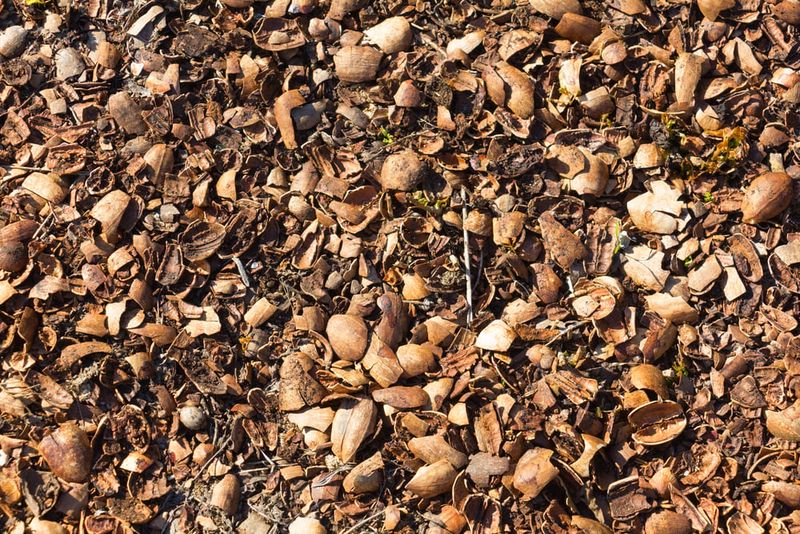
Forget the expensive wood chip bags at the garden center. Pistachio shells can do a solid job as mulch, and they cost you nothing extra since you were already eating the nuts anyway.
Spread around the base of plants, they help lock in moisture, regulate soil temperature, and give your garden beds a tidy, finished look.
One of the best things about using pistachio shells as mulch is how long they last. Unlike straw or shredded leaves that break down quickly, shells hold their shape for a long time.
Your Washington Garden Changes Every Week. Your Plan Should Too.
Gardening in Washington changes quickly throughout the season. Every Friday you’ll receive a simple weekly plan showing exactly what to plant, prune, fertilize, harvest, and protect so you never miss the right timing.
That means fewer top-ups throughout the growing season, which saves both time and effort for busy gardeners.
Washington summers can get hot and dry, and that heat puts a real strain on garden plants. A layer of pistachio shell mulch acts like a little blanket for the soil, keeping the ground cooler and reducing how often you need to water.
That is a win for both your plants and your water bill.
Some gardeners worry that the salt on flavored pistachio shells could harm their plants. The good news is that rinsing the shells before use takes care of that concern quickly and easily.
A quick rinse and a day of drying in the sun is all it takes to get them ready for the garden. Once you lay them down, they blend in naturally and do their job quietly and effectively without any extra fuss or maintenance needed throughout the season.
3. Shells Help Keep Slugs And Pests Away
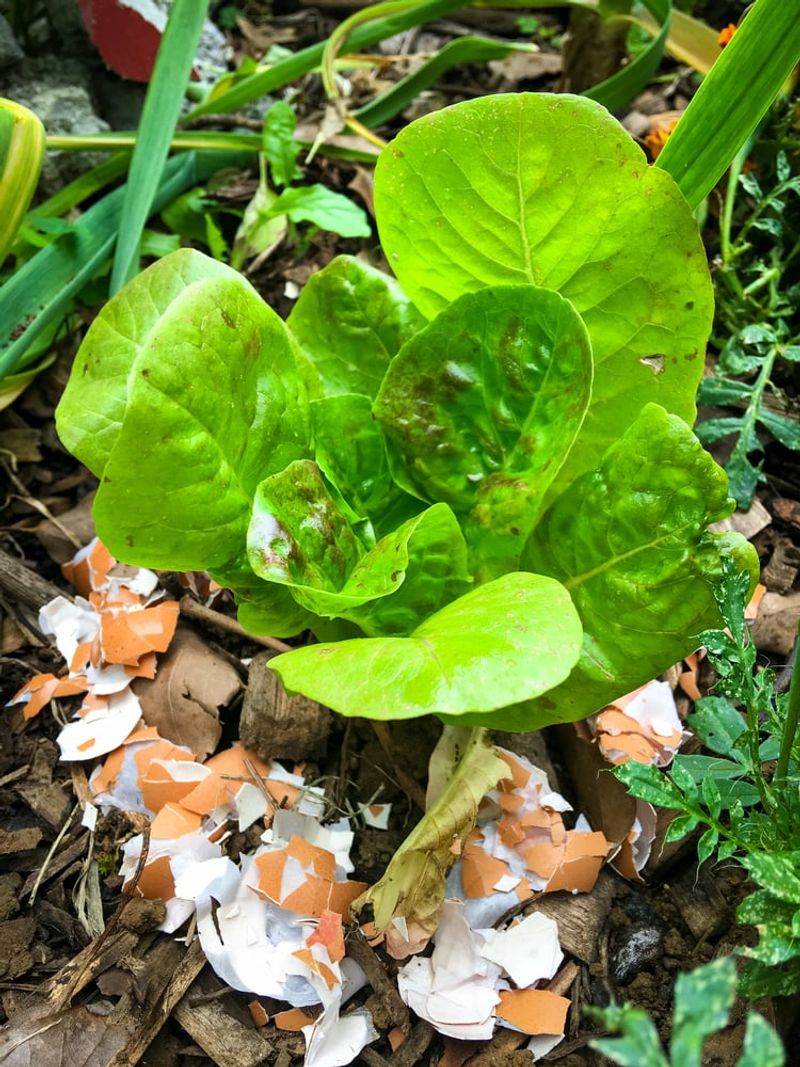
Slugs are sneaky little creatures that can wipe out a seedling overnight, but pistachio shells give gardeners a natural line of defense.
The sharp, jagged edges of the shells are uncomfortable for soft-bodied pests like slugs and snails to crawl over, so they tend to avoid areas where shells are scattered. It is a chemical-free way to protect your plants.
Spreading a ring of pistachio shells around vulnerable plants like hostas, lettuce, and strawberries creates a rough barrier that pests simply do not want to cross.
It works in a similar way to diatomaceous earth but with the added bonus of being completely free and easy to apply. Most gardeners are surprised by how well this low-tech trick performs in real garden conditions.
Beyond slugs, the shells can also discourage other crawling insects from setting up camp near your plants. While they are not a guaranteed solution for every pest problem, they add an extra layer of protection that pairs well with other organic gardening methods.
Think of them as one solid tool in a broader pest management toolbox.
For gardeners who prefer to avoid pesticides and chemical sprays, this kind of natural solution is especially appealing. Washington has a strong community of eco-conscious gardeners who love finding clever, waste-reducing tricks like this one.
Once you see your plants looking healthier and your slug problem shrinking, you will never look at a pistachio shell the same way again. Saving them becomes second nature almost immediately after your first successful season using them this way.
4. They Can Be Turned Into Compost Over Time
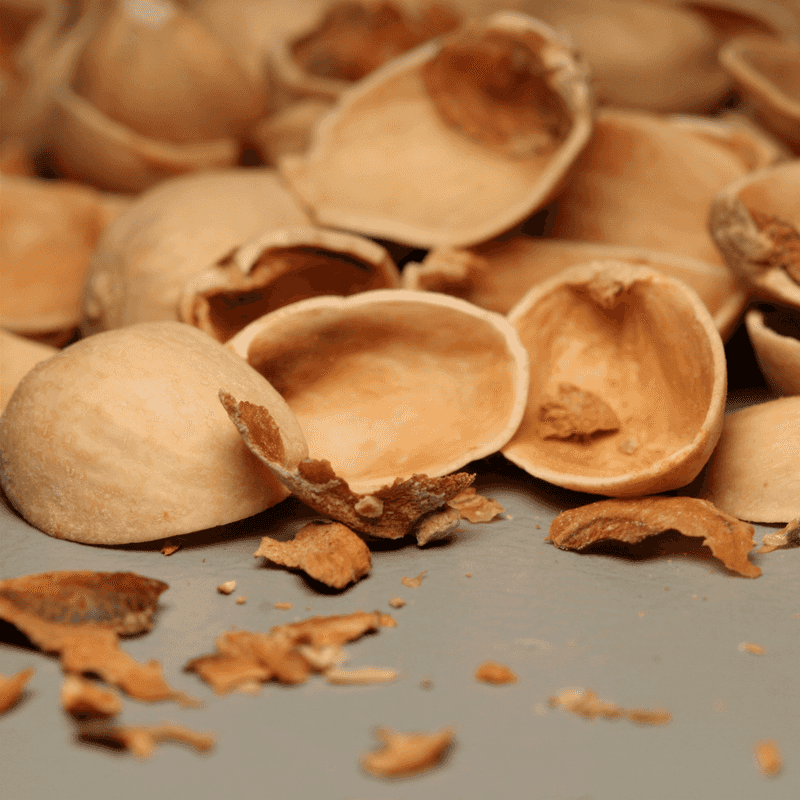
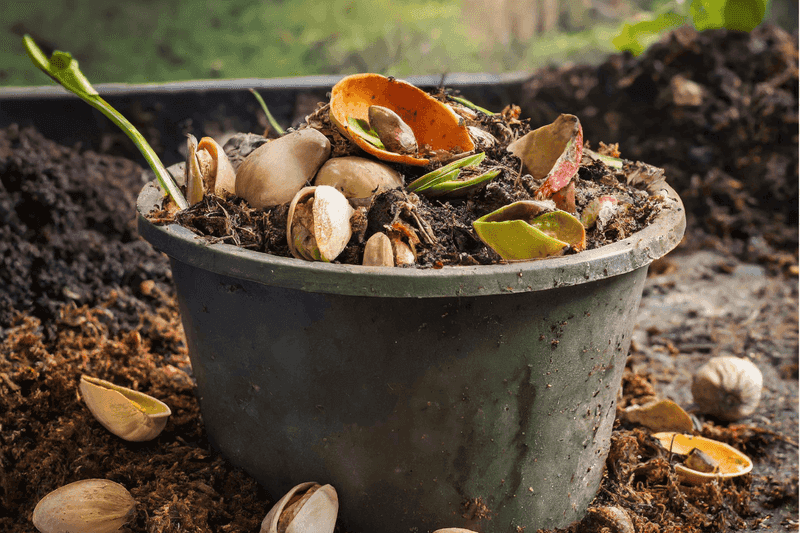
Composting is one of the most rewarding habits a gardener can build, and pistachio shells absolutely have a place in the compost bin.
They are considered a brown material, meaning they add carbon to the mix, which helps balance out the nitrogen-rich green materials like vegetable scraps and grass clippings. A healthy compost pile needs both to work properly.
The shells do take longer to break down than softer materials, which is worth knowing going in. Crushing or breaking them into smaller pieces before adding them to the bin speeds up the decomposition process quite a bit.
Some gardeners run them over with a rolling pin or use a hammer to crack them into smaller chunks before tossing them in.
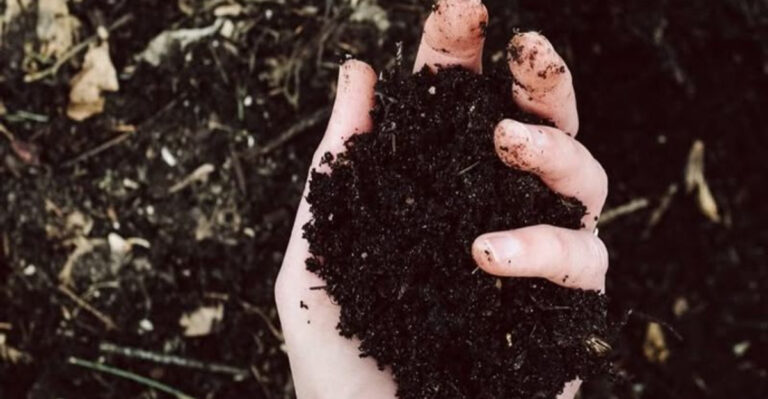
Over several months, the shells will slowly become part of the rich, dark compost that gardeners love working back into their beds. The resulting compost is packed with nutrients and organic matter that feeds soil microbes and supports healthy plant growth.
Turning kitchen waste into garden gold is one of the most satisfying parts of the whole process.
For Washington gardeners who are already committed to reducing waste and living more sustainably, composting pistachio shells fits right into that mindset.
Rather than adding more to the landfill, you are giving those shells a second life that actually benefits your garden in a meaningful way.
It takes a little patience since they break down slowly, but the payoff is absolutely worth the wait. Once you get into the rhythm of saving and composting them, it becomes a habit that feels both smart and incredibly satisfying every single time.
5. Shells Work As Creative Garden Pathway Filler
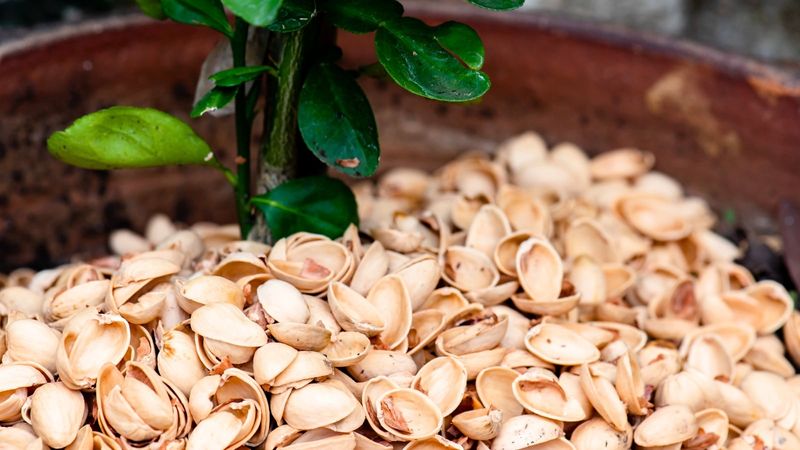
Here is something most people never think about: pistachio shells make a surprisingly charming pathway material. Spread between stepping stones or along narrow garden paths, they create a crunchy, natural surface that looks rustic and intentional.
It is a creative way to use something you already have on hand without spending a dime.
The texture of the shells underfoot is satisfying in a quirky sort of way, and they do a decent job of suppressing weeds that would otherwise push up through bare soil.
Because they are slow to break down, they hold their shape on pathways for a long time before needing to be refreshed. That durability makes them a practical choice for garden areas that get regular foot traffic.
One thing to keep in mind is that the shells can shift around if you use them in a spot that gets a lot of rain runoff. Placing a border of stones or wooden edging around the path helps keep them contained and looking neat.
A little planning up front goes a long way in making the pathway both functional and attractive.
Washington gardeners who love adding personality to their outdoor spaces find that pistachio shell pathways spark conversation and curiosity among visitors. There is something genuinely fun about telling guests that your garden path is made from snack leftovers.
It turns an everyday item into something with character and purpose, which is exactly the kind of creative thinking that makes gardening such a rewarding hobby for people of all skill levels and experience backgrounds.
Give it a try with just one small section of your garden and see how it feels before committing to a larger area.
6. They Help Aerate Potted Plants And Container Gardens
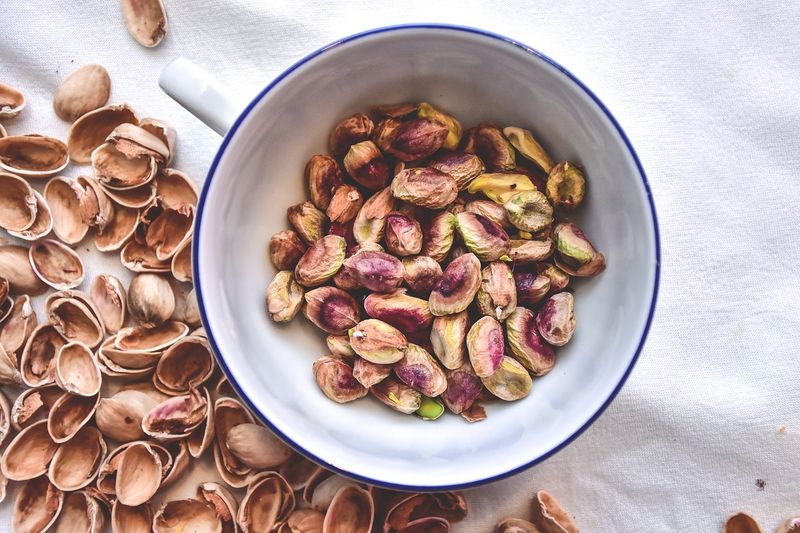
Container gardening is huge in urban areas, and Washington residents have truly embraced it on balconies, rooftops, and patios throughout the city.
One common challenge with potted plants is that soil in containers tends to compact over time, which restricts airflow to the roots and leads to poor plant health. Pistachio shells offer a clever fix for exactly this problem.
The shells hold their shape well and do not break down as quickly as organic materials like bark or coconut coir.
You can also mix a handful of shells directly into the potting mix to help keep the soil from becoming too dense. This works particularly well in large containers where soil compaction tends to be more of an issue.
The shells create tiny channels that allow both air and water to move more freely throughout the entire root zone.
For apartment dwellers and urban gardeners who grow everything in pots, this tip is a real game changer. It is free, it works, and it gives those shells a useful purpose rather than sending them straight to the trash.
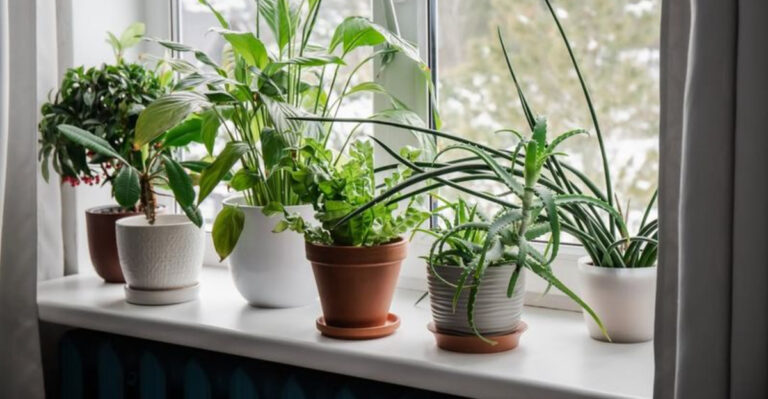
Potted herbs on a kitchen windowsill, tomatoes on a sunny balcony, or flowering plants on a front stoop can all benefit from a handful of shells worked into the container setup.
Once you try it, adding shells to your pots will become a natural part of your planting routine every single time.
7. Pistachio Shells Make Fun And Functional Garden Art
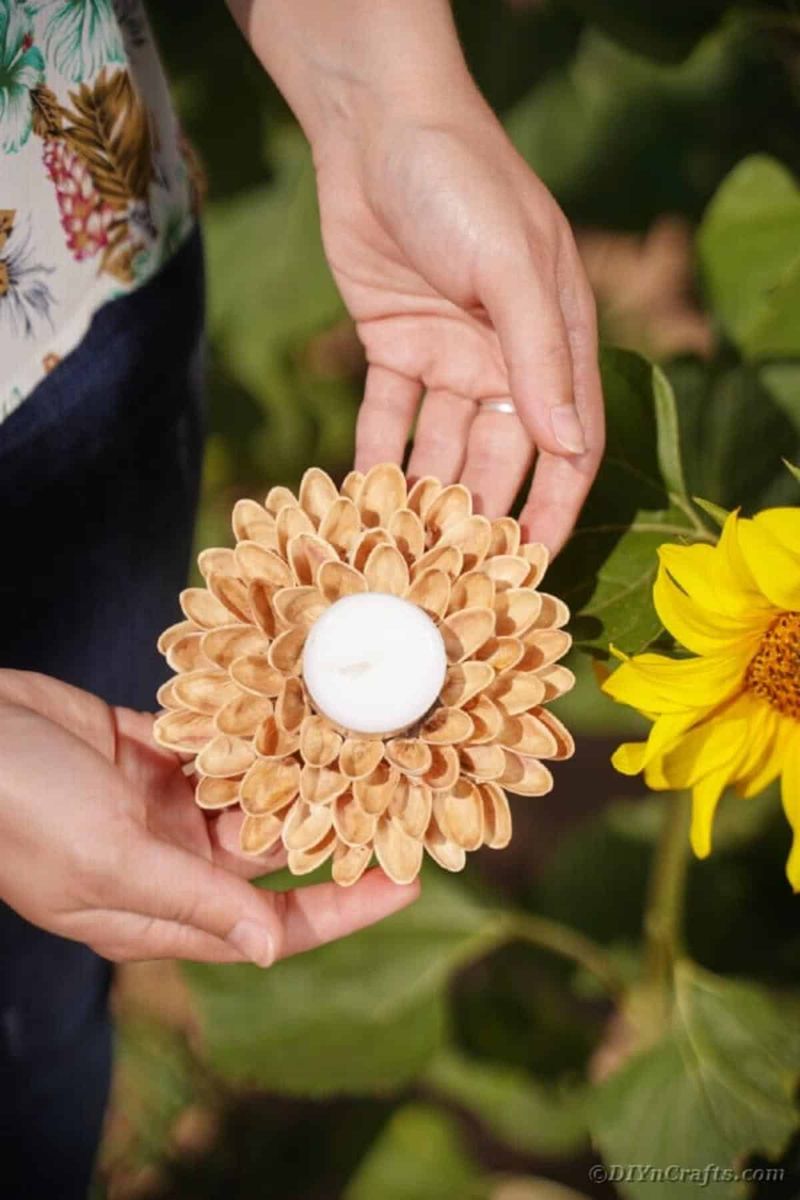
Not everything in the garden has to be purely practical, and pistachio shells prove that point beautifully. Crafty gardeners have found all kinds of creative ways to turn shells into decorative pieces that add color, texture, and whimsy to outdoor spaces.
From painted garden markers to mosaic stepping stones, the possibilities are genuinely fun to explore.
Shell garden markers are one of the easiest projects to start with. Write the name of a plant directly on a shell with a permanent marker and press it into the soil next to your seedlings.
It is a cute, zero-cost alternative to plastic plant labels, and it gives your garden a handmade, personal touch that store-bought markers simply cannot match.
For more ambitious projects, shells can be glued onto pots, garden borders, or wooden signs to create textured, mosaic-style designs. Painting the shells in bright colors before using them adds an extra pop of personality.
These kinds of projects are also a wonderful way to get kids involved in the garden, turning an afternoon snack into an afternoon of creative outdoor activity.
Washington has a thriving arts and community garden culture, and projects like these fit right in with that spirit of creativity and resourcefulness.
Community gardens across the city have been known to incorporate all kinds of upcycled materials into their shared spaces, and pistachio shell art is a natural fit.
Whether you go simple or elaborate, turning shells into garden art is a reminder that the best garden features do not always come from a store. Sometimes the most charming details come straight from your own kitchen snack bowl on a lazy weekend afternoon.